Best Month to Fish for Striped Bass in Virginia
It can be really confusing trying to figure out the absolute best time to chase striped bass in Virginia, especially with the unique split seasons and migratory patterns of these incredible fish. You hear whispers of the "fall run" or exciting spring action, but when exactly should you plan your trip for maximum success? This guide is going to cut through the confusion and pinpoint the prime months to target striped bass across Virginia's diverse waters, ensuring you're ready when the rockfish are biting.
Unraveling Virginia's Prime Striped Bass Seasons
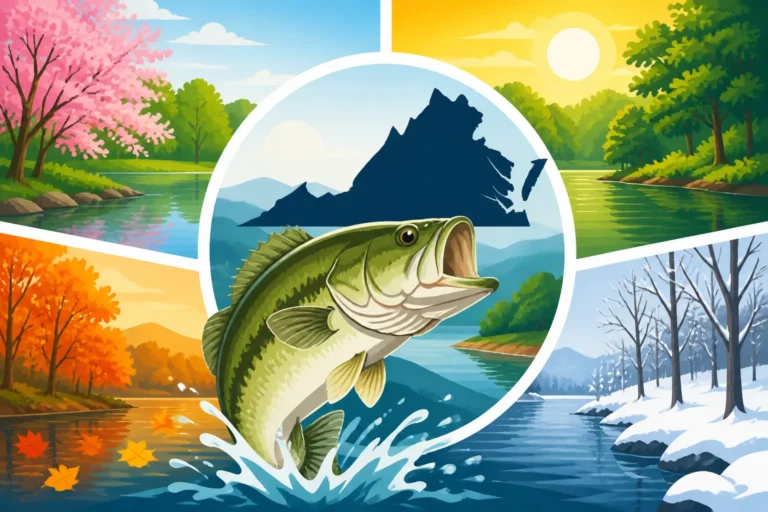
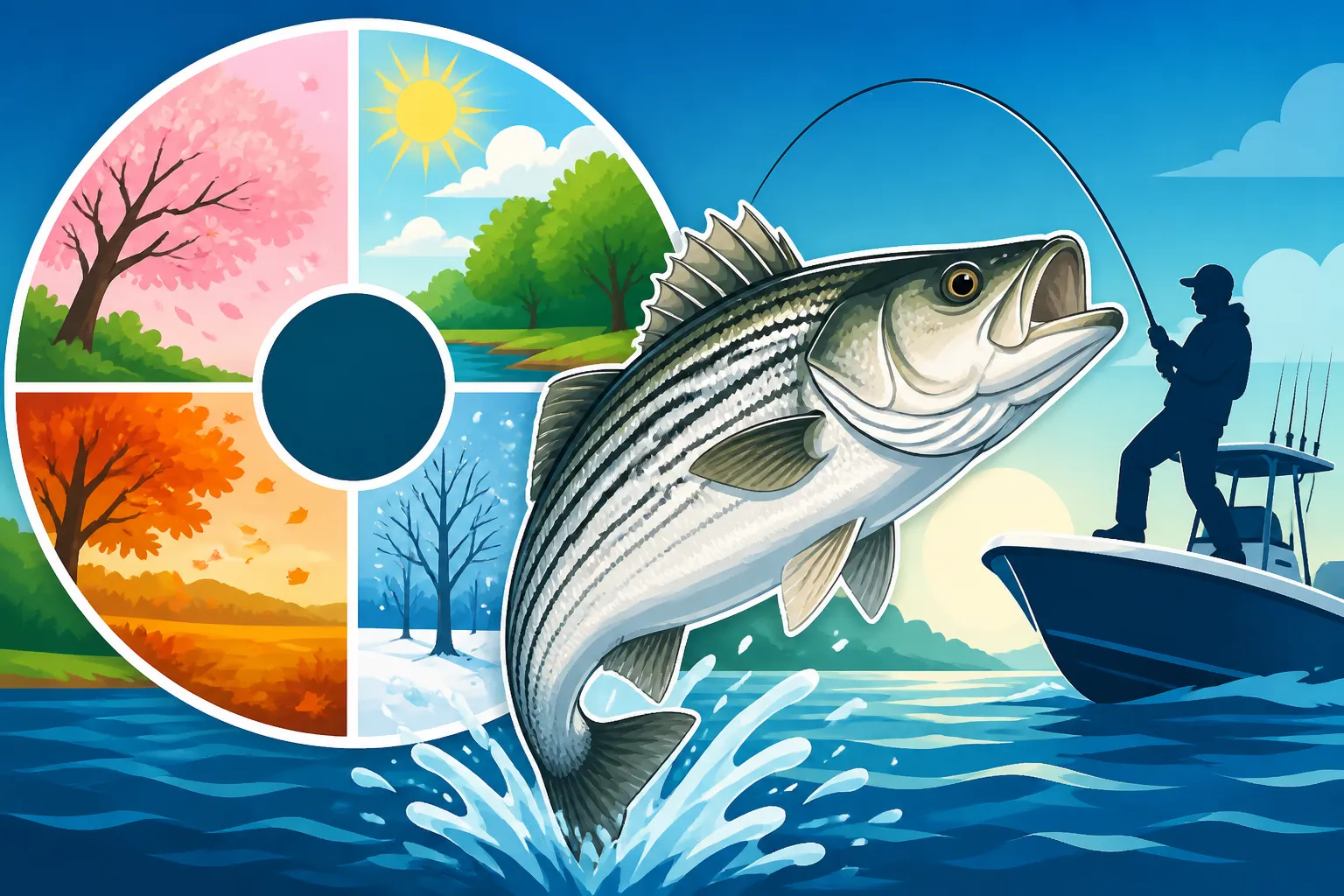
Virginia's striped bass fishery is deeply influenced by the seasonal migrations of these magnificent fish, often affectionately called "rockfish" by local anglers. Unlike some species that might stay put year-round, striped bass are constantly on the move, chasing baitfish and seeking optimal water temperatures. This means that the "best month" can vary depending on whether you're targeting ocean stripers, those in the Chesapeake Bay, or even landlocked populations in places like Smith Mountain Lake. Understanding the distinct seasons is key to maximizing your chances of a successful outing.
The Electric Fall Migration
Hands down, for many anglers, the fall is the absolute peak season for striped bass fishing in Virginia, particularly in the tidal waters of the Chesapeake Bay and along the coast. This is when the legendary "fall run" kicks into high gear, typically starting in October and continuing strong through November and into December. As water temperatures begin to drop, huge schools of striped bass migrate south from their summer feeding grounds in the northern Atlantic, staging in the mouth of the Chesapeake Bay before pushing further south or up into the Bay's tributaries.
During these months, the fish are aggressively feeding, bulking up for their winter journey and subsequent spawning. This translates into some truly exhilarating fishing opportunities. You'll often find immense schools of stripers pushing baitfish – think bunker (menhaden), mullet, and anchovies – to the surface, creating frenzies that are visible from a distance. Chasing birds diving into the water is a common tactic, as they often mark feeding stripers below. This period offers fantastic chances for casting topwater lures, poppers, and large soft plastics into the melee. For those who prefer trolling, umbrella rigs and Mojos are incredibly effective when the fish are holding deeper. It's a truly dynamic time to be on the water, and it's also when you have a good shot at larger, migratory fish. Just remember, these prime months also come with specific regulations, so make sure you're up-to-date with the current Virginia Striped Bass Season and Slot Limit Guide. You'll want to be familiar with the daily catch limits and slot sizes to ensure you're fishing legally.
Spring's Explosive Spawning Runs
While the fall run often gets the most press, the spring can be equally, if not more, productive for specific types of striped bass fishing, especially if you're targeting the truly massive trophy fish. The spring season generally kicks off in April and runs through May, sometimes extending into early June. This is when the adult striped bass move into the Chesapeake Bay and its major tributaries, like the James, York, Rappahannock, and Potomac Rivers, to spawn.
During this time, the fish are focused on reproduction, but they will still feed aggressively, particularly before and after spawning. For those hoping to catch a true behemoth, spring is often your best bet. Larger fish tend to be caught during this period, though the regulations are often more restrictive to protect the spawning population. Virginia has a split striped bass season, which means there are specific open and closed periods designed to balance fishing opportunities with conservation. Understanding these nuances, especially the Virginia Striped Bass Split Season Dates Explained, is paramount to avoid fines. You might find a short window in the spring where fishing is allowed, often with a strict "one fish per person" limit. While the fall offers more consistent action on smaller to mid-sized fish, spring provides a legitimate shot at that once-in-a-lifetime monster striper. The methods often involve live bait, such as eels or large menhaden, fished near structure or along deep river channels, or slow trolling large plugs.
Navigating the Winter and Summer Striped Bass Challenges
While spring and fall are undoubtedly the prime times, striped bass are present in Virginia waters year-round. However, winter and summer fishing require different strategies, a deeper understanding of fish behavior, and sometimes a bit more patience. These seasons can be incredibly rewarding for those willing to adapt and explore different techniques.
Winter's Hidden Opportunities
Don't let the cold weather deter you; winter can offer some fantastic, albeit challenging, striped bass fishing in Virginia, especially in the deeper areas of the Chesapeake Bay and certain freshwater systems. The winter season typically runs from January through March. During these months, the migratory stripers that didn't continue south will often hold in deep channels, ledges, and warmer pockets of the Bay. They become less active but will still feed opportunistically.
This is a time for slow and methodical fishing. Trolling deep with heavy tackle and large lures, like Mojos or large shads, is a popular and effective method. You're often looking for schools of fish on your fish finder, often stacked tightly in specific areas where water temperatures are stable. Vertical jigging with heavy metal jigs can also be very productive if you locate a dense school. It's not about the fast and furious topwater action of the fall, but rather about precision and persistence. Freshwater systems, like Smith Mountain Lake, also offer a fantastic winter fishery for their landlocked striped bass. These fish will often school up in large aggregations in deep water, making them vulnerable to vertical jigging or spooning. If you're heading out in winter, ensure you have appropriate cold-weather gear – layering is crucial, and good quality waterproof gloves can be a lifesaver. You can find excellent cold-weather fishing apparel on Amazon that will make your trip much more comfortable.
The Tricky Summer Months
Summer, generally July and August, is arguably the toughest time to consistently target striped bass in Virginia's tidal waters due to rising water temperatures. Striped bass are cold-water fish and become stressed when water temperatures climb above the mid-70s Fahrenheit. In the shallower, warmer parts of the Chesapeake Bay, many migratory stripers move to cooler, deeper ocean waters or further north.
However, that doesn't mean fishing is impossible. In the deep-water trenches of the Chesapeake Bay, particularly near the mouth, you might still find schools of stripers holding in cooler thermoclines. Early morning, late evening, or even night fishing can be productive as surface temperatures drop. This is also a good time to explore light tackle fishing for smaller, resident stripers in the cooler sections of tidal rivers or around structure. For those venturing to coastal waters, trolling can still be effective, targeting the deeper channels and offshore wrecks where water temperatures remain more tolerable for stripers. Remember that the Virginia's One-Fish Striped Bass Limit on Charter Trips and other regulations are critically important during all seasons, but especially when fish are under heat stress, so always check the latest rules. Anglers targeting the freshwater populations, such as those covered in the Smith Mountain Lake Striped Bass Fishing in Virginia guide, will find summer fishing can still be good, often requiring deeper presentations as the fish seek cooler depths.
Here's a quick overview of the seasons:
| Season | Prime Months | Typical Locations | Common Techniques | Target Fish Size | Notes |
|---|---|---|---|---|---|
| Fall | Oct, Nov, Dec | Chesapeake Bay, Coastal Waters, Tidal Rivers | Trolling, Live Bait, Topwater, Jigging | Mixed, good chance for larger fish | Often the most consistent action; aggressive feeding. |
| Spring | April, May, early June | Chesapeake Bay, Upper Tidal Rivers (spawning areas) | Live Bait, Large Plugs (trolling) | Potential for trophy-sized fish | Specific, often short, regulated open windows; focus on spawning runs. |
| Winter | Jan, Feb, March | Deep Bay Channels, Freshwater Lakes | Deep Trolling, Vertical Jigging, Spoons | Mid-sized to large | Slower bite, precise targeting required; fish hold in deep, stable water. |
| Summer | July, August | Deep Bay Mouth, Cooler Offshore Waters, Freshwater Lakes | Deep Trolling, Night Fishing, Light Tackle | Smaller to mid-sized | Challenging due to warm water; focus on cooler times/depths. |
Key Factors Influencing Striped Bass Activity
While knowing the best months provides a great starting point, successful striped bass fishing involves understanding a variety of environmental factors that dictate when and where these fish will feed. Ignoring these elements can lead to frustrating days, even in the "best" months.
Water Temperature and Fish Behavior
Water temperature is perhaps the most critical factor influencing striped bass behavior. As mentioned, stripers are a cold-water species, preferring temperatures between 55-68°F (13-20°C). When water temperatures are within this optimal range, stripers are generally more active and feed more aggressively.
- Cooling Trends (Fall): As water temperatures drop in the fall, it signals to stripers that it's time to begin their migration and feed heavily. This is why the fall run is so prolific – the fish are in their comfort zone and actively chasing bait. A sudden cold snap can sometimes slow the bite temporarily, but a sustained cooling trend is usually excellent.
- Warming Trends (Spring): In spring, rising water temperatures trigger the spawning migration. The push of warmer water up the rivers is what brings those massive fish in. However, once temperatures climb too high after spawning, the fish will either move out or become lethargic.
- Extreme Temperatures (Winter & Summer): In winter, very cold water makes stripers sluggish, causing them to hold in deeper, more stable thermal refuges. In summer, excessively warm surface waters drive them deep or out into the ocean where cooler water is available. Anglers need to understand these thermal preferences and adjust their fishing depth and techniques accordingly. Using a good quality fish finder with temperature readings can be incredibly helpful for locating these thermal sweet spots, and you can find many reliable options on Amazon.
Tides, Currents, and Weather Patterns
Beyond temperature, the movement of water and the weather itself play enormous roles in striped bass fishing success, especially in the vast tidal waters of the Chesapeake Bay.
- Tides and Currents: Striped bass are ambush predators that love to use current to their advantage. They will often position themselves in current breaks – behind points, shoals, or structure like bridge pilings – waiting for baitfish to be swept past them. Strong moving tides, whether incoming or outgoing, are almost always better than slack tide for striped bass. The increased current disorients baitfish and makes them easier targets. Experienced anglers will study tide charts meticulously and plan their trips around the peak of the tide movement. This is particularly true for targeting Rockfish Rules Along the Virginia Coast or within the Bay itself.
- Weather Patterns:
- Overcast Skies/Rain: Often excellent for striped bass. Low light conditions make stripers less wary and more willing to feed throughout the day. A light, steady rain can sometimes turn on a bite that was previously slow.
- Wind: A moderate chop can be beneficial, breaking up the water's surface and making it harder for baitfish to see predators. It also concentrates baitfish. However, strong winds can make boat control difficult and fishing unpleasant or even dangerous.
- Barometric Pressure: A falling barometer (indicating an approaching storm) often correlates with an active bite, as fish sense a change and feed heavily. A rising barometer (clearing weather after a front) can sometimes lead to a slower bite as fish adjust. Always check local forecasts before heading out; rough weather can turn a prime fishing day into a dangerous situation quickly.
Essential Gear and Tactics for Virginia Stripers
Having the right gear and understanding the appropriate tactics for different seasons and conditions will significantly improve your chances of success when targeting striped bass in Virginia. This isn't just about having a rod and reel, but having the right tools for the job.
Rods, Reels, and Line for Different Scenarios
The diverse fishing scenarios for Virginia stripers call for versatile tackle.
- Medium-Heavy to Heavy Rods: For most striped bass fishing in Virginia, especially in the Bay or coastal waters, you'll want a medium-heavy to heavy action spinning or conventional rod. Lengths typically range from 7 to 9 feet. A longer rod provides better casting distance from shore or a boat and helps absorb the shock of a hard-fighting striper. For trolling, you'll need sturdy conventional rods capable of handling heavy weights and strong fish.
- Durable Reels: Pair your rod with a durable, saltwater-resistant spinning or conventional reel. For spinning, look for sizes in the 5000-8000 range. For conventional, reels with a good drag system and line capacity are key. Brands like Shimano, Penn, and Daiwa offer excellent options that are widely available, including on Amazon. Make sure your reel has a smooth, reliable drag – stripers are strong fighters!
- Braided Line: Braided line is almost universally preferred for striped bass. It has minimal stretch, offering excellent sensitivity for detecting subtle bites and superior hook-setting power. For most situations, 30-50 lb test braid is a good all-around choice. You'll want to use a fluorocarbon leader (30-60 lb test, 3-6 feet long) to connect your braid to your lure or bait, as it's more abrasion-resistant and less visible in the water.
Top Baits and Lures That Get Bites
Striped bass are opportunistic feeders, but certain baits and lures consistently outperform others.
- Live Bait: When permitted by regulation, live bait is often irresistible to striped bass, particularly for larger fish. Live menhaden (bunker), eels, spot, or even small bluefish are highly effective. These are usually fished on a circle hook, either free-lined or under a float, or slow-trolled. For specific advice, consult a guide like the one on the Best Bait for Striped Bass in Chesapeake Bay.
- Soft Plastics: Jigging with large soft plastics, typically 6-10 inches long, on a heavy jig head (1-4 ounces, depending on depth and current), is incredibly effective. "Paddle tail" and "fluke" style baits from brands like Z-Man or Bass Kandy Delight are popular choices. White, chartreuse, and pearl are perennial favorites.
- Topwater Lures: During surface feeding frenzies in the fall, nothing beats the excitement of a topwater strike. Large poppers, walk-the-dog lures, and pencil poppers (6-9 inches) can draw explosive bites. These are especially effective in low light conditions or when stripers are actively pushing bait to the surface.
- Trolling Lures: For covering water and targeting deeper fish, especially in winter or summer, various trolling lures are essential. Umbrella rigs, which mimic a school of baitfish, are a staple. Mojos, large weighted parachute jigs with soft plastic trailers, are also incredibly effective when pulled behind planers or downriggers. Large swimming plugs (like Rapala X-Raps or similar) can also be trolled successfully.
Using Technology to Your Advantage
Modern fishing isn't just about a rod and reel; electronics and other tools can significantly boost your success.
- Fish Finders/Chartplotters: A good fish finder is invaluable for locating schools of striped bass, identifying baitfish, and finding underwater structure like ledges and humps where fish congregate. Side-scan and down-imaging capabilities can give you a much clearer picture of the underwater world. Integrating this with a chartplotter helps you navigate safely and mark productive spots for future trips. Brands like Garmin, Lowrance, and Humminbird offer excellent units that you can research on Amazon.
- Marine Radios/Cell Phones: Staying connected is crucial for safety and for sharing information. While not a fishing tactic per se, a VHF marine radio allows you to communicate with other boats and monitor weather channels. A fully charged cell phone is a good backup.
- GPS and Navigational Apps: Beyond your boat's chartplotter, apps like Navionics or Fishbrain on your smartphone can provide detailed charts, mark waypoints, and help you understand contours and depths, especially when exploring new areas or reviewing your catch history. This can be particularly useful when fishing in complex areas like the Chesapeake Bay, which is covered extensively in the Chesapeake Bay Striped Bass Fishing Guide.
By understanding the seasonal patterns, paying attention to environmental cues, and equipping yourself with the right tools and techniques, you'll be well on your way to consistent success with Virginia's striped bass fishery, no matter the month!
Disclaimer
Please be aware that fishing regulations, seasons, and licensing requirements in Virginia can change. Always consult the most current Virginia Department of Wildlife Resources (DWR) regulations before heading out to fish. This guide is for informational purposes only and should not be considered a substitute for official DWR guidelines.