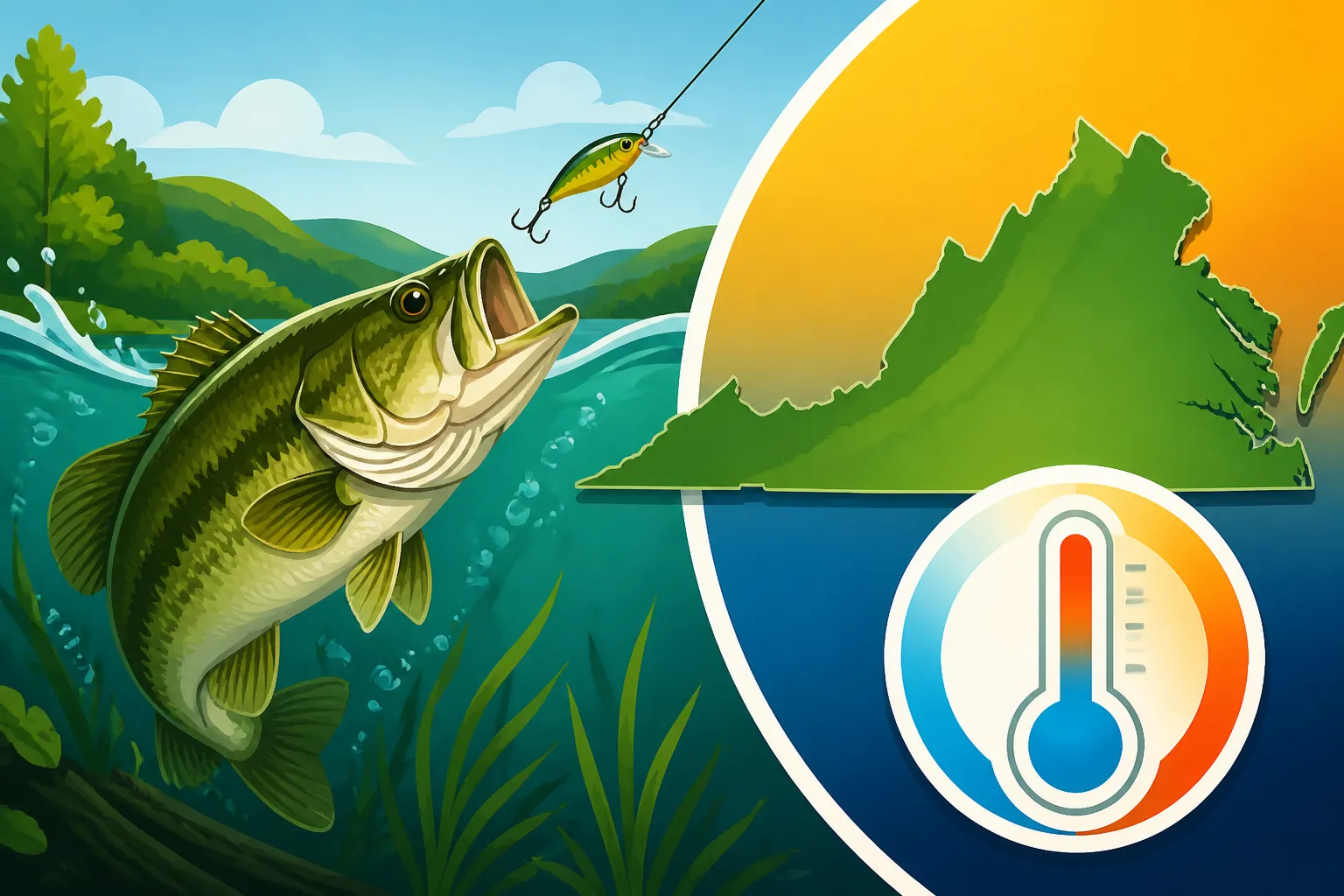
Water Temperature for Bass Fishing in Virginia
Many anglers in Virginia have experienced the sheer frustration of a slow fishing day, even when the sun is shining and the conditions seem perfect. Often, the unseen culprit is fluctuating water temperature, a factor that profoundly dictates where bass are, how active they are, and what they're willing to bite. This guide aims to demystify the crucial link between water temperature and bass behavior, equipping you with the knowledge to adapt your approach and improve your success on Virginia's diverse waters.
Understanding Bass Metabolism and Temperature
Bass, like all fish, are cold-blooded creatures, meaning their internal body temperature is directly tied to the temperature of the water around them. This isn't just a scientific curiosity; it's the fundamental reason why water temperature is arguably the most critical factor influencing their behavior. When the water is too cold, their metabolism slows to a crawl, making them sluggish, less hungry, and less likely to chase a lure. Conversely, if the water gets too warm, they become stressed, seeking refuge in cooler, deeper pockets to conserve energy.
Imagine trying to perform at your peak, whether it's exercising or simply thinking clearly, in extreme heat or bitter cold. You have an optimal comfort zone, and so do bass. Their bodies are designed to function best within specific temperature windows for everything from digestion and growth to reproduction. When water temperatures fall outside these ideal ranges, you'll observe a significant drop in their activity and willingness to strike. Recognizing these metabolic responses is the first step toward becoming a more effective bass angler in Virginia.
How Water Temperature Drives Bass Activity Levels
When water temperatures hit the sweet spot for bass, typically between the mid-50s and mid-70s Fahrenheit, their metabolism operates at peak efficiency. This means they digest food quickly, requiring them to eat more frequently, and they have ample energy to actively hunt. During these periods, bass are often more aggressive, more prone to chasing down baitfish, and will readily strike a wider variety of lures. This is when your chances for an exceptional day on the water are highest, as bass are more likely to be found in open water, actively patrolling for their next meal.
However, once water temperatures deviate significantly from this comfort zone, bass activity undergoes a noticeable shift. In colder water, their movements become slow, deliberate, and conserved. They're less inclined to expend energy on a fast-moving lure, instead preferring a slow, easy target that requires minimal effort. In the heat of summer, when water temperatures soar, bass prioritize survival over feeding. They will actively seek out thermal refuges, such as cooler, deeper areas or dense underwater cover, and may only feed during the coolest parts of the day or even after dark. Understanding these nuances is paramount to adjusting your fishing strategy throughout the year.
The Direct Link Between Temperature and Bass Location
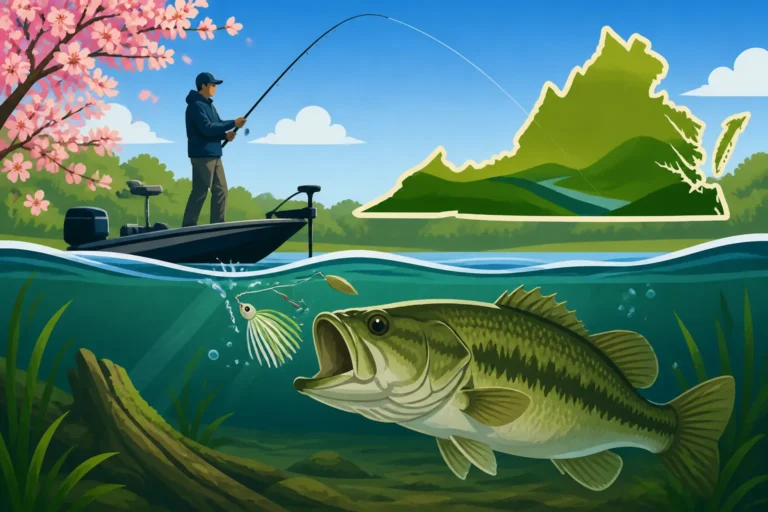
Bass don't just react to temperature by changing their activity; they actively relocate to find their preferred thermal environments. In the early spring, as lake and river waters begin to warm after winter, bass will typically migrate from their deep wintering holes to shallower, sun-warmed coves and flats. These shallower areas, often shielded from strong winds, heat up more quickly, attracting an abundance of baitfish and providing ideal staging grounds for the upcoming spawning season. This predictable movement is a classic example of Spring Bass Fishing Patterns unfolding before your eyes.
As the Virginia summer progresses and surface water temperatures climb, bass will seek cooler sanctuaries. This often means moving to deeper main lake points, seeking out thermoclines (distinct layers of water with different temperatures), finding refuge among submerged timber, or hiding under thick mats of aquatic vegetation that offer shade and slightly cooler water. Conversely, in the dead of winter, bass tend to hunker down in deep, stable channels or around specific structures where water temperatures remain consistently cold, but stable. Knowing these temperature-driven migrations is like having a secret map, guiding you directly to where the fish are holding.
Key Water Temperature Ranges for Bass Activity
Virginia's diverse waterways experience a broad spectrum of temperatures throughout the year, with each distinct range demanding a specific approach to bass fishing. It's not enough to have a general idea of "cold" or "warm" water; accurately pinpointing specific temperature ranges allows you to predict bass behavior with much greater precision. This detailed understanding helps you choose the most effective lures, presentation techniques, and even the optimal time of day to be on the water.
Cold Water Fishing Below 50°F
When water temperatures plummet below 50°F, bass enter their winter sluggishness. Their metabolism slows dramatically, focusing on survival and energy conservation. You'll typically find them holding tight to deep structure, often congregated in large schools, where the water temperature is most stable and consistent. They won't be actively chasing lures; instead, they'll be waiting for an easy, accessible meal to pass by. This is the time to embrace finesse techniques and incredibly slow presentations, such as slow-rolling spinnerbaits, jigging spoons, or suspending jerkbaits that can be paused for extended periods. The bite in these conditions can be very subtle, often feeling more like a slight weight on the line rather than an aggressive strike. This scenario is a prime opportunity to hone your Winter Bass Fishing Techniques.
Effective baits for cold water conditions often include smaller, more subtle presentations that mimic injured or dying baitfish, or simply appear easy to catch. Soft plastics on a shaky head, small football jigs, or blade baits can be incredibly effective when worked slowly along the bottom. Incorporating scent attractants can also significantly enhance your chances, providing an added enticement for these lethargic fish. Remember, patience is your most valuable asset in cold water; you're trying to coax a fish that barely wants to move into taking your offering.
Pre-Spawn and Spawn Phases 50°F to 68°F
This particular water temperature range is often regarded as the "golden window" for many bass anglers. As water temperatures begin their ascent into the low to mid-50s, bass initiate their pre-spawn migration, moving from deeper wintering grounds towards shallower staging areas. During this crucial period, they engage in heavy feeding to accumulate the energy reserves necessary for the upcoming spawn. This is an incredibly exciting and highly productive time for anglers, as bass become more active and aggressive, making them vulnerable to a wide array of lures. Crankbaits, spinnerbaits, lipless crankbaits, and jigs are all excellent choices for covering water efficiently and locating these actively feeding fish. This period is essential for understanding Bass Spawn Timing on Virginia Lakes.
Once water temperatures consistently reach the mid-60s, the bass spawn commences in earnest. Male bass will construct nests, and females will lay their eggs. During the actual spawning process, bass can be intensely territorial and protective of their nests. While sight fishing for bedding bass can be effective, it's important to be mindful that disturbing them excessively can potentially impact reproductive success. Following the spawn, fish are often exhausted and may move to slightly deeper, nearby cover to recover before resuming more aggressive feeding patterns.
Warm Water Dominance 68°F to 80°F
As water temperatures continue to climb into the upper 60s and 70s, bass enter their peak summer feeding phase. Their metabolism is high, and they are actively hunting throughout various parts of the water column. You'll find them closely relating to available cover, structure, and schools of baitfish. This is an opportune time for employing fast-moving lures, enjoying explosive topwater action during the cooler morning and evening hours, and precisely pitching jigs or soft plastics into dense cover during the sweltering midday heat. Virginia's larger bodies of water, such as Smith Mountain Lake or the James River, offer outstanding opportunities during this phase. These conditions perfectly exemplify Summer Bass Fishing Patterns.
During this warm period, bass are more likely to be found in specific areas depending on the time of day and the availability of forage. Early mornings and late evenings might see them actively chasing baitfish in open water or along shallow grass lines. As the sun climbs higher and the heat intensifies, they will typically retreat to shaded areas, deeper water, or dense aquatic vegetation. Buzzbaits, walking baits, frog lures, deep-diving crankbaits, and heavy jigs are all excellent choices. For more specific lure and bait recommendations, our guide on Best Bait for Largemouth Bass in Virginia provides additional insights.
Hot Water Stress Above 80°F
Once water temperatures consistently push above the 80°F mark, bass can begin to experience significant stress. Their activity levels will noticeably decrease, and their primary focus shifts to seeking out the coolest available water. This often means retreating to deep main lake humps, large brush piles, or areas with consistent current that brings in cooler, more oxygenated water. Oxygen levels can also become a critical concern in very hot water, further driving bass to deeper, more comfortable zones. Fishing during the hottest parts of the day in these conditions can be slow and particularly challenging.
During these extended hot periods, your best strategy is often to target bass during low-light conditions – specifically at dawn, dusk, or even throughout the night. Focus your efforts on subtle presentations and exceptionally slow retrieves. Techniques like dropshots, shaky heads, and Texas rigs presented vertically to deep structure can be highly effective. If your fish finder is capable, try to identify and target specific thermoclines, which can be productive holding areas. While it's a tricky time to fish, understanding the fish's overwhelming need for thermal comfort will be your guiding principle. This is when understanding How Water Temperature Affects Fish Feeding becomes absolutely critical.
Seasonal Temperature Shifts and Bass Strategies
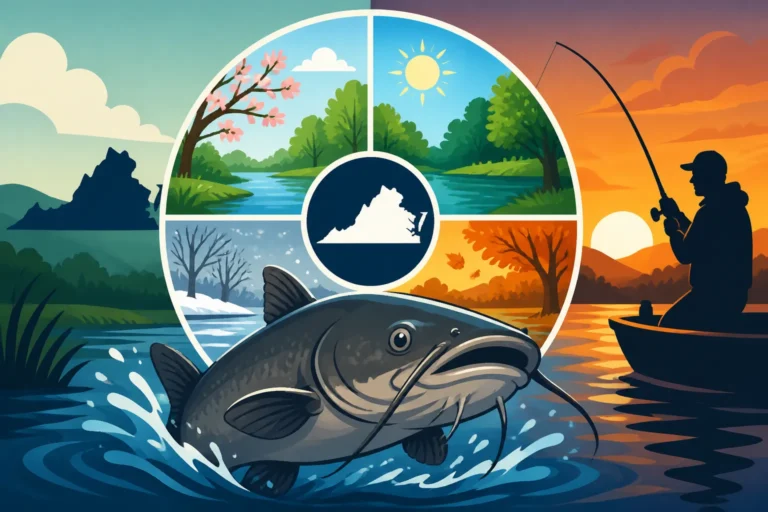
Virginia's climate ensures distinct seasonal changes, and with each transition comes a predictable, temperature-driven shift in bass behavior. Being aware of these macro-level patterns is just as important as knowing the specific temperature ranges, as it helps you anticipate fish movements and adjust your tactics proactively for consistent success.
Spring: The Great Awakening
Spring is a profound time of transition in Virginia, characterized by steadily rising water temperatures. Initially, bass will be deep and lethargic, much as they were during the winter months. However, as the sun gains strength and shallow water warms into the 50s, bass begin to stir and move. You'll often find them staging in channels and creek arms adjacent to spawning flats, preparing for their annual ritual. This entire period, typically starting in March and extending well into May, is marked by aggressive feeding as bass work to build crucial energy reserves for the upcoming spawn.
Your strategic approach during spring should involve covering a lot of water to locate actively feeding fish. Employ reaction baits like lipless crankbaits or spinnerbaits, particularly on sunny days when the water is warming up rapidly. As temperatures approach the mid-60s, shift your focus to the actual spawning flats, where you might be able to sight fish for bedding bass or target the abundant cover around these areas. After the spawn, bass often move to nearby secondary points and other accessible cover to recover, where slow-moving plastics can become quite effective.
Summer: Deep Dives and Early Mornings
Summer in Virginia brings sustained periods of warm to hot water temperatures. Consequently, bass activity will often peak during the cooler parts of the day – specifically early mornings, late evenings, and throughout the night. During the intense midday sun, bass will actively seek refuge in deeper, cooler water, frequently relating to submerged timber, prominent rock piles, or distinct ledges. They will also utilize dense overhead cover, such as matted vegetation, to find crucial shade and slightly cooler conditions.
Your summer strategy should heavily involve deep-water techniques during the day. This includes methodically cranking deep ledges with large crankbaits, vertically jigging spoons, or dropshotting precise targets. In low-light conditions, shift your focus to shallow cover using topwater lures, frog lures, or swim jigs. Mastering How to Catch Bass at Night in Summer can yield incredible results during the hottest months. For stocking up on essential deep-diving crankbaits and finesse tackle needed for these varied conditions, the selection on Amazon provides a wide array of options.
Fall: The Feeding Frenzy Before Winter
Fall is another truly fantastic time for bass fishing across Virginia, as gradually cooling water temperatures trigger a significant feeding spree. As ambient air temperatures drop, surface water begins its natural cooling process, prompting baitfish like shad to migrate from their deep summer haunts into shallower creeks and coves. Bass instinctively follow suit, aggressively feeding to accumulate crucial fat reserves in preparation for the impending winter months. This is a highly dynamic period, with bass often moving in direct correlation with the baitfish schools. It's a critical time to study Fall Bass Fishing Patterns.
Focus your efforts on areas where baitfish are abundant: creek mouths, prominent points, and submerged humps. Reaction baits such as crankbaits, spinnerbaits, and jerkbaits can be incredibly effective as bass actively chase schools of forage. As water temperatures continue their descent, bass will eventually transition to deeper areas, but they often remain very active until temperatures dip below that critical 50°F mark. The sheer versatility of baits and lures available on Amazon makes it exceptionally convenient to stock up on everything you need for this exciting and productive season.
Winter: The Slow Grind
Virginia winters bring consistently cold water, often seeing temperatures dip into the 40s. During this period, bass become notably lethargic and tend to consolidate into large schools in deep, stable water. Locating these schools is often the biggest challenge for winter anglers, but once found, these fish can be caught using slow, deliberate presentations. Prime holding areas for winter bass include distinct river channels, deep rock piles, and extensive submerged timber.
Your winter fishing strategy must be defined by patience and precision. Vertical presentations such as jigging spoons, blade baits, or dropshots are highly effective. Suspending jerkbaits, worked with very long pauses between twitches, can also entice strikes from cold-water bass. Using light line and highly sensitive rods is absolutely crucial for detecting the often subtle bites characteristic of this season. Truly mastering How to Catch Bass in Cold Water demands an unwavering commitment to both patience and meticulous technique. Finding the right low-stretch, sensitive fishing line for these demanding conditions is made easy with the extensive selection on Amazon.
Tools and Techniques for Monitoring Water Temperature
You can't effectively implement temperature-driven strategies if you don't know the precise water temperature! Fortunately, there are several easy-to-use tools and techniques that every serious bass angler in Virginia should employ to gain this crucial advantage.
Essential Temperature Monitoring Devices
The most basic, yet essential, tool for any angler is a simple water thermometer. Many fishing-specific models are readily available that you can clip to your boat or easily deploy from the bank to get an instant reading. For a more integrated and continuous solution, most modern fish finders and depth sounders come equipped with built-in water temperature sensors. These devices are invaluable, as they provide real-time readings, often displaying how temperature changes as you move across a lake or river, or even at different depths. Reputable brands like Humminbird and Garmin, both widely available on Amazon, offer excellent fish finders that provide reliable temperature readouts in addition to their sonar capabilities.
For more advanced anglers, some sophisticated fish finder units can even map temperature contours on a digital chart or clearly display thermoclines, which are critically important for understanding where fish might be holding, particularly in the summer months. Learning to fully utilize your How to Find Fish From a Boat With a Fish Finder isn't just about spotting fish; it's about understanding and interpreting their entire aquatic environment, and temperature plays an enormous role in that understanding. Always make an effort to calibrate your thermometer periodically, if possible, just like any other sensitive instrument, to ensure the highest degree of accuracy in your readings.
Reading Environmental Cues for Temperature Clues
Even if you find yourself without a fancy electronic gadget, you can still glean a significant amount of information about water temperature by keenly observing your immediate surroundings. Sunny, shallow, dark-bottomed coves, for instance, will invariably warm up much faster in the spring than deeper, open main lake areas. Heavy rainfall can introduce either cooler or warmer water, depending on the season and the temperature of the incoming runoff. Wind can also play a role, mixing surface water layers and either homogenizing temperatures or pushing warmer or cooler water to specific areas of a body of water.
It's also beneficial to pay close attention to local fishing reports and online forums. Other anglers frequently share recent water temperature readings, providing you with a valuable starting point for your own observations. Observing baitfish behavior can also be a significant tell-tale sign. If you notice baitfish actively schooling near the surface in shallow water, chances are the water temperature is comfortable for them, and bass are likely to be lurking nearby. Conversely, a noticeable absence or scarcity of baitfish might indicate that conditions are too extreme for active feeding, signaling that bass will also be lethargic.
Here's a handy table to summarize the key temperature ranges and what they mean for your bass fishing:
| Water Temperature Range (°F) | Bass Activity Level | Typical Location | Recommended Techniques | Lure Examples |
|---|---|---|---|---|
| Below 50° (Winter) | Very Slow | Deepest, stable | Finesse, slow retrieve | Jigging spoons, blade baits, suspending jerkbaits, jigs |
| 50-58° (Early Pre-Spawn) | Moderate-Active | Deep structure, staging zones | Slow rolling, vertical jigging | Crankbaits, spinnerbaits, jigs, lipless crankbaits |
| 58-68° (Pre-Spawn/Spawn) | Highly Active | Shallow flats, main lake points | Covering water, targeting beds | Spinnerbaits, jigs, crankbaits, soft plastics, topwater |
| 68-75° (Post-Spawn/Summer) | Active | Cover, structure, thermocline | Reaction, pitching & flipping | Topwater, crankbaits, swim jigs, Texas rigs, senkos |
| 75-80° (Mid-Summer) | Moderate | Deeper cover, shade, current | Slow presentations, low light | Dropshots, shaky heads, deep cranks, frogs (low light) |
| Above 80° (Hot Summer) | Slow, stressed | Deepest, oxygenated, shade | Vertical, slow, low light | Finesse jigs, dropshots, night fishing baits |
| 55-65° (Fall Turnover) | Highly Active | Baitfish migration routes | Reaction, covering water | Crankbaits, spinnerbaits, jerkbaits, lipless crankbaits |
This table provides a quick, useful reference, but always remember that local conditions and the unique characteristics of specific bodies of water in Virginia can always present their own distinct challenges and exciting opportunities.
Adapting Your Approach for Consistent Success
Knowing the water temperature is a crucial first step, but the true skill of a seasoned angler lies in your ability to adapt your entire fishing strategy based on that vital information. It's not merely about deciding which lure to tie on; it's about how you retrieve it, where you precisely cast it, and when you choose to even be on the water. This continuous and informed adjustment is what consistently distinguishes highly successful anglers from those who frequently struggle to find fish.
Matching Lure Type and Presentation to Temperature
The overarching rule of thumb when it comes to water temperature and lure selection is quite straightforward: colder water demands a slow and subtle approach, while warmer water allows for faster and more aggressive presentations. In the colder months, a bass is highly unlikely to expend precious energy chasing a quickly retrieved crankbait across an entire cove. Instead, a jig that meticulously hops along the bottom, or a suspending jerkbait that hangs tantalizingly within their strike zone for extended periods, will prove far more effective. In these conditions, you're trying to present a meal that requires minimal effort from the lethargic fish.
As water temperatures gradually rise and bass become more active, you can progressively increase the speed of your retrieve and confidently use baits designed to cover more water. Spinnerbaits, ChatterBaits, and lipless crankbaits excel at provoking powerful reaction strikes from actively feeding bass. When bass are in their prime, aggressive summer feeding patterns, topwater lures can generate incredibly explosive strikes, particularly during the cooler dawn and dusk hours. The fundamental key here is to precisely match the energy level of your lure's presentation to the metabolic rate of the fish, which, as we've established, is directly and intimately linked to the water temperature.
Focusing on Prime Feeding Windows
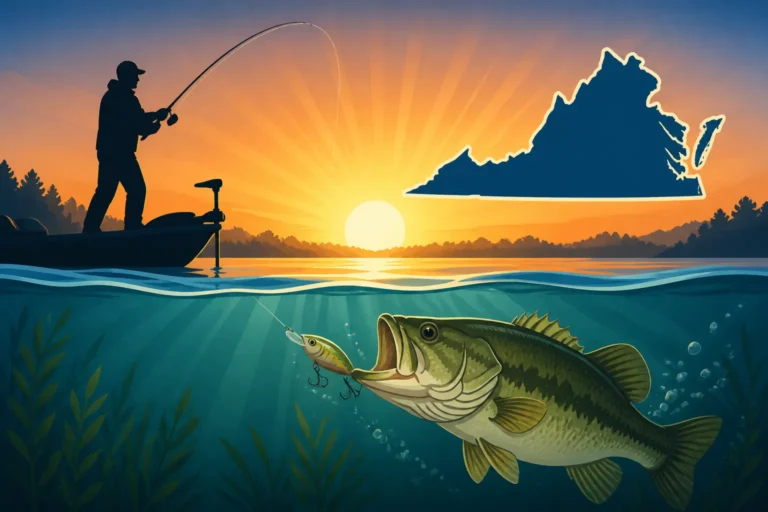
Water temperature is also a critical determinant of the best times of day to go fishing. In both very cold and extremely hot conditions, bass often exhibit shorter, much more defined feeding windows. During the dead of winter, a few hours during the warmest part of a sunny day might represent your only genuine opportunity to get bites. Conversely, in the scorching heat of summer, your most productive fishing might occur before the sun fully rises or after it completely sets, when surface water temperatures are at their absolute coolest.
During the more temperate and ideal seasons of spring and fall, bass activity tends to be more consistent throughout the day. However, even then, it's wise to remain vigilant for those prime feeding windows. Often, a change of just a few degrees in water temperature, whether it's a gradual morning warm-up or an evening cool-down, can trigger a sudden flurry of feeding activity. Being keenly aware of these subtle temperature fluctuations and strategically planning your fishing trip around them can dramatically improve your catch rates and overall success.
The Role of Specific Cover and Structure
Beyond simply considering water depth, water temperature profoundly influences which specific types of cover and structure bass will favor. In the spring, shallow, dark-bottomed areas that include sparse grass or woody debris, which efficiently absorb sunlight, will act as powerful bass magnets as they warm up. As the summer heat intensifies, bass will actively seek out dense overhead cover such as lily pads, matted vegetation, or docks that offer significant deep shade. These types of cover provide crucial thermal relief from the scorching sun.
In deeper water environments, understanding how temperature affects crucial oxygen levels becomes increasingly important. Often, fish will strategically hold near a thermocline, which is a distinct and abrupt layer where water temperature changes rapidly. This particular layer is frequently rich in dissolved oxygen and often teeming with baitfish. Learning about specific types of deep cover and structure, such as the intricate river channels in a large lake or the extensive submerged timber in a reservoir, in conjunction with accurate temperature readings, will help you pinpoint exactly where the bass are stacking up.
Disclaimer
Fishing regulations and environmental conditions in Virginia are subject to change without notice. Always consult the latest Virginia Department of Wildlife Resources (DWR) guidelines, official publications, and any local advisories before heading out on the water. This guide provides general informational content and should not be considered a substitute for official regulations, professional fishing advice, or personal responsibility.