Best Time to Fly Fish the Shenandoah River in Virginia
Oh, the Shenandoah River! If you've ever stood on its banks, fly rod in hand, feeling that mix of anticipation and slight bewilderment about when exactly the fish are biting, you're not alone. It's a truly magnificent waterway, but its diverse fisheries mean that "best time" isn't a simple answer. This guide is here to untangle that knot for you, breaking down the prime seasons, the specific species you'll encounter, and the techniques that will put you on fish, whether you're chasing wily trout or aggressive smallmouth bass.
Understanding the Shenandoah River's Unique Fisheries
The Shenandoah River isn't just a river; it's a system with distinct personalities, flowing through different landscapes and harboring various fish populations. It's this complexity that makes it such an incredible fly fishing destination, but also why understanding its nuances is key to timing your trips right.
The Dual Nature: Trout and Smallmouth Bass
What sets the Shenandoah apart from many other East Coast rivers is its remarkable ability to support both cold-water trout and warm-water smallmouth bass. You've got the North Fork and the South Fork, and while both offer fantastic opportunities, there are subtle differences. The cooler headwaters and certain spring-fed sections of the river, especially in the South Fork, are where you'll find healthy populations of wild trout, predominantly brook trout and some brown trout, along with areas that receive supplemental stockings of rainbow trout. These cold-water sections are often found higher up in the watershed, where mountain streams feed into the larger river.
As you move downstream, and the river broadens and warms, the smallmouth bass really take over. These bronze warriors are legendary in the Shenandoah, known for their powerful fights and willingness to hit a fly. They thrive in the river's riffles, rocky pools, and current seams, making them a primary target for most anglers, especially during the warmer months. This dual nature means your "best time" depends heavily on whether you're dreaming of a delicate trout take or a hard-hitting smallmouth brawl. It's a rare treat to have both species in such abundance, offering a year-round challenge to the dedicated fly angler.
Key Environmental Factors Affecting Bite Times
Beyond just the calendar, several environmental factors play a huge role in determining when the fishing is good on the Shenandoah. Ignoring these can lead to a frustrating day on the water, even if you're technically in the "right" season.
First up is water temperature. Trout are cold-water creatures, happiest when the water is below 68°F, and often most active in the 50-60°F range. Smallmouth bass, on the other hand, prefer warmer waters, typically thriving between 60-75°F. This is why you'll see a seasonal shift in target species and locations. When summer temperatures climb, trout will seek thermal refuge in cooler feeder streams or deep, spring-fed pools, while smallmouth will be out in full force.
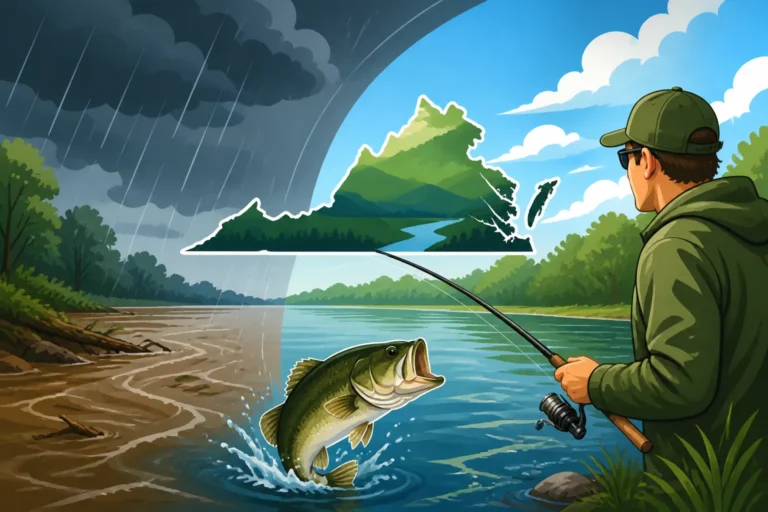
Water clarity is another critical factor. The Shenandoah, like many rivers in agricultural areas, can get muddy after heavy rains. Fly fishing success often correlates directly with good clarity – typically 2 feet or more of visibility. When the river looks like chocolate milk, fish feeding activity usually shuts down, and it becomes incredibly difficult for them to see your flies. It's always a good idea to check local river gauges and recent rainfall before heading out.
Finally, flow rates are paramount. Too low, and fish can become lethargic, concentrated, and spooky, especially trout. Too high, and wading becomes dangerous, and fish might be pushed into slack water or simply overwhelmed by the current. Ideal conditions often involve a moderate flow, where the river has a healthy current but still provides distinct seams and eddies for fish to hold in. A sudden spike or drop in flow can put the fish off for a few days. Always prioritize safety when assessing flow rates, particularly if you plan on wading.
Prime Seasons for Fly Fishing on the Shenandoah
Knowing the river's general character helps, but pinpointing the absolute "best" times requires a deeper dive into each season. Each one brings its own set of challenges and rewards.
Spring: Awakening and Spawning Activity
Ah, spring! This is arguably the most dynamic and often the most productive time for fly fishing on the Shenandoah, offering something for every angler. As the days lengthen and temperatures slowly rise, the river truly comes alive.
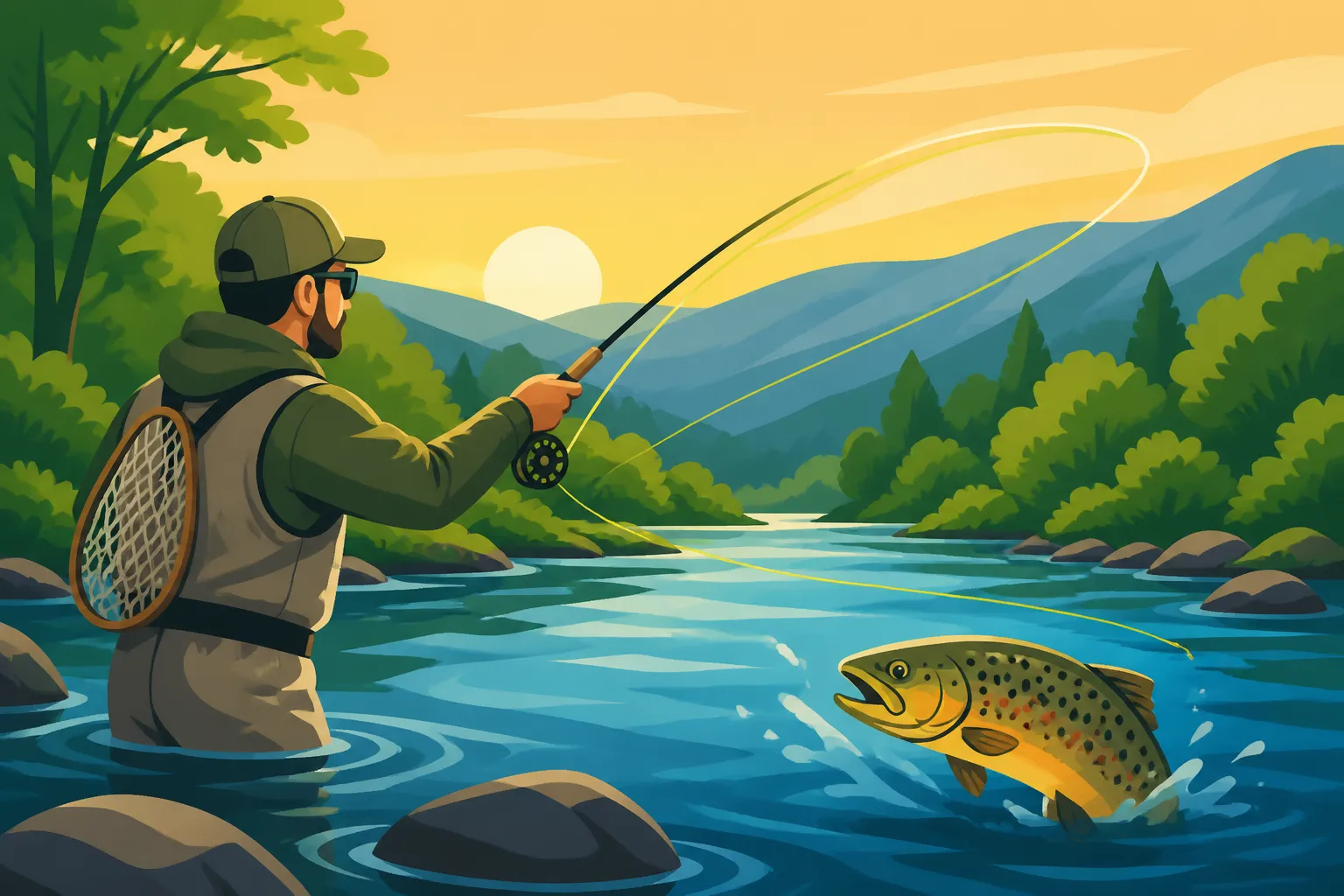
From late March through May, the trout fishing can be absolutely phenomenal in the cooler, upper stretches. The fish are waking up from their winter lethargy, and insect hatches start becoming more consistent. You'll see early season caddisflies, Quill Gordons, and March Browns making their appearance, prompting trout to look up for dries. This is a fantastic time for nymphing, too, especially with traditional patterns like Hare's Ears and Prince Nymphs, mimicking the aquatic insects that are becoming more active. Later in spring, as water temperatures nudge into the low 60s, you might even start to see some active dry fly fishing for trout. For more on this, check out our guide on Best Fly Patterns for Trout in Spring.
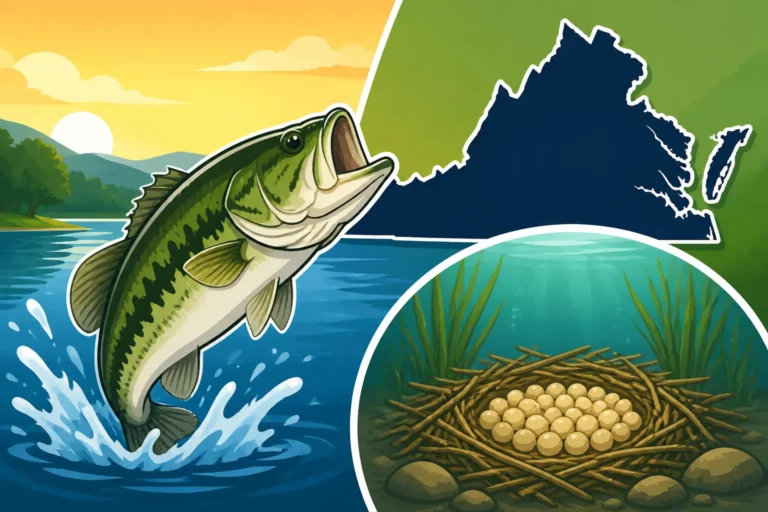
Simultaneously, the smallmouth bass in the main stem of the Shenandoah are also becoming incredibly active. This is their pre-spawn and spawn period, which means they're aggressively feeding to build energy. March and April see them moving out of their deeper wintering holes into shallower, current-heavy areas. They'll readily hit streamers mimicking baitfish or crayfish patterns. As the water warms further into May, the smallmouth move onto their beds for spawning, making them territorial and highly susceptible to well-presented flies. Poppers and gurglers can elicit explosive topwater strikes during this period, especially in the early mornings or late evenings. It’s an exciting time to be on the water, with the possibility of catching both trout and smallmouth in different sections of the river. For a deeper dive into targeting both species, take a look at our article on Fly Fishing for Trout and Smallmouth Bass on the Shenandoah River.
Summer: Smallmouth Dominance and Early Morning/Late Evening
Once June hits and the full heat of summer arrives, the dynamics of fly fishing on the Shenandoah shift noticeably. This becomes primarily smallmouth bass territory. The main river's water temperatures will often climb above the comfortable range for trout, sending them retreating to cooler spring-fed tributaries or the coldest, deepest pools they can find. If you're determined to catch trout in summer, focus on these specific refuges, but be extra mindful of stressing them in warm water.
For smallmouth, summer can be epic, but it demands a strategic approach. Midday sun and high temperatures can make fishing tough. The "best" times often become limited to the first few hours after dawn and the last few hours before dusk. During these periods, smallmouth will be actively hunting in the shallows, willing to chase streamers, and, most thrillingly, explode on topwater flies like poppers, sliders, and even larger terrestrial imitations like foam cicadas. Think big, noisy patterns that cause a commotion! As the sun climbs higher, smallmouth tend to move into deeper pools, under shaded banks, or behind large rocks, requiring heavier streamers or crayfish patterns fished slowly on the bottom. You might find them in shaded sections of the river, where the canopy keeps the water a bit cooler. Don't forget to stay hydrated, and perhaps invest in some good polarized sunglasses, easily found on Amazon, to spot those fish in the glare. Our dedicated guide to Fly Fishing for Smallmouth Bass offers more granular advice for this season.
Fall: Cooling Waters and Renewed Vigor
As summer's heat breaks and the crisp air of autumn descends upon Virginia, the Shenandoah undergoes another magical transformation. Fall is often touted as a favorite season by many Shenandoah fly anglers, and for good reason.
The cooling water temperatures in September and October signal a renewed vigor for both trout and smallmouth. The trout that had retreated during the summer will begin to spread out again, becoming more active and aggressive. Terrestrial patterns like hoppers and beetles can still be effective early in the fall, but as hatches of Blue-Winged Olives (BWOs) become more prevalent, dry fly action can pick up. Streamer fishing for trout also becomes highly productive as they put on weight before winter. Our comprehensive guide, How to Fly Fish for Trout in Fall, provides excellent tips for this period.
Meanwhile, the smallmouth bass enter their fall feeding frenzy. They know winter is coming, and they're actively gorging themselves on baitfish and crayfish. This means aggressive strikes on streamers and, often, a fantastic topwater bite well into October, especially on warmer days. The fish are often schooled up and eager to chase, making for incredibly fun and productive outings. Beyond the fantastic fishing, the stunning fall foliage along the riverbanks adds an unparalleled beauty to the experience. The crowds also thin out after the summer rush, offering a more peaceful angling experience.
Winter: Challenging but Rewarding
Winter on the Shenandoah might sound daunting, but for the persistent fly angler, it can offer unique and surprisingly rewarding opportunities, especially for solitude. The key here is tempering expectations and adapting your tactics significantly.
With water temperatures dipping into the 30s and 40s, fish metabolism slows down dramatically. You won't find aggressive topwater strikes, and even streamer takes will be subtle. This season is predominantly about nymphing for both trout and smallmouth. Focus on finding deeper, slower pools and runs where fish will concentrate to conserve energy. Trout will often hold tight to the bottom in these areas, and smallmouth will be similarly sluggish, holding in wintering holes.
Tiny flies, like midges and small nymphs (e.g., Zebra Midges, tiny Pheasant Tails), fished dead drift with ample split shot to get them down to the strike zone, are your best bet. Takes will be incredibly subtle – often just a slight hesitation or twitch of your strike indicator. It’s a game of patience and precision. While the action might be slower, catching a beautiful Shenandoah smallmouth or a vibrant wild trout in the quiet stillness of winter is an immensely satisfying achievement. Just be sure to dress warmly in layers, perhaps starting with quality thermal base layers from Amazon, and prioritize safety on potentially icy banks.
Gear and Techniques for Shenandoah Success
Having the right tools and knowing how to use them makes all the difference on the Shenandoah. It’s not just about what you cast, but how you cast it and what you cast it with.
Essential Fly Rods and Reels
For the diverse fishing opportunities on the Shenandoah, versatility is key.
If your primary focus is trout, especially in the smaller, upper reaches, a 3-weight or 4-weight rod around 7'6" to 9' is ideal. These lighter rods offer delicate presentations for finicky trout, making it easier to cast smaller dry flies and nymphs. They're a joy to fight smaller fish on, providing an engaging experience.
However, given the significant presence of smallmouth bass throughout much of the river, and their aggressive fighting style, a 5-weight or 6-weight rod is often the workhorse for the Shenandoah. A 9-foot, 5-weight rod is a fantastic all-around choice. It has enough backbone to cast larger streamers and poppers, handle the wind, and subdue a spirited smallmouth while still being light enough for trout when the opportunity arises. If you're planning to exclusively target larger smallmouth with bigger flies, a 7-weight can also be a great option.
For reels, a large arbor reel is generally preferred. While drag isn't as critical for river fishing as it might be for saltwater, a smooth drag is always a plus. The large arbor helps with quicker line retrieval, which can be useful when a smallmouth makes a sudden run towards your feet. Look for a durable reel that can withstand some knocks – river fishing isn't always gentle on gear! Many reliable and affordable options, suitable for beginners, can be found readily on Amazon.
Go-To Flies for Each Season
Your fly box should reflect the changing seasons and target species. Here’s a basic breakdown:
- Spring:
- Trout: For nymphing, carry Hare's Ears, Prince Nymphs, Pheasant Tails, and Stonefly Nymphs (sizes 12-18). When hatches occur, have some dry flies like Blue-Winged Olives (BWO), Caddis (Elk Hair Caddis), and March Browns (sizes 14-18). Streamers like Woolly Buggers (black, olive) can also be effective.
- Smallmouth: Streamers are king. Think Clouser Minnows (chartreuse/white, grey/white), Lefty's Deceivers, and larger Woolly Buggers (black, olive, brown, sizes 4-8). Crayfish patterns like Clouser Crayfish are also excellent.
- Summer:
- Smallmouth: This is prime time for topwater. Pack plenty of poppers and gurglers (sizes 4-8) in various colors. Large terrestrial patterns like foam hoppers and cicadas can also be deadly. For subsurface, continue with streamers and crayfish patterns, often in darker colors or larger sizes.
- Fall:
- Trout: Streamers are very effective (Woolly Buggers, Sculpins, sizes 6-10). Nymphs like Prince Nymphs and Caddis Larva patterns (sizes 12-16) work well. As BWOs hatch, smaller dry flies (sizes 18-22) can be crucial.
- Smallmouth: Aggressive streamers are still excellent, as are crayfish patterns. Topwater can remain good, especially on warmer days, with poppers and larger terrestrials.
- Winter:
- Trout & Smallmouth: Focus on nymphs. Small patterns like Zebra Midges (sizes 18-22), tiny Pheasant Tails, and Brassies are essential. Don't underestimate tiny streamers like micro-buggers, especially for smallmouth holding in deeper pools.
This table provides a quick reference for your fly box:
| Season | Target Species | Recommended Fly Types | General Size Range |
|---|---|---|---|
| Spring | Trout, Smallmouth | Nymphs (Prince, Pheasant Tail), Streamers (Clouser, Woolly Bugger), Dries (Caddis, Quill Gordon), Crayfish | 18-12 (Trout Nymphs/Dries), 8-4 (Smallmouth Streamers/Crayfish) |
| Summer | Smallmouth | Poppers, Gurglers, Large Terrestrials, Streamers (Clouser, Deceiver), Crayfish | 8-4 (Topwater), 6-2 (Streamers/Crayfish) |
| Fall | Trout, Smallmouth | Streamers (Woolly Bugger, Sculpin), Nymphs (BWO), Terrestrials (Hoppers), Dries (BWO) | 16-10 (Trout Nymphs/Streamers/Dries), 8-4 (Smallmouth Topwater/Streamers) |
| Winter | Trout, Smallmouth | Midges, Small Nymphs (Zebra Midge, Pheasant Tail), Micro-Streamers | 22-18 (Midges/Nymphs), 12-10 (Micro-Streamers) |
Remember, observation is key. If you see bugs on the water, try to match them. If not, go with subsurface offerings. For a deeper dive, check out Best Fly Patterns for Trout in Spring.
Reading the Water and Wading Safely
Understanding where fish hold and how to approach them is critical. The Shenandoah is a classic freestone river, full of riffles, runs, pools, and eddies.
Reading the Water:
- Riffles: Shallow, fast-moving water where insects tumble. Trout will often sit at the tailout of a riffle, waiting for food. Smallmouth might dart into riffles to feed.
- Runs: Moderately deep, consistent flow. Look for seams where faster water meets slower water. Fish will often hold just out of the main current, waiting for food to drift by.
- Pools: Deeper, slower areas. These are critical wintering and summering spots. Fish might be anywhere, but concentrate on drop-offs, structure (boulders, logs), and shaded areas.
- Eddies: Swirling pockets of slower water behind obstructions. These are prime ambush points for smallmouth and resting spots for trout.
Always approach cautiously, keeping a low profile. Fish in rivers often face upstream, so approach from downstream whenever possible. Present your fly naturally, making sure it drifts at the same speed as the current – this is called a "drag-free drift" and it's essential for success, especially with nymphs and dry flies. Understanding these nuances can significantly improve your catch rates. Our article on How to Read Water When Fly Fishing a River is an excellent resource for honing this skill.
Wading Safely:
The Shenandoah's bottom can be notoriously slick with algae-covered rocks, and flow rates can vary dramatically.
- Always wear wading boots with felt soles or rubber soles with studs for traction.
- Use a wading staff for stability, especially when crossing currents or navigating unknown terrain.
- Never wade alone if possible, and always let someone know where you're going and when you expect to return.
- Be aware of sudden drop-offs and strong currents.
- Check river levels and forecasts before you go. A safe river can become dangerous quickly after heavy rains upstream. Your safety is paramount.
Planning Your Shenandoah Fly Fishing Trip
A little planning goes a long way towards a successful and enjoyable trip on the Shenandoah. Don't just show up and hope for the best!
Access Points and Regulations
The Shenandoah River offers numerous public access points, from formal boat launches to less obvious roadside pull-offs. Some popular areas include sections near Front Royal, Luray, and Bentonville. State parks and Wildlife Management Areas (WMAs) often provide excellent public access, like the Andy Guest Shenandoah River State Park. Many sections are floatable by canoe or kayak, offering access to less pressured water. For those preferring bank or wade fishing, look for public lands or check with local fly shops for recommended spots. For more specific access information, our guide on Best Fly Fishing Access Points on the Shenandoah River can be a great starting point.
Before you even think about casting a line, make sure you understand Virginia's fishing regulations. These cover everything from catch limits and size restrictions to specific rules for certain waters or species. For instance, wild trout streams often have special restrictions, such as artificial lures only, or catch-and-release requirements. You absolutely need a valid Virginia fishing license. If you're a resident, the process is straightforward, but non-residents also have options, including short-term licenses. Penalties for fishing without a license can be steep, so don't risk it! Always check the latest Virginia Department of Wildlife Resources (DWR) regulations before your trip. You can find comprehensive information in our articles such as Virginia Fishing Regulations Explained and the overarching Virginia Fishing License Guide.
Weather and Water Condition Resources
This is perhaps the single most important pre-trip check. The Shenandoah is a freestone river, meaning its levels and clarity are highly dependent on rainfall.
- USGS WaterWatch: This is your best friend. Look up the Shenandoah River's specific gauges (e.g., near Front Royal, Luray). Pay attention to "gage height" and "streamflow (cfs – cubic feet per second)." You'll learn what levels are ideal, too high, or too low for your preferred fishing style. A rapidly rising or falling graph usually means tough fishing for a few days.
- Weather Forecasts: A simple check of the local weather forecast for the area you plan to fish is crucial. Heavy rain upstream, even if it's sunny where you are, can drastically change river conditions within hours. Cold fronts can shut down a bite, while stable weather often means consistent fishing.
- Local Reports: Check with local fly shops (e.g., in Front Royal, Harrisonburg, or Luray) for the most up-to-date and reliable information on water conditions, recent hatches, and what flies are currently working. They are an invaluable resource and often have firsthand knowledge of the river's current mood.
Local Knowledge and Resources
Never underestimate the power of local knowledge. While online resources and guides like this one are incredibly helpful, nothing beats talking to someone who is on or near the river daily.
Local fly shops are much more than just places to buy gear. They are community hubs for anglers, brimming with real-time intelligence. Shop owners and staff can tell you:
- Which sections of the river are fishing well right now.
- What the current water levels and clarity are like.
- Which specific flies are producing fish.
- Any recent hatches or odd weather patterns affecting the bite.
- Where to find the best public access points or local hidden gems.
Don't be shy about stopping in, making a small purchase (even just a few flies), and asking for advice. They appreciate the business and are usually happy to share their expertise. They might even recommend a local guide if you're looking for a more personalized experience, which can be a great way to rapidly learn the river's secrets.
Disclaimer
Always check the most current Virginia Department of Wildlife Resources (DWR) regulations before heading out on any fishing trip. Fishing conditions, regulations, and access can change rapidly. This guide is for informational purposes only and does not constitute legal advice. Please fish responsibly and ethically, and respect private property.