How to Rig Cut Bait for Catfish
Getting your bait just right for catfish can feel like a secret art, and many anglers get frustrated when their carefully placed bait comes back untouched, or worse, stolen. This guide is here to demystify the process, walking you through everything you need to know about how to rig cut bait effectively for those whiskered giants in Virginia's waters, ensuring your next outing is packed with more bites and successful hook-sets.
The Unbeatable Appeal of Cut Bait for Catfish
Catfish are opportunistic scavengers and predators with an incredible sense of smell, making cut bait one of the most consistently effective choices for attracting them. Unlike live bait that moves and might spook a cautious fish, or artificial lures that rely on sight and action, cut bait broadcasts a powerful scent signal through the water, drawing in catfish from considerable distances. This strong scent trail is a game-changer, especially in murky waters or at night when visibility is low.
Why Catfish Can't Resist a Good Scent Trail
Imagine trying to find a meal in a dark, sprawling buffet. You're going to follow your nose, right? That's exactly what catfish do. Their barbels, often called whiskers, are packed with chemoreceptors that allow them to "taste" the water, detecting even minute traces of scent. When you deploy cut bait, you're essentially creating an irresistible scent plume that spreads downstream and attracts any curious catfish in the vicinity. This is particularly effective for species like channel catfish and flathead catfish, which rely heavily on their olfactory senses. This natural appeal is why many seasoned anglers swear by it, especially when targeting trophy-sized fish who might be less inclined to chase a lively offering.
The Versatility of Cut Bait for Different Species
One of the great things about cut bait is its universal appeal across various catfish species. While a fresh chunk of shad might be a top choice for channel cats, a large piece of carp could entice a massive flathead. Blue catfish, known for their size and aggressive feeding habits, will readily devour larger pieces of cut bait, often making them the target of choice for anglers using this method. The key is to match the size and type of cut bait to the species you're pursuing and the size of fish you hope to catch. This adaptability makes cut bait a cornerstone for any serious catfish angler, whether you're fishing a quiet pond or a sprawling river system. Understanding these nuances can significantly improve your catch rates, allowing you to tailor your approach to the specific fishery you're tackling.
Selecting and Preparing Your Catfish Cut Bait
The success of your cut bait rig starts long before you cast your line. It begins with choosing the right kind of bait and preparing it properly. Freshness, oil content, and presentation are all critical factors that will influence how many bites you get.
Choosing the Best Fish for Cut Bait
When it comes to cut bait, some fish are simply better than others. Oily fish are generally preferred because they release a more potent scent trail into the water, which is exactly what you want to attract catfish. Shad, skipjack herring, mullet, and even smaller panfish like bluegill or perch are excellent choices. Many anglers also find success with carp, particularly for targeting larger catfish like flatheads. It's often best to use bait fish that are native to the waters you're fishing, as this provides a natural food source that the catfish are already accustomed to.
Here’s a quick overview of popular cut bait options:
| Bait Fish Type | Ideal for Species | Scent Profile | Common Preparation |
|---|---|---|---|
| Shad/Skipjack | Blue, Channel, Flathead Catfish | Very Oily, Strong | Fillets, Chunks, Strips |
| Mullet | Blue, Channel Catfish | Oily, Pungent | Chunks, Steaks |
| Carp | Flathead, Blue Catfish | Moderate Oil, Musky | Large Chunks, Steaks |
| Bluegill/Perch | Channel, Flathead Catfish | Mild, Natural | Head, Tail, Fillets |
| Tilapia/Suckers | Blue, Channel, Flathead Catfish | Moderate Oil | Chunks, Fillets |
Freshness is paramount. A fresh, oily bait fish will outperform a stale one every single time. If you can catch your bait fish on the day you plan to fish, that's ideal. However, if you need to store it, keep it on ice or freeze it properly to maintain its potency. Remember, the goal is to create an irresistible aroma, and a rancid scent is usually not the one you're going for.
How to Prepare Your Cut Bait for Maximum Appeal
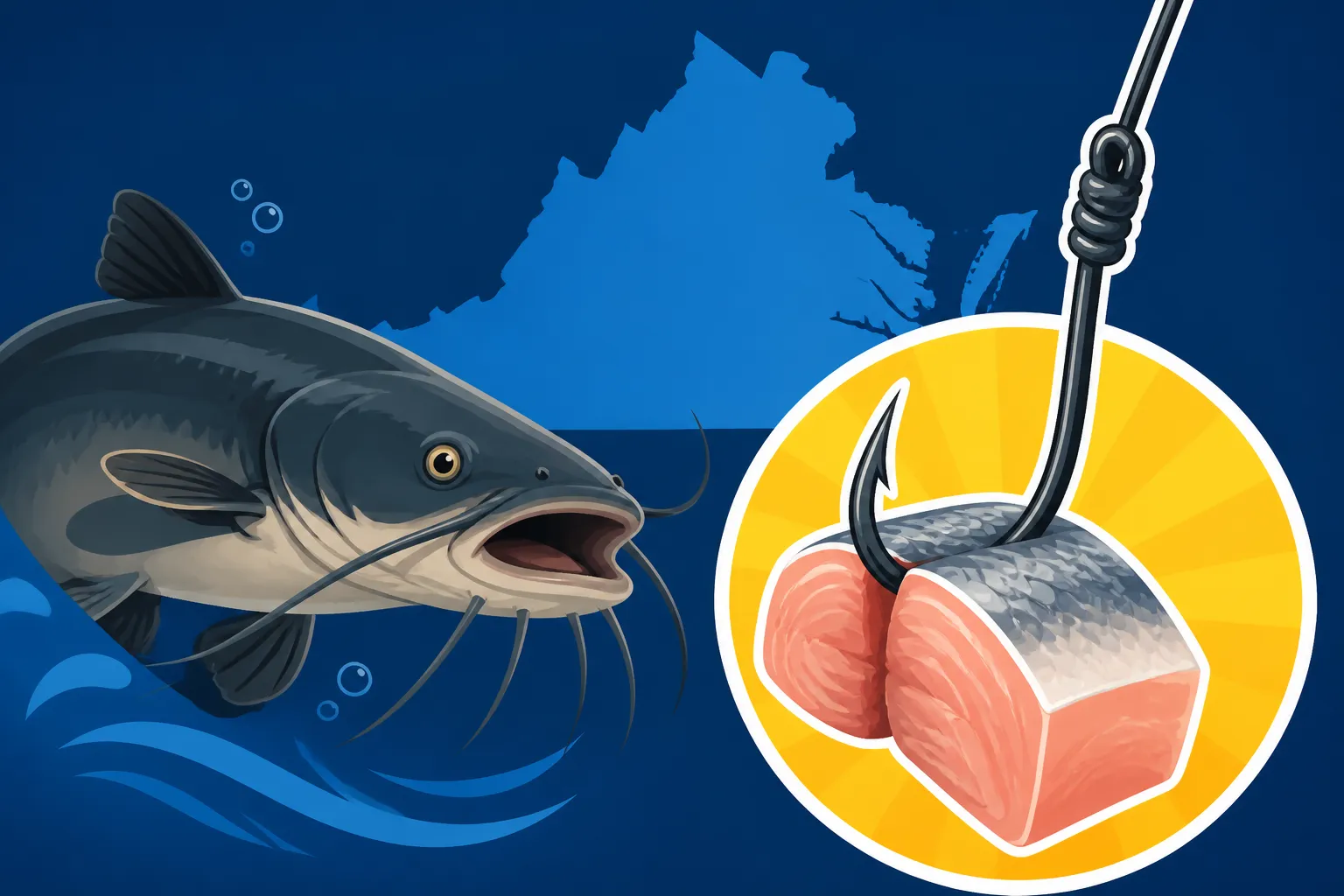
Once you have your chosen bait fish, the way you cut it makes a huge difference. The primary objective is to expose as much flesh, blood, and internal organs as possible to allow the scent to leach into the water. For smaller catfish like channel cats, a simple chunk or strip of a shad fillet might be perfect. You can also cut a small bait fish into two or three pieces, making sure each piece has some skin and exposed meat.
When targeting larger catfish, especially formidable species like those often found in the Best Catfish Fishing Spots in Virginia, you'll want bigger pieces. For a large carp or mullet, you might cut "steaks" about 1-2 inches thick, leaving the skin on for durability. For a bluegill, you could use a whole side fillet, or even just the head and guts, which are surprisingly effective due to their potent scent. Don't be afraid to experiment with different sizes and shapes. The key is to ensure the bait is large enough to stay on your hook but not so large that a catfish can't get it into its mouth. Sometimes a long, slender strip of belly meat will flutter enticingly in the current, mimicking a wounded baitfish, while a solid chunk will sit firmly on the bottom, broadcasting scent. Many anglers find a good bait knife and a sturdy cutting board (which you can easily find on Amazon) make this preparation much easier and safer.
Essential Gear for Effective Cut Bait Rigs
Having the right tackle is just as important as having the right bait. The effectiveness of your cut bait rig hinges on selecting appropriate hooks, weights, and line to handle powerful catfish and present your bait properly.
Hooks: Size, Type, and Strength
When fishing with cut bait for catfish, not just any hook will do. You need hooks that are strong, sharp, and designed to effectively hook a catfish's tough, bony mouth. Circle hooks are overwhelmingly popular and highly recommended for cut bait. They are designed to hook fish in the corner of the mouth, which is much better for the fish's health if you plan to release it, and they are incredibly effective at preventing gut hooks. When a catfish takes the bait, the circle hook simply slides into place as the line tightens, often resulting in a perfect lip hook. You typically don't need to "set" the hook with a circle hook; just steadily reel in.
For hook size, it depends on the size of the bait and the target catfish. For smaller channel cats, a 3/0 to 5/0 circle hook might suffice. For larger blues and flatheads, you'll want to go bigger, perhaps a 7/0 to 10/0, or even larger if you're using substantial chunks of bait. The important thing is that the hook point remains exposed once the bait is threaded on, allowing it to penetrate easily. Brands like Gamakatsu and Owner make excellent, strong circle hooks that stand up to the fight of a big cat. You can often find a wide variety of these essential hooks on Amazon, ready to be added to your tackle box.
Weights, Swivels, and Line Choices
Your choice of weight depends on the current and how far you need to cast. In calm lakes or slow-moving rivers, a lighter egg sinker (1/2 oz to 1 oz) might be enough. In stronger currents, such as when fishing the Best Catfish Holes on the James River, you'll need heavier pyramid or no-roll sinkers (2 oz to 6 oz or more) to keep your bait firmly on the bottom. The key is to use just enough weight to hold your bait in place without it constantly dragging.
Swivels are crucial for preventing line twist, especially if you're retrieving your rig through current, or if a fighting catfish starts to spin. A heavy-duty barrel or ball-bearing swivel should be used between your main line and leader. As for fishing line, braided line is a favorite among many catfish anglers due to its incredible strength-to-diameter ratio and sensitivity. A 30 to 80 lb test braided main line is common, depending on the size of fish you expect. For your leader, a strong monofilament or fluorocarbon line of similar or slightly lower test strength (e.g., 20-50 lb test) is often preferred for its abrasion resistance and relative invisibility underwater. Some anglers even prefer a heavy-duty monofilament main line for its stretch, which can act as a shock absorber during violent head shakes from a big catfish. Regardless of your preference, ensuring your line is strong enough to handle a tough fight is paramount. When building your tackle box, remember that Amazon offers various brands of fishing line, swivels, and sinkers to suit every need.
Understanding Your Main Line vs. Leader
The distinction between your main line and your leader is important for several reasons. Your main line, typically spooled onto your reel, is often heavier and chosen for its casting distance and overall breaking strength. It's the primary connection to your rod. The leader, on the other hand, is a shorter section of line (usually 18-36 inches) tied directly to your hook. Leaders serve multiple purposes: they offer increased abrasion resistance against sharp rocks, oyster shells, or the catfish's rough mouth; they can be of a slightly different material or color for camouflage; and they act as a sacrificial line, meaning if you snag, you might only lose the leader and hook, not your entire rig. Using a robust knot to connect your main line to your swivel, and your swivel to your leader, is critical. Knots like the Palomar or improved clinch are strong and reliable, ensuring your gear stays connected during the most intense battles.
Mastering the Art of Rigging Cut Bait for Catfish
Now for the practical part: putting it all together. There are several effective ways to rig cut bait, each with its own advantages depending on the fishing conditions and the species you're targeting.
The Classic Carolina Rig for Catfish
The Carolina rig is a perennial favorite for catfish anglers, and for good reason. It's incredibly simple, highly effective, and allows your bait to move naturally with the current, while keeping your weight on the bottom. It consists of:
- Main Line: Spooled on your reel.
- Egg Sinker: Threaded onto your main line first. This type of weight slides freely, allowing a catfish to pick up the bait without immediately feeling the resistance of the sinker.
- Bead (optional but recommended): Placed after the sinker to protect your knot from the constant banging of the weight.
- Swivel: Tied to the end of your main line, after the bead.
- Leader: Tied to the other end of the swivel, typically 12-36 inches long.
- Hook: Tied to the end of the leader.
To rig your cut bait on a circle hook, thread the hook point through one end of the bait and out the other, ensuring the hook point is fully exposed. You want the bait to cover the shank of the hook but not impede the hook point. For larger chunks of bait, you can even double-hook them or use a bait threader to secure them more firmly, preventing bait theft from smaller fish. This rig is fantastic for Catfish Bottom Fishing Techniques, allowing you to cast out and let the scent do the work.
The Santee Cooper Rig: An Elevated Presentation
The Santee Cooper rig is a variation of the Carolina rig, designed to keep your bait slightly off the bottom, making it more visible and preventing it from getting buried in mud or weeds. This is particularly useful in lakes or slow-moving rivers with soft bottoms. The key difference is the addition of a peg float or small cork on the leader, above the hook.
- Follow steps 1-4 of the Carolina rig.
- Leader: Tied to the swivel.
- Peg Float/Small Cork: Pegged onto the leader, usually 6-12 inches above the hook. This float lifts your bait off the bottom, presenting it enticingly in the water column.
- Hook: Tied to the end of the leader.
The float should be just buoyant enough to lift your cut bait. For example, if you're using a 2-inch chunk of shad, a small 1-inch cylindrical foam float might be perfect. This elevated presentation can be deadly, especially when catfish are cruising just above the bottom. It also helps prevent fiddler crabs or smaller bait stealers from nibbling away at your offering. This rig can be a game-changer if you're struggling to get bites on a traditional bottom rig.
Advanced Rigs for Specific Situations
While the Carolina and Santee Cooper rigs are incredibly versatile, there are other setups that can be beneficial. For instance, when targeting very large flatheads in heavy cover, a "snagless" rig might incorporate a specialized snagless sinker or a float that keeps the bait even further from snags. For fishing in strong currents or when trying to cover a lot of water, some anglers will use a three-way swivel rig, which allows for a heavier sinker on one dropper line and a lighter leader with bait on another, allowing the bait to drift more freely.
Another approach, often used by those who enjoy Jug Fishing for Catfish, involves suspending multiple baited hooks from floating jugs or pool noodles. While this method typically uses larger, heavier-duty hooks and leaders directly tied to the jug, the principles of cut bait selection and secure rigging remain the same. The choice of rig often depends on local regulations, which you can typically find detailed in resources like the Virginia Fishing Regulations Explained. Always be sure to check those rules before deploying any specific rig.
Advanced Tips and Troubleshooting for Catfish Anglers
Even with the perfect rig, a few extra tips can make all the difference. Catfish can be finicky, and sometimes minor adjustments are needed to turn a slow day into a successful one.
Presentation and Placement: Making Your Bait Irresistible
The most important aspect of fishing with cut bait is presentation. Your bait needs to look natural and be placed where catfish are likely to feed.
- Location, Location, Location: Catfish often hold near structure—submerged logs, rock piles, drop-offs, or channel edges. In rivers, they'll also seek out deeper holes or the edges of current seams where food washes to them without them having to expend too much energy. Consider targeting areas where you'd expect to find bait fish, as catfish won't be far behind. Knowing where to find these hotspots is key, whether it's the famous Claytor Lake's Big Flathead Catfish haunts or the deep bends of the Rappahannock River.
- Keep it Fresh: While cut bait releases scent, it eventually washes out. If you're not getting bites after 20-30 minutes, it's a good idea to reel in and check your bait. If it's heavily picked at or its scent is diminished, replace it with a fresh piece. A quick recast with fresh bait can often spark new interest.
- Slack Line vs. Tight Line: For circle hooks, you generally want to fish with a slightly slack line or a very light tension, allowing the catfish to pick up the bait and swim away a short distance before the line tightens and the hook sets itself. If you keep a tight line, the fish might feel the resistance too early and drop the bait. However, in strong current, you might need a bit more tension to prevent false bites from the line dragging.
Common Mistakes to Avoid When Using Cut Bait
Even seasoned anglers can make mistakes. Here are a few common pitfalls to steer clear of:
- Over-Baiting: Don't use a piece of cut bait so large that it completely dwarfs your hook. The hook point needs to be exposed for a proper set. While it might seem like more bait equals more appeal, it can actually lead to missed strikes.
- Using Stale Bait: As mentioned, freshness is king. Old, freezer-burned, or improperly stored bait simply won't perform as well. If your bait doesn't smell appealing to you, it probably won't be appealing to a catfish either.
- Not Matching Bait Size to Hook Size: A tiny hook with a massive chunk of bait is a recipe for disaster. The hook will get swallowed and never set, or the bait will just get stripped. Conversely, a huge hook with a tiny piece of bait looks unnatural and will deter fish.
- Ignoring Local Regulations: Before you head out, always make sure you're up to date on the Virginia Fishing Rules Every Angler Should Know. This includes bait restrictions, catch limits, and licensing requirements. For example, understanding the rules for Catfish Species Found in Virginia Waters, including their respective size and creel limits, is critical. A quick check of the Virginia Fishing License Guide can save you a lot of trouble and ensures you're fishing legally and responsibly.
By paying attention to these details, from the initial selection of your bait to its final presentation, you'll significantly increase your chances of landing some impressive catfish.
When to Try Something Different: Adapting Your Approach
Sometimes, despite all your best efforts, the catfish just aren't biting your cut bait. This could be due to a variety of factors: changing weather patterns, water temperature fluctuations, or simply a difference in their feeding mood. Don't be afraid to adapt! If bottom fishing with cut bait isn't working, consider if they might be suspended in the water column, perhaps after a recent rain has brought in new food sources. In such cases, a different technique might be in order.
You might also consider experimenting with different types of bait. While cut bait is fantastic, other options like live bait, chicken livers, or commercially prepared stink baits can sometimes be more effective depending on the day. For those interested in understanding the broader context of Virginia's fishing licenses, exploring topics like How to Get a Fishing License in Virginia will ensure you're always properly equipped and permitted for your angling adventures, no matter what technique you choose to employ.
Disclaimer
This article is for general informational purposes only and does not constitute professional advice. Laws, prices and regulations vary by location and change over time. Consult a qualified professional for guidance on your specific situation.