Best Time to Catch Crappie in Virginia Lakes
It's incredibly frustrating, isn't it, when you head out to your favorite Virginia lake, rods rigged, bait ready, with high hopes of a cooler full of crappie, only to come up empty-handed? We've all been there. Crappie, those feisty panfish, can be elusive if you're not in the right place at the right time. But don't you worry, because this guide is designed to unlock the secrets to timing your crappie trips perfectly, ensuring you maximize your chances of a successful catch on Virginia's beautiful waters.
Understanding Crappie Behavior Through the Seasons
Crappie are creatures of habit, and those habits change dramatically with the seasons, largely driven by water temperature and their biological imperative to spawn and feed. Knowing these seasonal patterns is your first step to becoming a consistent crappie angler in Virginia.
Spring: The Crappie Spawning Frenzy
Ah, spring! This is arguably the most anticipated time for crappie anglers across Virginia, and for good reason. As the days lengthen and the sun warms the water, crappie begin to move from their deeper wintering grounds into the shallows. This migration starts when water temperatures hit around 50-55°F. During this pre-spawn phase, they're hungry and actively feeding to build up energy for spawning. You'll find them staging in slightly deeper water near creek channels, points, and humps adjacent to shallow spawning flats.
Once the water temperature consistently reaches that magical 58-68°F range, the spawn is on! Crappie will move right into those super shallow areas, often in water less than 5 feet deep, seeking out brush, submerged logs, lily pads, and docks where they can lay their eggs. Males will guard the nests, and both sexes will be incredibly aggressive, making them easier to catch. It's during this time that you might find yourself catching fish after fish from a single brush pile or under a specific dock. However, remember to practice selective harvest to protect these crucial breeding populations. For those keen on targeting these fish in the various bodies of water, exploring the Best Crappie Fishing Lakes in Virginia can provide specific insights into prime locations during this active period.
Summer: Deep Water and Nocturnal Habits
When the heat of a Virginia summer sets in, crappie often retreat to deeper, cooler waters. The surface temperatures become too warm and the sunlight too intense for them to comfortably remain shallow during the day. You'll find them suspending over deeper creek channels, congregating around submerged timber, bridge pilings, and brush piles in 10-25 feet of water, sometimes even deeper. They'll also seek the cooler, shaded areas under marinas or large boat docks.
While they might be harder to find during the brightest parts of the day, crappie don't stop eating. They simply adjust their feeding schedule. Dawn and dusk become prime times as the light fades and baitfish become more active in slightly shallower water. Many experienced anglers also find incredible success Night Fishing for Crappie during the summer months, especially with the aid of submerged lights that attract plankton, then baitfish, and finally, the crappie themselves. This can be a serene and productive way to beat the daytime heat.
Fall: The Feeding Binge Before Winter
As the oppressive summer heat gives way to crisp autumn air, crappie once again become very active. Fall is another fantastic season for crappie fishing in Virginia lakes, often rivaling spring in terms of action. As water temperatures begin to drop from the 70s into the 60s, crappie sense the approaching winter and embark on a serious feeding binge. They need to pack on reserves to sustain them through the cold months ahead.
During the fall, crappie often follow schools of baitfish, which can be found moving back into shallower water, especially in the backs of creeks and coves. You might find them suspended at various depths, from 5 to 15 feet, relating to submerged structure, brush, and even weed lines. This is a time when covering water and actively searching for schools can pay off big. Look for large schools of baitfish on your fish finder – where there's bait, crappie are usually not far behind. A good quality fish finder, often available on Amazon, can greatly enhance your ability to locate these roaming schools.
Winter: Slow and Deep
Winter fishing for crappie in Virginia can be a bit more challenging, but it's still very rewarding if you know what to look for. Crappie's metabolism slows significantly in colder water (below 45°F), making them less aggressive. They tend to school up tightly in deep water, often concentrating in specific areas like creek channel bends, deep brush piles, and around standing timber in 20-40 feet of water. Their movements are minimal, and they'll often suspend at a consistent depth within these deeper zones.
The key to winter crappie fishing is patience and finesse. You're not looking for aggressive strikes, but rather subtle taps or just a feeling of "weight" on your line. Vertical jigging directly over known structure is often the most effective method. For those wondering How Deep Do Crappie Go in Winter, it's typically their deepest hold of the year, so don't be afraid to fish your baits well below 20 feet. On the rare occasions that Virginia lakes experience safe ice conditions, ice fishing can be incredibly productive for these deep-water schools, though open-water boat fishing remains the norm.
Optimal Times of Day for Crappie Success
Beyond the seasonal shifts, the time of day plays a crucial role in crappie activity. Just like us, these fish have their peak activity hours, and knowing them can make all the difference.
Dawn and Dusk: Prime Feeding Windows
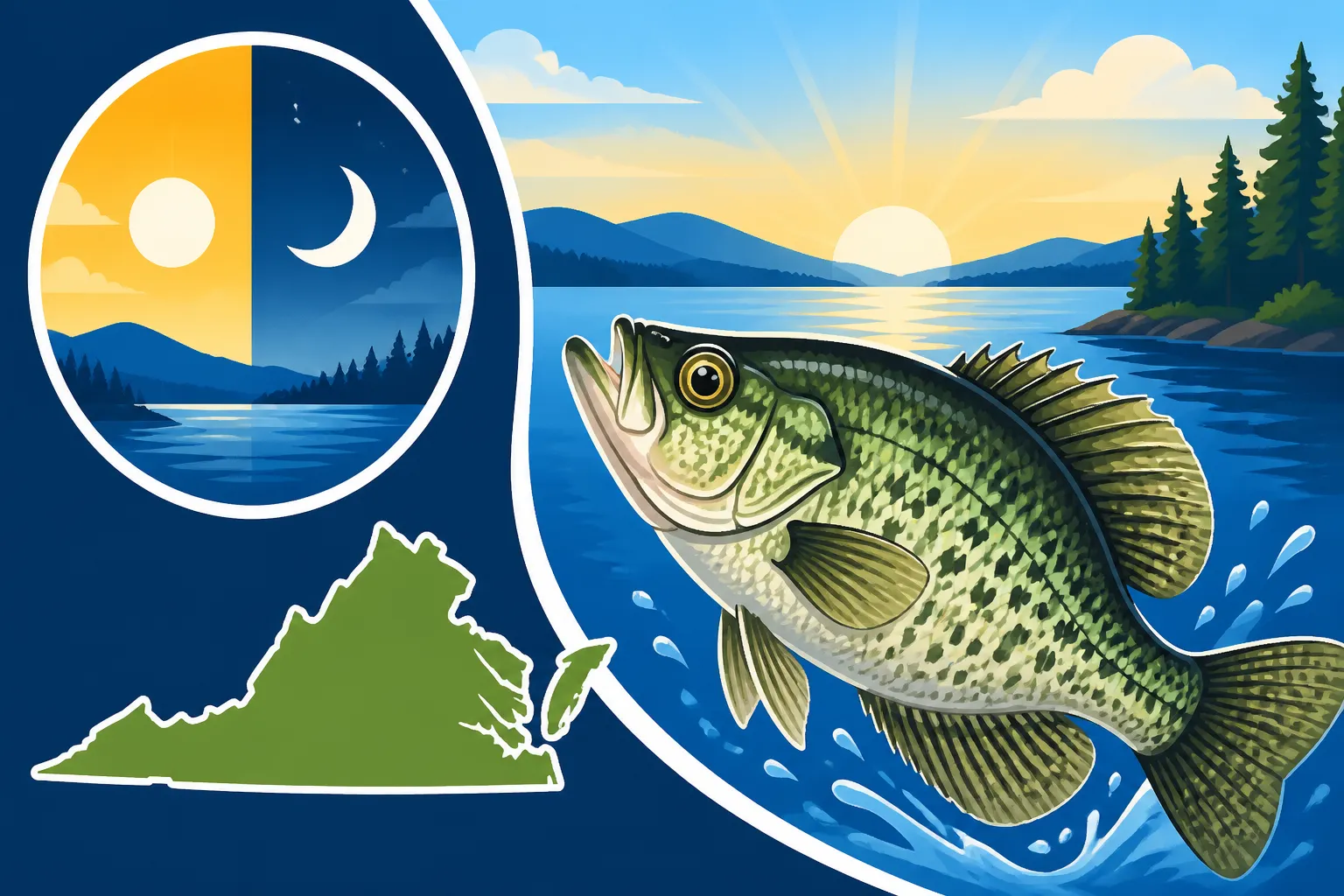
Ask any seasoned crappie angler, and they'll likely tell you that dawn and dusk are consistently the most productive times of day. Why? It comes down to light levels and baitfish activity. As the sun rises or sets, the lower light conditions provide an advantage for crappie, which are visual predators with excellent low-light vision. Baitfish, feeling more secure under the cover of dim light, often move into shallower water to feed, bringing the crappie with them.
During these windows, crappie are often more willing to venture out from their cover and actively chase prey. This means you can often find them in slightly shallower water than you would during the bright midday sun. Early morning, just as the sun peeks over the horizon, and the hour leading up to sunset, are often when you'll experience your most consistent bites. Many of the crappie hotspots on Smith Mountain Lake, Virginia or Claytor Lake really come alive during these magical low-light hours. For a deeper dive into this, check out our guide on the Best Time of Day to Catch Crappie.
Midday Challenges and Solutions
Midday fishing for crappie, especially under a bright, cloudless sky, can be tough. The intense sunlight drives crappie deep and tight to cover, making them less inclined to chase baits. They become more sluggish, preferring to ambush prey rather than actively pursue it. This doesn't mean you can't catch them, but it does require a shift in strategy.
To succeed during midday, focus on structure that provides ample shade or deep-water refuge. This includes the shady side of docks, under bridge pilings, or deep brush piles. You'll need to present your bait precisely and often slowly, coaxing a bite rather than expecting an aggressive strike. Downsizing your bait and using lighter line can also help. Sometimes, a subtle bait presentation, like a tiny jig slowly dropped right into a brush pile, is what it takes. Specialized crappie jigs and ultra-light line, easily found on Amazon, are perfect for these delicate presentations.
The Magic of Night Fishing for Crappie
Night fishing for crappie is a tactic that many anglers overlook, but it can be incredibly productive, especially during the warmer months. Crappie are naturally drawn to light sources in the dark, as these lights attract plankton and small baitfish, creating a miniature ecosystem around your boat or dock.
Anglers often use specialized submersible fishing lights or floating lights to attract crappie. You simply drop these lights into the water, and over time, a cloud of baitfish will gather, followed by the crappie. This creates a fantastic opportunity for vertical jigging or fishing with live minnows. Not only can night fishing be more comfortable temperature-wise in summer, but the concentration of fish around your light can lead to fast and furious action. It's a truly unique and effective way to target these panfish.
Key Factors Influencing Crappie Biting Activity
Beyond the calendar and the clock, several environmental factors play a huge role in whether crappie are biting. Paying attention to these subtle cues can greatly improve your success.
Water Temperature is Everything
We've touched on water temperature briefly with the seasons, but it truly is the single most important factor governing crappie activity. Crappie are cold-blooded, meaning their body temperature, metabolism, and activity levels are directly tied to the water around them.
- Below 45°F (Winter): Metabolism is very slow. Crappie are lethargic, schooled tight and deep, requiring finesse tactics.
- 45-55°F (Early Spring/Late Fall): Crappie begin to move and feed more actively, staging near spawning areas or bulking up for winter.
- 58-68°F (Peak Spring Spawn): The sweet spot! Crappie are actively spawning, aggressive, and often shallow.
- 70-80°F (Summer): Crappie seek cooler, deeper water or shade. Activity peaks at dawn/dusk or at night.
- Above 80°F (Late Summer): Crappie become very stressed and lethargic, often suspending deep and requiring slow, precise presentations.
Knowing the current water temperature of your chosen Virginia lake can tell you a lot about where the crappie are likely to be and how active they might be.
Barometric Pressure and Weather Patterns
Just like many other fish, crappie are sensitive to changes in barometric pressure, which often correlates with weather patterns. Stable high-pressure systems (clear, sunny days) often mean stable, predictable fishing, but sometimes the crappie can be deeper and less aggressive. A slow, steady drop in barometric pressure, often signaling an approaching storm or cold front, can trigger a feeding frenzy. Crappie often sense these changes and feed heavily before the weather turns.
Conversely, a sudden, sharp drop in pressure or the arrival of a strong cold front can shut down the bite almost completely. After a cold front, when the pressure is high and stable but the air temperature has plummeted, crappie often retreat to deep cover and become very difficult to entice. Patience and a willingness to fish slow and deep are crucial during these post-front conditions.
Structure and Cover: Crappie's Preferred Hangouts
Crappie are ambush predators that love structure and cover. They use it for protection from larger predators, as a place to hide from bright sunlight, and as a strategic location to ambush baitfish. If you want to find crappie, you absolutely must find their preferred hangouts.
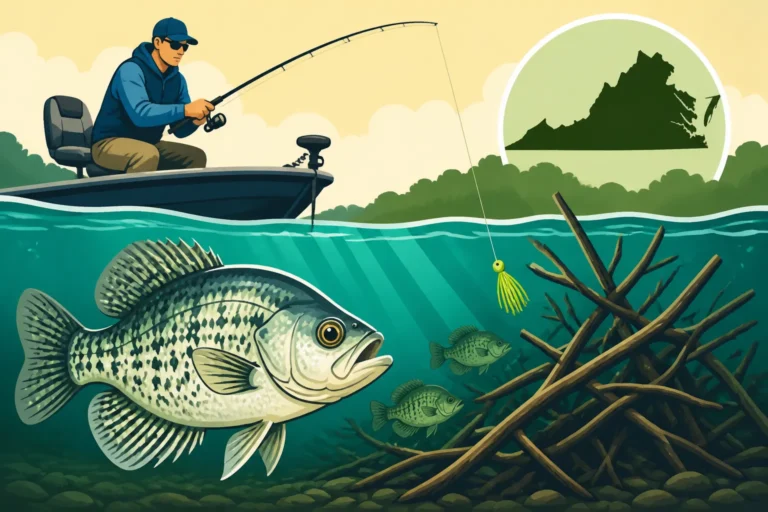
- Brush Piles and Submerged Timber: These are classic crappie magnets. Whether natural or man-made, brush piles offer abundant cover and attract baitfish. Learning How to Catch Crappie Around Brush Piles is a fundamental skill.
- Docks and Piers: Especially those with deep water nearby or with lights that attract bait at night. The shade provided by docks is also critical in summer. You'll often find crappie holding directly under them.
- Bridge Pilings: Vertical structure in deeper water is a perfect place for crappie to suspend.
- Ledges and Drop-offs: Crappie often stage along these contours, moving up or down depending on light and temperature.
- Standing Timber: In impoundments like many of Virginia's lakes, standing trees that were left when the lake was filled provide excellent vertical cover.
Using your electronics to locate these features is paramount, but even bank anglers can find success by focusing on visible cover. For beginners looking for easy ways to target these fish, exploring Crappie Fishing Techniques for Beginners can give you a great head start.
Best Techniques for Different Crappie Seasons
Matching your technique to the season and the crappie's behavior is critical. What works in spring won't necessarily work in winter.
Springtime Jigging and Minnow Presentations
In spring, particularly during the spawn, crappie are often shallow and aggressive. This makes them highly susceptible to a variety of tactics.
- Single Pole Jigging: This is perhaps the most popular technique. Use a lightweight spinning rod with a small jig (1/16 to 1/8 ounce) tipped with a soft plastic grub or a live minnow. Gently pitch or drop your bait into brush piles, under docks, or along shallow weed lines. Subtle twitches and pauses are often all it takes.
- Spider Rigging: For boat anglers, spider rigging involves using multiple rods extending out from the boat, each with a jig or minnow suspended at a specific depth. Slowly troll or drift this spread over potential crappie holding areas, allowing you to cover a wide range of depths and maximize your chances of encountering a school.
- Bobber and Minnow: A classic for a reason. A small bobber suspends a live minnow just above cover, allowing the minnow to entice nearby crappie with its natural movements. This is especially effective for Crappie Tightlining Basics under docks or around visible structure.
Summer Deep Water Trolling and Vertical Jigging
Summer crappie are in deeper water, so your techniques need to follow suit.
- Deep Water Trolling: Using small crankbaits or multiple jigs (often on a Capps and Coleman rig or similar) trolled behind the boat at slow speeds can be highly effective for covering vast areas and locating suspended fish. Pay close attention to your electronics to find the correct depth.
- Vertical Jigging: When you locate a tight school of crappie on your fish finder, dropping a jig or a spoon directly down to them can produce excellent results. This is a precise tactic, often requiring a sensitive rod to detect the light bites.
- Brush Pile Fishing: As mentioned, crappie will stack up in deep brush piles. Using a heavy enough jig to quickly get to the desired depth and then carefully working it through the branches is key.
Fall Casting and Slow Retrieves
Fall crappie are often on the move, following baitfish, so covering water is important.
- Casting Jigs and Small Crankbaits: Fan casting small jigs, grubs, or even tiny crankbaits into creek arms and coves can help you locate schools that are actively feeding. A slow, steady retrieve often works best.
- Slip Bobber Rigging: When crappie are suspended at a specific depth, a slip bobber rig allows you to cast a bait (jig or minnow) a good distance, and then the bobber slides down to a pre-set stopper, presenting your bait right in the strike zone. This is a great way to explore potential Crappie Fishing Spots in Virginia for active fish.
- Long-lining Trolling: Similar to spider rigging but often with lighter weights and longer lines, this method allows you to present baits at various depths as you slowly troll across flats or creek channels where baitfish are congregating.
Winter Finesse and Cold-Water Vertical Jigging
Winter requires extreme patience and precision.
- Finesse Vertical Jigging: This is the bread and butter of winter crappie fishing. Use ultra-light rods with sensitive tips and tiny jigs (1/32 or 1/64 ounce) or ice fishing jigs, often tipped with a crappie nibbler or a single minnow. Drop the bait directly to the fish you see on your electronics. Movement should be minimal – just tiny twitches to impart a little action.
- Minnow Rigs: A simple single-hook rig with a small live minnow, weighted just enough to get it to the desired depth, is deadly. The minnow's natural movements can often tempt even the most finicky cold-water crappie.
- Slow Trolling: Even in winter, very slow trolling with tiny jigs or minnows can sometimes be effective, especially on slightly warmer winter days when crappie might become a touch more active.
Remember, regardless of the season, crappie often prefer specific depths. Using a fish finder to locate schools and then adjusting your bait presentation to match that depth will be your most effective strategy. If you're new to the game, consider checking out our guide on Crappie Jigging Techniques for some solid foundational knowledge.
Crappie Fishing at a Glance by Season
To help you visualize the best approach for each season, here’s a quick overview.
| Season | Best Time of Day | Typical Depth | Preferred Structure/Cover | Recommended Techniques |
|---|---|---|---|---|
| Spring | Dawn/Dusk, Daytime | 2-10 feet | Shallow brush, docks, lily pads, creek flats | Single pole jigging, spider rigging, bobber & minnow |
| Summer | Dawn/Dusk, Night | 10-25+ feet | Deep brush, bridge pilings, submerged timber, shaded docks | Deep trolling, vertical jigging, night fishing with lights |
| Fall | Dawn/Dusk, Daytime | 5-15 feet | Creek channels, humps, ledges, baitfish schools | Casting jigs/crankbaits, long-line trolling, slip bobbers |
| Winter | Midday | 20-40+ feet | Deep creek channels, standing timber, tight brush piles | Finesse vertical jigging, minnow rigs, slow trolling |
Disclaimer
Fishing conditions can vary widely based on specific locations, weather, and other environmental factors. Always consult the Virginia Department of Wildlife Resources (DWR) for the most current regulations, licensing requirements, and any special advisories for the body of water you plan to fish. Stay safe, be aware of your surroundings, and practice responsible angling.