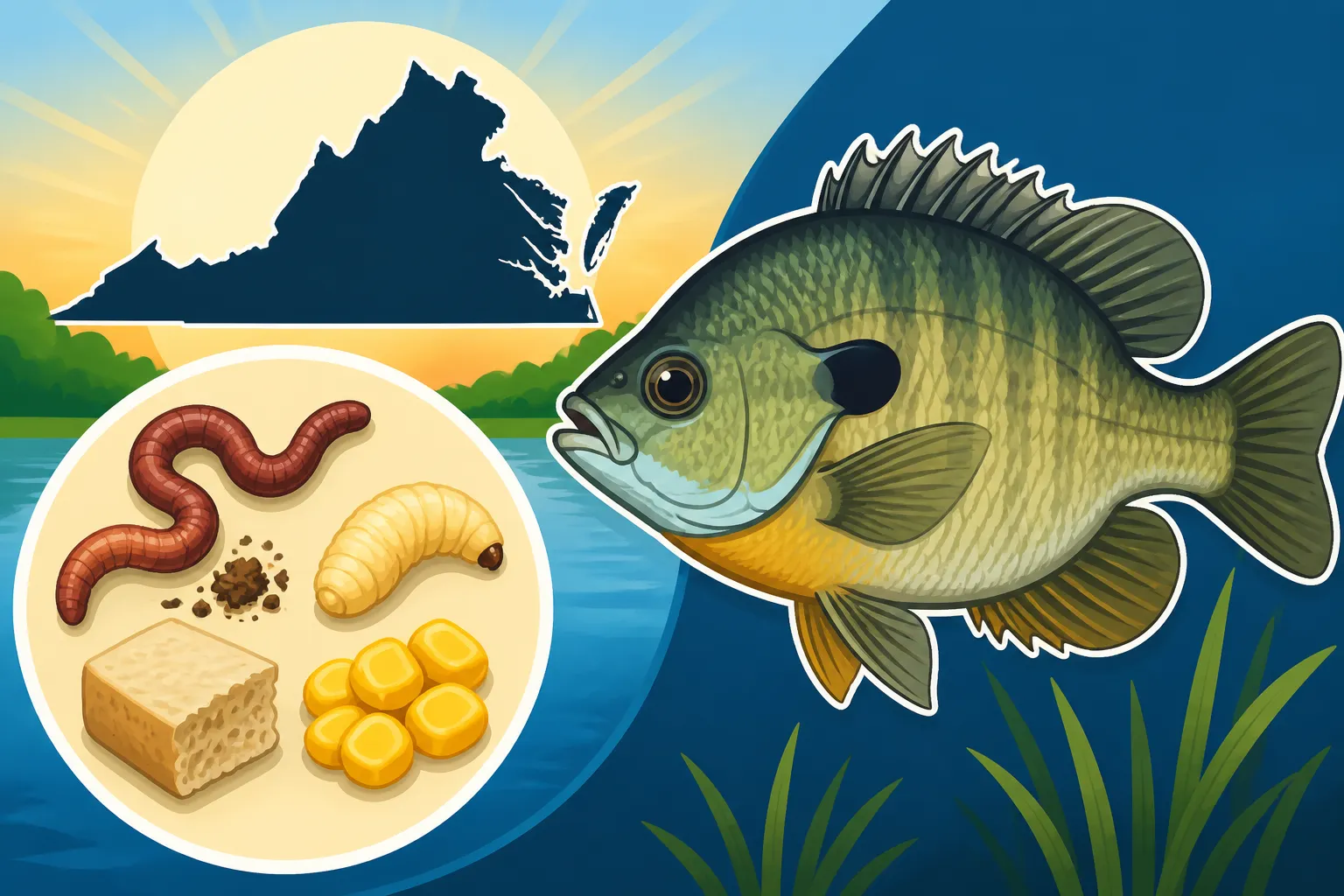
Best Bait for Bream Fishing
You've spent a glorious afternoon out on a Virginia lake or pond, the sun is shining, and you're hoping to fill a cooler with some delicious panfish. Yet, sometimes, despite your best efforts, those feisty little bream just aren't biting! It's incredibly frustrating when you're watching other anglers pull them in, wondering what secret they hold. This guide is here to unravel that mystery, diving deep into the absolute best baits for bream fishing, covering everything from natural offerings to artificial temptations, ensuring your next trip is a successful one.
Understanding Bream: More Than Just "Panfish"
When we talk about "bream" in Virginia, we're often lumping together a delightful group of sunfish. They're not just one species, and understanding their individual quirks and preferences can make a huge difference in your bait selection and overall success. Thinking of them all as just "panfish" is like calling every sweet treat "dessert" – it's true, but it misses all the wonderful variety!
The Different Faces of Virginia Bream
Virginia's waters are home to a vibrant array of sunfish, each with its own charm and subtle differences in diet and behavior. The most common you'll encounter are bluegill, redear sunfish (often called shellcrackers), and sometimes pumpkinseed sunfish, along with a few others. These species generally share a love for small, protein-rich morsels, but knowing their specific habits can give you an edge.
Bluegill, for instance, are arguably the most ubiquitous and aggressive of the bream family. They're often found in large schools, particularly around structure like docks, submerged trees, or lily pads, and are notorious for hitting almost anything small enough to fit in their mouths. They're not particularly picky, which makes them a fantastic target for beginners or those introducing kids to fishing. You can learn more about Panfish Species Every Virginia Angler Should Know to get a full picture of what's out there.
Redear sunfish, on the other hand, live up to their "shellcracker" nickname. They have specialized pharyngeal teeth that allow them to crush snails, mussels, and other shelled invertebrates found on the lake bottom. This makes them a bit different in their feeding habits; while they'll still hit a worm, they often prefer baits presented closer to the bottom where their natural prey resides. Pumpkinseed sunfish, with their striking colors, also favor a diet of small insects and snails, often found in shallower, vegetated areas. Each species offers a unique challenge and a different approach to bait presentation.
What Makes Bream Bite: Their Natural Diet and Habits
At their core, bream are opportunistic feeders with a strong preference for small, easy-to-digest prey. Their natural diet primarily consists of aquatic insects (larvae, nymphs), small crustaceans, tiny minnows, snails, and even some plant matter. They spend much of their day foraging, often pecking at submerged vegetation or cruising shallow waters in search of their next meal.
This natural diet gives us huge clues about what makes the "best bait for bream fishing." They're not looking for a giant, flashy meal; they're looking for something that either mimics their natural food sources or triggers an instinctive feeding response. This is why simplicity often reigns supreme when it comes to bream. They have small mouths, so bait size is paramount. If your offering is too large, they might nip at it, but they'll struggle to get the hook in their mouth properly. Understanding their feeding habits also informs where and when you should present your bait. They love cover and structure, as these areas provide both food and protection from larger predators.
Natural Baits That Bream Can't Resist
When it comes to reliably catching bream, Mother Nature provides some of the absolute best options. There's a reason these baits have been passed down through generations of anglers – they simply work. The trick is knowing which ones to use and how to present them effectively.
Worms: The Undisputed Champions
If there's one bait that every bream angler should have in their arsenal, it's the humble worm. Whether you're talking about red wigglers, nightcrawlers (cut into smaller pieces), or even earthworms dug from your own backyard, bream simply can't resist their wiggling, earthy appeal. They are, without a doubt, a top contender for the Best Bait for Bream Fishing.
Why are worms so effective? First, they're a natural food source for many fish, including bream. Their scent is incredibly attractive, and their constant movement in the water looks like a struggling meal. Second, they're durable enough to stay on a small hook, even through multiple nibbles. For bluegill, a small piece of a nightcrawler or a full red wiggler is often all it takes. For shellcrackers, presenting a worm right on the bottom can be incredibly effective, as it mimics the invertebrates they naturally seek out. When using worms, you want to use just enough to cover your hook, leaving a little tail to wiggle enticingly. Too much worm and the bream will peck it off without getting the hook. You can often find a good supply of these at local bait shops or even order specialized fishing worms online from places like Amazon.
Crickets and Grasshoppers: Seasonal Delights
As the weather warms up, particularly in late spring and summer, crickets and grasshoppers become absolute bream magnets. There's something about the way these insects twitch and struggle on the surface or just below that drives bream wild, often leading to explosive, surface-level strikes that are incredibly fun to witness, especially for kids.
The key to using crickets and grasshoppers is their presentation. They are often most effective when fished with a very light line and a small hook, either allowed to drift naturally on the surface with minimal weight or suspended just below a tiny bobber. Their legs kicking in the water send out vibrations that bream pick up on, often triggering an aggressive bite. If you're teaching a child to fish, this can be an incredibly exciting way to introduce them to the sport, as the visual of the strike is undeniable. For active bream, particularly those lurking under lily pads or along grassy banks, a live cricket or grasshopper is often a guaranteed bite. You can purchase crickets from bait shops, or, if you're feeling adventurous, catch your own grasshoppers in a nearby field! Just be mindful that these baits are a bit more delicate than worms.
Corn and Other Household Wonders
Believe it or not, some common household items can be surprisingly effective for bream, especially bluegill. Canned corn is a classic example. While not a natural food source, its bright color and sweet scent can attract bream, and its small, soft kernels are perfectly sized for their mouths.
To use corn, simply thread a few kernels onto a small hook. It's often best fished near the bottom or suspended under a bobber in shallow, clear water where bream can see it. Another unexpected option, especially if you're in a pinch, can be small pieces of bread, balled up and pressed onto a hook. The downside to bread is that it tends to dissolve quickly in the water, requiring more frequent re-baiting. However, it can work in a pinch. Some anglers even swear by tiny pieces of hot dog! These unconventional baits are often most effective in heavily fished public ponds where the fish might be accustomed to various offerings. They're also fantastic, budget-friendly options if you're planning a casual family outing. Remember, the goal with these is often more about attracting curious fish rather than mimicking a specific natural prey.
Artificial Baits for Active Bream Anglers
While natural baits are often foolproof, there's a certain satisfaction that comes from fooling a bream with an artificial lure. For the more active angler, artificial baits offer the advantage of durability, reusability, and the ability to cover more water quickly. They're a fantastic choice when you're targeting schools of aggressive bream or want to practice different presentations.
Tiny Jigs and Soft Plastics: Mimicking Natural Prey
When bream are in a feeding mood, small jigs and soft plastics can be incredibly effective. These lures are designed to mimic the tiny insects, minnows, and aquatic creatures that make up a large portion of a bream's diet. The key here is small – think 1/32 ounce or even 1/64 ounce jigs.
Pair these tiny jig heads with equally tiny soft plastic bodies, such as micro grubs, tube baits, or small creature baits. Colors can vary, but chartreuse, white, black, and natural browns or greens are often excellent starting points. The beauty of these baits is their versatility. You can cast them out and retrieve them with a slow, steady reel, giving the plastic tail a subtle wiggle. Or, you can fish them under a small bobber, allowing the jig to slowly drift and undulate with the current or subtle rod twitches. This technique is particularly effective when bream are suspended in the water column or holding tight to cover. Companies like Bobby Garland and Strike King make excellent tiny crappie jigs that work wonders for bream too. Just a quick search on Amazon for "micro crappie jigs" will give you plenty of options to stock up on.
Micro Crankbaits and Spinners: Flash and Vibration
Sometimes, bream need a little more convincing, especially if they're larger and a bit more aggressive. This is where micro crankbaits and small inline spinners come into play. These lures provide flash, vibration, and a larger profile that can provoke a reaction strike.
Micro crankbaits, typically designed for trout or panfish, are usually less than two inches long and have a small lip that makes them dive shallow. They come in a variety of colors and patterns, often mimicking small baitfish or insects. The retrieve is usually a steady reel, allowing the crankbait to wobble and dive, sending out vibrations that attract curious bream. They can be incredibly fun to fish, as the strikes are often quite strong! Small inline spinners, like those made by Mepps or Rooster Tail, are another excellent option. The spinning blade creates flash and vibration that can be irresistible. A slow, steady retrieve is all it takes to get that blade working, and bream will often hit them aggressively. These are great for covering water and finding active schools of fish. For more on beginner techniques, check out Easy Fishing Techniques for Kids, as these lures can be straightforward to use for all ages.
Baiting Strategies and Tips for Success
Having the best bait in the world won't do you much good if you don't know how to present it. Bream fishing, while often simple, benefits greatly from thoughtful strategies regarding hook selection, presentation, and understanding where and when these fish like to feed.
Presentation is Key: Hooking and Casting Your Bait
The way you rig and present your bait is just as important as the bait itself. For bream, whose mouths are relatively small, using the right size hook is crucial. A small, sharp hook in sizes #6, #8, or even #10 is usually ideal. These sizes are small enough to be easily ingested by a bream, maximizing your chances of a solid hookset. For natural baits like worms, thread the hook through the worm just enough to secure it, leaving a portion to wiggle. For crickets, hook them gently under the collar or through the thorax to keep them lively.
When it comes to casting, subtlety often wins. Bream can be skittish, especially in clear, shallow water. A gentle cast that allows your bait to land softly on the water's surface is preferable to a heavy splash. Consider using a light line, perhaps 4-6 pound test monofilament, as it's less visible to the fish and allows for a more natural presentation. Often, a simple bobber rig is all you need: a small bobber set to suspend your bait a foot or two off the bottom, or just above any submerged vegetation. You can get more specific tips on how to effectively use a bobber in the article, How to Catch Bluegill With a Bobber.
Maximizing Your Catch: Location and Timing
Bream are creatures of habit, and understanding where and when they feed will dramatically increase your success rate. Look for areas with structure: submerged logs, brush piles, dock pilings, lily pads, or even shaded banks. These spots provide cover from predators and often hold an abundance of insects and other food sources. Bream are social fish, so where you find one, you're likely to find more!
Timing also plays a significant role. Bream are often most active during the cooler parts of the day – early morning and late evening – especially during the warmer months. On overcast days or during a light rain, they might feed throughout the day. In deeper lakes like those found in parts of Virginia, they might retreat to slightly deeper, cooler waters during the midday heat but will still congregate around structure. Don't be afraid to move around if you're not getting bites; sometimes just a few feet can make all the difference. Remember, even during Virginia Free Fishing Days in June, knowing these subtle tips can make your outing much more productive.
Combining Baits for the Ultimate Bream Attraction
Sometimes, the best approach is a combination of tactics. "Tipping" a small jig with a piece of a worm or a live cricket can be an incredibly effective strategy. The artificial lure provides the visual attraction and vibration, while the natural bait adds irresistible scent and texture. This can be particularly useful when the bite is slow, or when you're trying to entice larger, more cautious bream.
Another strategy, especially in ponds or lakes, is to chum the water lightly. Throwing a handful of corn, breadcrumbs, or even a few pieces of cut-up worm into the area you're fishing can draw bream in and get them into a feeding frenzy. Just be sure to check local regulations regarding chumming, as rules can vary. By understanding the different types of bream, their natural diets, and employing effective baiting and presentation strategies, you'll be well on your way to a cooler full of delicious panfish. Happy fishing!
Disclaimer
This article is for general informational purposes only and does not constitute professional advice. Laws, prices and regulations vary by location and change over time. Consult a qualified professional for guidance on your specific situation.