Virginia Panfish Fishing for Beginners and Kids
There's nothing quite like the excitement of a bending rod, especially when you're introducing someone new to the magic of fishing. But let's be honest, trying to master complex techniques or chasing elusive trophy fish can quickly turn into a frustrating experience, particularly for beginners and enthusiastic kids with short attention spans. The good news is, Virginia's waters are teeming with a delightful group of fish that are perfect for getting that consistent action and building confidence: panfish! This guide will walk you through everything you need to know to make your panfish fishing trips fun, easy, and incredibly rewarding for everyone, no matter their age or experience level.
What Exactly are Panfish? Your Friendly Introduction to Virginia's Easiest Catch
When we talk about "panfish," we're generally referring to a collection of smaller, highly abundant freshwater fish that are often found in groups and are known for being quite eager to bite. They're called panfish because they typically fit perfectly in a frying pan – a lovely bonus for those who enjoy a fresh meal! Unlike their larger, more solitary cousins, panfish are often found in accessible areas and don't require super specialized gear, making them the ideal target for anyone just starting out.
Meet the Common Panfish of Virginia
Virginia is blessed with a fantastic variety of panfish, each offering its own charm and making for a delightful day on the water. Understanding who you're targeting can give you a real edge, even though most panfish will happily snap at similar baits. The main players you'll likely encounter are bluegill, various other sunfish species, crappie (both black and white), white perch, and yellow perch.
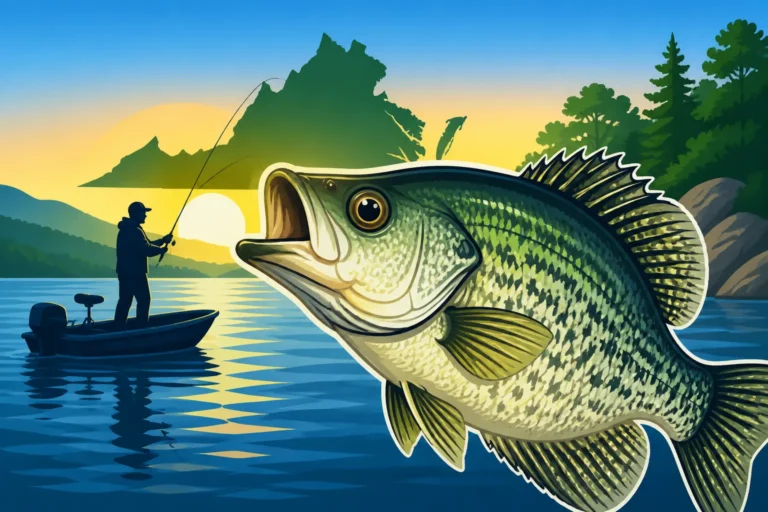
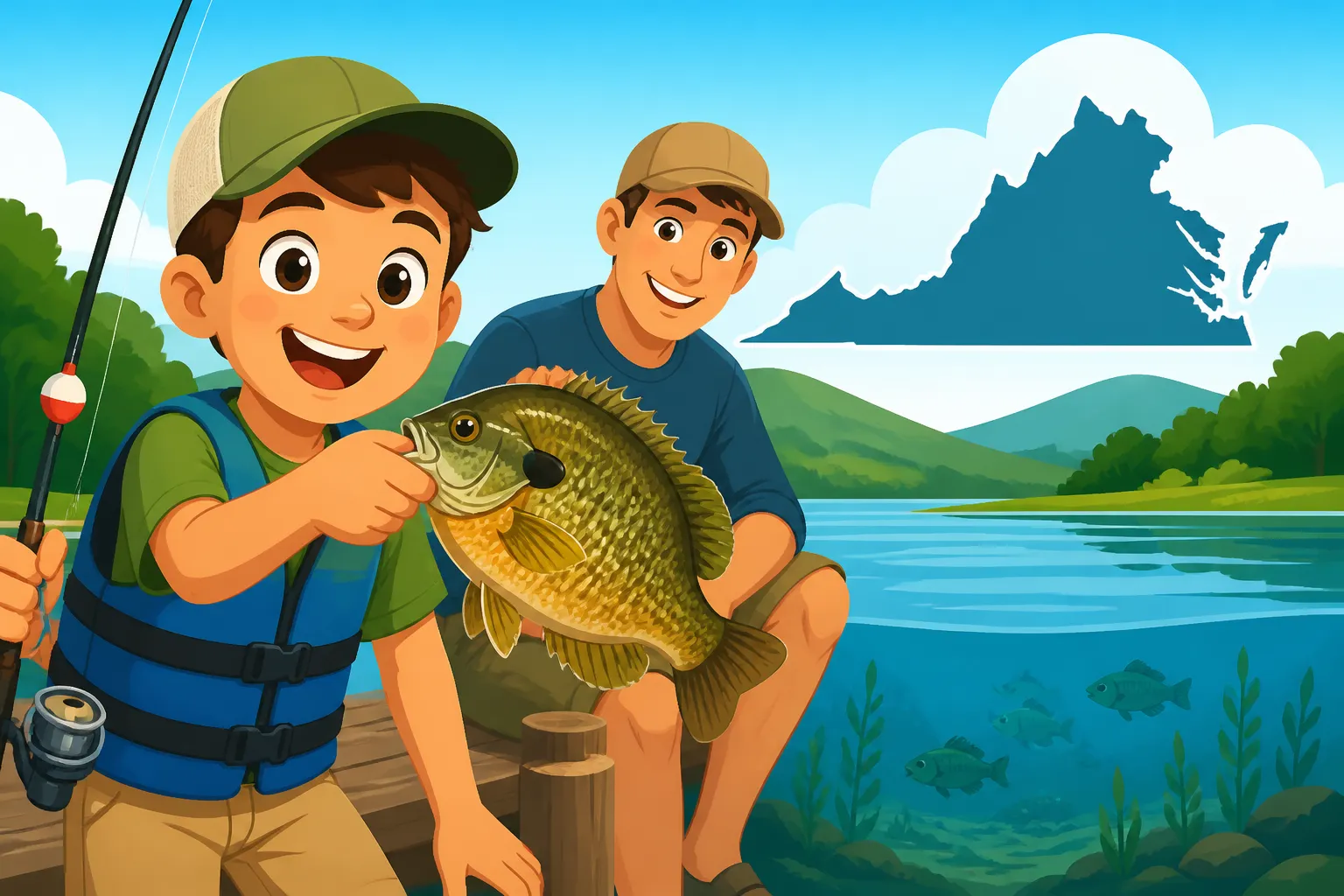
Bluegill, often simply called "bream" or "sunfish," are arguably the most common and beloved panfish. They're typically brightly colored, with a distinct dark spot on their gill flap, and they absolutely love to hang around submerged cover like docks, lily pads, or fallen trees. They're notorious for their feisty fight, even on light tackle, which makes them incredibly exciting for kids. Then there are crappie, both black and white, which are often a bit larger than bluegill and incredibly popular for their schooling behavior and delicious fillets. You'll typically find crappie congregating around brush piles, submerged timber, or bridge pilings. Finally, we have the perch species. White Perch: A Beginner-Friendly Virginia Panfish are abundant in Virginia's tidal rivers and brackish waters, known for their silvery appearance and willingness to bite. Yellow Perch Identification for Virginia Anglers are easily recognized by their distinct vertical bars and are often found in cooler, clear waters, offering another fun target, especially in late winter and early spring. Getting to know these common species will make your fishing adventures even more engaging.
Why Panfish are the Ultimate Starter Fish
If you've ever felt intimidated by fishing, panfish are here to change your mind. Their sheer numbers and aggressive feeding habits make them an absolute dream for beginners and children. Instead of endless casting without a nibble, which can quickly lead to boredom and frustration, panfish often provide consistent action. This immediate gratification is crucial for young anglers, keeping them engaged and building confidence with every successful hook-up. Imagine the look on a child's face when they feel that first tug on the line, or when they reel in a shimmering bluegill! It's pure joy and often the spark that ignites a lifelong passion for the outdoors.
Beyond the excitement of frequent bites, panfish are also incredibly versatile. They thrive in a wide range of habitats, from small community ponds to large reservoirs and tidal rivers, meaning there's usually a panfish hot spot not far from home. This accessibility eliminates the need for long, expensive trips, making fishing a practical and enjoyable family activity. Plus, their relatively small size means you don't need heavy, expensive gear to catch them. You can learn fundamental fishing skills – casting, baiting a hook, setting the hook, and safely handling a fish – all while having a blast. For anyone looking to dive into the world of angling without the steep learning curve, or to share that joy with a child, Panfish Species Every Virginia Angler Should Know are, without a doubt, the perfect place to start.
Gearing Up Smart: Simple and Affordable Panfish Essentials
One of the biggest hurdles for new anglers can be the perceived cost and complexity of fishing gear. It's easy to walk into a tackle shop and feel overwhelmed by all the options. But here's the secret: panfish fishing requires very little, and what it does require is usually inexpensive and easy to find. The goal is simplicity and functionality, not a boatload of specialized equipment.
The Basic Rod, Reel, and Line Setup
For panfish, less is often more. You absolutely do not need heavy-duty rods or giant reels designed for offshore monsters. What you're looking for is a light-action spinning rod, typically in the 5 to 6-foot range, paired with a small, lightweight spinning reel. These combos are incredibly user-friendly, making casting easy even for small hands, and they make even a modest bluegill feel like a heavyweight champion. Brands like Zebco or countless entry-level combos available on Amazon are perfect starting points. They often come pre-spooled with line, which means one less thing to worry about.
When it comes to line, a 4 to 6-pound test monofilament line is ideal. It's thin enough not to spook the fish, yet strong enough to handle typical panfish and resist minor snags. Avoid anything heavier, as it can hinder casting distance and sensitivity. The beauty of this light setup is that it allows you to truly feel every little nibble and fight, enhancing the overall experience. Plus, these basic combos are often very durable, able to withstand the inevitable bumps and drops that come with fishing with kids. Remember, the goal isn't to overpower the fish, but to enjoy the dance!
Baits and Terminal Tackle That Panfish Can't Resist
Now for the fun part: what do panfish like to eat? The answer is delightfully simple! Panfish are opportunistic eaters, and a few classic baits are virtually guaranteed to get their attention. Top of the list are live worms – garden worms, red wigglers, or even nightcrawlers cut into smaller pieces. There's just something about a wiggling worm that panfish can't resist. Crickets are another fantastic option, especially for bluegill and other sunfish. If live bait isn't your thing, or you want something less messy, small artificial baits like tiny jigs (1/32 to 1/16 ounce), small spinnerbaits, or even micro-plastics can be incredibly effective, especially for crappie and perch. You can easily find a huge variety of these at any local tackle shop or through a quick search on Amazon.
For terminal tackle (the bits that go on the end of your line), you'll need a few essentials:
- Bobbers (Floats): These are crucial for beginners. They suspend your bait at a set depth and, most importantly, provide a visual indicator of a bite. Clip-on bobbers are easiest for kids, while slip bobbers offer more versatility for deeper water.
- Hooks: Small hooks are key! Size 6 or 8 Aberdeen hooks are perfect. They're thin, sharp, and minimize harm if you plan on releasing fish.
- Split Shot Weights: These tiny lead-free weights pinch onto your line a few inches above the hook to help your bait sink to the desired depth. Start with just one or two small ones.
That's really it! A small tackle box containing these items is all you need for hours of panfish fun. Best Bait for Bream Fishing includes even more details on enticing these hungry little guys.
Beyond the Tackle Box: Comfort and Safety for Young Anglers
While the rod and reel are central, a successful and enjoyable fishing trip, especially with kids, extends beyond just the tackle box. Thinking about comfort and safety ahead of time can make all the difference between a memorable day and a miserable one. Always remember that outdoor activities come with their own set of considerations, and being prepared means everyone can relax and have a great time.
Here's a quick checklist of non-fishing essentials to pack:
- Sun Protection: Hats, sunglasses, and plenty of sunscreen are non-negotiable, even on cloudy days. Virginia sun can be strong!
- Hydration and Snacks: Fishing is active, and sitting in the sun can be dehydrating. Pack plenty of water, juice boxes, and easy-to-eat snacks. A small cooler is a lifesaver for keeping everything fresh.
- Bug Repellent: Mosquitoes and other biting insects can quickly ruin a good time. A good bug spray can be your best friend.
- First-Aid Kit: A small kit with bandages, antiseptic wipes, and pain relievers for minor scrapes or punctures is always a smart idea.
- Pliers/Forceps: These are invaluable for safely removing hooks from fish, especially if you're practicing catch-and-release, or from fingers if an accident occurs. You can find sturdy options for these on Amazon.
- Comfortable Seating: A small folding chair or even a blanket for sitting on the bank can make a big difference in comfort for both kids and adults.
- Life Vests: If you're fishing from a boat, pier, or any elevated structure near water, ensure everyone, especially children, has a properly fitting life vest. Safety first!
Being prepared with these basic items ensures that everyone stays comfortable, safe, and focused on the fun of fishing.
| Panfish Species | Typical Size (Inches) | Favorite Live Bait | Best Small Lure | Ideal Habitat |
|---|---|---|---|---|
| Bluegill (Sunfish) | 6-10 | Worms, Crickets | Tiny Jigs, Poppers | Weeds, Docks, Brush |
| Black Crappie | 8-12 | Minnows, Jigs | Small Spinnerbaits | Brushpiles, Submerged Trees |
| White Crappie | 8-12 | Minnows, Jigs | Small Spinnerbaits | Brushpiles, Submerged Trees |
| White Perch | 6-10 | Worms, Minnows | Sabiki Rigs, Tiny Jigs | Tidal Rivers, Piers |
| Yellow Perch | 7-10 | Worms, Minnows | Small Spoons, Jigs | Clear Lakes, Cooler Waters |
Easy Techniques for Catching Panfish and Keeping the Fun Alive
One of the great things about panfish is that they aren't picky. You don't need to learn complicated casting techniques or advanced lure presentations. Simple, straightforward methods are often the most effective, making it incredibly easy for beginners and kids to start catching fish quickly. The key is to present the bait naturally and to pay attention to what the fish are telling you.
The Art of the Bobber and Bait
For true beginners, especially young children, the bobber and bait method is king. It’s visual, it’s exciting, and it’s incredibly effective. Start by tying on a small hook, adding one or two split shot weights a few inches above it, and then attaching a bobber about 1 to 2 feet above the weights. This setup allows your bait to suspend naturally in the water column where panfish are often cruising.
Bait your hook with a small piece of worm or a cricket. Don't overload the hook; a small, natural presentation is best. Then, gently cast your rig into likely panfish hiding spots – near submerged logs, around lily pads, or alongside docks. The beauty of the bobber is that it tells you exactly where your bait is and, more importantly, when a fish is interested. When that bobber starts to twitch, dance, or suddenly disappear under the water, it's time to set the hook! A gentle but firm lift of the rod is usually all it takes. This simple, engaging method is covered in more detail in Bream and Bluegill Fishing for Beginners and is perfect for building confidence.
Simple Lures for Active Panfish
While live bait is a classic, once you've got the hang of the bobber, introducing simple artificial lures can add another layer of excitement, especially when panfish are particularly active. Small jigs, particularly those 1/32 to 1/16 ounce, are incredibly versatile. You can tip them with a small piece of worm or a tiny plastic grub for added appeal. The technique is straightforward: cast the jig out and retrieve it slowly, either with a steady reel, or with small, gentle lifts and drops of your rod tip to give it a "jigging" action.
Another great option is a tiny in-line spinnerbait. These lures have a small blade that spins as you retrieve it, creating flash and vibration that can attract curious panfish. Again, a slow, steady retrieve is usually all you need. The key with lures is to experiment with retrieve speed and depth until you find what the fish are responding to. Don't be afraid to try different colors; sometimes a bright chartreuse or pink jig can make all the difference. Lure fishing adds an element of active participation that many find very satisfying, and it’s a great way to transition from bait fishing.
Making it Fun: Engagement and Education on the Water
Fishing with beginners and children isn't just about catching fish; it's about fostering a connection with nature, teaching patience, and creating lasting memories. While the fish are biting, take the opportunity to engage them beyond just reeling. Teach them how to properly hold a fish for a photo (gently, supporting the body), or how to carefully unhook and release a fish if you're not keeping it for dinner. Talk about the different species you're catching, pointing out their unique features. How to Teach a Kid to Fish goes into more depth on these valuable lessons.
Encourage curiosity about the ecosystem around you – the birds, the plants, the sounds. Bring a small magnifying glass to look at insects, or a field guide to identify local flora and fauna. Celebrate every catch, no matter how small; high fives and cheers are essential! If the bites slow down, consider a snack break, explore the shoreline, or even have a quick casting competition without hooks. The goal is to keep the experience positive and fun, ensuring that every trip leaves them wanting more. Remember, some of the most enduring lessons and memories from fishing come from those quiet moments of shared observation and discovery.
Finding the Sweet Spots: Accessible Virginia Waters for Panfish
One of the best things about panfish is their widespread availability. You don't need a fancy boat or access to exclusive private waters to find them. Virginia offers an abundance of publicly accessible fishing locations that are perfect for a family outing or a quick solo trip, ensuring that beginners and kids have plenty of opportunities to cast a line.
Public Piers, Docks, and Bank Access
For hassle-free fishing with kids, public piers, docks, and designated bank access points are your absolute best friends. These spots are designed for easy access, often have paved parking, and sometimes even amenities like restrooms, picnic areas, and playgrounds – which are crucial for keeping little ones entertained if the fishing slows down. Many Virginia State Parks, county parks, and community lakes offer excellent bank and pier fishing opportunities for panfish.
Think about places like the piers along the Chesapeake Bay tributaries for white perch, or any number of smaller lakes managed by the Virginia Department of Wildlife Resources (DWR) that are regularly stocked and have designated bank access. These locations reduce the intimidation factor of launching a boat or navigating complex shorelines. They provide a safe, contained environment where you can focus on fishing without worrying about strong currents or deep, uneven terrain. Shore Fishing Access Points in Virginia lists many great options, and Family-Friendly Fishing Spots in Virginia highlights places particularly suitable for youngsters. Look for areas with some form of submerged structure near the bank, like lily pads, fallen trees, or the pilings of a dock, as panfish love to congregate around these features for shelter and food.
Local Ponds and Small Lakes: Hidden Gems for Panfish
Beyond the bigger, well-known bodies of water, Virginia is dotted with countless smaller community ponds and local lakes that are absolute goldmines for panfish. These often overlooked spots, sometimes tucked away in neighborhood parks or managed by local recreation departments, are fantastic for a quick fishing adventure. They typically receive less fishing pressure than larger lakes, meaning the panfish populations can be quite robust and eager to bite.
Often, these smaller waters are specifically managed for family-friendly fishing, sometimes even stocked with fish by local agencies. The smaller scale makes them less intimidating for beginners, and the fish are generally easier to locate. A quick search on your city or county's parks and recreation website can often reveal these hidden gems, along with information about access and any specific regulations. You might be surprised to find a productive fishing hole just a short drive from your home. These smaller waters are truly where some of the best beginner experiences happen. If you're looking for Best Fishing Spots for Beginners Who Don't Own a Boat, these local ponds are often the answer.
Understanding When and Where Panfish Bite Best
While panfish are generally cooperative, understanding a few basic patterns can significantly increase your success and make your trips even more productive. Generally, panfish are most active during the warmer months, from spring through early fall. Spring, in particular, when they are moving into shallower waters to spawn, can offer incredibly fast action. However, they can be caught year-round, especially in deeper pockets of water during the colder months. Best Season for Panfish Fishing in Virginia provides a deeper dive into seasonal patterns.
When it comes to where to find them, always think structure. Panfish love cover, which provides them with both shelter from predators and ambush points for their prey. This means:
- Weed Beds: Edges of lily pads, cattails, or submerged grass beds.
- Wood Structure: Fallen trees, brush piles, submerged logs, and old stumps.
- Man-Made Structures: Docks, piers, bridge pilings, and boat ramps.
- Drop-offs: Areas where shallow water quickly transitions to deeper water.
Casting your bait or lure right up against or into these areas, allowing it to sink slowly, is often the most effective strategy. Pay attention to what's around you – if you see lots of dragonflies or minnows, it's a good sign that baitfish are present, and panfish won't be far behind! Experiment with different depths and locations until you start getting bites, and then try to replicate that success. Panfish often school, so where you catch one, there are likely many more!
Disclaimer
This article is for general informational purposes only and does not constitute professional advice. Laws, prices and regulations vary by location and change over time. Consult a qualified professional for guidance on your specific situation.