Yellow Perch Identification for Virginia Anglers
It can be incredibly frustrating to be out on the water, reeling in what you think is one type of fish, only to second-guess yourself the moment it hits the deck. Many Virginia anglers, especially those new to panfishing, struggle with accurately identifying the subtle differences between species that often inhabit the same waters. This comprehensive guide will walk you through everything you need to know to confidently identify yellow perch, distinguishing them from similar-looking fish in Virginia's diverse aquatic ecosystems.
What Makes a Yellow Perch a Yellow Perch? Distinctive Physical Characteristics
When you're pulling a fish from the water, the first things you notice are its overall look – its shape, its color, and any unique markings. Yellow perch have a very particular set of physical traits that, once you know them, make them pretty easy to spot. They're not just "yellow fish"; there's a real science to their identification.
Distinctive Markings: The Stripes and Fins
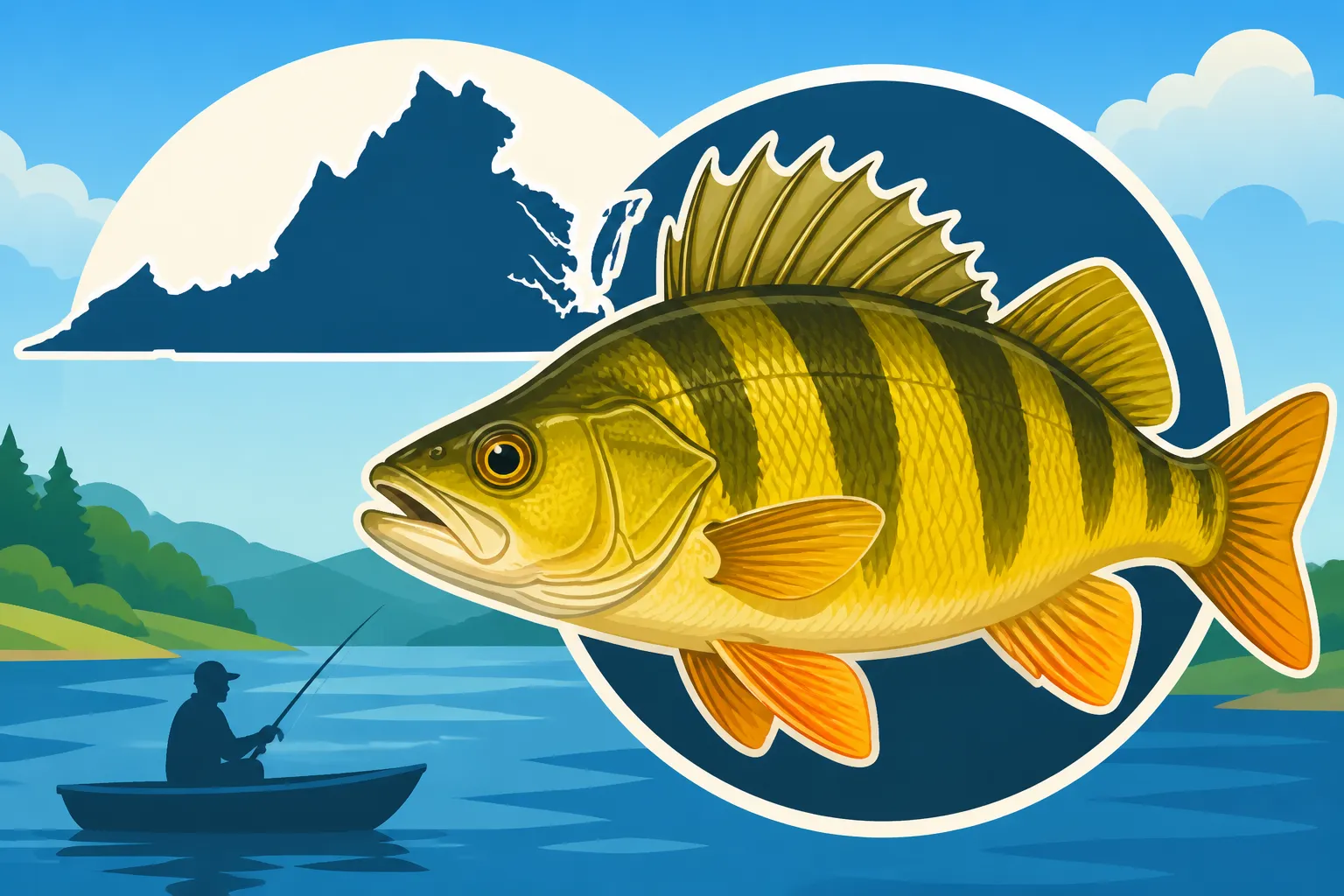
The most striking feature of a yellow perch, and truly its namesake, is the series of dark, vertical bars along its sides. These aren't just faint smudges; they're typically 6 to 9 distinct, dark bars that narrow as they extend down the fish's body, almost reaching the belly. Imagine a tiger's stripes, but a bit more irregular and darker against a lighter background. These stripes are what immediately set them apart from many other panfish. Now, look at their dorsal fins. Yellow perch have two separate dorsal fins. The first one is spiny, meaning it's supported by sharp, rigid rays, and often has a dusky or dark blotch near the rear of the fin. The second dorsal fin, located just behind the first, is softer and composed of flexible rays. This dual-fin setup is another key characteristic. Finally, take a peek at the caudal (tail) fin. It's usually slightly forked and can have a yellowish or even reddish tint, especially towards the bottom lobe, which can be quite vibrant in some specimens.
These markings aren't just for show; they help the yellow perch camouflage itself among aquatic vegetation and against the varied bottom structures of lakes and rivers. If you're using a field guide, perhaps one you picked up from Amazon, you'll see these stripes highlighted as the primary identifier. Pay close attention to their consistency and number, as this can be a crucial detail. Sometimes, in particularly clear water or during certain times of the year, these colors and markings can appear even more pronounced, making identification a breeze.
Body Shape and Size: Small but Mighty
Yellow perch have a distinct body shape that's often described as elongated and somewhat compressed, but robust. They're not as deep-bodied or round as, say, a bluegill, nor are they as streamlined and slender as some of the larger predator species. Think of them as a chunky little torpedo. Their dorsal profile (the top line from head to tail) usually has a slight hump just behind the head, which then tapers back to the tail. Most yellow perch you'll catch in Virginia will be in the 6-10 inch range, though real trophy specimens can push past 12 or even 14 inches and weigh over a pound. While they may not offer the massive fight of a Biggest Striped Bass Ever Caught in Virginia, for their size, they put up a respectable battle, especially on light tackle.
Don't let their relatively small size fool you. A stringer full of yellow perch makes for an excellent meal, and their prevalence in many Virginia waters makes them a popular target for anglers looking for a consistent catch. Their size also means they are perfectly suited for junior anglers, providing plenty of action without being too overwhelming. For tips on engaging young ones, you might want to read up on Easy Fishing Techniques for Kids. Remember, while size can vary based on age and local conditions, the characteristic shape remains a reliable identifier across individuals.
Coloration: The Yellow Hue
Of course, the "yellow" in yellow perch isn't just for show – it's a primary identifying feature! Their base body color ranges from a vibrant golden-yellow to a brassy green-yellow, often fading to a lighter, almost white, belly. The intensity of this yellow can vary quite a bit depending on the water clarity, the fish's diet, and even the time of year. Fish caught in clear, weed-rich waters might display more vivid colors, while those from murkier, tannic-stained environments could appear a bit duller or olive-toned. The fins, particularly the pectoral, pelvic, and anal fins, often sport a bright orange or reddish hue, adding another splash of color to their distinctive appearance. This vibrant fin coloration is particularly noticeable and can be a quick visual cue when you're trying to differentiate them from other panfish at a glance.
This yellow-gold and orange combination, coupled with those dark vertical bars, creates a striking fish that's hard to mistake once you know what to look for. It's truly a beautiful fish, and one that adds a lively splash of color to any angler's catch. Understanding how different water conditions might affect fish coloration is also helpful when you are out fishing. For instance, sometimes in very clear water, their colors might even appear more muted as a form of camouflage.
Habitat and Behavior: Where to Find Virginia's Yellow Perch
Knowing what a yellow perch looks like is one thing, but knowing where to look for them is just as important. These fish have distinct preferences for certain environments and behave in predictable ways that can help you target them effectively.
Preferred Waters and Structure
Yellow perch are incredibly adaptable and can be found in a wide variety of freshwater environments across Virginia. You'll primarily find them in large lakes, ponds, and slow-moving rivers and streams. They prefer clear to moderately turbid waters with moderate depths. Crucially, they absolutely love structure and vegetation. Think about areas with submerged logs, rock piles, brush, docks, and especially weed beds or lily pad fields. These features provide ambush points for feeding and cover from larger predators. You'll often find them schooling up along drop-offs, channel edges, or the deeper sides of weed lines. During certain times, they might move into shallower bays or coves, especially during spawning periods.
If you're fishing a large lake like Smith Mountain Lake or Lake Anna, focus your efforts on the transition zones where shallow flats meet deeper channels, always looking for that vital cover. They are less common in fast-flowing, clear mountain streams that are typically home to trout. Therefore, knowing the specific characteristics of different Virginia water bodies, like those mentioned in Virginia's Rules for Fishing on Public and Private Waters, can greatly enhance your chances of success. They also do quite well in brackish waters found in the tidal sections of rivers leading to the Chesapeake Bay.
Diet and Feeding Habits
Yellow perch are opportunistic predators, meaning they'll eat just about anything they can fit in their mouths. Their diet largely consists of aquatic insects, insect larvae, small crustaceans, and the eggs and fry of other fish species. As they grow larger, their diet shifts to include more small baitfish like minnows or juvenile sunfish. This diverse diet is why they can be caught on such a wide array of baits and lures. They are visual feeders, relying on their keen eyesight to spot prey, especially in clearer waters. They often feed in schools, actively patrolling their chosen habitat in search of food.
Their schooling behavior means that if you catch one yellow perch, there's a good chance there are more in the same spot. This makes them a fantastic target for a consistent day of fishing. Knowing what's on their menu can help you choose the right presentation; a small minnow imitation or a worm can often be irresistible. You might even want to check out the section on Best Bait for Rainbow Trout in Mountain Streams for some general worm-fishing insights, as many panfish share similar bait preferences.
Seasonal Movements
Like many freshwater species, yellow perch exhibit seasonal movements tied to water temperature, spawning cycles, and food availability. In the spring, as water temperatures rise, they move into shallower areas to spawn, often in bays or slow-moving river sections with plenty of submerged vegetation. This is an excellent time to target them, as they are concentrated and actively feeding. During summer, they tend to retreat to deeper, cooler waters, often congregating around submerged structures or deep weed lines. Early morning and late evening can still find them venturing into shallower feeding flats.
As fall approaches and water temperatures cool again, yellow perch become very active, feeding heavily to build up fat reserves for winter. They'll often move back into shallower areas for this feeding frenzy, making it another prime time for anglers. In winter, they become more lethargic and move to deeper parts of lakes and rivers, often schooling tightly near the bottom or around significant underwater structure, making ice fishing or targeting deep holes with slow presentations effective. Understanding these patterns, often discussed when looking at Best Season for Panfish Fishing in Virginia, is key to consistent success throughout the year.
Yellow Perch vs. White Perch: A Closer Look at the Differences
One of the most common identification challenges for Virginia anglers is distinguishing between yellow perch and white perch. While their names might suggest an easy differentiation, in certain waters, they can look surprisingly similar, especially to the untrained eye. Let's break down the key features to ensure you're always making the correct call. For a more detailed look at the other side of the coin, check out White Perch Identification for Virginia Anglers.
Lateral Line and Fin Differences
The lateral line is a sensory organ running horizontally along the side of a fish, vital for detecting vibrations and pressure changes. On a yellow perch, this line is typically subtle, sometimes barely visible, and usually straight. In contrast, the lateral line on a white perch is much more prominent, often appearing as a distinct darker line. More importantly, the shape of their dorsal fins is a dead giveaway. We already discussed the two distinctly separate dorsal fins of the yellow perch. The first fin is spiny and triangular, clearly separated by a noticeable gap from the second, softer-rayed fin.
Now, for the white perch: they also have two dorsal fins, but these are typically joined at the base or, at most, have only a very slight, shallow notch separating them. This is probably the single most reliable way to tell them apart on sight. If you run your finger along the top of a white perch, it will feel like one continuous fin, albeit with a slight dip. For a yellow perch, you'd clearly feel two distinct fins. Also, while yellow perch fins often have that reddish-orange tint, white perch fins are generally more uniform with the body color, ranging from silvery to olive. These are crucial differences when you're trying to figure out if you've landed a true yellow perch or its silvery cousin.
Mouth and Head Shape Cues
Beyond the fins, the mouth and head shape offer further clues. Yellow perch have a relatively small mouth that typically doesn't extend past the middle of the eye. Their head is somewhat pointed. This smaller mouth size is why they often prefer smaller baits and lures. The white perch, on the other hand, generally has a larger, more upturned mouth that often extends to or slightly past the middle of the eye. Their head can also appear a bit more blunt or rounded. Think of it this way: a yellow perch has a more "perch-like" head, while a white perch tends to have a head that is subtly more "bass-like" in its overall profile, though still distinctly a perch.
These subtle differences in jaw structure are also reflected in their feeding habits and the types of prey they can easily consume. A white perch might be able to gulp down slightly larger baitfish than a similarly sized yellow perch. While these distinctions might seem minor, paying attention to them can save you from misidentifying your catch. If you’re ever in doubt, running through a mental checklist of these features is a good habit to develop. A quick search on Amazon for fish identification cards could be a useful tool to have handy on your next trip.
Habitat Overlap and Why It Matters
One of the reasons distinguishing between these two species can be tricky is their significant habitat overlap. Both yellow perch and white perch thrive in many of Virginia's freshwater and brackish environments, including tidal rivers like the James, York, and Rappahannock, and even parts of the Chesapeake Bay. It's not uncommon to catch both species from the same dock or boat while fishing. However, there are some subtle differences in their preferred conditions. White perch tend to tolerate a wider range of salinities and can be found further into truly saltwater environments than yellow perch, which prefer freshwater or slightly brackish conditions.
Understanding this overlap is important not just for accurate identification, but also for knowing the specific regulations that might apply. While both are panfish, their individual catch limits or size restrictions might differ depending on the body of water and specific regulations set by the Virginia Department of Wildlife Resources. Always consult Virginia Fishing Regulations Explained or Virginia's Fishing License and Catch Limit Basics to ensure you're compliant. Misidentification could lead to unknowingly exceeding a limit or keeping an undersized fish, which no ethical angler wants to do.
Here's a quick comparison table to help differentiate between Yellow Perch and White Perch:
| Feature | Yellow Perch | White Perch |
|---|---|---|
| Body Color | Golden yellow to brassy green-yellow | Silvery, grayish-green to dark olive |
| Vertical Bars | 6-9 distinct dark vertical bars | No distinct vertical bars (may have faint stripes when young) |
| Dorsal Fins | Two distinctly separate dorsal fins | Two dorsal fins, joined or slightly notched at base |
| Pectoral/Pelvic Fins | Often orange/reddish | Usually same color as body, or dusky |
| Mouth Size | Relatively small, doesn't extend past eye | Larger, often extends to or past middle of eye |
| Lateral Line | Subtle, often hard to see | Prominent, more easily visible |
| Typical Habitat | Freshwater, prefers clear lakes/rivers | Freshwater & brackish, more tolerant of salinity |
| Max Size | Up to 14-16 inches, ~2 lbs (trophy) | Up to 18-19 inches, ~3 lbs (trophy) |
Fishing for Yellow Perch: Tips for Virginia Anglers
Now that you're a pro at identifying yellow perch, let's talk about catching them! These feisty panfish are a blast to reel in and offer some fantastic table fare. Whether you're a seasoned angler or just starting out, targeting yellow perch in Virginia can be a rewarding experience.
Best Baits and Lures
Yellow perch aren't particularly picky eaters, which is great news for anglers. Their diverse diet means a variety of baits and lures will entice a bite. For live bait, nothing beats a juicy nightcrawler, a small minnow, or even a piece of cut worm. Just a small hook (size 6 or 8) with a bit of weight to get it down to their depth is often all you need. You can drift these baits under a bobber or fish them directly on the bottom. When it comes to artificial lures, small jigs are incredibly effective. Think tiny grub jigs (1/32 to 1/8 ounce) in colors like white, chartreuse, or pink. Small spinnerbaits or inline spinners, like those you might find on Amazon, can also be deadly, especially when retrieved slowly along weed lines or structure.
One popular setup is a small jig tipped with a piece of a nightcrawler or a minnow. This combination offers both visual appeal and natural scent, often proving irresistible. Another option is a small blade bait or a very small spoon, especially when targeting deeper schools. The key is to keep your presentations on the smaller side, as yellow perch have relatively small mouths. Don't be afraid to experiment with different colors, especially if the water clarity changes. For example, How to Choose Lure Color for Murky Water offers great advice on selecting brighter colors when visibility is low.
Techniques for Success
Yellow perch are schooling fish, so once you find one, you've likely found a whole group. This is where patience and observation come in. Start by casting to likely areas – near weed beds, submerged timber, or drop-offs. If you get a bite, try to mark that spot mentally or with your electronics, and then work that area thoroughly. Vertical jigging is a highly effective technique, especially when you've located a school on your fish finder. Simply drop a small jig or spoon directly over the fish and gently bounce it a few inches off the bottom. The subtle action can often trigger a strike.
Shore anglers can have great success by fishing near docks, bridge pilings, or any accessible shoreline structure that offers cover. Drifting with the current in a boat or kayak while presenting a suspended bait or slowly trolled lure can also cover a lot of water and help you locate those active schools. Remember, these are panfish, so light tackle is your friend. A lightweight spinning rod and reel combo with 4-6 pound test line will make every fight exciting and increase your sensitivity to subtle bites. Don't forget that fishing from a pier, as discussed in Do You Need a License to Fish From a Pier in Virginia?, can also be a fantastic way to target yellow perch without the need for a boat.
When and Where to Go
The "when and where" for yellow perch often ties back to their seasonal movements. Spring is undoubtedly one of the best times to target them, especially during their pre-spawn and spawn periods when they move shallow and are actively feeding. Focus on shallow bays, coves, and creek mouths with submerged vegetation. As summer heats up, shift your attention to deeper humps, channel edges, and cooler water near thermal refuges. Early mornings and evenings often provide the best bite during the warmer months.
Fall is another fantastic time, as they feed aggressively, moving back into shallower feeding grounds. Look for them along the edges of weed beds and structure. Even in winter, dedicated anglers can find success through the ice in frozen lakes or by fishing deep holes in rivers with vertical jigging techniques. Excellent spots include many of Virginia's larger impoundments and the tidal freshwater sections of rivers that flow into the Chesapeake Bay. For a broader overview of seasonal fishing, refer to Best Times to Fish in Virginia Throughout the Year, which can help you pinpoint the most opportune moments to hit the water.
Conservation and Management in Virginia
As anglers, we all have a responsibility to protect our natural resources and ensure that future generations can enjoy the thrill of catching yellow perch in Virginia. The Virginia Department of Wildlife Resources (DWR) plays a crucial role in managing fish populations and habitats.
Virginia's Efforts to Protect Perch Populations
The DWR actively monitors yellow perch populations through surveys and research to ensure their health and sustainability. They implement regulations, such as catch limits and season dates, designed to prevent overfishing and maintain a balanced ecosystem. These efforts extend to habitat protection and restoration, recognizing that healthy fish populations depend on healthy environments. For instance, protecting critical spawning grounds and ensuring water quality are ongoing priorities. Virginia's comprehensive approach to wildlife management benefits not only yellow perch but also a myriad of other species, like those found in Claytor Lake's Diverse Virginia Fish Species Guide.
This dedication to conservation is vital, especially for popular species like yellow perch, which are frequently targeted by recreational anglers. By supporting these conservation initiatives, whether through purchasing licenses or participating in clean-up efforts, anglers contribute directly to the future of fishing in the Commonwealth. It's a collective effort that truly makes a difference in keeping our waters vibrant and full of fish.
Catch Limits and Regulations
Before you head out, it is absolutely essential to familiarize yourself with the current Virginia fishing regulations for yellow perch. These regulations can vary by specific body of water and may change from year to year. Generally, there are daily creel limits (how many fish you can keep) and sometimes minimum size limits. These rules are put in place for a good reason – to ensure sustainable fishing and prevent depletion of fish stocks. Ignoring them can lead to significant penalties, as discussed in Penalties for Fishing Without a License in Virginia.
You can easily access the most up-to-date regulations on the Virginia DWR website or by picking up a copy of their fishing guide, often available wherever you purchase a Virginia Fishing License Guide. Remember, possessing a valid fishing license is mandatory for most anglers over a certain age in Virginia, so ensure yours is current before casting your line. Always carry a measuring tape if there's a size limit, and count your catch carefully to stay within the daily creel limit. This responsible approach ensures everyone gets to enjoy the fishing opportunities Virginia has to offer.
How Anglers Can Help
Anglers are often the first line of defense when it comes to noticing changes in fish populations or habitat. There are several ways you can contribute to yellow perch conservation. First and foremost, always adhere to all fishing regulations. This is non-negotiable. Practice catch-and-release responsibly, especially for larger breeding fish, if you've already met your creel limit or aren't planning to eat your catch. Use proper handling techniques to minimize stress on the fish. You can find many guides on Amazon for proper fish handling tools and methods.
Beyond that, consider volunteering for local conservation projects, participating in stream clean-ups, or reporting any suspicious activity (like poaching or pollution) to the DWR. Your observations and actions out on the water are invaluable. By being an informed and ethical angler, you directly contribute to the health of Virginia's yellow perch fishery and the broader aquatic environment, ensuring that these "small but mighty" fish continue to thrive for years to come.
Disclaimer
This article is for general informational purposes only and does not constitute professional advice. Laws, prices and regulations vary by location and change over time. Consult a qualified professional for guidance on your specific situation.