White Perch Fishing at Smith Mountain Lake
It's easy to get caught up in the excitement of trophy largemouth bass or hard-fighting striped bass when you head out to Smith Mountain Lake. But if you're overlooking the humble, yet incredibly abundant and feisty, white perch, you're missing out on some of the most consistent action and delicious eating the lake has to offer. This guide is dedicated to bringing white perch into the spotlight, sharing everything you need to know to successfully target these often-underrated fish in Virginia's beautiful Smith Mountain Lake.
Understanding White Perch in Smith Mountain Lake
Before you even think about casting a line, it helps to understand the fish you're after. White perch might not get the same glory as their larger counterparts, but they're a true gem of Smith Mountain Lake, offering endless enjoyment for anglers of all skill levels.
The Abundant Panfish of SML
Smith Mountain Lake is a thriving ecosystem, and white perch have found a perfect home here. They are a prolific species, meaning their populations are generally robust, providing consistent opportunities for anglers. Unlike some game fish that can be finicky or require specialized techniques, white perch are often eager biters, making them ideal for a relaxed day on the water or for introducing new anglers, especially kids, to the joys of fishing. Their presence in huge schools means that when you find one, you're likely to find many more, leading to exciting, fast-paced action that can make for unforgettable fishing memories. Plus, they’re perfectly sized for a pan fry, hence the "panfish" moniker many anglers affectionately give them. If you're looking for a consistent fight and a tasty reward, keep white perch in mind when you’re fishing the lake. If you want to dive deeper into what makes this fishery special, check out White Perch Fishing at Smith Mountain Lake.
Identifying Your Catch: White Perch Characteristics
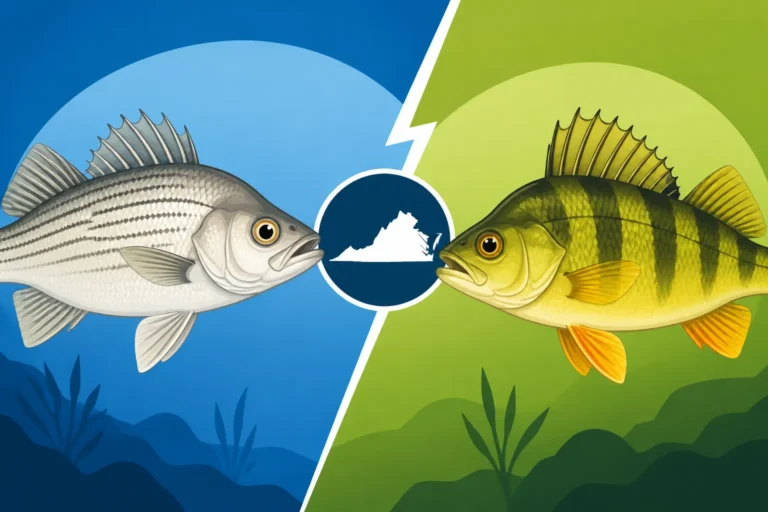
When you pull a fish from the water, it's always important to know what you've caught, not just for regulations, but for appreciation of the species. White perch are fairly distinctive, though they can sometimes be confused with juvenile striped bass or yellow perch if you're not paying close attention. A white perch typically has a silvery body, sometimes with a greenish-bronze back, and lacks the prominent dark horizontal stripes that striped bass (often called "rockfish" in Virginia) are known for. While they might have faint lines, these are usually not continuous or as dark as those on a striper. Their body shape is generally deeper and more compressed side-to-side compared to the more elongated body of a yellow perch, which also has vertical bars rather than horizontal stripes. Understanding these key identification points is crucial, especially since regulations can vary by species. Take a moment to examine your catch; it’s part of the angling experience. For a more detailed comparison, you might find White Perch vs Yellow Perch: How to Tell Them Apart helpful.
White Perch Behavior and Feeding Habits
White perch are primarily bottom feeders, though they are opportunistic and will rise in the water column to pursue baitfish. What truly defines their behavior is their schooling nature. These fish congregate in large groups, sometimes numbering in the hundreds, which is fantastic news for anglers. When you locate a school, the action can be non-stop! They prefer to hang around structures like submerged humps, ledges, docks, and brush piles, especially those near deeper water. They'll cruise these areas, foraging for small insects, crustaceans, and tiny minnows. This preference for structure and schooling tendencies means that if you're not getting bites in one spot, moving just a short distance could put you right on top of a massive school. Understanding this behavior will greatly influence your choice of fishing spots and techniques, helping you present your bait right where these hungry fish are looking for a meal.
Essential Gear and Bait for SML White Perch
You don't need a boatload of specialized, expensive equipment to enjoy white perch fishing at Smith Mountain Lake. In fact, keeping it simple and light is often the most effective approach.
Rods, Reels, and Line: Keeping it Light
When it comes to white perch, the lighter, the better. An ultra-light or light-action spinning rod, typically 5 to 6.5 feet long, paired with a small spinning reel (like a 1000 or 2000 size), is absolutely perfect. This setup offers incredible sensitivity, allowing you to feel even the most subtle nibbles from these smaller fish, and makes the fight far more enjoyable. Spool your reel with 4 to 6-pound test monofilament or fluorocarbon line. Monofilament is a great all-around choice due to its stretch and knot strength, while fluorocarbon offers less stretch for increased sensitivity and is virtually invisible underwater. The thinner line also allows for better lure action and easier casting of lighter baits. You can find a fantastic selection of these on platforms like Amazon, often bundled as combos, making it easy to get started without breaking the bank. The key is balance and sensitivity, allowing you to truly feel the fish and enjoy the sport without overpowering these fun-to-catch panfish.
Baits and Lures That White Perch Can't Resist
White perch aren't picky eaters, which is one of the reasons they're so much fun to target. They respond well to both live bait and a variety of small artificial lures. For live bait, small minnows, worms (especially red wigglers or pieces of nightcrawlers), and crickets are perennial favorites. Thread a small piece of worm onto your hook, or nose-hook a lively minnow, and you're in business.
When it comes to artificials, think small. Tiny jigs (1/32 to 1/8 ounce) tipped with a small plastic grub, curly-tail grub, or even just a piece of Berkley Gulp! Alive! bait are incredibly effective. Colors like white, chartreuse, pink, and motor oil are often top performers. Small spinners, like Beetle Spins or similar inline spinners, can also entice aggressive strikes. The key with artificials is matching the hatch – if you see small baitfish around, try a lure that mimics them in size and action. Remember, you can easily stock up on a variety of colors and sizes of these effective baits and lures from Amazon, ensuring you have plenty of options for your next trip.
Terminal Tackle: The Small Details That Matter
The smallest components often make the biggest difference when targeting white perch. Your hooks should be small, typically ranging from size 6 to size 10. Aberdeen hooks are popular due to their light wire construction, which helps prevent snagging and makes them easier to remove from a fish's mouth. When fishing live bait, consider a #4 or #6 bait holder hook.
To get your bait down to where the perch are, you'll need split shot weights. Use just enough weight to get your offering to the desired depth and keep it stable in the water. Avoid using too much weight, as it can hinder sensitivity and make your bait look unnatural. Small swivels can help prevent line twist, especially when using spinners or fishing in current. If you're planning on suspending your bait at a specific depth, a small slip bobber or fixed bobber can be invaluable. These small items are often overlooked, but having a well-stocked tackle box with the right hooks, weights, and bobbers ensures you're prepared for any situation. When prepping for a trip, make sure you have a good selection of small hooks and split shot, which are readily available from retailers like Amazon.
Top Techniques for Targeting White Perch at SML
White perch fishing isn't just about the right gear; it's about knowing where to find them and how to present your bait effectively. Smith Mountain Lake offers a variety of environments perfect for these schooling fish.
Locating White Perch Hotspots
The first step to success is finding the fish. White perch are structure-oriented, meaning they love to hang out around anything that provides cover or a break in the bottom contour. This includes docks, fallen trees, brush piles, rocky points, and submerged humps or ledges. Pay particular attention to areas where deeper water meets shallower flats, as these transitional zones are often highways for foraging perch. Using a fish finder can be a game-changer; look for large schools of fish suspended near the bottom or around submerged cover. If you spot a school, mark the location and be prepared for some fast action. Popular areas of Smith Mountain Lake with abundant coves and varied depths are excellent starting points. Remember, where there's one white perch, there are usually many, so covering water efficiently to find these schools is key. Understanding the diverse species found in the lake, including white perch, can give you a clearer picture of where to start your search; check out Smith Mountain Lake Fish Species Guide for more insights.
Tried-and-True Fishing Methods
Once you've located a promising spot, it's time to deploy some effective techniques.
- Bottom Fishing: This is perhaps the most common and effective method. A simple bottom rig, like a Carolina rig or a drop-shot rig, works wonders. For a Carolina rig, use an egg sinker above a swivel, then a 12-18 inch fluorocarbon leader to your hook. For a drop-shot, tie your hook directly to the main line, leaving a tag end to attach a small weight below it. These rigs keep your bait right in the perch's strike zone near the bottom.
- Jigging: Small lead-head jigs (1/16 to 1/8 ounce) tipped with a grub or Gulp! bait are fantastic. Drop your jig to the bottom, then lift your rod tip a few inches and let the jig fall back down, mimicking a struggling baitfish. Perch often strike on the fall. This method is very similar to techniques used for other panfish, so if you're familiar with Crappie Fishing Techniques for Beginners, you're already ahead of the game!
- Bobber Fishing: When perch are shallower or suspended, a slip bobber or fixed bobber setup allows you to present live bait (like a minnow or worm) at a precise depth. Cast it out, let it settle, and watch for that bobber to dive!
- Slow Trolling: If you're having trouble locating schools, slow trolling small spinners or jigs can help you cover water until you find them. Once you get a bite, stop and fish the area thoroughly.
Experiment with these methods until you find what the fish are responding to on a given day.
Seasonal Considerations for White Perch
White perch, like most fish, change their behavior with the seasons, largely influenced by water temperature.
- Spring: As the water warms, white perch move into shallower coves and creek arms to spawn. This is an excellent time for bank fishing or targeting them around docks in 5-15 feet of water. They'll be actively feeding, making them relatively easy to catch.
- Summer: When the lake warms significantly, white perch retreat to deeper, cooler waters. Look for them around humps, ledges, and deep main lake points, often near the thermocline (the layer where water temperature changes rapidly). Early mornings and late evenings can still produce bites in shallower areas as they venture out to feed.
- Fall: As water temperatures cool down, perch become incredibly active, schooling up and feeding aggressively in preparation for winter. They can be found across a wider range of depths, often moving back into creek channels and around main lake points. This is a prime time for fast action.
- Winter: During the coldest months, white perch will typically hold in deep holes, channel bends, and around major structures. Their metabolism slows, so a slower, more subtle presentation is key. Vertical jigging or slow bottom fishing directly over schools are effective methods.
Understanding these seasonal shifts, and how they relate to the broader angling calendar, as detailed in Virginia Fishing Seasons Explained, will significantly increase your chances of success throughout the year at Smith Mountain Lake.
Maximizing Your Catch and Enjoying the Experience
Catching white perch isn't just about technique; it's also about a few smart strategies and, of course, knowing how to properly care for your delicious catch.
Strategies for Consistent Action
Since white perch are schooling fish, one of the best strategies is to stay with the school. Once you catch one, drop your bait back down immediately, as there are likely many more in the same spot. If the bites slow down, don't be afraid to make small movements, perhaps a few yards in any direction, to relocate the school.
Scent can also play a role. Some anglers use commercial attractants on their lures, while others might "chum" lightly with small pieces of worm or corn (check local regulations on chumming first!). This can sometimes draw schools closer and keep them interested. Always be mindful of your surroundings and avoid making excessive noise or splashing, which can spook a school. A good quality cooler, readily available on Amazon, is essential for keeping your catch fresh, especially on a warm day. Bring plenty of ice, and get those fish on it quickly after catching them to preserve their flavor and texture.
Handling Your Catch and Cleaning Tips
White perch are fantastic table fare, but proper handling is crucial for the best eating experience. Handle them gently if you plan to release them. If you're keeping them, put them immediately on ice in a cooler. This not only keeps them fresh but also makes the cleaning process much easier by firming up their flesh.
Cleaning white perch is relatively straightforward. You can scale and gut them to cook whole, or, for many, filleting is the preferred method. Because they are smaller, filleting takes a bit of practice, but the sweet, flaky white meat is well worth the effort. Simply make a cut behind the gills down to the backbone, turn your knife towards the tail, and slice along the backbone, peeling the fillet away from the ribs. Repeat on the other side. You'll be left with two boneless fillets, ready for the pan or fryer. Knowing that you're going to enjoy a delicious meal at the end of the day just adds to the satisfaction of a successful trip. For more on preparing your catch, take a look at Is White Perch Good to Eat?.
Regulations and Responsible Angling
While white perch are abundant, it's always important to be a responsible angler. In Virginia, white perch generally have no size or creel limits, meaning you can keep as many as you'd like, provided you have a valid fishing license. However, regulations can change, so it's critical to always double-check the latest guidelines from the Virginia Department of Wildlife Resources (DWR) before heading out. This includes knowing whether you need a freshwater or saltwater license for the area of the lake you are fishing, as some tidal sections of rivers that feed into the Chesapeake Bay may have different requirements.
Always practice "leave no trace" principles: take all your trash with you, avoid disturbing wildlife, and be respectful of other anglers and property owners. Having a valid fishing license is not just a legal requirement; the fees collected directly support wildlife conservation efforts, ensuring healthy fish populations and access for future generations. For a detailed breakdown of what you need to know, consult Virginia Fishing Regulations Explained and Virginia Fishing License Guide.
Following these guidelines ensures that you, and countless others, can continue to enjoy the fantastic white perch fishing opportunities that Smith Mountain Lake provides for years to come.
| Bait Type | Pros | Cons | Ideal Conditions |
|---|---|---|---|
| Live Minnows | Extremely effective, natural attraction | Can be difficult to keep alive, messy | When fish are aggressive, deeper water |
| Worms | Readily available, cost-effective, easy | Can be easily stolen by small fish | All conditions, especially bottom fishing |
| Small Jigs | Versatile, wide range of colors/actions | Requires active presentation, can get snagged | When fish are actively feeding, jigging |
| Curly-tail Grubs | Great action, various sizes/colors | May need jig head weight, current can affect | Light jigging, slow retrieve, varied depths |
| Small Spinners | Flash and vibration attract fish | Can cause line twist, less subtle | Covering water, active schools |
Disclaimer
This article is for general informational purposes only and does not constitute professional advice. Laws, prices and regulations vary by location and change over time. Consult a qualified professional for guidance on your specific situation.