Is Channel Catfish Good to Eat?
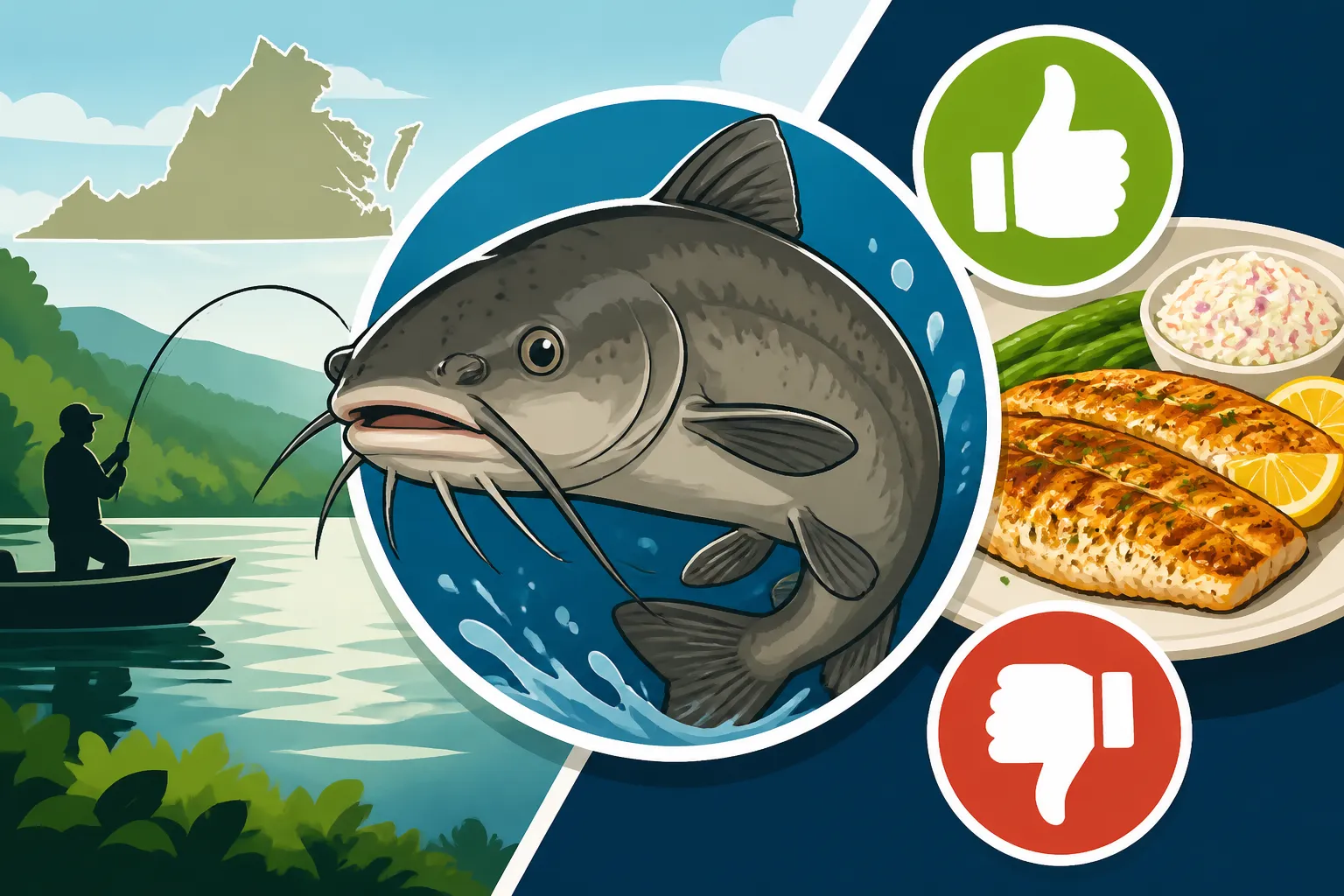
It's a question many Virginia anglers ponder, often with a mix of curiosity and a little skepticism: Is channel catfish actually good to eat? For some, the image of a bottom-dwelling scavenger conjures up thoughts of a less-than-appetizing meal, but I'm here to tell you that with the right approach, channel catfish can be a delicious, versatile, and incredibly rewarding fish to bring to your dinner table. This guide will dive deep into everything you need to know to transform your catch into a fantastic meal.
Understanding the Taste and Texture of Virginia Channel Catfish
There’s a common misconception out there that all catfish are inherently "muddy" or "fishy" tasting. While some certainly can be, especially if caught from poor-quality water or handled incorrectly, this generalization does a huge disservice to the humble channel catfish, particularly those from the cleaner waters found across Virginia. The truth is, a properly harvested and prepared channel catfish from a good environment offers a delightful culinary experience that many people overlook.
What Makes Channel Catfish Taste Good (or Bad)?
The flavor and quality of any fish are directly influenced by its environment, and channel catfish are no exception. Think about it: what a fish eats, where it lives, and the overall water quality all play significant roles. In Virginia, we're lucky to have an abundance of rivers and lakes that support healthy channel catfish populations. Fish from clear, flowing rivers like the James or the Shenandoah, or from large, well-managed reservoirs, tend to have a much cleaner, milder flavor. Their diet in these environments often consists of smaller fish, crayfish, and aquatic insects, which contributes to a more appealing taste profile. Conversely, a catfish caught from a stagnant, muddy pond or an area with agricultural runoff might indeed carry some of those "off" flavors that give catfish a bad rap. Size can also be a factor; generally, smaller to medium-sized channel catfish (say, under 5 pounds) are considered the best eating, as larger, older fish can sometimes develop a tougher texture or more pronounced flavors.
Beyond the environment, how you handle your catch from the moment it leaves the water to when it hits your cooler makes a huge difference. Keeping your fish alive and cool until you're ready to clean it is paramount. Many experienced anglers in Virginia swear by bleeding the fish immediately after catching it, which involves making a quick cut to the gills to allow the blood to drain. This simple step can drastically improve the flavor by removing blood that can contribute to a "fishy" taste. Then, getting your catch on ice quickly helps preserve its freshness. This attention to detail from catch to cleaning is critical for ensuring a delicious meal.
The "Muddy" Myth: Debunking Common Taste Concerns
The "muddy" taste is perhaps the most persistent myth surrounding catfish, and it's largely unfair. As we touched on, this undesirable flavor is typically linked to specific environmental conditions rather than the fish itself. Catfish, being bottom feeders, are often associated with murky waters. If they inhabit waters with a high concentration of algae (specifically blue-green algae) or organic compounds, these can be absorbed through the skin and gills, leading to that earthy, sometimes unpleasant, taste. However, many of Virginia's prime fishing spots, from the broad expanse of the James River to the deep waters of Lake Anna, boast excellent water quality where such issues are rarely a problem. In fact, many commercially farmed catfish are raised in controlled environments to prevent this very issue, proving that the muddy taste is not inherent to the species.
To actively combat the possibility of any off-flavors, proper preparation is key. Even if you suspect your catfish might carry a slight earthy note, a simple soaking step can work wonders. Many anglers will fillet their catfish and then soak the fillets in milk, buttermilk, or even a saltwater brine for a few hours in the refrigerator. The milk products are believed to draw out impurities and neutralize any residual "muddy" flavors, leaving you with a clean, mild-tasting fillet. I've found this technique to be incredibly effective and it's a routine step in my own catfish preparation, regardless of where the fish was caught. It's truly amazing how a little preventative care can turn a potentially iffy catch into a culinary delight.
Beyond "Fishy": Describing the True Flavor and Texture Profile
So, if not muddy or overly fishy, what does channel catfish taste like? When properly caught and prepared, channel catfish has a mild, sweet flavor, often described as having subtle earthy notes, but certainly not overpowering. It's much milder than, say, bluefish or mackerel, and less "gamey" than some species of bass. Think of it more in the realm of cod or tilapia, but with its own unique character. The flesh is white, lean, and can be quite flaky when cooked correctly, especially when fried, baked, or grilled. It holds its shape well, making it suitable for various cooking methods. For those who enjoy white, firm fish, channel catfish is an excellent choice.
The texture is another highlight. Good quality channel catfish fillets are firm, moist, and flaky. They aren't mushy or greasy like some other fish can be. This firm texture means it stands up well to breading and frying, creating that satisfying crispy exterior and tender interior that's so beloved in Southern cuisine. But it's also delicate enough to flake apart easily with a fork, which is perfect for tacos or a lighter baked preparation. If you've only ever had overcooked, rubbery catfish, you haven't truly experienced its potential. The key is not to overcook it, ensuring it retains its natural moisture and flaky consistency. It truly is a versatile canvas for many different flavors and cooking styles.
From Water to Plate: Preparing Your Catch for Culinary Success
Catching a beautiful channel catfish from a Virginia waterway is only half the battle; the other half is preparing it properly to unlock its full flavor potential. Many an otherwise excellent fish has been ruined by poor handling or rushed cleaning. Taking the time to do it right will make all the difference between a passable meal and a truly memorable one.
Mastering the Art of Cleaning and Filleting
The cleaning process is where many people get intimidated, but with a bit of practice and the right tools, it's straightforward. First things first, you'll want to dispatch your fish humanely and quickly. Then, for channel catfish, many anglers choose to skin the fish rather than scale it. Catfish have tough, scaleless skin that is generally removed, and this also helps eliminate any potential "muddy" flavors that might reside close to the skin. To skin a catfish, you can make an incision around its head, then use pliers to pull the skin off downwards towards the tail. It sounds a bit gruesome, but it's remarkably efficient once you get the hang of it. You might find some helpful videos online if you're a visual learner, showing the technique.
Once skinned, you can either clean the fish whole (especially smaller ones) or fillet it. For larger fish, filleting is usually preferred, as it removes bones and makes for a more pleasant eating experience. To fillet, lay the fish on its side and make a cut behind the gills, down to the backbone. Then, turn your knife parallel to the backbone and slice along it, working from head to tail, to remove the fillet. Flip the fish over and repeat on the other side. You'll then have two beautiful, boneless fillets ready for the next steps. A sharp, flexible fillet knife is your best friend here. If you're looking for a reliable set, you can find a great selection of fillet knives on Amazon. Taking your time during this stage ensures clean, presentable fillets that are free from bones and unwanted bits, setting the stage for a delicious meal.
Soaking and Brining for Optimal Flavor
As mentioned earlier, soaking is a simple yet effective technique to enhance the flavor and eliminate any potential off-tastes from your channel catfish fillets. The most popular methods involve milk, buttermilk, or a saltwater brine. For a milk or buttermilk soak, simply place your cleaned fillets in a shallow dish, cover them completely with milk or buttermilk, and refrigerate for at least an hour, or up to overnight. Many claim that the lactic acid in milk helps to neutralize any gamey or muddy flavors, leaving the fish with a cleaner, milder taste. Personally, I've had great success with this method, and it often contributes to a more tender texture as well.
Alternatively, a simple saltwater brine can work wonders. Dissolve about a quarter cup of salt in a quart of cold water and submerge your fillets for 30-60 minutes. The brine helps to firm up the flesh and can also aid in drawing out impurities. After soaking in any of these solutions, remember to thoroughly rinse the fillets under cold water and pat them completely dry with paper towels before cooking. Excess moisture can prevent a crispy crust if you're frying, or lead to steaming rather than searing. This extra step in preparation might seem like a chore, but it's a small investment of time that pays huge dividends in the final taste and texture of your Virginia channel catfish.
Essential Gear and Ingredients for Preparing Catfish
Having the right tools and pantry staples on hand makes preparing your channel catfish a breeze. Beyond a good fillet knife, a sturdy cutting board and a pair of fish-skinning pliers (if you're going that route) are essential. For the soaking process, a shallow container with a lid is perfect. When it comes to ingredients, you'll want a few basics. Of course, milk or buttermilk for soaking is often a given. For seasoning, a good all-purpose fish seasoning blend or a simple mix of salt, black pepper, and paprika is a fantastic start. Cornmeal is a classic for frying, often mixed with a bit of flour to create that iconic crispy crust.
Don't forget the oil for frying – vegetable oil, peanut oil, or canola oil are all excellent choices due to their high smoke points. For those venturing beyond frying, having fresh herbs like dill or parsley, lemon, garlic, and butter can elevate baked or grilled fillets. Consider investing in a deep-fry thermometer if you're new to frying, as maintaining the correct oil temperature is crucial for crispy, non-greasy results. And if you're serious about your fish preparation, a vacuum sealer can be an amazing tool for freezing excess fillets, ensuring they stay fresh for months. Many of these essential kitchen gadgets and seasoning blends are readily available through retailers like Amazon. Having these items on hand means you're always ready to turn your catch into a fantastic meal, whether it's a Channel Catfish vs Flathead Catfish: How Virginia Anglers Tell Them Apart or a different species.
Delicious and Nutritious: The Health Benefits of Eating Catfish
Beyond its delicious taste and versatile culinary applications, channel catfish also boasts an impressive nutritional profile. It's not just a tasty meal; it's a healthy one, packed with essential nutrients that contribute to a balanced diet. Incorporating fish like channel catfish into your weekly menu can offer numerous benefits for your overall well-being.
A Lean Protein Powerhouse for Your Diet
One of the standout benefits of channel catfish is its excellent lean protein content. Protein is vital for building and repairing tissues, making enzymes and hormones, and generally keeping your body functioning at its best. Unlike some fattier meats, channel catfish provides a substantial amount of protein without excessive saturated fat, making it a heart-healthy choice. A typical serving offers a significant portion of your daily protein needs, helping you feel full and satisfied without weighing you down. This makes it an ideal food for those looking to manage their weight or build muscle, whether you're a dedicated angler or just someone who appreciates good food.
Furthermore, the protein in fish is highly digestible, meaning your body can efficiently absorb and utilize the amino acids it provides. This is particularly beneficial for athletes or individuals with specific dietary needs. When you're fishing all day on the James River in Virginia or spending hours out on the Chesapeake Bay, having a readily available, nutritious meal option from your catch is a huge bonus. It's a natural, wholesome food source that supports a healthy, active lifestyle, and it's readily available to those who enjoy fishing in Virginia's abundant waters.
Unpacking the Vitamins, Minerals, and Healthy Fats
Channel catfish is more than just protein; it's also a good source of several important vitamins and minerals. It's particularly rich in B vitamins, including B12, which is crucial for nerve function and red blood cell formation, and niacin, important for energy metabolism. You'll also find a good amount of phosphorus, vital for bone health, and selenium, an antioxidant that helps protect your cells from damage. These micronutrients play diverse roles in maintaining everything from your immune system to your metabolism, making catfish a truly beneficial addition to your diet.
And let's not forget the healthy fats! While often described as "lean," channel catfish does contain a respectable amount of Omega-3 fatty acids. These essential fatty acids are well-known for their anti-inflammatory properties and their benefits for heart and brain health. Many people think of salmon or tuna when they hear "Omega-3s," but channel catfish offers a more accessible and often more affordable way to get these crucial nutrients into your diet. For those concerned about Mercury and Contaminants in Virginia Waters, it's generally considered a safer option compared to larger, longer-lived predatory fish, as it typically has lower levels of mercury. This combination of protein, vitamins, minerals, and healthy fats solidifies channel catfish's reputation as a highly nutritious food choice.
Navigating Consumption Advisories in Virginia Waters
When it comes to eating any fish, especially those caught from local waters, it's always wise to be informed about potential consumption advisories. While channel catfish is generally considered a safer bet regarding contaminants like mercury, the Virginia Department of Wildlife Resources (DWR) and the Virginia Department of Health (VDH) routinely issue fish consumption advisories for specific water bodies across the state. These advisories are put in place to protect the public from potential health risks associated with contaminants such as PCBs, dioxins, or other chemicals that might accumulate in fish from certain areas.
It's absolutely crucial for any angler planning to eat their catch to check these advisories. They usually specify which species of fish might be affected, the recommended serving limits (e.g., "no more than two meals per month"), and sometimes even provide different recommendations for vulnerable populations like pregnant women, nursing mothers, or young children. These advisories are not meant to scare you away from eating fish, but rather to empower you to make informed decisions for your health. You can typically find up-to-date information on the DWR or VDH websites. By staying informed about Virginia Fishing Regulations Explained and local advisories, you can enjoy your delicious channel catfish with peace of mind.
Top Cooking Methods to Bring Out the Best in Channel Catfish
Once you've cleaned and prepared your channel catfish fillets, the real fun begins: cooking them! Channel catfish is incredibly versatile, adapting well to a variety of cooking methods. Whether you're a fan of classic Southern comfort food or prefer a lighter, healthier approach, there's a cooking method that will make your Virginia channel catfish shine.
The Irresistible Charm of Southern Fried Catfish
Let's be honest, for many, "catfish" immediately conjures images of perfectly golden, crispy fried fillets, and for good reason! Southern fried catfish is a beloved classic, offering a satisfying crunch on the outside and a tender, flaky interior. The key to truly great fried catfish lies in a few crucial steps. After soaking and drying your fillets, a good dredge is essential. Many recipes call for a mix of cornmeal and all-purpose flour, seasoned generously with salt, pepper, paprika, and perhaps a touch of cayenne for a kick. Some folks like a wet dredge first – dipping the fish in an egg wash or buttermilk – before coating it in the dry mix, which helps the breading adhere better.
Once coated, the fish is deep-fried in hot oil, typically around 350-375°F (175-190°C), until golden brown and cooked through. This usually takes only a few minutes per side, depending on the thickness of your fillets. Don't overcrowd the pan, as this will lower the oil temperature and lead to greasy fish. Fry in batches if necessary. The result is a dish that's pure comfort food, often served with hushpuppies, coleslaw, and a squeeze of fresh lemon. It's a quintessential experience, especially after a successful day fishing for Catfish Species Found in Virginia Waters on the James River or Lake Anna.
Healthier Approaches: Baking, Grilling, and Pan-Searing
While frying is delicious, it's not the only way to enjoy channel catfish. For those looking for lighter options, baking, grilling, and pan-searing are fantastic alternatives that still highlight the fish's mild flavor and flaky texture.
- Baking: Baked catfish is incredibly simple. Lay your seasoned fillets on a baking sheet, drizzle with olive oil or melted butter, and perhaps top with lemon slices and fresh herbs like dill or parsley. Bake in a preheated oven at around 400°F (200°C) for 12-18 minutes, or until the fish flakes easily with a fork. This method is hands-off and results in a moist, tender fillet.
- Grilling: Grilling imparts a wonderful smoky flavor to catfish. For best results, use a fish basket or foil packet to prevent the fillets from sticking to the grates or breaking apart. Season your fillets, brush them lightly with oil, and grill over medium-high heat for about 4-6 minutes per side, until cooked through. The slight char from the grill adds a fantastic depth of flavor. This is particularly enjoyable when you've caught your fish from one of the Best Catfish Fishing Spots in Virginia.
- Pan-Searing: Pan-searing creates a lovely golden crust without deep frying. Heat a skillet (cast iron works wonderfully) with a small amount of oil or butter over medium-high heat. Season your fillets, place them in the hot pan, and sear for 3-5 minutes per side until golden brown and cooked through. This method keeps the fish moist and delivers a satisfying texture contrast. For pan-searing, a good quality cast iron skillet, easily found on Amazon, can make all the difference.
Creative Culinary Ideas: Soups, Stews, and Tacos
Don't limit channel catfish to just fillets on a plate! Its firm flesh and mild flavor make it an excellent candidate for more creative dishes.
- Catfish Tacos: Flake baked or pan-seared catfish into soft tortillas and top with a vibrant slaw, a squeeze of lime, and a creamy sauce. This is a fresh, flavorful way to enjoy your catch and is always a crowd-pleaser.
- Fish Stew or Gumbo: The robust nature of catfish allows it to hold up well in hearty stews and gumbos. Cut the fillets into chunks and add them towards the end of the cooking process to prevent them from breaking down too much. The fish will absorb the rich flavors of the broth and vegetables beautifully.
- Catfish Po'Boys: A classic New Orleans sandwich, a catfish Po'Boy features fried catfish tucked into a crusty baguette with shredded lettuce, tomato, and remoulade sauce. It's a truly indulgent and satisfying meal.
- Cajun-Spiced Catfish: Season your fillets generously with Cajun or Creole spices, then bake, grill, or pan-sear for a zesty, flavorful dish with a bit of a kick. This works wonderfully with sides like dirty rice or collard greens.
Here's a quick comparison of popular cooking methods:
| Method | Prep Time | Cook Time | Key Characteristics | Best For | Flavor Profile |
|---|---|---|---|---|---|
| Deep Frying | Medium | Fast | Crispy crust, moist interior | Classic comfort food, gatherings | Rich, savory, often buttery with seasonings |
| Baking | Fast | Medium | Moist, tender, healthy | Weeknight meals, light preparation | Mild, clean, easily takes on herb/lemon flavors |
| Grilling | Medium | Medium | Smoky flavor, slight char | Outdoor cooking, summer meals | Earthy, smoky, great with marinades |
| Pan-Searing | Fast | Fast | Golden crust, tender inside | Quick meals, individual portions | Fresh, clean, with a pleasing seared texture |
| Stewing | Medium/Long | Long | Chunks hold shape, absorbs broth | Hearty meals, colder weather | Deep, complex, infused with stew ingredients |
Common Questions and Expert Tips for Catfish Enthusiasts
Even with all this talk of deliciousness, you might still have a few lingering questions or concerns about channel catfish. Let's tackle some of those common queries and share some expert tips to ensure your next catfish meal is a resounding success.
Wild vs. Farm-Raised: A Taste and Quality Comparison
This is a frequently asked question, and there are noticeable differences between wild-caught and farm-raised channel catfish.
- Wild-Caught: As discussed, the taste of wild channel catfish is highly dependent on the specific water body it comes from. Fish caught from clean, flowing rivers or large, well-maintained lakes in Virginia (like the larger sections of the James River or the depths of Lake Gaston) tend to have a robust, natural flavor that many anglers prefer. Their diet is more varied, which can contribute to a richer taste. However, there's a wider variation in taste and quality; a catfish from a stagnant pond might indeed have an unappealing flavor. You also need to be mindful of local consumption advisories for specific wild waters. For anglers who love the adventure of catching their own meal, wild catfish offers that genuine connection to nature. For tips on where to find them, check out Where to Catch Channel Catfish in Virginia.
- Farm-Raised: The vast majority of catfish consumed in restaurants and sold in supermarkets is farm-raised. These fish are grown in controlled pond environments, often fed a consistent diet of high-quality feed. This consistency means farm-raised catfish typically have a very mild, clean, and predictable flavor profile – almost never "muddy." The texture also tends to be very consistent. For those who want reliability and a guaranteed mild taste, farm-raised is an excellent, sustainable option. Both types can be incredibly delicious, and it often comes down to personal preference and what's available to you.
Size Matters: How the Catfish's Age Affects Its Flavor
It's not just about where the fish comes from; the size of the channel catfish can significantly impact its eating quality. As a general rule of thumb, smaller to medium-sized channel catfish, those weighing between 1 to 5 pounds, are considered the prime eating size. These fish typically have the most tender, flakiest flesh and the mildest flavor. Their meat is less likely to be tough or develop a stronger, more "fishy" taste that can sometimes be present in very large, older specimens.
Larger channel catfish, while impressive to catch, can sometimes have coarser flesh and a more pronounced flavor. If you do catch a trophy-sized channel catfish (and Virginia waters are known for producing some giants!), it's still edible, but you might find it benefits even more from a good long soak in buttermilk or a stronger marinade. Some anglers opt to release the very largest fish, as they are valuable breeders for the population and their culinary quality might not be as high as their smaller counterparts. So, when you're targeting Catfish Fishing Techniques and Bait Guide, keep in mind that those "eater" size fish are often the most prized for the dinner table.
Finding the Best-Tasting Catfish in Virginia's Waters
If you're looking to catch the best-tasting channel catfish in Virginia, focusing on certain types of waterways and conditions can make a big difference. Generally, catfish from larger, cleaner rivers with good current, like the upper and middle sections of the James River, the Rappahannock, or the Potomac, tend to offer excellent flavor. These moving waters often mean a more varied and natural diet, less stagnant conditions, and higher oxygen levels, all contributing to better-tasting fish. Also, large reservoirs like Lake Anna or Smith Mountain Lake, with their vast expanses and healthy ecosystems, can produce very clean-tasting channel catfish.
Conversely, very small, muddy ponds, especially those with heavy vegetation or known nutrient runoff, are more likely to yield fish with those undesirable earthy or muddy flavors. It's not to say you can't catch good fish there, but the odds are lower. Look for clear water, even if it's over a muddy bottom, and areas with good water flow. The cooler months can also sometimes yield firmer-fleshed fish, as their metabolism slows down. And remember, how you handle the fish immediately after the catch – bleeding and icing – will always be your most powerful tool for ensuring great flavor, no matter where you landed your Virginia's Best Flathead Catfish Waters or channel catfish.
Serving Suggestions and Culinary Pairings
Now that you're convinced channel catfish is a delicious option, let's talk about how to serve it up! The mild flavor and adaptable texture of catfish make it a fantastic foundation for a variety of culinary pairings, from classic Southern sides to fresh, modern twists.
Classic Southern-Fried Catfish
There's a reason Southern-fried catfish is such an institution: it's simply delightful. When you serve this dish, you're not just offering food; you're serving a piece of culinary heritage. The crispy, seasoned cornmeal crust gives way to moist, tender white fish, and the experience is often enhanced by a squeeze of fresh lemon, which cuts through the richness and brightens the flavors.
To complete the classic Southern meal, pair your fried catfish with a medley of traditional sides. Hushpuppies, those savory fried cornmeal fritters, are practically mandatory. Their slightly sweet, oniony flavor and crispy texture are the perfect complement. A creamy, tangy coleslaw provides a refreshing contrast, both in texture and flavor. Other popular additions include collard greens slow-cooked with ham hocks, creamy macaroni and cheese, or simple potato salad. A glass of iced tea, sweet or unsweetened, completes the picture. This combination creates a comforting and satisfying meal that transports you straight to a riverside fish fry in Virginia.
Healthier Alternatives: Baking, Grilling, and Pan-Searing
If you're opting for the healthier baking, grilling, or pan-searing methods, your pairing options broaden considerably. These lighter preparations allow the subtle flavors of the catfish to shine, making them ideal for fresh, vibrant accompaniments.
For a baked or pan-seared fillet, consider serving it alongside a fresh green salad with a light vinaigrette. Roasted asparagus, steamed green beans, or a medley of seasonal roasted vegetables (think zucchini, bell peppers, and cherry tomatoes) also make excellent, nutritious choices. A lemon-herb couscous or quinoa salad can add a sophisticated touch and a boost of whole grains. For a lighter starch, wild rice or even mashed cauliflower can be wonderful. The goal is to complement the mild fish without overpowering it. These pairings allow the delicate nature of the catfish to be the star, making for a meal that's both healthy and incredibly satisfying. You can find a vast array of cookbooks focused on healthy fish recipes on Amazon to inspire your next meal.
Pairing Flavors: Sides, Sauces, and Spices
Channel catfish is a versatile canvas, eagerly accepting a wide array of flavors. Don't be afraid to experiment with different spices and sauces to find your favorite combinations.
- Sauces: A classic tartar sauce is always a winner with fried catfish. But consider other options too: a zesty remoulade sauce for a Cajun flair, a fresh mango salsa for a tropical twist, or a simple lemon-dill butter sauce for elegance. A spicy sriracha mayo or a homemade garlic aioli can also add a delightful kick.
- Spices: Beyond the standard salt and pepper, channel catfish takes well to garlic powder, onion powder, smoked paprika, cayenne pepper (for heat), and dried herbs like thyme and oregano. For an Asian-inspired dish, try a marinade with ginger, soy sauce, and a touch of sesame oil before baking or grilling.
- Sides: Beyond the classics, get creative with your sides. Corn on the cob, black bean and corn salsa, grilled pineapple, or even sweet potato fries can offer delicious contrasts. A fresh pico de gallo or a cilantro-lime rice can transform your catfish into a vibrant, Latin-inspired dish. For those catching Channel Catfish vs Flathead Catfish: How Virginia Anglers Tell Them Apart, remember that these pairing ideas work equally well for both species. The key is to balance textures and flavors, ensuring each element enhances the overall meal experience.
Final Thoughts for the Virginia Angler
So, to answer the question, "Is channel catfish good to eat?" My emphatic answer is yes, absolutely! With a little knowledge and care, this often-underestimated fish can provide some truly fantastic meals right from Virginia's abundant waterways. It’s a testament to the diverse bounty we have in our state, offering both a thrilling catch and a delicious culinary experience.
Maximizing Your Catfish Culinary Experience
To truly make the most of your channel catfish catch, always prioritize freshness and proper handling. Bleed your fish immediately, get it on ice quickly, and clean it promptly. Don't skimp on the soaking step – whether it's milk or brine, it makes a tangible difference in the final taste. Experiment with cooking methods beyond frying; you might discover a new favorite. Remember that smaller to medium-sized fish generally offer the best eating quality. And most importantly, have fun with it! Cooking your own catch is one of the most rewarding aspects of fishing, connecting you directly to your food source.
Respecting Virginia's Waters and Regulations
As with all fishing endeavors in Virginia, always be mindful of the rules and regulations set forth by the Virginia Department of Wildlife Resources (DWR). These regulations are in place to ensure healthy fish populations for future generations of anglers. Understand the Virginia Fishing License Requirements for Residents and Nonresidents and always have your current license on hand. Check for any specific size or creel limits for channel catfish in the waters you're fishing, though they are generally quite liberal for this abundant species. Adhere to any local consumption advisories for specific water bodies to ensure your meal is safe and healthy. Being a responsible angler means not only enjoying the sport but also protecting our precious natural resources.
A Call to Try This Underestimated Fish
If you've been hesitant to try channel catfish, or if you've had a less-than-stellar experience in the past, I urge you to give it another chance. Seek out fish from clean, healthy Virginia waters, follow the preparation tips outlined here, and try one of the many delicious cooking methods. You might just discover that channel catfish isn't just "good to eat" – it's truly a hidden gem of the freshwater world, offering a mild, versatile, and nutritious meal that's a joy to bring from the hook to the kitchen. So next time you're out on the water, targeting Best Bait for Channel Catfish in Rivers and Lakes, consider keeping a few for the dinner table. You might be pleasantly surprised!
Disclaimer
This article is for general informational purposes only and does not constitute professional advice. Laws, prices and regulations vary by location and change over time. Consult a qualified professional for guidance on your specific situation.