Carp Fishing in Virginia Lakes and Rivers
Carp fishing in Virginia often gets a bad rap, sometimes dismissed by anglers chasing more "glamorous" species. But let me tell you, if you've never hooked into a powerful carp in a Virginia lake or river, you're truly missing out on an incredible fight and a rewarding challenge. This guide is all about shining a light on these often-underestimated fish and giving you the lowdown on how to find and catch them right here in the Old Dominion.
The Unsung Hero of Virginia Waters: Why Carp Deserve Your Attention
For years, carp have been the Rodney Dangerfields of the fishing world – they just don't get no respect. Often seen as a nuisance, or worse, an invasive species, many anglers overlook the sheer joy and challenge that carp fishing provides. But here in Virginia, from our sprawling reservoirs to our ancient river systems, these fish offer an accessible and incredibly exciting angling experience for those willing to give them a fair shake.
Understanding Virginia's Common Carp Species
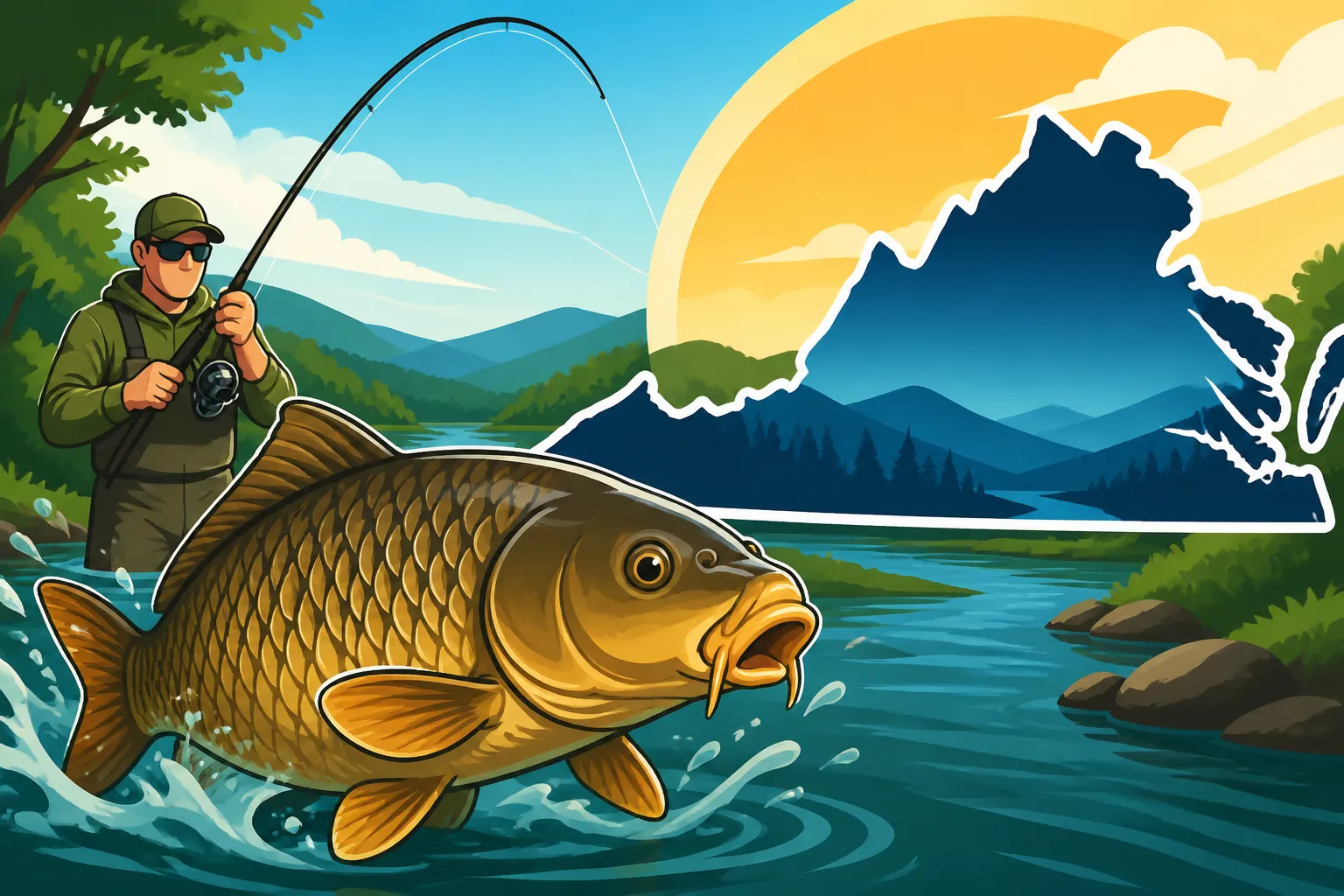
When we talk about "carp" in Virginia, we're primarily referring to the common carp. These are the big, golden-scaled powerhouses that can grow to impressive sizes, often tipping the scales well into the double digits. They're not native to North America, having been introduced centuries ago, and while they can be prolific, they've adapted incredibly well to a huge variety of our waterways. You'll find them almost everywhere, from shallow, muddy creeks to deep, clear lakes. They're bottom feeders, constantly rooting around in the silt and mud for insects, crustaceans, and plant matter.
Beyond the common carp, you might also encounter grass carp, particularly in private ponds or managed fisheries where they've been introduced for vegetation control. Grass carp look a bit different – more elongated, almost torpedo-shaped – and, as their name suggests, they're primarily vegetarians. They can also grow quite large and put up a surprisingly strong fight. While they’re less common for recreational angling with traditional baits, understanding their presence helps you know what you might encounter. Common carp, though, are truly the stars of the show for sport anglers seeking a tenacious battle.
The Thrill of the Fight: What Makes Carp Fishing So Engaging
If you've ever hooked into a big common carp, you know exactly what I'm talking about. These fish are absolute freight trains! They don't jump like a bass or make blistering runs like a striper, but they possess an incredible, unrelenting power. When a large carp decides it doesn't want to come to the bank, you're in for a true test of your gear and your angling skill. Their runs are deep and powerful, often trying to bury themselves in snags or mud.
What makes them so engaging isn't just their strength; it's also their intelligence and cautious nature. Carp are not easily fooled. They have excellent senses, particularly their sense of smell, and they've seen every trick in the book. You can't just throw a worm out and expect instant success every time, especially with the larger, older fish. Anglers who consistently catch big carp have usually invested time in understanding their feeding habits, preferred habitats, and how to present bait in a way that overcomes their natural wariness. This challenge, combined with the potential to land a fish that weighs as much as a small child, is what truly hooks so many carp enthusiasts. Plus, they're incredibly accessible; you often don't need a boat or fancy equipment to find success.
Where to Find Carp in Virginia: Lakes, Rivers, and Beyond
Carp are incredibly adaptable creatures, which means you can find them in a vast array of water bodies across Virginia. While they might not be the primary target for most anglers, knowing where to look drastically increases your chances of connecting with one of these hard-fighting fish. The key is often finding areas with soft, silty bottoms, abundant vegetation, and relatively slower moving water.
Productive Lakes for Carp Anglers
Virginia is home to some fantastic lakes that hold impressive populations of carp. These aren't always the deepest or clearest sections, but rather the shallower, warmer coves and flats where natural food sources are plentiful. Take Lake Anna, for example; while famous for its bass and stripers, its numerous coves and the warmer waters in its upper reaches can be absolute carp magnets. Look for areas with lily pads, submerged brush, or muddy banks, especially where creeks feed into the lake, bringing in nutrients and potential food.
Another great option is Smith Mountain Lake. While renowned for its Smith Mountain Lake Striped Bass Fishing in Virginia, its shallower arms and upper sections, particularly around the riverine influences, are fantastic for carp. They'll often cruise along the shallower shorelines and channel swings, rooting around for food. The trick in these larger lakes is often finding consistent depths and structure where they feel safe feeding. Best Catfish Fishing Spots in Virginia often overlap with good carp areas, as both species prefer similar bottom characteristics and food sources.
River Systems and Tidal Waters
Virginia's extensive river systems are perhaps even more prolific for carp than its lakes. The James River, particularly below Richmond and into its tidal sections, is a phenomenal carp fishery. Here, they thrive in the slower currents, oxbows, and backwater areas where the river widens and the bottom is rich with sediment. You’ll often find them congregated around bridge pilings, fallen trees, and any structure that breaks the current. The Rappahannock River and the Potomac River also hold massive carp, especially in their lower, tidal stretches. These areas offer vast expanses of relatively shallow, nutrient-rich water where carp can grow to incredible sizes.
When fishing tidal rivers, understanding the tide cycles is crucial. Carp often move into shallower flats and sloughs on incoming or high tides to feed, then retreat to deeper channels or bends as the tide drops. Focus on areas where muddy bottoms transition to slightly harder ground, or where current breaks create calm pockets. These river systems offer endless opportunities for shore anglers, often in places that are surprisingly accessible. Fishing the James River in Virginia and Fishing the Rappahannock River in Virginia could offer some prime starting points for your carp adventures.
Urban and Accessible Carp Hotspots
Don't overlook the smaller, more accessible waters, especially if you're just starting out or want a quick trip. Many urban ponds, city lakes, and even slower sections of creeks around metropolitan areas like Richmond, Virginia Beach, and Roanoke can hold surprising numbers of healthy carp. These spots are often overlooked by anglers pursuing game fish, leaving the carp largely unpressured. Think about those community ponds you drive past, or local parks with water features – if it's got a soft bottom, some weeds, and a food source, chances are there are carp there.
The beauty of these accessible spots is that you often don't need a boat, and you can spend an afternoon observing the fish, figuring out their patterns, and enjoying the quiet thrill of the chase. These smaller venues are excellent for practicing your casting and bait presentation techniques without the added challenges of strong currents or vast open water. Just remember to always check local regulations, even in urban parks.
Essential Gear and Techniques for Virginia Carp Fishing
To effectively target and land a powerful carp, you can't just show up with your ultralight panfish setup. These fish demand respect, and that means having the right tools for the job. Luckily, you don't need to break the bank to get started, but a few key pieces of equipment will make all the difference.
Rods, Reels, and Line – Built for Battle
When it comes to carp, think strength and durability. You'll want a medium-heavy to heavy action rod, typically between 9 and 12 feet long. The extra length helps with casting heavier baits and rigs, and also provides better leverage when fighting a large, deep-diving fish. Paired with this, a robust spinning reel, often in the 4000 to 6000 size range, is ideal. Many dedicated carp anglers prefer baitrunner reels, which allow the carp to take line freely after a bite, preventing your rod from being pulled into the water, while still allowing for an instant engagement of the drag when you're ready to set the hook. This free-spool feature is a game-changer for cautious carp that might drop a bait if they feel too much resistance.
For line, a strong monofilament in the 12-20 lb test range is a good all-around choice. Its stretch can help absorb the powerful runs of a big carp. Alternatively, braided line of similar breaking strength offers greater sensitivity and direct contact with the fish, which can be beneficial in detecting subtle bites. However, braid has no stretch, so you'll need to be mindful of your drag settings. Whatever you choose, ensure your knots are strong and your drag is set correctly – these fish will test everything. You can find a great selection of these robust setups on platforms like Amazon, often with helpful customer reviews to guide your choice.
The Bait Game: What Carp Can't Resist
Carp are omnivores and opportunistic feeders, but they definitely have their favorites. The most classic and perhaps most effective bait is undoubtedly corn. Canned corn, especially if soaked in some artificial flavorings like vanilla extract or a commercial carp attractant, is incredibly effective. Its bright color and sweet taste are irresistible to carp. You can fish individual kernels on a small hook, or thread several onto a hair rig for better presentation.
Other excellent bait options include:
- Boilies: These are small, hardened balls of bait made from various ingredients like fishmeal, birdseed, and milk proteins, often flavored with strong attractants. They're designed specifically for carp fishing and are incredibly popular.
- Dough Balls: Simple and effective, these can be made from flour, cornmeal, water, and various flavorings (garlic, anise, cheese). They're soft and fragrant, making them very appealing.
- Worms: Earthworms, especially nightcrawlers, are a natural food source and can be highly effective, particularly if carp are feeding on insect larvae.
- Pack Baits/Method Mixes: These are ground baits mixed with water to form a sticky paste that's molded around your sinker or a specialized method feeder. As it breaks down, it creates a cloud of attraction and leaves your hook bait perfectly positioned in the middle of the feeding area.
Experimentation is key, as carp preferences can vary by water body and even by day. Ingredients for homemade dough baits, or pre-made boilies, are readily available on Amazon, making it easy to stock up before your trip.
Rigging for Success: Presentation is Key
Carp are intelligent and cautious, so your rig presentation is paramount. A sloppy presentation can mean the difference between a screaming reel and a silent afternoon. Here are a few common and effective carp rigs:
- Simple Bottom Rig: This involves a sinker, a swivel, and a leader with your hook. The goal is to lay your bait naturally on the bottom where carp feed. A good lead setup keeps your bait anchored in current.
- Hair Rig: This is perhaps the most famous carp rig. Instead of putting the bait directly on the hook, the bait (like corn or a boilie) is tied to a "hair" (a short piece of line) that extends from the hook shank. This leaves the hook exposed, allowing for better hookups once the carp sucks in the bait.
- Method Feeder Rig: This rig uses a specialized feeder that you pack with ground bait (the "method mix"). Your hook bait, often a single piece of corn or a small boilie, is then embedded directly into the mix or positioned very close to it. When the feeder lands, the ground bait slowly disperses, leaving your hook bait as the most tempting morsel in the middle of a rich feeding spot. This is particularly effective for attracting carp to your precise location.
Here's a quick comparison of these popular carp rigs:
| Rig Type | Description | Key Benefit | Best Used When… |
|---|---|---|---|
| Simple Bottom Rig | Sinker, swivel, leader, and hook with bait directly on it. | Easy to tie, versatile for various baits. | Beginning carp fishing, in varied conditions, with natural baits like worms or corn. |
| Hair Rig | Bait tied to a separate "hair" off the hook shank, leaving hook exposed. | Excellent hookup rates, allows for larger, harder baits (boilies). | Targeting larger, wary carp; with boilies or multiple corn kernels. |
| Method Feeder Rig | Ground bait packed around a weighted feeder, hook bait embedded in the mix. | Creates a concentrated feeding zone, precise bait presentation. | Actively attracting carp to a spot, in still or slow-moving water. |
Remember, the goal is for your bait to look as natural and non-threatening as possible. Use small, sharp hooks and camouflage your lines and weights if possible.
Chumming and Pre-Baiting: Attracting Your Target
Carp are attracted by scent and food. This makes chumming (or "chumming") a highly effective strategy. The idea is to introduce a quantity of attractive food into your fishing area to draw carp in and get them accustomed to feeding there. Shelled corn, soaked and even fermented, is a classic choice for chum. You can also use bread crumbs, birdseed, or specialized ground baits.
For best results, try to pre-bait an area for a few days before you plan to fish. This involves visiting your chosen spot at the same time each day and distributing a good amount of chum. The carp will learn to associate that spot with an easy meal, making them much less cautious when you actually present your hook bait. When you do fish, continue to chum lightly to keep them interested. This patient, strategic approach really pays off with bigger, warier carp that might otherwise ignore your offerings. It’s not about instant gratification; it’s about creating an irresistible buffet.
Practical Tips and Etiquette for Virginia Carp Anglers
Carp fishing, while often overlooked, is a pursuit that requires a unique blend of patience, skill, and respect for the fish. To truly enjoy the experience and ensure healthy fish populations for the future, there are a few practical tips and ethical considerations every Virginia carp angler should keep in mind.
Patience and Stealth: The Carp Angler's Virtues
If there's one thing carp fishing teaches you, it's patience. These fish are not always quick to bite, especially the larger, more experienced ones. You might need to wait hours for a single run, but the reward of a big fish makes it all worthwhile. Set up your rods, cast your baits, and then wait. Don't constantly recast or move your baits; let the scent trail do its work.
Stealth is equally important. Carp are easily spooked. Loud noises, heavy footsteps on the bank, or even shadows cast over the water can send them scattering. Approach your fishing spot quietly, keep movements to a minimum, and try to blend in with your surroundings. Observe the water for signs of carp – muddy patches, bubbles rising to the surface, or even a tail fin breaking the surface – and set up downwind if possible to avoid your scent drifting over your fishing spot. Being patient and stealthy dramatically increases your chances of success.
Responsible Catch and Release Practices
While common carp aren't generally considered a prized table fish in the U.S. (though they are in many other cultures), many dedicated carp anglers practice catch and release, especially for the larger, older fish. These big carp are valuable members of the ecosystem and deserve to be treated with care.
When you do hook into a big carp, be prepared. Have a large, fish-friendly landing net ready to safely bring the fish to shore. An unhooking mat, a padded mat placed on the ground, is also highly recommended. This protects the fish from rough surfaces while you remove the hook, take a quick photo, and prepare for release. Handle the fish gently, support its full weight, and minimize its time out of the water. Having a good quality landing net and an unhooking mat, easily found on Amazon, is crucial for safely handling these big fish. Always ensure the fish is fully revived before letting it go, watching it swim away strongly.
Regulations and Best Practices
Like with any fishing in Virginia, it's crucial to be aware of and follow the regulations set by the Virginia Department of Wildlife Resources (DWR). While common carp generally have very liberal or no creel limits, there can be specific rules for certain waters or species like grass carp. Always consult the Virginia Fishing Regulations Explained before heading out.
One crucial best practice, particularly when dealing with non-native species, is to never transport live fish from one water body to another. This can inadvertently introduce invasive species or diseases into new ecosystems. Also, if you are using corn as chum or bait, ensure it is thoroughly cooked or soaked. Raw corn can be hard for fish to digest in large quantities. By following these simple guidelines, you not only ensure your own legal and successful fishing experience but also contribute to the health and sustainability of Virginia's incredible aquatic resources. Remember that being a responsible angler is just as important as being a successful one.
Disclaimer
This article is for general informational purposes only and does not constitute professional advice. Laws, prices and regulations vary by location and change over time. Consult a qualified professional for guidance on your specific situation.