Best Beginner Fishing Techniques for Panfish
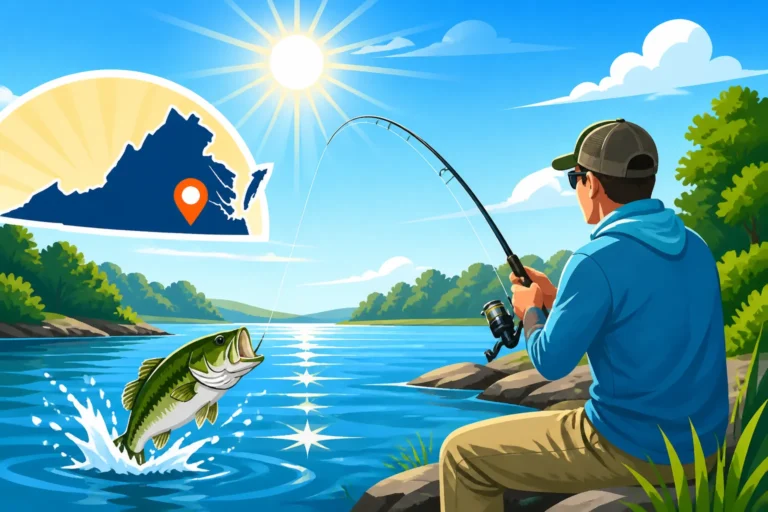
Many new anglers find themselves completely overwhelmed by the sheer amount of information out there, from complicated gear setups to seemingly endless regulations and an intimidating array of fish species. But here in Virginia, there's a truly wonderful and accessible starting point for anyone eager to cast a line without a huge upfront investment or a steep learning curve: panfish. This guide is dedicated to breaking down the simplest, most effective techniques that will have you catching bluegill, crappie, and other delightful panfish in no time, ensuring your first experiences on the water are incredibly rewarding and fun.
What Makes Panfish the Perfect Starting Point for Virginia Anglers?
If you're just dipping your toes into the world of fishing, the idea of chasing elusive trophy bass or mastering complex fly-fishing techniques can feel like climbing Mount Everest. That's where panfish shine! They are the unsung heroes of beginner fishing, providing constant action, simple techniques, and a fantastic way to build confidence before you tackle more challenging species. They’re called "panfish" because, well, they fit perfectly in a frying pan, making them not just fun to catch but also delicious to eat!
Identifying Virginia's Favorite Panfish
Virginia's waters are teeming with a variety of panfish that are eager to bite, making them incredibly accessible for new anglers. Understanding a few key species will help you identify your catches and appreciate their unique characteristics. From the vibrant bluegill to the feisty crappie, these fish offer plenty of action for everyone. If you want a more comprehensive overview, check out our guide on Panfish Species Every Virginia Angler Should Know.
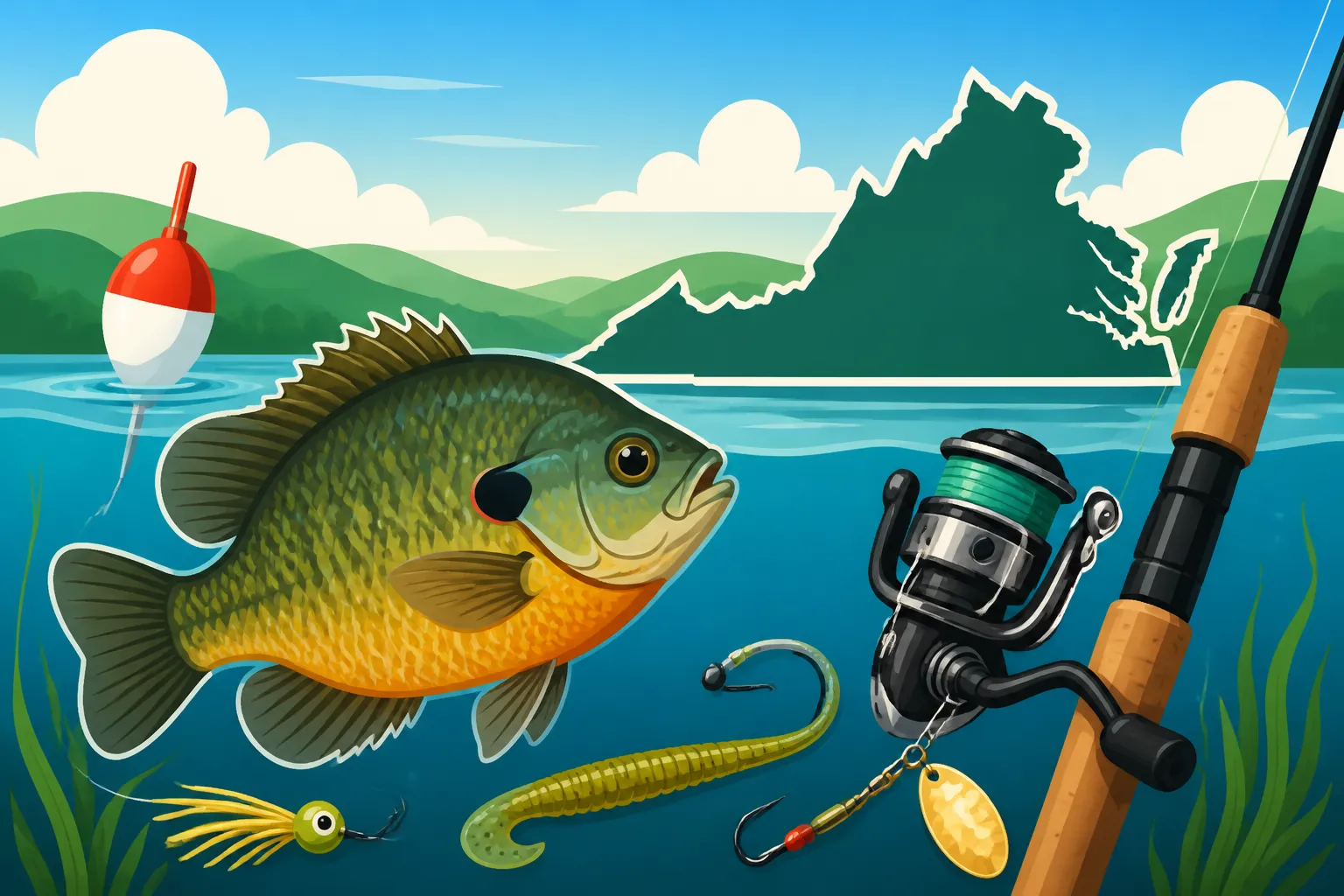
- Bluegill: Perhaps the most iconic panfish, bluegill are instantly recognizable by their dark blue "ear flap" and often vibrant orange bellies. They're abundant in almost every pond, lake, and slow-moving river throughout Virginia. They love to hang around submerged structures, lily pads, and shaded areas. They're notoriously aggressive biters, which is fantastic for beginners because you won't be waiting around forever for a nibble! Catching your first bluegill is a rite of passage for many anglers, often sparking a lifelong love for the sport. Their willingness to bite makes them perfect for simple bait presentations.
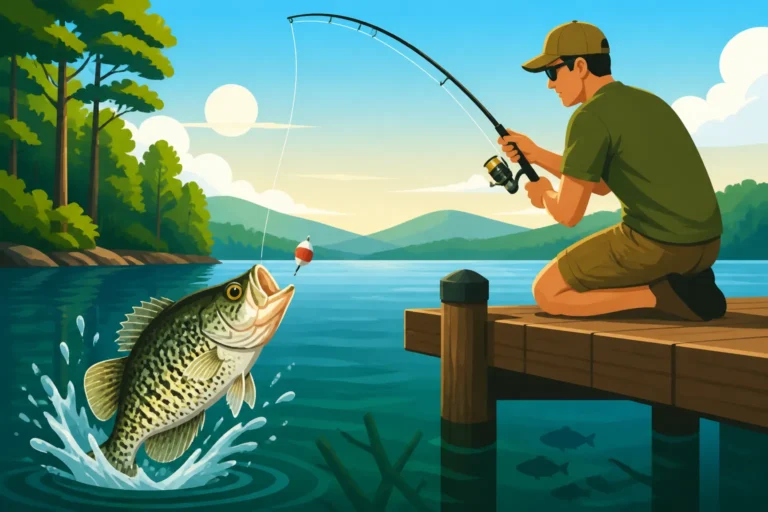
- Crappie (Black and White): Crappie are another popular panfish, known for their distinct shape and speckled patterns. Black crappie typically have irregular black spots, while white crappie have more organized vertical bars. They tend to be a bit larger than bluegill and put up a fantastic fight on light tackle. Crappie are schooling fish, so where you find one, you'll often find many! They prefer deeper water than bluegill but will move into shallow areas, especially during spring spawning. Learning Crappie Fishing Techniques for Beginners can quickly fill your cooler.
- Perch (Yellow and White): Virginia also boasts a healthy population of perch. Yellow perch are known for their golden-yellow sides with distinct dark vertical stripes. They are schooling fish that often roam open water, especially in colder months. White perch, on the other hand, are often found in brackish and freshwater tidal rivers, and are silvery with a deeper body shape. They are incredibly prolific and are fantastic fighters, making them another excellent target for beginners. White perch are especially plentiful in the Chesapeake Bay tributaries. In fact, many consider the White Perch: A Beginner-Friendly Virginia Panfish to be one of the easiest and most fun species to target.
- Other Sunfish: Beyond bluegill, Virginia has other sunfish species like redear sunfish (shellcrackers), pumpkinseed, and green sunfish. While often smaller, they are just as aggressive and beautiful, adding to the variety of your panfish catches. They all behave similarly to bluegill, making the same techniques effective across the board.
Why Panfish Are Ideal for Learning the Ropes
Panfish are truly the perfect teachers for aspiring anglers. They forgive many rookie mistakes and offer a low-pressure environment to develop essential fishing skills.
- Abundant and Widespread: You don't need a fancy boat or secret spot to find panfish. They thrive in most freshwater bodies, from small farm ponds to large reservoirs and slow-moving rivers. This means less time searching and more time fishing, which is crucial for maintaining enthusiasm, especially for kids. Their ubiquity ensures that you'll likely get bites, which is the most encouraging thing for a beginner.
- Eager Biters: Panfish are not shy. They'll often hit baits and small lures with gusto, giving you plenty of practice feeling bites, setting the hook, and reeling in fish. This constant action keeps fishing exciting and prevents boredom, which can quickly discourage a new angler. There's nothing worse than sitting for hours without a single nibble when you're just starting out!
- Simple Gear Requirements: You don't need to break the bank to get into panfish fishing. A basic spinning rod and reel combo, some simple terminal tackle, and a tub of worms are often all it takes. This affordability makes it an accessible hobby for everyone. You can find excellent starter kits on platforms like Amazon that include everything a beginner needs to get started without overcomplicating things.
- Great for All Ages: Panfish fishing is a fantastic family activity. Kids love the frequent bites and the satisfaction of reeling in their own fish. It teaches patience, respect for nature, and provides invaluable bonding time outdoors. It's often the foundational experience that turns a curious child into a passionate angler. For more on involving the younger generation, check out Simple Fishing Techniques for a Child's First Trip.
- Delicious Table Fare: Panfish, as their name suggests, are incredibly tasty. Freshly caught and pan-fried bluegill or crappie are a true delicacy. This adds another layer of reward to the fishing experience, as you get to enjoy the fruits of your labor right at the dinner table. It's a wonderful way to connect with the food you eat and appreciate the natural resources Virginia has to offer.
Gearing Up for Your First Panfish Adventure
One of the biggest hurdles for new anglers is often the sheer amount of gear available. It's easy to get lost in the sea of options. But for panfish, the beauty is in the simplicity. You don't need much, and what you do need is generally very affordable and easy to use. Remember, before you even buy your gear, ensure you have a valid fishing license. Our Virginia Fishing License Guide can walk you through the process.
The Simple Rod and Reel Setup
For panfish, lightweight and easy-to-handle gear is key. You want something that provides sensitivity for those subtle bites and makes even a small bluegill feel like a trophy.
- Spinning Combo: The absolute best choice for beginners is a light or ultralight spinning rod and reel combo. These are pre-matched sets that typically come with the reel already spooled with line, making them truly plug-and-play.
- Rod Length: Look for a rod between 5.5 to 6.5 feet long. This length offers good casting distance without being too cumbersome for younger anglers or tight spaces.
- Rod Action/Power: "Light" or "Ultralight" power is perfect. This means the rod is sensitive enough to feel tiny panfish nibbles and flexible enough to bend significantly, making smaller fish feel more exciting.
- Reel Size: A small spinning reel (typically a 1000 or 2000 series) will balance well with a light rod. These reels are easy to operate, with a simple bail arm to open for casting and a handle to reel in.
- Line: Most combos come pre-spooled with 4-6 pound test monofilament line, which is ideal for panfish. It's thin enough for good casting, strong enough for panfish, and has enough stretch to forgive a beginner's jerky hook sets. You can often find great beginner combos from brands like Ugly Stik or Shakespeare on Amazon, which offer durability and good value.
Essential Terminal Tackle and Bait Choices
Terminal tackle refers to everything at the "terminal" end of your fishing line: hooks, weights, and swivels. For panfish, this list is short and sweet.
- Hooks:
- Aberdeen Hooks: These are a fantastic choice for panfish. Their long shank makes them easy to unhook from small fish, and their thin wire straightens out if snagged, often allowing you to retrieve your rig. Sizes #8, #10, and #12 are perfect for panfish.
- Jig Heads: For artificial lures, small jig heads in 1/32 to 1/16 ounce are ideal. They have a hook molded into a weighted head, allowing you to attach small soft plastics.
- Sinkers/Weights:
- Split Shot Weights: These are small, round weights that you pinch onto your line. They are easy to add or remove to adjust your bait's sinking speed. Have a variety of small sizes (BB, 3/0, 2/0) on hand.
- Bobbers:
- Clip-On Bobbers: The classic red and white plastic bobber is your best friend for panfish. They clip onto your line easily and give you a clear visual indicator when a fish bites. Small to medium sizes are perfect.
- Slip Bobbers: As you gain confidence, slip bobbers are a great upgrade, allowing you to fish at precise depths.
- Swivels (Optional but Recommended): Small barrel swivels (size 10-12) can help prevent line twist, especially if you're using live bait that spins.
- Bait: This is where panfish really make things easy – they'll eat almost anything!
- Live Bait:
- Worms: Red wigglers, earthworms, and nightcrawlers are panfish magnets. You can buy them at bait shops or even dig them up in your backyard.
- Crickets/Grasshoppers: During warmer months, these are irresistible to panfish.
- Minnows: Small minnows are excellent for larger crappie or bigger perch.
- Prepared Baits:
- Corn: Believe it or not, kernel corn is a cheap and effective bait for bluegill and other sunfish.
- Small Marshmallows: Another surprisingly good bait for sunfish.
- PowerBait or Berkley Gulp! Alive!: These scented soft baits come in small sizes and are very effective, especially for crappie and trout (though trout have specific license requirements, so be mindful of that if you venture into trout waters, as outlined in Stocked Trout License Requirements in Virginia).
- Small Lures:
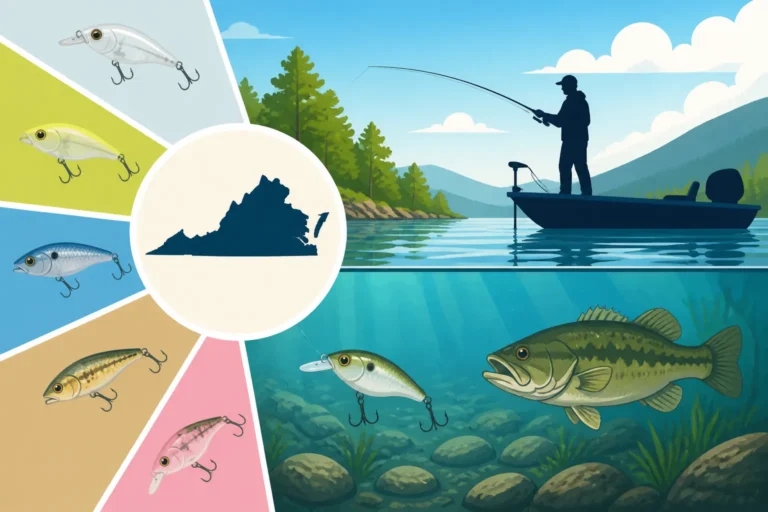
- Tiny Jigs: Small soft plastic grubs, tubes, or curly tail jigs (1-2 inches long) on a 1/32 or 1/16 ounce jig head are deadly for crappie and bluegill. Chartreuse, white, and black are common effective colors.
- Small Spinners: Tiny inline spinners can also attract aggressive panfish.
- You can easily stock up on these essentials by looking for "panfish tackle kits" or "beginner fishing kits" on Amazon. They often bundle a good selection of hooks, weights, and bobbers, giving you a solid foundation without having to buy every item individually.
- Live Bait:
Master These Beginner-Friendly Panfish Techniques
Now that you're geared up, let's talk about how to actually catch some fish! These techniques are straightforward, effective, and will build your confidence quickly.
The Classic Bobber and Bait Method
This is the quintessential beginner technique, perfect for teaching the basics of casting and bite detection. It’s visual, exciting, and highly effective for virtually all panfish. If you specifically want to target bluegill, our guide on How to Catch Bluegill With a Bobber offers even more detailed tips.
- Setting Up Your Rig: Start by sliding a small clip-on bobber onto your main line, about 1-3 feet above the hook. The exact depth depends on how deep the fish are holding, which often means shallower in spring and fall, and deeper in summer. Pinch a small split shot weight onto your line a few inches above the hook. This weight helps cast your bait and gets it down to the desired depth. Tie on your size #8 or #10 Aberdeen hook.
- Baiting Your Hook: Thread a small piece of worm, a cricket, or a few kernels of corn onto the hook, making sure the hook point is exposed for a good hook set. Don't use too much bait; you want it to look natural and not overwhelm the small hook. For bluegill and bream, small pieces of red wiggler worms are usually irresistible, as detailed in Best Bait for Bream Fishing.
- Casting and Waiting: Open the bail on your spinning reel, hold the line with your index finger, and gently cast your rig towards submerged cover, lily pads, or the edge of a dock. Let the bobber settle. Now, the fun part: waiting for the bite!
- Detecting a Bite and Hook Set: When a fish bites, your bobber will start to twitch, dance, or suddenly disappear underwater. This is your cue! Gently but firmly raise your rod tip to set the hook. Avoid a huge, exaggerated yank; a smooth, upward sweep is usually all it takes. Once the hook is set, keep your rod tip up and steadily reel the fish in. It's an exhilarating moment every time!
Simple Bottom Fishing for Deeper Waters
Sometimes, especially in warmer months or in deeper ponds, panfish will move away from the surface. This is where bottom fishing comes in handy. It’s another incredibly simple method that allows you to target fish holding closer to the lake or riverbed.
- Rigging for the Bottom: You'll still use your main line, but this time, skip the bobber. Tie on a small swivel. Then, attach a 6-12 inch leader (a separate piece of line, slightly lighter than your main line) to the other end of the swivel. Tie your #8 or #10 hook to the end of this leader. Above the swivel on your main line, pinch on a larger split shot weight or use a small egg sinker. The key here is that the weight holds your bait on the bottom, but the leader allows your bait to move naturally in the water column just above it.
- Baiting and Casting: Bait your hook with a worm, a piece of minnow, or a scented prepared bait. Cast your rig out and let it sink until you feel the weight hit the bottom. Slacken your line just a bit, allowing your bait to rest naturally.
- Feeling the Bite: Without a bobber, you'll need to feel the bite through your rod tip. Watch your line where it enters the water for any twitches or movement. More often, you'll feel a gentle tap-tap-tap or a steady pull on your rod. Keep a light grip on your rod and be ready to react.
- Setting the Hook: When you feel a definite bite, again, a gentle but firm upward sweep of the rod tip is all that's needed to set the hook. This technique is particularly effective for crappie and larger perch that might be holding in deeper channels or near submerged brush piles.
Introducing Light Jigging
Once you're comfortable with live bait, light jigging is a fantastic next step to introduce you to artificial lures. It’s a more active way to fish and can be incredibly effective, especially for crappie and more aggressive bluegill.
- The Jig Setup: This technique uses a small jig head (1/32 or 1/16 ounce) with a tiny soft plastic grub, tube, or curly tail attached. You can tie the jig directly to your main line. Some anglers prefer to use a loop knot to allow the jig more freedom of movement, which can enhance its action.
- Casting and Retrieving: Cast your jig out and let it sink to the desired depth. This might be near the surface, midway down, or right near the bottom, depending on where you believe the fish are. Once it's at depth, slowly reel it in while imparting a subtle jigging motion with your rod tip. This means gently lifting your rod tip a few inches, then letting it fall, reeling in the slack as you do so. This makes the lure "dance" in the water, mimicking a small baitfish or insect.
- Vertical Jigging: If you're fishing from a boat, kayak, or even a dock, you can simply drop the jig straight down alongside structure. Let it sink to the bottom, then slowly lift and drop your rod tip, keeping the jig in the strike zone. This is a very effective way to target crappie holding around submerged timber or bridge pilings. If you're fishing from a dock, our guide on How to Catch Crappie From a Dock has specific advice.
- Bite Detection with Lures: With jigs, bites often feel like a subtle tap, a sudden weight, or sometimes your line will just go slack if a fish picks it up on the fall. Pay close attention to your line and rod tip for any unusual movements. When you feel that tell-tale bite, set the hook with a quick, upward flick of the wrist. Light jigging is incredibly versatile and allows you to cover more water than stationary bait fishing.
Where to Find Panfish in Virginia's Waters
Knowing how to fish is only half the battle; knowing where to fish is just as important. Luckily, panfish aren't usually hiding in secret, hard-to-reach locations.
Locating Prime Panfish Habitats
Panfish are creatures of comfort, always looking for food, shelter, and suitable spawning grounds. Focus your efforts on these common areas. Many of Virginia's state parks, public lakes, and slow-moving rivers offer abundant panfish opportunities. Our guide to Virginia's Best Panfish Fishing Spots can give you a head start on specific locations.
- Structure is Key: Panfish absolutely love structure. This means anything that provides cover or acts as an ambush point.
- Submerged Timber and Brush Piles: Fallen trees, stumps, and underwater brush provide shade and protection from predators. These are classic spots for crappie and bluegill.
- Docks and Piers: The shaded areas directly under and around docks and piers are prime real estate for panfish. The pilings themselves offer structure, and many docks have submerged debris or weeds that attract baitfish, which in turn attract panfish.
- Weed Beds and Lily Pads: The edges of thick vegetation are foraging grounds for panfish, where they find insects, larvae, and small baitfish. Cast your bait or lure right along these edges, or into pockets within the weeds.
- Rock Piles and Riprap: Rocky areas, especially those lining shorelines or bridges, offer crevices for cover and often hold aquatic insects and crustaceans, making them attractive to panfish.
- Shallow Water: While panfish can be found deeper, they frequently come into shallow areas, especially during cooler mornings and evenings, and certainly during their spawning periods. Look for areas with a gentle slope that transition from shallow to slightly deeper water.
- Inlets and Outlets: Where smaller creeks or streams feed into a larger lake or pond, or where water flows out, can be productive. These areas often have current, which concentrates food sources and oxygen, making them attractive to fish.
Best Times to Seek Out Panfish
Understanding when panfish are most active can significantly increase your success rate, even with the simplest techniques.
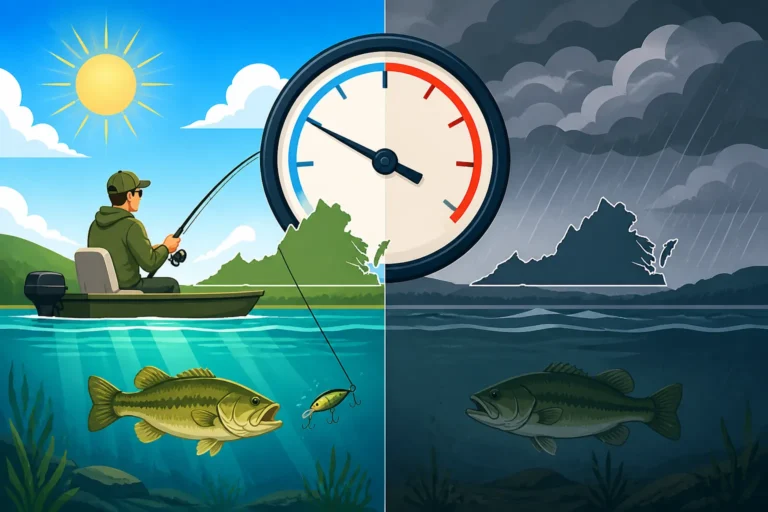
- Time of Day: Dawn and Dusk: Just like many other fish, panfish are often most active during the low-light periods of dawn and dusk. The sun is not as harsh, and they feel safer moving into shallower areas to feed. On cloudy days, they may remain active throughout the day. Conversely, during bright midday hours, they'll often retreat to deeper, shadier cover. Our article on Why Fish Bite Better at Dawn explains more about this phenomenon.
- Seasons: Spring and Fall are Peak:
- Spring: This is arguably the best time of year for panfish, particularly bluegill and crappie. As water temperatures rise, they move into shallow water for their spawning season. During the spawn, they are highly aggressive and fiercely protective of their nests, making them very easy to catch. Look for them in shallow coves, around docks, and near weed beds.
- Summer: Panfish will still bite in summer, but they tend to move to deeper, cooler water during the heat of the day. Target them early morning, late evening, or focus on fishing deeper structures during midday.
- Fall: As water temperatures begin to drop, panfish become very active again, feeding heavily to prepare for winter. They'll often school up, making it possible to catch many fish in one spot. This is a fantastic time for crappie, as highlighted in Best Time of Year for Crappie Fishing in Virginia.
- Winter: Panfish activity slows down in winter, and they typically move to deeper parts of the lake or pond. They can still be caught, but you'll need to fish slower and often present your bait or lure right in front of them. Ice fishing, where permitted, can be an excellent way to target them.
- Weather Considerations: Overcast days can be surprisingly good for panfish, as the reduced light encourages them to stay in shallower water longer. After a gentle rain, the water often stirs up food, drawing fish to feed. Avoid fishing during severe storms or immediately after a heavy downpour, as the water can become murky and fish activity may decrease.
Remember, fishing is as much about enjoyment and relaxation as it is about catching fish. Start with these simple panfish techniques, be patient, observe your surroundings, and most importantly, have fun out there on Virginia's beautiful waters! You'll be amazed at how quickly you pick up the basics and how rewarding a stringer of panfish can be.
Disclaimer
This article is for general informational purposes only and does not constitute professional advice. Laws, prices and regulations vary by location and change over time. Consult a qualified professional for guidance on your specific situation.