Best Bait for Crappie Fishing at Smith Mountain Lake
Oh, the quest for crappie at Smith Mountain Lake! It's a journey many of us anglers know well, filled with anticipation and sometimes, a little head-scratching. That vast, beautiful lake holds so many secrets, and figuring out what those finicky crappie want on any given day can feel like solving a complex puzzle. But don't you worry, because this guide is all about helping you crack that code and fill your cooler with those tasty panfish from the glorious waters of Smith Mountain Lake.
Understanding What Crappie Crave at Smith Mountain Lake
Before we even talk about specific baits, it's really helpful to step into the crappie's world for a moment. What are they naturally eating in a big, diverse fishery like Smith Mountain Lake? Knowing their natural diet is the first step to picking the right artificial or live bait. You see, crappie are ambush predators, and their diet can shift quite a bit depending on the season and the availability of food. It's not always as simple as tossing out the same thing every trip.
The Crappie's Natural Forage
In a large reservoir like Smith Mountain Lake, crappie primarily feed on smaller baitfish. Think tiny minnows, juvenile shad, and other small forage fish that are abundant in the lake. These little guys are often swimming in schools, making them easy targets for crappie lurking in cover. Beyond baitfish, crappie also have a taste for insects, especially during warmer months when bugs are active around the water's surface or falling into the lake. Small crustaceans, like tiny freshwater shrimp or larvae, can also be on their menu, particularly if they're holding deep in brush piles or along the bottom. The key here is to imitate these natural food sources as closely as possible, either in shape, size, color, or movement.
Seasonal Shifts in Crappie Diet
Just like us, crappie don't eat the same thing all year long. Their diet is highly influenced by water temperature and the spawning cycles of their prey. In the spring, as the water warms, crappie move shallower, and their metabolism speeds up. They're often gorging on whatever small baitfish are available as they prepare to spawn themselves. This is a time when they can be quite aggressive. During the summer, baitfish populations explode, and crappie are actively chasing schools of young shad in open water or hiding in deeper, cooler cover, ambushing anything that swims by. In the fall, as water temperatures drop, crappie often feed heavily to build up fat reserves for winter, making them very susceptible to baits that mimic dying or sluggish baitfish. Finally, in the winter, their metabolism slows down significantly, and they prefer an easy meal. They'll often school up in deep water, relating to structure, and will respond best to slow, subtle presentations of small, soft baits. Understanding these shifts is crucial for success. Best Time of Year for Crappie Fishing in Virginia delves deeper into these seasonal patterns.
Live Bait: The Undisputed King for Smith Mountain Lake Crappie
When it comes to consistently catching crappie, especially when they're being finicky, it's tough to beat live bait. There's just something about a natural, wriggling meal that crappie can't resist. And at a place like Smith Mountain Lake, with its clear waters and diverse forage, live bait often makes the difference between a slow day and a banner one.
The Mighty Minnow: Crappie's Favorite Snack
If there's one bait that's synonymous with crappie fishing, it's the minnow. And for good reason! Minnows perfectly mimic the small baitfish that crappie are naturally feeding on at Smith Mountain Lake. They offer natural movement, scent, and appearance, making them irresistible. For Smith Mountain Lake, small to medium-sized minnows, typically 1 to 2 inches long, are usually the most effective. Anything larger might deter smaller crappie, while anything too small might not present enough of a meal to attract the bigger slabs.
You can rig minnows in several ways:
- Through the back: This allows the minnow to swim naturally and stay alive longer. Hook it just behind the dorsal fin, being careful not to hit the spine. This is fantastic when drifting or using a bobber.
- Through the lips: If you're vertical jigging or fishing directly under the boat, hooking the minnow through both lips (from the bottom up) keeps it straight and makes for solid hooksets.
- On a jig head: Many anglers combine a minnow with a small jig head. This adds weight for deeper presentations and some extra flash or color.
You can often find minnows at local bait shops around the lake or even at larger retailers. Keep them fresh and lively in a good aerated bait bucket, and you'll be giving yourself the best chance possible.
Other Live Bait Options for Smith Mountain Lake
While minnows are definitely the headliners, other live baits can certainly tempt crappie at Smith Mountain Lake, especially during specific times of the year or in certain situations.
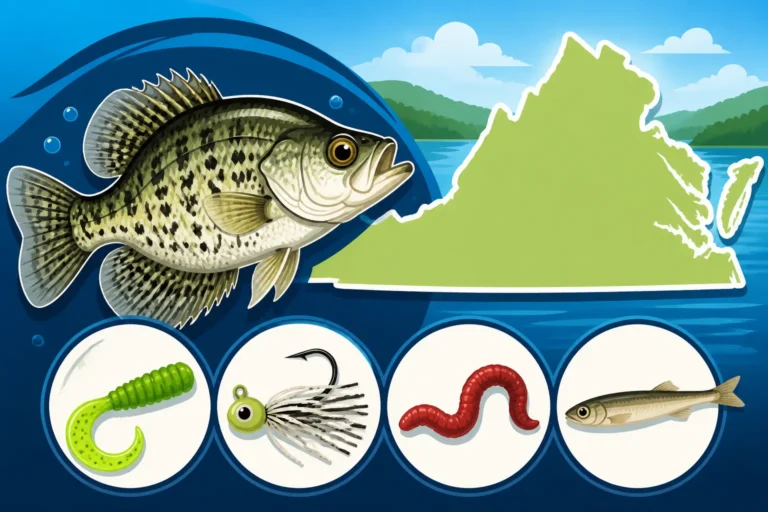
- Small Worms (e.g., Red Worms, Wax Worms): These can be surprisingly effective, particularly for smaller crappie or when the fish are less aggressive, like in cooler water or during a tough bite. Their natural scent and subtle movement can entice a crappie that might ignore a larger, faster-moving minnow. They are also excellent for presenting on tiny jig heads.
- Crickets: In the warmer months, crickets are a fantastic option, especially if crappie are feeding closer to the surface or around overhanging vegetation. Their erratic leg movements once they hit the water are very appealing. You might not think of them for crappie, but they can be deadly!
- Shrimp (Small Freshwater Variety): While less common, very small freshwater shrimp can be effective, especially in areas where crappie might be rooting around in the bottom cover. They offer a unique scent and texture.
The versatility of live bait means you can often adjust your offering based on what the crappie seem to prefer on any given day. Always be prepared with a few different options if possible!
Artificial Lures: Precision and Variety for SML Crappie
While live bait offers an undeniable natural appeal, artificial lures provide precision, versatility, and the ability to cover more water quickly. For many anglers, the challenge and reward of fooling a crappie with an artificial lure are what make it truly exciting. Smith Mountain Lake's crappie can certainly be caught in abundance on the right artificials.
Micro Jigs and Soft Plastics: The Bread and Butter
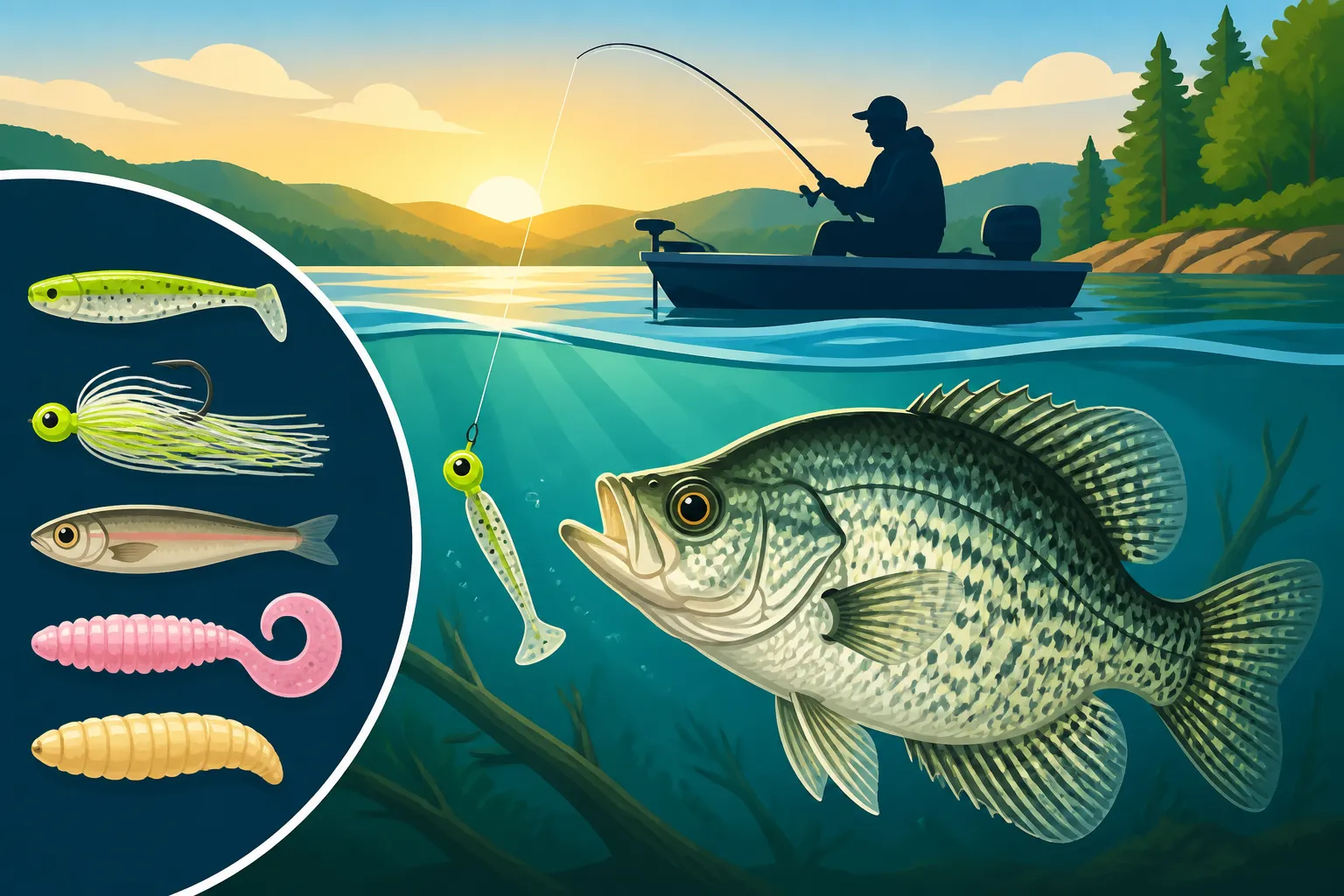
When you talk artificials for crappie, micro jigs and small soft plastics immediately come to mind. These are incredibly effective, mimicking small baitfish, insects, or even just offering an irresistible flash and vibration.
- Soft Plastic Jigs: These come in an incredible array of shapes, sizes, and colors. Common styles include tubes, grubs (curly-tail or straight-tail), minnow imitations, and insect imitations.
- Size: For Smith Mountain Lake crappie, 1/32 to 1/16 ounce jig heads are standard. You might go up to 1/8 ounce in deeper water or windy conditions, or down to 1/64 ounce for extremely finicky fish or ultra-light presentations.
- Color: This is where things get interesting! In clear water, natural colors like white, pearl, light blue, or watermelon can be excellent. In stained or murky water, brighter colors like chartreuse, orange, pink, or even glow-in-the-dark options can be more visible. Don't be afraid to experiment! Often, a two-tone jig (like chartreuse and black, or pink and white) can be especially effective. You can find a huge variety of these soft plastics on platforms like Amazon, making it easy to stock up on different options.
- Action: The tail action is key. Curly tails offer continuous action even on a slow retrieve, while straight tails or minnow imitations require more angler input (jigging) to impart movement.
- Tube Jigs: These are hollow, cylindrical soft plastics with tentacle-like tails. They fall slowly and have a lot of subtle action, making them great for vertical jigging into brush piles or along drop-offs.
- Hair Jigs/Feather Jigs: These classic lures, made of natural materials like deer hair or marabou feathers, offer a very lifelike breathing action in the water. They are especially deadly in cold water when crappie want a slow, subtle presentation.
Small Crankbaits and Spinners: For Active Crappie
While micro jigs dominate, don't overlook small crankbaits and inline spinners, especially when crappie are active and scattered, or when you want to cover water quickly.
- Small Crankbaits: Crankbaits that run shallow to medium depths, typically 1 to 2 inches long, can be fantastic for trolling or casting along flats and points when crappie are chasing schools of baitfish. They provide flash, vibration, and a realistic profile. Look for colors that mimic shad or other local baitfish.
- Inline Spinners: Spinnerbaits designed for panfish, with a small blade (often Colorado or Indiana style) and a dressed hook, create a lot of flash and vibration. These are excellent for casting and retrieving over submerged grass beds, along riprap, or through open water when crappie are actively feeding. The flash can call in fish from a distance.
Remember, the key with artificials is presentation. Experiment with retrieve speeds, pauses, and jigging actions until you find what the crappie want. Sometimes a steady retrieve is best, other times a stop-and-go twitch is the ticket.
Matching Bait to Conditions and Techniques
The best bait isn't just about what crappie eat, but also how and where you're fishing. Smith Mountain Lake offers diverse environments, from shallow coves to deep main lake channels, and your approach needs to adapt. Crappie Fishing Techniques for Beginners can help you get started with basic methods.
Fishing Structures and Depths at Smith Mountain Lake
Crappie are masters of relating to structure, whether it's natural cover or man-made. Your bait choice and how you present it will often depend on where the crappie are holding.
- Brush Piles and Submerged Timber: These are crappie magnets at Smith Mountain Lake. When fishing these tight spots, a small jig tipped with a minnow or a soft plastic tube jig is perfect. You can drop it vertically right into the cover. The slow fall of a tube jig is especially effective for enticing fish hiding deep within the branches. Always be prepared to lose a few baits in these spots, but the reward is often worth it! Many anglers even use spider rigging with multiple rods around brush piles, using both minnows and jigs.
- Docks and Piers: Especially those with lights at night, docks are fantastic crappie spots. During the day, fish the shady sides and under the structure. A bobber with a minnow or a small jig allowed to drift under the dock can be deadly. In low light, crickets or small jigs fished near the surface can draw strikes.
- Open Water Schools (Suspended Crappie): During certain times of the year, particularly in summer and fall, crappie will suspend in open water, often over old creek channels or humps, chasing baitfish. This is where trolling small crankbaits or multiple jigs (spider rigging) at different depths can really shine. Your electronics will be your best friend here, helping you pinpoint the depth of the schools.
- Shallow Spawning Areas (Spring): In spring, crappie move into shallow coves and along protected shorelines to spawn. This is a prime time for sight fishing with small jigs or a minnow under a bobber. Focus on areas with submerged weeds, stumps, or rocky bottoms. Light tackle is key here for delicate presentations.
- Deep Ledges and Drop-Offs (Winter): When the water gets cold, crappie often retreat to deeper ledges, humps, and drop-offs. Vertical jigging with a small spoon, a hair jig, or a minnow on a heavier jig head is effective for getting down to them. The key is a slow, methodical presentation. How Deep Do Crappie Go in Winter is a great resource for understanding this.
Presenting Your Bait Effectively
Even the best bait won't work if it's not presented properly. Crappie often have a specific way they like their meal served.
- Jigging: This is a broad term, but it essentially means moving your bait up and down. Whether it's a slow lift and fall with a soft plastic over a brush pile, or a sharper twitch-twitch-pause with a small spoon, varying your jigging retrieve is essential. Pay close attention to your line for the slightest tap, as crappie bites can be incredibly subtle.
- Tightlining: This technique involves fishing with a weighted line directly below your boat, often with multiple rods, and without a bobber. It's excellent for fishing specific depths in open water or around structure. You can use minnows or jigs, monitoring your rod tips for the tell-tale crappie "thump."
- Bobber Fishing: Perhaps the simplest and most accessible method, bobber fishing is fantastic for both live bait and small jigs. It allows you to present your bait at a consistent depth, especially effective around docks, brush piles, or shallow spawning flats. Experiment with bobber size; sometimes a sensitive slip bobber is necessary to detect light bites.
- Trolling: For covering large areas of open water or searching for suspended schools, slow trolling with multiple rods can be incredibly effective. Small crankbaits or multiple jigs (sometimes called a "crappie rig" or "spider rig") can be trolled at different depths and speeds until you find the fish.
Here’s a quick overview of some popular crappie baits for Smith Mountain Lake:
| Bait Type | Best Season(s) | Preferred Conditions | Advantages | Disadvantages |
|---|---|---|---|---|
| Live Minnows | All Year | Versatile; excellent for slow bites, clear water, any depth | Natural movement & scent, irresistible to crappie | Requires upkeep, can be costly, less efficient for covering water |
| Soft Plastic Jigs | All Year | Adaptable to various depths & structures, active fish | Versatile, wide range of colors/sizes, can cover water quickly, durable | Lacks natural scent/movement of live bait, less effective on finicky fish |
| Tube Jigs | Spring, Fall, Winter | Dense cover, vertical presentations, slower bites | Slow fall, subtle action, good for deep structure | Can get snagged easily in heavy cover |
| Hair/Feather Jigs | Winter, Early Spring | Cold water, subtle presentations, finicky fish | Very natural "breathing" action, excellent in clear, cold water | Less flash/vibration, can be harder to cast long distances |
| Small Crankbaits | Summer, Fall | Trolling, covering open water, aggressive fish | Covers water quickly, strong vibration/flash, targets active fish | Less effective on timid fish, can be too aggressive for some conditions |
| Inline Spinners | Spring, Summer | Active fish, shallower water, searching | Lots of flash/vibration, good for casting and retrieving, calls in fish | Can twist line, may not appeal to lethargic fish |
| Worms/Crickets | Spring, Summer | Shallow water, panfish medley, finicky bites | Natural scent, subtle movement, good for kids and beginners | Attracts smaller fish, less durable than plastics |
Ultimately, the "best" bait for crappie fishing at Smith Mountain Lake is often the one you have confidence in and are willing to experiment with. Conditions change, and so do crappie preferences. Carrying a diverse tackle box, including a mix of live minnows and various artificial jigs and plastics (which you can easily find on Amazon), will equip you for whatever Smith Mountain Lake throws your way. Don't be afraid to switch things up until you find what triggers those bites! Best Bait for Crappie Fishing at Smith Mountain Lake is just one piece of the puzzle, but a critical one!
Disclaimer
This article is for general informational purposes only and does not constitute professional advice. Laws, prices and regulations vary by location and change over time. Consult a qualified professional for guidance on your specific situation.