Striped Bass vs Hybrid Striped Bass in Virginia: Key Differences
Oh, the age-old question that has stumped many an angler on a beautiful Virginia morning: "Is this a striper, or is it one of those hybrids?" It's a genuinely tricky identification sometimes, and believe me, you're not alone in wondering. Knowing the difference between a Striped Bass and a Hybrid Striped Bass isn't just about showing off your fish ID skills; it's crucial for understanding where to find them, what gear to use, and, most importantly, staying within Virginia's fishing regulations. This guide is here to clear up the confusion once and for all, making your time on the water more informed and successful.
The Tale of Two Bass: Understanding Their Origins
Before we dive into the nitty-gritty of identification, let's talk about where these two amazing fish actually come from. Understanding their lineage helps explain why they look and behave a bit differently, and why they thrive in specific types of Virginia waters. It’s a classic nature-versus-nurture story, played out in our rivers and lakes.
What is a Striped Bass?
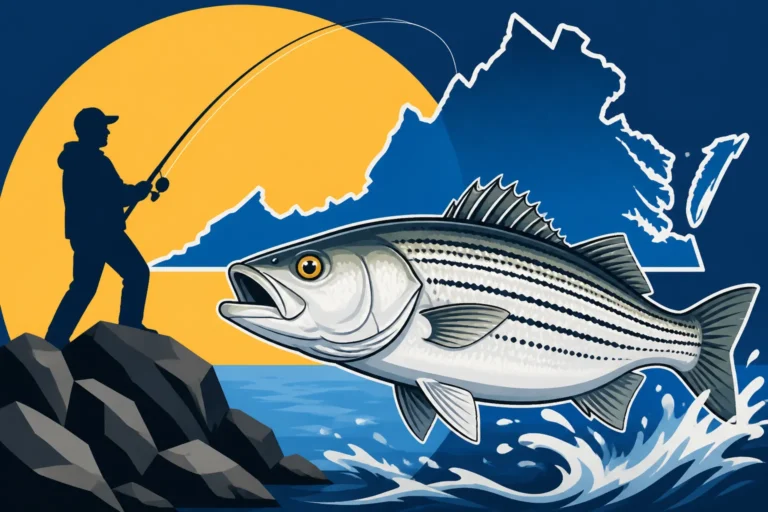
The Striped Bass, often affectionately called "rockfish" in Virginia's coastal areas, is the original. This is a truly native species, an anadromous fish that calls both fresh and saltwater home throughout its life cycle. They are majestic creatures, perfectly adapted to their environment. Born in the freshwater reaches of rivers, they migrate downstream to brackish estuaries and eventually the vast saltwater of the ocean, only to return to those same natal rivers to spawn themselves.
In Virginia, our Striped Bass populations are integral to the health of the Chesapeake Bay and its many tributaries, like the James, York, and Rappahannock rivers. Their epic migrations are a marvel of the natural world, linking vast ecosystems together. When you hook into a powerful Striped Bass, you're not just catching a fish; you're connecting with a piece of Virginia's wild heritage, a species that has been navigating these waters for millennia. Their sheer size potential can be awe-inspiring, with some individuals growing to truly impressive proportions, demanding robust tackle and a strong arm.
What is a Hybrid Striped Bass?
Now, the Hybrid Striped Bass is a different beast altogether – a marvel of fisheries science, if you will. These aren't naturally occurring fish in most of the places you'll find them. Instead, they are the result of a deliberate cross between a female Striped Bass and a male White Bass, created by fish hatcheries. The goal? To produce a hard-fighting, fast-growing game fish that thrives in landlocked freshwater impoundments where pure Striped Bass might not survive or reproduce effectively.
In Virginia, these hybrids have been incredibly successful in larger reservoirs and lakes, providing fantastic fishing opportunities for anglers far from the coast. They offer the power and excitement of a striper but are tailored for environments like Smith Mountain Lake or Claytor Lake. The brilliance of the hybrid program lies in its ability to provide diverse fishing experiences, ensuring that even inland anglers can enjoy the thrill of battling a "striper" type fish. They grow quickly and provide excellent sport, filling a unique niche in Virginia's freshwater fisheries.
Physical Distinctions: How to Tell Them Apart
Alright, let's get down to brass tacks: how do you actually tell these two fish apart when one is flopping around in your net or on your boat deck? It can be tricky, especially when they're similar in size, but there are distinct physical markers that, once you know them, become excellent identifiers. Pay close attention to these details, and you'll become a pro at field identification.
Stripes and Body Shape
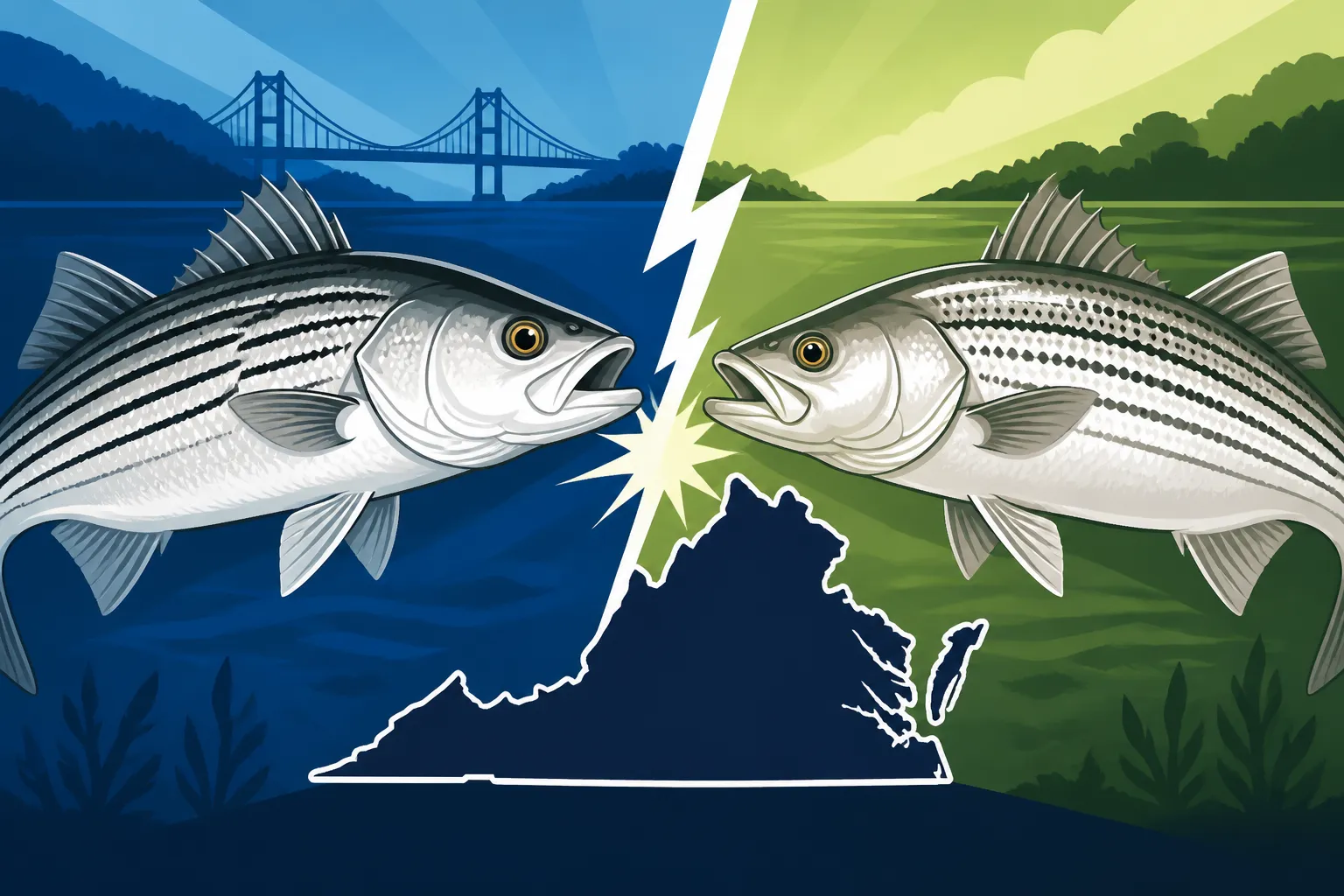
This is often the first thing anglers notice, and it's a good starting point, though not always foolproof on its own. Both fish have prominent horizontal stripes running along their bodies, but the key lies in the continuity of those lines. A pure Striped Bass typically boasts unbroken, solid, and well-defined stripes that run from behind the gill plate all the way to the tail. Imagine someone drew a clean, straight line down the side of the fish – that's your striper.
Hybrid Striped Bass, on the other hand, tend to have stripes that are a bit more… fragmented. You'll often see their stripes appear broken, disjointed, or even wavy, particularly on the lower half of their body. Some stripes might stop and start again, or zigzag a bit. This is one of the most reliable visual cues. Beyond the stripes, consider the overall body shape. Pure Striped Bass tend to be more streamlined and elongated, built for powerful, sustained swimming in open water. Hybrids are often described as having a deeper, stockier, or "chunkier" body relative to their length, a reflection of their genetic blend and adaptation to lake environments.
Jawline and Tongue Patches
While stripes and body shape offer strong clues, if you want a definitive answer, you need to look inside the fish's mouth. These features are anatomical and rarely lie. First, examine the jawline. On a Striped Bass, the lower jaw will typically extend noticeably beyond the upper jaw when its mouth is closed, giving it a somewhat aggressive, jutting appearance. For a Hybrid Striped Bass, the jaws tend to be more evenly matched, or the lower jaw might only extend slightly. This difference, while subtle, can be very telling.
The absolute "smoking gun" for identification, however, lies on the fish's tongue. Gently open the fish's mouth and feel or look at its tongue. A pure Striped Bass will have two distinct, oval-shaped tooth patches on its tongue. These are easy to feel with a fingertip, or even see if the light is right. A Hybrid Striped Bass will usually have one single tooth patch, or sometimes none at all that are easily discernible. This feature is often taught by seasoned guides and is incredibly reliable for distinguishing between the two species. Getting a good look or feel for these tongue patches can make all the difference in your identification.
Size and Growth Rate
When it comes to size, both species can grow to respectable proportions, but there are general trends that can help you lean one way or another. Pure Striped Bass have the potential to grow much larger, with trophy fish regularly exceeding 40 or even 50 pounds, especially those that spend their lives in the vast expanses of the Chesapeake Bay or the open ocean. Their long life spans and rich food sources contribute to their impressive size. If you've just landed a fish that feels like it could pull you overboard, chances are it's a pure striper.
Hybrid Striped Bass, while fast-growing and hard-fighting, generally don't reach the same maximum sizes as their purebred counterparts. They are often stocked to reach a prime eating or sportfishing size quickly, typically ranging from 5 to 15 pounds, with larger individuals hitting 20 pounds or more being considered excellent catches. Their growth is often tied to the specific stocking programs and food availability in the impoundments where they live. So, if you're pulling in a solid, chunky fish in an inland lake that's putting up an incredible fight, but it doesn't quite have the leviathan feel of a true ocean-run striper, it might very well be a hybrid.
Habitat and Behavior: Where You'll Find Them
Knowing where each species typically hangs out is another powerful tool in your identification arsenal. You wouldn't expect to catch a dolphin in a mountain lake, right? The same logic applies here. Their natural instincts and breeding programs dictate their preferred stomping grounds, and understanding this can greatly narrow down your possibilities before you even cast a line.
Striped Bass Habitats in Virginia
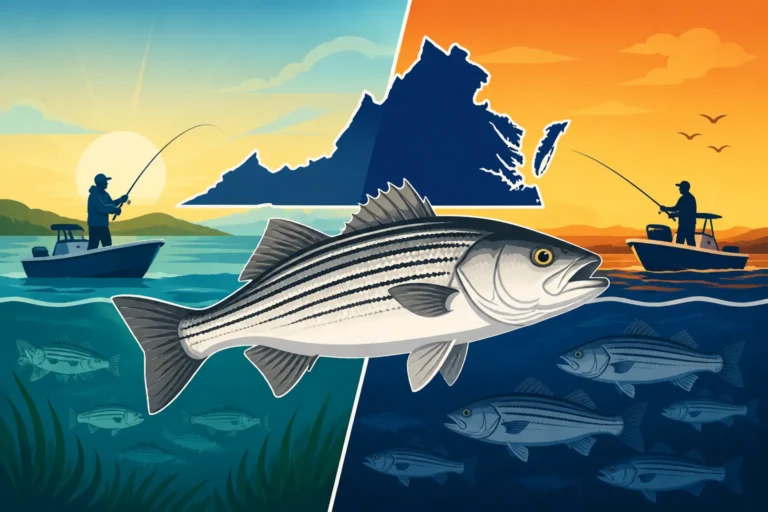
When you're chasing after pure Striped Bass in Virginia, you're likely thinking about our incredible tidal rivers, sprawling estuaries, and of course, the grand Chesapeake Bay. These are the traditional haunts of the "rockfish." Their anadromous nature means they begin their lives in the freshwater sections of rivers, where they spawn in the spring. As they mature, they move downstream into the brackish waters of the Bay and eventually into the Atlantic Ocean.
Throughout the year, you'll find them following baitfish schools, moving with the tides, and congregating around structure like channel edges, oyster beds, and bridge pilings. The Chesapeake Bay, in particular, is a world-renowned fishery for A Guide to Striped Bass Fishing in Virginia, drawing anglers from all over. During their migratory periods, they can cover vast distances, demonstrating incredible endurance. Fishing these tidal waters for Striped Bass is a quintessential Virginia experience, steeped in tradition and the rhythm of the tides. When you're fishing these areas, especially in the spring or fall runs, there's a very high likelihood that any striped fish you encounter will be a purebred Striped Bass.
Hybrid Striped Bass Habitats in Virginia
Switch gears entirely, and you'll find Hybrid Striped Bass thriving in Virginia's larger inland reservoirs and lakes. Think big impoundments like Smith Mountain Lake Fishing Guide, Claytor Lake Fishing Guide, Lake Anna, and Kerr Lake (Buggs Island). These are landlocked environments where pure Striped Bass would struggle to complete their natural anadromous life cycle. Thanks to stocking programs by the Virginia Department of Wildlife Resources (DWR), hybrids provide an exhilarating fishing experience in these freshwater havens.
Hybrids are incredibly resilient and adapt well to these lake environments. They school up, often roaming the open waters of the main lake in pursuit of baitfish like shad. You'll frequently find them near points, humps, deep channels, and around submerged timber, often suspended in the water column. Anglers targeting hybrids in these lakes often rely on electronics to locate their schools. The beauty of the hybrid program is that it brings the excitement of striper fishing to a completely different set of landscapes, allowing freshwater anglers to experience that powerful pull on the line without needing to venture to the coast. Virginia's Best Lakes for Fishing are often excellent places to find these stocked powerhouses.
Feeding Habits and Fight
Both Striped Bass and Hybrid Striped Bass are apex predators with voracious appetites, and they share a similar aggressive fighting style that thrills anglers. They are both highly active hunters, often schooling up to corral baitfish and then launching into a frenzied attack. This behavior makes them exciting to target, as they can suddenly appear on your sonar screen and then erupt into a feeding blitz. Whether it's a school of pure Stripers pushing bait to the surface in the Chesapeake Bay or a school of hybrids doing the same in Smith Mountain Lake, the action can be fast and furious.
The fight itself is legendary for both species. They are known for powerful, sustained runs that test your drag and your arm strength. There’s a distinctive, relentless tug and a deep power to their movements that makes them a true sportfish. Sometimes, their similar fighting characteristics can actually contribute to the initial confusion between the two. However, understanding their typical hunting grounds, as detailed above, helps you anticipate which species you're more likely to encounter, and thus, mentally prepare for the battle ahead with the correct tackle.
Fishing Regulations and Management: Why the Distinction Matters
This is where the rubber meets the road. Identifying your catch correctly isn't just for bragging rights; it's absolutely essential for compliance with Virginia's fishing laws. The regulations for Striped Bass and Hybrid Striped Bass can differ significantly, reflecting different conservation goals and management strategies for each species. Getting it wrong could lead to fines or penalties, which is a headache no one wants.
Different Rules for Different Bass
Virginia's Department of Wildlife Resources (DWR) implements distinct regulations for Striped Bass and Hybrid Striped Bass. This is a crucial point for all anglers to understand. For instance, Striped Bass, especially those in the Chesapeake Bay and its tidal rivers, are often subject to complex slot limits and specific open seasons that can change year to year based on stock assessments and conservation needs. These regulations are designed to protect and rebuild the native, anadromous Striped Bass population. You might find regulations specifying a narrow size window (a "slot limit") where fish can be kept, or even a split season like Virginia Striped Bass Split Season Dates Explained to protect spawning fish or reduce pressure at certain times.
Hybrid Striped Bass, on the other hand, usually fall under different rules, primarily because they are managed as a put-grow-take fishery in landlocked impoundments. Their regulations are typically simpler, often consisting of a minimum size limit and a daily creel limit, without the intricate slot limits or seasonal closures that apply to their purebred cousins. This means that if you catch what you think is a hybrid in a lake, but it turns out to be a pure striper, you could be in violation of the law if you haven't consulted the correct regulations for that specific body of water. Always check the latest DWR regulations before heading out, as they are often updated. This difference in rules makes precise identification paramount.
Conservation Efforts
The reason for these distinct regulations boils down to conservation. Pure Striped Bass are a native species with a complex life cycle, facing environmental pressures and fishing pressure across multiple states. Their management is a multi-jurisdictional effort aimed at sustaining a healthy breeding population for future generations. Revenue from fishing licenses, which you can learn more about in How Fishing License Fees Support Wildlife Conservation in Virginia, directly supports these vital efforts. The DWR carefully monitors their populations and adjusts limits and seasons to ensure their long-term health. Overharvesting could have devastating effects on their natural spawning success.
Hybrid Striped Bass, being largely a product of stocking programs, are managed differently. The DWR strategically stocks these fish in appropriate lakes to create vibrant recreational fisheries. While there are still regulations to ensure a sustainable population for anglers, the focus isn't on protecting a wild spawning stock in the same way. The goal is to provide ample opportunity for anglers to catch a hard-fighting fish in waters where pure Striped Bass might not thrive. Understanding this difference in management philosophy highlights why accurate identification of your catch is not just a legal requirement but also a responsible act that supports sustainable fisheries for both native and stocked species.
Tackle and Techniques: Targeting Each Species
While both Striped Bass and Hybrid Striped Bass are powerful fighters that respond to many similar techniques, there are subtle differences in tackle choices and strategies that can improve your success rate. Knowing which species you're targeting allows you to fine-tune your approach, from the lures you tie on to the strength of your line.
Lures and Baits for Striped Bass
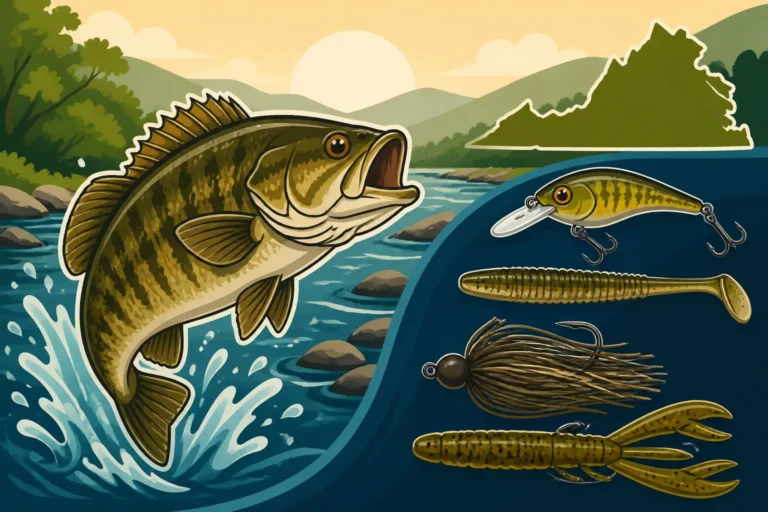
When you're out chasing pure Striped Bass, especially in the vastness of the Chesapeake Bay or its tidal rivers, you'll want to be prepared for strong fish that often feed aggressively. Live bait can be incredibly effective; think menhaden, eels, or even spot. These baits, fished on a circle hook with appropriate weight, are often irresistible. For artificials, jigs are king – bucktail jigs in various weights and colors, often tipped with a soft plastic trailer, are incredibly versatile. Topwater plugs can provide explosive strikes, especially during dawn or dusk when stripers are busting bait on the surface. Swimbait, crankbaits, and even large spoons are also highly effective depending on the water depth and baitfish present.
Because pure Striped Bass can grow to formidable sizes, you'll generally want to err on the side of heavier tackle. Think medium-heavy to heavy action rods with robust spinning or baitcasting reels spooled with strong braided line, typically in the 30-50 pound test range, with a fluorocarbon leader. When targeting these powerful fish, having gear that can withstand a sustained fight is crucial. Many anglers also find that investing in a quality fish finder is essential for locating the schools of baitfish and the Striped Bass that are often right beneath them. If you’re planning a trip, consider looking at Best Bait for Striped Bass in Chesapeake Bay for more specific recommendations.
Lures and Baits for Hybrid Striped Bass
Targeting Hybrid Striped Bass in inland lakes like Smith Mountain Lake often involves many of the same principles as pure Stripers, but with some nuanced adjustments. Live bait, especially threadfin or gizzard shad where legal and available, can be incredibly effective, often fished under a float or on a downline. For artificial lures, smaller jigs, underspins, and swimbaits are popular choices. During feeding frenzies, topwater plugs can again be phenomenal, creating exhilarating surface strikes. Crankbaits are also excellent for covering water and finding schools of actively feeding fish.
While hybrids also fight hard, you might sometimes scale down your tackle slightly compared to what you'd use for a 40-pound ocean striper. Medium-heavy rods with good backbone, paired with reels spooled with 15-30 pound braided line and a fluorocarbon leader, are common. Trolling is a very popular and effective technique for covering large areas of the lake and locating schools of hybrids, often using deep-diving crankbaits or umbrella rigs. Vertical jigging over humps and submerged structure is another go-to method. Searching for specific lures or even a new fishing reel on Amazon before your trip can help you get fully prepared. Don't forget to check out What to Bring on a Virginia Fishing Charter for a general checklist of essential items.
Gear Considerations
Regardless of which species you're after, having the right gear can make or break your trip. For both, a quality fishing rod and reel combo that can handle strong, fighting fish is paramount. You don't want to be undergunned when that big striper or hybrid takes off! Consider the rod's power (light, medium, heavy) and action (fast, moderate) to match your chosen techniques. For reels, look for smooth drags and ample line capacity. Many anglers prefer braided line for its strength and sensitivity, typically paired with a fluorocarbon leader for abrasion resistance and stealth.
Beyond the rod and reel, a good tackle box filled with a variety of lures and baits is essential. As mentioned, jigs, swimbaits, and topwater plugs are staples for both species. Don't forget essentials like pliers, line cutters, and a good measuring tape or bump board for checking legal sizes. And, of course, a sturdy net to land your catch safely! When you're building out your gear, Amazon can be a fantastic resource for everything from specialized lures to durable tackle bags and even portable fish scales to ensure you're keeping within legal limits. Remember, a well-prepared angler is a successful angler, and having the right tools for either a pure Striped Bass or a Hybrid Striped Bass encounter will enhance your experience immensely.
Comparing Virginia's Striped Bass and Hybrid Striped Bass
Here’s a quick overview of the key differences to help solidify your understanding:
| Feature | Striped Bass (Purebred) | Hybrid Striped Bass (Wiper) |
|---|---|---|
| Origin | Native, naturally occurring (anadromous) | Man-made cross between Striped Bass and White Bass (stocked) |
| Primary Habitat | Chesapeake Bay, tidal rivers, Atlantic Ocean | Large freshwater reservoirs and lakes (e.g., Smith Mountain Lake) |
| Stripes | Generally unbroken, solid, and well-defined | Often broken, disjointed, or wavy |
| Body Shape | More streamlined, elongated | Often deeper, stockier, or "chunkier" |
| Lower Jaw | Distinctly extends beyond upper jaw | More evenly matched or only slightly extended |
| Tongue Patches | Two distinct tooth patches | Typically one single tooth patch, or none |
| Maximum Size | Can grow to very large sizes (40+ lbs) | Generally smaller than pure Stripers (e.g., 5-20+ lbs) |
| Regulations | Often complex, with slot limits and specific seasons | Typically simpler, with minimum size and creel limits |
| Conservation Focus | Protecting and rebuilding native, wild spawning populations | Providing recreational fishing opportunities in stocked waters |
Armed with this knowledge, you're now much better equipped to identify your catch and understand the fascinating differences between these two incredible game fish found in Virginia's waters. Happy fishing!
Disclaimer
This article is for general informational purposes only and does not constitute professional advice. Laws, prices and regulations vary by location and change over time. Consult a qualified professional for guidance on your specific situation.