Why Virginia Anglers Call Striped Bass ‘Rockfish’
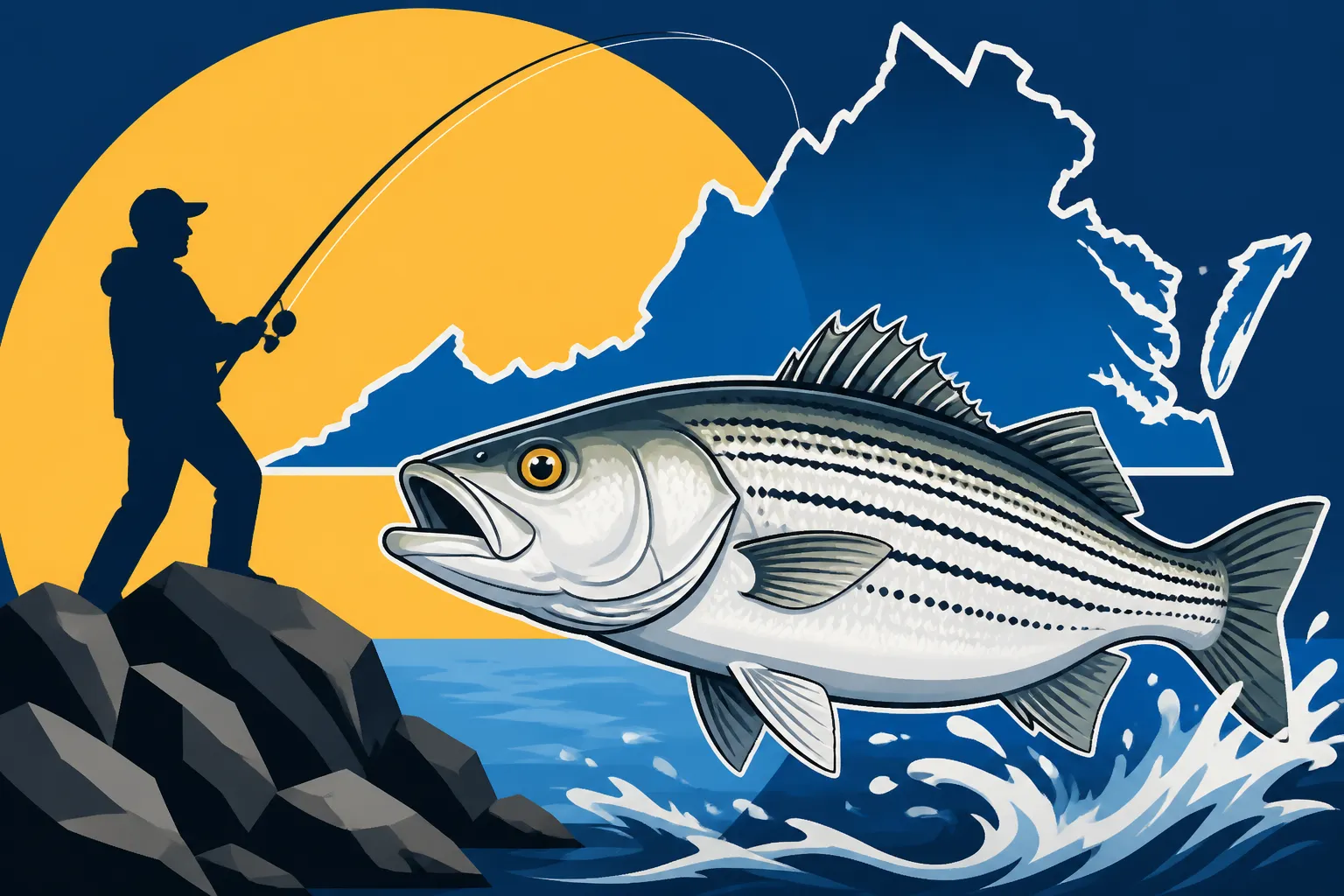
If you've spent any time at all talking to anglers here in Virginia, especially folks who've been fishing the Chesapeake Bay or our coastal waters for decades, you've probably heard them refer to "rockfish." Then, you might hear someone else mention "striped bass," and it can get a little confusing, right? Are they the same fish? Is it a regional thing? This guide is here to clear up that common point of confusion, diving deep into the history, culture, and practical implications of why so many Virginia anglers affectionately call the striped bass by its other, more local name: rockfish.
A Tale of Two Names: The Historical Roots of "Rockfish" in Virginia
It's truly fascinating how a fish can have multiple identities, and nowhere is this more apparent than with the beloved striped bass here in Virginia. For generations, long before official scientific names became common parlance, our local anglers knew this powerful, silver-sided fighter by a different, much more evocative name: the rockfish. This wasn't just a casual nickname; it was a descriptor born out of observation, tradition, and a deep connection to the local environment.
When a Fish Becomes a Local Legend
Imagine the early days of settlement in Virginia, or even earlier, the indigenous tribes who relied on the bounty of the Chesapeake Bay and its tributaries. When they encountered this prolific fish, what stood out? Certainly its fighting spirit and delicious flesh, but also its habitat. These fish, especially the larger ones, had a distinct preference for structure. They'd congregate around oyster reefs, submerged timber, and, you guessed it, rocky bottom formations. It was these very "rocks" that became synonymous with where you'd find them, and thus, the name "rockfish" was born. It’s a direct, practical, and utterly logical name for a fish that spent its life lurking around such features.
For countless Virginians, especially those whose families have fished these waters for generations, the term "rockfish" isn't just a nickname; it's part of their heritage. It carries the weight of history, passed down from grandfathers to fathers to children, telling a story of sustained catches and hard-fought battles. It speaks to a time when fishing was as much about sustenance as it was sport, and the local names were the language of survival and community. You might hear an old-timer recount tales of massive rockfish runs in the Bay, a tradition that resonates deeply within the fishing culture of our state. A Guide to Striped Bass Fishing in Virginia will delve further into the species itself, but for now, understand that "rockfish" is truly a piece of Virginia's soul.
The Scientific and Regulatory Divide
While "rockfish" holds such a strong cultural foothold, it's equally important to understand the official designation. Scientifically, and in nearly all governmental and regulatory documents, the fish we're discussing is known as the Morone saxatilis, or more commonly, the "striped bass." This is the name you'll see from the Virginia Department of Wildlife Resources (DWR), the Virginia Marine Resources Commission (VMRC), and federal agencies like NOAA Fisheries.
This dual nomenclature can sometimes be a source of mild frustration for new anglers or those visiting from out of state. They might hear local chatter about "rockfish" and then read regulations strictly referencing "striped bass." Rest assured, they are indeed the same fish. The use of "striped bass" in official capacities is about standardization, ensuring clarity across state lines and scientific communities. It removes ambiguity and allows for consistent management strategies, especially critical for a migratory species like the striped bass. When you're looking up bag limits, season dates, or slot limits, always remember that the official documents will refer to it as "striped bass," even if your fishing buddy just called it a "rockfish" five minutes ago. You'll want to be familiar with both to stay on the right side of the law, as detailed in our comprehensive Virginia Fishing Regulations Explained guide.
Why the Name Persists: Culture, Tradition, and Angler Lingo
Despite the official widespread adoption of "striped bass," the term "rockfish" hasn't faded into obscurity. In fact, it continues to thrive, particularly among seasoned anglers in Virginia. This persistence is a testament to the enduring power of local culture, the strong bonds within the fishing community, and the geographical significance of certain regions within our state.
Passing Down the Term Through Generations
Fishing is more than just a hobby; it's a tradition, a way of life, and often, a language unto itself. Imagine a grandfather teaching his grandchild how to cast a line into the Chesapeake Bay. He points to a school of fish breaking the surface and exclaims, "Look, son, the rockfish are schooling!" That moment, that word, becomes etched in the child's memory. This is how "rockfish" has been passed down through countless generations of Virginia anglers. It's an oral tradition, a term of endearment, and a shorthand that immediately identifies you as part of the local fishing fraternity.
When you join a local fishing forum or chat with folks at a bait shop along the coast, "rockfish" rolls off the tongue naturally. It’s a term of camaraderie, instantly signaling a shared understanding and a connection to Virginia’s unique angling heritage. Even when discussing technical details like how many fish you can keep, or what size is legal, anglers in Virginia might still say, "The rockfish slot limit is 28 to 31 inches," rather than the more formal "striped bass slot limit." This local dialect is part of the charm and identity of fishing here, creating a sense of belonging among those who know the waters intimately. It’s an unspoken rule of the Virginia fishing community.
Regional Variations and the Chesapeake Bay Influence
The term "rockfish" isn't used uniformly across all of Virginia, and its prevalence often correlates directly with proximity to saltwater and tidal rivers, especially the mighty Chesapeake Bay. This iconic estuary is the heartland of striped bass fishing in Virginia, a critical spawning ground, and a prime feeding area. Given the historical abundance and importance of striped bass in the Bay, it's no surprise that the traditional name "rockfish" has become most firmly embedded here.
Anglers fishing the vast expanses of the Bay, its tributaries like the James or Rappahannock, or out along the coast near Virginia Beach, are far more likely to use "rockfish" than those fishing purely freshwater lakes. While striped bass do exist in landlocked freshwater impoundments like Smith Mountain Lake, where they are often referred to simply as "stripers" or "landlocked striped bass," the saltwater connection is what truly solidifies the "rockfish" identity. The Chesapeake Bay Striped Bass Fishing Guide further illustrates this regional connection. It’s a testament to how local geography and historical fishing patterns shape our language. While you'll hear "striped bass" or "striper" in many places, the moment you hit the Bay, "rockfish" reigns supreme, echoing the deep saltwater traditions of our coastal communities. Even in freshwater systems that boast a strong striped bass population, like in the Smith Mountain Lake Striped Bass Fishing in Virginia guide, you'll still notice the clear distinction in naming conventions.
Practical Implications for Virginia Anglers
Understanding the dual identity of striped bass as "rockfish" isn't just about appreciating local culture; it also has very real, practical implications for every angler casting a line in Virginia waters. From navigating regulations to understanding local advice, being bilingual in fish names can make your fishing experience smoother and more successful.
Navigating Regulations and Communication
Here's where knowing both names becomes crucial. When you're out on the water, whether it's the Chesapeake Bay or a tidal river, and a game warden approaches for a license check, they'll be referring to "striped bass" in their official capacity. Similarly, when you consult the official DWR or VMRC regulations booklet, or even their websites, the rules for size limits, bag limits, and season dates will always be listed under "striped bass." Virginia Striped Bass Season and Slot Limit Guide or Striped Bass Possession Limit for Virginia Anglers will always use the official terminology.
This means that while you might chat with fellow anglers using the term "rockfish," you need to mentally translate that to "striped bass" when it comes to compliance. For example, if you catch a magnificent fish and someone asks if it was a legal "rockfish," you'll still need to check it against the "striped bass" slot limits, such as the Virginia's Striped Bass Slot Limit: 28 to 31 Inches. It's a small mental shift, but it's essential for avoiding any misunderstandings or potential penalties. Don't let the charm of local lingo lead you astray from the letter of the law!
When purchasing fishing gear, especially online, knowing both terms can also be helpful. If you're searching for specific lures or tackle known to be effective for striped bass, typing in "striped bass lures" on Amazon might yield more results than "rockfish lures." However, some specialized local tackle shops or regional guides might also categorize gear under "rockfish tackle," reflecting the local preference. It’s always good practice to try both terms in your search for that perfect bait or rod.
The Future of the Name: Will "Rockfish" Endure?
In a world that often leans towards standardization and simplification, one might wonder if "rockfish" will eventually fade away, replaced entirely by "striped bass." However, based on the deep-rooted cultural significance and the strong sense of identity it provides to Virginia anglers, it's highly likely that "rockfish" is here to stay. It’s more than just a name; it's a legacy, a nod to history, and a piece of Virginia's unique angling charm.
Language in recreational activities often evolves slowly, especially when tied to tradition and community. While official communications will continue to use "striped bass," the informal, convivial chatter on the docks, at the boat ramp, and in fishing tales around the campfire will undoubtedly keep "rockfish" alive. Understanding and embracing both terms not only makes you a more knowledgeable angler but also connects you more deeply to the rich fishing heritage of Virginia. Whether you call it a striped bass or a rockfish, one thing is for certain: this powerful, beautiful fish will continue to captivate anglers for generations to come. Learning about the differences between Freshwater vs Saltwater Striped Bass: The Virginia Rockfish Story can further cement your understanding of this amazing fish.
Here's a quick comparison to help you keep things straight:
| Feature | "Striped Bass" | "Rockfish" |
|---|---|---|
| Origin of Name | Scientific, based on prominent stripes | Traditional, based on habitat preference (rocks) |
| Official Use | Yes, by DWR, VMRC, federal agencies | No, informal only |
| Primary Context | Regulations, scientific reports, formal docs | Casual conversation, local fishing culture |
| Common User Base | All anglers, officials, scientific community | Primarily Virginia anglers, especially coastal |
| Geographic Prevalence | Statewide (and beyond) | Strongest in Chesapeake Bay & tidal rivers |
| What it Represents | Species identification, consistent data | Local identity, tradition, community |
So, the next time you hear a seasoned Virginia angler talk about catching a big "rockfish," you'll know exactly what they mean – and you'll appreciate the rich history and culture behind that beloved name. When you're planning your next adventure, consider How Big Do Striped Bass Get in Virginia's Tidal Rivers? to set your expectations for those mighty rockfish. And don't forget to check out Best Bait for Striped Bass in Chesapeake Bay before you head out!
Disclaimer
This article is for general informational purposes only and does not constitute professional advice. Laws, prices and regulations vary by location and change over time. Consult a qualified professional for guidance on your specific situation.