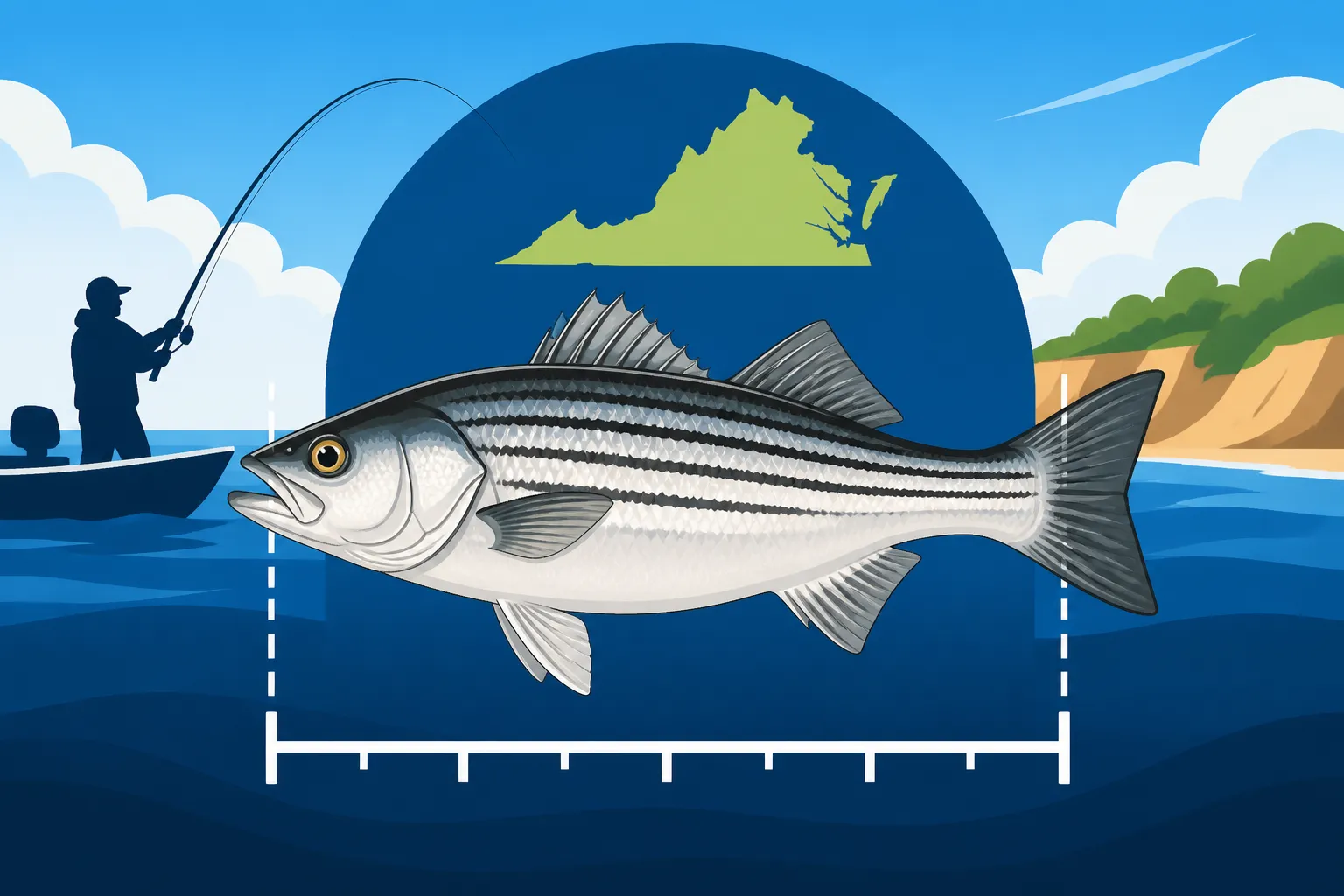
Virginia’s Striped Bass Slot Limit: 28 to 31 Inches
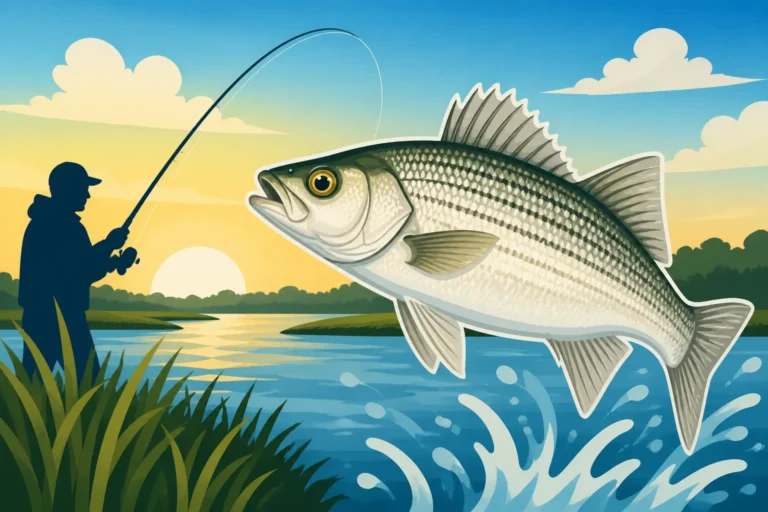
It can be incredibly frustrating to head out for a day of fishing, hook into a magnificent striped bass, and then realize you're not entirely sure if you can keep it. Virginia's fishing regulations, especially when it comes to specific slot limits, can feel like a maze, leaving many anglers scratching their heads. This guide is here to clear up all the confusion surrounding Virginia's crucial 28 to 31-inch slot limit for striped bass, often affectionately called rockfish, so you can fish with confidence and stay on the right side of the rules.
Understanding the Striped Bass Slot Limit in Virginia
Let's be honest, fishing regulations can be a mouthful. When you hear terms like "slot limit," it's easy to get lost in the jargon. But for striped bass in Virginia, understanding this particular rule is absolutely essential, not just for avoiding a fine, but for the health of the fishery itself. It's a cornerstone of conservation efforts, designed to ensure these magnificent fish continue to thrive for generations of anglers to enjoy.
What Exactly is a Slot Limit and Why Do We Have One?
At its heart, a slot limit is a conservation tool. Imagine a "slot" or a specific size window that fish must fall within for you to legally keep them. If a fish is too small, you have to release it. If it's too big, you also have to release it. For Virginia's striped bass, that slot is 28 to 31 inches. This means any striped bass you catch that measures less than 28 inches or more than 31 inches must be immediately released back into the water.
The "why" behind this is quite ingenious. The smaller fish (under 28 inches) are typically younger, still growing, and haven't had a chance to fully mature and reproduce. By protecting them, we allow them to grow into adults and contribute to future spawning cycles. The larger fish (over 31 inches) are often the mature, proven breeders – the ones that produce the most eggs and contribute significantly to the overall population's health. Think of them as the invaluable patriarchs and matriarchs of the striped bass family. Protecting these big spawners is crucial for ensuring a robust fish stock. Without slot limits, there's a higher risk of overfishing either the young, developing fish or the critical breeding stock, which could have devastating long-term effects on the population. It's a proactive measure to keep our Virginia Striped Bass Season and Slot Limit Guide effective.
The Specifics: 28 to 31 Inches – What It Means for Your Catch
When you reel in a striped bass in Virginia, the very first thing you need to do, after carefully handling the fish, is measure it. This 28 to 31-inch slot limit is rigid. Let's break down what it practically means for you:
- Too Small (Under 28 inches): If your fish measures, say, 27.5 inches from the tip of its nose to the end of its tail (with the tail compressed), it's a no-go. It must be released immediately and unharmed. These youngsters need more time to grow.
- Just Right (28 to 31 inches): If your striped bass is exactly 28 inches, exactly 31 inches, or any length in between (e.g., 29.5 inches, 30 inches), then congratulations! You've found a keeper, assuming all other regulations, like daily limits, are met.
- Too Big (Over 31 inches): This is where some anglers get a bit disheartened, especially when they land a true trophy fish. If your striped bass measures 31.5 inches, or even a monster 40-inch specimen, it must be released. As tempting as it is to keep that bragging-sized catch, these are often the prime breeders, and their role in sustaining the population is paramount. Remember, these are the Virginia Rockfish Slot Limit and Possession Rules you need to follow.
To accurately measure your catch, a reliable measuring device is non-negotiable. Many anglers use a sturdy, waterproof tape measure or a dedicated fish measuring board. You can find excellent, durable options on platforms like Amazon, often specifically designed for marine environments, which makes getting an accurate length much easier, especially on a rocking boat.
The "One Fish Per Person" Rule and How it Applies
Beyond the slot limit, Virginia also has a strict "one fish per person" daily creel limit for striped bass. This means that even if you catch three striped bass, all perfectly within the 28 to 31-inch slot, you are only allowed to keep one of them per day. This rule works hand-in-hand with the slot limit to manage the overall harvest pressure on the striped bass population.
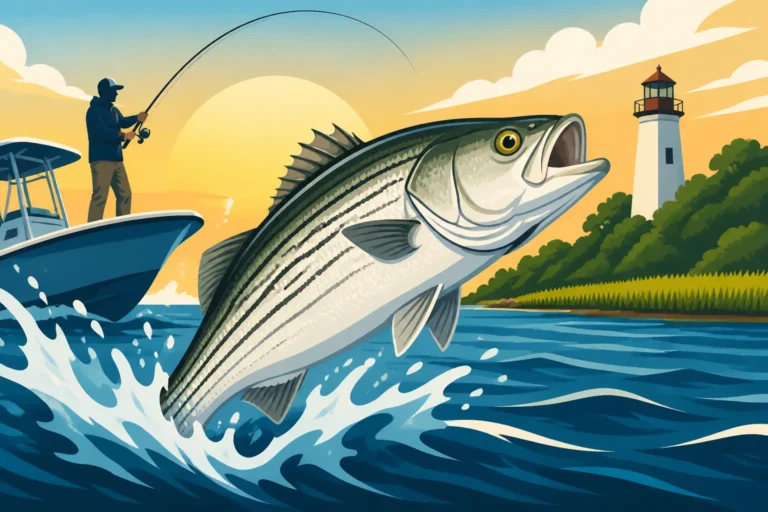
Imagine a scenario: You're out fishing on the Chesapeake Bay. You catch a 27-inch striped bass – too small, so you release it. Later, you hook a beautiful 29-inch striper, which fits the slot perfectly. You decide to keep it. This fulfills your one-fish daily limit. Any subsequent striped bass you catch that day, regardless of size, must be released. Even if you then land a massive 35-inch striped bass, which is outside the slot limit anyway, it still needs to go back into the water. The combination of the slot limit and the daily creel limit is a powerful mechanism for sustainable fishing. For more details on daily limits, check out How Many Striped Bass Can You Keep in Virginia.
Navigating Virginia's Striped Bass Seasons and Regulations
Understanding the slot limit is one piece of the puzzle, but it doesn't exist in a vacuum. Striped bass fishing in Virginia is also governed by specific seasons and area-based rules that you absolutely need to be aware of. These regulations can be dynamic, so always double-check the latest Virginia Department of Wildlife Resources (DWR) or Virginia Marine Resources Commission (VMRC) guidelines before you head out.
Key Season Dates for Striped Bass Fishing in Virginia
Virginia's striped bass season is often described as a "split season," meaning there are typically two distinct periods during the year when anglers can legally target and harvest these fish. While exact dates can shift year to year based on stock assessments and conservation needs, these seasons usually include a window in the cooler months, often starting in late fall or early winter, and then reopening for a period in the spring.
For instance, you might have a season that runs from late winter into early spring, then closes, and reopens in mid-May for a shorter period. These closures are strategically placed to protect striped bass during critical times, such as their spawning migrations. It's during these open seasons that the 28 to 31-inch slot limit and the one-fish daily creel limit are actively enforced. Fishing for striped bass outside of these designated seasons, even if you intend to release them, can sometimes be prohibited or subject to different rules, so always consult current regulations. Keep an eye on resources like Virginia Striped Bass Split Season Dates Explained to stay current.
Where the Slot Limit Applies: Coastal Waters vs. Freshwater
The 28 to 31-inch slot limit primarily applies to striped bass caught in Virginia's coastal and tidal waters, including the magnificent Chesapeake Bay and its numerous tributaries. These are the areas where the vast majority of migratory striped bass are found. The term "rockfish" is most commonly used to refer to these saltwater or brackish water striped bass.
While striped bass can also be found in certain freshwater impoundments in Virginia, these are often landlocked populations or hybrid striped bass, and they may fall under different regulations or even no slot limit at all. For instance, large reservoirs like Smith Mountain Lake are renowned for their freshwater striped bass (and often hybrid stripers), but the specific slot limits might differ or not apply in the same way as they do in the Bay. It's crucial to know your fishing location and consult the specific regulations for that body of water. Don't assume the Bay's rules apply everywhere. This distinction is vital, as outlined in Freshwater Striped Bass vs Saltwater Rockfish: Different Virginia Fishing Rules.
Essential Gear and Tools for Measuring Your Catch Accurately
Having the right tools on hand is not just about convenience; it's a regulatory necessity. Incorrect measurements can lead to unintentional violations, so invest in quality gear.
- Measuring Device: A legal measuring device is paramount. A simple, flexible tape measure can work, but a rigid, bump-style measuring board is often preferred for accuracy, especially on a moving boat or when dealing with a feisty fish. These boards allow you to place the fish's nose against a fixed "bump" and measure straight to the tail, ensuring a precise length. You can find various sizes and materials, including some that float, on Amazon or at local tackle shops.
- Gloves and Pliers/Dehooker: Handling striped bass can be tough on your hands, and safely releasing fish requires minimal stress. A good pair of fishing gloves will protect your hands from sharp fins and gill plates. Long-nose pliers or a dehooking tool are invaluable for quickly and safely removing hooks, especially if you plan to release a fish.
- Net with Rubberized Mesh: If you're using a net to land your fish, opt for one with rubberized or knotless mesh. Traditional knotted nylon nets can damage a fish's protective slime coat, scales, and fins, increasing its stress and reducing its chances of survival upon release. A rubberized net is much gentler, an important consideration when dealing with fish you intend to release. Many anglers find these specialized nets on Amazon to be a worthwhile investment for catch-and-release success.
- Camera (Optional, but fun!): While not a regulatory tool, having a camera ready allows you to capture memories of your catch before a careful release, especially for those beautiful over-slot fish.
Here's a quick guide to what to do with your striped bass once you've reeled it in and measured it:
| Striped Bass Length | Action Required | Rationale |
|---|---|---|
| Under 28 inches | Immediate Release | Protects juvenile fish, allowing them to grow and mature. |
| 28 to 31 inches | Legal to Keep (1 fish per person daily limit) | Within the slot limit; healthy size for harvest. |
| Over 31 inches | Immediate Release | Protects large, mature breeding fish to sustain the population. |
| Already kept one legal fish | Immediate Release (any subsequent catch) | Adheres to the strict one-fish-per-person daily creel limit. |
The Impact of Slot Limits on Striped Bass Conservation
Sometimes regulations can feel restrictive, but it’s crucial to remember that rules like the striped bass slot limit are put in place for a very good reason: to ensure that the joy of catching these powerful fish continues for future generations. It’s a collective effort, and every angler plays a part in its success.
Protecting the Spawning Population and Future Generations
The biological foundation of the 28 to 31-inch slot limit is all about protecting the fish that are most vital to the population's future. The smaller fish, under 28 inches, are still growing and haven't yet reached their full reproductive potential. By releasing them, we're giving them a chance to mature and become part of the spawning stock. The larger fish, those over 31 inches, are typically the most prolific spawners. These mature females can produce millions of eggs, and their genetic contributions are incredibly valuable. Removing them from the population would have a disproportionately negative impact on spawning success and overall recruitment of new fish.
Think of it as an investment. We’re sacrificing the immediate gratification of keeping a very large fish in exchange for a healthier, more abundant fishery in the long run. This approach helps maintain a balanced age structure within the striped bass population, ensuring there are enough young fish coming up, enough middle-aged fish contributing to the fishery, and enough large breeders to keep the cycle going. This kind of careful management is why we still have such a vibrant Chesapeake Bay Striped Bass: A World-Class Virginia Fishery.
How Angler Compliance Helps Sustain the Fishery
The success of any fishing regulation, especially one as nuanced as a slot limit, hinges almost entirely on angler compliance. If a significant number of anglers ignore the rules, the conservation benefits quickly erode. Every time an angler carefully measures a fish and releases it because it's either too small or too large, they are directly contributing to the sustainability of the striped bass population.
It's about more than just avoiding a fine; it's about being a responsible steward of our natural resources. Sharing knowledge about the slot limit with fellow anglers, especially those new to the sport or visiting from out of state, is also incredibly helpful. Many people simply don't understand the "why" behind the rules, and a friendly explanation can go a long way. When anglers are educated and follow the guidelines, the fish population benefits, which in turn means better fishing for everyone down the line. It ensures that the efforts of the DWR and VMRC in managing the fishery, as detailed in Virginia Fishing Regulations Explained, are truly effective.
Potential Penalties for Violating Striped Bass Regulations
Let's not sugarcoat it: violating fishing regulations in Virginia can carry serious consequences. State game wardens and marine police are out on the water, actively enforcing these rules, and they are adept at identifying violations. Getting caught with an undersized or oversized striped bass, or exceeding the daily creel limit, can result in hefty fines, confiscation of your catch, and even impoundment of your fishing gear or vessel in more severe or repeated cases.
The exact penalties can vary depending on the severity of the infraction, your history of violations, and the discretion of the issuing officer or court. However, it's safe to say that a violation will be far more costly than simply releasing a fish. Beyond the monetary penalties, there's also the impact on your reputation as a responsible angler. No one wants to be known as someone who doesn't respect the rules designed to protect our shared fishing heritage. Knowing Penalties for Fishing Without a License in Virginia can give you an idea of the seriousness of these infractions, even if it's a different regulation. Always err on the side of caution, measure twice, and if there's any doubt, release the fish. It's the best way to protect both the striped bass and your peace of mind.
Disclaimer
This article is for general informational purposes only and does not constitute professional advice. Laws, prices and regulations vary by location and change over time. Consult a qualified professional for guidance on your specific situation.