Why the Chesapeake Bay Ranks Among the World’s Best Striper Fisheries
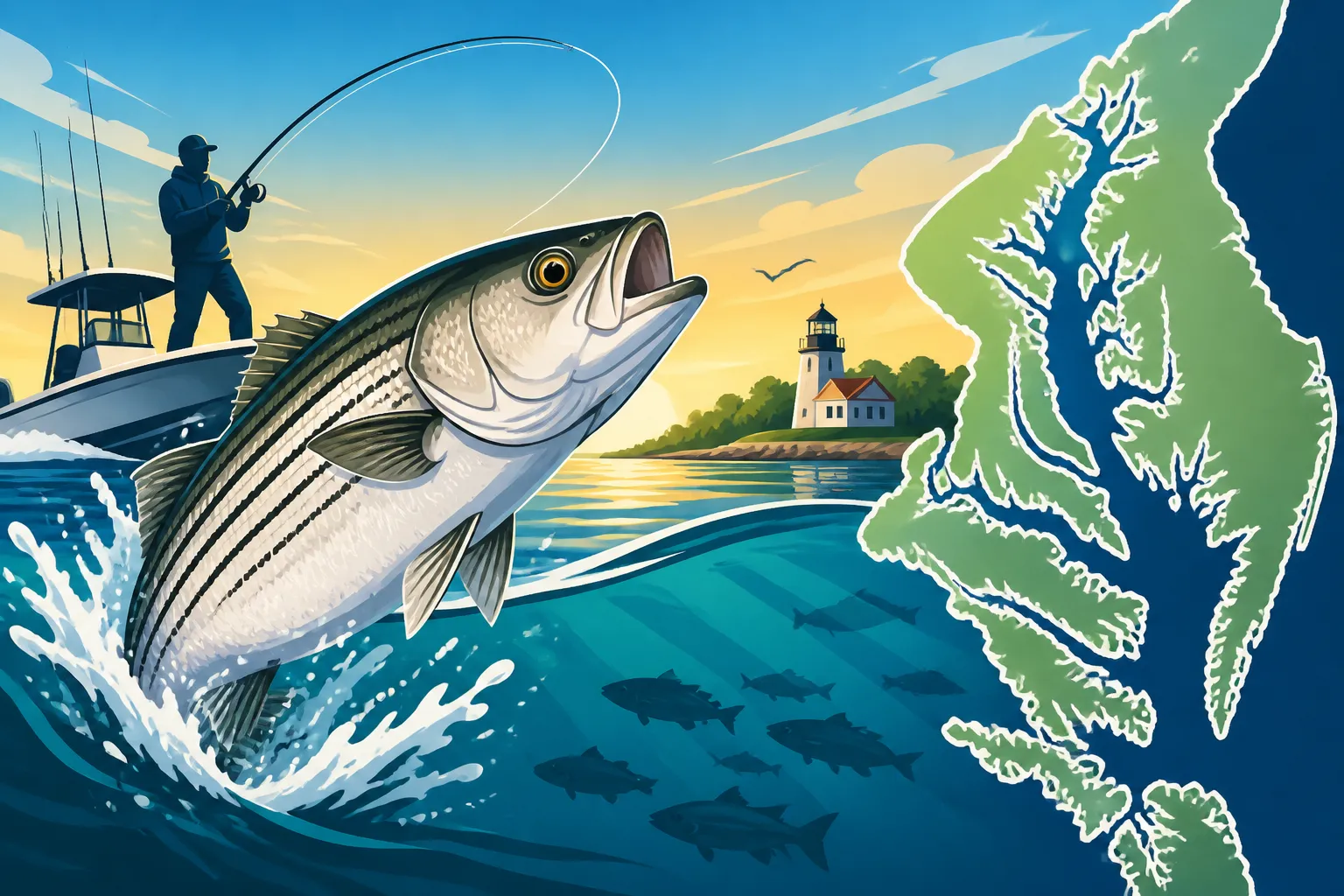
If you've spent any time talking to an angler in Virginia, or really anywhere along the East Coast, you've probably heard glowing tales of striped bass fishing in the Chesapeake Bay. It's not just local hype; this vast estuary truly stands out as one of the world's premier destinations for "stripers," or "rockfish" as they're affectionately known here. But what exactly makes the Chesapeake Bay such an exceptional fishery for these highly prized game fish? It's a combination of unique ecological factors, incredible migratory patterns, and dedicated conservation efforts that all converge to create a truly world-class experience.
A Nursery Like No Other: The Bay's Unique Ecosystem
The Chesapeake Bay isn't just a big body of water; it's a dynamic, intricate ecosystem perfectly designed to nurture striped bass from tiny eggs to massive, hard-fighting adults. Its extensive network of freshwater tributaries, shallow marshlands, and rich estuarine waters create an ideal environment that few other places can match. This isn't by accident; it's the result of millions of years of geological and biological processes.
Spawning Grounds and Larval Development
One of the most critical factors is the Chesapeake Bay's role as a primary spawning ground for striped bass along the Atlantic coast. Each spring, adult stripers migrate from the ocean into the Bay's freshwater rivers, such as the James, York, Rappahannock, and Potomac Rivers, to reproduce. These rivers offer the specific conditions—cool, flowing freshwater—that striped bass need to lay their eggs. The sheer scale of these spawning grounds is staggering, providing ample space for millions of eggs to hatch.
Once hatched, the larval and juvenile striped bass spend their crucial early months within the protective, nutrient-rich waters of the Bay's tributaries and shallow marsh areas. These nursery grounds are vital for their survival and rapid growth. The sheltered coves and extensive seagrass beds provide refuge from predators and a bounty of microscopic organisms and small invertebrates for the young fish to feed on. Without this expansive and healthy nursery habitat, the striped bass population simply wouldn't be able to thrive to the extent it does. It's truly the engine room of the East Coast's striper population.
Abundant Forage Base
Beyond providing a safe haven for youngsters, the Chesapeake Bay is brimming with an incredible diversity and abundance of forage fish, which are the primary food source for growing and adult striped bass. Imagine a never-ending buffet for these hungry predators! Menhaden, anchovies, silversides, and herring are just a few of the schooling baitfish that flourish in the Bay's brackish waters. These species form dense schools, making them easy targets for opportunistic stripers looking to pack on weight.
This rich forage base isn't just about quantity; it's also about timing. The life cycles of many of these baitfish coincide perfectly with the seasonal presence of striped bass, ensuring a steady food supply throughout their residency in the Bay. When anglers are out on the water, whether casting from shore or running a charter, they are often looking for signs of these baitfish schools, knowing that the stripers won't be far behind. Sometimes, a quick search on Amazon for "Chesapeake Bay fishing maps" can even help pinpoint areas known for baitfish concentrations.
Migration Patterns and Seasonal Opportunities
The Chesapeake Bay isn't just a home for resident stripers; it's a crucial stopover and feeding ground for migratory fish that travel up and down the Atlantic Coast. This constant influx and outflow of fish create distinct and often spectacular seasonal fishing opportunities that draw anglers from far and wide. Understanding these patterns is key to unlocking the Bay's full potential.
Spring Run and Post-Spawn Feast
The spring run is arguably the most famous period for striped bass fishing in the Chesapeake Bay. As water temperatures begin to rise, mature adult stripers make their way into the Bay from the ocean, heading towards those crucial freshwater spawning grounds. This is a time of immense excitement for anglers, as the chance to hook into truly massive "trophy" fish is at its peak. After they spawn, these fish are often ravenous, needing to replenish their energy stores before heading back out to the ocean.
This post-spawn feeding frenzy offers incredible action. Anglers can find stripers aggressively chasing baitfish in the Bay's main stem and major tributaries. It's a time for big baits, strong tackle, and often, incredible numbers of fish. You'll see boats trolling large swimbaits, casting big plugs, or even soaking live eels and spot. Knowing Virginia Striped Bass Season and Slot Limit Guide is crucial during this period, as specific regulations are in place to protect the spawning population.
Fall Run Spectacle
While the spring run is famous for big spawners, the fall run offers a different kind of thrill: an all-out, aggressive feeding migration as stripers prepare for winter. As water temperatures cool and days shorten, immense schools of striped bass, often joined by other migratory species, begin to move south out of the Bay and down the Atlantic coast. This outward migration is characterized by aggressive feeding behavior as the fish fatten up for their long journey.
During the fall run, you'll often see what anglers refer to as "blitzes," where schools of stripers violently churn the surface as they decimate baitfish schools. Birds dive, baitfish jump, and the water erupts with feeding activity – it's an incredible sight to behold. Anglers often employ casting spoons, poppers, and soft plastic jigs into these feeding frenzies for non-stop action. The sheer volume of fish and their willingness to strike make the fall run an unforgettable experience for anyone who witnesses it. For specific tactics, many anglers might consult online resources or even search for "best lures for fall striper fishing" on platforms like Amazon before their trip.
Conservation Efforts and Management Strategies
The fact that the Chesapeake Bay continues to be a world-class striped bass fishery isn't just good fortune; it's a testament to decades of hard work and collaboration in conservation and management. Striped bass populations have faced challenges over the years, and it's thanks to careful stewardship that they remain a robust, viable fishery for future generations.
Collaborative Management Across States
One of the biggest hurdles in managing a migratory species like striped bass is that they don't respect state lines. The fish that spawn in Virginia's rivers might spend their summers off the coast of New Jersey or Massachusetts. This necessitates a massive, coordinated effort between multiple states, and the Chesapeake Bay plays a central role. The Atlantic States Marine Fisheries Commission (ASMFC) provides the overarching framework for managing striped bass along the entire coast, but the individual states bordering the Bay, particularly Virginia and Maryland, are critical players in implementing and enforcing these regulations.
This collaborative approach involves scientific research, data sharing, and ongoing discussions to set appropriate harvest limits, season dates, and size restrictions. It's a complex dance of balancing conservation needs with recreational and commercial fishing interests. Without this multi-state commitment, localized efforts would be far less effective, and the health of the overall striper population would likely suffer. Knowing Virginia Fishing Regulations Explained is key to staying within the law, regardless of where the fish originated.
Slot Limits and Season Regulations
One of the most effective tools in the conservation toolbox for striped bass in the Chesapeake Bay has been the implementation of slot limits and strict seasonal regulations. A slot limit means anglers can only keep fish within a specific size range, for example, 28 to 31 inches. This strategy is designed to protect both the smaller, juvenile fish, allowing them to grow and mature, and the larger, reproductively valuable "trophy" fish, ensuring they continue to contribute to the spawning population.
Couple this with specific season dates—often split seasons to protect critical spawning and migratory periods—and you have a robust system aimed at sustaining the fishery. While these regulations can sometimes feel restrictive to anglers, they are absolutely essential for the long-term health of the striped bass population. These rules are constantly reviewed and adjusted based on scientific assessments of the stock, reflecting a dynamic approach to management. Anglers should always consult the latest regulations from the Virginia Department of Wildlife Resources before heading out, as these can change. You might even find updated regulation summaries when searching for new fishing gear on Amazon.
Here's a quick look at how the Bay's distinct seasons shape the fishing experience:
| Season | Primary Focus | Typical Location | Key Considerations |
|---|---|---|---|
| Spring | Spawning & Post-Spawn Recovery | Major Bay tributaries (James, York, Potomac) | Targeting large fish, strict spawning area regulations |
| Summer | Feeding & Resident Fish | Main Bay channel, cooler deeper waters | Fish may be scattered, targeting cooler waters |
| Fall | Southern Migration & Aggressive Feeding | Main Bay channel, Bay mouth | High action, targeting schools, preparing for winter |
| Winter | Deep Water & Offshore (limited Bay) | Offshore waters, deep Bay holes | Challenging, targeting holding patterns, specific gear |
The Angler's Perspective: Why Fishermen Love the Bay
Beyond the biology and the management, the true measure of a world-class fishery lies in the experience it offers to anglers. And by that metric, the Chesapeake Bay excels. It provides a thrilling, diverse, and often rewarding experience for everyone from seasoned pros to eager beginners.
Diverse Fishing Techniques
One of the reasons the Chesapeake Bay ranks so highly is the sheer variety of ways you can successfully target striped bass. This isn't a one-trick pony fishery. Whether you prefer the finesse of light tackle, the brute force of heavy gear, or the strategy of trolling, the Bay offers opportunities for all. For those who love casting, working soft plastics, bucktails, or topwater plugs around submerged structure, grass beds, or busting schools can be incredibly effective and visually exciting.
If you're a fan of trolling, the wide-open waters of the main Bay and its larger channels provide ample space to deploy umbrella rigs, large swimbaits, or tandem parachute rigs to cover ground and intercept schools of fish. Live bait enthusiasts can use popular baits like spot, eels, or menhaden, either fished on the bottom or under a bobber, to tempt larger, less active stripers. This versatility means anglers can adapt their techniques to the conditions, the season, and their personal preferences, always finding a way to engage with the fishery. Many experienced anglers share their favorite lures and setups in online forums, and these often point to popular brands available through retailers like Amazon.
Trophy Potential and Accessible Waters
Finally, what truly sets the Chesapeake Bay apart is its consistent potential for trophy-sized striped bass, coupled with remarkable accessibility. When we talk about trophy potential, we're not just talking about good-sized fish; we're talking about those truly memorable, arm-aching battles with stripers that push the upper limits of the slot, or even those legendary "over-slot" fish that must be released. The rich environment allows stripers to grow large and healthy, fueling dreams of that personal best catch.
Moreover, the vastness of the Bay, with its countless public boat ramps, fishing piers, and charter services, means that world-class striper fishing isn't just for those with private boats and extensive gear. Many sections of the Bay, especially around popular areas like Virginia Beach and Annapolis, offer fantastic Shore Fishing Access Points in Virginia. You can launch a kayak, hop on a guided charter, or simply fish from a pier and still have a legitimate shot at connecting with these magnificent fish. This blend of big fish potential and broad accessibility truly cements the Chesapeake Bay's status as one of the world's absolute best striped bass fisheries.
Disclaimer
This article is for general informational purposes only and does not constitute professional advice. Laws, prices and regulations vary by location and change over time. Consult a qualified professional for guidance on your specific situation.