Is the Chesapeake Bay Good for Beginner Saltwater Anglers?
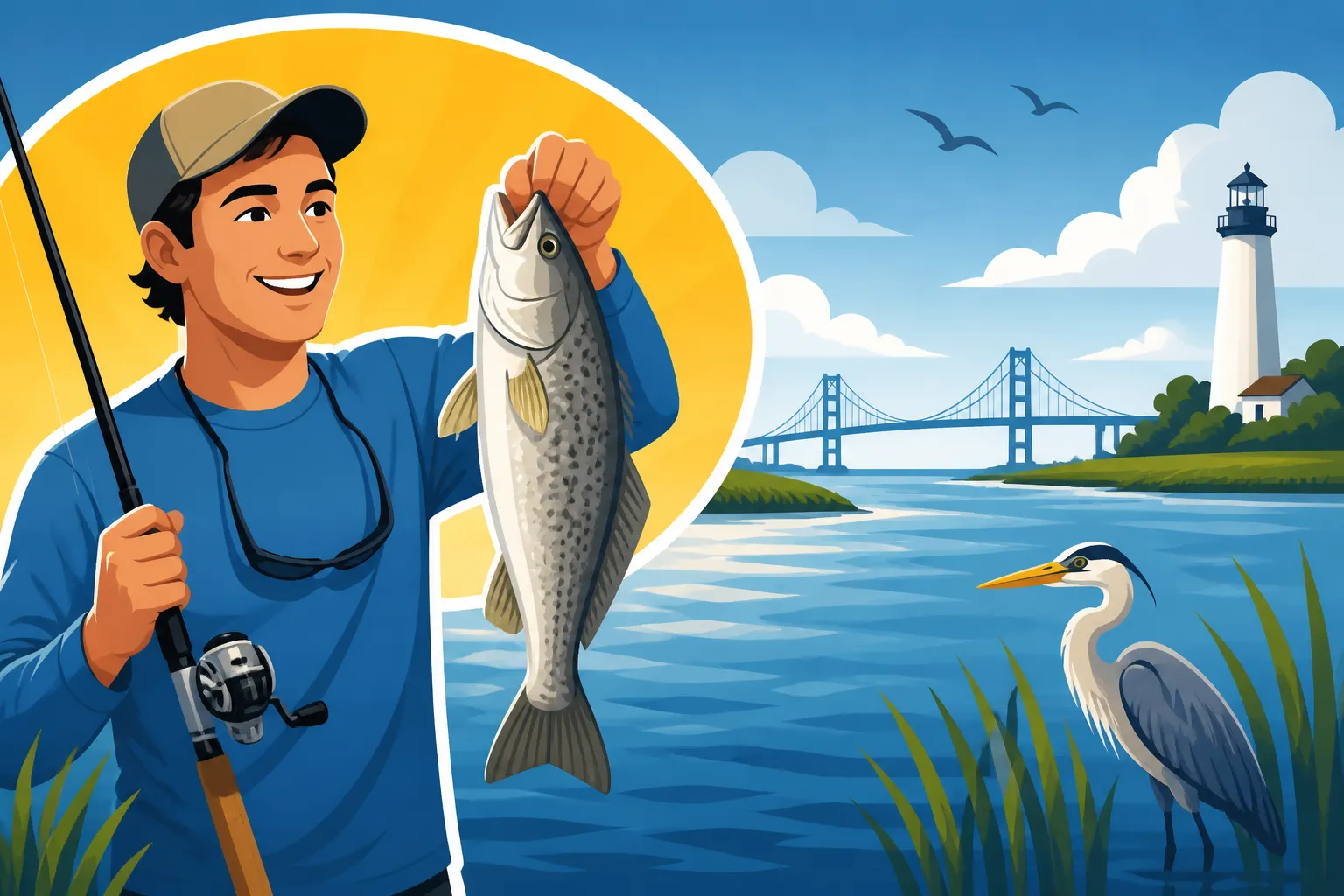
So, you're dreaming of dipping your toes into the exciting world of saltwater fishing, and the vast, beautiful Chesapeake Bay has caught your eye? That's a fantastic thought, but a common worry for many newcomers is whether such an iconic fishery is truly approachable for a beginner. It's easy to feel intimidated by stories of seasoned anglers chasing massive rockfish offshore. But let me tell you, the Chesapeake Bay is absolutely a phenomenal place for beginner saltwater anglers, offering diverse opportunities and a much more forgiving environment than the open ocean.
The Chesapeake Bay: A Beginner's Saltwater Haven
Many people imagine saltwater fishing as battling huge fish on choppy seas, far from shore. While that's certainly a part of it, the Chesapeake Bay offers a wonderfully varied experience, much of which is perfect for easing into the sport. It's a truly unique ecosystem, and its sprawling network of shallower waters, tidal creeks, and protected areas creates a haven for both fish and those of us learning to catch them.
Diverse Fish Species and Calmer Waters
One of the biggest advantages the Chesapeake Bay offers beginner anglers is its generally calmer waters compared to the Atlantic Ocean. Think about it: a vast, inland sea with countless coves, estuaries, and river mouths means you can often find sheltered spots even on a breezier day. This is a game-changer for folks who might be prone to seasickness or just prefer a more tranquil fishing experience. You're less likely to be tossed around, making it easier to focus on your line, feel those subtle bites, and simply enjoy being on the water.
But it's not just about the calm. The Bay is absolutely teeming with life, and a significant portion of its fish population is incredibly accessible to new anglers. You're not immediately thrown into the deep end trying to land a trophy tuna (though the Bay certainly has its own big game). Instead, you'll find an abundance of species that are willing to bite on simpler tackle and techniques. This diversity means you can start with easier targets, build confidence with frequent catches, and then gradually challenge yourself with more elusive fish as your skills grow. It’s like learning to ride a bike with training wheels before hitting the trails – perfectly normal and highly recommended!
Accessibility and Infrastructure
Another huge win for beginners in the Chesapeake Bay is the sheer accessibility. You don't necessarily need a fancy boat to get started, though having one certainly opens up more options. The Bay region is dotted with an incredible array of public piers, fishing bridges, and shoreline access points that are perfect for bank fishing. This means you can often drive right up to a spot, set up your gear, and start fishing without the hassle and expense of launching a boat or booking a full-fledged charter right off the bat.
Take, for example, the Grandview Nature Preserve Pier in Hampton or the Gloucester Point Beach Pier. These spots offer easy parking, often have restrooms nearby, and provide a safe, stable platform to cast your line. Many Virginia state parks also offer fantastic shoreline fishing opportunities, giving you access to productive waters without needing a vessel. This infrastructure is a huge relief for anyone new to fishing, removing many of the logistical hurdles that can otherwise seem daunting. Beyond that, the communities surrounding the Bay are well-equipped with bait and tackle shops, many of which are run by incredibly friendly and knowledgeable locals eager to share tips and tricks with a novice angler. These shops are not just places to buy worms; they're community hubs where you can get real-time advice on what's biting and where.
Top Beginner-Friendly Species to Target in the Bay
When you're just starting out, success is a fantastic motivator. The Chesapeake Bay shines here, offering several species that are relatively easy to catch, ensuring you get those rewarding tugs on your line and build your confidence. You won't be bored waiting for hours with nothing happening!
Croaker and Spot: The Perfect Entry Point
If you're looking to guarantee some action, the Atlantic Croaker and Spot are your absolute best friends in the Chesapeake Bay. These are truly the "gateway fish" for saltwater anglers. They are incredibly abundant, especially during the warmer months, and are known for being quite aggressive biters. You don't need any complex techniques; a simple bottom fishing rig with a small hook and a piece of natural bait is usually all it takes.
Picture this: you've cast out your line from a comfortable spot on a pier or sandy bank. Within minutes, you feel that tell-tale "thump-thump-thump" on your rod tip – that's a croaker! They get their name from the croaking sound they make, which you can sometimes even hear through the boat hull or when you've landed one. Spot are similar, often found in the same areas, and are recognized by the distinctive black spot near their gill plate. Both are relatively small, making them easy to handle, but they put up a fun fight for their size, and they are absolutely delicious on the dinner table. Using baits like small pieces of squid, bloodworms, or even strips of fish bite synthetic bait, you'll likely have a steady stream of bites, making for a truly enjoyable and productive outing. For more detailed information on regulations, check out the Virginia Fishing Regulations Explained.
White Perch and Flounder for a Stepping Stone
Once you've mastered croaker and spot, you might be ready for a slight step up, and the White Perch and Flounder are excellent next targets. White perch are another incredibly common and cooperative species in the Bay, often found in large schools. They are very similar to their freshwater panfish cousins, like bluegill or crappie, in terms of how they behave and how you catch them.
You can often find white perch congregating around structure like oyster beds, docks, and bridge pilings. They'll readily take small jigs, spinnerbaits, or bait like bloodworms and small minnows. Catching a stringer of these panfish can be incredibly rewarding, and they also make for excellent table fare.
Flounder, on the other hand, offer a different kind of challenge that introduces you to a bit more technique. These flatfish are masters of camouflage, lying on the bottom waiting to ambush prey. Catching them often involves a bit more finesse, like slowly dragging your bait or jig along the bottom. However, they are still very approachable for beginners. A simple Carolina rig with a live minnow, mud minnow, or a strip of squid can be incredibly effective. The thrill of feeling that distinct "thump" as a flounder grabs your bait, and then the surprise of seeing its unique flat body emerge from the water, is an unforgettable experience. These fish are also highly prized for their delicate, flaky white meat.
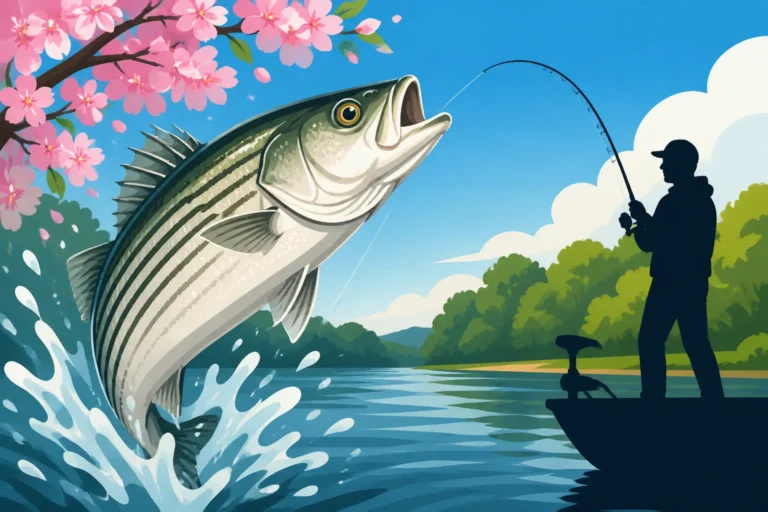
Striped Bass (Rockfish) – The Thrill of the Catch
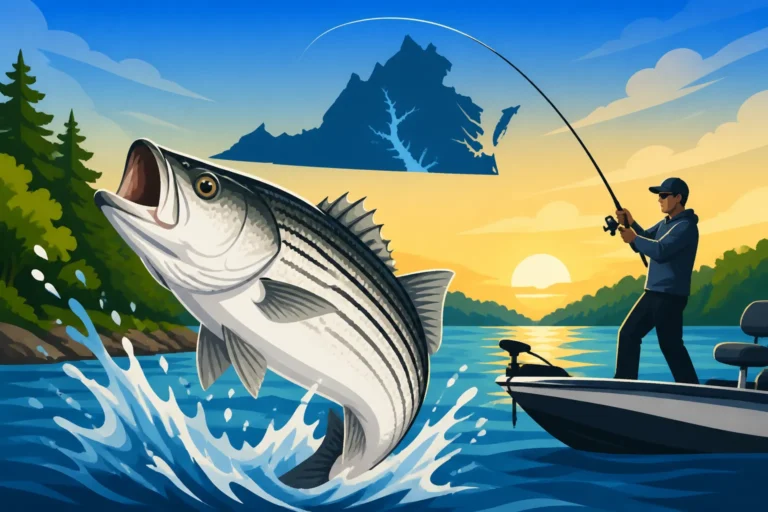
Now, let's talk about the Striped Bass, affectionately known as "rockfish" in Virginia. This is often the species that draws people to saltwater fishing in the Bay, and for good reason – they are powerful, exciting, and beautiful fish that can grow to impressive sizes. While they might not be the first fish a complete beginner should target without some guidance, they are definitely a species to aspire to, and the Chesapeake Bay offers some of the best striped bass fishing in the world.
For a beginner, the key to targeting striped bass responsibly and successfully often involves joining an experienced angler or booking a charter. Many guides in the Chesapeake Bay specialize in putting clients on rockfish, providing all the necessary gear and expertise. This is where options like FishingBooker can be incredibly useful, allowing you to browse and book charters that cater to various skill levels and target species. While regulations for striped bass, such as slot limits and season dates, can be more complex than for croaker, the experience of catching one is truly exhilarating. For example, Virginia's current Virginia Rockfish Slot Limit is 28 to 31 Inches. It's a fantastic goal to work towards as you gain confidence and understanding of saltwater fishing nuances.
Essential Gear and Simple Techniques for New Anglers
One of the great things about starting out in the Chesapeake Bay is that you don't need to break the bank on ultra-specialized gear. Simplicity is often key, and having reliable, easy-to-use equipment will make your learning curve much smoother and more enjoyable.
Basic Rod and Reel Setup
For a beginner, a good medium-action spinning combo is almost universally recommended. This means a rod that's flexible enough to cast lighter baits but has enough backbone to handle a decent-sized fish. Look for a rod in the 6-foot 6-inch to 7-foot range. Pair it with a spinning reel in the 3000 to 4000 size range, spooled with 8 to 15-pound test monofilament or braided line. Monofilament is more forgiving for beginners due to its stretch, while braid offers more sensitivity and strength in a thinner diameter. Don't stress too much over the specific brand; many reputable manufacturers like Penn, Shimano, and Daiwa offer excellent entry-level combos that will serve you well.
This type of setup is versatile enough to handle most of the beginner-friendly species we've discussed. It's easy to cast, relatively tangle-free (once you get the hang of it), and robust enough to withstand the rigors of saltwater. You don't need a heavy surf rod or a specialized baitcaster for your first few trips – keep it simple and focus on learning the basics of casting and retrieval.
Go-To Rigs and Baits
When it comes to rigs and baits, again, let's keep it super straightforward. The most effective rig for beginners targeting croaker, spot, and white perch is often a bottom fishing rig. This typically involves a sinker at the very bottom, with one or two snelled hooks (hooks tied to short leaders) attached above it. A simple top-and-bottom rig (sometimes called a "hi-lo rig") or a fish-finder rig are perfect choices. You can buy these pre-tied at any tackle shop, which saves you the headache of learning complex knots right away.
For bait, you can't go wrong with tried-and-true options:
- Bloodworms: These are universally loved by nearly all Bay species and are incredibly effective for croaker, spot, and white perch. Yes, they wiggle a lot, but fish can't resist them!
- Squid: Available at almost any bait shop, squid strips are hardy, stay on the hook well, and are attractive to a wide range of fish, including flounder, croaker, and even smaller striped bass.
- Fish Bites (synthetic bait): These scented, brightly colored strips are a fantastic alternative, especially if you're not keen on handling live bait. They work surprisingly well and are very convenient.
Remember, presentation is often more important than the most expensive gear. Make sure your hook is sharp, your bait is fresh, and you're casting to productive areas.
Understanding Tides and Weather
Saltwater fishing, especially in a tidal estuary like the Chesapeake Bay, introduces an element that freshwater anglers might not be as familiar with: tides. Tides are the rise and fall of water levels, and they significantly influence fish behavior and where you'll find them. Generally, the moving water of incoming or outgoing tides is when fish are most active, as currents bring food sources past them. Slack tide (when the water is not moving) can often be slower, but not always.
Paying attention to a local tide chart for your specific fishing location will greatly increase your chances of success. You can find these online, in local newspapers, or often posted at bait shops and marinas. Aim to fish around the peak of incoming or outgoing tides.
Beyond tides, always keep an eye on the weather. The Bay, while generally calmer, can still get rough, especially during strong winds or thunderstorms. Safety first! Check the marine forecast before you head out. Sunscreen, a hat, sunglasses, and plenty of water are also essential for comfort and safety on the water, regardless of the forecast.
Where to Start Your Chesapeake Bay Adventure (Specific Locations)
Now that you're armed with some basic knowledge, let's talk about where to actually go. The Chesapeake Bay is massive, stretching from Havre de Grace, Maryland, all the way down to Virginia Beach. We'll focus on some accessible spots in Virginia that are particularly welcoming for beginners.
Public Piers and Shoreline Access
As mentioned earlier, public piers and shoreline access points are goldmines for beginner anglers. They provide a safe, convenient, and often inexpensive way to experience saltwater fishing without the need for a boat. Many of these locations offer parking, restrooms, and even tackle shops nearby, making it easy to just show up and start fishing.
Some excellent options in Virginia include:
- Grandview Nature Preserve Pier (Hampton): This pier extends into the calmer waters near the mouth of the Bay, offering great opportunities for croaker, spot, and white perch. The surrounding preserve is also beautiful, making it a pleasant outing even if the fish aren't biting constantly.
- Gloucester Point Beach Pier (Gloucester Point): Located where the York River meets the Bay, this pier is known for productive fishing for a variety of species. It's well-maintained and provides ample space.
- Buckroe Beach Fishing Pier (Hampton): A long, privately owned pier that offers bait and tackle, snack bars, and generally good fishing for spot, croaker, flounder, and even some smaller striped bass depending on the season.
- Ocean View Fishing Pier (Norfolk): Another popular private pier that offers good access to the mouth of the Bay, known for its diverse catches and amenities.
- Small Boat Harbor at First Landing State Park (Virginia Beach): While not a pier, this offers easy shoreline access in a protected area, perfect for a casual day of fishing. Virginia's State Park Fishing Spots in Virginia are generally excellent choices for family-friendly, accessible fishing.
These spots allow you to get a feel for saltwater fishing, practice your casting, and experience the thrill of a tug on the line in a comfortable, low-pressure environment. Plus, some piers don't even require you to have your own Virginia Fishing License Guide if you pay the pier's fishing fee, as the pier often holds a blanket license. However, always confirm with the pier staff.
Beginner-Friendly Charter Options
While starting from a pier is fantastic, there comes a time when you might want to explore further, learn more advanced techniques, or simply increase your chances of hooking into a bigger fish. This is where booking a fishing charter becomes an invaluable resource for beginner anglers. Charters provide everything you need: the boat, the captain's expertise, all the necessary gear, and often even bait. It's an all-inclusive experience that removes virtually all the guesswork and hassle.
A good charter captain knows the local waters inside and out – where the fish are hiding, what they're biting on, and the best techniques for catching them. They can teach you how to properly bait a hook, set the drag, fight a fish, and even clean your catch. For a beginner, this hands-on guidance from a pro is worth its weight in gold. It's an accelerated learning experience that can fast-track your skills and boost your confidence immensely. Plus, charters often have a higher success rate, meaning you're more likely to catch fish, which is incredibly encouraging for someone just starting out.
When looking for a charter, consider platforms like FishingBooker. You can search for captains who specifically cater to beginners or families, ensuring a patient and educational experience. Don't be afraid to ask questions beforehand: "Do you welcome novice anglers?" "What species will we target?" "What's included in the trip?" A half-day trip is often perfect for beginners, giving you plenty of time to fish without getting too tired or overwhelmed. Many captains are passionate about sharing their love for fishing and are genuinely thrilled to introduce new people to the sport. For more insights, consider What to Look for When Booking a Virginia Fishing Charter.
Here's a quick comparison of some popular beginner-friendly species in the Chesapeake Bay:
| Species | Typical Size (Virginia) | Common Bait | Best Technique | Why It's Beginner-Friendly |
|---|---|---|---|---|
| Atlantic Croaker | 8-15 inches | Bloodworms, squid, fish bites | Bottom fishing | Abundant, aggressive bites, simple tackle. |
| Spot | 6-10 inches | Bloodworms, small pieces of squid | Bottom fishing | Abundant, readily takes bait, often found with croaker. |
| White Perch | 7-12 inches | Bloodworms, grass shrimp, small jigs | Bottom fishing, jigging | Active biters, often in schools, similar to freshwater panfish. |
| Flounder | 14-20 inches (keeper) | Live minnows, squid strips, Gulp! artificials | Bottom drifting/jigging | Requires some finesse, but simple rigs are effective. |
| Striped Bass | 28-31 inches (slot limit) | Live bait (e.g., eels), lures, bucktails | Trolling, casting, live-lining | More challenging, but a charter greatly increases success. |
So, is the Chesapeake Bay good for beginner saltwater anglers? An enthusiastic "YES!" The combination of calmer waters, accessible fishing spots, a wide variety of easy-to-catch fish, and readily available resources like bait shops and charter captains make it an ideal classroom for anyone looking to get started in saltwater fishing. You'll not only learn the ropes but also fall in love with the sport against the backdrop of one of the East Coast's most beautiful and productive estuaries. Good luck, and tight lines!
Disclaimer
Please remember that fishing regulations, including license requirements, seasons, and catch limits, can change. Always check the latest guidelines from the Virginia Department of Wildlife Resources (DWR) before heading out on the water to ensure you are fishing legally and responsibly.