Best Night Fishing Spots on the Chesapeake Bay, Virginia
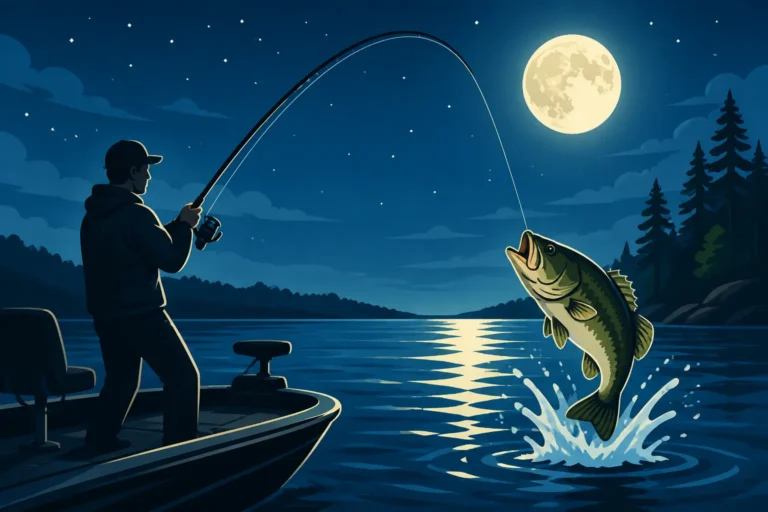
Ever found yourself gazing at the moonlit waters of the Chesapeake Bay, wishing you could cast a line without the daytime crowds and oppressive summer heat? Day fishing can be a beautiful experience, but let's be honest, it often comes with its own set of frustrations: blistering sun, crowded piers, and sometimes, fish that just aren't biting in the glare. But when the sun dips below the horizon, a whole new world of angling opportunities opens up, offering cooler temperatures, calmer waters, and often, more active fish. This guide is your key to unlocking the magic of night fishing on the Chesapeake Bay, revealing the best spots and the secrets to success under the stars.
Why Night Fishing on the Chesapeake Bay is a Game Changer
There’s something undeniably magical about being on the water after dark. The world feels quieter, the air is crisp, and the regular hustle and bustle of daytime anglers, pleasure boats, and jet skis simply vanishes. For many seasoned anglers, this tranquility is reason enough to embrace night fishing. But beyond the peaceful atmosphere, there are very practical, fish-catching reasons why the hours between dusk and dawn can be incredibly productive, especially in a vibrant ecosystem like the Chesapeake Bay.
Escaping the Daytime Rush and Heat
One of the most immediate benefits of night fishing, particularly during the sweltering Virginia summers, is the welcome relief from the heat. Trying to concentrate on your line when the sun is beating down relentlessly, sweat is dripping into your eyes, and the air is thick with humidity can be genuinely miserable. Night fishing offers a dramatically cooler environment, making the experience far more comfortable and enjoyable. This comfort allows you to stay out longer, focus better, and simply have a more pleasant time on the water.
Beyond the temperature, the reduction in boat traffic and human activity is a huge draw. The Chesapeake Bay is a bustling waterway during the day, with recreational boats, commercial vessels, and countless anglers vying for space. All this activity can spook fish, making them harder to locate and entice. At night, the Bay becomes a different place entirely. The calm often settles over the water, and with fewer disturbances, fish tend to be less wary, more willing to move into shallower areas, and generally more aggressive in their feeding patterns. This reduction in pressure can lead to some truly spectacular catches that might elude you during daylight hours.
The Nocturnal Feeding Frenzy
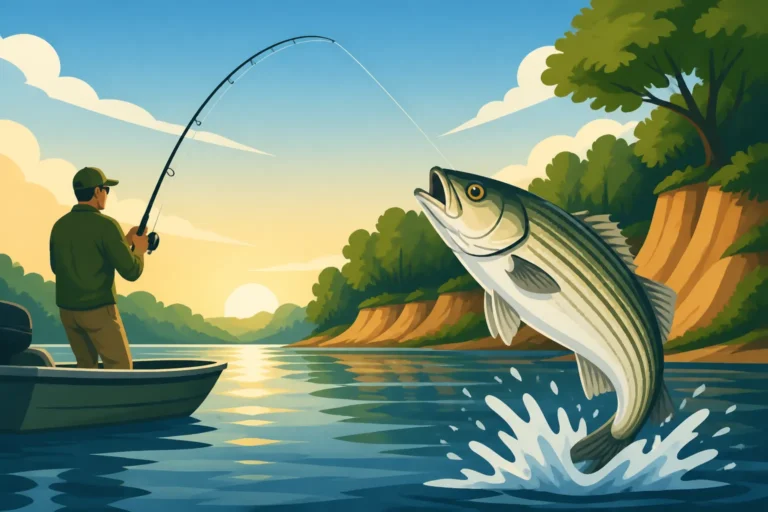
Many popular Chesapeake Bay species are far more active under the cover of darkness. Think about it: the low light conditions provide an advantage for nocturnal predators, allowing them to ambush prey that might be more exposed or less vigilant than during the day. This shift in predator-prey dynamics means that species like striped bass (often called "rockfish" in Virginia), speckled trout, croaker, and various catfish species often go on a serious feeding spree once the sun sets.
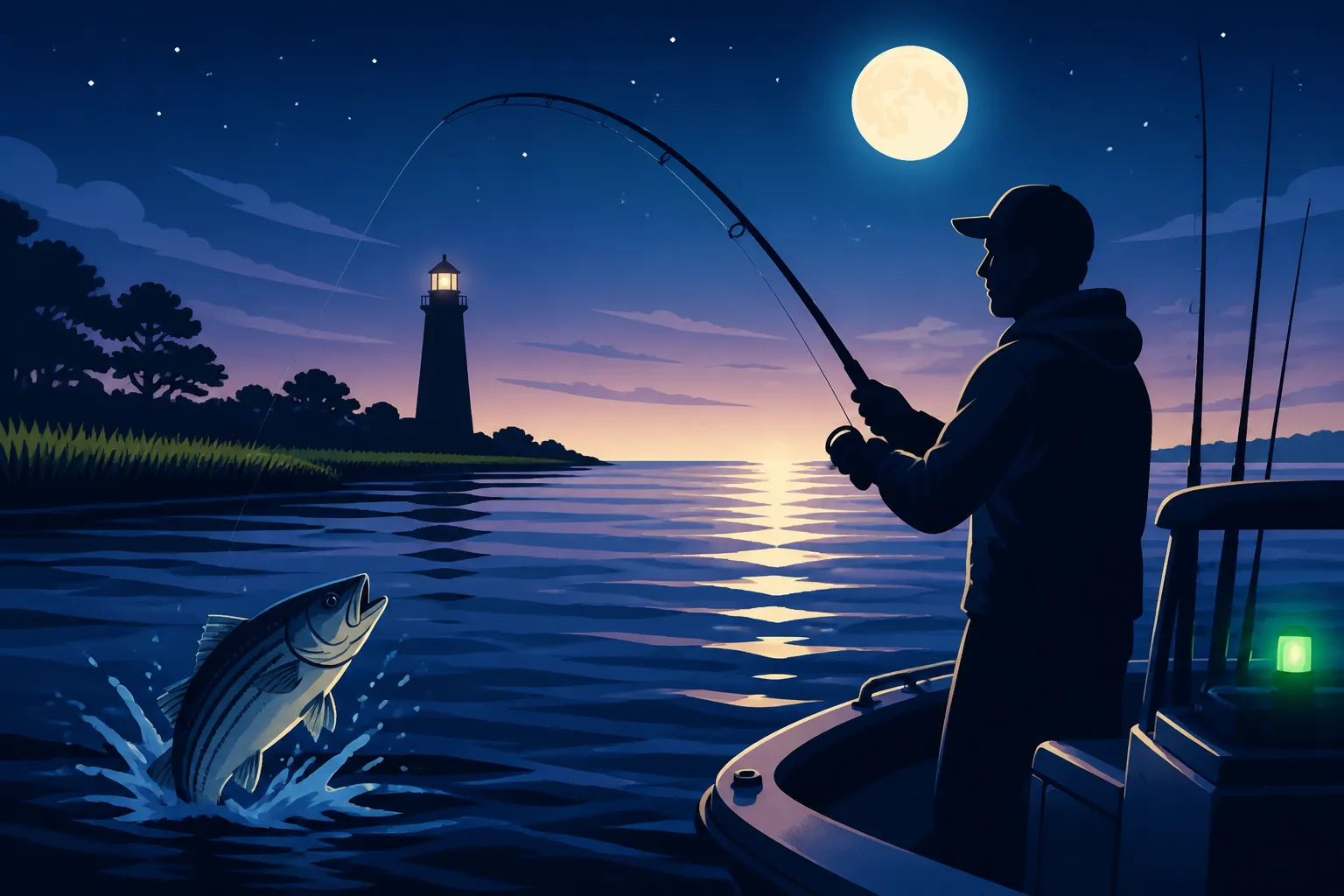
Striped bass, in particular, are notorious for their nocturnal habits. They move into shallower waters, around structure, and into light lines to chase baitfish like silversides, menhaden, and eels. Similarly, speckled trout, with their keen eyesight, hunt effectively in low light, often targeting shrimp and small baitfish near grass beds or oyster reefs. Bottom dwellers like croaker and various catfish species also become more emboldened at night, scavenging and hunting for crustaceans, worms, and baitfish. If you're looking to target these species, learning some effective Night Fishing Techniques can make a world of difference in your catch rates.
Prime Locations for Chesapeake Bay Night Fishing
The Chesapeake Bay is vast and diverse, offering a multitude of environments for night fishing. Knowing where to focus your efforts is key to success. From brightly lit piers to the dark shadows of bridge-tunnels and the quiet stretches of tidal rivers, each location offers unique opportunities for specific species.
Illuminated Piers and Their Allure
Public fishing piers across the Chesapeake Bay are fantastic places to start your night fishing adventure, especially if you don't have a boat. The reason is simple: lights. Pier lights attract plankton, which in turn attracts baitfish, and where there's bait, predatory fish won't be far behind. These piers act as giant fish attractors, creating vibrant ecosystems under the cover of darkness. Popular options include the Grandview Nature Preserve Pier in Hampton, the James River Pier near Newport News, and the Buckroe Fishing Pier. Each offers different depths and access points, but the principle remains the same.
When fishing these illuminated structures, focus your efforts right around the edges of the light. This is where fish often lurk, waiting to dart out and grab unsuspecting baitfish swimming in or out of the light cone. Dropping a live spot or croaker, or even a soft plastic lure that glows in the dark, can be incredibly effective here. You'll often find a mix of species, including striped bass, speckled trout, croaker, and even the occasional flounder. Remember to check local regulations for each pier, and clarify if you need a specific license for pier fishing; often, the pier fee covers a blanket fishing license, but it's always wise to confirm if Do You Need a License to Fish From a Pier in Virginia? applies to your situation.
Bridge-Tunnel Structures and Their Shadows
The various bridge-tunnels and major bridge crossings within the Chesapeake Bay, most notably the Chesapeake Bay Bridge-Tunnel (CBBT), are legendary fishing grounds, and their allure only intensifies at night. The pilings, rock islands, and debris fields associated with these structures provide complex habitat and strong current breaks that attract bait and predatory fish alike. While directly fishing the CBBT from a small boat at night requires significant experience and extreme caution due to shipping traffic and currents, there are often accessible areas nearby or other bridges that offer safer, equally productive opportunities.
For boat anglers who are experienced in navigating strong currents and low-light conditions, targeting the shadows and eddies around bridge pilings can yield massive striped bass and tautog. The deep water and abundant structure create perfect ambush points. Live eels are a top choice for these areas, drifted naturally with the current. If you're considering a guided trip to these more challenging spots, especially at night, using a service like FishingBooker can help you find experienced captains who specialize in these waters and can ensure a safe and productive outing, especially for targeting trophy fish. For an in-depth understanding of the premier fishery in these waters, consult a Chesapeake Bay Striped Bass Fishing Guide.
Tidal Rivers and Shallow Flats Under Moonlight
The extensive network of tidal rivers feeding into the Chesapeake Bay – like the James, York, Rappahannock, and Potomac – become prime night fishing territories. The lower reaches of these rivers, especially where they widen and feature expansive shallow flats, grass beds, and oyster reefs, are incredibly productive after dark. Fish often move out of deeper channels and onto these flats to feed when boat traffic subsides and the light is low.
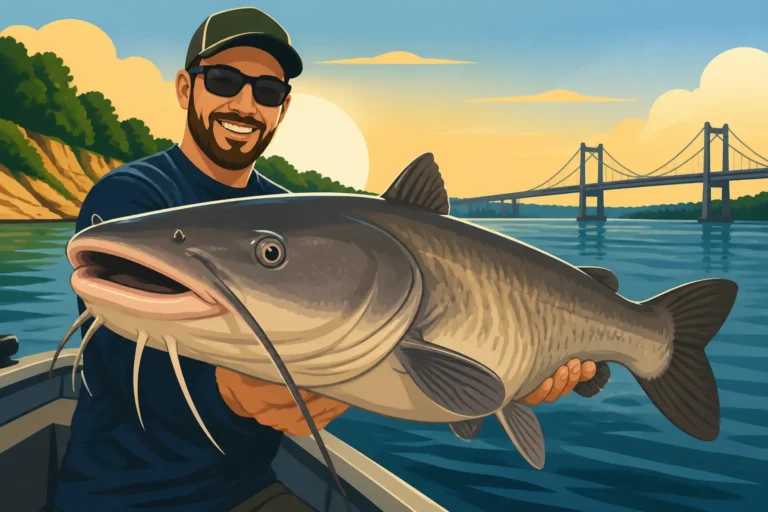
Focus on areas where there's good current flow, structure like old docks or fallen trees, or visible oyster beds. Speckled trout love to cruise these flats, especially near areas with submerged vegetation. Striped bass will also patrol the edges of deeper channels and move onto the flats. For those targeting catfish, the Best Catfish Fishing Spots in Virginia are often found in the deeper holes and bends of these tidal rivers, where they actively feed throughout the night. Drifting with cut bait, slow-trolling deep-diving lures, or casting soft plastics near structure are all effective strategies here.
Essential Gear and Techniques for Successful Night Angling
Night fishing requires a bit more preparation and specialized gear than its daytime counterpart. You’re not just battling the fish; you’re also navigating limited visibility and potentially cooler conditions. Having the right tools and knowing the best techniques will significantly increase your comfort, safety, and success.
Lighting the Way and Navigational Essentials
When you’re fishing in the dark, reliable lighting is paramount for safety and efficiency. A good headlamp with both a white and a red light option is indispensable. The white light is for rigging, baiting, and safely moving around, while the red light preserves your night vision and is less likely to spook fish. For boaters, proper navigation lights are not just recommended, they are legally required for obvious safety reasons. Furthermore, carrying extra lanterns or glow sticks for your boat or pier setup can provide ambient light for your workspace and make it easier to see your rod tips.
Beyond personal lighting, understanding navigation without visual cues is vital for boat anglers. Having a GPS with up-to-date charts and knowing how to use it is non-negotiable. Many anglers also mark productive spots with physical markers or GPS waypoints during the day so they can return to them confidently at night. If you’re not familiar with navigating the Chesapeake Bay in the dark, consider booking a night charter through a platform like FishingBooker to learn from experienced captains who know the channels and hazards like the back of their hand.
Baits, Lures, and Tactics That Shine in the Dark
The baits and lures you use at night often differ from daytime favorites, though some classics always work. For striped bass, live eels are a legendary night bait, especially around bridge pilings and deep structure. They’re oily, wiggly, and irresistible to big rockfish. Live spot or croaker are also excellent options. For artificials, dark-colored swimbaits, soft plastic jerkbaits, or topwater plugs can be deadly, as their silhouette is more visible against the moonlight or sky. Lures with rattles or strong vibrations can also help fish locate them in low visibility.
For bottom feeders like croaker and catfish, cut bait (like pieces of fresh menhaden, spot, or shrimp) rigged on a fish-finder rig is hard to beat. Glow-in-the-dark beads or jig heads can add an extra attractant for these species. Speckled trout often respond well to slow-moving soft plastics, particularly those with a paddle tail, or suspending twitchbaits fished around lighted areas or shallow grass beds. Understanding the feeding patterns and preferred forage of different species is crucial for selecting the right presentation.
| Species Targeted | Prime Night Spot | Recommended Night Bait/Lure |
|---|---|---|
| Striped Bass | Bridge Pilings, Lighted Piers | Live Eels, Large Dark Swimbaits |
| Speckled Trout | Shallow Flats, Pier Lights | Soft Plastic Paddle Tails, Suspending Twitchbaits |
| Croaker | Bottom near Piers, Tidal Rivers | Cut Spot, Shrimp |
| Channel Catfish | Deep River Bends, Tidal Creeks | Cut Menhaden, Chicken Livers |
| Flounder | Pier Bottom, Near Structure | Squid Strips, Gulp! Shrimp |
Tackle Considerations for Nighttime Catches
Your tackle setup for night fishing doesn't necessarily need to be wildly different, but there are some considerations. Heavier line than you might use during the day can be a good idea, as you’ll be fishing in low visibility and might not see snags as easily. A medium-heavy to heavy action rod with a sensitive tip is crucial for feeling subtle bites in the dark, especially when bottom fishing for croaker or catfish. Spinning reels are often preferred for ease of casting in the dark, but baitcasters work well for heavier applications like throwing large lures or live eels.
Ensure all your knots are tied correctly and securely, as retying in the dark can be a real headache. Pre-rigging some leader material with hooks or lures beforehand can save you valuable fishing time. Additionally, consider using a fishing line that has some visibility under a UV light if you use one, or a high-visibility monofilament for easier tracking, especially when you're fighting a fish.
Staying Safe and Legal While Fishing After Dark
Night fishing offers incredible rewards, but it also comes with increased risks. Safety should always be your number one priority, especially on large, active waterways like the Chesapeake Bay. Beyond safety, understanding and adhering to Virginia’s fishing regulations is non-negotiable to ensure you’re fishing legally and responsibly.
Prioritizing Personal and Boat Safety
The reduced visibility at night means you need to be hyper-aware of your surroundings. For boaters, this means ensuring all navigation lights are functional and correctly displayed, having a powerful spotlight to scan for markers, debris, and other vessels, and wearing your personal flotation device (PFD) at all times. It's always best to fish with a buddy, or at least let someone know where you're going and when you expect to return. Always carry a fully charged cell phone, a VHF radio, and emergency signaling devices like flares. Knowing the area you're fishing during the day can help immensely in navigating it safely at night.
For pier or bank anglers, sturdy footing, clear pathways, and good personal lighting are essential. Avoid venturing into unfamiliar or treacherous terrain. Be mindful of your casting space and others around you. Cooler night temperatures can also lead to hypothermia if you’re not dressed appropriately, so layered clothing is always a good idea, even on warmer nights. A simple slip or fall can become much more serious when you're alone in the dark.
Understanding Virginia's Night Fishing Regulations
Before you even think about casting a line, you need to make sure you have the proper Virginia Fishing License Guide for the waters you'll be fishing, whether it's freshwater or saltwater, or a combination. The Chesapeake Bay is primarily saltwater, but its tidal rivers often blend freshwater and saltwater zones, so it’s crucial to know which license you need. You can typically purchase these online through the Virginia Department of Wildlife Resources (DWR) website or at various bait and tackle shops.
Beyond the license, it’s absolutely critical to be familiar with the specific regulations for the species you’re targeting. This includes minimum size limits, daily creel limits (how many fish you can keep), and specific seasons. Striped bass, or rockfish, are a prime example: they have very specific seasons and a strict Striped Bass Season and Slot Limit in Virginia (currently 28 to 31 inches in the Bay). These regulations are in place to protect fish populations and ensure sustainable fishing for future generations. Game wardens are active day and night, and fishing without the correct license or violating catch limits can result in significant fines. Always check the latest Virginia Fishing Regulations Explained from the DWR before each trip. For charter trips booked via platforms like FishingBooker, the captain usually handles the boat’s license, but individual anglers are still responsible for understanding and adhering to bag and size limits, such as Virginia's One-Fish Striped Bass Limit on Charter Trips.
Disclaimer
Fishing involves inherent risks, including but not limited to adverse weather conditions, equipment malfunction, and interactions with wildlife. Always prioritize your safety, understand local regulations, and exercise caution. The information provided in this guide is for informational purposes only and should not replace professional advice or official regulations from the Virginia Department of Wildlife Resources (DWR).