Is the Rappahannock River Good for Striped Bass in Spring?
Oh, the spring run for striped bass on the Rappahannock River! It’s a time of year that gets so many anglers buzzing with excitement, but it also brings a fair bit of confusion about when and where you can actually target these amazing fish. Many folks wonder if the Rappahannock is truly a good destination for stripers in the spring, especially with all the evolving regulations. Well, you're in the right place, because this guide is going to clear up all those questions and help you plan a successful spring striped bass adventure on this magnificent Virginia river.
Understanding the Spring Striped Bass Run on the Rappahannock
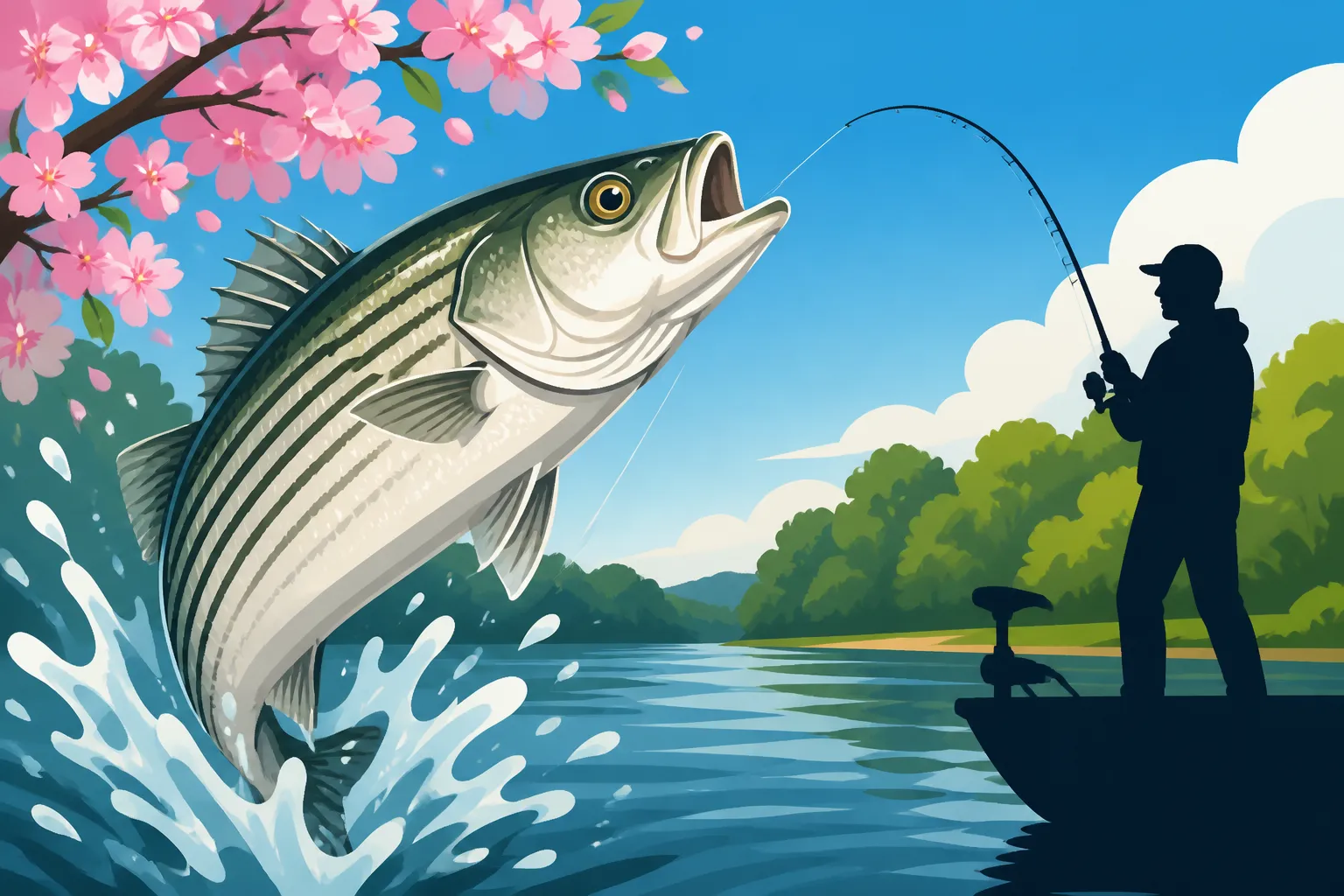
The Rappahannock River, like many of Virginia's tidal rivers, plays a critical role in the life cycle of striped bass, often affectionately called "rockfish" by local anglers. Spring is a particularly dynamic time, as these powerful fish migrate upriver from the Chesapeake Bay to spawn, making certain stretches absolute hotspots.
Why Spring is Prime Time for Stripers
Spring’s arrival signals a massive biological shift in the ecosystem, and striped bass are right at the heart of it. As water temperatures begin to climb after the winter chill, typically reaching the mid-50s to low-60s Fahrenheit, it triggers their ancient migratory instincts. The stripers move en masse from the deeper, saltier waters of the Chesapeake Bay and even the Atlantic Ocean, pushing upstream into the fresher, but still tidal, sections of the Rappahannock.
This migration isn't just about spawning; it's also about feasting. The warming waters also awaken baitfish populations, like river herring and shad, which are also making their own spring runs up the rivers. This creates a perfect storm of opportunity for hungry stripers. They're focused, they're active, and they're often concentrated in specific areas, making them more accessible to anglers than at other times of the year. The sheer volume of fish moving through can be incredible, offering some truly memorable fishing experiences for those who know where and when to look.
Key Sections of the Rappahannock for Spring Stripers
The Rappahannock River stretches a good distance, and its character changes dramatically from its mouth at the Chesapeake Bay to its upper tidal reaches near Fredericksburg. Understanding these zones is crucial for locating spring stripers.
- Lower to Mid-River (Tappahannock to Port Royal): As the stripers first enter the river from the Bay, the lower sections around Tappahannock and Port Royal become initial staging areas. Here, the river is wider, deeper, and still has a significant saltwater influence. Fish might be moving quickly through these areas, but they’ll often pause around significant structure like channel edges, deep holes, and prominent points. This is where you might encounter the larger, pre-spawn females.
- Upper Tidal River (Port Royal to Fredericksburg): This is often considered the heart of the spring spawning grounds. As the river narrows and transitions to predominantly freshwater tidal zones, the stripers become more concentrated. Areas just below the fall line, such as near Fredericksburg, are particularly important. The mixing of fresh and tidal waters, combined with abundant structure like bridge pilings (especially the Rt. 1 and I-95 bridges), rock ledges, and deep bends, creates ideal holding and spawning habitats. The currents here are stronger, which means stripers will position themselves to ambush bait being washed downstream.
- Targeting Upstream vs. Downstream: Early in the spring, as fish are just entering, the lower river will be more active. As the season progresses and water temperatures rise, the bulk of the spawning activity shifts further upstream. Always pay attention to water temperatures; once they consistently hit that ideal spawning range, the fish will be in those upper tidal reaches. Understanding the Fishing the Rappahannock River in Virginia offers a deeper dive into these different sections throughout the year.
Essential Techniques and Baits for Rappahannock Spring Stripers
Catching spring striped bass on the Rappahannock requires a blend of local knowledge, the right gear, and an understanding of their behavior. These fish can be finicky one day and ravenous the next, so being prepared with a variety of techniques is key.
Lure and Live Bait Strategies
When it comes to tempting a spring striper, you have a few excellent options, depending on the conditions and your preference.
- Soft Plastics and Jigs: These are absolute workhorses on the Rappahannock, especially in the colder early spring waters and around structure.
- Bucktail Jigs: A classic for a reason. Bucktails in white, chartreuse, or natural baitfish colors (½ oz to 2 oz, depending on current and depth) can be incredibly effective when bounced along the bottom or jigged vertically near drops and structure. Tipping them with a soft plastic trailer, like a 4-6 inch swimbait, adds extra appeal.
- Paddle-tail Swimbaits: Brands like Z-Man or Bass Kandy Delight (BKD) are popular choices. Rigged on a jig head (from 3/8 oz to 1.5 oz), these can be cast and retrieved with a steady swim, or jigged with a lift-fall motion. Their lifelike action mimics the baitfish stripers are chasing. Look for colors like white, chartreuse, or pearl.
- Trolling: This technique is often highly effective, particularly in the wider, deeper sections of the lower river or when fish are dispersed.
- Umbrella Rigs: These mimic a school of baitfish and can be deadly. They're typically trolled at slow speeds (2-3 mph) with heavy tackle.
- Spoon Trolling: Large trolling spoons, like Tony Acetta or Mann's, in silver, gold, or copper, can be trolled behind planers or downriggers to reach deeper fish.
- Live Bait: If legal and available, live bait can be a game-changer, especially for larger, more sluggish fish.
- Herring and Shad: These are natural forage for stripers during their spring migration. Check current regulations carefully regarding the use of these specific baitfish, as rules can change annually due to conservation efforts. If allowed, live-lining or chunking these baits can be irresistible to big stripers.
- Eels: While often more associated with fall fishing, eels can also entice big stripers in the spring, fished near structure or deep channels.
Reading the Water and Targeting Structure
Striped bass are ambush predators, and during their spring migration, they rely heavily on current and structure to conserve energy and position themselves for an easy meal. Your ability to "read the water" will significantly impact your success.
- Current Seams and Eddies: These are prime holding spots. Stripers will sit just out of the main current flow, in an eddy or behind a piece of structure, waiting for baitfish to be swept past. Look for distinct lines where fast-moving water meets slower water. Cast your lures or present your bait directly into the current seam.
- Drop-offs and Channel Edges: The Rappahannock has numerous deep channels and sudden drop-offs. Stripers will often patrol these depth changes, moving up and down the water column. Use your fish finder to locate these features and target the edges, especially where current is present.
- Bridge Pilings and Riprap: Man-made structures like bridge pilings, especially those in the Fredericksburg area, create current breaks and attract baitfish, making them magnets for stripers. Fish these areas thoroughly, casting tight to the structure. Riprap banks also offer excellent habitat.
- Oyster Reefs and Shell Bottoms: These natural structures provide excellent habitat for bait and attract crustaceans, drawing in stripers. While they might not be as visually obvious, a good fish finder can help you locate these subtle changes on the riverbed.
- Tide Cycles: The Rappahannock is a tidal river, and understanding the tide is paramount. The incoming and outgoing tides create current that moves bait and positions fish. Often, the hour before and after a tide change can be particularly productive, as the changing currents stir up the water and disorient baitfish.
Navigating Regulations and Seasons for a Successful Trip
Fishing for striped bass in Virginia, especially during the spring, comes with specific rules and regulations designed to protect this important migratory species. Getting caught without the right knowledge or license can quickly turn a fun day into a frustrating one, so it's critical to be informed.
Virginia's Striped Bass Season in Spring
This is arguably the most crucial piece of information for spring striper fishing on the Rappahannock. Virginia implements a split season for striped bass, and the spring portion is usually very short and specific to certain areas, primarily the tidal rivers for spawning. The exact dates and slot limits can change year to year, so always check the latest Virginia Department of Wildlife Resources (DWR) regulations before you head out.
Typically, the spring season aims to allow limited harvest during the pre-spawn or post-spawn periods, carefully avoiding the peak spawning activity. For example, in recent years, the spring season in the Chesapeake Bay and its tributaries (which includes the Rappahannock) might run for a few weeks in May and/or June, with a very tight slot limit.
Example Spring Striped Bass Regulations (Always Verify Current Year's Rules!):
| Season Period | Location | Slot Limit | Bag Limit |
|---|---|---|---|
| Spring | Chesapeake Bay and its Tributaries (including Rappahannock River) | 18 to 31 inches | 1 fish per person |
Note: The actual dates and specific slot limits can vary annually. Always check the DWR website for the most up-to-date information before your trip.
The most common slot limit you'll encounter is often 18 to 31 inches, meaning any fish you keep must fall within that size range. Anything smaller or larger must be immediately released. This is a conservation measure to protect the younger, growing fish and the large, reproductive broodstock. You can typically only keep one fish per person per day. This is why knowing the current Virginia Striped Bass Season and Slot Limit Guide is so important.
If you are specifically looking for larger, trophy-sized fish, you might find that the spring season's slot limits don't allow you to keep them. In such cases, a catch-and-release mentality is essential. Always handle released fish with care, minimizing their time out of the water and using proper release techniques to ensure their survival. Check out the Striped Bass Season and Slot Limit in Virginia for more details.
Licensing Requirements for the Rappahannock
Even though the upper Rappahannock River near Fredericksburg might feel like freshwater, it is part of the tidal Chesapeake Bay system. Therefore, you generally need a Virginia saltwater fishing license to fish for striped bass in the Rappahannock River, even in its fresher tidal sections.
- Virginia Saltwater Fishing License: This license is mandatory for anyone 16 years of age or older fishing in tidal waters. This includes shore fishing, pier fishing, and boat fishing.
- Combination Licenses: If you plan to fish both freshwater and saltwater in Virginia, you can often purchase a combination license, which can be more cost-effective than buying two separate licenses.
- Exceptions: There are some limited exceptions, such as on Virginia's Free Fishing Days in June 2026, where license requirements are waived for a few days each year. However, these are rare and don't negate the general rule.
It's a common mistake for anglers to assume they only need a freshwater license when fishing the upper Rappahannock. Don't make that mistake! A Virginia game warden will definitely check, and the penalties for fishing without a license can be significant. This comprehensive Virginia Fishing License Guide will walk you through all the options, including How to Get a Fishing License in Virginia and Freshwater and Saltwater Fishing Licenses in Virginia. You'll also want to familiarize yourself with the broader Virginia Fishing Regulations Explained to ensure a compliant and enjoyable trip.
Planning Your Spring Rappahannock Striped Bass Adventure
Now that you've got the lowdown on if and how to fish for spring stripers on the Rappahannock, let's talk about the practicalities of getting ready for your trip. A little preparation goes a long way in ensuring a memorable and successful day on the water.
Gear Up: Rods, Reels, and Lines
Having the right tackle can make all the difference when battling a powerful striped bass in strong river currents.
- Rods: You'll want a medium-heavy to heavy action spinning or casting rod, typically 6'6" to 7'6" in length. This gives you the power to cast heavier lures, set hooks firmly, and control bigger fish in current, while still offering enough sensitivity to feel subtle bites. A good quality rod like a St. Croix Triumph or a Penn Battle rod would be excellent choices.
- Reels: Pair your rod with a reliable spinning or baitcasting reel in the 4000-6000 size range (for spinning) or a comparable medium-heavy baitcaster. Ensure it has a smooth, strong drag system, as stripers are known for powerful runs.
- Line: Spool your reel with 20-40 lb braided line. Braid offers superior sensitivity, casting distance, and strength for its diameter. Always use a fluorocarbon leader of 30-50 lb test, typically 2-4 feet long, tied to your braid with a strong knot like an FG knot or an Albright knot. Fluorocarbon is nearly invisible in water and more abrasion-resistant, which is crucial around oyster reefs and other submerged structures.
Don't forget the essentials: a good pair of pliers for hook removal, a net large enough to land a striper, and a measuring tape to ensure your catch meets the legal slot limit. A sturdy cooler with ice is also essential if you plan to keep a legal fish.
Considering a Guided Trip
If you're new to the Rappahannock or want to maximize your chances of success, hiring a local fishing guide can be an invaluable investment. Local guides live and breathe these waters; they know the current conditions, where the fish are holding, what baits they're hitting, and all the intricate details of the ever-changing regulations.
- Local Expertise: A guide will save you countless hours of trial and error. They know the subtle nuances of the river—the specific humps, holes, and current breaks that hold fish at different tide stages. They can quickly adapt to changing conditions and put you on the fish.
- Provided Gear: Most reputable guides will provide all the necessary fishing gear, including rods, reels, and tackle, often of higher quality than what many casual anglers own. This means you don't have to worry about bringing your own specialized equipment.
- Navigation and Safety: The Rappahannock can have tricky navigation with shallow areas, strong currents, and submerged hazards. A skilled guide ensures your safety and handles all the boat operation, letting you focus solely on fishing.
- Regulations: Guides are typically up-to-date on all the latest Virginia Fishing Rules Every Angler Should Know and specific striped bass regulations, ensuring you stay compliant. They'll also know the Virginia's One-Fish Striped Bass Limit on Charter Trips for their clients.
- Learning Opportunity: A guided trip is an excellent way to learn new techniques, discover productive spots, and gain insights into striped bass behavior that you can then apply to your future fishing adventures.
To find a reputable guide on the Rappahannock River, especially those specializing in spring striped bass, you can start by searching online or asking at local bait and tackle shops in towns like Fredericksburg or Tappahannock. Websites like FishingBooker also offer a wide selection of charter captains and guides operating on the Rappahannock, allowing you to compare reviews, prices, and specialties to find the perfect match for your trip. They make it incredibly easy to book a trip, often detailing exactly what’s included, like fishing licenses, which can be a huge bonus. A trip with a seasoned pro can really elevate your experience and almost guarantee some rod-bending action.
In conclusion, yes, the Rappahannock River absolutely can be good for striped bass in the spring! It's a prime destination during their spawning migration. But remember, success hinges on understanding the specific seasons, adhering to strict regulations, and employing the right techniques for the dynamic river environment. With a little planning and the right information, you're well on your way to a fantastic spring striper fishing experience on this iconic Virginia waterway.
Disclaimer
Please be aware that fishing regulations, including seasons, bag limits, and size restrictions, are subject to change by the Virginia Department of Wildlife Resources (DWR) and other governing bodies. Always consult the most current official Virginia fishing regulations before engaging in any fishing activity. This guide is for informational purposes only and should not be considered legal advice or a substitute for official sources.