Night Fishing Spots in Virginia
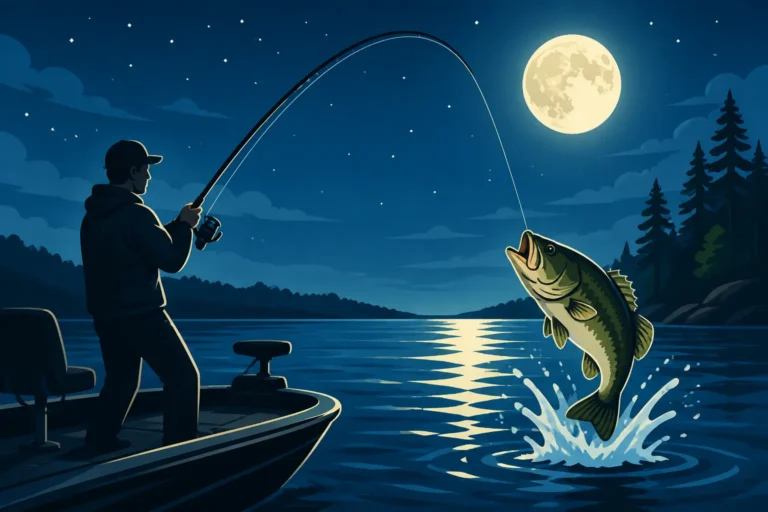
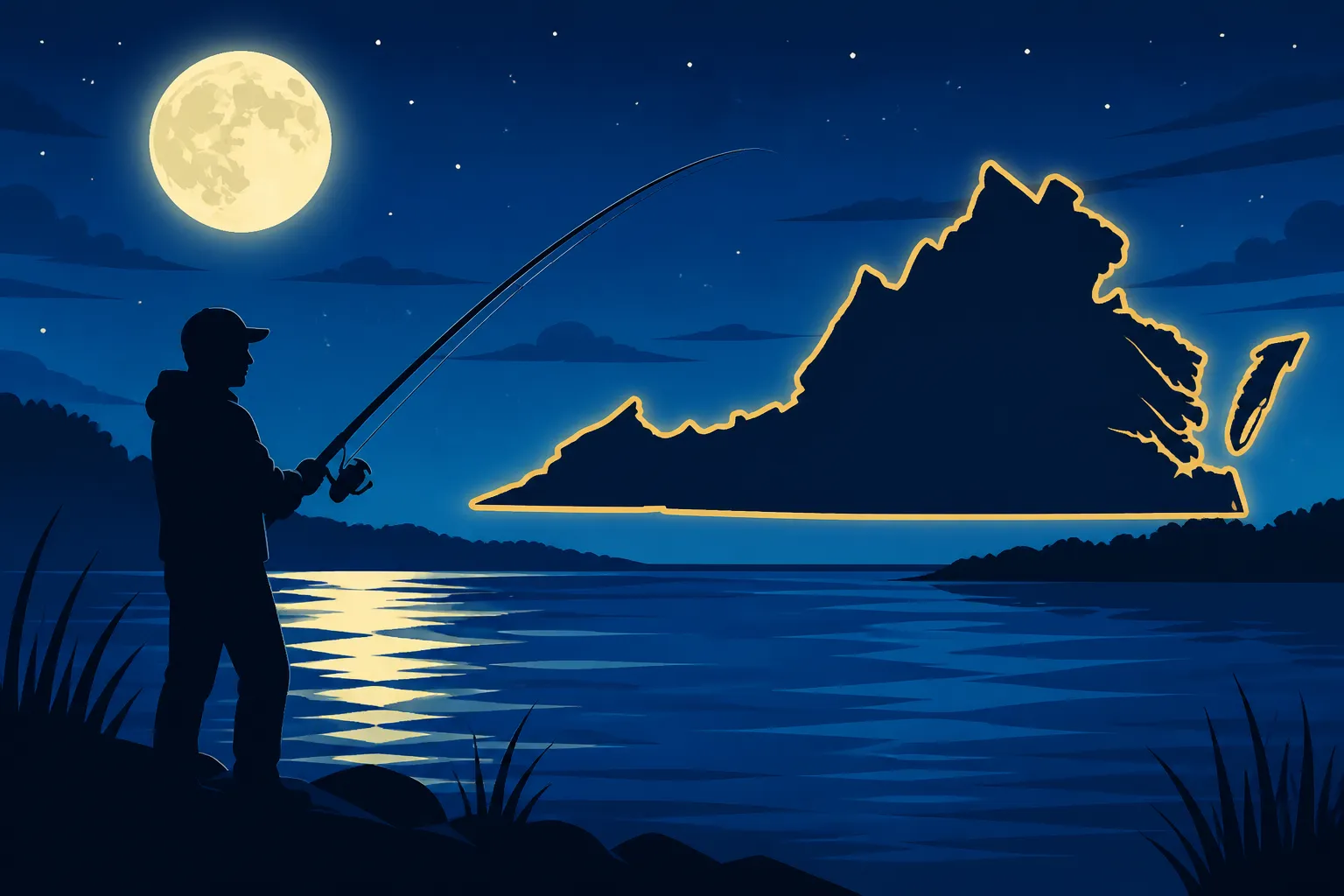
There’s nothing quite like the tranquility of fishing after the sun dips below the horizon, especially in Virginia. If you've ever found yourself baking under the summer sun, battling crowds, or watching the fish just seem to shut down during the day, you know the frustration. Night fishing offers a peaceful escape, cooler temperatures, and often, some of the most exciting action as nocturnal feeders emerge. This comprehensive guide will illuminate the best night fishing spots across Virginia, detail the species you can target, and share essential tips to make your moonlit angling adventures a resounding success.
Why Night Fishing in Virginia is a Game Changer
Let's be honest, daytime fishing in Virginia can be a beautiful thing, but it often comes with its challenges. The relentless summer heat can be brutal, and popular spots can feel more like a theme park than a peaceful retreat. Plus, many of the big, wary fish that hide in deeper, cooler waters during the day become much more active and less cautious under the cloak of night. Shifting your fishing hours to the dark side isn’t just about convenience; it’s a strategic move that can significantly improve your catch rates and overall experience.
Escaping the Heat and Crowds
Picture this: you've spent a glorious Virginia summer day reeling in small panfish, constantly fending off mosquitos, and sharing your favorite pier with what feels like half the county. Now, imagine that same spot after dusk. The air cools, a gentle breeze rolls in, and the chatter of other anglers fades into a hushed murmur. It's truly a different world. Night fishing provides a serene escape from the high temperatures and bustling activity that often define daytime angling. It’s an opportunity to truly connect with nature and the rhythm of the water without distractions. This alone is a huge draw for many of us who cherish peace and quiet while pursuing our passion.
Targeting Nocturnal Feeders
Many of Virginia's most sought-after fish species are naturally more active once the sun goes down. Think about those big catfish lurking in the depths – they often prefer to hunt under the cover of darkness. The same goes for some of the bigger striped bass or even crappie, which might move into shallower waters to feed as the light fades. These fish, which might be sluggish or hiding during the bright hours, become much more aggressive and willing to strike at night. By adapting your fishing schedule, you're essentially aligning your efforts with the fish's natural feeding patterns, dramatically increasing your chances of landing a trophy.
Prime Freshwater Lakes for Night Fishing in Virginia
Virginia boasts some incredible freshwater lakes that truly come alive at night. From sprawling reservoirs to more intimate impoundments, these waters offer fantastic opportunities for anglers willing to cast a line after sunset. Just remember that even at night, you still need to adhere to all Virginia Fishing Regulations Explained and have your valid Virginia Fishing License Guide on hand.
Lake Anna: Striper and Catfish Haven
Lake Anna, with its warm waters and abundant baitfish, is a phenomenal spot for night fishing, especially if you're chasing the thrill of a big striped bass or a hefty catfish. Many anglers find that the striper bite really turns on after dark here, particularly in the lower lake near the power plant discharge where the water stays warmer. You'll often find these powerful fish schooling up, chasing bait near the surface or along channel edges.
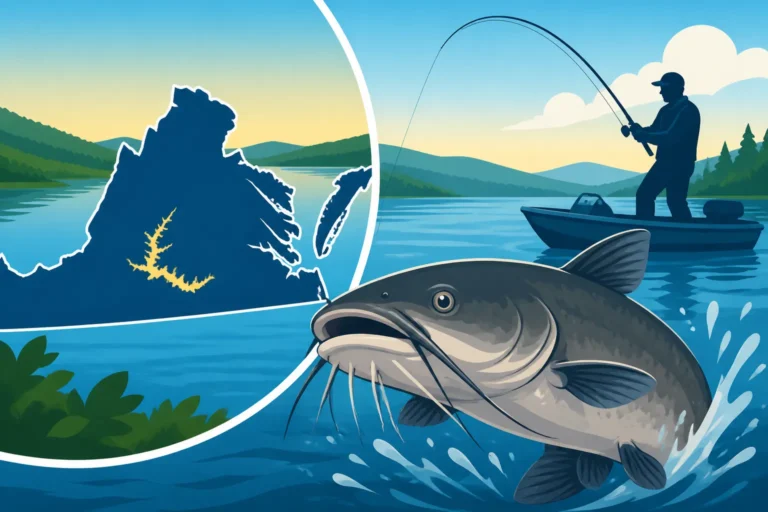
For catfish, Lake Anna is legendary. Both channel and flathead catfish grow to impressive sizes, and they absolutely love to prowl the bottom at night. Targeting them often involves anchoring up in deeper channels or near submerged structure and sending down hearty baits like cut shad, chicken liver, or even hot dogs. The peace and quiet of Lake Anna at night, punctuated only by the splash of a leaping fish or the hum of your reel, is an experience not to be missed. If you're wondering, "Is Lake Anna Good for Night Fishing?", the answer is a resounding yes!
Smith Mountain Lake: Largemouth and Striped Bass Under the Stars
Smith Mountain Lake, often affectionately called "SML," is another Virginia gem that offers exceptional night fishing. While it's famous for its daytime largemouth bass fishery, those big green fish become even more elusive and exciting to catch after dark. They'll often move into shallower coves and along dock lights, where baitfish are drawn to the glow. Throwing topwater lures or dark-colored jigs around lighted docks can produce some explosive strikes.
But SML's true night-fishing superstar is arguably the striped bass. These hard-fighting fish are very active at night, especially during the warmer months. Many anglers have incredible success trolling large artificial lures or live bait in the main lake channels or around major points. The experience of fighting a powerful Smith Mountain Lake striper under the moonlight is truly unforgettable. It’s a great idea to check out the Smith Mountain Lake Fishing Guide for more detailed tips on specific locations and techniques.
Kerr Lake (Buggs Island): Catfish and Crappie Hotspot
Kerr Lake, also known as Buggs Island Lake, is a sprawling reservoir that borders Virginia and North Carolina. It’s a renowned destination for its incredible catfish population and its healthy crappie fishery, both of which offer excellent night fishing opportunities. The vastness of Kerr Lake means there are countless coves, channels, and submerged timber fields where fish can hide and feed after dark.
For catfish, this lake is hard to beat. You can target monster blue catfish, channel catfish, and flatheads here. Anglers often find success by anchoring in a main river channel or off a prominent point, using a strong rod and reel setup with large chunks of cut bait. Crappie anglers also have fantastic luck at night, especially around lighted docks or brush piles. Hanging a submersible light off your boat or dock can attract a swarm of baitfish, which in turn draws in hungry crappie. This can lead to some truly epic nights of crappie fishing.
Top Tidal Rivers and Bays for Nocturnal Anglers
Virginia’s tidal waters, where freshwater meets saltwater, provide a unique and diverse array of night fishing opportunities. These dynamic environments are home to species that thrive in the cover of darkness, offering a different kind of thrill for the nocturnal angler.
The James River: Catfish and Striped Bass After Dark
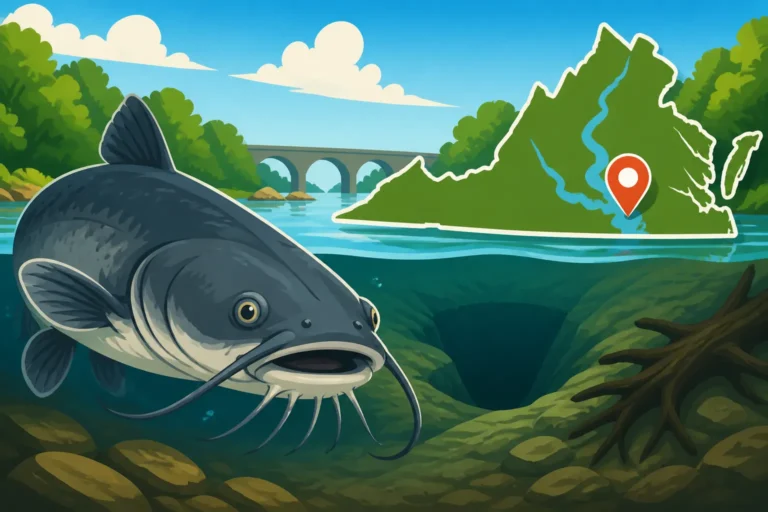
The James River, winding through the heart of Virginia, is a legendary fishery, especially for its monstrous catfish. And let me tell you, when the sun goes down, those catfish really start to move! The lower tidal sections of the James are absolutely brimming with blue catfish, flatheads, and channel cats, many of them reaching impressive sizes. Night is when these behemoths are most actively foraging.
You can fish from the bank at numerous public access points, or from a boat, anchoring in deep holes or along ledges. Popular baits include fresh cut bait (like gizzard shad), chicken liver, and stink baits. The ebb and flow of the tide can influence the bite, so paying attention to tide charts is key. Beyond catfish, the James also holds a strong population of striped bass, especially during their migratory runs. These "rockfish" will often hit artificial lures or live bait after dark, particularly around bridge pilings and current breaks. For more details on these nocturnal hunters, be sure to read our guide on Where to Fish for Catfish After Dark.
Chesapeake Bay: Rockfish, Croaker, and Flounder
The vast expanse of the Chesapeake Bay, one of the world's most productive estuaries, offers unparalleled saltwater night fishing. The famous striped bass (often called rockfish here) are a primary target. During their seasonal migrations, these fish are incredibly active at night, feeding on baitfish around bridges, jetties, and channel edges. Trolling or casting large swimbaits, bucktails, or live eels can be incredibly effective after dark. Many charters, like those you might find on FishingBooker, specialize in these nighttime striper trips.
Beyond striped bass, you can also hook into croaker, flounder, and even red drum on a good night. Croaker are a fantastic choice for family-friendly night fishing, as they are plentiful and put up a fun fight. They readily take bottom rigs with bloodworms or squid. Flounder, while often thought of as a daytime target, can also be caught at night, especially around dock lights and pier lights where baitfish congregate. Check out the Chesapeake Bay Striped Bass Fishing Guide for specific locations and seasonal patterns. The Best Night Fishing Spots on the Chesapeake Bay, Virginia will give you even more tailored advice.
York and Rappahannock Rivers: Tidal Treasures
The York and Rappahannock Rivers, both significant tributaries to the Chesapeake Bay, are also phenomenal for night fishing. Similar to the James, these rivers are home to robust populations of catfish, which become more aggressive once the sun sets. The deeper bends, log jams, and drop-offs are prime locations for anchoring and soaking baits.
During migratory periods, these rivers also see strong runs of striped bass. Anglers often find success casting around the many creek mouths, bridge structures, and channel markers that dot these waterways. The calmer waters of these rivers can offer a more relaxed night fishing experience compared to the wider, more exposed Bay, making them perfect for both seasoned anglers and those just getting their feet wet with nocturnal pursuits.
Essential Gear and Safety Tips for Night Fishing
Night fishing isn't just daytime fishing when it's dark; it requires a slightly different approach, especially concerning gear and, most importantly, safety. Being prepared can make all the difference between a memorable night out and a frustrating, or even dangerous, experience.
Lighting, Rods, and Bait for Low Light
First and foremost, you need good lighting. A reliable headlamp with both white and red light settings is indispensable. Red light preserves your night vision better, which is crucial for tying knots, re-baiting, and navigating. You might also want a powerful lantern or a portable area light for your immediate fishing zone, especially if you're shore fishing or on a larger boat. However, be mindful that excessive light can spook some species, so use it judiciously.
As for rods and reels, your daytime setups will generally work, but consider a medium-heavy to heavy action rod if you're targeting those big catfish or stripers, especially in murky conditions where you might need to muscle them out of structure. Braided line is often preferred for its sensitivity, allowing you to feel subtle bites in the dark.
When it comes to bait, live bait often shines brightest at night. Live minnows, shad, or eels can be irresistible to predatory fish like striped bass. For catfish, fresh cut bait, nightcrawlers, chicken livers, or stink baits are excellent choices. Dark-colored artificial lures, especially those with some vibration or glow, can also be very effective for bass and crappie, as they create a strong silhouette against the moonlit water or sky. Remember, some species, like striped bass, have particular preferences after dark, so refer to our Best Bait for Striped Bass Fishing for optimal choices.
Navigating the Dark and Staying Safe
Safety is paramount when night fishing. Before you even head out, tell someone your plans: where you're going, when you expect to be back. This simple step can be a lifesaver.
If you're fishing from a boat, ensure all navigation lights are fully functional and carry extra batteries for your headlamps and lanterns. A GPS or chart plotter can be invaluable for safely navigating unfamiliar waters in the dark. Always wear a life jacket, especially if you're on moving water or in a small boat. The water looks much more intimidating at night.
For shore anglers, scout your chosen spot during the day to identify any potential hazards like slippery banks, submerged obstacles, or uneven terrain. Wear sturdy, non-slip footwear. Carry insect repellent – mosquitoes and other biting bugs can be relentless after dark. A small first-aid kit, a fully charged cell phone, and plenty of water or other hydration are also essential. Keep your fishing area tidy to avoid tripping hazards, and always be aware of your surroundings. It's also wise to know the rules, as Night Fishing Techniques can sometimes differ from daytime ones.
Targeting Specific Species at Night
Different fish respond to the cover of darkness in unique ways, and understanding these patterns can dramatically improve your success. Let's dive into some specific strategies for Virginia's most popular nocturnal targets.
Tactics for Nighttime Catfish
Catfish are perhaps the most quintessential night fishing target, and for good reason! Their excellent sense of smell and barbels allow them to forage effectively in low light. When you're fishing for catfish at night, focus on areas where current brings food to them, such as river bends, mouths of creeks, or the edges of deep channels in lakes. Bridges and submerged structures are also prime spots where current creates eddies and ambush points.
Rigging for catfish is straightforward: a Carolina rig with a heavy sinker to hold bottom, a strong circle hook, and a fluorocarbon leader is a classic choice. Bait is key – fresh cut bait from oily fish like shad or herring is often king. For larger blue and flathead catfish, bigger baits are better. Don't be afraid to experiment with different depths and locations until you find where they're actively feeding. Patience is a virtue when targeting trophy catfish after dark.
Chasing Striped Bass After Sundown
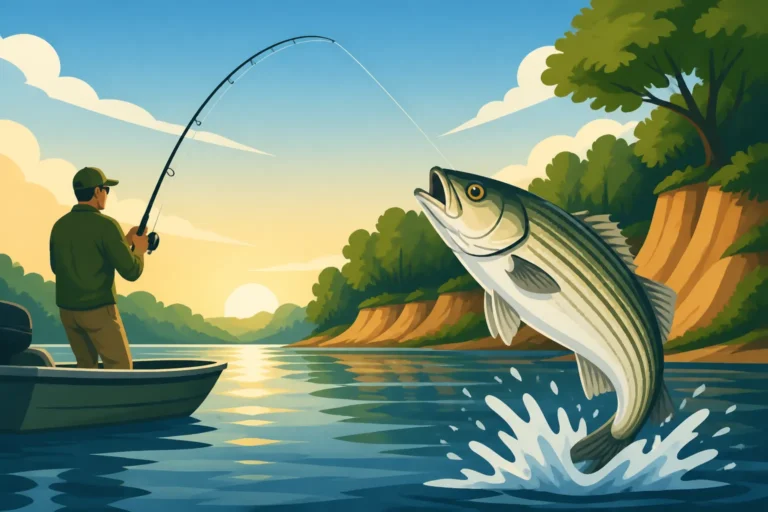
Striped bass, or rockfish as they’re known along the coast and tidal rivers, are powerful, aggressive predators that often feed actively under the moon and stars. In freshwater lakes like Smith Mountain Lake and Lake Anna, stripers can be found roaming open water, chasing baitfish, or congregating around areas with artificial light that attracts their prey. Trolling large swimbaits, jerkbaits, or live shad is a common and highly effective strategy.
In the tidal rivers and the Chesapeake Bay, focus your efforts around bridge pilings, jetties, and major channel edges where current creates feeding opportunities. Large bucktail jigs tipped with soft plastics, big swimbaits, or live eels are go-to baits. Pay close attention to current seams and structure. The key is to present your bait naturally and near where baitfish are likely to be hiding. Understanding that "Do Striped Bass Feed Better at Night?" will help you plan your trips around their peak activity.
Crappie and Other Panfish in the Moonlight
While catfish and stripers grab a lot of the night fishing headlines, don't overlook the fantastic opportunities for crappie and other panfish after dark. Crappie, in particular, are drawn to light, making them an ideal target for anglers with submersible lights. By hanging a green or white submersible light off your boat or dock, you'll create a glowing beacon that attracts plankton, then baitfish, and finally, hungry crappie.
Once the baitfish and crappie start to gather, you can effectively target them with small jigs (1/16 to 1/8 ounce) tipped with soft plastic bodies or live minnows. Use a sensitive rod and reel combination, and experiment with different depths until you find the crappie. This technique is not only highly effective but also incredibly fun, as you can often see the fish gathering around the light. Other panfish like bluegill and perch can also be caught using similar methods, making for a fun and often productive night out for the whole family.
Here's a quick comparison of some popular night fishing spots in Virginia:
| Location | Primary Target Species | Best Conditions | Typical Bait/Lures | Access Type | Special Notes |
|---|---|---|---|---|---|
| Lake Anna | Striped Bass, Catfish | Warm Water, Submerged Structure | Live Shad, Cut Bait, Large Jigs | Boat, Bank, Docks | Power plant discharge warms water, attracting fish |
| Smith Mountain Lake | Striped Bass, Largemouth Bass | Lighted Docks, Deep Channels | Live Bait, Topwater, Swimbaits | Boat, Docks | Trophy-sized bass, clear water requires stealth |
| Kerr Lake | Catfish, Crappie | River Channels, Brush Piles | Cut Bait, Minnows, Small Jigs | Boat, Bank | Vast lake, focus on structure and current |
| James River | Catfish, Striped Bass | Deep Holes, Bridge Pilings | Cut Bait, Live Eels, Bucktails | Boat, Bank, Piers | Tidal currents are key, big blue cats |
| Chesapeake Bay | Striped Bass, Croaker, Flounder | Bridges, Jetties, Channel Edges | Live Eels, Bloodworms, Swimbaits | Boat, Pier, Charter | Wide range of species, consider a charter (e.g., FishingBooker) |
| York & Rappahannock Rivers | Catfish, Striped Bass, Perch | Creek Mouths, Ledges, Structure | Cut Bait, Live Bait, Jigs | Boat, Bank | Quieter tidal fishing, good for catfish |
Disclaimer
The information provided in this guide is for general informational purposes only. Fishing regulations and conditions in Virginia can change frequently. Always consult the latest Virginia Department of Wildlife Resources (DWR) regulations and local authorities before heading out on any fishing trip. Be mindful of personal safety, respect private property, and practice responsible angling to preserve Virginia's fisheries for future generations.