Fishing Spots Near Norfolk, Virginia
Finding a fantastic fishing spot near Norfolk, Virginia, can feel like trying to find a needle in a haystack if you're not familiar with the vast network of waterways. With so many options from bustling urban piers to tranquil backwater creeks, it's easy to get overwhelmed trying to pick the perfect place to cast a line. This comprehensive guide is designed to cut through that confusion, helping you uncover the best freshwater and saltwater fishing destinations this vibrant region has to offer, complete with tips to make your next angling adventure a resounding success.
The Allure of Norfolk's Waterways: Why This Region Shines for Anglers
Norfolk, Virginia, isn't just a historic city; it's a true angler's paradise, boasting an incredible variety of fishing environments right on its doorstep. The unique geography of the region, where the mighty Chesapeake Bay meets numerous tidal rivers and freshwater lakes, creates an ecosystem teeming with diverse fish species. Whether you prefer the calm solitude of a quiet pond or the thrilling challenge of open bay fishing, Norfolk's surrounding areas offer something for every preference and skill level. It's a place where you can switch from freshwater bass fishing in the morning to targeting saltwater drum in the afternoon, all within a short drive.
The Diverse Fisheries: From Bay to Backwater
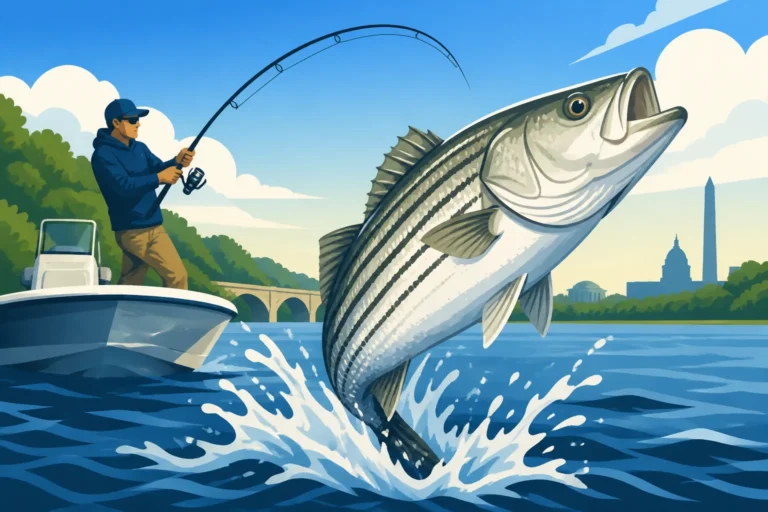
What truly sets the Norfolk area apart for fishing enthusiasts is the sheer diversity of its fisheries. To the north, you have the expansive Chesapeake Bay, a brackish water wonderland renowned for its migratory species like striped bass (or "rockfish" as they're often called locally), red drum, flounder, and an abundance of croaker and spot. The Bay’s intricate network of channels, oyster reefs, and artificial structures provides endless opportunities for both boat and pier anglers.
Move inland slightly, and you'll encounter a fascinating transition zone where freshwater species begin to thrive. Rivers like the Elizabeth and Lafayette, though influenced by tides, still hold robust populations of largemouth bass, catfish, and various panfish closer to their freshwater sources. Venture a little further afield, and you'll discover pristine freshwater lakes and reservoirs that are completely disconnected from the tidal influence, offering classic angling for bass, crappie, and sunfish in serene settings. This blend of environments ensures that whatever your preferred target species or fishing style, you're likely to find it thriving in the waters around Norfolk.
Year-Round Opportunities: No Off-Season Here
One of the most appealing aspects of fishing near Norfolk is the distinct lack of a true "off-season." While certain species are migratory or more active during specific times of the year, there's always something biting. Winter might see anglers bundling up for tautog around structure or targeting deep-water striped bass. Spring brings an explosion of activity with the return of flounder, croaker, and speckled trout, and bass becoming more active in freshwater lakes.
Summer is a bustling time for virtually all species, with warm waters driving a feeding frenzy. And then there's the fall, often considered the prime season, as large migratory fish like striped bass and red drum stage their incredible runs, providing some of the most exciting fishing Virginia has to offer. This continuous cycle of activity means that regardless of when you visit or what time of year you call Norfolk home, you can always plan a productive fishing trip, adapting your techniques to the prevailing conditions and seasonal movements of the fish. Always remember to check Virginia Fishing Seasons Explained to know what's in season.
Top Freshwater Escapes Near Norfolk
While Norfolk is undeniably a coastal city, it’s surrounded by a surprising number of excellent freshwater fishing destinations. These lakes and rivers offer a peaceful respite from the saltwater hustle and bustle, providing fantastic opportunities for bass, crappie, catfish, and more. They’re often less crowded than the popular Bay spots and can be perfect for a quiet morning or an afternoon with the family.
Lake Whitehurst: Urban Oasis for Largemouth and Panfish
Right on the edge of Norfolk, Lake Whitehurst is a true urban angling gem. This municipal reservoir is conveniently located and offers some surprisingly good fishing, especially for largemouth bass. The lake features plenty of structure, including submerged timber, docks, and weed lines, which are ideal hiding spots for ambush predators like bass. Anglers often have success here using plastic worms, jigs, and crankbaits fished around these structures.
Beyond bass, Lake Whitehurst is also home to healthy populations of crappie and various panfish, making it an excellent choice for a leisurely afternoon with a bobber and some live bait. The lake has accessible bank fishing areas, a pier, and a boat ramp, accommodating various fishing styles. It's a perfect spot if you're looking for a quick escape without having to drive far from the city center, offering a peaceful natural experience amidst an urban backdrop.
Lake Wright and Little Creek Reservoir: Hidden Gems for Bass and Catfish
Just a stone's throw from Lake Whitehurst, you’ll find Lake Wright and the expansive Little Creek Reservoir. These two bodies of water, while not as widely known to out-of-town anglers, are local favorites for good reason. Lake Wright is generally smaller and offers more intimate fishing, often producing quality largemouth bass and decent panfish catches. Its shallower areas and weed beds are prime targets.
Little Creek Reservoir, on the other hand, is significantly larger and offers a more diverse fishery. It’s particularly renowned for its robust populations of largemouth bass and various catfish species, including channel and flathead catfish. The reservoir has deeper sections, submerged structures, and creek channels that provide excellent habitat. Boat access is available, and targeting catfish on the bottom with stink baits or cut bait is a popular and often fruitful endeavor here. These reservoirs offer a chance to catch some impressive fish without battling the crowds of more famous fishing destinations. Remember to familiarize yourself with Virginia Fishing Regulations Explained before heading out.
Northwest River: A Scenic Journey for Variety
For those willing to venture a bit further south into Chesapeake, the Northwest River offers a unique blackwater fishing experience. This scenic river winds its way through rural landscapes and cypress swamps, providing a tranquil and picturesque backdrop for your angling pursuits. The Northwest River is brackish in its lower reaches but quickly transitions to pure freshwater, offering a fantastic mix of species.
Largemouth bass are a primary target here, often found lurking around cypress knees, fallen trees, and lily pads. The river is also known for its strong populations of channel catfish, particularly in the deeper holes and bends. Anglers can also encounter crappie, sunfish, and even chain pickerel, which provide an exciting fight. Access is typically via boat ramps, making it an excellent choice for kayakers and small boat anglers who enjoy exploring winding waterways. It's truly one of Virginia's Best Freshwater Fishing Destinations for those seeking solitude and a varied catch.
Premier Saltwater Fishing Hotspots Around Norfolk
Norfolk’s prime location on the Chesapeake Bay means incredible saltwater fishing opportunities are practically at your fingertips. From the vast expanse of the Bay itself to bustling inlets and accessible shorelines, the options for saltwater anglers are plentiful and diverse. The thrill of catching a migratory striped bass or a hard-fighting red drum is a huge draw to this area.
Chesapeake Bay: The Ultimate Angler's Playground
The Chesapeake Bay, the largest estuary in the United States, is undeniably the crown jewel of saltwater fishing near Norfolk. Its rich ecosystem supports a staggering array of species, making it a world-class fishery. For many, the iconic striped bass (rockfish) is the main draw, especially during the spring and fall migrations. Anglers target them using various methods, from trolling with spoons and plugs to jigging around bridge pilings and artificial reefs. If you’re planning a trip to specifically target these beauties, a charter with a seasoned captain found through platforms like FishingBooker can be an invaluable experience, ensuring you hit the prime spots.
Beyond stripers, the Bay offers incredible fishing for red drum, especially larger "bull" red drum in the deeper channels and around the Chesapeake Bay Bridge-Tunnel. Flounder, croaker, spot, speckled trout, and bluefish are also abundant throughout much of the year, providing continuous action for both bait and lure fishermen. Whether you're casting from a boat, battling the current from a pier, or exploring the many oyster beds, the Chesapeake Bay promises an unforgettable saltwater adventure. Be sure to check out the Chesapeake Bay Striped Bass Fishing Guide for more in-depth information.
Lynnhaven Inlet: A Kayaker's Paradise and Pier Fishing Gem
Just east of Norfolk, the Lynnhaven Inlet is a true treasure for inshore saltwater anglers, particularly those who prefer kayak fishing or pier fishing. This expansive inlet system, with its numerous creeks, oyster beds, and marshy shorelines, provides excellent habitat for a variety of species. Speckled trout and red drum are highly sought after here, especially during the cooler months of spring and fall. Anglers often have success using soft plastics, MirrOlures, and live bait fished along grass lines and oyster reefs.
The Lynnhaven Inlet is also a fantastic spot for flounder, especially near the deeper channels and around structures. Crabs are abundant, making it a popular crabbing destination, which often goes hand-in-hand with fishing. For those without a boat, the Lynnhaven Inlet Fishing Pier offers convenient access to deeper waters, allowing anglers to target everything from croaker and spot to flounder and even occasional striped bass. Its accessibility and consistent action make it a firm favorite among locals. For details on what license you'll need, check out Freshwater and Saltwater Fishing Licenses in Virginia.
Ocean View and Willoughby Spit: Accessible Shoreline and Pier Options
For anglers who prefer to keep their feet on solid ground, the Ocean View area along the Norfolk shoreline, particularly Willoughby Spit, offers fantastic opportunities for land-based saltwater fishing. The long stretches of beach and the several piers along this coast provide direct access to the Chesapeake Bay. These spots are particularly popular for catching croaker, spot, and flounder, especially during the warmer months.
The Ocean View Fishing Pier is a staple, providing a lighted platform for night fishing and access to deeper water without the need for a boat. Anglers can rent tackle and buy bait right on the pier. Beyond the piers, surf fishing along the beaches of Ocean View and Willoughby Spit can be surprisingly productive. Casting out into the surf with bottom rigs using shrimp, squid, or cut bait can yield catches of croaker, spot, puppy drum (smaller red drum), and even flounder. It’s a great, relaxed way to enjoy saltwater fishing with beautiful Bay views and often very little cost beyond your bait and tackle.
Unique Fishing Experiences and Less-Traveled Paths
Beyond the well-known lakes and the expansive Chesapeake Bay, the Norfolk area offers a wealth of unique and sometimes overlooked fishing experiences. These spots and techniques cater to different preferences, from the social atmosphere of a fishing pier to the quiet exploration of a kayak in a hidden creek. Embracing these alternative avenues can lead to some truly memorable catches and a deeper appreciation for the region's diverse waterways.
Pier and Jetty Fishing: Convenience and Community
Pier and jetty fishing provide an incredibly accessible way to enjoy saltwater angling without needing a boat or specialized gear. The Norfolk area is blessed with several excellent options that attract a vibrant community of anglers. As mentioned, the Ocean View Fishing Pier is a prime example, offering a social atmosphere and access to a wide range of Bay species. Similarly, jetties and rock walls, such as those found near the entrance to Little Creek or along parts of the Chesapeake Bay Bridge-Tunnel complex, can be hotspots for species like tautog, sheepshead, and even flounder.
The beauty of pier and jetty fishing lies in its simplicity and the immediate access to deeper, fish-holding waters. Many piers offer amenities like bait shops, tackle rentals, and even cleaning stations, making them perfect for beginners or a spontaneous fishing trip. Just grab a rod, some bait, and enjoy the camaraderie and the salty air. You might be surprised at what you can reel in from these easily accessible spots. It's a question many ask, and typically, you do not need a specific license for the pier itself if it has a blanket license, but it's always best to check if Do You Need a License to Fish From a Pier in Virginia? applies.
Kayak and Small Boat Access: Navigating the Nooks and Crannies
For those who crave a more intimate connection with the water and the ability to explore shallower, often inaccessible areas, kayak and small boat fishing are fantastic options around Norfolk. The intricate network of tidal creeks, marshlands, and protected coves along the Chesapeake Bay and its tributaries, like the Lynnhaven Inlet or the Elizabeth River, are tailor-made for paddle craft. These areas are often teeming with speckled trout, red drum (puppy drum), flounder, and even striped bass in surprisingly shallow waters.
The stealth of a kayak allows anglers to approach fish without spooking them, and the ability to paddle into tight spaces opens up opportunities that larger boats simply can't reach. Launch points are plentiful, from public boat ramps to smaller, unofficial access points. Before heading out, always ensure you have the proper safety gear, know the local tides, and are aware of any boating regulations. Exploring these hidden waterways by kayak offers not just great fishing but also a unique perspective on the region's natural beauty. A guide from FishingBooker specializing in kayak trips can help you find these sweet spots.
Tidal Rivers and Creeks: Unlocking Hidden Potential
Beyond the main stem of the Chesapeake Bay, the numerous tidal rivers and creeks that feed into it offer fantastic, often overlooked, fishing opportunities. Rivers like the Elizabeth, Lafayette, and Pagan (near Smithfield) are excellent examples. These waterways present a fascinating blend of fresh and saltwater influence, creating dynamic environments where a wide variety of species can thrive depending on salinity levels and the season.
In their upper, less brackish reaches, you'll find largemouth bass, various panfish, and robust populations of channel catfish. As you move downstream, the water becomes more saline, and saltwater species like striped bass, speckled trout, red drum, and flounder become common. Fishing these tidal rivers often requires understanding the ebb and flow of the tide, as fish movements and feeding patterns are heavily influenced by these cycles. Look for current breaks, submerged structure, and changes in bottom contour. These areas offer a chance to catch diverse species in a single outing, making them incredibly exciting for exploratory anglers.
Essential Gear and Tips for Fishing Norfolk Waters
Successful fishing near Norfolk, like any great adventure, benefits from preparation and knowing a few local tricks. Having the right gear, understanding the local regulations, and timing your trip effectively can dramatically improve your chances of a memorable catch. It’s not just about what you cast, but how and when you cast it!
Tackle Box Essentials for Both Fresh and Saltwater
Given the diverse fishing opportunities around Norfolk, a well-stocked tackle box should ideally cater to both freshwater and saltwater scenarios. For freshwater lakes and rivers, a medium-light spinning rod and reel combo spooled with 8-10 lb monofilament or braid is versatile. Essential lures include plastic worms (Texas-rigged or Carolina-rigged), spinnerbaits for bass, and small jigs or bobber rigs with live minnows or worms for crappie and panfish. Don't forget a selection of hooks (worm hooks, jig heads), sinkers (bullet weights, split shots), and swivels.
For saltwater, a medium-heavy spinning or baitcasting combo with 15-30 lb braided line is a good starting point, capable of handling larger fish and stronger currents. Terminal tackle should include various bottom rigs (Carolina rigs, top-and-bottom rigs) for croaker, spot, and flounder, along with a selection of bucktail jigs, soft plastic paddle tails, and spoons for striped bass and red drum. Live bait like shrimp, squid, bloodworms, and minnows are universal favorites in saltwater. Always carry a strong pair of pliers for hook removal, a net, and plenty of extra line. For specific species, you might want to look into Catfish Fishing Techniques and Bait Guide or Crappie Fishing Techniques for Beginners.
Navigating Regulations and Licensing in the Commonwealth
Understanding Virginia's fishing regulations and licensing requirements is crucial for a legal and enjoyable trip. Generally, anyone 16 years or older needs a valid fishing license. Virginia offers separate licenses for freshwater and saltwater fishing, as well as combination licenses that cover both. There are also short-term options (like 5-day or 10-day passes) which are great for visitors. Residents and nonresidents have different fee structures. It's always advisable to purchase your license before heading out, which can be done easily online through the Virginia Department of Wildlife Resources (DWR) website, at a local tackle shop, or a Walmart sporting goods counter.
Beyond the license, familiarize yourself with specific regulations for each species you plan to target. These include minimum and maximum size limits (slot limits), daily creel limits (how many fish you can keep), and open seasons. For instance, striped bass often have very specific seasons and slot limits that change annually. Additionally, some waters, particularly certain public lakes, might have special restrictions or even require facility use permits. Always consult the current Virginia DWR fishing regulations manual, which is available online and in print, to ensure you're compliant. For more detailed information, consider reading A Complete Guide to Fishing Licenses in Virginia and Virginia Fishing License Requirements for Residents and Nonresidents.
Timing Your Trip: Understanding Seasons and Tides
Timing is everything in fishing, and near Norfolk, this means paying close attention to both the seasons and the tides. As mentioned, the year-round opportunities mean there's always something to catch, but specific seasons excel for certain species. Spring and fall are generally considered prime for many saltwater species due to migratory patterns and cooler water temperatures. Summer is fantastic for warm-water species, while winter can offer unique challenges and rewards for those targeting deeper-dwelling fish.
In saltwater environments, understanding the tides is paramount. Fish often feed more actively during incoming or outgoing tides, as the moving water stirs up baitfish and crustaceans. Slack tide, when the water is still, can often be slower. Websites and apps dedicated to marine weather and tide charts are invaluable resources. For freshwater, factors like water temperature, recent rainfall (which affects clarity and flow), and time of day (dawn and dusk often being best) become more critical. A quick search on FishingBooker can often show you what fish are biting best at specific times of the year and what local guides recommend. For a comprehensive overview, check out Best Times to Fish in Virginia Throughout the Year.
Fishing Opportunities at a Glance Near Norfolk
To help you quickly decide where to cast your line, here's a handy table summarizing some of the top fishing spots near Norfolk, the primary species you can expect to catch, and common access types.
| Fishing Spot | Primary Target Species | Typical Access Methods | Best Times to Fish | Notes |
|---|---|---|---|---|
| Chesapeake Bay | Striped Bass, Red Drum, Flounder, Croaker, Spot, Bluefish | Boat, Charter, Pier, Surf | Spring, Fall (Striped Bass/Red Drum), Summer (Croaker/Spot) | Vast, diverse, world-class fishery. Check Virginia Striped Bass Season and Slot Limit Guide for details. |
| Lynnhaven Inlet | Speckled Trout, Red Drum, Flounder, Striped Bass | Kayak, Small Boat, Pier, Shore | Spring, Fall (Speckled Trout/Red Drum), Summer (Flounder) | Excellent for light tackle, often less crowded. |
| Ocean View / Willoughby Spit | Croaker, Spot, Flounder, Puppy Drum | Pier, Surf | Summer (Croaker/Spot), Spring/Fall (Flounder/Drum) | Highly accessible, family-friendly, public piers. |
| Lake Whitehurst | Largemouth Bass, Crappie, Sunfish | Bank, Pier, Small Boat (electric motor) | Spring, Summer, Fall | Urban lake, great for a quick trip. |
| Lake Wright | Largemouth Bass, Catfish, Panfish | Bank, Small Boat | Spring, Summer, Fall | Smaller, more intimate freshwater option. |
| Little Creek Reservoir | Largemouth Bass, Channel Catfish, Flathead Catfish | Boat (gas/electric), Bank | Spring, Summer, Fall | Larger freshwater body, good for bigger catfish. |
| Northwest River | Largemouth Bass, Channel Catfish, Crappie, Pickerel | Boat, Kayak | Spring, Summer, Fall | Scenic blackwater river, good for bass and catfish. |
This table provides a quick reference, but remember that fish behavior can be unpredictable, and local conditions always play a role. Always stay flexible and adjust your approach based on what the fish are telling you!
Disclaimer
Please be aware that fishing regulations, seasons, and licensing requirements can change. Always consult the latest official resources from the Virginia Department of Wildlife Resources (DWR) before planning your fishing trip to ensure compliance. This guide is for informational purposes only and does not constitute legal advice.