Nonresident Freshwater Fishing License in Virginia
Navigating fishing regulations in a new state can feel like deciphering ancient texts, especially when all you want to do is cast a line and enjoy the tranquility of Virginia's beautiful freshwater spots. For out-of-state anglers, understanding the specific requirements for a nonresident freshwater fishing license can be a real headache. This comprehensive guide is here to untangle all that confusion, breaking down exactly what you need to know to fish legally and enjoyably in Virginia's abundant lakes, rivers, and streams.
Demystifying the Nonresident Freshwater Fishing License in Virginia
Picture this: you've planned the perfect fishing getaway to Virginia, your gear is packed, and you're dreaming of reeling in a trophy bass or a feisty trout. The last thing you want is for that dream to turn into a nightmare because you overlooked a crucial piece of paperwork. Understanding the importance of a fishing license, knowing who qualifies as a nonresident, and being aware of the consequences of fishing without one are your first steps to a worry-free trip.
Why a License is Non-Negotiable for Visiting Anglers
For many, a fishing license might just seem like another fee, but in Virginia, it's so much more than that. Every dollar spent on fishing licenses, whether by residents or nonresidents, goes directly back into the Virginia Department of Wildlife Resources (DWR). This funding is absolutely crucial for the ongoing conservation efforts that keep our waters healthy and our fish populations thriving. It supports everything from habitat restoration projects to fish stocking programs and research that ensures sustainable fishing for generations to come.
Think of it this way: when you purchase a license, you're directly investing in the future of Virginia's natural resources. It's a small contribution that has a massive impact, allowing the DWR to manage our fisheries responsibly. Without this support, the incredible fishing opportunities Virginia offers simply wouldn't exist in the same way. It’s a vital part of protecting the very hobby we all love.
Beyond the altruistic aspect, possessing a valid fishing license is a strict legal requirement. It's not optional; it's the law. This regulation isn't just about collecting funds; it’s about maintaining order and ensuring that every angler is contributing to the management system. It prevents overfishing in unregulated areas and helps the DWR track fishing pressure and success rates, which in turn informs future conservation strategies.
Ultimately, your license is your official permission slip to participate in Virginia's rich fishing heritage. It signifies your understanding and acceptance of the rules designed to protect this precious resource. Nobody wants their relaxing fishing trip to end with a hefty fine or an awkward encounter with a game warden, and a valid license is your best defense against such unpleasantness. It's about respecting the system and ensuring everyone gets to enjoy the sport responsibly.
Who Virginia Considers a Nonresident for Fishing Purposes
It might seem obvious, but sometimes the lines can get a little blurry when it comes to residency. Generally speaking, if your permanent home address is outside the Commonwealth of Virginia, you are considered a nonresident for fishing license purposes. This means you don't have a fixed, permanent dwelling within the state where you habitually sleep, cook, and eat. If you're visiting for a vacation, a temporary work assignment, or just a weekend trip from a neighboring state, then you'll fall into the nonresident category.
There can be some specific nuances, though. For example, if you've recently moved to Virginia, you generally need to reside here for a specific period (often six months) and establish clear intent to remain a resident before you can qualify for resident license prices. College students attending school in Virginia but whose permanent home is elsewhere are still typically considered nonresidents for fishing licenses. It's crucial to be honest about your residency status, as misrepresenting it can lead to problems down the line.
The Virginia DWR website is always the definitive source for current residency definitions. If you have any doubts, it's always better to check directly with them or assume you are a nonresident if your primary residence isn't in Virginia. This little bit of due diligence can save you a lot of grief and ensure you purchase the correct license type from the get-go. After all, you want to focus on catching fish, not worrying about whether your license is valid!
The Steep Price of Skipping the License: Penalties and Fines
Let's be frank: the thought of getting caught without a fishing license can cause a knot in your stomach. And for good reason! Game wardens and conservation police officers are out there, actively patrolling Virginia's waters, ensuring everyone is following the rules. They're not there to ruin your day, but to enforce regulations that protect our natural resources, and fishing without a license is a violation they take seriously.
Fishing without a valid Virginia fishing license is generally classified as a Class 3 misdemeanor. While that might not sound too intimidating on its own, the repercussions certainly can be. Fines for such an offense typically range from $25 up to a hefty $1,000, depending on the discretion of the court and any prior offenses. Imagine that: a day of supposed relaxation turning into a financial headache that could easily cost you more than a dozen annual licenses combined.
Beyond the monetary penalty, there’s also the possibility of having your fishing equipment confiscated. That prized rod and reel, the one you painstakingly saved for or that holds sentimental value, could be seized. This adds a significant sting to the experience, making the initial minor oversight feel much more profound. It's a stark reminder that the relatively small cost of a license is a trivial expense compared to the potential legal and financial fallout of skipping it. Always err on the side of caution and ensure your license is current and easily accessible before you even think about wetting a line. It’s simply not worth the risk.
Navigating Nonresident Freshwater License Options and Costs
Once you've accepted that a license is essential, the next step is figuring out which one you need and how much it will cost. Virginia offers a couple of different options for nonresidents looking to fish freshwater, catering to everyone from the weekend warrior to the regular visitor. Knowing the price points and the benefits of each can help you make the smartest choice for your trip.
Annual vs. Short-Term Freshwater Licenses
For the nonresident angler, Virginia typically provides two main pathways for freshwater fishing: an annual license or a short-term option. If you're someone who finds themselves drawn to Virginia's rivers and lakes multiple times a year, or even if you're planning an extended trip, the annual license is often the most sensible and cost-effective choice. It covers you for a full 12 months from the date of purchase, giving you the flexibility to visit whenever the fishing bug bites without having to worry about renewing for each excursion.
However, if your visit to Virginia is a one-off vacation or a short weekend getaway dedicated solely to freshwater fishing, an annual license might be more than you need. This is where the short-term options shine. Virginia offers a specific Virginia's 5-Day Freshwater Fishing Pass that is perfect for those brief but intense fishing trips. This pass provides legal access to freshwater fishing for five consecutive days, giving you just enough time to hit a few spots without paying for a full year of coverage you won't use.
Deciding between an annual and a short-term license really comes down to your personal fishing habits and travel plans. Consider how often you anticipate fishing in Virginia's freshwater systems over the next year. If it's more than one or two short trips, the annual license might quickly pay for itself in terms of convenience and overall value. If you're truly only planning a single, brief visit, the 5-day pass is an excellent, budget-friendly alternative that ensures you're compliant without overspending.
Breaking Down the Nonresident Freshwater License Fees
Let's talk numbers, because knowing the exact cost helps you budget for your adventure. As of the latest information, a nonresident looking to enjoy Virginia's freshwater bounty has a couple of clear options when it comes to straight freshwater licenses. The annual Nonresident Freshwater Fishing License currently costs $47.00. This gives you a full year of access, from the date of purchase, to all public freshwater fishing opportunities within the state, barring any additional stamps or permits required for specific species or waters, like trout.
For those planning a shorter stay, perhaps just a long weekend to explore a particular lake or river, the Nonresident 5-Day Freshwater Fishing License is a fantastic deal at just $14.00. This license is valid for five consecutive days, starting from the date you specify at purchase. It’s designed for the visitor who wants to maximize a short trip without committing to a full annual fee. This makes it an ideal choice for tourists or those just passing through who want to experience a taste of Virginia's excellent freshwater fishing.
When you look at these costs, they are quite competitive, especially compared to Typical Nonresident Fishing License Fees in many other states. The goal is to provide accessible options that ensure everyone can contribute to conservation while enjoying the sport. Always double-check the Virginia DWR website for the most current pricing, as fees can occasionally be adjusted, but these figures should give you a solid basis for your planning.
When a Combination License Makes Sense for Nonresidents
Sometimes, when you're visiting a new state like Virginia, you might find yourself eyeing more than just the freshwater opportunities. Perhaps you're planning to hit the James River for some smallmouth bass, but also want to try your luck in the Chesapeake Bay for some striped bass or flounder. This is where the Nonresident Freshwater & Saltwater Fishing License – often simply called a combination license – becomes a truly appealing option.
Instead of buying two separate licenses, which could be cumbersome and potentially more expensive, a combination license bundles both freshwater and saltwater privileges into one convenient package. For nonresidents, this annual combo license is priced at $71.00. Considering that an annual nonresident freshwater license is $47 and an annual nonresident saltwater license is $25 (according to DWR info), buying them separately would cost $72. This means the combination license saves you a dollar and a lot of hassle.
The decision to opt for a combination license really hinges on your fishing itinerary. If there's even a slight chance you'll venture into saltwater – whether it's fishing from a pier on the coast, casting into a tidal river, or booking a charter out of Virginia Beach – then the combination license is almost certainly the way to go. It offers maximum flexibility, allowing you to chase species across different aquatic environments without needing to stop and acquire an additional permit mid-trip. You can learn more about this specific option in our dedicated guide on the Nonresident Combination Fishing License in Virginia. It's all about making your fishing adventure as seamless and enjoyable as possible, covering all your bases with one simple purchase.
| License Type | Cost (approx.) | Coverage | Best For |
|---|---|---|---|
| Nonresident Freshwater Fishing License (Annual) | $47.00 | Freshwater fishing for 1 year | Frequent visitors, extended trips focused on freshwater |
| Nonresident 5-Day Freshwater Fishing License | $14.00 | Freshwater fishing for 5 consecutive days | Short vacations, weekend trips, testing out Virginia's freshwater fishing |
| Nonresident Freshwater & Saltwater (Annual) | $71.00 | Freshwater & Saltwater fishing for 1 year | Anglers planning to fish both freshwater and tidal/coastal waters multiple times |
Your Go-To Guide for Purchasing a Virginia Nonresident License
So, you've figured out which license is right for you. Great! Now, how do you actually get your hands on one? Thankfully, the Virginia Department of Wildlife Resources (DWR) has made the process pretty straightforward, offering several convenient ways to purchase your nonresident freshwater fishing license. Whether you're a digital native or prefer a more traditional approach, there's an option that will work for you.
The Ease of Online Purchase Through Virginia DWR
Without a doubt, the easiest and quickest way to secure your Virginia nonresident fishing license is online, directly through the Virginia DWR website. The platform is designed to be user-friendly, allowing you to complete your purchase from the comfort of your home, your hotel room, or even from the bank of a river with a decent cell signal. It's truly a game-changer for spontaneous trips or for those who like to have everything prepared in advance.
To get started, you'll simply navigate to the DWR's GoOutdoorsVirginia portal. You'll need to create an account if you don't already have one, which typically involves providing some basic personal information like your name, address, and date of birth. Once your profile is set up, you can easily browse the available license types, select the appropriate nonresident freshwater (or combination) license, and proceed to checkout. The system accepts major credit cards, making the transaction smooth and secure. Our guide on How to Buy a Fishing License Online in Virginia offers a more detailed, step-by-step walkthrough.
After your purchase is complete, you'll usually receive an immediate confirmation, and often, a temporary license you can print out or save to your phone. This means you can be legally fishing within minutes of deciding to buy your license. Just remember to keep a copy of your license accessible at all times while fishing, whether it's a printed paper copy tucked into your tackle box or a digital version on your smartphone. The convenience of online purchasing really removes a lot of the logistical hurdles that used to deter out-of-state anglers.
Finding In-Person License Agents Across Virginia
While online purchasing is incredibly convenient, sometimes you just prefer the human touch, or perhaps you've arrived in Virginia and realized you forgot to get your license beforehand. No worries! The Virginia DWR maintains a vast network of authorized license agents throughout the state. These agents are typically local sporting goods stores, bait and tackle shops, Walmart locations, and even some convenience stores. They serve as valuable points of contact, especially if you're looking for some local fishing advice while you're at it.
To find an authorized agent near your fishing destination, the best approach is to visit the DWR website. They usually have a "Find an Agent" tool where you can enter your location (or your planned fishing spot) and it will provide a list of nearby retailers. This is particularly helpful if you're in a more rural area or unfamiliar with the local businesses. Just be prepared to provide the same personal information you would online, and the agent will process your license on the spot.
The advantage of buying in person isn't just for those who prefer traditional methods; it can also be a fantastic way to glean some local knowledge. The folks working at a dedicated bait and tackle shop are often seasoned anglers themselves and can offer invaluable tips on what's biting, the best baits to use, or even point you to some hidden gems in the area. Plus, you walk out with a physical license in hand immediately, which can offer a little extra peace of mind. Our Where to Buy a Virginia Fishing License article provides even more insights into these local purchase options.
Other Purchase Methods and What to Expect
Beyond the primary online and in-person options, there are other methods available, though they might be less common for the average nonresident seeking a freshwater license. For example, some anglers might prefer to purchase a license over the phone by calling the Virginia DWR customer service line. This can be a good option if you have specific questions or prefer to speak with a representative directly, though it typically takes a bit longer than the instant online purchase.
When considering licenses for a group or family, each individual who meets the age requirements will need their own license. Virginia's rules for Fishing License Rules for Kids in Virginia state that children under 16 generally do not need a license to fish. However, once they hit 16, they'll need to purchase one, even if they're a nonresident. If you're planning a trip with multiple anglers, it might be easiest for each adult to purchase their own license online in advance to avoid any delays.
Regardless of how you purchase your license, it's paramount to keep it accessible while you're fishing. Whether it's a printed copy, a digital image on your phone, or a physical card, game wardens will ask to see it. It's a simple step, but one that ensures a smooth and enjoyable experience on the water. Make sure your phone is charged if relying on a digital copy, or consider laminating a paper copy to protect it from the elements.
Beyond the Basic License: Additional Regulations for Nonresidents
Getting your basic nonresident freshwater fishing license is a fantastic start, but depending on where and what you plan to fish for, there might be a few other permits or regulations you need to be aware of. Virginia's diverse waters offer opportunities for many species, and with that diversity comes a nuanced set of rules designed to protect each fishery.
Understanding Special Permits: Trout Stamps and More
While your general nonresident freshwater fishing license covers a wide array of species in Virginia's lakes and rivers, there's one notable exception that often surprises visiting anglers: trout. If you're dreaming of fishing for rainbow, brown, or brook trout in any of Virginia's designated stocked trout waters or wild trout streams, your basic freshwater license simply isn't enough. You'll need to purchase an additional Virginia Trout License (often referred to as a "trout stamp").
This additional stamp is crucial because Virginia invests significant resources into its trout program, including stocking efforts and managing delicate wild trout populations. The revenue from trout stamps directly supports these specific conservation initiatives. The good news is that the Virginia Trout License costs $23.00 annually, whether you're a resident or a nonresident, and it can be easily added to your purchase when you're buying your main freshwater license online or in person. Our article on Stocked Trout License Requirements in Virginia delves deeper into when and why this stamp is necessary.
Beyond trout, there might be occasional, highly specific permits for fishing in certain private fee-fishing lakes or unique management areas, though these are less common for the general nonresident angler. Always check the current Virginia DWR regulations digest or their website if you plan to fish in a particularly unique or designated body of water, just to ensure you haven't missed any specialized requirements. It's always better to be over-prepared than to find yourself in violation of a regulation.
Reciprocity with Bordering States: What You Need to Know
A common question that pops up for nonresident anglers, especially those coming from neighboring states, is about fishing license reciprocity. "Does my North Carolina license let me fish in Virginia?" or "Is a West Virginia fishing license valid in Virginia?" Unfortunately, the general rule of thumb is that no, your fishing license from another state is generally not valid for fishing in Virginia's waters. Each state has its own distinct licensing system and regulations, and Virginia requires you to hold a valid Virginia fishing license to fish within its boundaries.
However, there are a few very specific, limited exceptions, primarily related to shared border waters. For instance, there are agreements concerning certain parts of the Potomac River where licenses from Maryland or Virginia might be honored, depending on which part of the river you're fishing and where you launched. Similarly, some multi-state reservoirs like Kerr Lake (also known as Buggs Island Lake) on the Virginia/North Carolina border have specific reciprocity agreements that might allow a license from either state to be valid in certain areas.
These reciprocity agreements are typically quite precise, detailing exactly which sections of water they apply to and what conditions must be met. It is absolutely critical to verify these agreements with the Virginia DWR directly before assuming your out-of-state license will suffice. Don't rely on hearsay or old information. The rules can be complex and change over time. Our detailed guide on Fishing License Reciprocity Between Virginia and Neighboring States provides more in-depth information, but the safest bet is almost always to obtain a Virginia license to avoid any confusion or potential fines.
Essential Freshwater Fishing Regulations for Nonresidents
Having a valid license is only half the battle; knowing the rules that govern how and what you can catch is equally important. Virginia has a comprehensive set of Virginia Fishing Regulations Explained that apply to all anglers, residents and nonresidents alike. These regulations cover everything from daily creel (catch) limits to minimum and maximum length limits for various species, as well as specific seasons for certain fish.
For instance, you'll find rules regarding the number of largemouth or smallmouth bass you can keep in a day and their minimum length. There are specific guidelines for crappie, catfish, and panfish. If you plan to fish for trout, those rules are particularly stringent, often including specific length limits and bait restrictions in certain areas, especially in designated wild trout waters. These regulations are designed to prevent overfishing and maintain healthy, balanced ecosystems.
It’s your responsibility as an angler to familiarize yourself with these rules before you hit the water. The Virginia DWR publishes an annual Freshwater Fishing Regulations Digest, which is available online on their website and often in print at license agents. This digest is your bible for all things regulation-related, and it's essential to review it each year as rules can change. Ignorance of the law is never an excuse, and a game warden expects you to know and abide by all current regulations. Take the time to read through it, and your fishing trip will be much more rewarding and stress-free.
Maximizing Your Nonresident Freshwater Fishing Experience in Virginia
You've got your license, you understand the rules, and now it's time for the fun part: fishing! Virginia offers an incredible array of freshwater fishing opportunities, from vast reservoirs to winding mountain streams. To make the most of your nonresident trip, a little planning and preparation regarding species, gear, and etiquette will go a long way.
Top Freshwater Species and When to Target Them
Virginia is truly a freshwater angler's paradise, boasting a diverse range of species that will challenge and delight. For many, the star of the show is bass, with thriving populations of largemouth, smallmouth, and even some spotted bass in certain lakes. Spring and fall are prime times for bass, as they become more active in shallower waters during pre-spawn and feeding frenzies. Lakes like Smith Mountain Lake, Lake Anna, and the James River are legendary bass hotspots.
If panfish are more your speed, you'll find abundant crappie, bluegill, and sunfish in almost every body of water. Crappie often gather around submerged structures and brush piles, making them a fun target with light tackle, especially in spring and fall. For the really big fight, Virginia's catfish — channel, flathead, and blue catfish — can grow to monstrous sizes in the larger rivers like the James and the Mattaponi. Night fishing or fishing deep holes with cut bait are popular and effective techniques for these bottom-dwellers, especially in the warmer months.
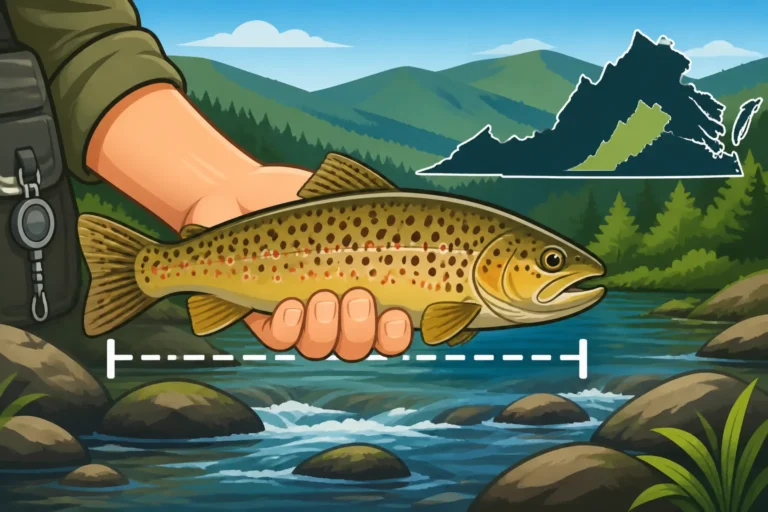
And let's not forget the trout! In the cooler, pristine mountain streams of Western Virginia, you can find beautiful wild brook, rainbow, and brown trout. These require a special trout stamp and often more specialized gear like fly rods. The DWR also stocks numerous streams and lakes with trout, creating fantastic put-and-take fisheries, especially from October through mid-June. No matter your preference, Virginia's freshwater ecosystems offer something for every angler, providing exciting challenges throughout the year.
Must-Have Gear and Preparing for Your Trip
As a nonresident, you might not have the luxury of a fully stocked garage. So, packing smartly and knowing what gear you'll need is essential. For most freshwater fishing in Virginia, a medium-action spinning rod and reel combo spooled with 8-12 lb test line will serve you well for bass, crappie, and even smaller catfish. If you're targeting those monster blue cats, you'll want something much heavier. Fly anglers targeting trout will need a lighter setup, typically a 4-6 weight rod.
When it comes to lures and bait, a versatile tackle box is key. For bass, consider a mix of plastic worms, jigs, crankbaits, and spinnerbaits. For crappie and panfish, small jigs, minnows, and worms are usually irresistible. Catfish love stink baits, cut bait, and live sunfish. If you're looking to quickly stock up on a good variety of tackle without visiting multiple stores, online retailers like Amazon offer a massive selection of freshwater fishing gear, from starter kits to specialized lures that can be shipped directly to your door or accommodation. It's a convenient way to ensure you have what you need without the hassle of searching local shops in an unfamiliar area.
Beyond your rod, reel, and tackle, don't forget the essentials for personal comfort and safety. A good pair of polarized sunglasses will help you spot fish and protect your eyes. Sunscreen, a wide-brimmed hat, and appropriate layers of clothing are crucial for adapting to Virginia's changing weather. A first-aid kit, plenty of water, and snacks are always wise additions to your pack. If you're on a boat, a life vest for every passenger is mandatory, and a map or GPS system (either dedicated or on your phone) will help you navigate unfamiliar waters.
Respecting Virginia's Waters and Fellow Anglers
As a guest in Virginia's beautiful fishing grounds, practicing good stewardship and angler etiquette is paramount. This goes beyond just having the right license and knowing the catch limits; it's about respecting the environment, the fish, and your fellow humans who share these spaces. A fundamental principle is "leave no trace." This means packing out everything you pack in, including fishing line, bait containers, and any trash. Let's keep Virginia's waters pristine for everyone.
If you're fishing from a boat, always be mindful of other anglers, especially those in smaller vessels like kayaks or canoes, or those fishing from the bank. Give them ample space, reduce your speed when passing, and avoid loud noises or making excessive wakes. When approaching a fishing spot, observe if others are already there and find a different area to avoid crowding or disturbing their experience. It's a shared resource, and courtesy ensures everyone has a pleasant day.
Finally, consider practicing responsible catch and release, especially for species like bass or trout, or if you've already met your creel limit. Handle fish gently with wet hands, use dehooking tools, and release them quickly back into the water. This ensures the fish have the best chance of survival, contributing to healthy populations for future generations of anglers, both resident and nonresident, to enjoy. Your respect for Virginia's waters helps ensure its reputation as a premier fishing destination remains strong.
Disclaimer
The information provided in this guide is intended for general informational purposes only and does not constitute legal advice. Fishing regulations and license requirements in Virginia can change. It is the responsibility of every angler to consult the most current Virginia Department of Wildlife Resources (DWR) regulations and obtain all necessary licenses and permits before engaging in any fishing activities. Always prioritize safety and adhere to all local, state, and federal laws.