Striped bass slot limits explained
It can be incredibly frustrating to head out on the water, hook into a beautiful striped bass, only to realize you're not entirely sure if you can keep it. The rules around striped bass, affectionately known as "rockfish" to many of us, can feel like a moving target, constantly shifting to protect this iconic species. This guide is here to untangle the complexities of Virginia's striped bass slot limits, helping you understand the "what," "why," and "how" of these vital regulations so you can fish confidently and legally.
Understanding Virginia's Striped Bass Slot Limit
The term "slot limit" can sometimes sound a bit technical or confusing, especially for new anglers. It’s not just about the biggest fish you can catch; it’s a strategic conservation tool. Virginia, like many other states, uses these limits to manage fish populations, ensuring there are enough fish of all sizes to maintain a healthy ecosystem.
What Exactly is a Slot Limit?
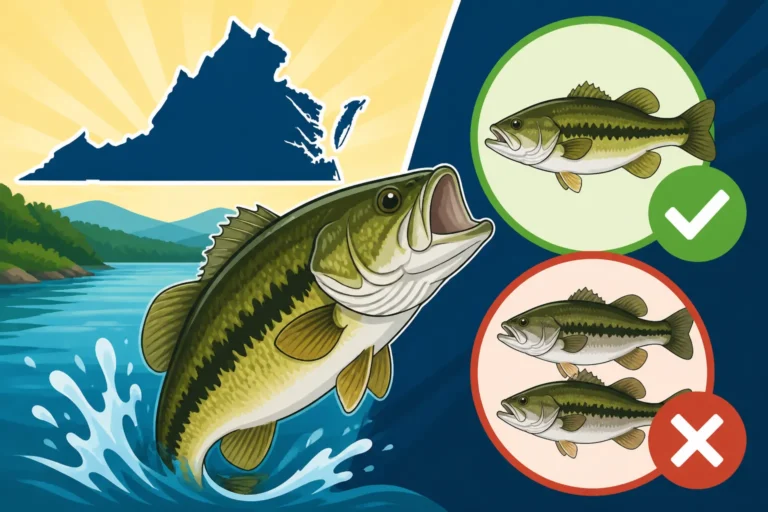
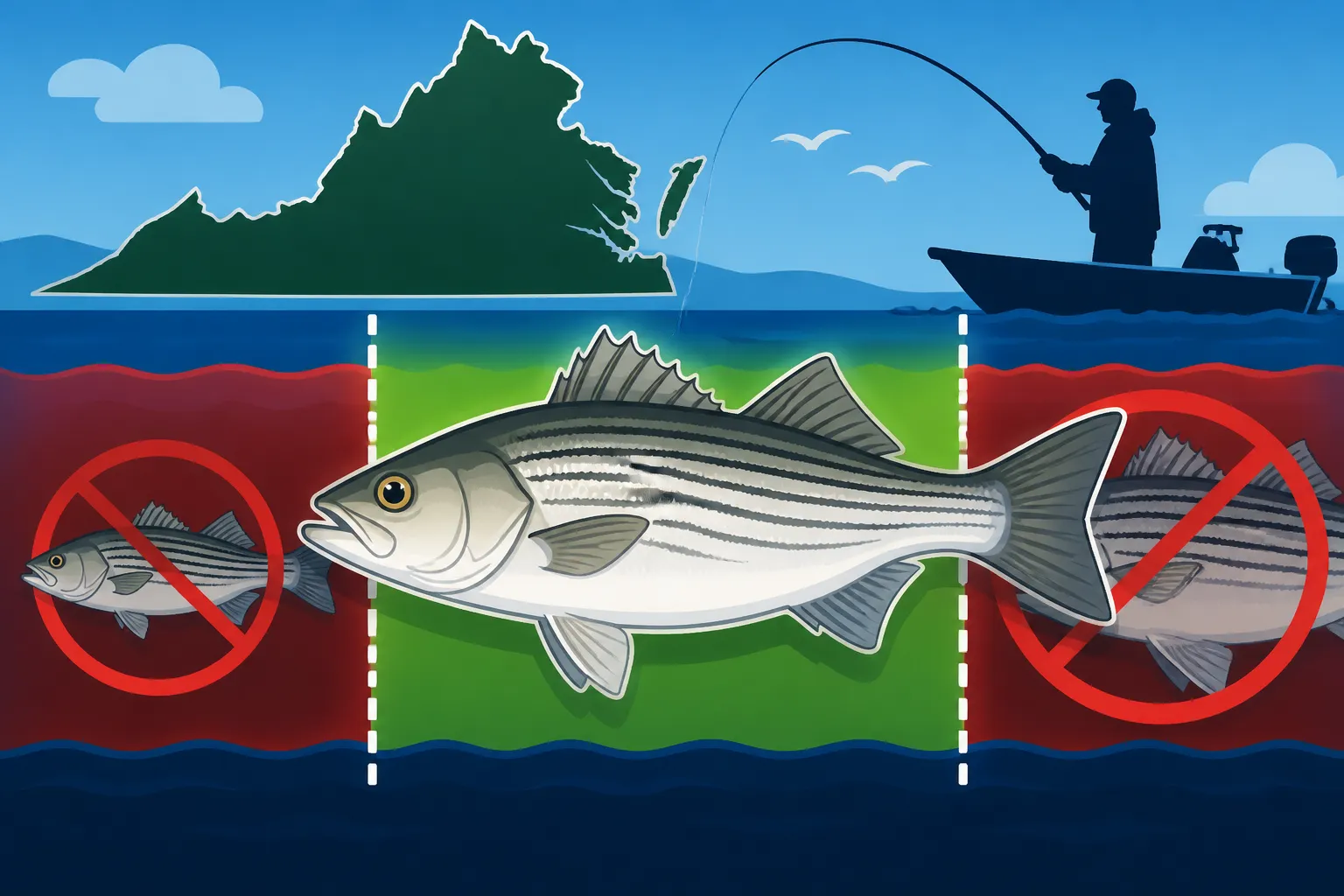
Imagine a window of opportunity, not just a minimum size. That’s essentially what a slot limit is. Instead of simply saying, "you can only keep fish over X inches," a slot limit dictates that you can only keep fish that fall within a specific size range. Fish that are too small must be released, and, crucially, fish that are too large must also be released. This approach might seem counterintuitive at first glance, especially if you’re used to the "bigger is better" mentality of fishing, but there's a profound biological reason behind it that we'll dive into shortly. It’s about creating a balanced fishery, protecting vulnerable age classes, and ensuring a sustainable future for the species.
The Current Virginia Striped Bass Slot Limit
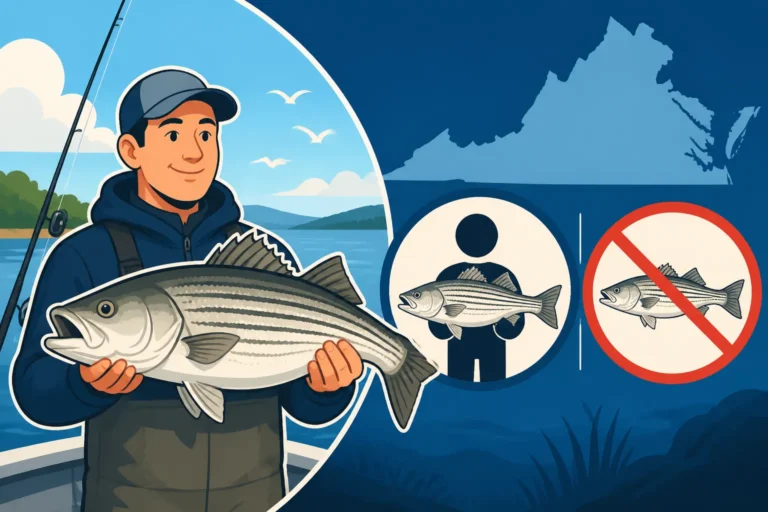
For anglers targeting striped bass in Virginia's recreational waters, the current slot limit is 28 to 31 inches. This means that if you catch a striped bass that measures between 28 and 31 inches, inclusive, you are permitted to keep it, provided you adhere to the daily creel limits. If your fish measures under 28 inches, it's considered an "undersized" fish and must be immediately released unharmed. Likewise, if your prize catch stretches beyond 31 inches, it's deemed "oversized" and must also be released. This 28 to 31 inch window applies across much of Virginia's coastal waters, including the Chesapeake Bay and its tributaries, and is a critical regulation every angler needs to memorize before heading out. Keep in mind that regulations for different areas or species can sometimes vary, so always double-check the latest Virginia fishing regulations explained before your trip.
Daily Creel and Possession Limits
The slot limit isn't the only rule you need to keep in mind. Hand-in-hand with the size restrictions are the daily creel and possession limits. In Virginia, the general rule is that recreational anglers are allowed to keep one striped bass per person, per day, as long as that fish falls within the 28 to 31-inch slot. The daily creel limit refers to the maximum number of fish you can legally harvest in a single calendar day. Beyond that, there's also a possession limit, which typically means you cannot possess more than the daily limit while actively fishing or on your way home from fishing. This means if you've already kept your one legal striped bass for the day, even if you continue fishing and catch another one within the slot, you must release it. It's all about responsible harvesting to ensure that our striped bass populations remain healthy and abundant for future generations to enjoy. For a deeper dive into overall catch limits, you might want to read Virginia's fishing license and catch limit basics.
Why Virginia Implements Striped Bass Slot Limits
It’s natural to wonder why these specific rules are in place. Why not just a minimum size? The answer lies in the complex biology of striped bass and the long-term health of the fishery. These regulations aren't arbitrary; they are the result of extensive scientific research and regional conservation efforts.
Protecting Spawning Stock
One of the primary reasons for the slot limit is to protect the crucial "spawning stock" – essentially, the adult fish that are most vital for reproduction. Larger, mature female striped bass are incredibly important because they produce significantly more eggs than smaller, younger females. They are the backbone of the population, ensuring the next generation of rockfish. By implementing an upper limit on the size of fish you can keep, the slot limit ensures that these large, highly productive breeding females (and males) remain in the water to continue spawning. This strategy helps maintain a robust and resilient population, even in the face of environmental challenges and fishing pressure. Without these larger fish, the overall reproductive capacity of the striped bass population would suffer drastically.
Managing Overfishing and Population Health
Striped bass have faced significant challenges from overfishing in the past, leading to declines in their numbers. Slot limits are a proactive measure designed to prevent a return to those dire situations. By regulating which fish can be kept, resource managers can more precisely control the overall harvest. The slot limit specifically targets a segment of the population that is generally abundant but hasn't yet reached its peak reproductive potential, allowing those "trophy" fish to continue contributing to the gene pool. This balanced approach helps reduce pressure on the most critical breeders while still allowing recreational anglers to enjoy a harvest. It’s a delicate act, aiming to sustain the population for both ecological balance and angler enjoyment, ensuring that the fishery remains healthy for years to come. This strategy is also a key part of the broader Virginia striped bass season and slot limit guide.
Adapting to Coastal Conservation Efforts
Virginia's striped bass regulations are not developed in isolation. Striped bass are migratory, traveling up and down the Atlantic Coast. Because of this, their management is a collaborative effort involving multiple states through the Atlantic States Marine Fisheries Commission (ASMFC). The ASMFC coordinates conservation and management of shared marine fishery resources, and striped bass are one of their primary focuses. Virginia's slot limit and other regulations, such as Virginia striped bass split season dates explained, are often implemented in response to coastwide stock assessments and management plans set forth by the ASMFC. This ensures a consistent and effective approach to conservation across their entire range. When you adhere to Virginia's rules, you're contributing to a larger, regional effort to restore and maintain the health of the Atlantic striped bass stock, which benefits everyone who loves to fish for these incredible creatures. These coordinated efforts are essential given how extensively striped bass migrate, making cross-state cooperation vital for their survival.
Practical Tips for Anglers Navigating Striped Bass Regulations
Adhering to regulations is more than just avoiding a fine; it's about being a responsible steward of our natural resources. Knowing the rules is the first step, but having the right tools and habits can make all the difference.
Essential Gear for Measuring and Releasing Stripers
When you're out on the water, you need to be able to quickly and accurately measure your catch to determine if it falls within the legal slot limit. A reliable measuring device is absolutely non-negotiable. Look for a sturdy, waterproof measuring board or tape that clearly shows increments. Many anglers prefer a bump board that allows the fish's nose to rest against a fixed end for a precise measurement. You can find excellent, durable options made from marine-grade plastic or aluminum easily on platforms like Amazon. Just make sure it’s long enough to measure a 31-inch fish, and keep it in plain sight on your boat or tackle bag.
Beyond measuring, proper release techniques are paramount, especially for undersized or oversized fish that must go back into the water. Having a dehooker or long-nose pliers makes it easier to remove hooks quickly and minimize harm to the fish. A large, rubberized landing net is also a fantastic investment. Unlike traditional knotted nets that can strip a fish of its protective slime layer, rubber nets are gentler on scales and fins, significantly increasing the chances of survival for released fish. Always try to keep the fish in the water as much as possible, especially during warmer months, and handle it gently with wet hands to protect its delicate outer layer. These simple tools, often available through retailers like Amazon or local tackle shops, demonstrate a commitment to conservation and ensure that more fish survive to fight another day.
Staying Informed on Regulation Changes
This is perhaps one of the most critical tips for any angler. Fishing regulations, especially for highly managed species like striped bass, are not static. They can change frequently based on stock assessments, environmental factors, and new management decisions. What was legal last year might not be legal this year, or even next month! To avoid violations and contribute positively to conservation, it's your responsibility to stay current.
The absolute best sources for up-to-date information are the official state agencies: the Virginia Department of Wildlife Resources (DWR) for freshwater, and the Virginia Marine Resources Commission (VMRC) for saltwater. Both agencies maintain detailed websites with current regulations, season dates, and limits. Before every fishing trip, especially if it's been a while, make it a habit to check their sites or pick up the latest printed regulation guide. You can often find these guides at local tackle shops, marinas, and DWR offices. Subscribing to their email newsletters or following their social media channels can also provide timely alerts about emergency closures or regulation updates. Don't rely on hearsay from the dock or old information you found online. A quick check of official sources, even on your phone, can prevent a stressful encounter with a game warden and ensure you're fishing legally and responsibly.
The Importance of Responsible Angling
Responsible angling goes far beyond simply knowing the rules; it's a mindset that prioritizes the long-term health of our fisheries. When it comes to striped bass, this means understanding the impact of your actions. Every fish you catch, whether kept or released, experiences stress. Minimizing that stress is key to the survival of released fish. Practice quick, efficient catch-and-release techniques, especially for fish outside the slot limit or when you've reached your daily creel limit. This includes using appropriate tackle that can land fish efficiently, avoiding overly long fights, and handling fish gently.
Beyond the individual fish, responsible angling also involves being aware of the broader ecosystem. Don't leave trash or fishing line behind. Respect private property and other anglers. Understand that the slot limits and daily limits, like the Virginia's one-fish striped bass limit on charter trips or the fact that How many striped bass can you keep in Virginia, are put in place for very good reasons – to ensure that these incredible fish populations can thrive for generations. By embracing these principles, you're not just a fisherman; you're a conservationist, actively participating in the preservation of Virginia's rich aquatic heritage.
Common Misconceptions and FAQs About Striped Bass Rules
Even with clear guidelines, some questions and misunderstandings frequently pop up among anglers. Let's tackle some of the most common ones to help clarify any lingering doubts.
Does the Slot Limit Apply Everywhere in Virginia?
Generally, the 28 to 31-inch slot limit for striped bass applies to most of Virginia's tidal saltwater and brackish waters, including the vast expanse of the Chesapeake Bay and its numerous tributaries like the James, York, Rappahannock, and Potomac Rivers. This covers the vast majority of where anglers will encounter "rockfish." However, it's always wise to be aware that specific areas can sometimes have special regulations or closures. For instance, some very specific areas might have seasonal closures or even different limits for very localized reasons.
Additionally, while Virginia has a fantastic freshwater striped bass fishery in lakes like Smith Mountain Lake and Lake Anna, these freshwater striped bass are often managed under different regulations, which might include different size and creel limits, or even no slot limit at all. So, while the 28-31 inch slot is the standard for saltwater striped bass, if you're venturing inland to a large reservoir, always consult the specific DWR regulations for that body of water. When you're fishing coastal waters, though, assume the 28 to 31-inch rule is in effect, but always perform that quick check on the VMRC website just to be absolutely sure.
What if I Accidentally Catch an Oversized or Undersized Striper?
It happens to the best of us! You cast your line, you feel that unmistakable tug, and after a good fight, you reel in a beautiful striped bass that's either just a little too small or a magnificent trophy that's well over the 31-inch mark. The key word here is "accidental." If you inadvertently catch a striped bass that falls outside the legal 28 to 31-inch slot, the law is very clear: you must immediately release it, unharmed. This means no bringing it into the boat for a photo shoot, no delaying the release, and absolutely no attempting to "stretch" it onto your measuring board hoping it falls into the slot.
The consequences for violating striped bass regulations, whether by keeping an illegal size fish or exceeding the daily creel limit, can be significant. Virginia game wardens and marine police officers actively patrol our waters, and they take these regulations very seriously. Penalties can range from hefty fines and court costs to the confiscation of your catch, gear, and even your boat. While a first offense might lean towards a warning in some circumstances, repeated or egregious violations can lead to much more severe repercussions. It's simply not worth the risk. Treat every fish with care, and if it's not legal, get it back in the water as quickly and gently as possible.
Do I Need a Special License for Striped Bass?
You don't need a special license specifically for striped bass, but you absolutely need the correct general Virginia fishing license for the waters you're fishing in. If you're targeting striped bass in the Chesapeake Bay or any of its tidal tributaries (which is where most striped bass fishing occurs), you'll need a Virginia saltwater fishing license. This covers all marine species and is mandatory for anyone 16 years of age or older.
If, by chance, you happen to be fishing for striped bass in a freshwater impoundment that contains a landlocked population (like Smith Mountain Lake), you would need a Virginia freshwater fishing license. Some anglers opt for a Virginia resident combination fishing license price which covers both freshwater and saltwater fishing, providing maximum flexibility. Always ensure your license is current and covers the specific type of water you're fishing. It's important to remember that most fishing charters will cover the license for their clients, but it's always smart to confirm this when booking. Otherwise, you are personally responsible for having a valid license. You can easily purchase or renew your license online through the Virginia DWR website or at authorized license agents, often found in bait and tackle shops, Walmart, or through services like Amazon for related fishing supplies like tackle boxes or fishing line. Don't forget, having a valid license is the foundation for legal and enjoyable fishing in Virginia.
Virginia Striped Bass Recreational Regulations Summary
To help keep these essential rules clear in your mind, here's a quick summary of the recreational striped bass regulations in Virginia. Remember, these are subject to change, so always verify with official sources before heading out.
| Regulation Type | Details |
|---|---|
| Slot Limit | 28 to 31 inches, inclusive. Fish measuring less than 28 inches or more than 31 inches must be immediately released unharmed. |
| Daily Creel Limit | One (1) fish per person, per day. |
| Possession Limit | No more than the daily creel limit while actively fishing or in transit from fishing. |
| Season Dates | Striped bass season in Virginia's Chesapeake Bay and its tributaries typically operates under a split season. For example, it might run from January 1 – March 31, then reopen May 16 – June 15, and again from October 4 – December 31. These dates are subject to annual change and can vary by specific area, so always confirm with VMRC. For more on this, check out Striped Bass Season and Slot Limit in Virginia. |
| Licensing | Virginia Saltwater Fishing License required for tidal waters (Chesapeake Bay and tributaries). Virginia Freshwater Fishing License for landlocked populations in reservoirs. |
| Gear Notes | Use appropriate tackle to minimize stress on fish; have a reliable measuring device and proper release tools (dehooker, rubberized net) ready. |
This table provides a quick reference, but please consider it a starting point. Always consult the Virginia Marine Resources Commission (VMRC) for the most current and authoritative information.
Disclaimer
Please remember that fishing regulations are dynamic and subject to change without notice. While every effort has been made to provide accurate and up-to-date information in this guide, it is ultimately the angler's responsibility to verify current rules and regulations with the official Virginia Department of Wildlife Resources (DWR) and Virginia Marine Resources Commission (VMRC) websites or their printed publications before engaging in any fishing activity. This article is for informational purposes only and should not be considered a substitute for official legal guidance.