How Calm Bay Waters Differ From Open-Ocean Charters
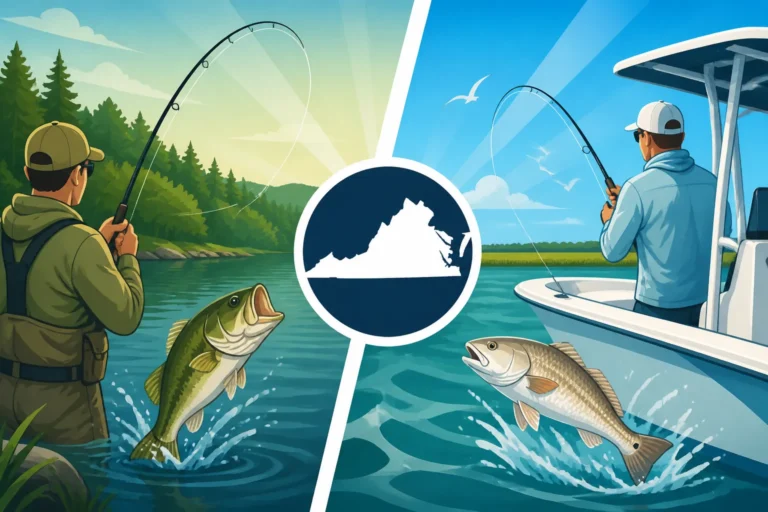
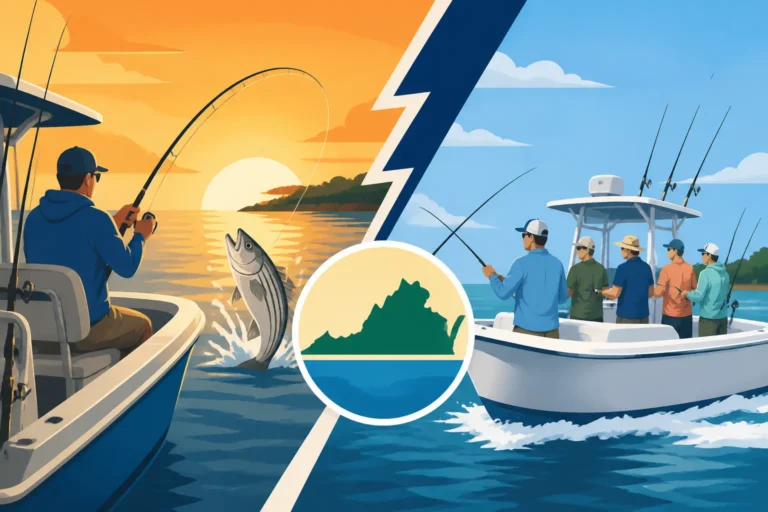
It's easy to feel overwhelmed when planning a fishing trip to Virginia's incredible waters. One of the biggest questions I hear from fellow anglers, especially those new to charter fishing, is how to choose between the protected, calmer waters of the Chesapeake Bay and the vast, often more challenging open Atlantic Ocean. This guide is designed to demystify these options, helping you understand the unique experiences each offers so you can book the perfect adventure for your crew.
Understanding Virginia's Diverse Waterways
Virginia is blessed with a remarkably diverse coastline, offering everything from serene inland rivers to bustling estuaries and the boundless expanse of the Atlantic. This variety is fantastic for anglers, but it also means understanding what kind of water you're heading into can make or break your trip. The environment dictates the type of fish you'll find, the boat you'll be on, and even how prone you might be to seasickness!
The Protected Embrace of the Chesapeake Bay
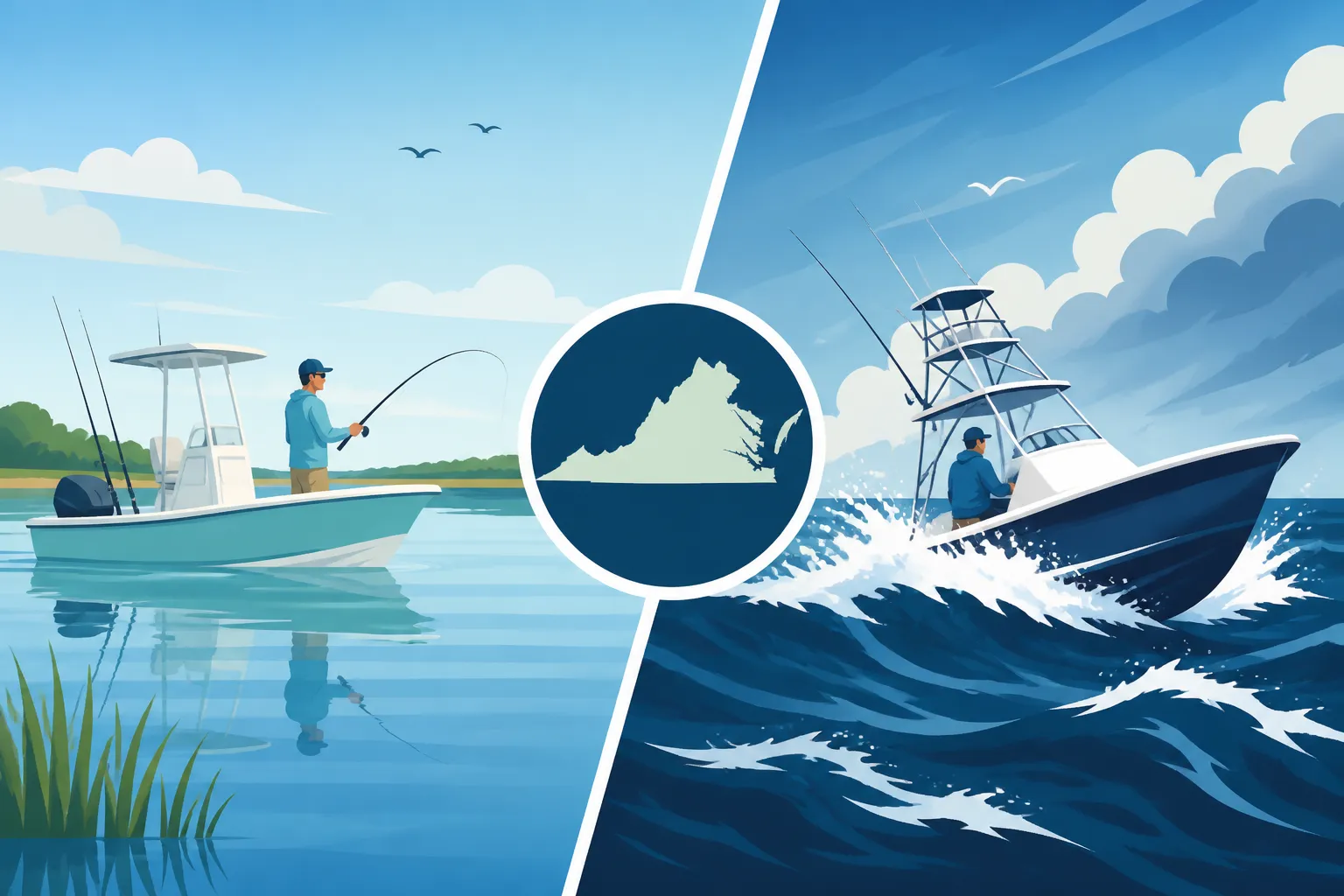
The Chesapeake Bay is an absolutely massive estuary, a semi-enclosed body of water where freshwater from rivers mixes with saltwater from the ocean. Think of it as a giant, sheltered basin that gradually opens up to the Atlantic. Because it's largely protected by landmasses, the bay waters tend to be significantly calmer than the open ocean, especially on windy days. While you can still encounter chop, especially on broader sections or during strong winds, it rarely reaches the sustained, rolling swells you'd find offshore. The depths here are generally shallower, averaging around 21 feet, though channels can be much deeper. This unique mix of freshwater and saltwater creates a rich, fertile habitat that supports an incredible array of marine life.
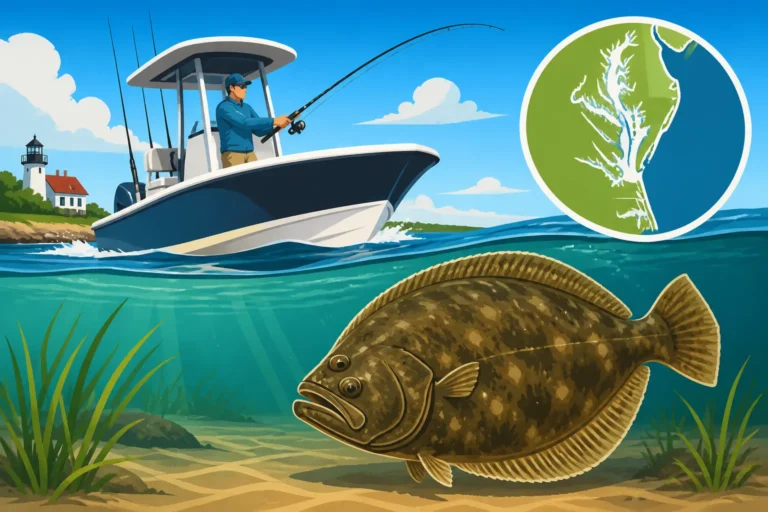
Anglers often target a fantastic variety of species in the bay. You'll find healthy populations of striped bass – often affectionately called "rockfish" by locals – particularly during their migration seasons. Flounder, croaker, spot, speckled trout, red drum, and even some large black drum are common catches. The bay is also a fantastic place to pursue white perch and catfish, offering a diverse fishery that appeals to many. The experience here is often more relaxed, making it ideal for families with children or those who are prone to motion sickness. You can enjoy a variety of fishing styles, from bottom fishing to light tackle jigging, and the boat ride to the fishing grounds is usually much shorter and smoother.
The Grandeur and Challenge of the Open Atlantic Ocean
Stepping out into the open Atlantic Ocean from a Virginia port like Virginia Beach or Rudee Inlet is an entirely different ballgame. Here, you're looking at vast, deep waters, uninhibited by land, where ocean swells can grow to impressive sizes, even on relatively calm days. The environment is wilder, more exposed, and the conditions can change rapidly. This isn't just a bigger body of water; it's a completely different ecosystem. You're venturing into true offshore territory, where the ocean floor drops off dramatically, and currents are powerful.
The fish species you'll encounter offshore are often pelagic, meaning they live in the open water rather than near the bottom. This is where you'll find the big game: tuna (bluefin, yellowfin, bigeye), mahi-mahi (dolphin), wahoo, and various billfish like white marlin and blue marlin. Closer to shore but still in the ocean, you can also target impressive offshore striped bass, tautog around wrecks and reefs, and even some shark species. The challenge of the open ocean is part of its allure for many anglers; it's about pursuing powerful, hard-fighting fish in their natural, untamed environment. Be prepared for longer runs to the fishing grounds, potentially rougher rides, and a more physically demanding fishing experience. It’s definitely not for the faint of heart or those with a delicate stomach, but the rewards can be truly epic.
Key Differences in Charter Experience
When you decide to book a fishing charter, the choice between bay and ocean fishing isn't just about what fish you want to catch; it profoundly impacts almost every aspect of your trip. From the kind of boat you'll be on to the price you pay and the techniques you'll use, these two distinct environments dictate the entire experience.
Vessel Size and Type
Charter boats operating in the Chesapeake Bay typically range in size and type, but many are smaller, nimble vessels designed for navigating shallower waters and getting to various fishing spots quickly. You'll often see 20-30 foot center console boats, bay boats, or even smaller skiffs. These boats are built for speed and maneuverability, allowing captains to chase schooling fish or target specific structures within the bay. They might not have all the luxurious amenities of their offshore counterparts, but they're perfectly suited for the bay's conditions and the types of fishing encountered there. They offer a more intimate experience, often closer to the water, and are generally easier to get on and off.
In stark contrast, open-ocean charters, especially those heading far offshore, operate much larger, heavier, and more robust vessels. We're talking about serious sportfishing yachts, often 35-60 feet or more, designed to handle rough seas and long voyages. These boats are built with deep V-hulls to cut through waves, powerful engines for speed and range, and extensive electronics packages for navigation and fish finding in vast waters. They often feature larger cabins, enclosed heads (bathrooms), and sometimes even galleys for longer trips. For "headboats" or "party boats" that take many anglers, you might see even larger vessels, some topping 80 feet, specifically built for stability and capacity offshore. These boats are equipped for safety and comfort during hours of travel and fishing in potentially challenging conditions.
Trip Length and Cost Structure
The nature of bay versus ocean fishing inherently influences the trip length and, consequently, the cost. Bay charters often offer a wider range of trip durations, from shorter 4-hour "half-day" trips to 6-hour "3/4-day" excursions, and sometimes full 8-hour days. Because the fishing grounds are often closer to port and the travel time is less, these shorter options are more feasible. This flexibility makes bay charters generally more accessible in terms of pricing, as you can often find options that fit different budgets and schedules. They are a fantastic entry point for new anglers or those looking for a quicker outing. You can easily compare these options and their inclusions on platforms like FishingBooker, where captains often detail their various trip packages. Half-Day vs Full-Day Fishing Charters in Virginia is a great resource to understand these distinctions.
Open-ocean charters, particularly those targeting big game far offshore, almost exclusively run as full-day trips, typically 8-12 hours, and sometimes even multi-day expeditions for truly remote destinations. The sheer travel time to reach the deeper waters where pelagic species roam often consumes several hours each way. This extended duration, combined with the larger, more specialized vessels, higher fuel consumption, and more extensive tackle required, translates to a significantly higher cost. While the per-person cost might seem daunting, remember that you're paying for a specialized experience, a larger vessel, and the chance at truly enormous fish. It’s an investment in a potential once-in-a-lifetime adventure. When looking at Virginia Beach-based ocean charters, you'll find that Virginia Beach Fishing Charters and Trip Costs generally reflect these longer durations and specialized equipment.
Target Species and Fishing Techniques
The choice of water dictates the inhabitants, and thus, the target species and the techniques needed to catch them. In the Chesapeake Bay, you're primarily looking at species like striped bass, flounder, croaker, red drum, and speckled trout. These fish generally reside in shallower waters, around structure, or along channel edges. Common techniques include:
- Jigging: Using artificial lures (jigs) vertically or cast-and-retrieved to mimic baitfish.
- Bottom Fishing: Anchoring up and using baited rigs (like flounder rigs or top-and-bottom rigs) to target fish on the seabed.
- Light Tackle Trolling: Pulling small lures or baited rigs behind the boat at slower speeds.
- Live Baiting: Using live minnows, shrimp, or spot to entice larger game fish.
This type of fishing often provides consistent action and is great for honing casting and reeling skills.
Out in the open Atlantic, the game changes dramatically. Your targets are often fast-moving, powerful pelagic species that migrate through the vast ocean currents. Here, you're talking about:
- Trolling: This is the most common technique for offshore pelagics. Multiple lines with various lures, baits, and teasers are pulled behind the boat at speed, covering vast amounts of water to attract fish like tuna, mahi-mahi, and marlin.
- Deep Dropping: For species residing in extreme depths (hundreds or even thousands of feet), specialized electric reels and heavy weights are used to get bait down to the bottom.
- Chumming: Dispersing ground bait or cut pieces of fish to create a scent trail and attract fish to the boat, often used for tuna or sharks.
- Live Baiting Offshore: Similar to bay live baiting, but often with much larger baitfish like bunker or mackerel, targeting powerful fish that respond well to natural presentations.
The tackle here is much heavier, designed to withstand the brutal power of offshore giants. The fight can be prolonged and incredibly demanding, often requiring specialized fighting chairs or stand-up harnesses. Choosing a Charter Based on the Fish You Want to Catch is crucial for aligning your expectations with the realities of each environment.
Factors to Consider When Choosing Your Charter
Deciding between a calm bay adventure and a thrilling open-ocean excursion really boils down to a few personal and practical considerations. It's about aligning your expectations, your comfort, and your fishing goals with what each environment naturally offers.
Your Comfort Level and Experience
This is perhaps the most important factor. If you or anyone in your group is prone to motion sickness, or if it's your very first time on a fishing boat, a Chesapeake Bay charter is almost always the better choice. The bay's protected waters offer a much smoother ride, significantly reducing the chances of seasickness. This allows everyone to relax, enjoy the scenery, and focus on the fishing, rather than feeling unwell. It's a fantastic, gentle introduction to the world of saltwater fishing.
For experienced anglers who live for the challenge, or those who know they handle rough seas well, the open ocean can be incredibly rewarding. It's where you find truly formidable opponents and the potential for a trophy fish of a lifetime. However, it's vital to be realistic about your tolerance for prolonged boat rides in potentially bumpy conditions. No one wants to spend a day feeling miserable, even if the fishing is legendary. Always err on the side of caution if you're unsure.
Desired Fish Species and Trophy Potential
What's your fishing dream? Are you hoping to catch a variety of delicious table fish, or are you chasing a once-in-a-lifetime monster?
If you're looking for a good mix of species, consistent action, and perhaps some tasty fillets like flounder, croaker, or rockfish, the Chesapeake Bay is your playground. It offers excellent opportunities for these species and more. Virginia Striped Bass Season and Slot Limit Guide applies directly to the bay's most popular game fish, and it's a great place to test your skills with light tackle.
However, if your sights are set on truly enormous fish – think majestic tuna, acrobatic mahi-mahi, or powerful marlin – then the open ocean is where you need to be. These pelagic species thrive in the deep, nutrient-rich waters far offshore. The "trophy potential" in the ocean is undeniably higher for sheer size and fighting power. It's a quest for true giants, requiring patience, endurance, and often, heavier tackle. Consider what kind of "trophy" truly excites you: a solid bag of diverse bay fish, or one truly epic battle with a deep-sea leviathan.
Group Dynamics and Trip Objectives
Who are you fishing with, and what do you hope to achieve beyond just catching fish?
For families with young children or mixed groups with varying levels of fishing interest, a bay charter is usually the superior choice. The shorter trip lengths, calmer waters, and more frequent action can keep everyone engaged and comfortable. It's less about the intense pursuit of one species and more about a fun, shared experience on the water. Many captains offering Chesapeake Bay Fishing Charters in Virginia specialize in family-friendly trips, focusing on creating positive memories.
For hardcore anglers, bachelor parties, or corporate outings where serious fishing is the priority, an open-ocean trip can be an incredible bonding experience. The shared challenge of battling big fish and enduring the elements can create lasting memories. These trips are often about the pursuit itself, the camaraderie, and the satisfaction of a hard-earned catch. It's less about sightseeing and more about pure angling dedication.
Weather Sensitivity and Flexibility
The weather, as every angler knows, is a fickle beast, and it plays an even bigger role when choosing between bay and ocean charters.
Bay charters are generally more resilient to adverse weather. While strong winds can still make the bay choppy, it usually won't be as severe as offshore conditions. This means fewer cancellations due to high seas and generally more stable conditions for fishing. If a cold front moves in or winds pick up, bay captains often have more sheltered areas to fish, providing a backup plan.
Open-ocean charters are highly dependent on good weather. Large ocean swells, strong winds, and offshore storms can quickly make a trip unsafe or unbearable. Charters targeting these waters are much more likely to be cancelled or rescheduled due to unfavorable conditions. It's crucial to have flexibility in your schedule if you're booking an offshore trip, as captains prioritize safety above all else. Always discuss the captain's cancellation policy and stay in close communication about the forecast. Many captains on FishingBooker are very transparent about their weather policies. A good read on this topic is What Happens if a Charter Trip Gets Rained Out.
| Feature | Chesapeake Bay Charters | Open-Ocean Charters |
|---|---|---|
| Water Conditions | Generally calmer, shallower, protected estuary | Often rougher, deeper, exposed to ocean swells |
| Vessel Size | Smaller (20-30 ft) center consoles, bay boats | Larger (35-60+ ft) sportfishing yachts, headboats |
| Trip Length | Half-day (4 hr), 3/4-day (6 hr), full-day (8 hr) | Full-day (8-12 hr), sometimes multi-day |
| Cost | Generally lower, more budget-friendly options | Higher, due to larger boats, fuel, and specialized gear |
| Target Species | Striped Bass, Flounder, Croaker, Red Drum, Trout, Perch | Tuna, Mahi-Mahi, Wahoo, Marlin, offshore Striped Bass |
| Fishing Style | Jigging, bottom fishing, light tackle, live baiting | Trolling, deep dropping, chumming, heavy tackle |
| Seasickness Risk | Low to Moderate | Moderate to High |
| Best For | Families, beginners, casual anglers, consistent action | Experienced anglers, thrill-seekers, trophy hunters |
| Weather Impact | Less sensitive, more sheltered options | Highly sensitive, more prone to cancellation |
Practical Considerations for Booking Your Trip
Once you've wrapped your head around the fundamental differences between bay and ocean charters, there are still a few practicalities to sort out before you can cast your line. These cover everything from legal requirements to what to pack, and crucially, how to actually secure the right boat for your adventure.
Licensing and Regulations
One common point of confusion for first-time charter anglers is fishing licenses. The good news is that for most reputable Virginia fishing charters, your captain or the charter service will have a blanket license that covers everyone on board. This means you typically don't need to purchase your own individual Virginia Fishing License Guide when fishing with a licensed charter. However, it's always smart to confirm this when you book, just for peace of mind.
Beyond the license, both bay and ocean fishing are subject to Virginia's detailed fishing regulations. These include specific size limits, daily creel limits (how many fish you can keep), and sometimes even specific seasons or slot limits for certain species. For instance, Virginia's Striped Bass Season and Slot Limit Guide is crucial for anyone targeting rockfish, whether in the bay or just offshore. Your charter captain will be an expert on these rules and will ensure everyone on board complies, but being generally aware of them adds to the experience. They'll know exactly How Many Fish You Can Keep on a Charter Trip for each species targeted.
What to Bring and What's Provided
Regardless of whether you choose the bay or the ocean, there are some universal items you should always bring:
- Sun Protection: Sunscreen (reef-safe if possible), a wide-brimmed hat, and sunglasses are non-negotiable. The sun's glare off the water is intense.
- Appropriate Clothing: Dress in layers. Even on a warm day, it can be cool on the water, especially in the early morning or late evening. For offshore trips, waterproof outerwear is often a good idea.
- Food and Drinks: Pack plenty of water, snacks, and any meals you might need, especially for longer trips.
- Cooler: If you plan on keeping your catch, bring a cooler to transport it home in your vehicle. The boat will have coolers for ice and storing fish during the trip.
- Medication: If you take any regular medication, bring it. For ocean trips, consider motion sickness medication like Dramamine or Bonine, and take it before you board the boat.
Most reputable charters will provide all the necessary fishing gear, including rods, reels, bait, and tackle. They'll also have all the required safety equipment on board, such as life jackets and first-aid kits. Again, it's always a good idea to confirm exactly What to Bring on a Virginia Fishing Charter with your specific charter captain when you book.
Finding the Right Charter for You
With so many options, how do you pick the perfect charter? Start by clearly defining your objectives: what fish do you want to catch? How many people are in your group? What's your budget? And, perhaps most importantly, what's everyone's comfort level with potential rough waters?
Online platforms like FishingBooker are incredibly helpful tools. They allow you to browse numerous charters, compare their offerings (trip lengths, target species, amenities), read reviews from other anglers, and directly communicate with captains. This transparency helps you make an informed decision. Look for captains who specialize in the type of fishing you're interested in and who have a track record of positive experiences. Don't hesitate to call or message captains to ask specific questions about their boats, experience, and what they recommend for your group. Checking out resources like Best Fishing Charters and Guides Near Virginia Beach can also give you a head start in finding highly-rated operators.
Ultimately, whether you choose the calmer, diverse waters of the Chesapeake Bay or the thrilling, big-game opportunities of the open Atlantic Ocean, a Virginia fishing charter promises an unforgettable adventure. Do your homework, communicate your expectations, and get ready to create some incredible fishing memories.
Disclaimer
This article is for general informational purposes only and does not constitute professional advice. Laws, prices and regulations vary by location and change over time. Consult a qualified professional for guidance on your specific situation.