First Charter Trip Tips for Virginia Beginners
So, you're thinking about taking your first fishing charter trip in Virginia, and let me tell you, it's a fantastic idea! But I get it, that initial step can feel a little daunting. You're probably wondering what to expect, what to bring, or even if you'll know what to do when you get out there. Don't sweat it – this guide is designed to walk you through everything a beginner needs to know to have an incredible and stress-free first experience on the open water.
Before You Book: Planning Your First Virginia Charter
The idea of going on a fishing charter is exciting, but for many first-timers, the sheer number of options can feel overwhelming. Do you go for saltwater or freshwater? Half-day or full-day? What kind of fish are you even trying to catch? Taking a little time to plan beforehand will make a huge difference in how much you enjoy your trip, ensuring it aligns perfectly with your expectations.
Choosing Your Fishing Adventure Type
Virginia offers a truly diverse range of fishing experiences, from the vast expanses of the Chesapeake Bay to the deep, clear waters of inland lakes like Smith Mountain Lake. Your first step should be to decide what kind of environment and fish excite you most.
If you dream of reeling in a powerful striped bass (often called rockfish here in Virginia), a Chesapeake Bay or Virginia Beach saltwater charter is probably what you're looking for. These trips can take you out into the bay or even into the ocean, offering a chance at bigger, harder-fighting fish. The scenery is often breathtaking, and the feeling of being out on the open water is truly exhilarating. However, saltwater trips can sometimes mean choppier conditions, which is something to consider if you're prone to motion sickness. For those chasing big freshwater fighters like striped bass or trophy largemouth bass, a lake guide on a place like Smith Mountain Lake offers a different but equally rewarding experience. The waters are generally calmer, and you're surrounded by lush landscapes rather than the vast ocean. Each type of trip offers unique fish species and fishing techniques, so think about what kind of day you envision for yourself.
Researching and Selecting Your Charter
Once you have a general idea of your desired fishing adventure, it's time to find a reputable charter. This isn't just about picking the first boat you see; it's about finding a captain and crew that align with your goals, especially as a beginner. Start by looking for charters that specifically mention being "family-friendly" or "beginner-focused" in their descriptions. These operations are typically more patient and understanding, taking the time to explain techniques and help you throughout the day.
Online platforms like FishingBooker are excellent resources for browsing various Virginia fishing charters, comparing boats, reading reviews, and understanding what's included. Pay close attention to recent reviews, as they often give you insights into the captain's personality, the condition of the boat, and the overall experience. Don't be shy about calling the charter captain directly. This phone call is a fantastic opportunity to ask questions, gauge their responsiveness, and clarify any uncertainties. Ask about their experience with beginners, what species they'll be targeting during your trip, and what their policy is if the weather turns sour. Remember, a good captain wants you to have a great time and will be happy to answer your questions. For an even deeper dive into this, check out How to Book a Fishing Charter in Virginia.
Essential Questions to Ask Your Captain
It’s completely normal to have a million questions bubbling up, especially for your very first charter. Before you finalize your booking, take a moment to confirm some key details with the captain or booking agent. These questions ensure there are no surprises on the day of your trip and that you're prepared for what's ahead.
First and foremost, clarify what fishing gear is provided. Most reputable charters supply all the rods, reels, and bait you'll need, but it's always good to confirm. Secondly, ask about the fishing license situation. In many cases, especially for saltwater charters, the charter boat itself holds a blanket license that covers all paying passengers. However, some freshwater guides might require you to have your own Virginia fishing license. It's much better to know this upfront than to find yourself in a bind on the morning of your trip. Also, inquire about what other amenities are available on board – is there a restroom? Is there a cooler for your drinks and snacks? Knowing these small details can significantly impact your comfort level during the excursion. Finally, confirm their cancellation policy, especially regarding weather. Nobody wants a trip canceled, but knowing the procedure for rescheduling or refunds provides peace of mind.
Getting Ready: Packing and Pre-Trip Preparations
You've booked your charter, the date is set, and the excitement is building! Now it’s time to think about what you need to bring to ensure you're comfortable and ready for a day on the water. A little preparation now can prevent a lot of discomfort later, allowing you to focus purely on the thrill of the catch.
What to Pack for Your Trip
Packing smart for your first fishing charter is crucial for a comfortable and enjoyable day. Think layers, comfort, and protection from the elements.
| Item | Why It's Essential |
|---|---|
| Sun Protection | Sunscreen (high SPF), wide-brimmed hat, sunglasses (polarized are a bonus for seeing fish) |
| Clothing Layers | Moisture-wicking base layer, long-sleeved shirt, light jacket, rain jacket/poncho |
| Footwear | Closed-toe shoes with good grip (boat shoes or sneakers), definitely no flip-flops |
| Food & Drink | Water, snacks, non-alcoholic beverages (check charter's policy on alcohol) |
| Motion Sickness | Dramamine or other preventative medication (take before you board!) |
| Personal Items | Camera, small towel, personal medications, small cooler for your catch (check charter's policy) |
| Trash Bag | For any personal trash to keep the boat clean |
Even if the forecast looks clear, throw in a light rain jacket. Weather on the water can change quickly, and being wet and cold can quickly ruin a good day. Speaking of weather, wearing layers is always a good strategy. It might be chilly first thing in the morning, but heat up quickly once the sun is high. Long sleeves and pants, even in warm weather, offer excellent sun protection. And please, for the love of all that is fishy, wear proper shoes. The deck of a boat can be wet and slippery, so sturdy, non-slip footwear is a must for your safety. For more ideas, read up on What to Bring on a Virginia Fishing Charter.
Battling Motion Sickness
If you've never been on a boat for an extended period, or even if you have and know you're susceptible, motion sickness can turn a dream trip into a miserable one. The good news is, it's largely preventable!
The key is prevention, not reaction. Take over-the-counter motion sickness medication, like Dramamine or Bonine, before you even step foot on the boat. Follow the directions carefully, as some need to be taken hours in advance. Avoid heavy, greasy meals and alcohol the night before or the morning of your trip. Stick to bland foods and plenty of water. Once on the boat, try to stay on deck in the fresh air, keeping your eyes on the horizon. Don't go down into the cabin if you start to feel queasy. If you feel it coming on, focusing on a distant, stable point can often help stabilize your inner ear. Ginger chews or wristbands are also popular choices for some people, offering a natural approach. Let your captain or first mate know if you're feeling unwell; they've seen it all and can often offer tips or make adjustments.
Mental Preparation for a Beginner
Going fishing for the first time on a charter can bring a mix of excitement and maybe a little anxiety. It's completely natural! But setting the right expectations can make all the difference. Understand that fishing isn't always about catching a trophy fish on every cast. Sometimes, the fish just aren't biting, and that's okay. The experience of being out on the water, learning new techniques, and enjoying the camaraderie of the crew and fellow anglers is often the true reward.
Be open to learning. Your captain and crew are experts, and they're there to help you. Listen to their instructions, ask questions, and don't be afraid to admit you're a beginner. They can show you how to cast, how to properly bait your hook, and how to reel in a fish effectively. Embrace the process, enjoy the beautiful Virginia scenery, and cherish the time spent outdoors. Even if the fish are playing hard to get, the memories you make will last a lifetime. This is also a fantastic way to learn about the local ecosystem and conservation efforts, understanding how your fishing license fees contribute to protecting these waters, as highlighted in How Fishing License Fees Support Wildlife Conservation in Virginia.
On the Water: Your Day Aboard a Virginia Fishing Charter
The moment has arrived! You're on the boat, lines are in the water, and the anticipation is electric. This is where the magic happens, but also where a few simple guidelines can ensure everyone has a safe and enjoyable time.
Understanding Boat Etiquette and Safety
A fishing charter is a shared experience, even if you've booked a private trip. Respect for the captain, crew, and other anglers is paramount. Always listen carefully to the captain's safety briefing and follow their instructions without question. They are in charge of your safety and the vessel.
When it comes to fishing, be mindful of your casting space. Boats can get crowded, especially on a shared charter. Avoid casting over other people's lines, which can lead to frustrating tangles. If you're not sure, ask! The crew is there to assist. If you hook a fish, it's common courtesy to alert others, especially if the fish is putting up a strong fight and moving around the boat. Don't be shy about asking the crew for help landing your fish or removing the hook – that's what they're there for! Keeping your area clean is also important. Dispose of any trash properly in designated bins. A clean boat is a safe boat, and it makes the crew's job much easier.
Learning the Fishing Techniques
As a beginner, you might feel a bit out of your depth when it comes to actual fishing techniques. The beauty of a charter is that the crew is there to guide you. They'll likely already have the rods rigged with the appropriate bait or lures for the target species and conditions.
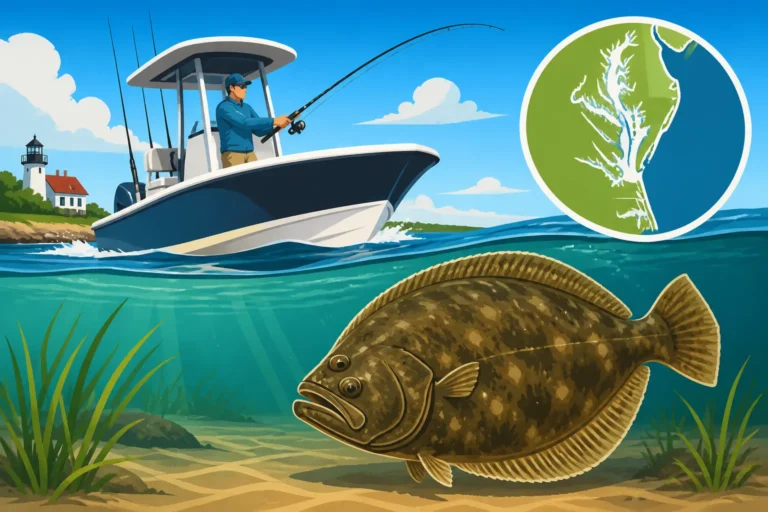
They’ll show you the basics: how to properly hold the rod, how to cast (even if it’s just a simple underhand toss), and how to reel in a fish. For instance, if you're targeting striped bass on the Chesapeake Bay, they might demonstrate trolling techniques or how to jig when the fish are deeper. If it's bottom fishing for flounder or drum, they'll show you how to feel for a bite and set the hook. Don't be afraid to ask for a demonstration or clarification. The more you engage, the more you'll learn. Sometimes, the best technique for a beginner is simply listening to the crew's advice, especially when they tell you where to drop your line or how to work your lure. Remember, even experienced anglers learn new tricks on every trip. For tips on specific species, check out A Guide to Striped Bass Fishing in Virginia or Virginia Bass Fishing: Largemouth, Smallmouth, Spotted, and Alabama Bass.
When You Catch a Fish
The moment of truth! That sudden tug on your line, the bend in your rod – it's an adrenaline rush like no other. When you feel a bite, the first instinct might be to yank, but often a smooth, firm upward sweep of the rod is what’s needed to set the hook. Then, it's all about reeling in steadily, keeping tension on the line, and letting the rod do the work. Don't just crank the reel; pump the rod up, reel down, and repeat.
Once the fish is close to the boat, the crew will likely step in to help you net or gaff it. Follow their instructions precisely to ensure both your safety and the fish's. If you plan to keep your catch, they'll show you where to place it in the cooler or fish box. If it's a catch-and-release, they'll handle the fish carefully to ensure its survival, often using special tools to remove the hook quickly. Always defer to the crew on handling fish, especially if it has sharp fins or teeth. They are the experts in getting the fish safely off the hook and into the boat or back into the water. Make sure you're aware of Virginia's Fishing License and Catch Limit Basics as well.
After the Rods Are Stowed: Your Post-Trip Experience
The lines are pulled, the boat is heading back to the dock, and you're buzzing with stories from your fishing adventure. But the experience isn't quite over yet! There are a few things to consider once the fishing is done.
Handling Your Catch
One of the most satisfying parts of a successful fishing trip is taking home some fresh, delicious fish. Most Virginia fishing charters offer a catch-cleaning service, often for a small fee or as part of the charter package. This is a huge convenience, especially for beginners who might not know how to properly clean a fish. The crew will expertly fillet or prepare your fish so it's ready for the cooler.
If you brought your own cooler, make sure it's filled with ice to keep your catch fresh on the journey home. If the charter provides ice, confirm how much is available. Remember, the goal is to get your fish on ice as quickly as possible to maintain its quality. While charter trips are generally about getting out and having fun, keeping your catch fresh is part of enjoying the fruits of your labor. Always ask the crew if they have specific recommendations for storing or cooking the fish you caught; they often have great tips! This service can be a huge time-saver and ensure your fish tastes its best, as detailed in Cleaning Your Catch After a Virginia Charter Trip.
Tipping Your Captain and Crew
Tipping is a standard practice in the charter fishing industry and a great way to show your appreciation for the hard work of the captain and crew. These folks put in long hours, often starting well before you arrive and finishing long after you leave, to ensure you have a safe and successful trip. They maintain the boat, prepare the gear, provide expert guidance, and often clean your fish.
A general guideline for tipping is 15-20% of the total charter cost. If you had an exceptional experience, felt the crew went above and beyond, or if they worked extra hard to put you on fish when conditions were tough, consider tipping closer to 20% or even more. Present the tip directly to the captain, who will then share it with the crew. It's a small gesture that makes a big difference in acknowledging their dedication and service. For more on this, check out Tipping Norms for Virginia Fishing Charter Crews.
Remembering Your First Trip and Planning for More
Your first fishing charter in Virginia is an experience you won't soon forget! Take plenty of photos to capture the memories – that first fish, the beautiful scenery, the camaraderie on the boat. These are the moments you'll look back on for years to come.
As you reflect on your trip, think about what you enjoyed most and what you might want to try differently next time. Did you love the thrill of saltwater fishing, or would you prefer the calmer waters of a lake? Did you discover a new favorite fish species? Many anglers find that their first charter is just the beginning of a lifelong passion. Don't hesitate to book another trip with the same captain if you had a great experience, or use resources like FishingBooker to explore new captains and new destinations within Virginia. There's always another fish to catch and another adventure waiting on the water! You might even feel ready to explore options like Half-Day vs Full-Day Fishing Charters in Virginia next time.
Disclaimer
This article is for general informational purposes only and does not constitute professional advice. Laws, prices and regulations vary by location and change over time. Consult a qualified professional for guidance on your specific situation.