What to Do When Striper Season Is Closed
It's always a bit of a letdown when that cherished Virginia striped bass season winds down, especially after a fantastic run. You've spent countless hours chasing those powerful "rockfish," and suddenly, the regulations shift, and you're left wondering what's next. But don't despair! Virginia's waters are teeming with opportunities year-round, and this guide will walk you through plenty of exciting alternatives to keep your lines tight and your fishing passion alive, even when the stripers are taking their well-deserved break.
Navigating Virginia's Striped Bass Season Closures
Understanding why and when the striped bass season closes in Virginia is crucial for any responsible angler. It’s not just an arbitrary decision; it's a vital conservation measure designed to protect the populations of this iconic fish and ensure their sustainability for future generations. These closures typically align with critical periods in the fish's life cycle, such as spawning, or are implemented to manage overall harvest levels based on scientific assessments.
Understanding the "Why" Behind Striper Closures
The majestic striped bass, affectionately known as "rockfish" in Virginia, is a migratory species that faces various pressures. To maintain a healthy population, state and federal agencies work together to set strict seasons and catch limits. These regulations are dynamic, meaning they can change from year to year based on stock assessments. When you see a season close, it's often because the fish are either migrating, congregating to spawn, or because the quota for a specific period has been met. It's all about balancing angler enjoyment with the long-term health of the fishery. We all want to keep catching these incredible fish for years to come, so respecting these closures is paramount. It can be frustrating, for sure, especially when you're on a hot streak, but it's a small sacrifice for a bigger payoff. You can always check official sources for specific dates, as Virginia Striped Bass Season and Slot Limit Guide outlines.
Typical Windows for Striper Closures
Virginia's striped bass season can be a bit of a puzzle sometimes, often splitting into different segments throughout the year. For instance, you might have an open season in the fall and early winter, followed by a closure, and then perhaps a shorter spring season. The exact dates and slot limits for keeping fish vary between the recreational and commercial fisheries, and even within the recreational sector, rules might differ slightly for Chesapeake Bay versus coastal waters. It's not uncommon for anglers to experience closures during the heart of winter or late spring, depending on the specific zone and the current management plan. When one of those closures hits, it's easy to feel like your fishing plans are sunk. However, these periods are perfect opportunities to broaden your angling horizons and discover new species and techniques you might have otherwise overlooked.
Diving into Virginia's Freshwater Fishing Options
When the saltwater stripers are off-limits, Virginia's vast network of freshwater lakes, rivers, and ponds becomes an angler's paradise. Many of these waters are just a short drive away, offering completely different challenges and rewards. It’s a chance to switch gears, rig up with different tackle, and explore some truly beautiful inland landscapes.
Pursuing Largemouth and Smallmouth Bass
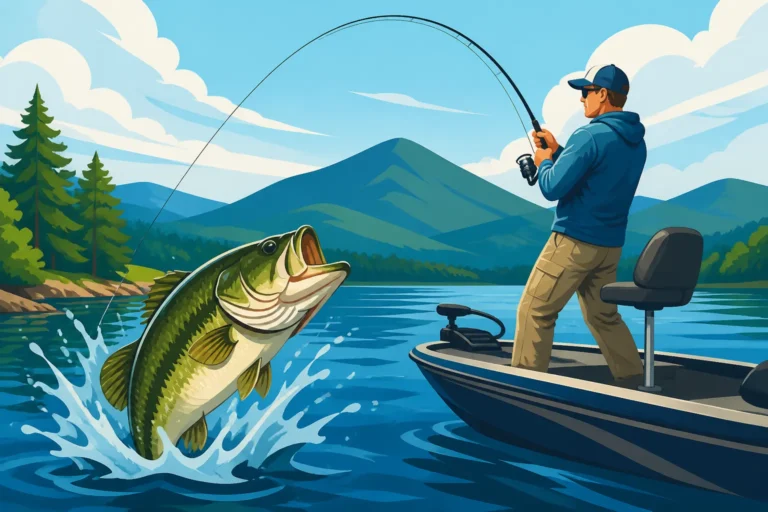
Virginia is renowned for its excellent bass fishing, making it a prime alternative when striper season is closed. Largemouth bass thrive in the warmer, often shallower, vegetated waters of reservoirs like Smith Mountain Lake Fishing Guide or Lake Anna Fishing Guide, hiding among lily pads, submerged timber, and docks. They’re aggressive feeders, responding well to a wide array of lures from plastic worms and spinnerbaits to crankbaits and topwater frogs.
Smallmouth bass, on the other hand, prefer cooler, clearer, rocky rivers and deep lakes. The Shenandoah River is legendary for its feisty smallmouth, offering fantastic opportunities for both conventional tackle and fly fishing. These bronze beauties fight incredibly hard for their size, providing an exhilarating experience. Learning to read river current and target rocky structures or eddies where smallmouth ambush prey is key to success. Don't forget, these fish often hold in similar areas, so understanding their preferred habitats is half the battle.
Chasing Crappie and Panfish
If you're looking for a more relaxed, yet still incredibly rewarding, fishing experience, turning your attention to crappie and other panfish (like bluegill and sunfish) is a fantastic idea. Crappie fishing is especially popular during the cooler months when they tend to school up around structure in deeper water. Lakes like Smith Mountain Lake and Lake Anna are fantastic crappie destinations. You can often find them suspended around brush piles, submerged trees, or bridge pilings.
The beauty of crappie fishing is its simplicity. Light tackle, small jigs, and live minnows are typically all you need. It's a great activity for anglers of all ages and skill levels, making it perfect for a family outing. Panfish, like bluegill, are even easier to catch, making them an ideal target for introducing kids to fishing. A simple worm under a bobber can lead to endless fun and a full stringer. You'll find these little fighters in almost any pond or lake across the state, often close to shore, making them very accessible for bank anglers.
Targeting Catfish in Rivers and Lakes
For those who enjoy a powerful tug and the promise of a delicious meal, Virginia's catfish fisheries offer an exciting alternative. Channel catfish are abundant in most large rivers and reservoirs, while impressive flathead and blue catfish can be found in major river systems like the James and Rappahannock. Catfish are often most active during the warmer months and into the night, providing a unique night-fishing adventure.
They are bottom feeders and respond well to strong-smelling baits like cut bait, chicken livers, or prepared "stink baits." Heavy-duty gear is often recommended, especially if you're targeting the trophy-sized flatheads and blues that can weigh well over 50 pounds. Fishing for catfish is a patient game, often involving setting up multiple lines and waiting for that tell-tale tap or aggressive pull. It's a fantastic way to spend a quiet evening by the water, especially when the stripers are off-limits. You can find more details on Catfish Species Found in Virginia Waters.
Unlocking Other Saltwater Opportunities in Virginia
Just because striped bass are off the menu doesn't mean you have to abandon saltwater fishing altogether. Virginia's coastal waters and the vast Chesapeake Bay are home to a diverse array of other species that offer thrilling angling experiences throughout the year, each with its own season and unique challenges.
Chasing Flounder and Speckled Trout
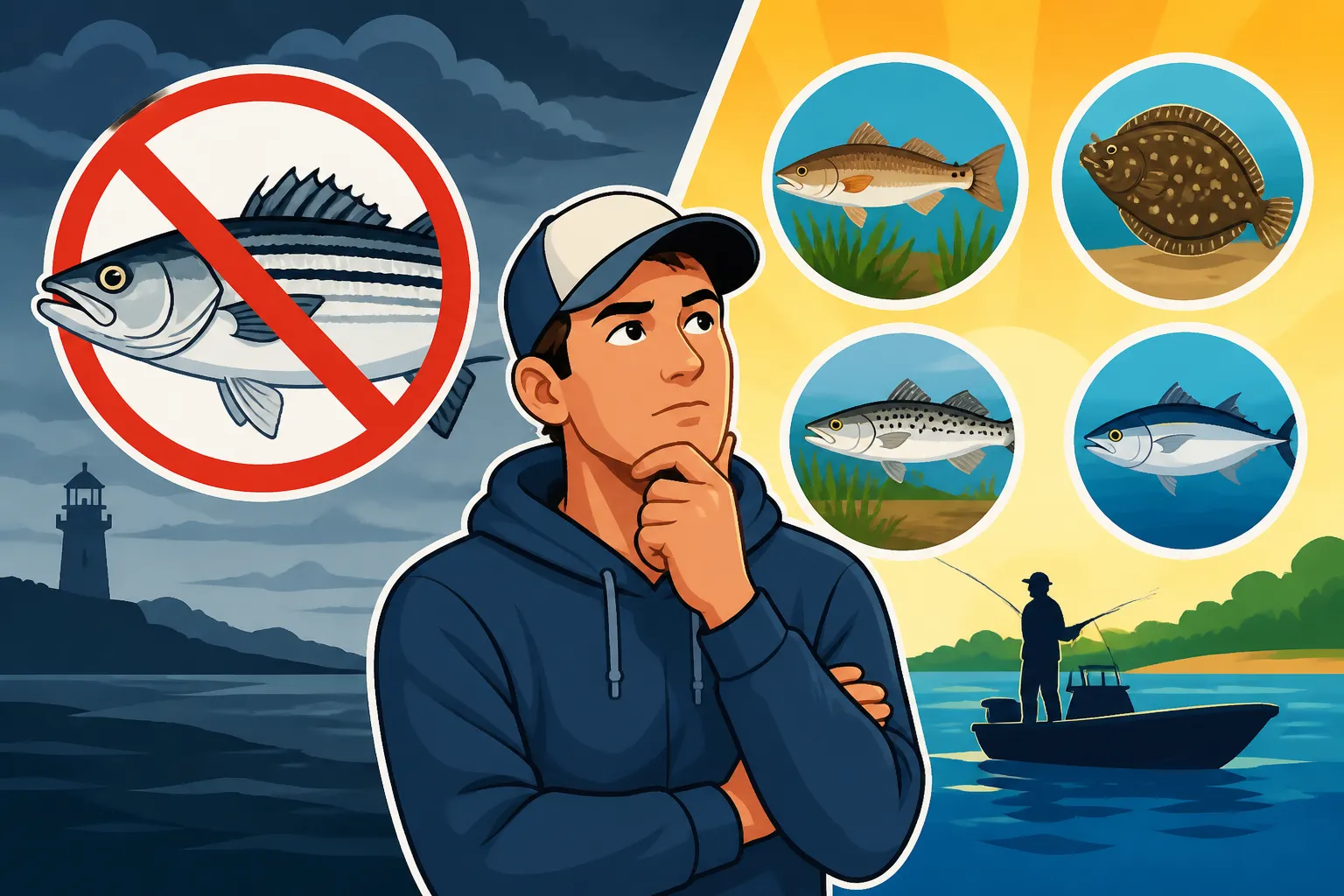
When the striper season closes, many saltwater anglers shift their focus to flounder and speckled trout, two highly sought-after species in the Bay and its tributaries. Flounder are masters of camouflage, lying in wait on the bottom near structures like oyster beds, channel edges, and bridge pilings. They're often caught by drifting live minnows, squid, or Gulp! artificial baits along the bottom. The "doormat" flounder can be quite a fight, and their flaky white meat makes them a prized catch.
Speckled trout, known for their beautiful spots and aggressive strikes, are often found in shallower, brackish waters, especially around marsh edges, grass beds, and oyster reefs. They readily hit soft plastics, MirrOlures, and live shrimp or baitfish. Both of these species offer excellent light-tackle fishing opportunities and are fantastic table fare. Many local guides on FishingBooker specialize in these alternative species during striper off-seasons, offering a chance to learn from the pros.
Targeting Red Drum and Cobia
For anglers seeking a truly powerful fight in saltwater, focusing on red drum and cobia can be an incredible experience when striped bass are out of season. Red drum, especially the "bull reds" found in the deeper channels and near inlets of the Chesapeake Bay, are known for their strong runs and distinctive drumming sound. They respond well to large chunks of cut bait (like crab or menhaden) fished on the bottom, or even large spoons and bucktails.
Cobia are another prized catch, known for their curious nature and incredible fighting ability. They are often spotted cruising near buoys, channel markers, or around structure in the lower Chesapeake Bay and nearshore ocean waters. Sight-fishing for cobia, casting eels or large jigs directly to them, is an exhilarating way to target these impressive fish. These species offer a completely different challenge than stripers and can provide some truly memorable battles, often requiring dedicated charters or knowledgeable local guides found on platforms like FishingBooker.
Table: Alternative Virginia Fishing Species During Striper Closures
Here's a quick look at some popular alternatives you can target when Virginia's striped bass season is closed:
| Species | Preferred Habitat | Common Baits/Lures | Best Season (Typically) | Notes |
|---|---|---|---|---|
| Largemouth Bass | Lakes, ponds, slow rivers (vegetation, structure) | Plastic worms, crankbaits, spinnerbaits | Spring-Fall | Excellent fighting, widely available |
| Smallmouth Bass | Clear, rocky rivers; deep lake points | Jigs, tubes, small crankbaits, flies | Spring-Fall | Hard fighters, strong current preference |
| Crappie | Lakes (brush piles, submerged timber, docks) | Small jigs, live minnows, small soft plastics | Year-round (best cooler) | Great eating, fun on light tackle |
| Catfish (Channel/Blue) | Rivers, lakes (bottom structure, deep holes) | Cut bait, chicken liver, stink baits | Year-round (best warm) | Powerful fighters, good for night fishing |
| Flounder | Bay, tidal rivers (sandy/muddy bottoms, structure) | Live minnows, squid, Gulp! | Spring-Fall | Excellent table fare, camouflage experts |
| Speckled Trout | Estuaries, tidal rivers (grass beds, marsh edges) | Soft plastics, MirrOLures, live shrimp | Spring-Fall | Beautiful fish, aggressive strikes |
| Red Drum | Lower Bay, inlets (deep channels, oyster beds) | Cut bait, large spoons, bucktails | Summer-Fall | Strong fighters, "bull reds" are trophies |
| Cobia | Lower Bay, nearshore (buoys, structure) | Live eels, large jigs, bucktails | Summer | Sight fishing opportunity, powerful runs |
Making the Most of the Off-Season: Prep and Planning
Even when your favorite fish species isn't biting or is out of season, that doesn't mean your passion for fishing has to go dormant. The "off-season" is actually a fantastic time to regroup, get organized, and prepare for future adventures. This proactive approach can make your next fishing trip even more successful and enjoyable.
Tackle Maintenance and Upgrade Opportunities
Take a close look at your rods and reels. Have they been properly cleaned and lubricated since your last outing? Now's the time to do it. Strip off old, frayed line and spool up with fresh monofilament, fluorocarbon, or braid. Check your guides for cracks or wear that could damage your line. Inspect your hooks for rust or dullness and either sharpen them or replace them entirely. It's also a great opportunity to organize your tackle box. Get rid of broken lures, consolidate similar items, and make sure everything is neatly arranged for easy access. Investing in new gear, whether it's a rod you've been eyeing or a new lure type, can also keep the excitement going. Remember, properly maintained gear lasts longer and performs better when that next season finally rolls around.
Scouting New Spots and Researching Techniques
Just because you can't fish for stripers doesn't mean you can't think about fishing for them, or for other species. Use this downtime to really dig into maps, satellite imagery, and online forums. Look for new fishing spots – maybe a hidden cove on Lake Anna for Fishing Access you've never tried, or a remote stretch of the James River. Research different techniques for the species you plan to target next. Watch videos, read articles, and learn from experienced anglers.
Perhaps you've always wanted to try fly fishing for trout or smallmouth bass on the Shenandoah River? The off-season is the perfect time to delve into learning the nuances of casting and fly selection. Understanding fish behavior, migration patterns, and preferred habitats for various species can dramatically improve your success rate. This kind of preparation is almost as rewarding as the fishing itself, building anticipation and sharpening your skills.
Booking Future Trips and Hiring Guides
This is arguably one of the best uses of the off-season. When you know exactly when the striper season reopens, or you've decided to tackle a new species, now is the time to start planning those trips. Reputable fishing guides and charters, especially for popular species like striped bass or cobia, often book up months in advance. Getting ahead of the curve ensures you get the dates and captains you want.
Platforms like FishingBooker are excellent resources for finding and booking guides across Virginia, whether you're looking for a Chesapeake Bay Striped Bass Fishing Guide or a local expert to help you chase catfish on the James River. Many guides offer early booking discounts, too, which is a nice bonus. By securing your next adventure now, you create something exciting to look forward to, turning the "off-season" into a period of anticipation and strategic planning rather than a lull. It's also a great way to ensure you're compliant with Virginia Fishing Regulations Explained and have all the necessary permits for your chosen trip.
Disclaimer
This article is for general informational purposes only and does not constitute professional advice. Laws, prices and regulations vary by location and change over time. Consult a qualified professional for guidance on your specific situation.