Booking a Red Drum Charter on the Chesapeake Bay
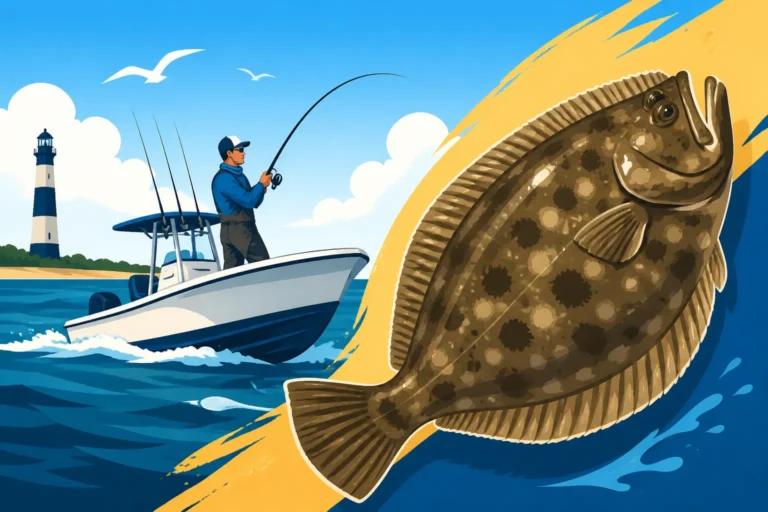
Few things are more exciting than the thought of hooking into a powerful red drum, feeling that unmistakable pull, and battling a true Chesapeake Bay giant. But for many anglers, especially those new to the area or even charter fishing in general, figuring out how to actually book a specialized red drum charter on a body of water as vast and diverse as the Chesapeake can feel overwhelming. You want an experienced captain who knows where these majestic fish are hiding, what they're biting on, and how to make your trip a success. This guide is here to break down everything you need to know about successfully finding and booking that dream red drum charter trip on Virginia's beautiful Chesapeake Bay.
Why the Chesapeake Bay is a Red Drum Hotspot
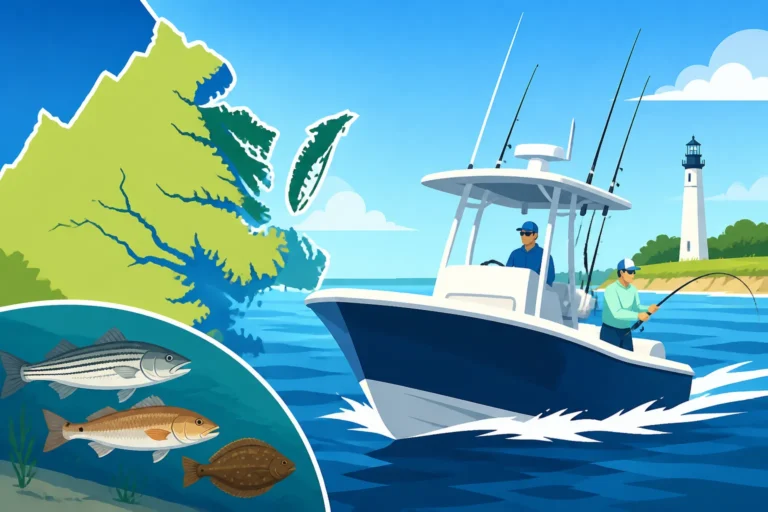
The Chesapeake Bay, with its immense network of tributaries, shallow flats, and deeper channels, creates an incredibly dynamic and fertile environment that big red drum absolutely thrive in. For anglers in Virginia, it’s not just a beautiful place to fish; it’s one of the East Coast’s premier destinations for targeting these bronze beauties. Many people don't realize just how much diversity the Bay offers, moving from brackish rivers to full-on saltwater environments, all within a day's journey.
The Allure of Virginia's Red Drum Fishery
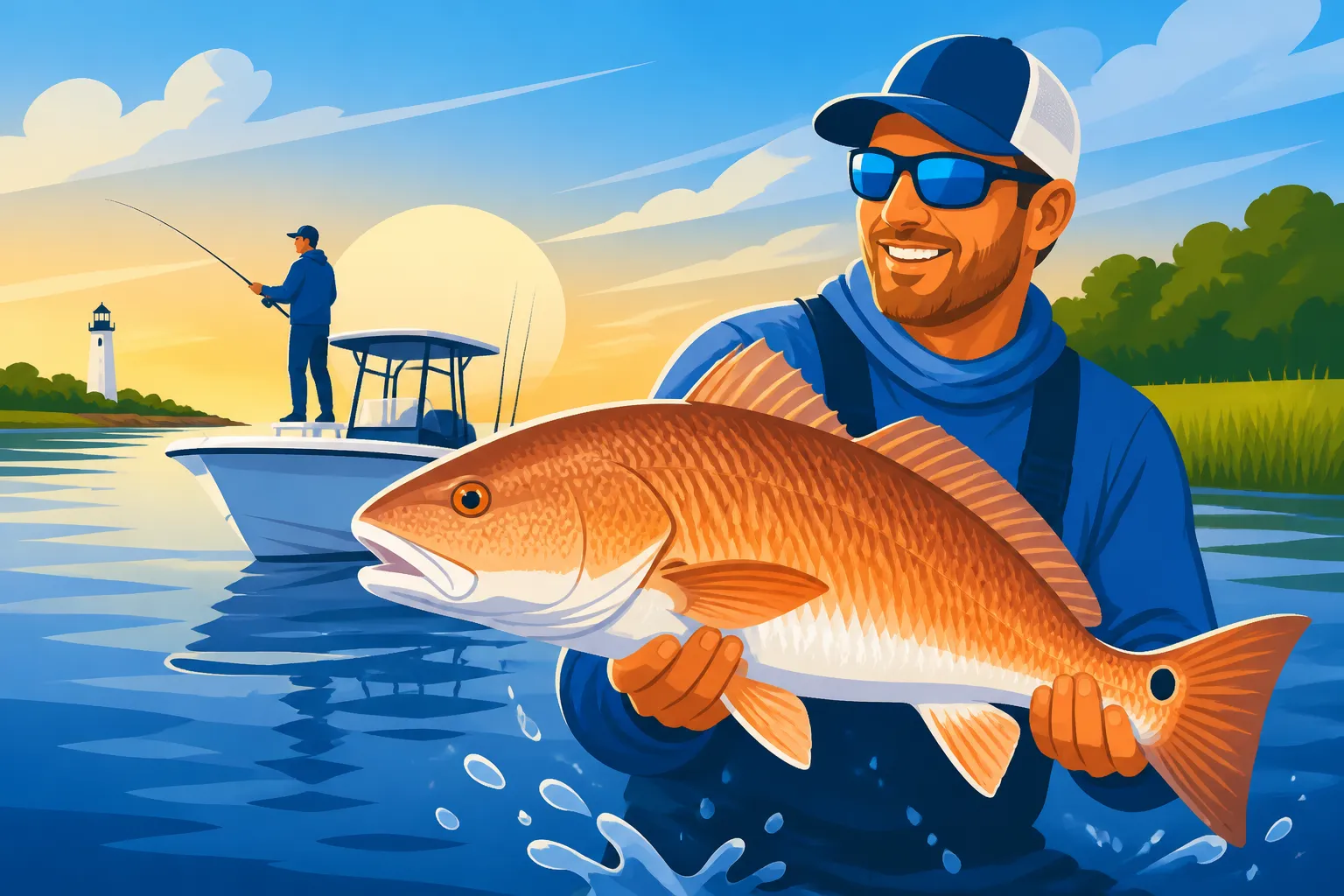
There's something truly special about the Chesapeake Bay's red drum fishery. Unlike some areas where you might find smaller "puppy drum," the Bay is renowned for its bull red drum—those large, mature fish that can reach impressive sizes, often tipping the scales well into the double digits. These aren't just fish; they're an experience. They fight hard, putting your tackle and your stamina to the test. Many anglers travel from all over to experience the thrill of a Chesapeake Bay bull red, drawn by the challenge and the sheer size of the fish. It's a fishery that rewards patience, local knowledge, and the right approach, which is precisely why a charter can be so invaluable.
The habitat diversity within the Bay provides ample opportunities. From the shallow grass beds where smaller drum might feed on crabs and shrimp, to the deeper channels and oyster reefs where the big boys lurk, waiting to ambush baitfish, there’s a spot for every stage of their life cycle. Plus, the sheer volume of baitfish and crustaceans in the Bay acts like a massive buffet, supporting a healthy and robust red drum population year after year. It's a living, breathing ecosystem, and understanding its nuances is key to consistent success.
Prime Seasons for Red Drum in the Bay
Timing is everything when it comes to chasing red drum on the Chesapeake Bay. While you might encounter some smaller drum throughout the warmer months, the real excitement for those massive bull reds generally kicks off in late spring and continues strong through the fall. As the water temperatures rise after the cooler winter months, these powerful fish begin to move into the Bay from the ocean, following baitfish and seeking out their preferred feeding grounds.
Late May, June, and early July often mark the beginning of the prime season, especially around the Bay's mouth and lower tributaries. As summer progresses, the fish might move further up the Bay, following bait and temperature shifts. But arguably the most explosive action often occurs in the fall, typically from September through October, and sometimes even into early November. During this "fall run," large schools of red drum gather, often in shallower water, making for some truly epic fishing. This is when many anglers try to book their charters, knowing the chances of a trophy catch are at their peak. It’s also important to remember that weather patterns can influence the exact timing, so a flexible schedule and communication with your chosen captain are always a good idea.
Understanding Red Drum Habitat in Chesapeake Waters
Red drum are incredibly adaptable fish, but they do have their preferred hangouts in the vastness of the Chesapeake Bay. Knowing these general areas can help you appreciate why your charter captain heads to specific spots. You'll often find red drum concentrated around structure. This could mean oyster reefs, submerged wrecks, artificial reefs, or even bridge pilings and rock jetties that offer ambush points and protection. These structures provide habitat for the smaller baitfish, crabs, and shrimp that make up a large part of the red drum's diet.
Beyond structure, water depth and bottom composition play a significant role. Bull red drum frequently patrol deeper channels and drop-offs, especially where current brings food to them. However, don't underestimate the shallow waters, particularly in the fall, where they might push into only a few feet of water to feed on crabs and small fish. Areas like the lower Bay, near the mouth, around the barrier islands, and specific shoals are perennial favorites. A good captain will have years of experience reading the water, understanding the tides, and knowing the specific contours of the Bay floor where these fish are likely to be holding, which is invaluable knowledge that you just can't get from a map. For more general information on fishing spots, check out Best Fishing Spots on the Chesapeake Bay, Virginia.
What to Expect on Your Red Drum Charter
Booking a red drum charter on the Chesapeake Bay isn't just about getting on a boat; it's about leveraging a local expert's knowledge and equipment to target a specific, powerful species. While every charter is a bit different, there are some common threads you can expect, from how the trip operates to the techniques used and the important rules you'll need to follow. Understanding these aspects beforehand will help set your expectations and ensure you have a fantastic, stress-free day on the water.
Typical Charter Operations and Inclusions
When you book a red drum charter, you're essentially hiring a professional guide, their boat, and their gear for a set amount of time. Most charters will provide all the necessary fishing equipment—rods, reels, tackle, and bait—specific to targeting red drum. This means you don't need to worry about bringing your own heavy-duty gear unless you specifically want to. The captain will typically have an ice chest for your catch (if you keep any) and for your drinks/snacks. Life jackets are always provided, and many boats will have safety equipment like first-aid kits and marine radios.
Captains usually operate on a "private charter" basis, meaning you book the entire boat for your group, rather than paying per person to join an open trip with strangers. This gives you and your companions a personalized experience. Before you head out, your captain will likely give you a safety briefing and discuss the plan for the day, including the target species, expected fishing conditions, and any questions you might have. They're there to help you fish, educate you on the local waters, and ensure everyone has a memorable, safe time. For a deeper dive into charter services, consider reading Virginia Fishing Charters and Guides: The Complete Guide.
Fishing Techniques for Chesapeake Red Drum
Red drum are aggressive eaters, and captains employ a variety of techniques to entice them, often dictated by the specific conditions and the fish's behavior on any given day. One of the most common and effective methods is bottom fishing with bait. This often involves anchoring up near known structure or feeding areas and deploying rigs with fresh cut bait—like mullet, spot, or bluefish—or sometimes live baits like croaker or spot. The scent trail from the bait attracts the drum, and once they find it, they usually don't hesitate.
Another popular technique, especially for schooling bull reds in shallower water, is sight fishing. This is incredibly exciting, as the captain will often spot large schools of drum creating "slicks" on the surface or pushing wakes, allowing you to cast artificial lures or jigs directly into the school. Topwater plugs can be particularly thrilling during these times. Trolling is also an option, especially for covering a lot of water to find scattered fish or targeting deeper channels, using large spoons or artificial lures that mimic baitfish. Your captain will choose the best method based on their extensive local knowledge and current conditions, ensuring you're using the most productive approach.
Catch Limits and Conservation Efforts
It's crucial for any angler, especially those targeting a prized species like red drum, to be aware of and abide by the current fishing regulations. The Virginia Department of Wildlife Resources (DWR) and the Virginia Marine Resources Commission (VMRC) set strict rules to ensure the sustainability of the fishery. For red drum, this typically includes specific size limits (minimum and maximum lengths, often referred to as a "slot limit") and daily possession limits (how many fish you can keep per person). These regulations can change, so a reputable charter captain will always be up-to-date and will guide you through what you can and cannot keep.
Many red drum anglers, particularly those targeting the large bull reds, practice catch and release. These older, larger fish are vital for spawning and contributing to the health of the population. A good captain will encourage responsible angling practices, including proper handling techniques to minimize stress on the fish before release. While catching and releasing these magnificent creatures is a reward in itself, there are often opportunities to keep a smaller, legal-sized "slot" fish for the table if that's what you desire. Always discuss your preferences with your captain beforehand. For general licensing and catch limit rules, take a look at Virginia's Fishing License and Catch Limit Basics.
Choosing the Right Red Drum Charter for Your Trip
Deciding to book a red drum charter is the first step; the next, and equally important, step is choosing the right charter for your specific needs and expectations. The Chesapeake Bay is home to many excellent captains, but finding one that specializes in red drum and aligns with your fishing style can make all the difference between a good trip and an unforgettable one. It's not just about the boat; it's about the captain's expertise, the equipment, and the overall experience they offer.
Key Factors When Selecting a Captain and Boat
When you're sifting through the options for a red drum charter, don't just pick the first one you see. Start by looking for captains who have a proven track record specifically with red drum. Experience matters immensely, as these fish can be elusive, and local knowledge is paramount. Check out their websites or social media for recent catch photos, paying attention to the quality and size of the red drum being caught. Look for testimonials or reviews from previous clients that mention successful red drum trips.
Beyond experience, consider the boat itself. Is it well-maintained, clean, and appropriate for the size of your group? Does it have the right electronics (fish finders, GPS) that can locate structure and fish schools? Also, think about the captain's communication style. Do they answer your questions thoroughly? Do they seem approachable and patient, especially if you're bringing beginners or kids? A great captain isn't just a good fisherman; they're also a great host. Asking Questions to Ask Before Booking a Charter in Virginia can help you narrow down your choices and ensure you pick someone who matches your expectations.
Navigating Booking Platforms like FishingBooker
In today's digital age, online booking platforms have revolutionized how anglers connect with charter captains. Services like FishingBooker are incredibly useful resources for finding and booking red drum charters on the Chesapeake Bay. These platforms allow you to search by location, target species, and even specific dates, presenting you with a range of available captains and boats. You can often see detailed profiles, including the captain's experience, boat specifications, photos, and, most importantly, honest reviews from other anglers.
When using platforms like FishingBooker, pay close attention to the filters and descriptions. Look for charters that explicitly mention targeting "red drum" or "rockfish" (which is what striped bass are often called, so make sure they specify red drum!). Read through the inclusions carefully to understand what's covered in the price and what you might need to bring. The review sections are goldmines; they offer insights into the captain's personality, their fishing success, and the overall quality of the trip. Don't hesitate to use the platform's messaging system to ask the captain specific questions about red drum fishing before you commit to a booking. For a broader understanding of finding charters, read How to Book a Fishing Charter in Virginia.
Types of Charters: Half-Day, Full-Day, and Private Options
Charter trips typically come in a few different formats, each with its own advantages. The most common options are half-day (usually 4-5 hours) and full-day (typically 8 hours or more) trips. For serious red drum angling, especially if you're targeting those big bull reds, a full-day charter is often recommended. This gives the captain ample time to travel to prime fishing grounds, try different spots, and adapt to changing conditions. Half-day trips can be great for a quicker outing or if you're combining fishing with other activities, but they might limit the distance you can travel or the amount of fishing time.
Most red drum charters on the Chesapeake Bay are private charters, meaning you book the entire boat for your group (e.g., up to 4 or 6 people). This ensures a personalized experience without having to share the deck or the captain's attention with strangers. While the upfront cost might seem higher than a per-person "headboat" fare, when you divide it among your group, it often becomes very competitive and offers a far superior experience for targeting a specific species like red drum. When exploring options on platforms or directly with captains, always clarify the trip duration and whether it's a private or shared outing to ensure it aligns with your expectations and budget. To see more options, explore Saltwater Charter Options Along the Bay Coast.
Preparing for Your Chesapeake Bay Red Drum Adventure
Once your red drum charter is booked, the excitement really starts to build! But a little preparation goes a long way in ensuring your trip is as enjoyable and successful as possible. Knowing what to pack, what to expect regarding costs beyond the booking fee, and revisiting those crucial regulations will help you feel confident and ready to tackle whatever the Chesapeake Bay throws your way. It’s all about minimizing surprises and maximizing your time on the water.
Essential Gear and Personal Items to Bring
Even though your charter captain will provide the main fishing gear, there are several personal items you should definitely bring to make your day comfortable and safe. First and foremost, dress in layers. Chesapeake Bay weather can be unpredictable, often starting cool in the morning and warming up significantly by midday, or vice versa. A waterproof jacket is always a good idea, regardless of the forecast, as spray or a sudden shower can happen. Wear comfortable, non-slip shoes with good grip, as boat decks can be wet.
Sun protection is absolutely critical. Bring a wide-brimmed hat, polarized sunglasses (they help you spot fish and structure!), and plenty of sunscreen. You'll be exposed to the sun's reflection off the water all day. Don't forget any personal medications you might need. A small cooler with drinks and snacks is also highly recommended. If you're prone to seasickness, take preventative measures before you get on the boat—it's much harder to treat once symptoms start. For a comprehensive list, consult What to Bring on a Virginia Fishing Charter.
Understanding Costs and Tipping Etiquette
While the charter fee covers the boat, captain, fuel, and gear, there are often additional costs to consider. First, unless your charter explicitly states it, you will need a valid Virginia saltwater fishing license. While some charters may have a blanket license that covers everyone, it's safer to assume you'll need your own. Make sure to check the specific requirements before your trip. You can often purchase these online or from local tackle shops.
Tipping your captain and crew is customary and highly appreciated, much like in a restaurant or any service industry. A general guideline is to tip 15-20% of the charter fee, assuming you received good service. This acknowledges their hard work, expertise, and effort in making your trip a success, even if the fish aren't biting aggressively that day. Be prepared with cash for tips, as it's often preferred. Also, consider bringing a small amount of cash for things like bait (if not included), or if you stop at a tackle shop. For more on this topic, refer to Tipping Norms for Virginia Fishing Charter Crews.
Reviewing Regulations Before You Go
Even with a knowledgeable captain, it's a good practice for every angler to have a general awareness of the current fishing regulations for red drum in Virginia. This empowers you as a responsible angler and reinforces the conservation efforts vital for a healthy fishery. Regulations can cover minimum and maximum size limits, daily creel limits (how many fish you can keep), and sometimes even specific seasons or areas where targeting certain species might be restricted.
These rules are put in place by regulatory bodies like the Virginia Marine Resources Commission (VMRC) to ensure that fish populations remain sustainable for future generations. Your captain will certainly be informed and will guide you, but knowing the basics yourself means you're not solely reliant on one source of information. A quick check of the VMRC's website before your trip will give you peace of mind and confirm any specific rules that might apply to your intended catch. This diligence ensures your memorable red drum adventure on the Chesapeake Bay is not only thrilling but also fully compliant with state conservation efforts.
Disclaimer
This article is for general informational purposes only and does not constitute professional advice. Laws, prices and regulations vary by location and change over time. Consult a qualified professional for guidance on your specific situation.