Questions to Ask Before Booking a Charter in Virginia
So, you're dreaming of a fantastic fishing adventure in Virginia, perhaps battling a trophy striped bass in the Chesapeake Bay or chasing those elusive smallmouth in the Shenandoah River. That's a dream many of us share! But before you jump headfirst into booking, it's easy to get overwhelmed by all the options, or worse, end up on a trip that just doesn't meet your expectations. This guide is all about equipping you with the crucial questions to ask before you commit, ensuring your Virginia fishing charter is everything you hoped for and more.
Why Asking the Right Questions Matters
It’s exciting to browse photos of big catches and shiny boats, but that initial excitement can sometimes blind us to the practicalities. A fishing charter isn't just about getting on the water; it's an investment in an experience, and like any investment, you want to make sure it pays off in enjoyment and satisfaction. Think of it this way: you wouldn't buy a car without asking about its mileage or features, right? The same logic applies to booking your angling adventure. Taking the time to ask targeted questions means you’re not leaving your good time to chance.
Avoiding Common Pitfalls and Disappointments
Let’s be real, a bad fishing trip can be a real bummer. Maybe the boat was smaller than you expected, or the captain had a different idea of "fun" than your family, or perhaps you just didn't catch anything, which happens, but sometimes it's because the target species wasn't biting that day, and you could have been steered toward another option. One common pitfall is assuming everything is included. You show up, ready to fish, only to find out you need to bring your own cooler, or worse, pay extra for bait. This kind of surprise can really sour the mood and make you feel unprepared. By asking specific questions upfront, you can avoid those little (and sometimes not so little) shocks that can turn a potential dream day into a disappointing one. You want to walk onto that boat feeling confident, not confused.
Matching Expectations with Reality
Every angler has an ideal day in mind, whether it’s a quiet day fly fishing for trout or a high-energy offshore battle. The key to happiness is ensuring your vision aligns with what the charter company can realistically provide. Maybe you're envisioning a calm day on a lake, but you've inadvertently booked a choppy ocean excursion. Or perhaps you're hoping for a massive catch to take home, but the charter specializes in catch-and-release. Without clarifying these details, you might find yourself in a situation that, while perfectly fine for someone else, isn’t what you were looking for. Setting clear expectations with the captain or booking agent is your best defense against feeling let down. Platforms like FishingBooker often provide detailed descriptions, but a quick call or message for clarification is always a smart move.
Ensuring a Safe and Enjoyable Experience
Safety isn't just a buzzword; it's paramount, especially when you're out on the water. Reputable charter companies prioritize the well-being of their passengers, but it’s still your responsibility to feel comfortable with their protocols. An enjoyable trip also means being comfortable – not too crowded, with amenities that meet your needs, especially if you’re bringing kids or less experienced anglers. Imagine being stuck on a small boat for hours without a restroom, or feeling uneasy about the condition of the safety gear. Asking about these aspects isn't being overly cautious; it's being smart. It shows you're invested in having a good time and that you value a professional, well-run operation.
Essential Questions About the Charter Itself
Before you even think about what fish you'll catch, you need to understand the vessel and the people who will be taking you out. This foundational information is crucial for your peace of mind and the overall quality of your trip. Don't be shy about digging into these details.
Licensing, Insurance, and Safety Protocols
This is the non-negotiable stuff. Any legitimate fishing charter captain operating in Virginia waters should be properly licensed, and the vessel itself should be inspected and insured. You're putting your safety in their hands, so it's perfectly reasonable to ask about their credentials.
- "Is your captain properly licensed by the U.S. Coast Guard, and is the vessel commercially insured?" This is a critical question. A U.S. Coast Guard license (often a OUPV or Master license) ensures the captain has undergone rigorous training, testing, and drug screening, and is legally permitted to carry paying passengers. Commercial insurance protects both you and the operator in case of an unforeseen incident. While most reputable charters will proudly display this, it never hurts to confirm.
- "What safety equipment do you have on board, and are all crew members trained in first aid and CPR?" You should expect to hear about life jackets for everyone (including children, if applicable), throwable flotation devices, flares, a first-aid kit, and communication equipment like a VHF radio. Knowing the crew is trained in emergency procedures provides an extra layer of comfort. This is especially important for family trips where peace of mind is key.
- "How do you handle severe weather, and what is your policy for cancellations due to unsafe conditions?" Weather can change rapidly, especially on the coast. A good captain will always prioritize safety and will have a clear policy for when a trip needs to be rescheduled or canceled due to high winds, storms, or heavy seas. This question segues nicely into Cancellation and Deposit Policies for Virginia Charters, which is another crucial area to explore.
Boat, Equipment, and Amenities Onboard
The boat itself is your home away from home for several hours, so its condition and what it offers can greatly impact your comfort.
- "What kind of boat will we be fishing from, and what condition is it in?" Different boats are suited for different types of fishing. A large, stable center console might be great for offshore trolling, while a smaller bay boat is perfect for shallow water estuary fishing. Ask about the boat's length, beam, and overall amenities. Is it well-maintained? Are the seats comfortable? You don't need a luxury yacht, but a clean, functional vessel makes a huge difference.
- "What kind of fishing gear and tackle do you provide?" Most charters supply all the necessary rods, reels, and bait. However, it's good to confirm the quality. Are they well-maintained and suitable for the fish you'll be targeting? Some anglers prefer to bring their own "lucky" rod, which is usually fine, but it’s good to know what’s available. For specialized fishing, like fly fishing, you might need to confirm if they have appropriate gear or if you should bring your own.
- "Are there any specific amenities we should know about, such as a restroom, shaded area, or cooler space?" This is especially important for longer trips or if you're bringing children or older adults. A marine head (restroom) is a must for many. A shaded area is vital on hot, sunny Virginia days. Confirm if there's a cooler for your drinks and snacks, or if you need to bring your own. If you're using a booking platform like FishingBooker, these details are often listed, but direct confirmation is always best.
Trip Lengths and What They Actually Mean
Charter trips come in various lengths – half-day, 3/4-day, full-day, and sometimes even longer. But what does that really translate to once you factor in travel to the fishing grounds?
- "What is the actual fishing time for a [half-day/full-day] trip, excluding travel to and from the fishing grounds?" A "four-hour half-day trip" might sound great, but if it takes an hour to get to the fishing spot and an hour back, you're only fishing for two hours. Clarifying the actual "lines-in-the-water" time helps you understand the value and manage expectations. Some captains are transparent about this from the start, while others might just quote the total duration. This ties into understanding Half-Day vs Full-Day Fishing Charters in Virginia and helping you choose wisely.
- "What time does the trip typically start and end, and do we need to arrive earlier?" Knowing the exact schedule helps with your travel planning and ensures you're not rushing or waiting unnecessarily. Most charters will ask you to arrive 15-30 minutes before departure for a quick briefing and to load your gear.
- "Are there options for extended trips or multi-day charters if we decide we want more time on the water?" Sometimes, after a fantastic day, you might wish you had booked a longer trip. It’s good to know if that flexibility exists for future bookings or even on the same day if the schedule allows and you're willing to pay the difference.
Diving Into the Fishing Experience
Now for the fun part – the actual fishing! This section helps ensure you're targeting the right species with the right methods and understand what happens to your catch.
Target Species and Fishing Techniques
Virginia boasts an incredible diversity of fish, both freshwater and saltwater. Knowing what you're likely to catch and how you'll be fishing is key to a rewarding trip.
- "What species are you typically targeting during the time of year I'm looking to book, and what are the chances of catching them?" Fish species availability changes with the seasons. Striped bass might be abundant in the spring and fall, but harder to find in mid-summer in certain areas. Conversely, flounder or red drum might be prime targets. A good captain will be honest about what's biting and what your realistic expectations should be. You might want to refer to our Virginia Fishing Seasons Explained to get a general idea.
- "What fishing techniques do you primarily use for these species?" Will you be trolling, bottom fishing, jigging, casting, or even fly fishing? Different techniques require different skill sets and offer different experiences. If you have a preferred method, or if you're a beginner, it's good to know if the charter can accommodate that. For example, if you're hoping for an active casting experience, you wouldn't want to book a trip focused solely on passive trolling.
- "Do you adapt your fishing strategy if the primary target species aren't biting, or if conditions change?" Flexibility is a sign of an experienced captain. If the striped bass aren't cooperating, will they switch to targeting bluefish, Spanish mackerel, or even try for flounder? This adaptability can save a slow day from being a bust and demonstrates a commitment to giving you the best chance at catching fish.
Catch and Keep Policies
This is where you clarify what happens once you land a fish.
- "What are the current catch limits and size restrictions for the species we'll be targeting, and do you practice catch and release?" Virginia has specific regulations for various species, including important details like Virginia Striped Bass Season and Slot Limit Guide or Statewide Bass Fishing Limits in Virginia. You need to be aware of these rules, and the captain should certainly be an expert. Many charters encourage catch and release for certain species or sizes, especially if they are over or under the legal slot limit. Clarify if you can keep your legal catch and how many.
- "Is there any pressure to release fish even if they are within legal limits?" While many anglers enjoy catch and release, some want to take home their dinner. It's important to understand the charter's philosophy. Some captains might strongly encourage releasing larger breeding fish, while others are happy to let you keep your legal limit.
- "What happens to the fish we keep?" This leads directly to the next H3 on cleaning. But generally, confirm if the crew handles the fish responsibly, keeping them on ice to maintain freshness throughout the trip.
What's Included and What to Bring
This is where those unexpected costs or forgotten items can sneak up on you. Being prepared means knowing exactly what the charter provides and what falls to you.
- "Beyond the boat and gear, what else is included in the charter price?" This could mean bait, tackle, ice for the fish, bottled water, or even snacks. Don't assume anything. What's Included in a Virginia Fishing Charter gives a good overview of common inclusions, but always verify with your specific charter.
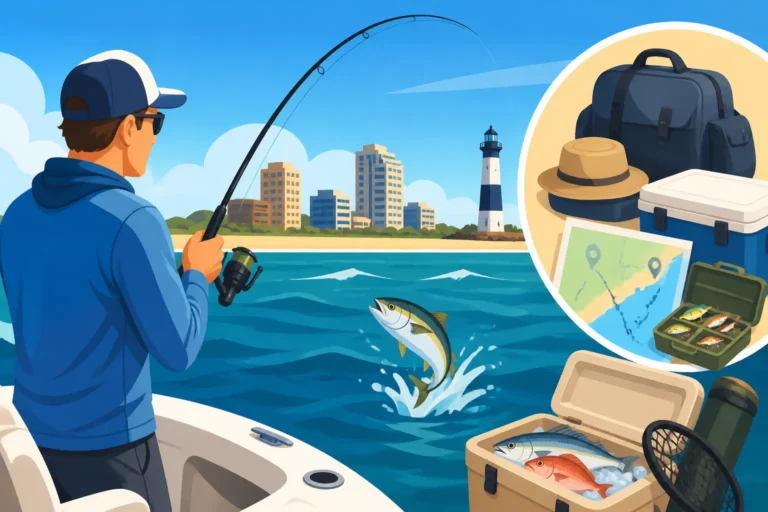
- "What personal items should we bring (food, drinks, sunscreen, cooler, rain gear, etc.)?" Make a checklist based on their answers. Even if water is provided, you might want your favorite soft drink. Sunscreen, hats, sunglasses, and appropriate clothing (layers are always good in Virginia!) are almost always essential. A small cooler for your personal items is often a good idea, and don’t forget a camera! For a more comprehensive list, check out What to Bring on a Virginia Fishing Charter.
- "Do we need our own fishing license, or is it covered by the charter?" This is a HUGE one. In Virginia, generally, if you're fishing on a licensed charter boat that carries a blanket license, you may not need your own individual license for that trip. However, this is not always the case, and it can vary by type of license the charter holds and the waters you're in (e.g., freshwater vs. saltwater). Always ask directly: Do You Need Your Own License for a Charter Trip?. If you do need one, ensure you know what kind (e.g., Virginia Fishing License Guide, or specifically for saltwater, Virginia Resident Saltwater Fishing License Cost) and how to acquire it before your trip. You certainly don't want to find yourself in a bind with a game warden.
Understanding Costs and Logistics
No one likes financial surprises. A clear understanding of all costs and booking policies will prevent headaches down the road.
Pricing Structure and Hidden Fees
The base price is just the beginning. Make sure you understand the full financial commitment.
- "What is the total cost of the charter for our group size and chosen trip length, and are there any additional fees we should be aware of?" Confirm the all-inclusive price. Sometimes, fuel surcharges, live bait costs, or bridge tolls might be extra. Make sure you're clear on whether the price quoted is per person or for the entire boat. This is where comparisons can be tricky; a seemingly cheaper charter might have more add-ons.
- "Do you offer any discounts for certain group types (e.g., military, seniors, children) or for booking multiple trips?" It never hurts to ask! Some charters have promotional rates or special pricing that could save you a bit of money, especially if you're booking during off-peak times or considering a repeat visit.
- "How does payment work? Do you require a deposit, and when is the final balance due?" Most charters will require a deposit to secure your booking, often 25-50% of the total. Understand when and how the remaining balance is paid. Is it cash only on the day of the trip, or do they accept credit cards? Knowing this in advance helps you budget and avoid any last-minute payment scramble.
Deposit, Cancellation, and Weather Policies
Life happens, and sometimes plans change. A clear understanding of these policies is crucial.
- "What is your deposit requirement, and is it refundable under any circumstances?" Deposits are standard, but the refundability varies. Usually, deposits are non-refundable if you cancel within a certain window, but often fully refundable if the captain cancels due to weather or mechanical issues.
- "What is your cancellation policy if we need to reschedule or cancel for personal reasons?" Understand the cutoff for cancellations. Some charters require 72 hours, others a week or more. If you cancel within that window, you might forfeit your deposit.
- "What is your policy regarding bad weather or unsafe sea conditions?" As mentioned before, safety is key. If the captain determines conditions are unsafe, what are your options? Typically, they offer to reschedule or provide a full refund of your deposit. Make sure this is explicitly stated. You can delve deeper into this topic in Cancellation and Deposit Policies for Virginia Charters.
Gratuity and Crew Expectations
Tipping is customary in the charter fishing world, but many first-timers aren't sure what's expected.
- "What are the customary gratuity expectations for the captain and crew?" Generally, a tip of 15-20% of the total charter cost is standard if you had a good experience. It's often shared among the crew. Asking upfront removes any awkwardness later and helps you budget appropriately. The crew works hard to ensure you have a successful and safe trip, from baiting hooks to netting fish and cleaning up. Learning about Tipping Norms for Virginia Fishing Charter Crews can help you prepare.
- "What role do the crew members play during the trip?" Understanding their responsibilities can enhance your appreciation for their efforts. Are they just driving the boat, or will they be actively helping with rigging, baiting, and fish handling? This often ties into the tipping expectation.
- "Is it acceptable to bring our own alcoholic beverages, and are there any restrictions?" Some charters are fine with responsible consumption of alcohol, while others have strict policies, especially if it's a family-oriented trip. Always ask first.
| Question Category | Key Questions to Ask | Why It Matters |
|---|---|---|
| Safety & Credentials | Is the captain licensed and insured? | Legal compliance, passenger safety, peace of mind. |
| What safety gear is on board? | Ensures preparedness for emergencies. | |
| Boat & Gear | What kind of boat and equipment do you use? | Comfort, suitability for fishing style, quality of experience. |
| Are rods, reels, and bait included? | Avoids unexpected costs, ensures you have the right tools. | |
| Trip Details | What's the actual fishing time vs. total trip length? | Manages expectations, ensures value for money. |
| What species are you targeting this time of year? | Matches your fishing goals with seasonal availability. | |
| Catch Policies | What are current catch limits, and can we keep our fish? | Compliance with regulations, clarifies what happens to your catch. |
| Do you offer fish cleaning services? | Convenience, ensures your catch is properly handled. | |
| Financials | What's the total cost, and are there hidden fees? | Avoids financial surprises, transparency in pricing. |
| What's your deposit and cancellation policy? | Protects your investment, clarifies rescheduling options for weather/personal reasons. | |
| Logistics | What should we bring? | Ensures you're prepared for the day (food, drinks, sunscreen, etc.). |
| Do we need our own fishing license? | Critical legal requirement, avoids fines. | |
| What's the customary tip for the crew? | Helps with budgeting, shows appreciation for service. |
Personalized Considerations for Your Group
Every fishing group is unique. Whether you’re a family with young children, a seasoned group of angling buddies, or a solo adventurer, tailoring the questions to your specific needs will lead to a much more satisfying trip. Don't assume a charter designed for hardcore anglers will suit your beginner family, and vice-versa.
Family-Friendly Options and Accommodations
Bringing the family, especially with younger kids, requires a different set of priorities than a solo or adult-only trip. You want to ensure everyone has a good time and feels safe.
- "Do you specialize in family-friendly trips, and what accommodations do you have for children?" Some captains are fantastic with kids, making the experience educational and fun, teaching them how to cast, reel, and even identify fish. Others might prefer more serious anglers. Ask about amenities like child-sized life jackets, easy-to-use tackle, and whether they can keep the atmosphere light and engaging. FishingBooker often highlights charters that are particularly good for families. For more tips, check out Family-Friendly Fishing Charters in Virginia.
- "What is the minimum age for children on your boat?" Some charters have age restrictions for safety reasons, especially for longer or offshore trips. Confirm this before booking to avoid disappointment.
- "Are there any non-fishing activities or comfortable seating options for family members who might not be constantly fishing?" Not everyone in the family might want to fish continuously. A comfortable bench, a clear view, or just space to relax can make a big difference for those who might prefer to observe or simply enjoy the ride.
Group Size and Charter Type (Private vs. Shared)
Your group dynamic plays a huge role in choosing the right charter. Will it be just your crew, or will you be sharing the boat with strangers?
- "What is the maximum number of passengers your boat can comfortably accommodate, and what is the typical group size for your trips?" Overcrowding can quickly diminish the enjoyment of a trip. Confirm the boat's capacity and how many people are usually onboard.
- "Do you primarily offer private charters, or are shared/split charters an option?" Private charters mean just your group is on the boat, offering more flexibility and personalized attention. Shared charters, where you join other anglers, can be more budget-friendly but mean less control over the trip's focus. Understand the pros and cons of each for your group's preferences. For Virginia Fishing Charters and Guides: The Complete Guide, both options are typically available, especially in popular areas like the Chesapeake Bay or Smith Mountain Lake.
- "If it's a shared charter, what kind of anglers usually join these trips?" This might give you a sense of the atmosphere. Are they usually serious anglers, or a mix of experience levels? This can sometimes impact the overall vibe of the trip.
Experience Level and Customization
Your group's fishing prowess (or lack thereof) is an important factor.
- "Are your trips suitable for beginners, experienced anglers, or a mix of both?" Some charters cater specifically to seasoned pros, heading to challenging spots with advanced techniques. Others are perfect for teaching first-timers. Make sure their target audience aligns with yours.
- "Can the trip be customized to our preferences, such as focusing on a specific type of fishing or trying different spots?" On a private charter, there's often more flexibility. If you want to spend an hour trying for flounder and then switch to bluefish, ask if that's an option. Or if you have a specific spot in mind you've always wanted to try, inquire if the captain is willing to go there, assuming it's safe and practical.
- "Do you provide instruction for beginners or those wanting to try new techniques?" A good captain or mate will be happy to offer guidance, teach knot tying, casting tips, or explain how to best present bait. This is invaluable for those looking to learn and improve their skills. This personalized instruction can be a major benefit, especially if you're exploring Crappie Fishing Techniques for Beginners or Catfish Fishing Techniques and Bait Guide.
Post-Trip Information
The trip doesn't quite end when the boat docks. What happens to your catch, and are there any final details to consider?
Fish Cleaning Services
Taking home your fresh catch is often a highlight, but cleaning fish can be a messy business.
- "Do you offer fish cleaning and filleting services, and is there an additional charge for this?" Most reputable charters will clean and fillet your legal catch, often bagging it for you. This is a huge convenience! However, some might charge a small fee for this service, so it's good to confirm. Knowing this is often covered in Cleaning Your Catch After a Virginia Charter Trip.
- "Should we bring a cooler for our cleaned fish, or do you provide one?" While the boat might have coolers for the fish during the trip, you’ll definitely need one for transport home. Confirm if they have ice available for purchase or if you need to bring your own.
Photography and Souvenirs
Capturing the moment is a big part of the memory-making process.
- "Do the captain or crew take photos of our catches, and how do we access them?" Many captains love to snap pictures of happy anglers with their fish, sometimes even emailing them to you or posting them on social media (with your permission, of course!). This is a great way to remember your trip without having to juggle your own camera with a flopping fish.
- "Are there any opportunities to purchase branded merchandise or other souvenirs?" Some charters might have hats, t-shirts, or other mementos available for purchase. While not a core consideration for booking, it's a nice extra if you're looking for a keepsake.
By asking these comprehensive questions, you're not just booking a boat; you're crafting an experience. You’re ensuring that your Virginia fishing adventure is safe, enjoyable, and perfectly tailored to your expectations. Whether you're chasing Smith Mountain Lake Striped Bass Fishing in Virginia or exploring Chesapeake Bay Striped Bass Fishing Guide, being prepared with the right questions will make all the difference.
Disclaimer
This article is for general informational purposes only and does not constitute professional advice. Laws, prices and regulations vary by location and change over time. Consult a qualified professional for guidance on your specific situation.