How to Catch Fish in Early Spring
That first hint of warmth after a long, cold Virginia winter is enough to get any angler's blood pumping. But early spring fishing can be notoriously tricky. The fish are just waking up, the water temperatures are still fluctuating wildly, and what worked last fall won't necessarily work now. This guide is here to walk you through the nuances of early spring angling in Virginia, helping you understand fish behavior and choose the right techniques to land that impressive catch as the season awakens.
Understanding Early Spring Fishing Conditions in Virginia
Early spring in Virginia is a transition period, and understanding what's happening beneath the surface is key to success. You're not just dealing with slightly warmer air; the water itself is undergoing significant changes, and these changes dictate where the fish will be and how actively they'll feed. Many anglers get frustrated because they approach early spring fishing with a summer mindset, and that's a recipe for an empty cooler.
Water Temperature Fluctuations and Fish Behavior
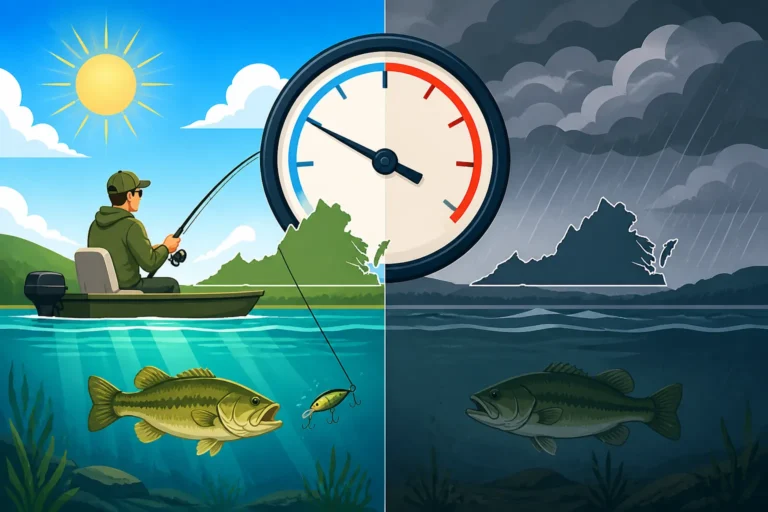
The biggest factor in early spring fishing is water temperature. Fish are cold-blooded creatures, meaning their metabolism directly correlates with the water temperature around them. In early spring, water temperatures can swing dramatically. A warm, sunny day might heat up the shallow flats, but a cold night or a sudden rain can drop those temperatures right back down. This unpredictability makes fish behavior erratic. They might be aggressive and feeding one day, then sluggish and holding tight to cover the next.
For species like bass, trout, and crappie, this period is often about moving from deeper, stable wintering grounds towards shallower areas as the water warms, seeking out those first signs of spring. However, they're not fully committed to the shallows yet. They'll often stage on points, humps, or channel edges near deeper water, ready to move up or retreat depending on the conditions. Keeping an eye on localized temperature readings, if you have a fish finder with a thermometer, can give you a huge advantage. Water Temperature and Fish Feeding Patterns is a great read on this.
It's crucial to understand that even a couple of degrees can make a world of difference. Fish will actively seek out the warmest water available, often congregating in these thermal "sweet spots." This might be a sunny, north-facing bank in a pond, a shallow flat protected from the wind, or the mouth of a small creek feeding into a larger lake. Paying attention to these subtle temperature differences, often detectable with a quality fish finder, allows you to pinpoint where the fish are most likely to be active. Don't be afraid to move around until you find those warmer pockets.
The Impact of Early Spring Weather Patterns
Beyond just temperature, early spring weather in Virginia can be a real rollercoaster. One week you might have bright sunshine and calm winds, making for pleasant fishing. The next, a cold front could sweep through, bringing strong winds, rain, or even a late-season snow flurry. These changes directly influence how fish behave. High, clear skies after a cold front often mean fish become more lethargic and less willing to chase baits. Cloudy, stable days with a light chop can sometimes be ideal, as the diffused light encourages fish to move and feed more actively.
Runoff from spring rains can also be a major factor, especially in rivers and smaller impoundments. Increased water flow can muddy the water, cool it down, and sometimes push baitfish around. While muddy water can make sight fishing impossible, it can also create excellent ambush points for predatory fish. It's not uncommon to find fish congregating around the mouths of creeks or tributaries where warmer, perhaps muddier, water is flowing into a larger body of water, bringing with it a fresh supply of nutrients and bait. When the water turns dingy, fish often rely more on their lateral line sense, making baits with more vibration or scent particularly effective.
These fluctuating weather patterns mean that adaptability is your best asset. Checking the forecast not just for air temperature but for wind direction and recent precipitation can help you formulate a game plan. For instance, if a cold front is coming, fish might feed heavily just before it arrives, then shut down afterward. Knowing this, you can adjust your timing and techniques. Don't let a sudden change in weather deter you; rather, see it as a challenge to adapt your approach, perhaps focusing on sheltered coves or deeper structure until conditions stabilize.
Targeting Key Species in Early Spring in Virginia
Virginia boasts a fantastic variety of fish, and early spring offers unique opportunities for several popular species. Knowing which fish are active and where they're likely to be found during this transitional time can dramatically improve your chances of success. It's not about casting blindly; it's about understanding the seasonal movements and feeding habits of your target.
Largemouth and Smallmouth Bass
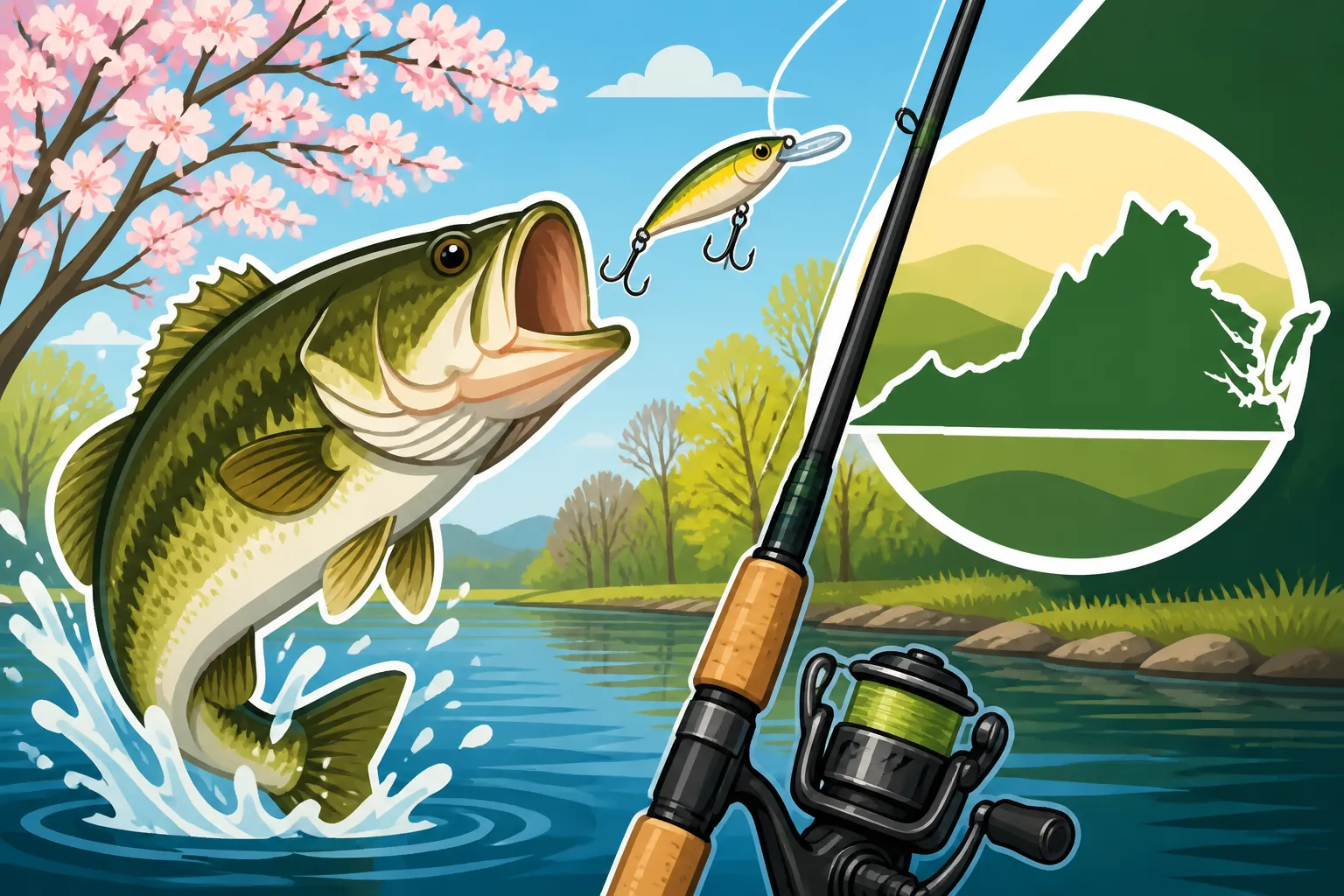
Early spring is prime time for bass in Virginia, particularly as they move into their pre-spawn patterns. Pre-Spawn Bass Fishing Tips are essential here. Largemouth bass will often be found in shallower, warming coves, especially those with dark bottoms that absorb sunlight, or around shallow points and submerged vegetation. Look for protected areas out of the main wind and current where the water might be just a few degrees warmer. Smallmouth bass, typically found in clearer, rockier lakes and rivers like the Shenandoah River, will also begin to move shallower, often staging on rocky points, ledges, and current breaks adjacent to deeper water.
Their feeding activity can vary day-to-day. On warmer, stable days, they might be willing to chase reaction baits. On colder days, a slower, more deliberate presentation will be necessary. Think about where the baitfish are likely to be hiding, as bass will follow their food source. Submerged timber, rock piles, and early weed growth are all excellent places to start your search. Many anglers focus on these deeper staging areas where bass are waiting for the perfect conditions to move up and commit to the actual spawning beds.
When the water temperatures hover in the low to mid-50s, bass are often eager to feed, but they're not quite in full chase mode. This is when a slow-rolled spinnerbait or a suspending jerkbait can be incredibly effective, mimicking an injured baitfish without requiring a fast pursuit. As the water inches closer to the 60s, you might see more aggressive strikes, but even then, a patient approach usually wins out. The challenge is that bass can be quite spread out during this period, moving from deep to shallow and back again multiple times a day as temperatures fluctuate.
Crappie and Panfish
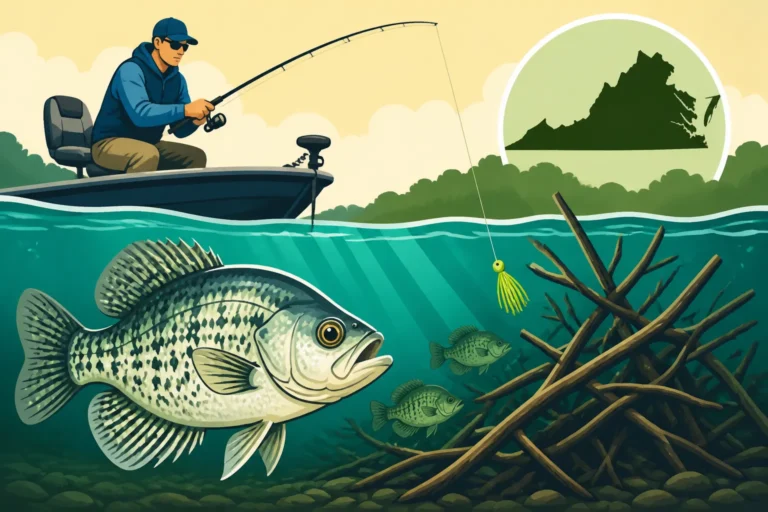
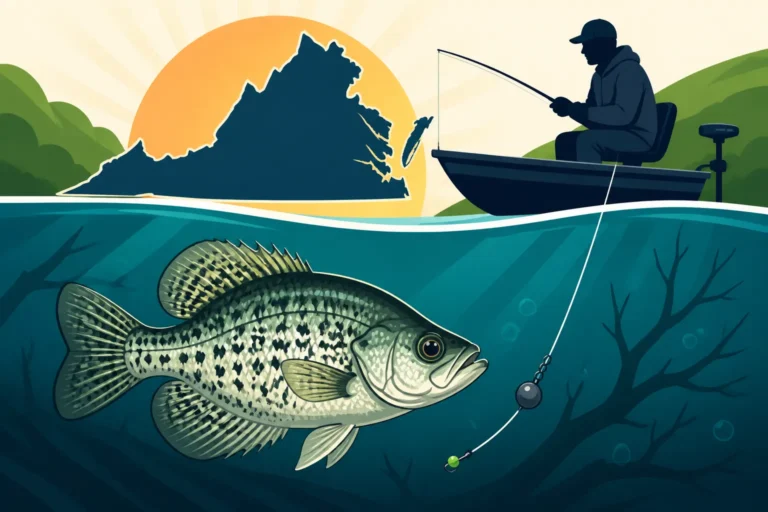
Crappie are another popular target in early spring, and they offer some fantastic action as they prepare for their own spawn. They'll start moving into shallower cover like brush piles, submerged timber, docks, and bridge pilings in preparation. These fish are often found suspended in the water column at certain depths, so varying your presentation is key. Many anglers will head to popular spots like Smith Mountain Lake or Lake Anna for crappie this time of year, where dense cover offers ample hiding spots.
Panfish like bluegill and shellcrackers also become more active. While their full spawn might be a bit later in spring, the warming water gets them moving and feeding. You'll find them in similar shallow, protected areas, often near emergent vegetation or woody cover. These smaller species are fantastic for beginners or a relaxing day on the water, and their sheer numbers can make for a high-action outing. Check out Bream and Bluegill Fishing for Beginners for more tips.
For crappie, specifically, understanding their vertical movement is crucial. They might be in 15 feet of water one hour and 5 feet the next, chasing baitfish or seeking optimal temperatures. Using electronics to spot schools of crappie or suspending your bait at different depths until you find the strike zone is a smart strategy. Small jigs, tipped with minnows or scented soft plastics, are hard to beat. The key is often a slow, almost imperceptible retrieve or jigging motion that gives the crappie time to inspect and commit to the bait.
Trout
For trout anglers in Virginia, early spring means both stocked and wild trout streams are opening up or becoming more productive. Trout Fishing in Virginia: Rainbow, Brown, and Brook Trout is a must-read if you're targeting these beautiful fish. Stocked trout programs really kick into gear, offering plenty of opportunities in designated trout waters across the state, from the southwestern mountains to the northern valleys. Wild trout, especially brook trout in the pristine mountain streams, become more active as insect hatches begin to pick up, providing some truly rewarding fishing experiences.
The key to early spring trout fishing is often a delicate presentation. The water can still be quite clear and cold in many mountain streams, making trout wary. Fly fishing with nymphs or small dries, or spin fishing with very light line and small spinners or baits, can be incredibly effective. Focus on slower moving pools, eddy lines, and current breaks where trout can conserve energy and find food. These areas also tend to hold a higher concentration of insect larvae and small aquatic creatures that make up a significant portion of a trout's diet.
Many of Virginia's wild trout streams require careful wading and stealthy approaches. The fish are less pressured than in stocked waters but are also much more attuned to their environment. For stocked trout, especially right after a fresh stocking, a simple power bait or a small worm can be incredibly effective. However, as these fish become more acclimated, they'll start responding to more natural presentations like small spinners or artificial flies. Knowing your target and adapting to the specific stream conditions is paramount for success with Virginia's trout.
Essential Techniques for Early Spring Success
Successfully catching fish in early spring often comes down to adapting your techniques to the conditions. What worked in the heart of winter is too slow, and what works in summer is often too fast. It's about finding that sweet spot of presentation and location. Don't be afraid to experiment, and always pay attention to the subtle clues the fish are giving you.
Slow and Steady Retrieves
One of the most common mistakes anglers make in early spring is retrieving their baits too quickly. Fish metabolism is still slow, and they often aren't willing to chase a fast-moving meal. Instead, focus on slow, deliberate retrieves. For bass, this might mean crawling a jig or a shaky head along the bottom, or slowly twitching a suspending jerkbait with long pauses. Crappie anglers will find success with very slow jigging or Crappie Tightlining Basics techniques around cover, letting the bait linger in the strike zone.
Think about how you're presenting the bait. Is it sitting in the strike zone long enough for a somewhat lethargic fish to decide to eat it? Sometimes, just letting a soft plastic bait sit motionless for an extended period after hitting bottom can be the trigger. Remember, fish are often conserving energy, so an easy meal is far more appealing than one they have to chase vigorously. This patience often requires a mental shift for anglers accustomed to faster-paced fishing, but it's essential for early spring success.
When working a suspending jerkbait, for instance, a common technique is to twitch it a few times and then pause for 5-10 seconds, or even longer if the water is very cold. Many strikes will occur during these pauses, as a bass follows the bait, waiting for it to stop before striking. Similarly, for bottom-dwelling fish like catfish, a simple Catfish Bottom Fishing Techniques setup with a slow-dissolving bait allows plenty of time for fish to locate and investigate. The key is to resist the urge to retrieve too quickly, even if you're not getting bites. Keep that retrieve snail-paced, and you might be surprised by the results.
Focusing on Transition Areas and Structure
Fish in early spring are highly concentrated around transition areas – places where deep water quickly becomes shallow, or where different types of cover meet. These spots offer them quick access to both the warming shallows and the safety of deeper water if a cold front pushes through. Look for:
- Points and Ledges: Especially those extending into deep water, acting as highways for fish moving up and down the water column.
- Channel Bends: Where the main river or creek channel swings close to shore, creating current breaks and depth variations.
- Submerged Timber and Brush Piles: Offering warmth and ambush points for predators like bass and crappie.
- Rock Piles and Riprap: Rocks absorb heat, and offer cover for baitfish and predators alike.
- Mouths of Creeks and Tributaries: Often bringing in warmer water and nutrients, attracting both baitfish and the fish that feed on them.
Fishing these areas thoroughly is crucial. Make multiple casts from different angles to ensure you're covering all potential holding spots. A good fish finder can be invaluable for identifying these subtle depth changes and hidden structures. You'll often find that even a slight change in depth or cover can hold a surprising number of fish. These areas are truly the "highways" and "rest stops" for fish during this transitional period.
Consider how sunlight hits the water as well. East-facing banks will warm up earlier in the day, attracting fish, while west-facing banks might hold heat longer into the evening. Understanding these micro-climates within your fishing spot can give you an edge. Don't just cast to visible cover; think about what's under the water and how the current and temperature are interacting with it. Often, the fish won't be right in the thick of the cover, but rather positioned just off of it, waiting to ambush prey.
Bait and Lure Selection for Early Spring
When it comes to baits and lures, matching the hatch isn't always about exact replicas of baitfish. In early spring, fish are often looking for something easy to spot and easy to catch. Natural colors tend to perform well, especially in clear water, but don't shy away from something a little brighter if the water is murky from spring rains. Best Lures for Early Spring Fishing offers some excellent suggestions.
For Bass: Suspending jerkbaits, lipless crankbaits, jigs with soft plastic trailers, and shaky heads are all excellent choices. Look for baits that can be fished slowly and maintain their depth. If the water is still very cold, a small swimbait or a slow-rolled spinnerbait might entice a strike. Many anglers will opt for natural shad or crawfish patterns, but sometimes a chartreuse or red can trigger a reaction strike in colder, murkier water.
For Crappie: Small jigs (1/32 to 1/16 ounce) tipped with soft plastic bodies or minnows are almost unbeatable. Vary your jig color and depth until you find what they're hitting. Black and chartreuse, white, or various shad patterns are perennial favorites.
For Trout: Small inline spinners, spoons, or live bait like worms and salmon eggs work well for stocked trout. For wild trout, various nymph patterns, small dry flies (if hatches are occurring), or micro-jigs are effective. Fly anglers often find success with patterns that imitate emerging insects or aquatic larvae. Fly Fishing for Trout on Rivers is an art perfected with practice and the right gear.
Remember to bring a variety of options. What works one day might be ignored the next, which is why having a tackle box stocked with different choices, easily found on a site like Amazon, is a smart move. Having a selection of jig weights is also critical, allowing you to match the depth and current conditions. Sometimes, a subtle change in lure size or color, or even the scent you add to your bait, can make all the difference.
| Species | Typical Early Spring Location | Recommended Bait/Lure |
|---|---|---|
| Largemouth Bass | Shallow coves with dark bottoms, points, submerged timber | Suspending Jerkbait, Jig & Trailer, Lipless Crankbait, Shaky Head |
| Smallmouth Bass | Rocky points, ledges, current breaks near deep water | Suspending Jerkbait, Tube Jig, Small Crankbait, Jig |
| Crappie | Brush piles, docks, submerged timber, bridge pilings | Small Jigs (1/32-1/16 oz) with soft plastics or minnows |
| Trout | Slower pools, eddy lines, current breaks, stocked waters | Small Spinners, Nymph Flies, Worms, Salmon Eggs |
| Panfish | Shallow, protected areas, emergent vegetation, woody cover | Worms, Crickets, Small Poppers, Tiny Jigs |
Gear and Preparedness for Early Spring Fishing
Just like any season, early spring fishing in Virginia requires the right gear and a smart approach to preparedness. The variable weather can catch you off guard, and having the right tools can make all the difference between a successful, comfortable day and a frustrating, chilly one. Don't let your gear be an excuse for not hitting the water! Virginia Fishing Seasons Explained also emphasizes the importance of knowing what to expect throughout the year.
Appropriate Apparel and Safety
Early spring weather can be deceiving. A sunny forecast might hide a biting wind or a sudden temperature drop. Layers are your best friend. Start with a moisture-wicking base layer, add a fleece or insulated mid-layer, and top it with a waterproof and windproof outer shell. A good hat and gloves are essential, especially for those early morning starts. Nothing ruins a fishing trip faster than being cold and wet. You can find excellent layering options and waterproof gear easily on Amazon, ensuring you stay comfortable no matter the conditions.
Safety is also paramount. Cold water immersion is a real risk in early spring. Even if the air feels warm, the water temperature can still be dangerously cold. If you're fishing from a boat, always wear your life vest, especially in smaller craft. Make sure your boat's safety equipment is up to date, including throwable flotation devices, signaling devices, and a first-aid kit. If you're wading in a stream, know the water depth and current, and wear appropriate wading boots with good grip. A wading staff can provide extra stability in slick or uneven bottoms, preventing a potentially dangerous fall.
Always tell someone where you're going and when you expect to return, especially if you're fishing alone or in a remote area. Cell service can be spotty in some parts of Virginia, so don't rely solely on your phone for emergencies. Being over-prepared for the elements and potential mishaps will give you peace of mind and allow you to focus on the joy of fishing.
Rods, Reels, and Line Choices
Your rod, reel, and line setup should be tailored to the species you're targeting and the techniques you're using. Generally, for early spring, lighter lines and more sensitive rods can be beneficial due to the slower bite and often clearer water conditions. This enhanced sensitivity helps you detect those subtle "taps" that often characterize a cold-water bite, rather than a strong pull.
For Bass: Medium-light to medium power spinning or casting rods, paired with sensitive reels. For line, 8-12 lb fluorocarbon or monofilament is common, offering a good balance of strength and low visibility. For lighter presentations or deeper water, a braid main line with a fluorocarbon leader can offer maximum sensitivity and casting distance.
For Crappie and Panfish: Ultra-light spinning gear with 4-6 lb monofilament or fluorocarbon is ideal. The sensitivity of this setup allows you to detect the often subtle bites of these smaller fish, which can sometimes feel like nothing more than a slight weight on the line.
For Trout: A light-action spinning rod with 2-4 lb test line is perfect for spin fishing, allowing for delicate presentations of small baits and lures. Fly anglers will typically use 3-5 weight fly rods with floating lines for nymphing or dry fly presentations, depending on the emerging insects.
Always check your line for nicks and abrasions, especially after a winter of storage. Monofilament can degrade over time and with exposure to UV light, so re-spooling with fresh line can prevent frustrating break-offs when you hook into that first big fish of the season. Best Times to Fish in Virginia Throughout the Year covers more on seasonal setups.
Essential Tools and Accessories
Beyond the basics, a few key accessories can make your early spring fishing trips more enjoyable and productive:
- Thermometer: A basic water thermometer is incredibly useful for finding those critical temperature breaks where fish are congregating. Many portable fish finders, even smaller ones available on Amazon, now include this feature, giving you real-time data on fish habitat.
- Net: A good landing net can prevent lost fish, especially with delicate spring bites where a single head shake can dislodge a lure. For bass, a rubberized net helps protect the fish's slime coat if you're practicing catch and release.
- Pliers/Forceps: Essential for hook removal, especially with toothy species or deeply hooked fish. They also come in handy for cutting line or crimping split shots.
- Tackle Management: Keep your tackle organized. In early spring, you'll want quick access to a variety of jig weights, soft plastics, and lure colors as you experiment to find what the fish want. Modular tackle boxes or soft-sided tackle bags make it easy to swap out trays for different species or conditions.
- First Aid Kit: Always a good idea to have one on hand for minor cuts or scrapes that can happen while handling hooks or fish.
- Sun Protection: Even on cloudy days, UV rays can be strong. Sunscreen, polarized sunglasses (which help you see into the water better), and sun-protective clothing are crucial for comfort and long-term health.
By preparing thoroughly and understanding the unique challenges and opportunities of early spring, you'll be well on your way to a successful start to the fishing season in Virginia. It’s a rewarding time to be on the water, watching nature awaken and feeling that familiar tug on the line. Getting out there and learning How to Catch Bass in Spring Before the Spawn or mastering Crappie Jigging Techniques will make all the difference. Remember, patience is a virtue, especially when the fish are still shaking off the winter chill.
Disclaimer
This article is for general informational purposes only and does not constitute professional advice. Laws, prices and regulations vary by location and change over time. Consult a qualified professional for guidance on your specific situation.