Lake Gaston Fishing Guide
For many anglers, the sheer size and reputation of Lake Gaston can be a bit daunting. This enormous reservoir, straddling the Virginia-North Carolina border, holds a world of fishing opportunities, but knowing where to start, what to target, and when can feel like trying to find a needle in a haystack. This comprehensive guide is designed to cut through that confusion, giving you all the insider knowledge you need to confidently tackle Lake Gaston and experience some truly fantastic fishing.
Understanding Lake Gaston's Unique Fishery
Lake Gaston isn't just any lake; it's a massive, 20,300-acre reservoir known for its consistent water levels and diverse aquatic life, thanks to its position as a hydroelectric impoundment on the Roanoke River. Its blend of deep, clear main channels and numerous coves, creek arms, and submerged structures creates a dynamic environment for a variety of popular game fish. The fact that it maintains relatively stable water levels year-round, unlike some fluctuating reservoirs, means fish habitats are more predictable, which is a huge bonus for anglers trying to pattern them.
Geographical Layout and Access Points
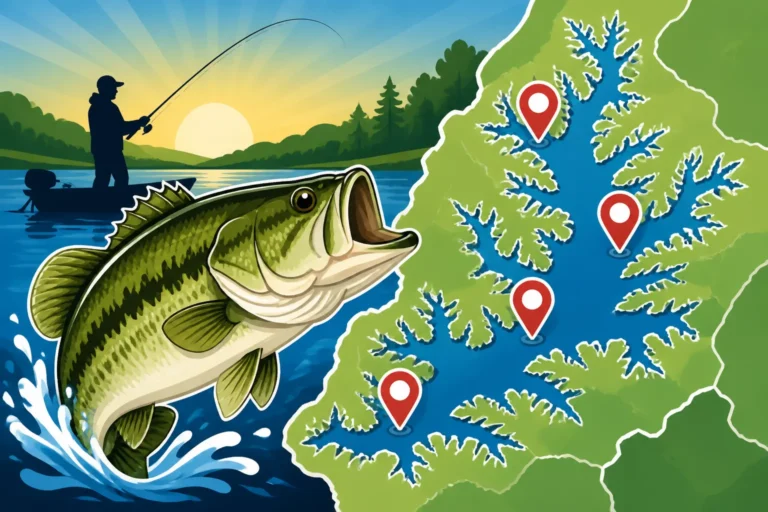
Lake Gaston is a long, winding body of water, stretching over 34 miles with more than 350 miles of shoreline. This expansive reach means it offers a huge variety of fishing environments, from wide-open main lake points exposed to wind and current, to quiet, protected backwater coves perfect for finesse fishing. The lake features countless docks, boat houses, brush piles, and fallen timber, all providing cover for fish. Navigating the lake can be a challenge for first-timers due to its size and numerous arms, but understanding its basic layout – the main river channel running through the middle, flanked by tributary creeks like Pea Hill Creek, Poplar Creek, and Hubquarter Creek – can help you break it down into manageable sections. Many anglers find it helpful to focus on one specific arm or section per trip rather than trying to cover the entire lake.
Access is generally good, with several public and private boat ramps available on both the Virginia and North Carolina sides. For those sticking to the Virginia side, you'll find excellent options near towns like Bracey and Gasburg. These ramps usually have ample parking and good launching facilities, though they can get busy during peak seasons and holidays. Knowing the specific location of various Boat Ramps on Lake Gaston for Fishing Access can really save you time and frustration, especially on a busy morning.
Key Fish Species to Target
Lake Gaston is a true multi-species lake, offering something for every type of angler. While it's famous for certain species, you'll find a healthy population of several others.
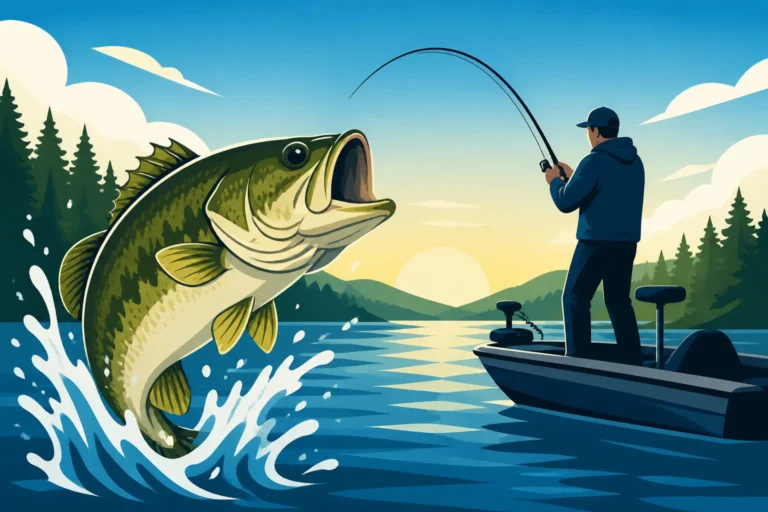
- Largemouth Bass: The undisputed king of Lake Gaston for many anglers. The lake consistently produces good numbers of healthy largemouth, with many reaching impressive sizes. They thrive around the abundant docks, brush piles, and submerged structures, particularly in the many coves and creek arms.
- Striped Bass (Stripers): Lake Gaston boasts an exceptional freshwater striped bass fishery. These hard-fighting fish are often found in the deeper, open waters, especially around the main river channel and dam area. They are known for schooling and chasing baitfish, offering exciting topwater action at certain times of the year. If you're looking for a thrill, targeting Best Striped Bass Fishing on Lake Gaston is an absolute must.
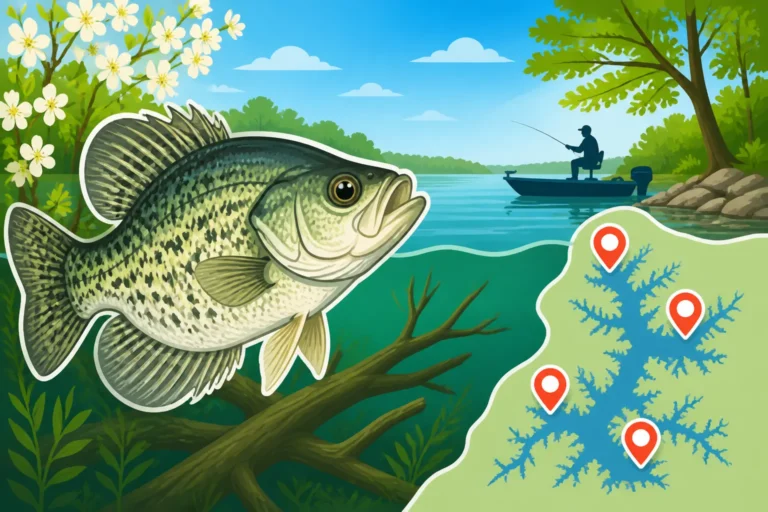
- Crappie: Both black and white crappie are plentiful, making Lake Gaston a crappie paradise, especially in the cooler months. They tend to congregate around submerged brush, timber, and bridge pilings, offering a fantastic opportunity for anglers of all skill levels. If you want to know Where to Catch Crappie on Lake Gaston, look for areas with lots of cover and baitfish activity.
- Catfish: Channel catfish and flathead catfish are abundant, providing excellent opportunities for both casual and dedicated catfishermen. The lake's deep holes, ledges, and creek channels hold plenty of these bottom-dwellers, especially after dark. If you're wondering Is Lake Gaston Good for Catfish Fishing?, the answer is a resounding yes!
- Panfish: Bluegill and other sunfish species are also common, offering great fun for kids and anglers looking for consistent action. They are typically found in shallower, vegetated areas and around docks.
Best Fishing Seasons and Times on Lake Gaston
Understanding the seasonal patterns of fish behavior is absolutely critical on a large body of water like Lake Gaston. Fish movements and feeding habits change dramatically with water temperature, daylight hours, and spawning cycles. It’s often the difference between a frustrating day of searching and a memorable day of catching.
Springtime Strategies for Spawning Fish
Spring is arguably the most anticipated time to fish Lake Gaston, especially for bass anglers. As water temperatures begin to rise from the low 50s into the 60s, fish become increasingly active. The pre-spawn period, typically from late March through April, sees largemouth bass moving into shallower waters, gorging themselves on baitfish to prepare for the spawn. This is a prime time to target them with lipless crankbaits, spinnerbaits, and jerkbaits around points, secondary coves, and submerged grass beds.
Once water temperatures consistently hit the mid-60s, usually from late April into May, the largemouth bass move onto their beds in very shallow, protected pockets and coves. This is sight-fishing heaven for many, where anglers can spot bass guarding their nests. Soft plastics like lizards, worms, and creature baits are incredibly effective when pitched to these visible fish. Crappie also move shallow to spawn in spring, gathering in huge numbers around brush piles and submerged cover in 4-10 feet of water, making them easy targets for jigs and minnows. Stripers can also be active in the spring, often found chasing baitfish in the main lake and larger creek arms. The overall increase in fish activity makes spring an exciting, if sometimes crowded, season.
Summer's Deep-Water Challenges and Rewards
As the heat of summer settles in, typically from June through August, Lake Gaston's fish generally move deeper to seek cooler water and more stable oxygen levels. This transition can be a challenging period for many anglers, but it also offers unique opportunities. Largemouth bass will often relate to deep structure like submerged humps, ledges, and offshore brush piles. Carolina rigs, deep-diving crankbaits, and heavy jigs become go-to presentations. Early mornings and late evenings can still produce shallow bites, especially around docks and shaded cover, but the midday sun usually pushes fish down.
Striped bass, being a cold-water species, will concentrate in the deepest parts of the main lake, often near the dam or in the lower sections of the major creek arms where cooler, oxygenated water can be found. Trolling with downriggers, vertical jigging, or live bait fishing (like shad or alewives) in these deeper areas are highly effective methods. Catfish become very active at night during the summer, venturing into shallower areas to feed, making them an excellent target for nocturnal anglers. It's during this time that anglers often report the biggest catches of flatheads, using cut bait or live bluegill on the bottom.
Fall Transition and Feeding Frenzies
Fall, from September through November, is another fantastic time to fish Lake Gaston as water temperatures begin to cool, and fish move out of their deep summer haunts. This is a period of transition where fish sense the coming winter and engage in aggressive feeding frenzies. Largemouth bass start moving back into the shallower coves and creek arms, chasing baitfish that are also moving shallow. Topwater lures, spinnerbaits, and crankbaits can be incredibly effective during this time, especially around schooling bait.
Striped bass fishing can also be phenomenal in the fall. They will often school up and actively chase baitfish on the surface, creating spectacular feeding frenzies that anglers can spot from a distance. Trolling with artificial lures or live bait remains a top strategy, but don't overlook casting swimbaits or topwater plugs into these schooling fish. Crappie fishing also picks up significantly as they move to deeper brush piles and creek channel edges, readily biting jigs and minnows. Understanding these seasonal shifts, as outlined in guides like Virginia Fishing Seasons Explained, is key to consistent success.
Winter's Hidden Gems and Slow Bites
Winter fishing on Lake Gaston, from December through February, is often overlooked but can be incredibly rewarding for those willing to brave the colder temperatures. Fish metabolism slows down, meaning they are less active and their feeding windows are shorter, but when they do bite, they often do so aggressively to conserve energy. Largemouth bass will often suspend over deep water or relate tightly to deep cover like brush piles and timber. Slow presentations are key: jigging spoons, blade baits, and suspending jerkbaits fished patiently can coax bites.
Striped bass fishing remains strong in winter, as they prefer colder water. They'll often school in deep holes, channel swings, and around the dam, becoming a prime target for vertical jigging or slow-trolling live bait. Crappie also school tightly in winter, often found suspended in deep brush piles or over creek channels. Using sensitive electronics to locate these schools and then vertically jigging small spoons or minnows can lead to huge catches. While the bites might be fewer and farther between, the quality of fish caught in winter can be exceptional.
Top Techniques and Baits for Lake Gaston's Most Popular Species
Matching your technique and bait to the target species and conditions is paramount on Lake Gaston. The lake's diversity means a wide array of approaches can be successful, but some stand out for their consistent results.
Largemouth and Striped Bass Tactics
For largemouth bass, versatility is your best friend. In the spring and fall, when bass are shallower, focus on active presentations. Spinnerbaits retrieved around points and docks, or lipless crankbaits ripped through grass beds, can trigger reaction strikes. During the spawn, sight-fishing with soft plastic lizards or creature baits on a Texas rig or Carolina rig is highly effective. Try pitching these into shallow cover where you suspect bass are bedding. As summer heat pushes bass deep, switch to slower, bottom-oriented tactics. A 1/2 oz jig with a craw trailer dragged along ledges or a Carolina-rigged soft plastic worm worked slowly on humps can be deadly. Don't forget the power of a shaky head worm around docks and brush piles, as it mimics a dying baitfish and often draws strikes from lethargic bass. For those looking to really hone their skills, guides like How to Catch Largemouth Bass Year-Round offer invaluable insights.
Striped bass fishing on Lake Gaston is often a game of covering water and finding active schools. Trolling is a hugely popular and effective method, especially in the deeper main lake sections. Use planer boards with deep-diving crankbaits or bucktail jigs to present your lures at various depths. Downriggers are also excellent for targeting specific depths where stripers are holding. Live bait, particularly gizzard shad or large shiners, drifted or slow-trolled, can be irresistible to hungry stripers. When stripers are schooling on the surface, which often happens in fall and spring, casting large topwater plugs, swimbaits, or even heavy spoons into the feeding frenzy can lead to explosive strikes. Don't be afraid to experiment with different retrieve speeds and lure colors until you find what they're hitting. Platforms like FishingBooker can connect you with experienced striper guides who can teach you the ropes.
Crappie and Panfish Pursuits
Crappie on Lake Gaston are often found around structure. In spring, they move into shallow brush piles and submerged timber in 4-10 feet of water. A simple jigging technique with a small 1/16 to 1/8 oz jig tipped with a soft plastic grub or a live minnow under a bobber is incredibly effective. Look for clusters of cover in the back of coves. As the weather warms, crappie retreat to deeper brush piles, bridge pilings, and creek channel edges. Here, vertical jigging directly over the structure with electronics is key. Spider rigging (slow trolling multiple rods with jigs or minnows) is also a popular method for covering a lot of water and locating schools. For a deeper dive into techniques, check out Crappie Fishing Techniques for Beginners.
For panfish like bluegill and shellcracker, simpler methods usually suffice, making them perfect for family outings. A small hook (size 8 or 10) with a piece of red wiggler, nightcrawler, or crickets under a bobber is hard to beat. Target shallow, vegetated areas, around docks, and near fallen trees. Fly fishing with small poppers or wet flies can also be a blast for panfish on Lake Gaston, particularly in the calmer morning hours.
Catfish Hunting Methods
Lake Gaston's catfish population offers fantastic opportunities, especially for those who enjoy a strong fight. For channel catfish, bottom fishing with stink baits, chicken liver, cut bait (like shad), or even hot dogs is highly effective. Look for them in creek channels, deeper holes, and near structure. A simple Carolina rig with a heavy enough weight to hold bottom is typically all you need. Fishing after dark often produces the best results.
Flathead catfish, the true giants of Lake Gaston, prefer live bait. Small bluegill, sunfish, or large shiners are excellent choices. Flatheads are ambush predators, so target areas with submerged timber, rock piles, or deep ledges near current. A stout rod, heavy line, and a circle hook are essential for these powerful fish. Trotlines and jug fishing, while requiring more setup, are also popular and effective methods for catching multiple catfish, especially for larger flatheads, and are well covered in guides like Catfish Fishing Techniques and Bait Guide. Just be sure to check local regulations for these methods!
Navigating Lake Gaston: Boat Ramps, Shore Access, and Guided Trips
With Lake Gaston being such a vast body of water, knowing how to get on it and where to cast your line can be half the battle. While it's largely a boat-angler's paradise, there are some options for those without a vessel.
Public Boat Ramps and Marinas
For boat owners, Lake Gaston offers numerous public and private boat ramps that provide access to various sections of the lake. On the Virginia side, popular public ramps include those at Pond View Beach Park in Bracey, and access points along Route 903 and Route 626. These typically feature paved ramps, parking for trailers, and often restrooms. Marinas like Holly Grove Marina and Lake Gaston Resort also offer ramps, fuel, and supplies, though access might come with a fee for non-members.
It's always a good idea to check the specific amenities and conditions of a ramp before you head out, especially during peak season when parking can fill up quickly. Many of these locations also serve as popular starting points for local tournaments, so plan accordingly. If you're coming from out of state or just unfamiliar with the area, a quick search for Boat Ramps on Lake Gaston for Fishing Access can provide up-to-date information and directions, helping you avoid unnecessary detours.
Limited Shoreline and Pier Fishing Opportunities
While Lake Gaston is primarily set up for boat fishing due to its extensive private shoreline development, there are still some limited opportunities for bank and pier anglers, particularly on the Virginia side. Pond View Beach Park in Bracey offers some public shoreline access and a small pier where you can wet a line. These spots are excellent for panfish and smaller bass, and occasionally a catfish. Another option might be exploring some of the smaller, less developed public access points or bridges that cross some of the lake's smaller arms, where you might find a spot to cast from the bank.
However, it’s important to manage expectations. The vast majority of the prime fishing spots on Lake Gaston, especially for larger bass and stripers, require a boat to access. For those without a boat, focusing on the available public piers or designated bank fishing areas, and targeting easier-to-catch species, will lead to more enjoyable and successful outings. Always be respectful of private property and posted signs; venturing onto private docks or land without permission can lead to trouble.
Finding a Reputable Fishing Guide
For many, especially those new to Lake Gaston or targeting specific species, hiring a local fishing guide is an invaluable investment. A good guide offers not just a boat, but years of local knowledge, current fishing patterns, and the right gear and techniques for the day. They can significantly shorten your learning curve and put you on fish much faster than you could on your own. This is particularly true for targeting species like striped bass, where specialized equipment and knowledge of deep-water patterns are essential.
When looking for a guide, consider their specialization – some guides focus exclusively on bass, others on stripers, and some are excellent all-around multi-species experts. Websites like FishingBooker are excellent resources for finding reputable Lake Gaston fishing guides, allowing you to compare prices, read reviews, and see what species they target. Be sure to ask what's included in the trip (license, bait, tackle, fish cleaning) and what you need to bring. A guided trip is not only a fantastic way to catch fish but also a great educational experience, teaching you about the lake and its intricacies. If you're curious about How to Book a Fishing Charter in Virginia for other areas, many of the same principles apply.
Essential Gear and Local Regulations
Before you even think about casting a line on Lake Gaston, it's crucial to be prepared with the right equipment and a clear understanding of the rules and regulations that govern fishing in its waters. Ignoring these can lead to a frustrating trip or even legal penalties.
Recommended Rods, Reels, and Lures
The gear you bring to Lake Gaston should reflect the diversity of its fishery. You'll want a versatile setup to cover your bases.
- For Largemouth Bass: A couple of medium-heavy action casting rods (6'6" to 7'6") paired with baitcasting reels are ideal for throwing jigs, Texas rigs, spinnerbaits, and crankbaits. A medium action spinning rod (6'9" to 7'3") with a matching spinning reel is excellent for finesse techniques like shaky heads, drop shots, and weightless worms, especially around docks. Line choice typically ranges from 12-20 lb fluorocarbon or monofilament for baitcasters and 8-12 lb fluorocarbon or braid with a fluorocarbon leader for spinning setups.
- For Striped Bass: You'll need heavier gear. A medium-heavy to heavy action casting or spinning rod (7' to 7'6") paired with a robust reel capable of handling 20-30 lb monofilament or 30-50 lb braided line is recommended. If you plan on trolling, specific trolling rods are best. Lure choices include deep-diving crankbaits, bucktail jigs, large swimbaits, and topwater plugs. Live bait rigs require sturdy circle hooks and sinkers.
- For Crappie and Panfish: Light to ultralight action spinning rods (5'6" to 6'6") with small spinning reels are perfect. Spool them with 4-6 lb monofilament or fluorocarbon. Small jigs (1/32 to 1/8 oz) tipped with tiny plastic grubs, or live minnows under a bobber, are the go-to baits.
- For Catfish: Heavy action casting rods (7' to 8') with robust baitcasting reels or large spinning reels are necessary. Use 20-40 lb monofilament or 50-80 lb braided line, especially for flatheads. Essential tackle includes heavy sinkers, stout circle hooks (3/0 to 8/0), and swivels. Bait ranges from chicken livers and cut bait to live bluegill or shad.
Always carry a variety of lures and baits, as fish preferences can change throughout the day. A good pair of polarized sunglasses, pliers, and a landing net are also essential.
Virginia Fishing License Requirements
One of the most critical pieces of gear isn't gear at all – it's your fishing license! Lake Gaston straddles the border, so depending on where you're fishing and where you're launching, you might need a Virginia or a North Carolina license, or both. For fishing solely on the Virginia side of Lake Gaston, you will need a valid Virginia Fishing License Guide. This includes both a freshwater fishing license and potentially a stocked trout license if you plan to fish in designated stocked waters nearby (though Lake Gaston itself isn't a primary trout fishery).
Virginia residents can purchase annual freshwater licenses, short-term options, or even combination licenses. Non-residents also have various options, including annual and short-term licenses. Remember that special permits or licenses might be required for certain activities like fishing stocked trout waters, but for general fishing on Lake Gaston, the basic freshwater license is what you'll need.
It's crucial to consult the Virginia Department of Wildlife Resources (DWR) website for the most up-to-date regulations, as rules can change. They also provide detailed information on Virginia Fishing Regulations Explained, including creel limits, size limits, and open seasons for various species, which are absolutely vital to follow. For example, striped bass in Virginia waters of Lake Gaston often have specific slot limits and daily creel limits that differ from coastal saltwater regulations, or even from North Carolina's portion of the lake. Ignorance of the law is not an excuse, and game wardens do patrol Lake Gaston to ensure compliance.
| Species | Best Season | Typical Habitat | Effective Baits/Lures | Virginia Size/Creel Limits (General, always check DWR) |
|---|---|---|---|---|
| Largemouth Bass | Spring, Fall | Docks, brush piles, submerged structure, coves | Jigs, crankbaits, spinnerbaits, plastic worms | 5 fish daily, 12-inch minimum (can vary by water) |
| Striped Bass | Year-round | Main channel, deep holes, open water | Deep-diving crankbaits, bucktail jigs, live shad | 2 fish daily, 18-inch minimum (check specific slot) |
| Crappie | Spring, Fall | Brush piles, timber, bridge pilings | Small jigs, live minnows | 25 fish daily, 9-inch minimum |
| Channel Catfish | Summer, Night | Creek channels, deep holes, ledges | Stink bait, cut bait, chicken liver | 20 fish daily, no minimum length |
| Flathead Catfish | Summer | Deep timber, rock piles, ledges, current | Live bluegill, sunfish, large shiners | 20 fish daily, no minimum length |
Disclaimer
The information provided in this guide is for general informational purposes only and is based on typical patterns and regulations. Fishing conditions, fish behavior, and specific regulations (including size and creel limits) can change frequently. Always consult the latest official Virginia Department of Wildlife Resources (DWR) regulations before any fishing trip to ensure compliance. The author and publisher are not responsible for any incidents or violations incurred.