Rules for fishing tournaments on Virginia waters
Fishing tournaments in Virginia are an exhilarating way to test your skills, enjoy the incredible waters, and connect with fellow anglers. However, it's easy to feel overwhelmed by the layers of rules – from state-mandated licenses and catch limits to the specific regulations set by tournament organizers themselves. This guide is here to untangle that complexity, helping you understand the essential rules and best practices to ensure a successful, legal, and sportsmanlike experience on Virginia's beautiful lakes and rivers.
The Basics: Why Tournament Rules Matter in Virginia
Participating in a fishing tournament isn't just about catching the biggest fish; it's about respecting the environment, ensuring fair competition, and contributing to the sustainability of the sport. The rules aren't arbitrary hurdles; they're the backbone of responsible angling and organized competition.
Protecting Virginia's Fisheries
Imagine hundreds of anglers descending on a single lake for a weekend, all trying to catch the same species. Without clear regulations, the pressure on fish populations could be immense and unsustainable. Virginia's Department of Wildlife Resources (DWR) works tirelessly to manage fish stocks, and tournament rules often complement these efforts, sometimes even adding stricter guidelines to minimize impact.
For instance, many tournaments, especially those targeting popular species like largemouth and smallmouth bass, are strictly catch-and-release. This means every fish caught is weighed or measured, documented, and then released back into the water as quickly and safely as possible. This practice is vital for maintaining healthy populations and ensuring future generations of anglers have fish to pursue. Tournament organizers work closely with the DWR to ensure their events align with conservation goals, often requiring participants to adhere to strict fish care protocols that go beyond general recreational fishing practices. These measures ensure that the thrill of competition doesn't come at the expense of our precious natural resources.
Fair Play and Angler Safety
Beyond conservation, tournament rules are crucial for maintaining a level playing field and ensuring the safety of all participants. No one wants to spend their hard-earned money and precious weekend hours only to feel like the competition isn't fair or, worse, that their safety is compromised.
Rules about what kind of bait can be used, the number of rods allowed, or even designated fishing zones are all designed to prevent one angler from having an unfair advantage over another. For example, some tournaments might restrict live bait to encourage artificial lure use, testing a different set of skills. Safety regulations, such as mandatory personal flotation devices (PFDs) while the boat is on plane or specific boat operation guidelines, are paramount. These rules protect anglers from accidents and ensure that everyone can enjoy the competition without undue risk. Tournament officials are typically present to monitor compliance and address any rule infractions, fostering an environment of integrity and sportsmanship. Without these guidelines, tournaments could quickly devolve into chaos, stripping away the enjoyment and camaraderie that makes them so special.
Essential Virginia Fishing Regulations Applicable to Tournaments
Before you even think about baits and casting techniques, every angler participating in a tournament in Virginia must understand and comply with the state's fundamental fishing regulations. Tournament rules build upon these, but they never replace them.
Licensing Requirements for Tournament Anglers
This is a big one, and it's where many anglers, especially those new to tournaments or visiting from out of state, can get tripped up. Just like any other time you cast a line in Virginia, you absolutely need a valid fishing license to participate in a tournament. There isn't a special "tournament angler license" in Virginia; you just need the appropriate state license for the waters you'll be fishing.
If you're a Virginia resident and plan on fishing freshwater lakes and rivers, you'll need a Virginia Resident Freshwater Fishing License Cost. If your tournament takes you to the brackish waters of the Chesapeake Bay or out into the Atlantic, a Virginia Resident Saltwater Fishing License Cost will be required. Often, anglers will opt for a combination license to cover all their bases, especially if they fish various locations throughout the year. For non-residents, the requirements are equally strict, with options for Nonresident Freshwater Fishing License in Virginia or a Nonresident Annual Saltwater Fishing License in Virginia, and even short-term passes like Virginia's 5-Day Freshwater Fishing Pass or Virginia's 10-Day Saltwater Fishing License for those visiting for just a single event. It’s crucial to make sure your license is valid and up-to-date. You can learn more about this by checking out our Virginia Fishing License Guide. Remember, game wardens routinely check licenses, and the last thing you want is a citation to ruin your tournament day before it even starts.
Species-Specific Catch Limits and Slot Sizes
Tournament organizers almost always adhere to, and sometimes even impose stricter, size and bag limits than what the DWR sets for general recreational fishing. This is primarily for conservation, ensuring that the intense fishing pressure of a tournament doesn't negatively impact local fish populations. You might be aiming for a big bass, but if it falls outside the legal slot limit, you can't weigh it in – or worse, you could be penalized.
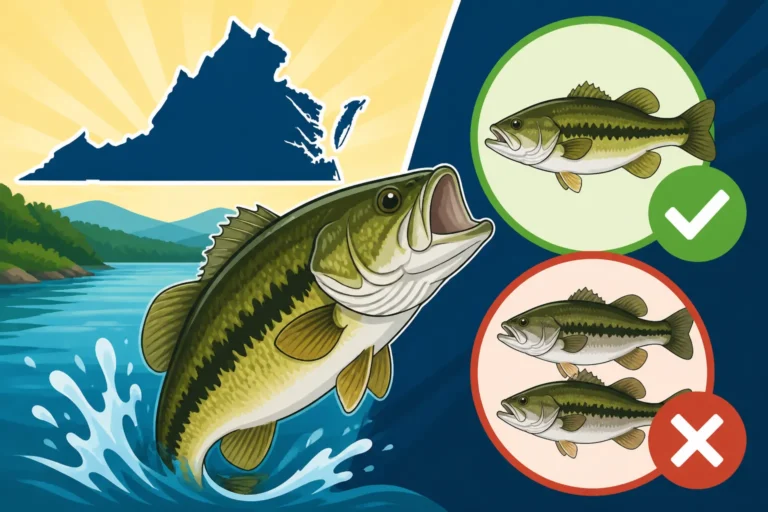
For popular tournament species like largemouth and smallmouth bass, Virginia has a Virginia's daily bass limit is 5 fish combined, and while there isn't a statewide length limit on bass, some individual lakes and rivers have specific slot limits in place to protect larger breeding fish or promote growth in smaller ones. For example, a tournament might require bass to be a minimum of 12 inches, even if the state's general regulation allows for smaller keepers in certain waters. Similarly, for striped bass, often referred to as rockfish in Virginia, there are strict seasons and a Virginia rockfish slot limit is 28 to 31 inches that every angler must follow. If your tournament focuses on these highly regulated species, you must be intimately familiar with both the state regulations and any additional restrictions the tournament director implements. Always review the specific rules for your chosen tournament before you head out on the water, as these can vary significantly from one event to the next.
Livewell and Fish Care Regulations
In modern catch-and-release tournaments, especially those for bass, the health and survival of the fish are paramount. Tournaments are moving away from simply weighing dead fish, recognizing the critical role anglers play in conservation. This means strict rules are in place regarding how fish are handled, transported, and released.
Most tournaments require competitors to have a functioning livewell system in their boats. These aren't just tubs of water; they are sophisticated systems designed to keep fish alive and healthy through aeration, proper water temperature, and sometimes even chemical treatments to reduce stress. A typical rule might state that bass must be kept in an aerated livewell with adequate water at all times. If a fish is brought to the weigh-in dead, there's often a significant penalty, such as a deduction from its weight or even disqualification of the fish. These rules exist because even though you're competing, you're also a steward of the resource. Some tournaments might even require specific additives in your livewell water, like those found on Amazon that help reduce stress and improve fish survival. Being prepared with a properly functioning livewell, knowing how to handle fish gently, and understanding the "dead fish" penalties are non-negotiable aspects of participating in a Virginia fishing tournament.
Beyond State Law: Tournament-Specific Rules and Best Practices
While state regulations form the foundation, tournament organizers often add their own set of rules to define the competition, ensure fairness, and address the unique logistical challenges of their event. Ignoring these can lead to frustration and disqualification.
Common Tournament Formats and Their Rules
Tournaments aren't a one-size-fits-all affair; they come in various formats, each with its own specific rules. Understanding these differences is key to navigating the competition successfully. The most common formats you'll encounter in Virginia include traditional weigh-in tournaments, where anglers bring their catch to a central scale, and more modern photo-release events.
In a traditional weigh-in tournament, particularly for bass, anglers will typically have a livewell limit (e.g., five fish) and must bring their fish to the official weigh station. Rules here often detail the "culling" process – how you replace a smaller fish in your livewell with a larger one – and specify that all culling must be done legally and carefully. Photo-release tournaments, on the other hand, rely on digital evidence. Anglers photograph their fish on an official measuring board, often with a unique identifier or "bump board" that might be purchased from Amazon, then immediately release the fish at the point of catch. This format significantly reduces fish stress and eliminates the need for livewells and long transport. Regardless of the format, rules will dictate legal measuring techniques, proof of catch (photo angles, unique codes), and the precise deadlines for submitting catches. Always read the specific tournament rules package thoroughly – it's your bible for that event.
Special Considerations for Public Waters
Most fishing tournaments in Virginia take place on public lakes, rivers, and coastal waters, which means they share space with recreational boaters, other anglers, and even swimmers. This shared environment necessitates additional rules and consideration from tournament organizers and participants alike.
Large tournaments often require permits from local or state authorities, such as the DWR or local parks and recreation departments, to use public ramps, launch facilities, or designated weigh-in areas. Tournament organizers are responsible for securing these permits and ensuring their event doesn't unduly disrupt other public users. For anglers, this often translates to rules about respectful boat operation, such as adhering to no-wake zones, giving other recreational users a wide berth, and not blocking public access points. It's not just about what you catch; it's about how you conduct yourself on the water. Understanding Virginia's Rules for Fishing on Public and Private Waters can provide a broader context, but tournament-specific rules will often include guidelines to minimize conflict and ensure a smooth event for everyone. Being a courteous angler, even in the heat of competition, is a hallmark of good sportsmanship and often a requirement within tournament rules.
Role of Tournament Organizers and Participants
A successful fishing tournament is a collaborative effort between dedicated organizers and conscientious participants. Both have distinct, yet interconnected, roles in upholding the rules and spirit of the competition.
Tournament organizers bear the primary responsibility for creating a clear, comprehensive rule book, communicating those rules effectively to all participants, and then enforcing them fairly. They're the ones who handle registration, manage weigh-ins, tally scores, and resolve any disputes that might arise. A well-run tournament will have clearly defined lines of communication and a transparent process for addressing rule infractions. Participants, on the other hand, have an equally critical role: to understand every rule and follow it to the letter. This means reading the rule book before the event, asking questions if something is unclear, and knowing that ignorance of a rule is never an excuse. Anglers are also responsible for reporting any suspicious activity they witness, upholding the integrity of the sport. Many tournament circuits, like the Bassmaster Opens or local Virginia bass clubs, publish their rules online, sometimes even offering official rule guides, which you might find a general version of on Amazon to familiarize yourself with common practices. It’s a partnership where everyone works together to ensure a fair, fun, and ethical competition.
Enforcement and Consequences: What Happens When Rules Are Broken
Nobody wants to face penalties, but they are a necessary part of any organized competition, especially when they involve public resources and significant prizes. Understanding the repercussions of breaking both state and tournament-specific rules is vital for every angler.
Consequences of Breaking State Fishing Laws
Even within the context of a tournament, you are still bound by all Virginia state fishing laws. Game wardens and DWR officers don't differentiate between recreational anglers and tournament competitors when it comes to enforcing the law. If you're caught without a valid fishing license, possessing undersized fish, or exceeding the daily bag limit, you'll face the same penalties as any other angler.
These penalties can range from hefty fines to the confiscation of your gear, and in some cases, even legal action. For instance, if you're found to be fishing without a license, the Penalties for Fishing Without a License in Virginia can be significant, potentially including court costs and a mark on your record, completely overshadowing any tournament winnings. The DWR takes its role in managing and protecting Virginia's fish populations very seriously. Officers are often present at tournament launches and weigh-ins, not just to observe, but to ensure compliance with state regulations. They have the authority to check licenses, inspect livewells, and measure fish. It's a reminder that while you're focused on winning, you're also operating under a broader legal framework that protects our shared natural resources. You can learn more about how law enforcement handles these situations by reading about How Virginia wildlife officers handle anglers caught without a license.
Tournament Disqualifications and Bans
Beyond state legal penalties, tournament organizers have their own set of sanctions for rule violations, which can be just as, if not more, impactful on an angler's competitive career. These penalties are designed to maintain the integrity of the competition and uphold sportsmanship.
Common tournament infractions that lead to penalties include bringing in undersized fish, exceeding the livewell limit, presenting a dead fish (if rules penalize this), or any form of unsportsmanlike conduct. The typical consequence for a serious infraction is immediate disqualification from the event, forfeiture of any prize money or awards, and potentially a ban from future tournaments organized by that circuit or club. Imagine winning a major bass tournament only to be disqualified because one of your fish was a quarter-inch short of the minimum length; it's a gut-wrenching scenario that highlights the importance of meticulous attention to detail. Tournament directors often have a clear appeals process, but their decisions are usually final. The goal is to ensure that everyone competes fairly, and those who attempt to gain an unfair advantage or disregard the rules face appropriate consequences. It's about respecting the sport, the fish, and your fellow competitors.
Virginia Fishing Tournament Rules at a Glance
| Rule Category | Common State Requirement | Typical Tournament Enhancement/Clarification |
|---|---|---|
| Fishing License | Valid Virginia freshwater or saltwater license required. | Mandatory for all participants; no special tournament license needed, but check the appropriate water type. |
| Catch Limits | Daily bag and length limits per species (e.g., 5 bass). | Often match state limits but may impose stricter minimum lengths or fewer fish per boat for competition. |
| Slot Limits | Specific length ranges for certain species (e.g., striped bass). | Strictly enforced; fish outside the slot are usually penalized or cannot be weighed. |
| Fish Care | N/A (for recreational, but encouraged). | Mandatory aerated livewells; penalties for dead fish; specific livewell additives may be required. |
| Measuring | General measurement from tip of snout to tip of tail. | Use of official measuring boards (e.g., "bump boards"); specific photo angles for photo-release tournaments. |
| Culling | N/A (if within bag limit). | Strict rules on how and when to replace fish in livewell; may require specific culling tags (available on Amazon). |
| Boat Operation | Standard boating safety and navigation laws. | Additional rules for safe conduct during competition, e.g., no-wake zones, safe passing. |
| Bait | Permitted natural and artificial baits. | May restrict live bait to encourage artificial lure use; specific lure types may be limited. |
| Unsportsmanlike Conduct | N/A (general public decency). | Zero tolerance; includes cheating, harassment, interfering with other anglers. Leads to disqualification/ban. |
| Permits | N/A (for individual anglers). | Tournament organizers secure permits for large events on public waters; anglers must adhere to event zones. |
Participating in fishing tournaments in Virginia offers an unparalleled blend of challenge, excitement, and community. By taking the time to thoroughly understand and respect both the DWR's essential fishing regulations and the specific rules laid out by tournament organizers, you're not just ensuring your eligibility to compete. You're actively contributing to the integrity of the sport, the safety of your fellow anglers, and the long-term health of Virginia's incredible fisheries. So, get your license in order, study those rule books, and get ready to enjoy some fantastic competition on the water!
Disclaimer
The information provided in this guide is for general informational purposes only and does not constitute legal advice. Fishing regulations and tournament rules are subject to change. Always consult the official Virginia Department of Wildlife Resources (DWR) website and the specific rulebook provided by your tournament organizers for the most current and accurate information before fishing or participating in any event.