Brown Trout Fishing Tips for Virginia Anglers
For many anglers in Virginia, the pursuit of brown trout can feel like chasing a ghost. These elusive fish are renowned for their caution, their sharp eyesight, and their tendency to be far more challenging than their rainbow or brook trout cousins. It’s easy to get frustrated when you’re out on a beautiful stream, casting perfect lines, and still coming up empty-handed while your buddy pulls in a nice catch. This guide is here to cut through that frustration, offering practical, on-the-water tips to increase your chances of finding and landing those magnificent Virginia brown trout.
Understanding Virginia's Brown Trout
Before you can truly outsmart a brown trout, you need to understand it. These fish are distinctly different from the other trout species you'll find in Virginia, both in their physical characteristics and their cunning behavior. Knowing their habits is the first step toward successful angling.
Where Brown Trout Thrive in Virginia
Brown trout, often called "browns," prefer cooler, more stable water temperatures than many other fish, and they absolutely love cover. In Virginia, you’ll typically find them in the colder, oxygen-rich waters of mountain streams and larger rivers with good depth and plenty of structure. Think about places with fallen logs, undercut banks, deep pools, and large rocks — these are their preferred hideouts. Unlike rainbows that might be found cruising open runs, browns are often lurking in the shadows, waiting for an unsuspecting meal to drift by.
Picture a pristine mountain stream in the George Washington and Jefferson National Forests, where the water tumbles over rocks and settles into calm, dark pools. That's prime brown trout habitat. These streams offer the consistent cold water they need, especially through Virginia's hotter summer months. Areas with a healthy riparian zone, meaning plenty of trees and vegetation along the banks, are crucial because they provide shade, prevent excessive water temperature fluctuations, and contribute insects and other food sources to the water. Some of Virginia's best brown trout fisheries are found in the upper reaches of rivers like the Jackson, the Rapidan, and various tributaries of the Shenandoah.
Brown Trout Behavior and Diet
Brown trout are notoriously spooky. They have excellent eyesight and are incredibly sensitive to vibrations. A heavy footstep on the bank, a shadow cast over the water, or a clumsy cast can send them darting for cover in an instant. This wariness is why a stealthy approach is paramount when targeting them. They are also opportunistic feeders, meaning they'll eat just about anything that comes their way, from insects and smaller fish to crayfish and even mice. Their diet shifts with the seasons and the available food sources, which means you need to be adaptable with your bait or lure choices.
During a warm summer evening, you might find browns aggressively feeding on emerging caddisflies or mayflies, especially in areas with a good hatch. But come winter, when insect activity slows, they'll become more predatory, actively hunting smaller baitfish like sculpins or dace. This dietary flexibility is what makes them such interesting fish to pursue, but it also requires anglers to pay close attention to the local conditions and what might be on the menu. If you notice minnows darting around, a streamer fly might be your best bet. If you see bugs fluttering above the water, try matching the hatch. What's the Best Time of Day to Catch Trout in Virginia? often depends on what the trout are feeding on.
Key Differences from Other Trout Species
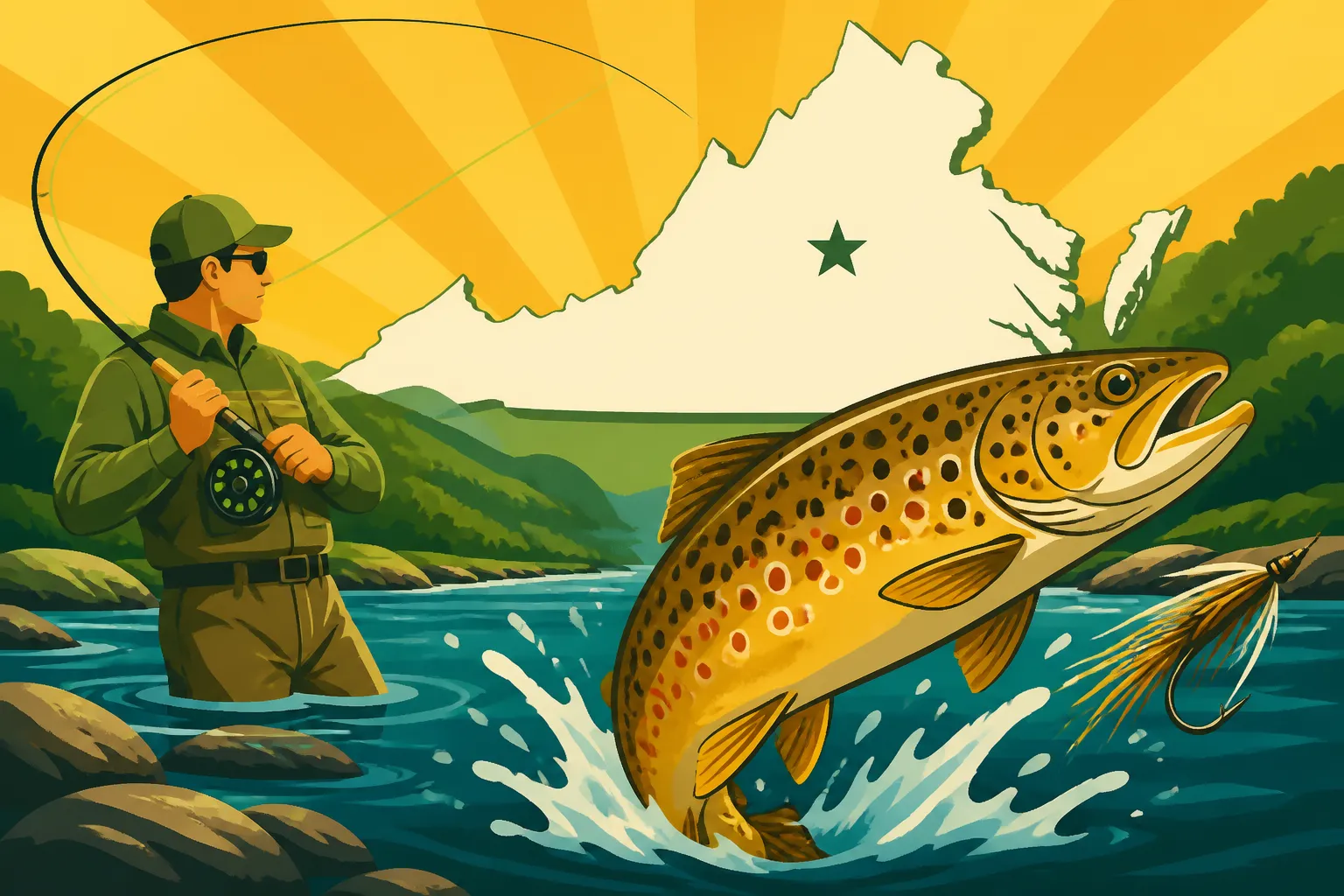
It's easy to confuse different trout species, but understanding the specific characteristics of brown trout can help you identify them and appreciate their unique challenges. Brown trout are identifiable by their yellowish-brown to golden-brown bodies, often covered in dark spots surrounded by lighter halos, with some red spots also present. Their tails are usually unforked or only slightly forked, unlike the more deeply forked tail of a brook trout. They also tend to be larger than brook trout in many Virginia waters, though not always as acrobatic as rainbow trout when hooked.
When you're out on the water, you'll notice other behavioral differences. Rainbow trout, for example, are often found in faster-moving currents, readily taking a variety of flies and lures, and putting up a spectacular aerial fight. Brook trout, the native char of Virginia, typically inhabit smaller, colder headwater streams and are often less wary, though they rarely grow to the size of browns. Browns, on the other hand, are masters of concealment. They prefer slower, deeper water near cover and are far more reluctant to expose themselves. If you're fishing a wider river and consistently pulling out feisty, silver-sided fish, you're probably hitting a rainbow trout hotspot. But if you’re carefully working a dark, undercut bank and feel a powerful, deep pull, it’s likely a brown trout, and a well-earned one at that. For more on identification, check out Rainbow Trout vs Brown Trout in Virginia: How to Tell Them Apart.
Essential Gear for Brown Trout Success
Success in brown trout fishing isn't just about knowing where they live; it's also about having the right tools for the job. Brown trout demand a bit more finesse and specialized gear than some other species. Having the right rod, line, and tackle can make all the difference when you're trying to fool these wily fish.
Rod, Reel, and Line Selection
For brown trout, especially in Virginia's smaller mountain streams, a lighter setup is usually best. A light-action spinning rod, typically in the 5-foot to 6-foot range, paired with a small spinning reel, will give you the sensitivity and control you need for delicate presentations. For fly anglers, a 3-weight or 4-weight fly rod, about 7 to 8.5 feet long, is ideal. This lighter tackle allows you to cast smaller flies and lures with precision, which is crucial for not spooking wary browns.
When it comes to line, go light. For spinning gear, 4-pound test monofilament or fluorocarbon line is a common choice. Fluorocarbon is especially effective because it's virtually invisible underwater and has less stretch, offering better feel for subtle bites. For fly fishing, a weight-forward floating line that matches your rod weight is standard, but you’ll also want a tapered leader (often 7.5 to 9 feet, tapering down to a 4x or 5x tippet) to ensure delicate fly presentation. Remember, these fish are sharp-eyed, so a heavy, visible line will drastically reduce your chances. You can find excellent options for both spinning and fly line on platforms like Amazon, ensuring you have the right strength and invisibility for the job.
Lures, Baits, and Flies That Entice Browns
Brown trout are discerning eaters, but they also have a predatory streak. Your tackle box should reflect this versatility. For spin anglers, small inline spinners (think gold or silver blades, sometimes with a touch of red or black), tiny crankbaits that mimic baitfish, and micro-jigs (like 1/32 to 1/16 ounce jigs with small grub or tube bodies) are all proven brown trout getters. Live bait, like worms or small minnows, can also be highly effective, especially when fished naturally with minimal weight.
Fly anglers have a vast array of options. Dry flies that match common hatches (caddis, mayflies, midges) are fantastic when trout are actively feeding on the surface. Nymphs (like Pheasant Tail, Hare's Ear, or Prince Nymphs) are indispensable for subsurface fishing, as brown trout spend most of their time feeding below the surface. Streamers that imitate baitfish (Woolly Buggers, Clouser Minnows) are excellent for aggressive browns, particularly in larger waters or during cooler months. Having a selection of these patterns, perhaps from an Amazon assortment, will cover most situations you encounter on Virginia's trout streams. Different streams will have different prevalent insects, so it's always a good idea to check local fishing reports or ask at a tackle shop what's hatching.
Essential Accessories for Anglers
Beyond your primary rod and reel setup, a few key accessories can significantly improve your brown trout fishing experience. First and foremost, a good pair of polarized sunglasses is non-negotiable. They cut the glare off the water, allowing you to see into the depths, spot fish, and identify underwater structure. A wide-brimmed hat or baseball cap provides extra sun protection and helps reduce glare even further.
You’ll also want a pair of small pliers or forceps for hook removal. This is especially important for catch and release, as it minimizes handling time and damage to the fish. A small tackle box or vest with various compartments for your lures, flies, and spare line is essential for staying organized. If you’re fishing in wild trout waters, a small landing net with a rubberized mesh is highly recommended to protect the fish’s slime coat and fins during landing. Finally, always carry a small first-aid kit, a whistle, and enough water and snacks, especially if you're venturing into more remote areas of the national forests. Being prepared, even for simple things like a rogue fly in the finger, makes a world of difference for an enjoyable day on the water. Best Streams for Fly Fishing for Trout are often in remote locations where self-sufficiency is key.
Effective Techniques for Landing Brown Trout
Brown trout are often referred to as "smarter" fish, and while that's a bit of a generalization, it speaks to their cautious nature. To consistently land these beautiful fish, you need to employ specific techniques that cater to their instincts. It’s less about brute force and more about subtlety and strategy.
Mastering Presentation
The key to brown trout fishing is often a delicate and natural presentation. Whether you're casting a spinner, drifting a worm, or presenting a dry fly, the goal is to make your offering look as if it's naturally occurring in the water. For spin anglers, this means soft, accurate casts that land your lure gently, without a big splash that would alarm nearby fish. Avoid directly casting over a likely holding spot; instead, cast upstream or across, allowing your lure to drift naturally into the zone.
Fly anglers will find presentation even more critical. A "drag-free" drift, where your fly moves at the same speed as the current, is paramount, especially when nymphing or fishing dry flies. Any unnatural drag can make a fly look artificial and send a brown trout scurrying. Mend your line to achieve this, making small adjustments to keep slack out of your line while allowing your fly to float freely. Consider your position carefully, casting from downstream whenever possible to avoid spooking fish. A slight crouch or staying behind natural cover can also make you less visible to the watchful eyes of a brown trout. This meticulous approach truly sets brown trout fishing apart from less wary species.
Reading the Water for Brown Trout
Brown trout are masters of efficiency, always looking for a good meal with minimal effort while staying safe. This means they'll often be found in specific "holding lies" – places where they can rest, hide, and ambush food. Learning to "read the water" means identifying these spots. Look for:
- Undercut Banks: These are prime real estate, offering shade, shelter, and a hidden ambush point. Browns will often sit deep under the bank.
- Deep Pools: Especially those with a current seam, where faster water meets slower water. Food gets funneled through these seams.
- Fallen Logs and Boulders: Any significant structure that breaks the current or provides cover is a potential home for a brown.
- Pocket Water: In faster streams, small, calm pockets behind rocks or in depressions can hold surprisingly large fish.
- Confluence of Currents: Where two currents meet, often creating a natural food delivery system.
When you approach a stretch of water, pause for a moment. Observe the flow, identify potential holding lies, and plan your casts. Don't just cast blindly. Work the most promising spots thoroughly, remembering that a brown trout often won't move far to eat. It's about bringing the meal to them in an enticing way. This strategic approach will undoubtedly increase your hook-up rate and your understanding of the stream ecosystem.
Seasonal Strategies for Virginia's Brown Trout
Virginia's seasons play a huge role in brown trout behavior, and adapting your tactics accordingly is crucial.
- Spring: As waters warm from winter, brown trout become more active. This is often an excellent time for nymphing, as insects start to become more abundant subsurface. Streamers can also be effective, mimicking the baitfish that are waking up. Virginia's Stocked Trout Waters and Seasons often begin in spring, offering great opportunities.
- Summer: This can be the most challenging time due to warmer water temperatures, which stress trout. Focus on early mornings, late evenings, or even night fishing when temperatures are cooler. Look for cold-water springs or feeder creeks. Terrestrial patterns (hoppers, ants, beetles) can be very effective, as can small nymphs fished in the deepest pools.
- Fall: Many anglers consider fall the prime time for brown trout. As water temperatures drop and browns prepare for spawning, they become more aggressive. Larger streamers, crankbaits, and egg patterns (for fly anglers) can produce some of the biggest fish of the year. The fall colors also make for a truly beautiful fishing experience in Virginia.
- Winter: Brown trout will hold in slower, deeper pools during the cold months. Their metabolism slows, so they won't chase flies or lures vigorously. Slow, deep nymphing or presenting small jigs and worms with minimal movement can be productive. Think slow, patient fishing, often during the warmest part of the day.
By understanding these seasonal shifts, you can tailor your approach and increase your chances of finding success year-round. Don't be afraid to experiment with different depths and retrieves until you find what triggers a bite.
| Season | Preferred Water | Typical Diet | Recommended Lure/Fly Types | Key Strategy |
|---|---|---|---|---|
| Spring | Warming, Medium | Emerging Insects | Nymphs, Streamers, Small Spinners | Cover water; subsurface focus. |
| Summer | Coolest, Deep | Terrestrials, Small Baitfish | Dry Flies (terrestrials), Small Nymphs, Micro-Jigs | Early/late; focus on shade/deep water. |
| Fall | Cooling, All | Baitfish, Larger Insects | Large Streamers, Crankbaits, Egg Patterns | Aggressive presentation; target pre-spawn activity. |
| Winter | Deep, Slow | Small Invertebrates | Small Nymphs, Worms, Tiny Jigs (slowly presented) | Slow and deep; patient approach; midday fishing. |
Conservation and Ethical Angling for Brown Trout
Part of being a responsible angler, especially when pursuing a species as treasured as the brown trout, is understanding and practicing ethical angling. These fish are a valuable resource, and our actions on the water directly impact their future.
Catch and Release Best Practices
Many of Virginia's wild brown trout fisheries are managed for catch and release, or have very strict regulations on harvest. Even if you're in a spot where keeping a fish is allowed, practicing catch and release is an excellent way to ensure healthy populations for years to come. When you do catch a brown trout:
- Minimize Fight Time: Try to land the fish as quickly as possible to reduce stress.
- Keep it Wet: Avoid taking the fish out of the water, especially if you plan to release it. If you need a photo, keep the fish submerged as much as possible and quickly lift it for a second.
- Wet Your Hands: Always wet your hands before handling a fish. Dry hands can remove the fish's protective slime layer, making it susceptible to disease.
- Use Barbless Hooks: Crushing the barb on your hook or using barbless hooks makes removal much easier and less damaging. You can even find barbless fly hooks on Amazon for a variety of patterns.
- Use Forceps/Pliers: Gently remove the hook. If the hook is deeply swallowed, it’s sometimes better to cut the line as close to the hook as possible rather than tearing the fish’s throat trying to remove it.
- Revive with Care: Hold the fish gently in the water, facing upstream into the current, until it regains its strength and can swim away on its own. Don't rush this process; a proper release gives the fish the best chance of survival.
Remember, the goal is for that magnificent brown trout to live another day and potentially grow even larger.
Respecting the Environment
Our angling adventures take us to some of the most beautiful and pristine natural areas in Virginia, and it's our responsibility to keep them that way. This means adhering to a "leave no trace" philosophy. Pack out everything you pack in, including any fishing line scraps, bait containers, or food wrappers. Even biodegradable items should be packed out, as they take time to decompose and can attract wildlife or simply detract from the natural beauty of the area.
Stay on designated trails or established paths whenever possible to prevent erosion and protect delicate stream banks. Be mindful of stream-side vegetation; don't trample plants or break branches unnecessarily. Also, be aware of other anglers and outdoor enthusiasts. Share the water, maintain a respectful distance, and keep noise levels down. We are all guests in these wild spaces. By treating Virginia's rivers and streams with respect, we ensure that they remain vibrant ecosystems for brown trout and other wildlife, and beautiful places for all of us to enjoy for generations to come. Wild Trout Stream Rules in Virginia often emphasize strict environmental adherence for these reasons.
Disclaimer
This article is for general informational purposes only and does not constitute professional advice. Laws, prices and regulations vary by location and change over time. Consult a qualified professional for guidance on your specific situation.