Trout Fishing in Virginia: Rainbow, Brown, and Brook Trout
There’s a special magic that happens when you're wading in a crisp Virginia mountain stream, the cool water rushing past your legs, and the anticipation of a tug on your line builds with every cast. But for many aspiring trout anglers, the sheer variety of trout species, the different regulations for various waters, and the endless array of gear can feel overwhelming, making that dream day on the water seem out of reach. This comprehensive guide is designed to demystify the world of trout fishing in Virginia, walking you through everything you need to know about targeting our beautiful rainbow, brown, and native brook trout, so you can confidently chase those finicky fish.
The Allure of Virginia Trout Fishing: Why We Love It So Much
Virginia's landscape offers a diverse tapestry, from the sandy beaches of the coast to the rugged peaks of the Appalachian Mountains. It’s in these western mountains, particularly, where the magic of trout fishing truly comes alive. For many of us, it’s more than just catching a fish; it's an escape, a connection to nature, and a peaceful pursuit that recharges the soul. The quiet solitude of a secluded stream, the rustle of leaves in the breeze, and the crystal-clear water flowing over ancient rocks—it all adds up to an experience that's hard to beat.
A Sanctuary in the Mountains: Virginia's Unique Trout Habitats
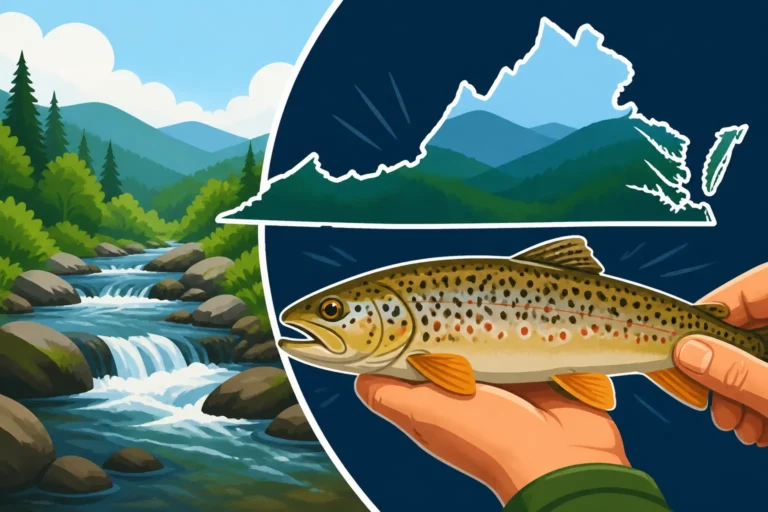
Virginia's western counties are a haven for trout, thanks to the pristine conditions found in their numerous coldwater streams and rivers. The geological makeup of these areas, coupled with dense forest cover, creates the perfect environment: cold, oxygen-rich water that trout absolutely thrive in. These streams are often fed by springs and snowmelt, maintaining consistent low temperatures even during the warmer months, which is crucial for trout survival and health. Exploring these pockets of wilderness feels like stepping into a different world, far removed from the hustle and bustle of daily life.
Many of these streams are tucked away within national forests and state parks, offering not just exceptional fishing but also stunning scenic beauty. Think of places like the George Washington and Jefferson National Forests, where countless small tributaries crisscross the landscape, each one a potential home for trout. The dense canopy overhead not only keeps the water cool but also contributes to a rich ecosystem, dropping insects and organic matter that become food for aquatic life, which in turn feeds the trout. It’s a delicate balance, and when you’re out there, you feel privileged to be a part of it.
The unique topography creates a variety of stream types, from gentle runs and deep pools to fast-flowing riffles and tumbling cascades. Each section presents a different challenge and opportunity for the angler, requiring a keen eye to spot holding water and a thoughtful approach to presentation. It’s this intricate dance with nature, adapting your strategy to the specific conditions of each bend in the river, that makes Virginia’s trout habitats so endlessly fascinating and rewarding for those willing to explore.
The Thrill of the Catch: Why Trout Are Such Prized Game Fish
Trout, regardless of their species, are universally recognized as one of the most exciting freshwater game fish to pursue. Their striking beauty, often adorned with vibrant colors and distinctive patterns, makes every fish a sight to behold. But it's their spirited fight and often elusive nature that truly captivates anglers. These fish are smart, they're wary, and they possess an incredible instinct for survival, making them a true challenge to outwit.
When a trout takes your fly or lure, the initial strike is often a sudden jolt, followed by a series of powerful runs and acrobatic leaps that test both your tackle and your skill. Unlike some other fish that might simply tug and stay deep, trout will often dash, dart, and thrash, trying every trick in the book to throw the hook. This intense battle, often fought in strong currents, demands quick reflexes and precise rod control, creating an adrenaline rush that keeps us coming back for more.
Beyond their fighting prowess, there’s a deep satisfaction in successfully mimicking the natural prey of a trout, whether it’s with a perfectly presented dry fly or a subtle retrieve of a small spinner. It feels like you’ve unlocked a secret, understood their world for a moment, and convinced them to bite. Each catch is a testament to patience, observation, and skill, making trout fishing not just a pastime but an ongoing lesson in the art of angling.
Beyond the Fish: The Full Experience of Virginia Trout Streams
While the prospect of catching a beautiful trout is undoubtedly a primary draw, the experience of trout fishing in Virginia extends far beyond the actual fish. It's about immersing yourself in the tranquility and natural beauty of the environment. The sound of the stream, the scent of pine and damp earth, the sight of sunlight dappling through the leaves—these elements combine to create a deeply restorative and peaceful outing. It’s a chance to disconnect from digital noise and reconnect with the wild.
Many anglers cherish the solitude that trout streams offer, finding it a perfect opportunity for quiet contemplation and stress relief. Away from crowded lakes or busy marinas, you can truly be present in the moment, focusing solely on the rhythm of your cast and the subtle movements of the water. It’s a moving meditation, where the worries of the world seem to fade away with the current. You might spot a deer drinking from the stream, an eagle soaring overhead, or simply marvel at the intricate patterns on a fallen leaf.
Sharing these experiences with friends or family, teaching a child to cast their first line, or simply enjoying a packed lunch by the riverside adds another layer of joy to the outing. It builds memories that last a lifetime, fostering an appreciation for nature and the simple pleasures of the outdoors. Ultimately, Virginia’s trout streams offer a holistic experience, nourishing both the body and the spirit, proving that sometimes, the best catch isn't a fish at all, but a renewed sense of peace and connection.
Understanding Virginia's Trout Species: Who's Biting Today?
Virginia is home to three primary species of trout that captivate anglers: rainbow trout, brown trout, and our beloved native brook trout. Each species has its own unique characteristics, preferences, and challenges, making the pursuit of trout a constantly evolving and exciting endeavor. Knowing how to identify them and understanding their general behavior is key to becoming a more successful and knowledgeable angler.
Rainbow Trout: The Colorful Acrobats
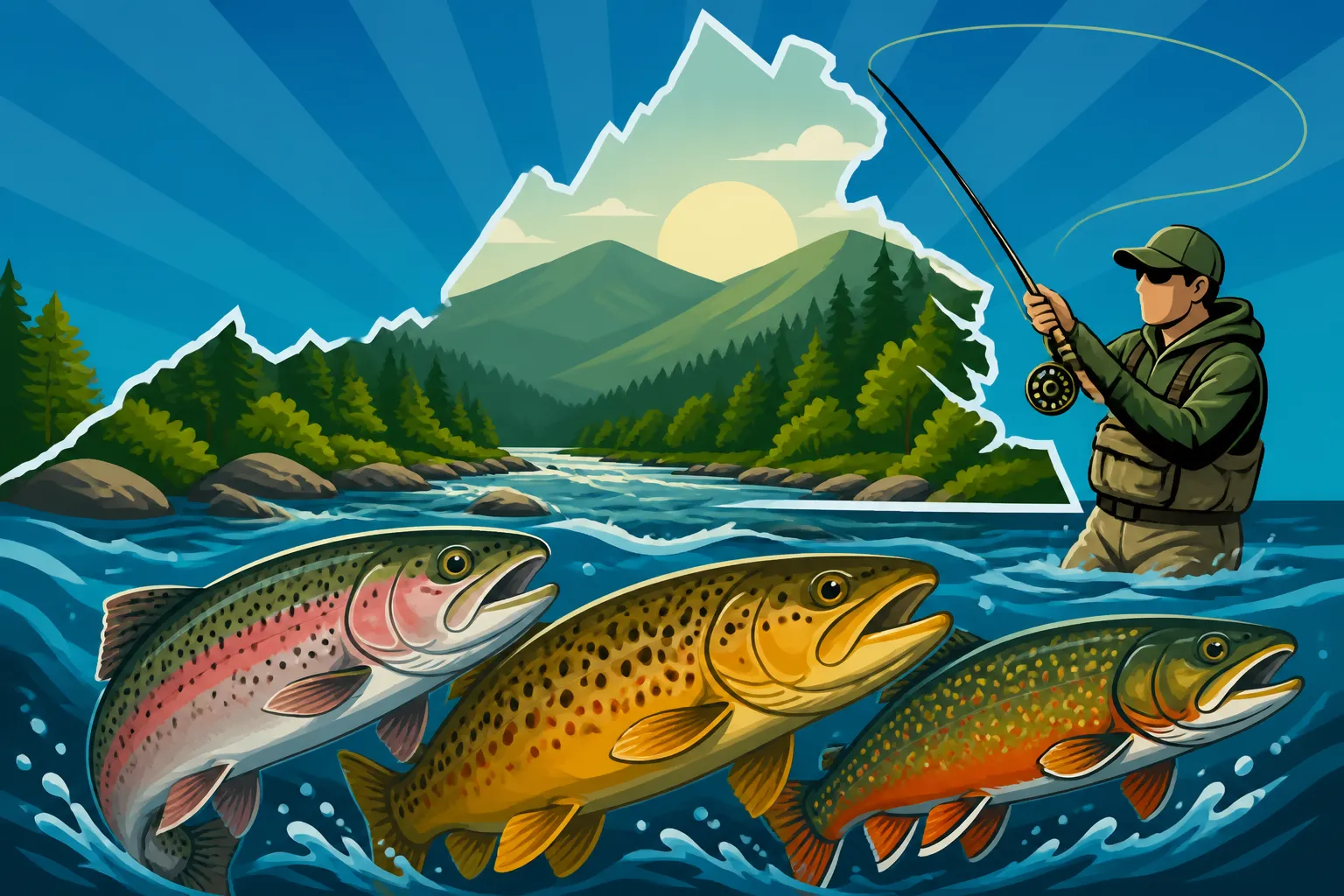
Rainbow trout (Oncorhynchus mykiss) are arguably the most recognizable and widely distributed trout species in Virginia, largely due to extensive stocking programs by the Virginia Department of Wildlife Resources (DWR). They get their name from the distinctive broad, iridescent pink or red stripe that runs along their sides, complementing their olive-green back and silver belly. Their bodies are typically covered in small black spots, often extending onto their dorsal and caudal fins. When you pull a fresh rainbow from a clear stream, its colors can truly be breathtaking.
These fish are known for their vigorous fighting style, often leaping out of the water repeatedly when hooked, providing an exhilarating experience for anglers. They are generally less wary than brown or brook trout, making them a popular target for both beginners and experienced anglers, especially in stocked waters. Rainbows have a diverse diet, readily taking a wide array of baits, lures, and flies, which contributes to their popularity. This willingness to bite makes them a fantastic species for teaching new anglers the ropes.
In Virginia, rainbow trout thrive in a variety of coldwater environments, from larger rivers to smaller mountain streams. While many are hatchery-raised and stocked, wild populations do exist in some colder, higher elevation streams where they can reproduce naturally. Stocked rainbows can grow quite large, offering impressive catches, while wild rainbows are often smaller but exhibit even more vibrant colors and a more feisty fight. You can learn more about differentiating trout species by checking out Rainbow Trout vs Brown Trout in Virginia: How to Tell Them Apart.
Brown Trout: The Wary, Wise Residents
Brown trout (Salmo trutta) are revered for their cunning, strength, and often impressive size, making them a favorite among seasoned anglers seeking a true challenge. Originating from Europe, these trout were introduced to Virginia's waters long ago and have established strong, self-sustaining populations in many rivers. They are distinguished by their golden-brown or olive-brown bodies, covered with dark spots surrounded by lighter halos, and often interspersed with reddish-orange spots along their flanks. Their coloration can vary dramatically depending on their habitat, often blending in perfectly with the stream bottom.
Brown trout are notoriously wary and elusive, especially the larger individuals. They are masters of camouflage and often seek refuge under logs, undercut banks, or in deep pools, making them difficult to approach without spooking. This heightened caution means that precise casting, subtle presentations, and careful streamcraft are often required to entice a bite. Landing a large brown trout from a wild stream is considered a significant accomplishment, a testament to an angler's skill and patience.
While they can be found in many of the same waters as rainbow trout, browns often prefer slightly warmer temperatures and can tolerate a wider range of conditions, allowing them to inhabit some lower elevation rivers that might be too warm for brook trout. They are highly predatory, consuming insects, crayfish, and often smaller fish as they grow larger, which influences the types of lures and flies that are effective. For a deeper dive into identifying these magnificent fish, take a look at Brown Trout Fishing Tips for Virginia Anglers.
Brook Trout: Virginia's Native Jewels
Brook trout (Salvelinus fontinalis), often affectionately called "brookies," are Virginia's only native trout species and hold a special place in the hearts of local anglers. These smaller, spectacularly colored fish are typically found in the purest, coldest, highest-elevation mountain streams—the true headwaters of our river systems. Their presence is a clear indicator of excellent water quality and a healthy ecosystem, as they are highly sensitive to pollution and habitat degradation. Seeing a wild brook trout in its natural environment is a privilege.
Brook trout boast some of the most stunning coloration of any fish, with dark, worm-like markings (called vermiculations) on their olive-green backs, bright red spots with blue halos along their sides, and distinctive white leading edges on their lower fins, often outlined in black. Their bellies can range from white to vibrant orange or red, especially during spawning season. While they don't typically grow as large as rainbows or browns in these small streams, their beauty and native status make every catch incredibly special.
Targeting brook trout often involves hiking into remote, pristine wilderness areas, navigating challenging terrain, and employing ultra-light tackle and stealthy approaches. They are opportunistic feeders but can be particular, often requiring delicate presentations of small flies or tiny lures. The reward isn't just the fish itself, but the journey to their secluded homes and the profound sense of connection to Virginia’s natural heritage. If you want to refine your identification skills, check out Brook Trout Identification for Virginia Anglers.
| Trout Species | Key Identification Marks | Typical Habitat | Fighting Style | General Temperament | Native to Virginia |
|---|---|---|---|---|---|
| Rainbow | Iridescent pink/red stripe, small black spots everywhere | Stocked streams, rivers, some wild populations in cold H2O | Acrobatic leaps, strong runs | Less wary | No |
| Brown | Golden-brown/olive, dark spots with light halos, red spots | Rivers, streams, tolerates slightly warmer water | Powerful runs, deep fighters, often elusive | Very wary | No |
| Brook | Olive-green with worm-like markings, red spots with blue halos, white fin edges | Cold, pristine, high-elevation mountain streams | Quick darts, strong pull for their size | Wary but opportunistic | Yes |
Where to Find Virginia's Trout: Prime Fishing Locations
Virginia offers a rich diversity of trout fishing opportunities, from easily accessible stocked rivers to challenging, remote wild trout streams. Understanding the different types of water bodies and their characteristics is crucial for planning your trip and maximizing your chances of success. Each type of water caters to a different kind of angling experience, offering something for every skill level and preference.
Stocked Trout Waters: Accessibility and Abundance
For many anglers, especially those new to trout fishing or looking for a more consistent bite, Virginia's stocked trout waters are an excellent starting point. The Virginia Department of Wildlife Resources (DWR) manages an extensive stocking program, releasing thousands of hatchery-raised rainbow, brook, and brown trout into designated streams and rivers across the state, particularly in the fall, winter, and spring. These waters are often easily accessible, with good public access points and facilities, making them ideal for family outings or quick fishing trips.
These streams are generally well-marked and often have signs indicating their status as stocked waters. The DWR publishes a stocking schedule, which can be an invaluable resource for planning your trips. While these fish are not "wild" in the traditional sense, they still provide fantastic sport and a great opportunity to hone your skills. Because they are accustomed to pellet feed from the hatchery, they can be less selective about what they eat, often responding well to various baits like PowerBait, corn, or worms, as well as small spinners and spoons. Many new anglers find success with these traditional methods.
Popular stocked rivers include sections of the Jackson River, the Roanoke River, and various streams within state parks like Douthat State Park. These areas are designed for relatively high angler success, providing an enjoyable experience even on days when the wild fish are proving particularly elusive. Remember, though, that these waters often see higher fishing pressure, so getting there early or during weekdays can sometimes lead to a more peaceful experience. You can find detailed information about these locations in Virginia's Stocked Trout Waters and Seasons.
Wild Trout Streams: The Challenge and Reward
For the adventurous angler seeking solitude, a true challenge, and the unparalleled beauty of native fish, Virginia's wild trout streams are the ultimate destination. These are typically smaller, higher-elevation mountain streams where trout reproduce naturally without human intervention. Here, you'll primarily find brook trout, often alongside wild rainbow and brown trout in certain systems. The fish in these waters are truly a product of their environment—lean, strong, and incredibly wary.
Fishing wild trout streams often requires a significant hike, navigating uneven terrain, and sometimes even bushwhacking to reach the most secluded sections. The rewards, however, are immense: pristine wilderness, breathtaking scenery, and the chance to catch a beautiful, naturally spawned trout. These fish are highly sensitive to their environment and human presence, demanding a stealthy approach, delicate presentations, and a deep understanding of trout behavior. Fly fishing is often the preferred method here, using small, subtle patterns that mimic natural insects.
Some of Virginia's most celebrated wild trout waters can be found in the Shenandoah National Park, the George Washington and Jefferson National Forests, and the state's designated "Wild Trout Streams." These areas are managed for their ecological value, with regulations often designed to protect the fragile populations, sometimes including catch-and-release only rules or specific gear restrictions. The pursuit of wild trout is as much about the journey and the experience of pure wilderness as it is about the fish itself. For more details on specific rules, check out Wild Trout Stream Rules in Virginia.
Delayed Harvest Streams: A Special Management Approach
Virginia also employs a "Delayed Harvest" management strategy in certain streams, offering a unique blend of stocked abundance and managed catch-and-release fishing. In these designated waters, a large number of trout are stocked during the fall and winter, but strict catch-and-release regulations (often with single-hook artificial lures only) are enforced from October 1st through the first Friday in June. After this period, general trout regulations apply, and anglers can harvest their catch.
This approach creates an exceptional fishing experience during the catch-and-release season. With a high density of stocked fish and no harvest pressure, trout in Delayed Harvest streams become more acclimated to their environment, less pressured, and often grow larger throughout the season. They also become more accustomed to feeding on natural insects, providing incredible opportunities for fly anglers to practice their skills on actively feeding fish. The extended catch-and-release period allows for multiple encounters with the same fish, which can be a thrill.
Popular Delayed Harvest sections include parts of the Jackson River, the South Fork of the Shenandoah River, and Back Creek. These streams offer fantastic opportunities for both fly anglers and spin anglers using artificial lures, providing a consistently challenging and rewarding experience for months. It’s a great way to enjoy high-quality trout fishing without the intense pressure often found in put-and-take stocked waters or the extreme remoteness of some wild trout areas. It’s a testament to thoughtful management, ensuring a sustained fishing resource. You might find a good selection of specialized lures for these waters on Amazon.
Gear Up for Trout: Essential Equipment for Virginia Anglers
Getting started with trout fishing doesn't require breaking the bank, but having the right equipment can significantly enhance your experience and success. The type of gear you choose will largely depend on the specific waters you plan to fish and your preferred angling method. Whether you're a seasoned fly fisher or a spin caster just starting out, a few key pieces of equipment are universally important for a successful day on the stream.
Rods, Reels, and Line: Matching Your Tackle to the Trout
For spin fishing, a lightweight rod, typically 5 to 7 feet long, with a light to ultra-light action is ideal for trout. This allows for accurate casting of small lures and baits and provides sensitivity to detect subtle bites. Pair this with a small spinning reel (size 1000-2000) spooled with 4-6 pound test monofilament or fluorocarbon line. Monofilament offers good knot strength and shock absorption, while fluorocarbon is nearly invisible in water, which can be a huge advantage when fishing for wary trout in clear streams. The light line also allows your lures to behave more naturally in the water, especially important in currents.
When it comes to fly fishing, a 7.5 to 9-foot fly rod in a 3 to 5-weight is standard for Virginia trout streams. A 3 or 4-weight is perfect for small streams and delicate presentations to brook trout, while a 5-weight offers a bit more versatility for larger flies and windier conditions on bigger rivers. Match your rod to a corresponding weight-forward floating fly line, which helps with casting distance and presentation. For a leader, a tapered leader (e.g., 9-foot, 5X or 6X) will ensure your fly lands softly and naturally. Don't forget tippet material to extend your leader as needed, ensuring you can keep changing flies without cutting into your main leader.
Choosing the right combination of rod, reel, and line is critical for effective trout fishing. An overly heavy rod or line will spook fish and make casting small offerings difficult, while gear that's too light might struggle with larger fish or strong currents. It's a balance of finesse and power, tailored to the size of the fish and the environment you're fishing in. Investing in decent quality gear, even for beginners, will pay dividends in sensitivity and durability, making your time on the water more enjoyable and productive.
Lures, Baits, and Flies: What to Entice Them With
The array of options for attracting trout can be overwhelming, but focusing on a few proven categories will get you started. For spin anglers, classic choices include small inline spinners (like Panther Martins or Mepps), tiny spoons (such as Little Cleos or Kastmasters), and soft plastic baits rigged on small jig heads. PowerBait, especially the scented, floating varieties in bright colors, is a perennial favorite for stocked trout. Live baits like worms, mealworms, or salmon eggs are also highly effective, particularly after recent stockings. Having a variety on hand allows you to adapt to what the fish are keying in on that day.
For fly anglers, the choice of flies depends heavily on the season and the natural insects present in the stream. A good starting collection would include:
- Dry Flies: Caddis, Adams, and Parachute Adams patterns in sizes #12-18, imitating adult insects on the surface.
- Nymphs: Pheasant Tail, Hare's Ear, and Prince Nymph patterns in sizes #12-18, mimicking immature insects below the surface.
- Streamers: Woolly Buggers (black, olive, brown) in sizes #8-12, imitating baitfish or larger aquatic creatures.
- Terrestrials: Ant and hopper patterns for summer fishing.
Having a selection of these basic patterns will cover most situations, and local fly shops can provide excellent advice on what's currently hatching or fishing well. For general purpose bait and lure fishing, an online retailer like Amazon offers an incredibly wide selection of options, often allowing you to buy variety packs to get started without too much upfront investment. Remember, matching the hatch or offering a tempting meal is key to trout success.
Waders, Vests, and Accessories: Comfort and Convenience on the Water
Beyond the core fishing tackle, a few essential accessories can make your trout fishing experience much more comfortable and efficient. Waders are perhaps the most important, allowing you to enter the stream, reach prime fishing spots, and stay dry and warm. Chest waders are generally preferred for trout fishing in Virginia's streams, paired with wading boots that offer good ankle support and grip on slippery rocks. Neoprene waders are warmer for cold weather, while breathable waders are more comfortable for warmer days.
A fishing vest or chest pack is invaluable for keeping all your small essentials organized and easily accessible. This includes fly boxes, tackle boxes, extra leaders and tippets, nippers, hemostats (forceps for hook removal), and a measuring tape. A good vest will distribute the weight evenly, preventing strain during long days on the water. Many vests also include a D-ring for attaching a net, which is crucial for safely landing and releasing trout.
Other useful accessories include a hat and polarized sunglasses to protect from the sun and help you spot fish beneath the glare of the water's surface. A landing net with a rubberized mesh is highly recommended for safely handling and releasing trout, especially larger fish. Finally, a small first aid kit, water, and snacks are always a good idea, particularly when venturing into more remote areas. Comfort and preparation allow you to focus on the fishing, rather than being distracted by discomfort or missing tools. You can often find great deals on wading boots and vests on Amazon too.
Mastering Trout Techniques: How to Land More Fish
Trout fishing is an art form, a blend of observation, patience, and precise technique. While the general goal is always to get a fish to bite, the methods employed can vary greatly depending on the type of water, the time of year, and the specific trout species you're targeting. Developing a versatile approach will significantly increase your success on Virginia's diverse trout streams.
Spin Fishing Strategies: From Power Bait to Spinners
Spin fishing is a highly effective and often more accessible method for trout, particularly in stocked waters and larger rivers. The key to success lies in understanding how to present your chosen bait or lure naturally and where to cast it. When using PowerBait or live bait (like worms or corn), a common and effective setup is a light line with a small hook, a split shot weight a foot or so above the hook, and sometimes a small bobber in slower currents. Cast upstream or across the current, letting the bait drift naturally downstream through pools and runs where trout might be holding. The goal is for your bait to tumble along the bottom as if it were a natural food item.
For inline spinners and small spoons, retrieve speed is critical. Trout are often attracted to the flash and vibration of these lures, which mimic small baitfish or frantic insects. Cast these lures upstream and slightly across, then retrieve them just fast enough to get the blade spinning or the spoon wobbling. Vary your retrieve speed and add small twitches to entice a strike. In faster water, a slower retrieve might be necessary to keep the lure deep, while in slower pools, you might speed it up to generate more action. Trying different colors and sizes of lures is also crucial, as trout can be selective on any given day.
Another effective spin fishing technique, especially for larger, wilder trout, is using small soft plastic baits on a jig head. These can be fished similarly to nymphs in fly fishing, allowing them to drift naturally along the bottom. The subtle action of the plastic, combined with a jigging motion, can trigger strikes from trout that are less interested in flashy presentations. Always pay attention to what the fish are biting on, and don't be afraid to experiment. A good pair of polarized sunglasses from Amazon can help you spot fish or structure underwater.
Fly Fishing Fundamentals: Reading the Water and Presenting the Fly
Fly fishing for trout is often seen as the pinnacle of the sport, demanding a deep understanding of entomology, casting mechanics, and stream dynamics. The essence of fly fishing is presenting an artificial fly (designed to imitate an insect or other food source) in a way that appears natural and appetizing to the trout. This starts with reading the water, identifying where trout are likely to be holding, feeding, or resting. Look for changes in current, seams where fast and slow water meet, deep pools, undercut banks, and submerged structure.
Once you've identified a likely spot, presentation is paramount. For dry flies, the goal is a drag-free drift, meaning the fly floats naturally on the surface at the same speed as the current, without being pulled unnaturally by your fly line. This often requires mending your line (making small adjustments to the line on the water) to eliminate drag. For nymphs, the technique is often called "high-stick nymphing" or "Euro nymphing," where you keep as much line off the water as possible, using an indicator to detect strikes as your nymphs drift along the bottom. The goal is to get your fly down to the fish's feeding zone.
Mastering the basic cast—the forward and backward cast—is fundamental. Practice smooth, controlled movements to lay your line out gently and accurately. Accuracy is more important than distance in most trout fishing scenarios. Furthermore, understanding the "hatch"—which insects are emerging at a given time—and choosing flies that closely match them, or "matching the hatch," is a hallmark of successful fly fishing. Even when there's no visible hatch, having a diverse fly box, including reliable nymphs and streamers, is essential for year-round success on the water. Consider reading Fly Fishing for Trout on Rivers for more detailed information.
Stealth and Presentation: Key Principles for Success
Regardless of whether you're spin fishing or fly fishing, stealth and presentation are the two overarching principles that will dramatically improve your trout fishing success. Trout, especially those in clear, low-pressure wild streams, are incredibly sensitive to disturbance. Loud noises, heavy footsteps on the bank, or even your shadow cast over the water can send them scurrying for cover. Approach potential fishing spots slowly and quietly, often from downstream, using bankside vegetation or terrain to conceal your presence. Keep a low profile, avoid sudden movements, and dress in natural, subdued colors.
Presentation refers to how your bait, lure, or fly enters and moves through the water. A perfect presentation means the offering looks natural and enticing, without any tell-tale signs of being attached to a fishing line. This includes avoiding splashy casts, ensuring your line doesn't drag on the surface (especially with dry flies), and allowing your lure or bait to drift at the natural speed of the current. For spin anglers, this means using light line and small weights to prevent an unnatural "plunk" when casting. For fly anglers, it means delicate casts and meticulous line management.
Effective presentation also involves understanding the trout's feeding lanes and where they prefer to hold. Trout typically face upstream, waiting for food to drift down to them. Your goal is to get your offering into their strike zone without alarming them. This often means casting upstream of where you think the fish are, allowing your offering to drift naturally into their view. By combining a stealthy approach with a flawless presentation, you’ll be able to fool even the wariest of Virginia trout.
Virginia Trout Fishing Regulations: Stay Legal, Stay Safe
Fishing in Virginia, especially for trout, comes with a set of rules and regulations designed to protect fish populations, ensure sustainable angling, and maintain the quality of our natural resources. Understanding these rules is not just about avoiding penalties; it's about being a responsible angler and contributing to the health of the fishery for future generations.
Licensing Requirements: Getting Your Virginia Trout Stamp
Before you even think about wetting a line for trout in Virginia, you absolutely must have a valid Virginia fishing license. For most adult residents and non-residents, this means purchasing a basic annual freshwater fishing license. However, here's where it gets specific for trout: in addition to your general freshwater license, you’ll also need a Virginia Trout License (often referred to as a "trout stamp") if you plan to fish in designated stocked trout waters or if you want to possess trout from any put-and-take water. Even if you're practicing catch-and-release, if you're on a stocked or designated trout water, that stamp is required.
There are various license types available, including annual resident and non-resident options, as well as shorter-term licenses (like a 5-day freshwater pass) that can be more cost-effective for visitors or occasional anglers. Specific exemptions exist, such as for landowners fishing on their own property, those under a certain age, or during Virginia's designated Virginia Free Fishing Days Guide. Always check the most current regulations from the Virginia Department of Wildlife Resources (DWR) before heading out, as rules and costs can change. You can find more comprehensive information in our Virginia Fishing License Guide.
Obtaining your license and trout stamp is quite straightforward. You can purchase them online directly through the DWR website, over the phone, or in person at various license agents across the state, including many sporting goods stores and bait shops. It's really quick and easy to get it done, so there's no excuse to be without one. Remember, a valid license helps fund the conservation efforts that make Virginia's fantastic trout fishing possible, so it's money well spent. To get a handle on the various costs, refer to Virginia Fishing License Costs and Types Explained.
Catch Limits and Size Restrictions: Protecting Our Fisheries
Beyond having the correct license, anglers must also adhere to specific catch limits and size restrictions for trout in Virginia. These regulations vary depending on the type of water (stocked, wild, or delayed harvest) and are crucial for maintaining healthy fish populations. Generally, there's a daily creel limit, which dictates the maximum number of trout you can keep in a single day. This limit is often lower for wild trout streams, where conservation is a higher priority.
Size restrictions, often a minimum length, are also common. For example, some wild trout streams may have a 7-inch minimum size limit for brook trout, while others might be catch-and-release only. Delayed Harvest streams, as mentioned, have specific regulations during their catch-and-release period, often requiring single-hook artificial lures only, with no harvest allowed for several months. These rules are in place to ensure that enough fish survive to reproduce and contribute to the next generation, especially for our sensitive native brook trout.
It’s your responsibility as an angler to know and follow these rules for the specific body of water you're fishing. The DWR publishes a comprehensive digest of all fishing regulations each year, which is available online and at license agents. Always consult this guide before your trip, as specific stream sections can have unique rules. Ignoring these limits can result in significant fines and penalties, and more importantly, it can harm the very resource we all love. For an overview of general rules, see Virginia Fishing Regulations Explained.
Seasonal Considerations: When and Where You Can Fish for Trout
Trout fishing in Virginia is very much tied to the seasons, with different regulations and opportunities arising throughout the year. The most active stocking periods for put-and-take trout waters typically occur in the fall, winter, and spring. During these cooler months, water temperatures are ideal for hatchery-raised trout, making for excellent fishing opportunities. The DWR publishes a detailed stocking schedule, allowing anglers to anticipate when their favorite streams will be replenished.
Wild trout streams, particularly those holding native brook trout, can be fished year-round in many areas, but the fishing is generally best during the spring, early summer, and fall. During the peak of summer, high water temperatures can stress trout, making catch-and-release practices even more critical, or sometimes prompting anglers to seek higher elevation streams where water remains cooler. Winter fishing on wild trout streams can be challenging due to cold weather and icy conditions, but it can also offer incredible solitude for hardy anglers.
Delayed Harvest streams follow their own distinct seasonal calendar, with the strict catch-and-release period running from October 1st to the first Friday in June. This extended period offers unique opportunities for technical fishing, especially for fly anglers, as the fish become more seasoned and challenging to catch. Once the harvest season opens in June, these waters return to general trout regulations. Being aware of these seasonal nuances will help you plan your trips to coincide with the best fishing conditions and ensure you're compliant with all regulations. Our Virginia Stocked Trout Season Guide has more specifics.
Conservation and Ethics: Preserving Virginia's Trout Future
Trout fishing is more than just catching fish; it's about respecting the environment, the resource, and fellow anglers. As stewards of Virginia's natural heritage, every angler has a role to play in conserving our precious trout populations and ensuring healthy fisheries for generations to come. Responsible angling practices and a strong ethical compass are essential for the long-term sustainability of this beloved sport.
Catch and Release Best Practices: Giving Back to the Stream
While harvesting trout for the table is certainly a part of fishing for many, practicing catch and release is a vital conservation tool, especially in wild trout streams, delayed harvest waters, or when targeting larger, breeding-size fish. The goal is to release the fish unharmed, giving it the best possible chance of survival. This means handling the fish as little as possible, and doing so gently and quickly.
Here are some key catch and release best practices:
- Minimize fighting time: Bring the fish in as quickly as possible to reduce exhaustion.
- Keep fish in the water: Avoid taking the fish out of the water, especially for photos. If you must, do it quickly, holding it horizontally with wet hands to protect its slime coat.
- Wet your hands: Always wet your hands before touching a fish. Dry hands can remove the protective slime coat, making the fish vulnerable to disease.
- Use barbless hooks: Crushing the barb on your hook (or using specialized barbless hooks) makes hook removal much easier and less damaging.
- Use appropriate tackle: Avoid excessively light tackle that prolongs the fight and exhausts the fish.
- Remove hooks quickly: Use forceps or hemostats to quickly and carefully remove the hook. If a fish is deeply hooked, cut the line as close to the hook as possible rather than trying to rip it out.
- Revive the fish: Hold the fish gently in the current, facing upstream, until it can swim away under its own power. Don't just toss it back; make sure it's fully revived.
By following these simple guidelines, you significantly increase the survival rate of released fish, contributing directly to a stronger, healthier trout population in Virginia's streams. You can find more information about responsible handling in What Happens if a Charter Trip Gets Rained Out.
Respecting Private Property and Public Access: Being a Good Steward
Many of Virginia's prime trout streams flow through a mix of public lands (like national forests and state parks) and private property. It is absolutely critical to respect private property boundaries and landowner rights. Always know where you are fishing and ensure you have legal access to the water. Trespassing is not only illegal but also damages the reputation of anglers and can lead to the closure of access points that might otherwise be available.
When fishing on public lands, adhere to all posted rules and regulations, and always practice "Leave No Trace" principles. Pack out everything you pack in, including all trash, fishing line, and discarded bait containers. Avoid damaging stream banks or vegetation, and dispose of human waste properly. Be mindful of other recreational users, such as hikers, kayakers, or other anglers, and always give them ample space and courtesy.
In instances where stream access crosses private land (e.g., needing to walk across someone's field to reach a public stretch of river), always seek permission from the landowner beforehand. A polite request can often open doors, fostering positive relationships between anglers and property owners. Being a good steward of both the land and the waterways ensures that fishing opportunities remain open and accessible for everyone.
Supporting Trout Conservation Efforts: Every Angler's Role
Beyond individual actions, supporting broader trout conservation efforts is crucial for the long-term health of Virginia's fisheries. Your purchase of a fishing license and a trout stamp directly contributes to the DWR's work in managing, stocking, and protecting trout populations and their habitats. These funds go towards stream restoration projects, water quality monitoring, research, and public education initiatives that benefit trout and other aquatic life.
Consider joining or supporting local angling clubs and conservation organizations. Groups like Trout Unlimited chapters in Virginia actively work on stream cleanups, habitat improvement projects, and advocacy for coldwater resources. These organizations provide opportunities to get involved, learn more about conservation, and connect with like-minded individuals who share a passion for trout. Even small contributions, whether through donations, volunteering, or simply spreading awareness, can make a significant difference.
Ultimately, the future of trout fishing in Virginia depends on the collective responsibility of all anglers. By practicing ethical angling, respecting our natural resources, and actively supporting conservation efforts, we can help ensure that the vibrant colors of rainbow, brown, and brook trout continue to grace our beautiful mountain streams for generations to come.
Disclaimer
This article is for general informational purposes only and does not constitute professional advice. Laws, prices and regulations vary by location and change over time. Consult a qualified professional for guidance on your specific situation.