Best Bank Fishing Techniques for Beginners
For anyone who’s ever stood by the water’s edge, gazing out at the vastness and feeling a pang of desire to cast a line but been utterly intimidated by fancy boats, expensive equipment, or seemingly complex techniques, you’re not alone. It’s easy to feel like you need a maritime degree and a second mortgage to get into fishing. But the truth is, some of the most rewarding fishing experiences happen right from the bank, and this guide is here to walk you through the simplest, most effective techniques for beginners to start catching fish in Virginia without a boat or a huge investment.
Why Bank Fishing is Your Perfect Starting Point in Virginia
Bank fishing, also known as shore fishing, is often overlooked by seasoned anglers who have moved on to boats and kayaks, but it remains one of the most accessible and enjoyable ways to experience the thrill of the catch. For beginners, it’s not just a stepping stone; it's a fantastic destination in itself, offering unique advantages that can help you fall in love with the sport without the steep learning curve or significant financial outlay.
The Charm of Simplicity: No Boat, No Fuss
One of the biggest hurdles for aspiring anglers is the perceived need for a boat. Many of Virginia's most popular fishing spots, from tranquil ponds to bustling rivers, can be accessed perfectly well by foot. Imagine simply walking up to a promising spot, setting up your gear, and enjoying the peace and quiet without the hassle of launching a boat, finding parking for a trailer, or worrying about fuel costs. Bank fishing means less gear to transport, less maintenance, and more time actually fishing. It fosters a connection with nature that feels immediate and grounding, as you become a quiet observer of the riparian world around you. This simplicity also makes it incredibly flexible; you can often decide to go fishing on a whim, grabbing your rod and a small tackle bag for an hour or two without extensive planning.
Budget-Friendly Entry: What Makes It Affordable
Let's be real: hobbies can get expensive, fast. Fishing is no exception if you let it. But bank fishing champions affordability. You don't need a top-of-the-line rod and reel, an expensive electronic fish finder, or a cooler packed with high-tech gadgets. A simple, reliable spinning combo, a handful of hooks, a few sinkers, and some bait are all you truly need. This low barrier to entry means you can test the waters, quite literally, without making a significant financial commitment. If you decide fishing isn't for you, your initial investment is minimal. But more often, it’s the spark that ignites a lifelong passion, and you can gradually upgrade your gear as your skills and enthusiasm grow. For many, the joy comes not from the price tag of their equipment, but from the simple act of being outdoors and the satisfaction of reeling in a fish they caught with their own two hands.
Essential Gear for the Shoreline Angler
Stepping into a fishing tackle shop can be overwhelming with endless options and gadgets. As a beginner bank angler, you don't need most of it. Focus on core essentials that are versatile, durable, and easy to use. The goal here is efficiency and practicality, not owning every shiny new lure.
The All-Important Rod and Reel Combo
For beginners, a spinning rod and reel combo is king. They are incredibly forgiving, easy to cast, and suitable for a wide variety of fish you'll encounter from Virginia's banks. Look for a medium-action rod, typically 6 to 7 feet long, paired with a matching spinning reel spooled with 6-10 pound monofilament line. This setup is versatile enough for panfish, bass, and even smaller catfish. Many sporting goods stores and online retailers like Amazon offer excellent beginner combos that are pre-spooled and ready to go, taking the guesswork out of pairing components. Don't feel pressured to buy the most expensive option; a moderately priced combo will serve you well as you learn the ropes. The key is comfort and ease of use, allowing you to focus on your casting and retrieval techniques rather than fighting your gear.
Tackle Box Basics: Hooks, Sinkers, Bobbers, Pliers
Your tackle box doesn't need to be a monstrosity; a small, organized box will do. Here’s what should be inside:
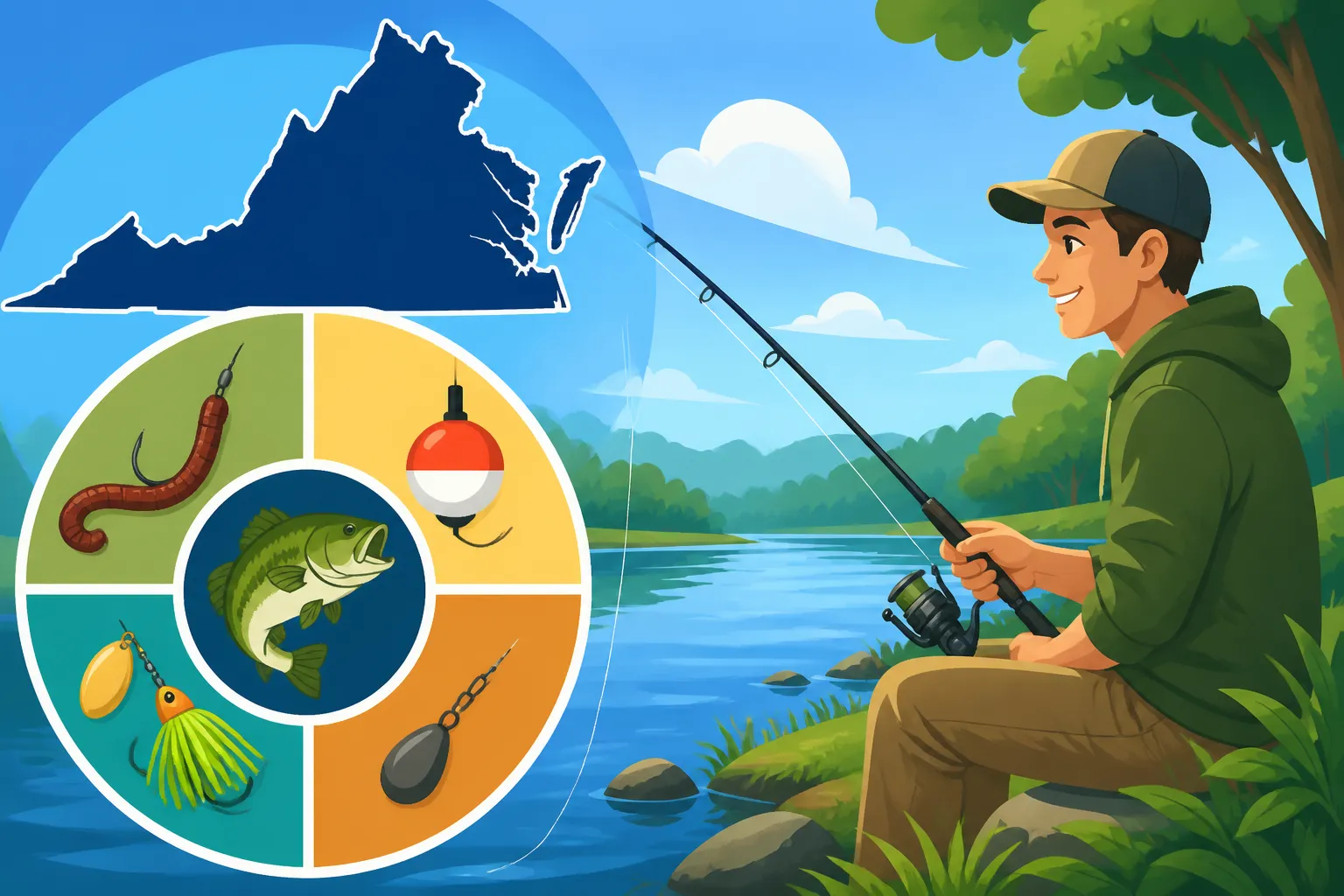
- Hooks: Start with a variety of small to medium-sized hooks. Sizes 6, 4, and 2 are great all-around choices for panfish, bass, and catfish. Keep both J-hooks and circle hooks on hand. Circle hooks are fantastic for beginners as they are designed to hook fish in the corner of the mouth, making for easier release and reducing gut-hooking.
- Sinkers: A selection of split-shot sinkers and small egg sinkers will cover most bank fishing scenarios. Split-shots are easy to add or remove to adjust your bait's depth or casting weight.
- Bobbers: Both traditional round bobbers and slip bobbers are useful. A simple clip-on bobber is perfect for still fishing, while slip bobbers allow you to fish deeper waters while still using a visual strike indicator.
- Pliers: A good pair of needle-nose pliers or multi-tool pliers is indispensable. They're vital for safely removing hooks from fish, cutting line, and bending wires. Many anglers keep a pair of fishing-specific pliers handy, which you can easily find on Amazon.
- Line Clippers/Small Scissors: For neatly trimming excess line after tying knots.
- Small First-Aid Kit: Accidents happen, especially with sharp hooks. A small kit with band-aids and antiseptic wipes is always a good idea.
Baiting Up for Success: Live and Artificial Options
Choosing the right bait is crucial for success. For beginners, it's hard to beat live bait for its natural appeal and effectiveness.
- Worms: Red wigglers or nightcrawlers are universal fish magnets. They work for virtually every freshwater species you'll encounter from the bank, from bream and bluegill to bass and catfish. They’re easy to keep and relatively inexpensive.
- Corn and Bread: Believe it or not, these pantry staples can be incredibly effective for panfish and carp. A kernel of corn or a small ball of bread on a small hook can yield surprising results, especially in pressured public waters where fish might be wary of more traditional baits.
- Small Artificial Baits: Once you get comfortable with casting, consider adding a few small artificial baits. Tiny soft plastic grubs, spinners, and spoons can be very effective for bass, crappie, and even aggressive panfish. These are great for active fishing, where you're constantly casting and retrieving. When you're just getting started, don't overthink your artificial selection; a few simple options are better than a dozen you don't know how to use.
Decoding the Water: Where to Cast Your Line from the Bank
You’ve got your gear, you’ve picked your bait, but where do you actually cast? Reading the water from the bank is a skill that develops with practice, but there are some universal indicators that will dramatically increase your chances of finding fish.
Look for Structure and Cover
Fish love structure and cover. These are simply places where fish can hide from predators, ambush prey, or find refuge from strong currents or bright sunlight. From the bank, keep an eye out for:
- Fallen Trees (Laydowns/Brush Piles): These submerged branches create fantastic habitat. Fish will often congregate around the shaded areas and intricate branches. Cast your bait as close to, or even into, these areas as you can without getting snagged immediately.
- Docks and Piers: The pilings of docks and piers provide both shade and an excellent substrate for algae and insects, attracting baitfish, which in turn attract larger game fish. Fishing under and around these structures can be very productive. Just be mindful of other anglers or boaters. If you're looking for public access points, places with Shore Fishing Access Points in Virginia are a great start.
- Rock Piles and Boulders: Rocks create eddies and current breaks, and also provide ambush points. Many species, especially smallmouth bass in rivers, absolutely love rocky bottoms.
- Vegetation (Weed Lines/Lily Pads): Submerged grass beds, lily pads, and cattails offer excellent cover and oxygen. Fish will cruise the edges of these weed lines or sit deep within them. Fishing around these areas, especially where there are breaks or openings, can be very productive.
When you identify these spots, approach them quietly. Fish can be surprisingly sensitive to vibrations and shadows from above. Make your first casts count by landing your bait softly and accurately near these potential fish havens.
Understanding Current and Depth
Even from the bank, understanding how water moves and how deep it is can give you a significant advantage.
- Current (Rivers and Tidal Waters): In rivers or tidal portions of lakes and bays, current is a major factor. Fish often position themselves just out of the main current in "eddies" or "current breaks," where they can rest while still having food brought to them. Look for calm spots behind large rocks, points of land, or fallen trees. The deeper, slower sections of a river, often found on the outside bends, can also hold fish seeking refuge from fast-moving water. When fishing these areas, cast slightly upstream and let your bait drift naturally downstream through the prime fish-holding zones.
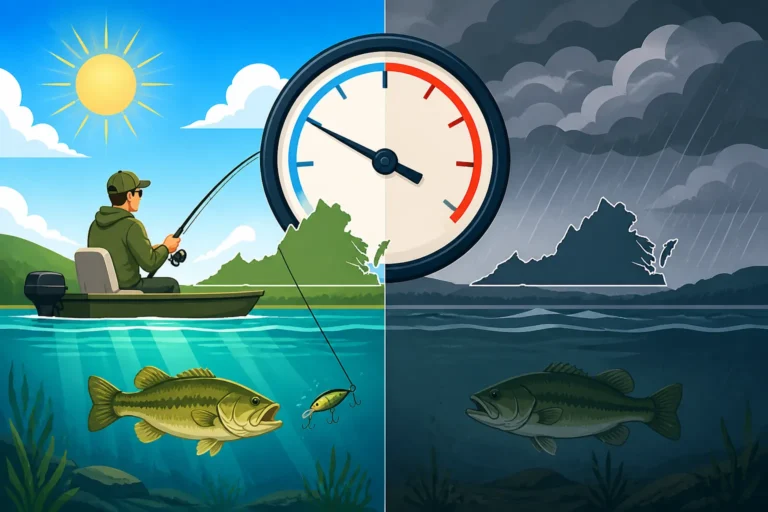
- Depth (Lakes and Ponds): While you might not have a fish finder, you can still infer depth. Steep banks often indicate deeper water close to shore, while gently sloping banks typically mean shallower water. Fish often move between shallow feeding areas and deeper, cooler refuge. In warmer months, deeper water can be more productive during the day, while mornings and evenings might see fish move into shallower areas to feed. Conversely, in colder months, fish may retreat to deeper waters. Don't be afraid to experiment with how far out you cast or how long you let your bait sink to find that sweet spot. Remember, even in seemingly uniform ponds, subtle changes in depth, like a small drop-off, can concentrate fish.
Seasonal Considerations for Bank Fishing
Fish behavior changes dramatically with the seasons, and understanding these shifts will help you find them from the bank.
- Spring: As water temperatures rise, fish move shallow to spawn and feed aggressively. This is an excellent time for bank anglers, as fish are often close to shore. Look for spawning beds in protected coves or flats. Many panfish like Bream and Bluegill Fishing for Beginners will be very active.
- Summer: During the heat of summer, fish often seek cooler, deeper water during the day, or shelter under heavy cover. Early mornings, late evenings, or even night fishing can be very productive when temperatures are lower. You might find fish around shaded docks or deep weed lines. This is a prime time for Catfish Bottom Fishing Techniques.
- Fall: As water temperatures drop, fish go on a feeding frenzy, stocking up for winter. They can be found in a variety of depths, often chasing baitfish. This is a fantastic season for bank fishing, with many species active and aggressive.
- Winter: Fishing can be slower in winter as fish become less active and move to deeper, more stable water. However, sunny days can bring fish into shallower areas for short feeding windows. Target deeper holes, river bends, and areas with dark bottoms that absorb sunlight. Even in colder months, fish can be caught by slowing down your presentation considerably.
By taking these environmental cues into account, you'll greatly improve your chances of identifying promising spots to cast your line, even without the aid of a boat.
Tried-and-True Techniques for Beginners
Once you've found a promising spot, it's time to put your skills to the test. Don't worry about complex lure presentations or advanced techniques just yet. Focus on these simple, effective methods that consistently catch fish from the bank.
The Art of Still Fishing with a Bobber
This is the classic, quintessential beginner technique, and for good reason: it works! Still fishing with a bobber is incredibly relaxing and highly effective for targeting a wide range of panfish, trout, and even smaller bass.
Here's how it works:
- Attach your bobber: Clip a small, bright bobber onto your fishing line, about 1-3 feet above your hook. The depth depends on where you think the fish are holding.
- Add a sinker: Crimp a small split-shot sinker about 6-12 inches above your hook. This helps your bait sink and keeps it in the strike zone.
- Bait your hook: Thread a piece of nightcrawler, a few kernels of corn, or a small artificial grub onto your hook. Ensure the hook point is exposed for a better hook set.
- Cast it out: Make a gentle cast towards your target area. The bobber will float on the surface, holding your bait at a predetermined depth.
- Watch the bobber: This is the exciting part! A bobber that dances, dips, or disappears under the water means a fish has taken your bait. Wait for the bobber to fully submerge before gently setting the hook. This technique is especially effective for How to Catch Bluegill With a Bobber and other small, abundant fish. It’s also incredibly fun for kids!
Simple Casting and Retrieving
Once you're comfortable with still fishing, try a more active approach with a simple cast and retrieve. This is excellent for covering more water and targeting actively feeding fish like bass or crappie.
- Choose your lure or bait: This could be a small spinner, a jig with a soft plastic grub, or even a worm rigged on a small hook without a bobber, allowing it to sink naturally.
- Cast accurately: Practice casting to specific targets near structure or cover. The goal is to get your lure into potential fish zones.
- Retrieve steadily: For most beginner lures, a slow, steady retrieve is all you need. Reel your line in at a consistent pace. Some lures, like a spinnerbait, are designed to work perfectly with this simple action.
- Vary your retrieve: Don't be afraid to experiment. Try pausing for a few seconds, then reeling again. Add a slight twitch with your rod tip. Sometimes, these subtle changes can trigger a strike.
- Bottom bouncing: If you're using a heavier jig or a weighted worm, let it sink to the bottom. Then, slowly lift your rod tip a foot or two, let it fall back down, and reel in the slack. This "bouncing" action can imitate prey foraging on the bottom and is effective for How to Catch Bass From the Bank and larger panfish.
Mastering the Hook Set and Landing Your Catch
The moment a fish bites is thrilling, but the fight isn't over. A good hook set and careful landing are crucial.
- The Hook Set: When you feel a bite (either your bobber goes down, or you feel a tug on your line), don't just reel faster. Instead, quickly and firmly lift your rod tip upwards and slightly backwards. This "sets the hook," driving it securely into the fish's mouth. Don't be too aggressive; a sharp snap of the wrist is often enough.
- Fighting the Fish: Once hooked, keep your rod tip up and maintain constant tension on the line. Let the rod do the work, using its bend to absorb the fish's powerful runs. If the fish pulls hard, let your reel's drag do its job and give out line. Don't try to muscle a big fish in quickly; you risk breaking your line or ripping the hook out.
- Landing the Fish: For smaller fish, you can often just reel them right up to the bank and gently lift them out of the water. For larger fish, especially those with sharp fins or teeth, consider using a small net (a collapsible net is a great addition to your Amazon cart). If you're planning to release the fish, handle it minimally and wet your hands before touching it to protect its slime coat.
Responsible Angling: Safety and Etiquette on Virginia's Banks
Fishing is an incredible way to connect with nature, but it comes with responsibilities. As a bank angler, especially in shared public spaces, it’s important to practice good safety habits and observe proper etiquette to ensure everyone has a pleasant and sustainable experience.
Personal Safety First: Sun, Hydration, Sharp Hooks
Your well-being is paramount when you're out fishing. Mother Nature can be beautiful but also challenging, and fishing involves sharp objects.
- Sun Protection: Even on cloudy days, UV rays can do damage. Always wear sunscreen, a wide-brimmed hat, and polarized sunglasses. Sunglasses not only protect your eyes but also help you see through the water to spot structure or even fish.
- Hydration: Bring plenty of water, especially in Virginia's warm summer months. Dehydration can creep up on you quickly when you’re focused on the water.
- Sharp Objects: Hooks are sharp, and accidents happen. Be mindful of where you swing your rod, especially during casting. Always secure hooks when moving your gear. A small first-aid kit with band-aids and antiseptic wipes is a must-have for minor cuts and punctures. It’s also wise to wear appropriate footwear, avoiding open-toed shoes near the water, where hooks, broken glass, or sharp rocks might be hidden.
Respecting Others and the Environment: Leave No Trace
Being a responsible angler means being a good steward of the environment and a respectful neighbor to other outdoor enthusiasts.
- Leave No Trace: This is the golden rule. Whatever you bring to the fishing spot, take it back with you – and then some. This includes all your trash, discarded fishing line (which is deadly to wildlife), and bait containers. Don't leave plastic worms or food wrappers behind. The beauty of Virginia's fishing spots depends on all of us doing our part.
- Respect Private Property and Signs: Always be aware of where you are fishing. Stay off private land unless you have explicit permission. Obey all posted signs regarding access, parking, and specific fishing regulations. Many public areas, such as those listed in Family-Friendly Fishing Spots in Virginia, have clear guidelines to follow.
- Give Space: If another angler is already at a spot, especially one that looks like a prime bank fishing location, give them ample room. Don't crowd them or cast over their lines. A friendly nod or a quiet "good morning" is fine, but avoid loud conversations or disruptive behavior. Everyone is out there to enjoy the peace of nature.
- Proper Fish Handling: If you're practicing catch-and-release, learn how to handle fish gently to maximize their survival chances. Wet your hands before touching the fish, use barbless hooks if possible, and quickly release them back into the water.
Understanding Your Fishing License Requirements
Before you even make your first cast, you need to ensure you have a valid Virginia fishing license. This isn't just a legal requirement; the fees collected from licenses directly fund wildlife conservation efforts and habitat restoration in the state.
- Who Needs One: Most anglers 16 years of age or older need a fishing license. There are specific rules regarding Do Kids Need a Fishing License to Fish? and exemptions for certain age groups, but it's always best to check.
- Types of Licenses: Virginia offers various license types, including freshwater, saltwater, and combined options, as well as short-term and annual licenses. If you're strictly bank fishing in a pond or river, a freshwater license is typically sufficient. If you’re near the coast or tidal rivers, you might need a saltwater or combination license. Check out the Virginia Fishing License Guide or the specific details on Virginia Fishing License Requirements for Residents and Nonresidents to make sure you get the right one for your planned adventures.
- Where to Buy: Licenses are easy to obtain online through the Virginia Department of Wildlife Resources (DWR) website, at DWR offices, or from many sporting goods stores and bait shops. You can find more information on Where to Buy a Virginia Fishing License. Always keep your license with you when fishing, either a physical copy or an electronic version on your phone, as game wardens do conduct checks.
By following these guidelines, you'll not only enjoy your time bank fishing but also contribute to a positive and sustainable fishing environment for everyone in Virginia. Now, grab that rod and reel, and go make some memories!
Disclaimer
This article is for general informational purposes only and does not constitute professional advice. Laws, prices and regulations vary by location and change over time. Consult a qualified professional for guidance on your specific situation.