Best Panfish Spots Near Smith Mountain Lake, Virginia, for Kids
Planning a family fishing trip can sometimes feel overwhelming, especially when you're hoping to introduce your kids to the joy of angling. You want them to have a good time, to actually catch something that sparks their excitement, and to be in a safe, accessible spot. Forget the worries about complex gear or elusive trophy fish for a moment – this guide is all about finding those perfect, kid-friendly panfish spots around Smith Mountain Lake, Virginia, where smiles are guaranteed and the bites are plentiful.
Why Panfish Are Perfect for Kids (Especially Around Smith Mountain Lake)
Let's be real: when you're fishing with kids, the goal isn't always to land a monster bass or a giant striper. More often than not, it's about creating happy memories, instilling patience, and giving them the thrill of a bending rod. That's where panfish shine like a beacon of hope for parents. They're the unsung heroes of family fishing trips, offering consistent action and a fantastic introduction to the sport.
The Joy of a Consistent Bite
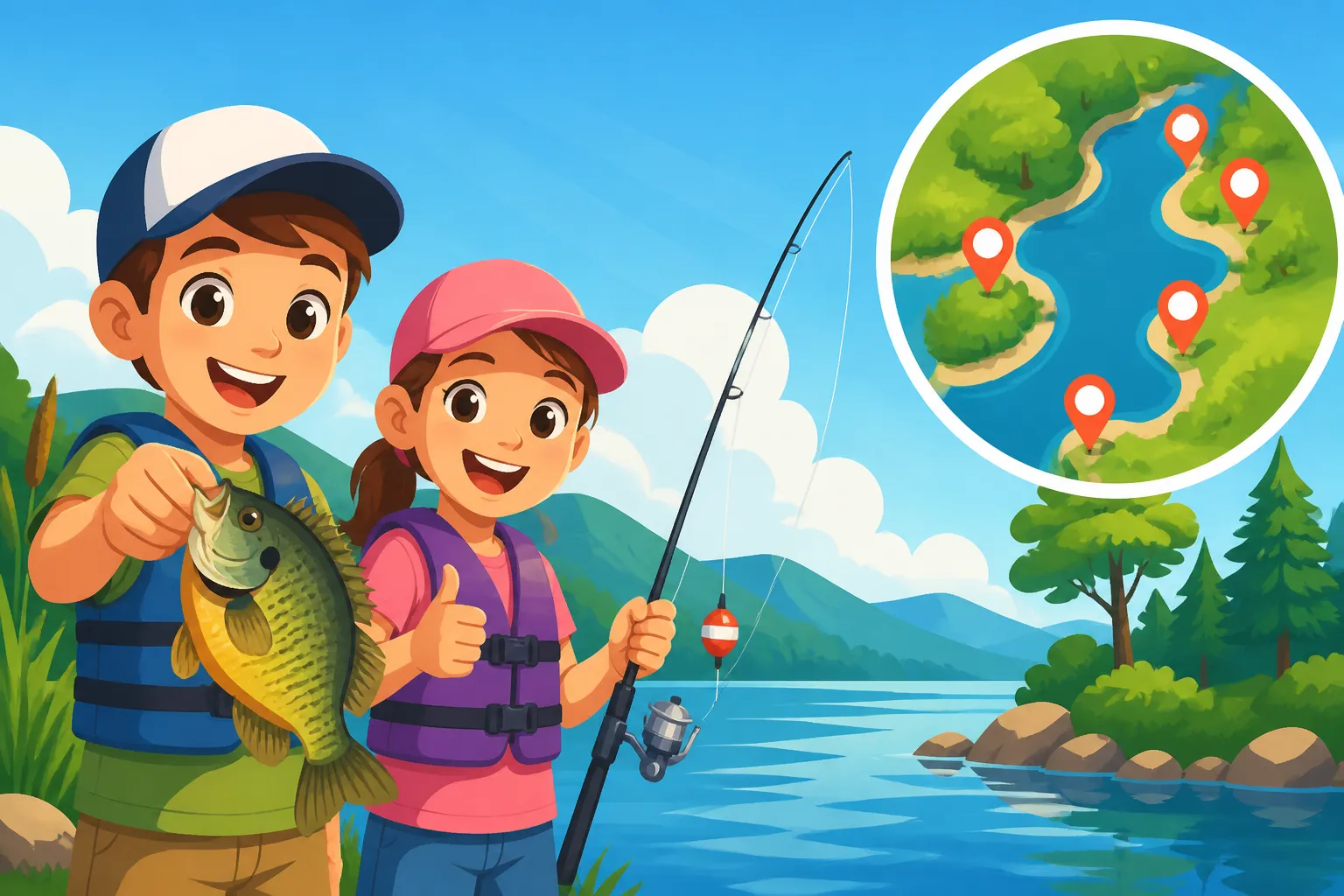
There's nothing quite as deflating for a young angler as sitting for hours with no bites. That's a surefire way to lose their interest faster than you can say "fish on!" Panfish, like bluegill, sunfish, and crappie, are often abundant and less finicky than their larger cousins. This means a higher likelihood of frequent bites, which keeps kids engaged, excited, and asking for "just five more minutes." Each tug on the line, no matter how small the fish, is a huge victory for a child. It builds confidence, teaches them the basics of setting the hook, and ignites a passion that can last a lifetime. Imagine their little faces lighting up with pride as they reel in their very first catch!
It’s about that instant gratification, that tangible reward for their effort. When a child feels that first wiggle on the line, watches the bobber dance, and then pulls in a colorful bluegill, it's pure magic. This consistent action is crucial for those formative fishing experiences, ensuring that the sport feels fun and rewarding, not like a test of endless patience. Around Smith Mountain Lake, many of these smaller fish are practically jumping to bite, making it an ideal environment for budding anglers.
Simple Gear, Simple Fun
One of the biggest hurdles for parents getting into fishing with kids can be the sheer amount of specialized gear that seems necessary. Not so with panfish! You don't need expensive rods, complex reels, or a tackle box overflowing with esoteric lures. For panfishing, simplicity is key, and that's a huge relief for the family budget and for packing the car.
A basic spincast rod and reel combo, often called a "push-button" reel, is perfect for little hands. These are easy to cast and manage, minimizing tangles and frustrations. You can often find fantastic starter kits online, for example, a quick search on Amazon will show you plenty of affordable options designed specifically for children. Pair that with some light monofilament line, a small bobber, a few split shot weights, and some tiny hooks, and you're pretty much ready to go. The beauty of panfishing is that the gear is forgiving, meaning less time spent untangling lines and more time focused on the fun of the catch. Simple Fishing Techniques for a Child's First Trip are really all you need to get started.
Top Panfish Spots Near Smith Mountain Lake for Family Fun
Smith Mountain Lake is a massive body of water, and while it's famous for its bass and stripers, it also holds countless nooks and crannies perfect for panfish. Knowing where to look can make all the difference for a successful family outing.
Designated Public Access Areas
Around Smith Mountain Lake, you'll find various public access points that are fantastic for bank fishing with kids. These spots often have amenities like restrooms, picnic tables, and clear, safe pathways, which are huge advantages when you have little ones in tow. Look for public piers, docks, or designated fishing areas within state parks or local county parks that border the lake. These locations often have plenty of structure underwater, like submerged brush or old pilings, which panfish absolutely love. They provide shelter and a steady food source.
For example, specific sections of Smith Mountain Lake State Park offer easy access to the shoreline that's suitable for casting a bobber. These areas are typically well-maintained and offer a sense of security that you might not get from more remote, undeveloped spots. Always check the park's website or call ahead for any specific fishing regulations or recommendations for their particular access points. Some parks even have small, protected coves that limit boat traffic, making for a much calmer and safer fishing experience. These spots often allow for easy Shore Fishing Access Points on Smith Mountain Lake.
The Calm Coves and Inlets of SML
While the main body of Smith Mountain Lake can get busy with boats, especially during peak season, its extensive shoreline is dotted with countless calm coves and shallow inlets. These sheltered areas are goldmines for panfish. Why? Because they offer protection from strong winds and boat wakes, allowing for clearer water and more stable conditions, which is ideal for children learning to cast and watch their bobbers.
Panfish thrive in these shallower, protected waters where there's plenty of cover. Think about areas with docks, fallen trees, brush piles, or even lily pads and aquatic vegetation. These structures provide shade, hiding spots from predators, and a rich environment for insects and small baitfish – all things that attract hungry panfish. You don't necessarily need a boat to access these; many can be reached by simply walking along the shoreline where public access is permitted, or by finding less developed areas. These quiet spots are also generally safer, with less boat traffic to worry about, allowing kids to focus on their fishing without constant distractions or safety concerns. Look for "no wake" zones or quieter residential coves that tend to hold a lot of cover.
Smaller Satellite Ponds and Lakes Nearby
Sometimes, the sheer size of Smith Mountain Lake can be a bit intimidating for a first-timer, or you might just be looking for an even more intimate fishing experience. Luckily, the area surrounding SML is home to several smaller ponds and lakes that are often less pressured and absolutely teeming with panfish. These smaller bodies of water can be fantastic alternatives or additions to your SML trip.
These smaller lakes and ponds often warm up faster in the spring and offer abundant vegetation and shallow areas, creating perfect panfish nurseries. They are typically easier to navigate, and finding a good spot to cast a line from the bank is usually straightforward. While I can't name every single community pond, researching local county parks or state-managed recreation areas outside the immediate Smith Mountain Lake footprint might reveal hidden gems. These spots are often managed specifically for family fishing and may even be regularly stocked. Plus, the reduced scale can make the entire experience feel more manageable and less overwhelming for young children, offering a focused and highly productive fishing environment.
Essential Gear and Simple Techniques for Kid-Friendly Panfishing
Setting up for a panfish adventure with kids doesn't have to be complicated. In fact, keeping it simple is often the best strategy to ensure maximum fun and minimal frustration. The right gear and basic techniques are all you need.
Basic Rods, Reels, and Line
For kids, think small, light, and easy to use. An ultralight spinning rod or, even better, a spincast combo is perfect. Spincast reels have that handy push-button release that makes casting incredibly intuitive for beginners. You can find these at most sporting goods stores or easily order them from Amazon. Look for rods that are around 4 to 5 feet long – long enough to cast a decent distance but not so long they're unwieldy for a child.
As for line, a light monofilament of 4 to 6-pound test is ideal. It's strong enough for panfish, visible, and less prone to tangles than heavier lines. You don't need anything fancy here; an affordable bulk spool will last you through many seasons of panfishing adventures. The key is to have equipment that empowers the child to handle it themselves as much as possible, fostering independence and a sense of accomplishment.
The Best Baits and Lures for Panfish Success
Here's where panfish truly shine: they're not picky! For the highest chance of success with kids, live bait is almost always the winner. Red wiggler worms, crickets, or even small pieces of hot dog work wonders. You can buy worms at bait shops or even local convenience stores, and sometimes you can find them on Amazon for delivery if you're planning ahead. Just thread a small piece onto a tiny hook (size 8 or 10 is usually good), add a small split shot weight a few inches above the hook, and then a bobber a foot or two above that.
For lures, think tiny. Small jigs (1/32 to 1/16 ounce) tipped with a piece of worm or a small soft plastic grub in bright colors like chartreuse or white can be incredibly effective. Tiny inline spinners are another great option. The key is slow retrieves and working these around any visible structure. The excitement of watching a bobber dip and disappear, or feeling that gentle tap on the line, is unforgettable for a child. Consider a small, organized tackle box from Amazon to keep all these essentials neat and easy to grab.
Making the Trip Comfortable and Memorable
Fishing with kids is as much about the experience as it is about the fish. To make the trip comfortable and truly memorable, it's worth packing a few extra items that go beyond just fishing gear. Think about comfortable chairs or a blanket to sit on, plenty of water, juice boxes, and snacks. A cooler packed with treats makes a huge difference, especially on a warm day. Sunscreen, hats, and sunglasses are non-negotiable for protecting delicate skin and eyes.
Don't forget a small net for helping land those feisty panfish, and a bucket or stringer if you plan on keeping any to clean and cook later. A small first-aid kit, easily found and stocked from Amazon, is also a smart addition for any minor scrapes or bug bites. Encourage exploration, tell stories, and celebrate every little success, from a perfect cast to the smallest nibble. It's these moments, the laughter and shared quiet time by the water, that truly define a successful family fishing trip. You're building memories, not just catching fish.
Understanding Panfish: Species You'll Encounter
When you're out there near Smith Mountain Lake, dropping a line for panfish, you'll likely encounter a few common species. Knowing a little bit about them can add another layer of fun and learning to your kids' fishing experience.
Bluegill and Sunfish
These are the quintessential "kid fish." Bluegill are a type of sunfish, and you'll find various other sunfish species (like pumpkinseed or redear sunfish) with them. They are generally small, brightly colored, and incredibly aggressive feeders. They're often found in shallow, weedy areas, around docks, or near fallen trees – exactly the kind of places that are easy to access from the bank. Bream and Bluegill Fishing for Beginners is a great way to start.
Bluegill have a distinctive dark spot on their operculum (gill flap) and vertical bars on their sides. They're not particular about bait, eagerly hitting worms, crickets, or even tiny bits of bread. Their willingness to bite makes them perfect for keeping young anglers engaged. Imagine the excitement as your child pulls in a vibrant bluegill, its iridescent scales glinting in the sun – a true treasure for small hands!
Crappie (White and Black)
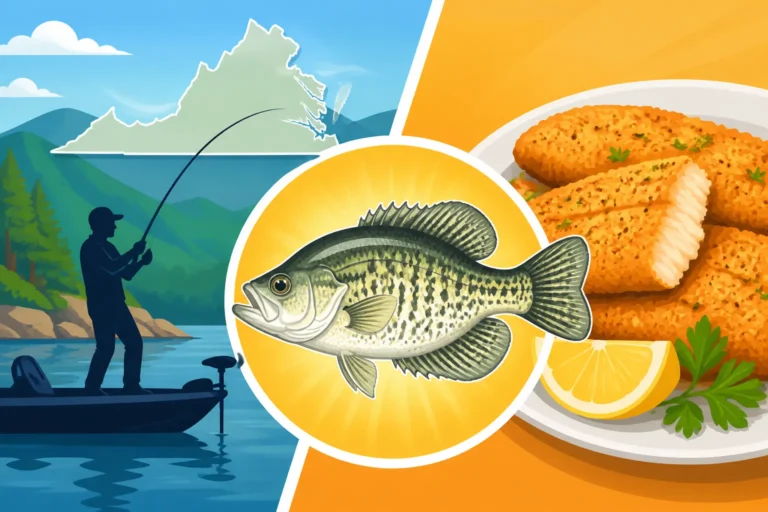
Crappie are another popular panfish, and while they can be a bit more elusive than bluegill, they're still fantastic targets for kids. You'll primarily find two species in Virginia: white crappie and black crappie. White crappie typically have distinct vertical bars on their sides, while black crappie have a more mottled, speckled pattern. Both are known for their delicious white meat and are highly sought after by anglers of all ages.
Crappie tend to school up around submerged structures, like brush piles, old timber, or bridge pilings, often in slightly deeper water than bluegill, though they'll move shallower during certain times of the year. Small jigs or live minnows are their preferred snacks. Catching a crappie often requires a bit more finesse than a bluegill, but the reward is a larger, often feistier fight on light tackle. Teaching kids to identify the different types of crappie can be a fun educational aspect of the trip. Crappie Fishing Techniques for Beginners are relatively easy to pick up.
Yellow Perch
Yellow perch are another common and colorful panfish you might encounter around Smith Mountain Lake and its surrounding waters. They are easily recognizable by their bright yellow sides with distinct vertical dark stripes, almost like a zebra pattern. Yellow perch are often found in schools, making it possible to catch several once you locate them.
They prefer cooler, cleaner waters and are often found near drop-offs, weed beds, or rocky bottoms. Like crappie, they respond well to small live baits like minnows or worms, and tiny jigs or spinners. They are excellent table fare, with firm, flaky white meat. Catching a school of yellow perch can provide continuous action for kids, similar to bluegill, and their striking appearance makes them a memorable catch. Teaching your kids to identify a yellow perch by its unique markings is a great way to engage them further in the natural world around them.
Here's a quick comparison of these common panfish:
| Species | Appearance | Typical Habitat | Best Baits/Lures | Notes |
|---|---|---|---|---|
| Bluegill | Small, round, often iridescent blue/green with an orange belly, dark spot on gill flap. | Shallow, weedy areas, docks, fallen trees. | Worms, crickets, small jigs, bits of corn. | Very aggressive, great for beginners. |
| Crappie | White: vertical bars. Black: speckled/mottled. Larger mouth than bluegill. | Submerged brush, docks, bridge pilings, slightly deeper water. | Small jigs, live minnows, small soft plastics. | Good fighters, excellent eating, often school up. |
| Yellow Perch | Yellow sides with distinct dark vertical stripes. | Drop-offs, weed beds, rocky bottoms, often in schools. | Worms, minnows, tiny jigs, small spinners. | Excellent eating, distinct appearance. |
When you introduce kids to fishing, these panfish are truly your best friends. They offer consistent action, teach fundamental skills, and create those cherished moments that turn a simple outing into a lasting memory. So grab some worms, head to a quiet cove near Smith Mountain Lake, and get ready for a day of smiles and tugs on the line! Fishing License Rules for Kids in Virginia might be useful to check before your trip. You can also explore Where to Buy a Virginia Fishing License if you need one for yourself. For specific regulations, check out Virginia Fishing Regulations Explained and Virginia's Fishing License and Catch Limit Basics. If you're wondering about other fish, Crappie Fishing in Virginia and White Perch and Panfish in Virginia delve deeper into those species.
Disclaimer
This article is for general informational purposes only and does not constitute professional advice. Laws, prices and regulations vary by location and change over time. Consult a qualified professional for guidance on your specific situation.