Shore Fishing Access Points on Smith Mountain Lake
It can be incredibly frustrating when you're itching to cast a line into the renowned waters of Smith Mountain Lake, but you don't have a boat, kayak, or private lakefront property. Many anglers dream of catching its legendary bass or hard-fighting stripers, only to hit a wall trying to find a decent spot to fish from the bank. This guide aims to cut through that frustration, revealing the best shore fishing access points on Smith Mountain Lake and equipping you with the knowledge to make the most of your land-based angling adventure.
Understanding the Challenges of Shore Fishing on Smith Mountain Lake
Let's be honest, Smith Mountain Lake wasn't exactly designed with the shore angler in mind. It's a massive, sprawling reservoir known for its deep, clear waters and extensive, often steep, private shorelines. This makes finding easily accessible, productive fishing spots from land a bit of a challenge, and it's something many first-time visitors struggle with. You might drive for miles, seeing beautiful water, but encounter nothing but private docks and "no trespassing" signs.
The very nature of the lake contributes to this difficulty. With over 500 miles of shoreline, much of it is developed with homes and private docks, or it's simply too rugged and densely forested to access safely. Unlike some smaller public ponds or rivers with designated bank fishing areas every few hundred feet, SML requires a bit more intentional searching and planning if you're going to fish without a vessel. The sheer depth of the lake in many areas also means that fish tend to hold in deeper water, making them harder to reach with typical shore casting techniques, especially for species like the famed striped bass.
Top Public Shore Fishing Access Points at Smith Mountain Lake
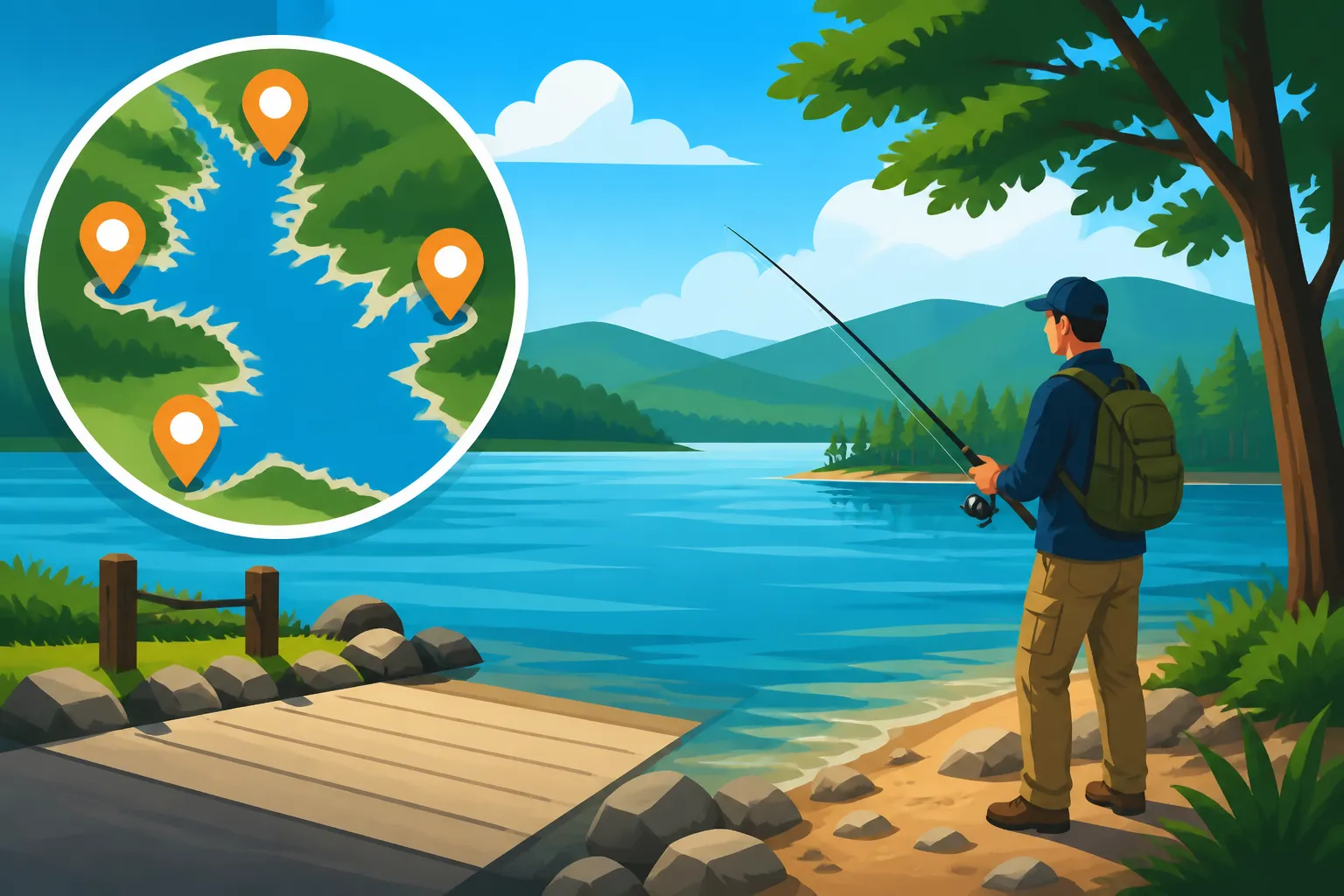
While it might seem daunting, there are indeed some fantastic public options for shore anglers at Smith Mountain Lake. These spots offer a mix of amenities and fishing opportunities, catering to different preferences whether you're looking for a peaceful afternoon with the kids or a serious bass-hunting session.
Smith Mountain Lake State Park
This is, without a doubt, your premier destination for shore fishing at SML. Located on the north shore in Bedford County, Smith Mountain Lake State Park is a jewel offering extensive access and amenities. It boasts a beautiful public beach area, a fishing pier, and several miles of hiking trails that wind along the shoreline, providing numerous potential spots to drop a line.
The designated fishing pier is a fantastic starting point, especially for beginners or those fishing with children. From the pier, you can typically target various panfish like bluegill and crappie, as well as channel catfish, and even some largemouth bass that cruise the shallower waters around the structure. Live bait, like worms or minnows, often works wonders here, along with small jigs or spinners. The park's trails can lead you to more secluded coves and points, where you might have better luck casting for bass with artificial lures or finding quieter spots to relax. Don't forget to check the specific regulations for fishing within the state park, which might have additional rules beyond the general Virginia Fishing Regulations Explained. This park truly stands out as one of the Best Fishing Spots in Virginia, especially for families and those new to the area.
Leesville Lake Dam Public Access
While Leesville Lake is technically upstream from Smith Mountain Lake, connected by the dam and hydroelectric plant, the public access area below the dam offers a unique shore fishing experience that's often overlooked by those solely focused on SML itself. This spot is known for its strong currents and can be incredibly productive, especially for striped bass and hybrid striped bass that congregate there, feeding on baitfish pushed through the dam's gates.
Access here is typically from the banks near the powerhouse. You'll need heavier tackle to manage the currents and cast larger lures like jigs, spoons, or live bait (gizzard shad or herring, where legal) to attract the bigger fish. This isn't a spot for light tackle or casual panfishing; it's an active, often challenging environment that rewards persistent anglers. Because of the dam operations, water levels and currents can change rapidly, so always exercise caution and pay attention to posted warnings. It's a prime example of how you can find exciting opportunities near SML if you're willing to explore slightly beyond the main lake.
Franklin County Waid Park (Roanoke River Access)
Again, this isn't directly on Smith Mountain Lake, but it's an incredibly valuable resource for shore anglers in the wider region, and many SML visitors make the short drive. Waid Park offers fantastic public access to the Roanoke River, which is a major tributary to Smith Mountain Lake. The river itself holds a healthy population of smallmouth bass, largemouth bass, and various panfish, providing a different flavor of fishing than the main lake.
The park features multiple access points, including walking trails along the river, picnic areas, and even kayak launches. You can easily find a quiet stretch of bank to cast for smallmouth bass with spinners, crankbaits, or soft plastics, particularly around rocky areas and current breaks. For those looking for a different challenge or a break from the deeper lake fishing, Waid Park is an excellent choice. It's especially appealing for its well-maintained facilities and scenic environment, making it a great option for a day trip. You'll definitely want to ensure you have your Virginia Fishing License Guide in order before heading out to these diverse waters.
Navigating Private Access and Other Considerations
Beyond the designated public parks, finding shore access on Smith Mountain Lake can be tricky due to the prevalence of private property. However, it's not entirely impossible to find additional spots if you know where to look and respect property rights.
Marinas and Boat Ramps
Sometimes, marinas and public boat ramps can offer limited shore fishing opportunities, usually around their docks or adjacent bank areas. While their primary purpose is boat access, some establishments don't mind if you cast a line from a less-trafficked section of their property, especially during off-peak hours. It's always, always best to ask permission at the marina office before you start fishing. Never assume it's okay, as policies can vary widely. Places like Parkway Marina or Saunders Parkway (a popular public boat ramp) might have a small section of shoreline where you can fish. Just remember, these spots are often busy, and you'll need to be mindful of boat traffic and other lake users. These spots are great for understanding the Smith Mountain Lake Fish Species Guide up close, as many different types of fish cruise these areas.
If you're looking for local insights on the best spots, even if they're harder to access, sometimes talking to locals at these marinas can yield hidden gems. You might even find a guide through a platform like FishingBooker who could point you to less-known public spots, or help you understand local patterns even if you aren't booking a full charter.
Fishing with Friends or Local Connections
The easiest way to get consistent shore access on Smith Mountain Lake, outside of the state park, is often through personal connections. If you have friends, family, or acquaintances with lakefront property, that's your golden ticket. Many homeowners are happy to share their slice of paradise, especially if you offer to share your catch or just enjoy the peaceful experience. This also opens up opportunities to target different areas of the lake and experience the diverse fishing that SML offers.
For visitors, connecting with local fishing forums or community groups online might also provide leads. Sometimes residents are willing to share information about less-known public easements or even invite a respectful angler to fish from their dock. It's all about being polite, asking permission, and respecting the beautiful environment. Learning about Virginia's Rules for Fishing on Public and Private Waters is key here.
Maximizing Your Shore Fishing Success at SML
Even with limited access, you can still have a successful and enjoyable shore fishing experience at Smith Mountain Lake by focusing on the right techniques, gear, and timing.
Essential Gear for Shore Anglers
You don't need a boatload of gear (pun intended) to fish effectively from the shore. A medium-action spinning rod and reel combo is versatile enough for most species you'll encounter.
| Gear Item | Recommended Use | Notes |
|---|---|---|
| Spinning Rod/Reel | All-around for bass, panfish, catfish | Medium action, 6-7 feet, 8-12 lb test line |
| Tackle Box Basics | Hooks (various sizes), sinkers, bobbers, swivels, pliers | Must-haves for any type of fishing |
| Lures | Small jigs, spinners, plastic worms, crankbaits | Imitate baitfish or insects for bass and panfish |
| Live Bait | Worms, minnows, crickets | Excellent for panfish, catfish, and sometimes bass |
| Net | Landing bigger fish, especially off piers or steep banks | Prevents losing a good catch at the last second |
| Sun Protection | Hat, sunglasses, sunscreen | Important for long days on the water |
| Comfort | Folding chair, cooler with drinks/snacks, bug spray | Make your shore fishing experience enjoyable |
| License | Current Virginia Fishing License | Absolutely mandatory; penalties for not having one can be steep |
Consider bringing a small backpack to carry your essentials, especially if you plan to hike along trails to reach more secluded spots. A small tackle bag with only the necessary items will make your trek much easier. For those days you want to try for some larger catfish, make sure to read up on Catfish Fishing Techniques and Bait Guide to increase your chances!
Best Times and Techniques
Timing is everything when it comes to shore fishing, especially on a large lake. Early mornings and late evenings (dawn and dusk) are almost always the most productive times. During these periods, fish often move into shallower water to feed, making them more accessible from the bank. Overcast days can also be excellent, as they reduce light penetration, keeping fish active longer in the shallows.
- For Bass (Largemouth & Smallmouth): Focus on areas with structure like submerged timber, rocks, or weed lines. Cast parallel to the shoreline, working your lure slowly along the bottom or retrieving it through cover. Soft plastic worms, jigs, and small crankbaits are highly effective. You might even find success with topwater lures in low light conditions near brushy areas. If you're targeting those elusive smallmouth, understanding their habits in areas like the Shenandoah River Fly Fishing for Trout and Smallmouth Bass in Virginia can give you an edge, even on SML.
- For Panfish (Bluegill, Crappie): These are often the easiest to catch from shore, making them perfect for family outings. Use small hooks, a bobber, and live bait like worms or crickets. Small jigs or spinners also work well. Look for brush piles, docks, or other cover where they tend to congregate. The Crappie Fishing Techniques for Beginners can be particularly helpful here.
- For Catfish: Catfish are often active throughout the day and night and can be caught from deeper sections of the bank or piers. Use sturdy tackle and bottom-fishing rigs with stink baits, cut bait, or chicken livers. Look for areas with a slower current or deeper holes.
Remember, patience is key. Shore fishing often requires a bit more stealth and observation. Spend some time watching the water, looking for signs of baitfish or fish activity, before you commit to a spot.
Regulations and Responsible Angling
Before you even step foot near the water, make sure you have a valid Virginia fishing license. If you're a resident, the costs are usually quite reasonable, but non-residents also have options, including short-term licenses. You can easily get your How to Get a Fishing License in Virginia online through the Virginia Department of Wildlife Resources (DWR) website or from various authorized retailers. It's a small investment that supports conservation efforts and keeps you on the right side of the law.
Always be aware of the specific creel limits and size restrictions for the fish species you're targeting. These regulations are in place to ensure healthy fish populations for future generations of anglers. If you're fishing with kids, remember that Fishing License Rules for Kids in Virginia might vary depending on their age, so check before you go. Practicing catch and release, especially for larger breeding fish, is also a fantastic way to contribute to the lake's ecosystem. Pack out everything you pack in – leaving no trash behind. Being a responsible angler ensures these precious fishing spots remain enjoyable for everyone. If you’re ever considering expanding your horizons beyond shore fishing, knowing How to Book a Fishing Charter in Virginia is a great next step, especially for targeting some of the deeper water species.
Disclaimer
Please note that fishing conditions and regulations can change. Always consult the official Virginia Department of Wildlife Resources (DWR) website for the most current rules and regulations before planning your fishing trip. This guide provides general information and should not be considered a substitute for official DWR publications.