Smith Mountain Lake Fish Species Guide
Oh, Smith Mountain Lake! If you've ever cast a line into its sparkling waters, you know it's a place of incredible beauty and, sometimes, incredible mystery when it comes to what's biting. It's easy to feel a bit lost among the sheer variety of fish species swimming beneath the surface, wondering how to best approach a day on this vast reservoir. This comprehensive guide is designed to cut through that confusion, helping you understand the diverse aquatic life of Smith Mountain Lake and how to successfully target its most popular inhabitants.
The King of SML: Largemouth Bass
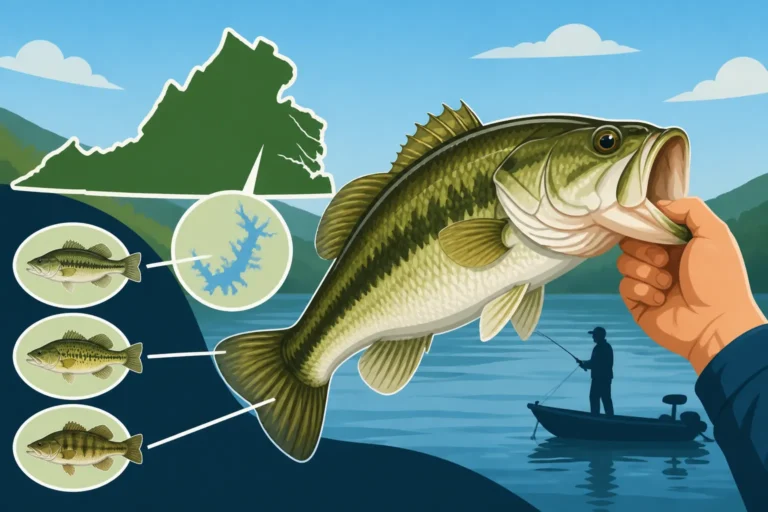
Let's be honest, for many of us, the largemouth bass is the undisputed monarch of freshwater fishing. There's just something about that explosive strike, the powerful fight, and the satisfying thumping head shake that makes them so addictive to pursue. Smith Mountain Lake is renowned for its largemouth bass fishery, drawing anglers from all over the region who dream of landing that trophy bucketmouth. The lake's abundant cover, diverse forage, and fertile waters create an ideal environment for these cunning predators to thrive, offering exciting opportunities whether you're a seasoned pro or just starting out.
Identifying and Understanding Largemouth Bass in SML
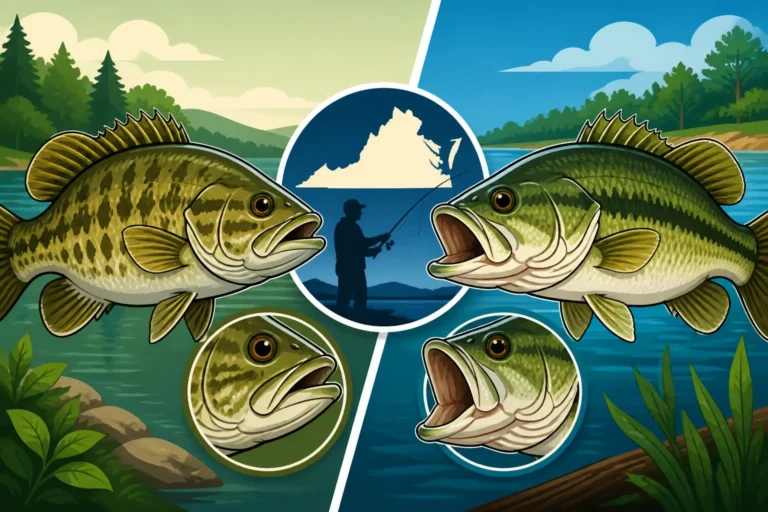
When you hook into a largemouth bass on Smith Mountain Lake, you'll immediately notice its distinct features. These fish are typically olive green to dark green on their back, fading to lighter green or white on their belly, with a prominent, irregular dark stripe running horizontally along their sides. The most telling characteristic, of course, is that large mouth! The jaw extends past the rear edge of the eye, giving them that signature "bucketmouth" appearance. They can grow quite large here, often tipping the scales at over 5 pounds, with genuine giants exceeding 8 or even 10 pounds not uncommon for dedicated anglers.
Understanding their behavior is key to consistent success. Largemouth bass are ambush predators, preferring to lurk in areas with structure and cover, waiting to dart out and surprise their prey. In Smith Mountain Lake, this means you'll find them around submerged timber, boat docks, brush piles, rock formations, and thick aquatic vegetation. They're also highly attuned to water temperature and forage availability, moving between shallow and deep water throughout the day and across seasons to find optimal conditions for feeding and comfort. Keeping an eye on these factors will help you predict where they might be holding.
Their diet is quite varied, making them responsive to a wide array of lures and baits. Largemouth will readily consume baitfish like shad and sunfish, as well as crawfish, frogs, and even small snakes or birds if the opportunity arises. This opportunistic feeding habit is what makes them so much fun to fish for; you never quite know what they'll strike. Paying attention to what natural prey is present in the areas you're fishing can give you a significant advantage in selecting the right lure, matching the hatch, so to speak.
Prime Locations and Techniques for Largemouth Bass
Smith Mountain Lake offers an incredible variety of locations for largemouth bass, each requiring slightly different approaches. Main lake points that extend into deeper water are often productive, especially when they have rock transitions or submerged brush. These points act like highways for bass, allowing them to move between shallow feeding areas and deeper refuge. Targeting the deeper ends of these points with football jigs or deep-diving crankbaits can yield impressive results, particularly during the warmer months when bass often suspend or relate to structure in cooler water.
Coves and creek arms are another hotspot, especially in the spring and fall. The back ends of these areas often warm up faster in spring, attracting bass looking to spawn, and they can hold abundant baitfish in the fall. Fishing around boat docks, especially those with brush piles sunk nearby, is a year-round staple. Flipping and pitching jigs or soft plastics into these tight spots can be incredibly effective, as bass often use the shade and cover for ambush points. You can find some excellent specialized rods and reels for this technique on Amazon, which can truly make a difference in your accuracy and power. How to Catch Largemouth Bass Year-Round covers many of these seasonal patterns, but remember, SML has its own unique character.
When it comes to techniques, versatility is your best friend. In the spring, spinnerbaits and lipless crankbaits fished around shallower points and flats can trigger aggressive bites. As the water warms, Texas-rigged worms, Carolina rigs, and jigs become highly effective, especially when worked slowly around cover. Topwater lures like poppers and walk-the-dog baits can create explosive action during low light conditions in summer. Don't be afraid to experiment with different presentations until you find what the fish are keying in on that particular day.
Targeting Trophy Largemouth in Smith Mountain Lake
Catching a truly massive largemouth bass in Smith Mountain Lake is a goal for many anglers, and it requires a combination of patience, specific tactics, and understanding the habits of these larger fish. Trophy bass are often older, wiser, and more solitary than their smaller counterparts. They've seen a lot of lures and tend to be more cautious, preferring larger, more substantial meals that require less energy to catch. This means upsizing your baits and focusing on fewer, but more strategic, presentations.
Big bass often relate to substantial structure – the largest brush piles, the deepest timber, or major rock outcroppings. They want a home base where they feel secure and can ambush sizable prey. Fishing during prime low-light conditions, such as dawn, dusk, or even throughout the night in summer, can significantly increase your chances, as these are often when the biggest fish are most active and vulnerable. Larger swimbaits, magnum crankbaits, and big jigs or soft plastics are often the preferred choice for these leviathans. How to Catch a Trophy Largemouth Bass at Smith Mountain Lake delves deeper into these specialized tactics.
Another strategy is to focus on specific times of the year. The pre-spawn period in early spring, when female bass are gorging themselves before laying eggs, can be a fantastic time to connect with a lunker. The fall also offers excellent opportunities as bass aggressively feed to build up fat reserves for winter. During these times, targeting prominent structures on main lake points or deep creek channels can put you in front of some truly colossal fish. Remember, catching a trophy isn't just about luck; it's about making deliberate choices to target bigger, smarter bass.
Smith Mountain Lake's Famous Striped Bass (Rockfish)
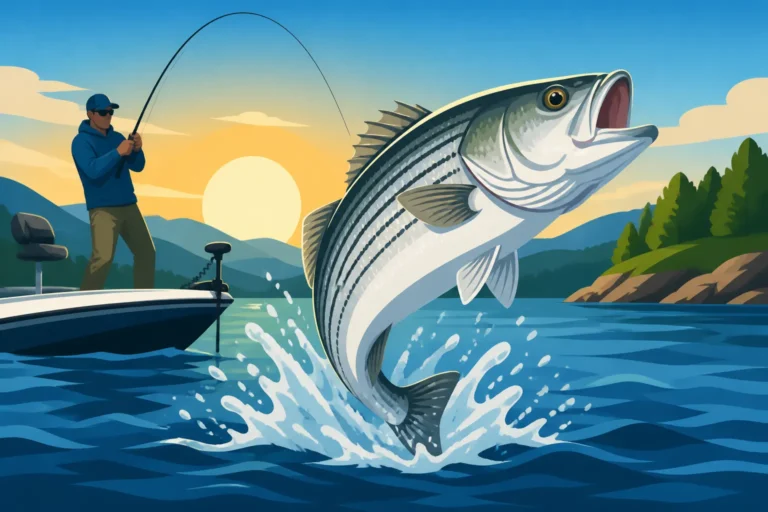
While largemouth bass might be king, the striped bass, often affectionately called "rockfish" by Virginia anglers, is arguably the most iconic species in Smith Mountain Lake. These hard-fighting, schooling fish provide some of the most exhilarating angling experiences imaginable. Unlike their saltwater brethren, SML's striped bass are entirely landlocked, yet they grow to impressive sizes and offer a unique challenge. Their sheer power and willingness to chase down baits make them a favorite target for many.
What Makes SML Stripers Unique
The striped bass in Smith Mountain Lake are a fascinating population, thriving in a freshwater environment that mimics the open water they'd typically inhabit in coastal regions. They've adapted incredibly well to the deep, clear waters of SML, growing large and powerful thanks to an abundant forage base, primarily alewives and threadfin shad. These landlocked stripers are known for their incredible fighting spirit, often making long, drag-screaming runs that will test your tackle and your resolve. Freshwater Striped Bass Fishing at Smith Mountain Lake provides an excellent overview of this unique fishery.
Because they are landlocked, their behavior can differ slightly from their saltwater cousins, but the core instincts of schooling and chasing bait remain strong. They prefer the cooler, oxygenated waters found deeper in the lake during summer, but will move to the surface to feed on schools of baitfish, creating dramatic "boiling" events that anglers dream of witnessing. Their incredible stamina means you need strong gear and a good hookset to bring these beauties to the boat, especially when they reach the larger sizes SML is famous for.
Another unique aspect is the sheer size potential. While coastal stripers can get larger, SML produces plenty of fish in the 10-20 pound range, with some true monsters pushing 30, 40, or even 50 pounds. This trophy potential is a huge draw, and landing one of these leviathans is a memory that lasts a lifetime. The sheer volume of baitfish in the lake contributes directly to the excellent growth rates and overall health of the striper population, making SML one of the premier landlocked striper fisheries on the East Coast.
Effective Striper Fishing Methods in SML
Catching striped bass on Smith Mountain Lake often involves a blend of active hunting and patient presentation. One of the most popular and effective methods is trolling. Anglers will drag a variety of lures, from deep-diving crankbaits to swimbaits and umbrella rigs, at specific depths and speeds to cover large areas of water and locate schools of fish. Downriggers are often employed to precisely place baits in the deeper thermocline where stripers tend to hold during the warmer months. Mastering trolling techniques requires a good understanding of your electronics to identify bait schools and fish arches.
Live bait is another deadly method for SML stripers. Alewives and shad, often caught fresh on the lake, are irresistible to these predators. Anglers will free-line live bait or use planer boards to spread them out, often around main lake points, humps, or submerged structures where stripers are known to congregate. The excitement of watching a rod bend hard from a live bait take is unparalleled. Smith Mountain Lake's Elite Virginia Striped Bass Fishery highlights the dominance of live bait for these fish.
Perhaps the most thrilling way to catch SML stripers is by chasing "boils" or "jumps." When schools of stripers push baitfish to the surface, the water appears to boil with frantic activity. This is a cue for anglers to quickly motor over and cast topwater lures, spoons, or soft plastics into the melee. This fast-paced, visual fishing is incredibly exciting, but these events can be fleeting, so quick reactions are essential. Having a variety of casting rods rigged and ready for these moments can make all the difference, and a good pair of polarized sunglasses (available on Amazon) will help you spot the activity from a distance.
Seasonal Striper Patterns and Hotspots
Smith Mountain Lake stripers exhibit distinct seasonal patterns that dictate where and how you should fish for them. In the spring, as water temperatures rise, stripers will move shallower, often following bait into the backs of creeks and coves. This is a great time for casting swimbaits, jerkbaits, and even topwater lures early in the morning. They're actively feeding and can be found shallower than almost any other time of year.
Summer brings warmer surface temperatures, pushing stripers into deeper, cooler, and more oxygenated water. During this season, they often suspend over deep creek channels or main lake humps, sometimes 40-60 feet down. Trolling with downriggers or fishing live bait at these depths becomes the most productive strategy. Anglers also keep a keen eye out for those early morning or late evening "boils" as fish temporarily push bait to the surface during cooler parts of the day. Smith Mountain Lake Striped Bass Fishing in Virginia discusses these seasonal nuances in detail.
Fall is arguably one of the best times to fish for SML stripers. As the water cools, baitfish schools become more concentrated, and stripers go on a feeding frenzy. This is when those spectacular surface boils become more frequent and prolonged. Trolling, casting, and live bait fishing can all be incredibly effective as stripers actively chase bait throughout the water column. In winter, stripers often move back into deep water, congregating in large schools in the main lake basin or deep creek channels. Vertical jigging or slow trolling large swimbaits at depth can entice bites from these colder, slower-moving fish.
The Feisty Smallmouth Bass
While the largemouth might be the celebrity, the smallmouth bass is the true brawler of Smith Mountain Lake. Known for their powerful runs, aerial acrobatics, and incredible fight, smallmouth bass offer a thrilling challenge that many anglers prefer. SML has a robust smallmouth population, particularly in certain sections of the lake, providing a different kind of bass fishing experience compared to targeting their green cousins. If you love a hard fight and beautiful scenery, the smallmouth won't disappoint.
Smallmouth Characteristics and Habitat Preferences in SML
Smallmouth bass are easily distinguishable from largemouth by their bronze-brown to yellowish-green coloration, often with vertical bars or mottled patterns along their sides instead of a distinct horizontal stripe. Their mouths are also smaller, with the jaw typically not extending past the middle of the eye. They have red eyes, which adds to their fierce appearance. These fish are built for fighting current and navigating rocky environments, which directly influences where you'll find them in Smith Mountain Lake.
Unlike largemouth that prefer heavy cover and muddy bottoms, smallmouth bass are creatures of clean, clear water and rocky structures. In SML, this means they gravitate towards main lake points, rocky outcroppings, bluff walls, and areas with gravel beds or broken rock. They love areas where the bottom transitions from one type of structure to another, especially where deep water is readily accessible. They are less prone to hiding in dense vegetation, preferring the open water around rocks where they can chase down prey.
Their diet primarily consists of crawfish, small baitfish like shad and alewives, and aquatic insects. This preference for crawfish is particularly important when selecting lures, as many effective smallmouth baits mimic these crustaceans. Understanding their habitat and food preferences is crucial; if you're fishing in thick grass, you're probably not in smallmouth territory. Instead, focus on the hard-bottom areas and rocky features that define their preferred homes.
Best Baits and Techniques for SML Smallies
Smallmouth bass in Smith Mountain Lake are often very responsive to baits that mimic crawfish or small baitfish. Tube jigs, in greens, browns, and black, are perennial favorites. Rigged on a jig head and worked slowly along the bottom, tubes perfectly imitate a crawfish scuttling away, often triggering aggressive strikes. Small crankbaits, especially those with a crawfish pattern or shad pattern, can also be highly effective when retrieved around rocky points or submerged humps. These baits allow you to cover water efficiently and find active fish.
Jerkbaits are another fantastic option, particularly in cooler water or when smallmouth are suspended. The erratic, darting action of a jerkbait fished with a stop-and-go retrieve can drive smallmouth wild, mimicking a wounded baitfish. Drop shot rigs, fished with small, realistic soft plastics, are excellent for targeting smallmouth holding tight to deep structure or when they're less aggressive. This finesse technique allows you to present a bait precisely at the fish's level without imparting too much movement, which can be critical on tough days.
For topwater action, small poppers and walking baits can be incredibly exciting, especially during low light hours. While largemouth dominate topwater discussions, a smallmouth blow-up on a surface lure is an experience not to be missed. When fishing rivers for smallmouth, as explored in Smallmouth Bass Fishing on Virginia's Shenandoah River, many of the principles of current and rocky structure still apply, just adapted to a lake environment where currents might be subtler but underwater contours are still key.
Where to Find Smallmouth Bass on Smith Mountain Lake
Pinpointing smallmouth bass on Smith Mountain Lake means focusing your efforts on specific types of terrain. The mid-to-lower sections of the lake, closer to the dam, tend to have clearer water and more rock formations, making them prime smallmouth habitat. Look for main lake points that drop off steeply into deep water, especially if they have broken rock or gravel beds. These areas provide both cover and access to deep water.
Bluff walls and long, tapering rock points are also excellent places to find smallmouth. These vertical structures often hold baitfish, and the smallmouth will use the ledges and crevices for ambush points. Don't overlook submerged humps and offshore structure. Many of these areas are only visible on your boat's electronics, so investing in a good fish finder is invaluable for identifying these hidden gems. Smallmouth often suspend above these humps or relate to the rocks on top.
Pay attention to wind-blown points, too. Wind can push baitfish against these structures, creating a feeding opportunity for smallmouth. Casting your baits into the wind and working them back with the natural current can be very productive. While specific coves might hold largemouth, smallmouth will generally stick to the more open, rockier sections of the lake, preferring the clearer, oxygenated water of the main body.
Crappie Fishing for Dinner Plates
Crappie, both black and white, are a beloved panfish species in Smith Mountain Lake, offering fantastic opportunities for anglers of all ages and skill levels. They are excellent table fare, and their schooling behavior means that once you find them, you can often catch quite a few. While perhaps not as flashy as bass or stripers, the consistent action and delicious fillets crappie provide make them a perennial favorite on SML.
Identifying Smith Mountain Lake Crappie (Black and White)
Smith Mountain Lake is home to both black crappie and white crappie, and while they share many similarities, there are subtle differences that can help you distinguish between them. Both species have a compressed, disc-shaped body and are typically silver with dark spots or bars. The easiest way to tell them apart is by counting the dorsal fin spines: black crappie usually have 7 or 8 distinct dorsal spines, while white crappie typically have 5 or 6. White crappie also tend to have more distinct vertical bars on their sides, whereas black crappie have a more random, mottled pattern of spots. Crappie Identification: Black Crappie vs White Crappie in Virginia elaborates on these differences.
In SML, crappie often grow to respectable sizes, with fish in the 10-14 inch range being common, and slab crappie exceeding 15 inches and 2 pounds not unheard of. They are primarily schooling fish, meaning they travel and feed together. This behavior is key to understanding how to catch them: once you locate one crappie, there are usually many more nearby. They tend to relate closely to cover, preferring submerged brush piles, standing timber, boat docks, and bridge pilings where they can ambush small baitfish and insects.
Their diet consists mainly of small baitfish (like juvenile shad and minnows), insects, and small crustaceans. This makes them highly susceptible to small jigs and live minnows, which imitate their natural forage. Understanding their schooling habits and their preference for structure will significantly improve your crappie fishing success on Smith Mountain Lake, turning a casual trip into a bountiful harvest.
Top Crappie Techniques for SML
Crappie fishing on Smith Mountain Lake is often about precision and patience, especially when targeting fish holding tight to cover. Jigging is perhaps the most popular and effective method. Small lead-head jigs, tipped with tiny soft plastic bodies (like tubes, grubs, or small paddle-tail baits), are deadly. The key is to present the jig vertically or cast it to a piece of structure and let it fall slowly, mimicking a stunned baitfish. Varying your jig size, color, and retrieve speed is crucial to finding what the crappie want on any given day.
Live minnows are another go-to bait for SML crappie. You can fish them under a bobber, tight-lined, or slowly trolled. Many anglers will use a single hook with a split shot or a small jig head and simply present a lively minnow near known crappie haunts. Spider rigging, which involves using multiple rods extending out from the boat with baits at different depths, is a common technique for covering water and finding active schools, especially when crappie are scattered or suspended. This allows you to quickly pinpoint the preferred depth. Crappie Jigging Techniques offers detailed guidance on how to master vertical jigging.
When crappie are holding tight to brush piles or standing timber, a stealthy approach is best. Using light line and making accurate casts can prevent spooking the school. Some dedicated crappie anglers even use specialized sonar units with "live" viewing capabilities to see the crappie and their baits in real-time, allowing for incredibly precise presentations. This kind of technology, while an investment, can truly elevate your crappie game, helping you find those hidden brush piles that are crappie magnets.
Seasonal Crappie Hotspots on Smith Mountain Lake
Just like other species, crappie in Smith Mountain Lake follow seasonal patterns that dictate their location and behavior. Spring is arguably the best time to catch large numbers of crappie as they move into shallower water to spawn. Look for them in the backs of coves, around submerged brush, shallow docks, and creek channels, often in water ranging from 3 to 10 feet deep. Small jigs and minnows fished under a bobber in these areas can lead to non-stop action. Best Crappie Fishing Coves on Smith Mountain Lake, Virginia are often found in these shallower, protected zones.
As summer progresses and water temperatures rise, crappie will retreat to deeper, cooler water. They often suspend over creek channels, along bluff walls, or in the branches of deep brush piles. Finding them usually requires good electronics to pinpoint these deeper structures and schools. Night fishing can also be highly effective in summer, as crappie are attracted to lights deployed from boats, which in turn draw in baitfish. This creates a natural feeding station.
In the fall, as water temperatures cool, crappie become very active again, often relating to shallower brush piles and main lake points as they feed heavily in preparation for winter. This is a great time for trolling jigs and minnows to cover more water. During winter, crappie generally congregate in large, tight schools in deep water over creek channels or around large, submerged timber. Vertical jigging or slow trolling very small baits directly over these schools can be highly productive, offering a fantastic opportunity for ice-free winter fishing on SML.
The Often-Overlooked Catfish Species
While bass and stripers get much of the glory, Smith Mountain Lake also boasts a phenomenal catfish fishery that often goes unnoticed by mainstream anglers. For those who enjoy a strong fight, good eating, and often less crowded fishing experiences, targeting catfish can be incredibly rewarding. SML is home to several species, each offering a unique challenge and flavor profile.
Channel and Flathead Catfish of SML
Smith Mountain Lake is primarily known for its abundant channel catfish and growing population of flathead catfish. Channel catfish are easily identified by their sleek, often spotted bodies (though spots fade with age), deeply forked tails, and barbels around their mouths. They are opportunistic feeders, eating a wide variety of prey, and can be found throughout the lake. They typically range from a few pounds up to the teens, but larger ones are certainly present.
Flathead catfish, on the other hand, are distinct with their broad, flattened heads, small eyes, and unforked, almost square tails. They have a mottled brown or yellowish-brown coloration. These are true predators, preferring live bait and primarily feeding on other fish and crawfish. Flatheads grow to immense sizes in SML, with fish easily exceeding 20 pounds and specimens over 50 pounds being caught by dedicated anglers. Channel Catfish vs Flathead Catfish: How Virginia Anglers Tell Them Apart provides a great visual comparison for identifying these two distinct species.
Understanding the difference between these two species is crucial because their feeding habits and preferred habitats are quite different. Channel cats are more widespread and will respond to a broader range of baits, while flatheads are often found in very specific, ambush-oriented locations and have a strong preference for live or very fresh cut bait. Both offer a powerful fight, but a big flathead can truly put your tackle to the test.
Best Baits and Methods for Catfish
For channel catfish in Smith Mountain Lake, you can't go wrong with classic catfish baits. Stink baits, punch baits, chicken livers, and nightcrawlers are all highly effective. These strong-smelling baits attract channel cats from a distance. Rigging them on a simple slip-sinker rig, allowing the fish to take the bait without feeling resistance, is a proven method. You'll typically fish these baits on the bottom, often in conjunction with a fish finder to locate channel beds, humps, or deep holes where channel cats congregate.
Flathead catfish, being true predators, prefer live or very fresh cut bait. Live bluegill, shad, or even smaller crappie (where legal) are top choices. Rigging a large live bait on a sturdy circle hook with a heavy sinker is common practice. Flatheads are often found near submerged timber, rock piles, or old river channels, waiting to ambush prey. Patiently waiting for a flathead to pick up a bait can take time, but the reward of landing one of these powerful fish is well worth it. Catfish Bottom Fishing Techniques applies well to both species, emphasizing the importance of getting your bait down to where the fish are.
Jug fishing and trotlines are also popular methods for targeting catfish, particularly for those looking to harvest a good number of fish. These passive techniques involve setting multiple lines with baited hooks and checking them periodically. However, be sure to check Virginia's regulations regarding these methods, as there are specific rules about numbers of lines, tagging, and times of deployment. For the recreational angler with a rod and reel, focusing on bottom fishing with appropriate baits for each species will yield excellent results.
Prime Catfish Locations and Night Fishing
Catfish are found throughout Smith Mountain Lake, but certain areas tend to be more productive. For channel catfish, look for the deeper sections of creeks and coves, especially where there's a soft bottom. They also congregate in the main lake basin near structures like humps or submerged points. Fishing around areas where tributaries flow into the lake can also be productive, as these areas often concentrate bait and nutrients. The deeper portions of the old Roanoke and Blackwater river channels are excellent places to start your search. Smith Mountain Lake's Channel and Flathead Catfish Fishery can lead you to some great spots.
Flathead catfish, being more structure-oriented, will often be found near large pieces of submerged timber, rock piles, or bridge pilings that offer current breaks and ambush points. They prefer to hug the bottom in deeper water during the day, becoming more active and moving shallower to hunt at night. Targeting these areas with live bait after dark can be incredibly effective for flatheads, as their nocturnal nature makes them more confident feeders under the cover of darkness. Make sure you have a reliable headlamp (a handy item from Amazon) if you venture out for night catfishing!
Night fishing is a particularly effective strategy for all catfish species in SML. As the sun sets, catfish become more active, moving out from their daytime lairs to feed. Setting up on a deep main lake point, a creek channel bend, or near an old roadbed after dark can yield some fantastic catches. The cooler night temperatures and reduced boat traffic can make for a peaceful and productive fishing experience.
Other Panfish and Species of Interest
While the big three – bass, stripers, and catfish – often dominate conversations about Smith Mountain Lake, there's a vibrant ecosystem of other fish species that provide excellent angling opportunities, especially for families or those looking for a relaxing day of consistent bites. From abundant panfish to some unexpected catches, SML truly has something for everyone.
Bluegill and Other Sunfish in SML
Bluegill are perhaps the quintessential panfish, and they thrive in Smith Mountain Lake. These feisty little fish, identifiable by their deep, compressed bodies, dark spot on the gill cover, and often blue-tinged iridescent cheeks, are incredibly fun to catch, especially for kids. They are abundant throughout the lake, preferring areas with weeds, submerged timber, and boat docks, essentially any place that offers them cover from larger predators. Their small size makes them perfect for light tackle, often providing non-stop action.
Beyond bluegill, you'll also find other sunfish species, like redear sunfish (shellcrackers) and pumpkinseed sunfish, though bluegill are by far the most common. These panfish are incredibly responsive to small baits and simple presentations. A small hook, a bit of nightcrawler or wax worm, and a bobber are often all you need for a fantastic day of catching. Bream and Bluegill Fishing for Beginners emphasizes just how easy and fun these fish are to target, making them perfect for introducing new anglers to the sport. They might not be the biggest fight, but the sheer numbers and accessibility make them a joy.
Fishing for bluegill and sunfish is not only a blast, but it's also a great way to put some delicious fillets in the cooler. They are excellent table fare, with a mild, sweet flavor. Look for them in shallow, protected coves, around docks, or near any submerged vegetation. They are often schooling, so where you catch one, you're likely to find many more. This is an ideal way to enjoy the lake without needing specialized gear or advanced techniques.
Yellow and White Perch Opportunities
Smith Mountain Lake also supports healthy populations of yellow perch and white perch, both of which are excellent eating fish and offer consistent action. Yellow perch are distinctive with their golden-yellow bodies and several dark vertical bars. They are typically found in cooler, deeper waters, often schooling over open bottom or around submerged humps and points. White perch, on the other hand, are silvery-white with a somewhat deeper body profile, lacking the distinct vertical bars. They are often found in large schools throughout the lake, especially near main lake points and structure. White Perch Identification for Virginia Anglers can help you differentiate these two tasty species.
Both perch species are highly predatory, feeding on small baitfish, crustaceans, and insects. They respond well to small jigs, grub-tailed soft plastics, and live minnows. When you locate a school of perch, you can often catch them one after another, providing fast-paced fishing. They are particularly active during the cooler months, often found in deeper water, but can be caught shallower in spring and fall.
Perch are often overlooked, but they offer some of the best eating fish in the lake. Their fillets are firm, white, and flaky, making them a favorite for many anglers who value table fare. Targeting them often means using lighter tackle, similar to crappie fishing, and focusing on areas where baitfish are abundant. A good sonar unit will be your best friend for finding schools of perch suspended over open water or relating to subtle bottom contours.
Occasional Surprises and Less Common Catches
Beyond the main gamefish and panfish, Smith Mountain Lake also harbors a variety of other species that you might encounter, sometimes as pleasant surprises, other times as interesting curiosities. Common carp are abundant in SML, growing to large sizes. They are powerful fighters and can be targeted specifically by anglers using dough balls, corn, or boilies, but are often caught incidentally on baits meant for catfish or panfish. While not everyone's target, they provide a challenging fight.
Gar, specifically longnose gar, are also present in the lake. These prehistoric-looking fish with their elongated bodies and toothy snouts are fascinating to catch. They are often seen basking near the surface in shallow coves or near emergent vegetation. While not typically targeted for food, they offer a unique angling experience, often requiring specific tactics like rope lures or heavy gear due to their tough mouths.
You might also encounter chain pickerel, a toothy predator related to pike. They are identifiable by their "chain-link" pattern on their sides and can provide explosive strikes, especially on spinnerbaits or jerkbaits in weedy areas. While not as common as other species, they are a fun incidental catch. Even turtles and freshwater mussels are part of the complex ecosystem, reminding us of the rich biodiversity that calls Smith Mountain Lake home. Every cast can truly hold a surprise on these waters, adding to the adventure of fishing this incredible lake.
Here's a quick overview of some of the most popular fish species you'll encounter in Smith Mountain Lake:
| Fish Species | Primary Habitat & Behavior | Typical Size (SML) | Best Baits & Techniques | Notes |
|---|---|---|---|---|
| Largemouth Bass | Ambush predator, prefers cover (docks, brush, timber, weeds) | 2-8 lbs (trophy >10 lbs) | Jigs, plastic worms, crankbaits, spinnerbaits, topwater | Aggressive fighters, found in diverse habitats. |
| Striped Bass | Schooling, open water, deep channels, chase baitfish | 5-25 lbs (trophy >40 lbs) | Trolling (crankbaits, umbrella rigs), live bait (shad, alewives), casting (spoons, topwater) | Landlocked, powerful runs, often found in deeper, cooler water in summer. |
| Smallmouth Bass | Clear water, rocky points, bluff walls, humps | 1-4 lbs (trophy >5 lbs) | Tube jigs, jerkbaits, small crankbaits, drop shot, Ned rig | Pound-for-pound brawlers, acrobatic fighters, prefer hard bottom. |
| Black/White Crappie | Schooling, brush piles, standing timber, docks, bridge pilings | 8-15 inches (slab >15") | Small jigs (plastics, hair), live minnows, spider rigging | Excellent eating, consistent action, move shallow in spring. |
| Channel Catfish | Deep holes, creek channels, soft bottoms | 3-15 lbs (trophy >20 lbs) | Stink baits, chicken liver, cut bait, nightcrawlers | Abundant, good eating, opportunistic feeders. |
| Flathead Catfish | Large timber, rock piles, old river channels, current breaks | 10-50+ lbs | Live bait (bluegill, shad), large fresh cut bait | Nocturnal predators, immense size, strong fighters. |
| Bluegill/Sunfish | Shallow coves, docks, weeds, brush | 4-8 inches | Worms, crickets, small artificial baits under a bobber | Perfect for kids and beginners, abundant, great table fare. |
| Yellow/White Perch | Schooling, open water, humps, points | 6-12 inches | Small jigs, grub-tailed plastics, live minnows | Excellent eating, active, often found in schools. |
Disclaimer
This article is for general informational purposes only and does not constitute professional advice. Laws, prices and regulations vary by location and change over time. Consult a qualified professional for guidance on your specific situation.