How to Fly Fish for Trout in Fall
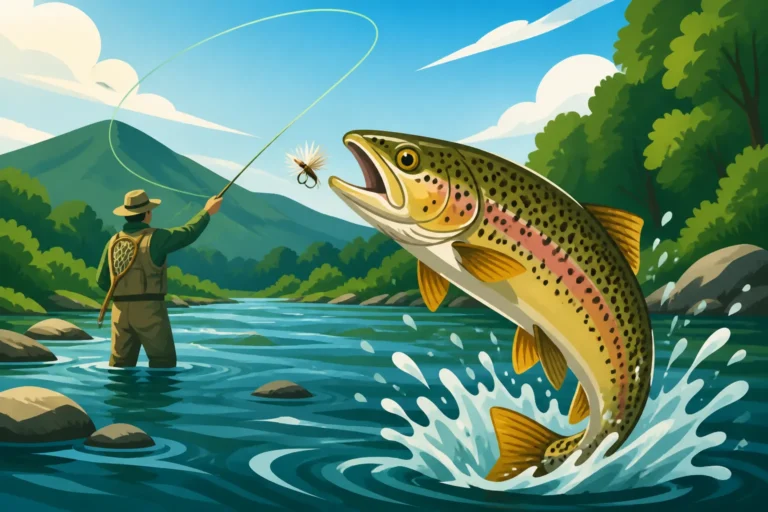
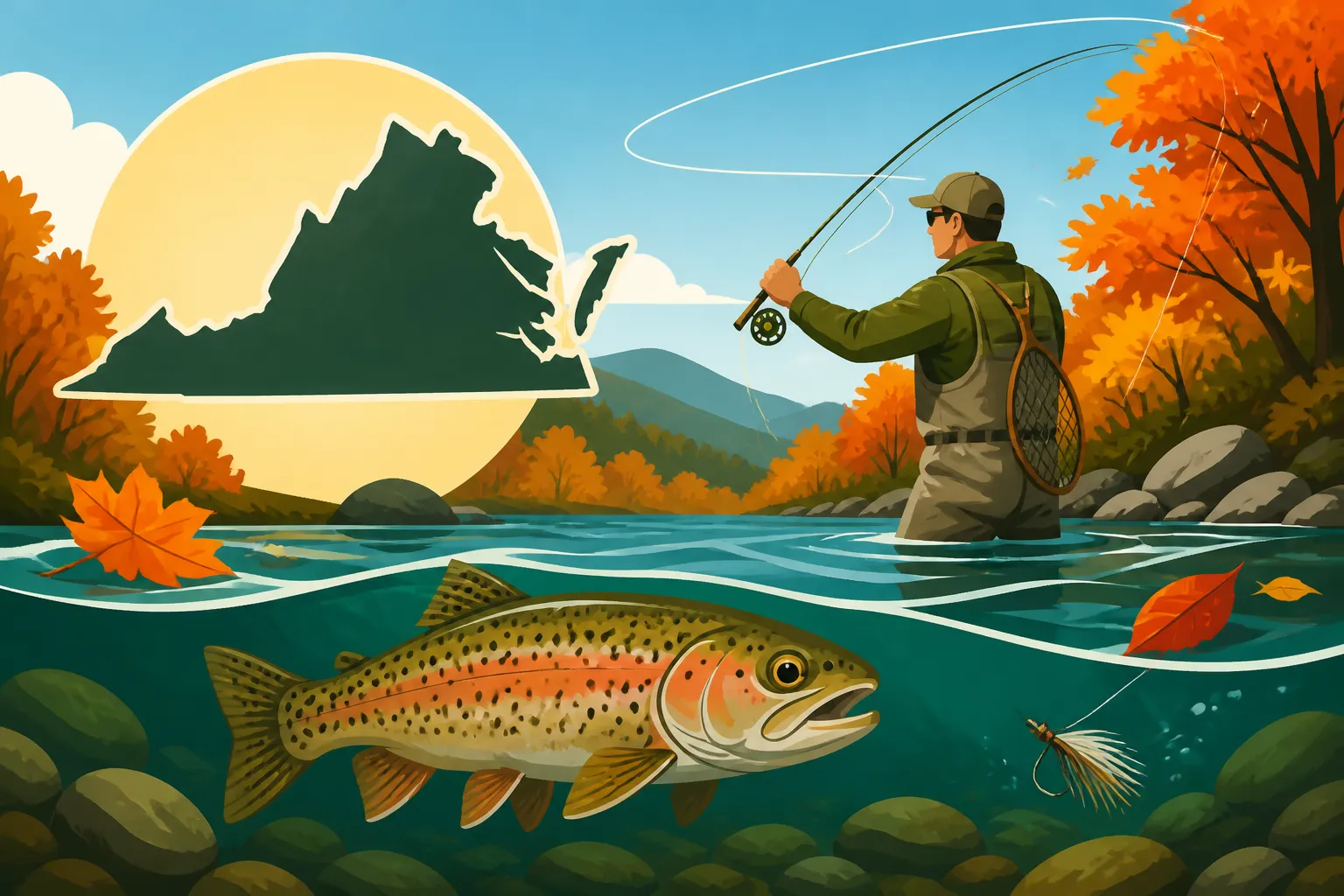
Fall in Virginia can be an absolutely breathtaking time to be on the water, but if you're hoping to cast a line for trout, it often comes with its own unique set of puzzles. The changing leaves are gorgeous, sure, but the fluctuating water temperatures, dropping insect activity, and unpredictable weather patterns can leave even seasoned anglers scratching their heads. This comprehensive guide will walk you through everything you need to know to successfully fly fish for trout during Virginia's autumn months, ensuring your trips are filled with memorable catches, not just pretty scenery.
Why Fall is a Prime (and Tricky) Time for Trout Fly Fishing in Virginia
Autumn is a season of transition, and for trout anglers in Virginia, it offers some of the most rewarding, albeit challenging, opportunities. The crisp air, the vibrant foliage reflected on the water, and the renewed energy of the fish make it truly special. However, these changes also demand a different approach than what you might be used to in spring or summer.
Understanding Fall Water Conditions and Trout Behavior
As summer's sweltering heat gives way to cooler autumn days, the water temperatures in Virginia's trout streams and rivers begin to drop. This is fantastic news for trout! Cold water holds more oxygen, and it re-energizes these cold-blooded creatures. Their metabolism, which slows down in the warmer months, kicks back into high gear, making them more active and often more aggressive feeders. You’ll find them moving out of the deepest, coolest pockets they sought refuge in during summer, spreading out to feed more freely.
However, "cooling" isn't always a steady decline. Early fall can still bring warm spells, and late fall can see sudden cold snaps, even overnight freezes. These fluctuations can make trout behavior a bit unpredictable. One day they might be rising freely to a small hatch, and the next they're hunkered down, refusing to move for anything. The key is to pay close attention to the daily conditions. A classic example of a river that experiences these beautiful yet tricky fall conditions is the Jackson River, one of the many Best Trout Streams in Virginia that offers excellent fall fishing. Knowing these nuances helps you adapt your strategy on the fly, pun intended.
The Changing Insect Hatch Dynamics
One of the biggest shifts you'll notice in fall is the change in insect activity. Gone are the prolific mayfly and caddisfly hatches of spring and early summer. Instead, fall brings a more subtle, yet still significant, insect presence. You'll often see small Baetis (Blue-Winged Olives, or BWOs) making an appearance, especially on cloudy, drizzly days. Midges are also a year-round staple, but they become particularly important in the colder months. Caddisflies might still be around in smaller numbers, especially during warmer spells.
As insect activity on the surface wanes with cooler temperatures and shorter days, trout become less reliant on consistent dry fly opportunities. This means your focus often needs to shift. Nymphing becomes incredibly effective, mimicking the subsurface stages of these insects that are still abundant. Streamer fishing also shines, as aggressive trout key in on baitfish or other larger food sources, bulking up for the leaner winter months. Plus, don't forget the impact of falling leaves! While beautiful, they can create challenges by covering your fly, or making it hard to spot takes, especially in smaller freestone streams.
Essential Gear and Fly Selection for Autumn Trout
Having the right tools for the job is crucial, and fall fly fishing demands a slightly different arsenal than other seasons. You're preparing for conditions that can range from mild and sunny to downright chilly, often all in the same day.
Rods, Reels, and Lines for Fall Conditions
For most trout fishing in Virginia's rivers and streams, a 3-weight to 5-weight fly rod will serve you well. A 3-weight is fantastic for smaller streams and delicate presentations when trout are sipping tiny midges, offering a thrilling fight even from smaller fish. For general-purpose fishing on larger rivers like the Tye or Piney River, or in stocked waters where fish tend to be a bit bigger, a 4-weight or 5-weight is a solid choice. These provide enough backbone to handle larger trout, cast heavier nymph rigs, or throw small streamers.
Your reel needs to be a good match for your rod, primarily for balancing the setup and holding your line. A good quality floating fly line is your workhorse, but consider having a sink-tip line if you plan to do a lot of streamer fishing for deeper-holding fish. When it comes to leaders and tippets, stealth is paramount. As waters clear and trout become warier, longer leaders (9-12 feet) and finer tippets (4X-6X, sometimes even 7X for tiny dry flies) are often necessary. Many anglers swear by fluorocarbon tippet in fall because it's nearly invisible in the water and sinks, which is perfect for getting nymphs down quickly. You can find a wide array of these specialized lines and tippets on Amazon, making it easy to stock up before your next trip.
Top Fly Patterns for Fall Trout Fishing
The flies you choose in fall are dictated by the shifting insect life and the trout's desire to pack on calories. Here's a breakdown of the patterns you'll want in your fly box:
- Dry Flies: While not as consistent as spring, don't rule out dry flies completely. Keep a selection of small Baetis (Blue-Winged Olives) in sizes 18-22 for those overcast days when a hatch might occur. Small midge patterns (size 20-24) are also vital, as midges can hatch year-round, often in clusters that trout will key in on. Early fall can also see a few lingering terrestrials like small hoppers or ants, especially before the first hard frost.
- Nymphs: This is where fall fishing really shines. Nymphs imitate the subsurface stages of insects and are often the most productive choice. Stock up on patterns like the Pheasant Tail (sizes 14-20), Hare's Ear (sizes 12-18), and various stonefly imitations (sizes 8-14, especially in larger freestone rivers). Don't forget the San Juan Worm or Squirmy Wormy, which can be incredibly effective, especially in recently Virginia Stocked Trout Waters and License Requirements where fish are less selective. Small caddis larvae patterns are also a good bet.
- Streamers: For aggressive, larger trout, streamers are your secret weapon. Woolly Buggers (black, olive, brown, white, sizes 6-12) are a classic for a reason – they imitate everything from baitfish to leeches. Sculpin patterns and Clouser Minnows (in smaller trout-stream sizes) are excellent for mimicking baitfish. Varying sizes and colors, and having some with a little flash, can make a big difference. Larger trout are actively looking for a substantial meal, and a well-presented streamer can often elicit a violent strike.
Remember, trout in different water types might prefer different flies. For instance, in a pristine Wild Trout Stream Rules in Virginia, natural-looking patterns are often best, while in a heavily stocked section of river, something bright and flashy might get more attention.
Master the Techniques: Tactics for Fall Fly Fishing Success
Fall fly fishing isn't just about having the right gear; it's about employing the right tactics for the conditions. You'll need to be versatile, ready to switch between different presentations as the day progresses and the trout's mood changes.
Nymphing Strategies for Deeper Pools and Runs
As water temperatures cool, trout often gravitate to deeper, more consistent currents in pools, runs, and riffles. This makes nymphing an incredibly productive method. There are a few key strategies to master:
- Indicator Nymphing: This is probably the most common approach. You'll use a strike indicator (a small bobber) placed on your leader to detect subtle bites. Your nymphs (often two, sometimes three, spaced out with split shot to get them down) drift naturally downstream, mimicking insects tumbling in the current. Focus on getting a drag-free drift, ensuring your indicator moves at the same speed as the current. Adjust the depth of your indicator frequently; trout might be holding anywhere from six inches off the bottom to several feet deep. Deeper pools, especially those with structure like submerged logs or rocks, are prime targets.
- Tightline Nymphing (Euro Nymphing): This technique removes the indicator and relies on direct contact with your flies to detect strikes. It’s highly effective in fast-moving water or when you need ultra-sensitive feel. Using a longer, lighter rod and specialized leader, you keep a tight line to your nymphs, feeling for any hesitation or subtle tug. This is fantastic for pinpointing where trout are holding in specific seams and runs. Mastering the drift and learning to "read" your line for strikes takes practice, but it's incredibly rewarding.
Remember, trout in fall are still opportunistic, but they might not move far for a meal. Your presentation needs to put the fly right in their feeding lane.
Streamer Fishing for Aggressive Trout
When trout are actively feeding and looking for a larger meal, streamer fishing can be exhilarating. This technique mimics baitfish, leeches, or crayfish, and often entices bigger, more aggressive fish to strike.
- Varying Your Retrieve: The key to streamer fishing is movement. Cast your streamer across or slightly upstream, let it sink, and then begin your retrieve. Experiment with different stripping techniques – short, quick strips; long, slow pulls; erratic jerks – until you find what triggers a strike. Sometimes a pause in the retrieve is all it takes to make a trout commit. Imagine a wounded baitfish struggling – that's the action you want to impart.
- Targeting Structure: Trout often hold near structure where they can ambush prey. Cast your streamers near logs, large rocks, undercut banks, and current seams. These are perfect hiding spots for predatory trout. You're not just casting randomly; you're strategically placing your fly where a hungry fish might be lurking. Consider a place like the James River, where Best Smallmouth Bass Spots on the James River, Virginia can also hold some very aggressive trout that respond well to streamers.
- Weighted vs. Unweighted: Have a mix of weighted and unweighted streamers. Use weighted patterns to get deep quickly in fast or deep water, and unweighted ones for shallower runs or when you want a slower, more natural fall. Many anglers find that darker colors like black and olive are particularly effective for streamers in the generally lower, clearer water of fall.
Dry Fly Opportunities and Terrestrial Tactics
While nymphing and streamers often dominate fall fly boxes, don't completely abandon your dry flies! There are still specific times when trout will rise to the surface.
- Midday Warmth: On warmer, often cloudy days, especially in early to mid-fall, small hatches of Baetis (BWOs) can occur, usually in the late morning or early afternoon when the air temperature is at its highest. Keep an eye out for rising fish, especially in slower pools and eddies. When you see them, switch to your small BWO patterns and make delicate casts.
- Lingering Terrestrials: In the very early part of fall, before severe frosts, terrestrials like grasshoppers, ants, and beetles can still be a food source, particularly on windy days when they get blown into the water. Fishing an attractor pattern like a Chubby Chernobyl or a foam beetle near grassy banks can sometimes surprise you with a strike.
- Patience is Key: Fall dry fly fishing often requires more patience than in spring. The hatches are usually shorter-lived and less intense, but they can offer some of the most rewarding fishing if you’re observant and ready to switch tactics quickly. Watching for subtle rises and having a good pair of polarized sunglasses will give you an edge.
Navigating Virginia's Fall Trout Waters
Virginia offers a diverse range of trout fishing opportunities, from small mountain streams teeming with wild brook trout to larger, regularly stocked rivers. Knowing where to go and how to prepare for the specific challenges of fall is crucial for a successful trip.
Best Spots and Conditions to Look For
When heading out for fall trout fishing in Virginia, consider these types of waters and conditions:
- Stocked Trout Waters: Virginia's Department of Wildlife Resources (DWR) manages an extensive stocking program, and fall is a prime time for many of these waters. Stocked trout are often less selective and more willing to bite, making them a great option for consistent action. Look for rivers and streams on the DWR's stocking schedule. Remember that a specific Virginia Fishing License Costs and Types Explained is usually required for stocked trout waters, often an additional trout stamp on top of your base license. You can find out more about Do You Need a Special License for Stocked Trout in Virginia? on the DWR website.
- Wild Trout Streams: For those seeking a more challenging and rewarding experience, Virginia's wild trout streams offer solitude and beautiful native brook trout. These smaller streams, often in the mountains, can be fantastic in fall as the foliage clears the banks and water levels typically stabilize. However, the fish are warier, and delicate presentations are a must. Many of these streams are part of the Wild Trout Stream Season in Virginia regulations, so always check the specific rules before you go. The Shenandoah River, particularly its upper reaches and tributaries, offers some fantastic opportunities for Fly Fishing for Trout and Smallmouth Bass on the Shenandoah River.
- Deeper Pools and Runs: Regardless of the type of water, trout will gravitate towards deeper sections, especially as temperatures continue to drop. Look for areas with slower currents, significant depth, and plenty of cover (rocks, logs, undercut banks). These provide both refuge and optimal feeding lanes for the fish.
- Oxygenated Water: Riffles and the heads of pools, where the water is well-oxygenated, are still important feeding zones. Trout will often move into these areas during active feeding periods.
Practical Tips for a Successful Fall Outing
Beyond flies and techniques, a few practical considerations will significantly enhance your fall fly fishing experience.
- Layer Up! Fall weather in Virginia can be incredibly variable. A morning that starts near freezing can warm up to a comfortable 60 degrees by midday, only to drop sharply as the sun sets. Dressing in layers is essential. Start with a moisture-wicking base layer, add insulating layers (fleece or down), and top it with a waterproof and windproof outer shell. Don't forget a warm hat and gloves – cold hands can quickly ruin a day of fishing.
- Waders and Warm Socks: Good quality waders are a must, not just for staying dry but for insulation from the cold water. Pair them with thick, wool or synthetic wader socks to keep your feet warm. Hypothermia is a real concern in colder water, so never compromise on warmth.
- Safety First: Falling leaves can make stream banks and rocks incredibly slippery. Wear sturdy wading boots with good grip. Pay attention to your footing, especially when crossing streams or navigating rocky terrain. Daylight hours are shorter in fall, so plan your trips accordingly and consider bringing a headlamp if you anticipate being out near dusk. Always tell someone where you're going and when you expect to return.
- Check Regulations: Always, always check the current Virginia Department of Wildlife Resources (DWR) regulations before heading out. Seasons, creel limits, and special regulations for specific waters can change. Having a valid Virginia Fishing License Guide is non-negotiable, and ensures you're fishing legally and contributing to conservation efforts.
- Stay Hydrated and Fuelled: Even in cooler weather, it's easy to get dehydrated. Bring plenty of water and snacks to keep your energy levels up. A thermos with hot coffee, tea, or soup can be a real game-changer on a chilly fall day.
- Protect Your Eyes: Polarized sunglasses are essential not only for eye protection from stray hooks but also for seeing into the water, spotting subtle rises, and identifying fish-holding structure. You can often find great deals on quality polarized eyewear on Amazon.
Fall fly fishing for trout in Virginia is an experience that truly connects you with nature's rhythm. By understanding the unique challenges and opportunities this season presents, and by being prepared with the right gear and techniques, you'll be well on your way to enjoying some of the most memorable days on the water.
Fall Trout Fly Selection Guide
| Fly Type | Examples | Primary Use | Best Conditions / Targets |
|---|---|---|---|
| Dry Flies | Blue-Winged Olive (BWO) (18-22), Midge (20-24), Elk Hair Caddis (14-18), Ant/Hopper (12-16) | Surface feeding, matching hatches | Overcast/drizzly days (BWO), calm water (Midge), early fall (Terrestrials) |
| Nymphs | Pheasant Tail (14-20), Hare's Ear (12-18), Stonefly Nymph (8-14), San Juan Worm (10-14), Caddis Larva (14-18) | Subsurface feeding, imitating insect larvae/pupae | Deeper pools, runs, riffles; most consistent producers in fall |
| Streamers | Woolly Bugger (6-12), Sculpin (6-10), Clouser Minnow (6-10) | Imitating baitfish, leeches, crayfish | Aggressive trout, targeting larger fish, deeper water, structured areas |
Disclaimer
This article is for general informational purposes only and does not constitute professional advice. Laws, prices and regulations vary by location and change over time. Consult a qualified professional for guidance on your specific situation.