Best Time of Year to Catch Catfish
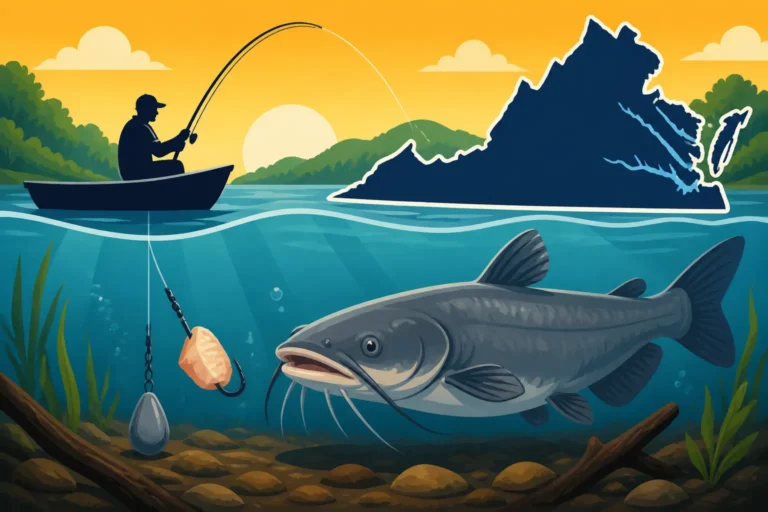
One of the biggest questions I get from fellow anglers, especially those just getting into the wonderful world of whiskered wonders, is "When's the best time to go?" It can be incredibly frustrating to spend hours on the water, only to come up empty-handed because you're fishing at the wrong time or in the wrong place. Well, you're in luck! This comprehensive guide is going to peel back the layers of seasonal catfish behavior in Virginia, helping you understand exactly when and where to drop your line for the best chances of a successful catch.
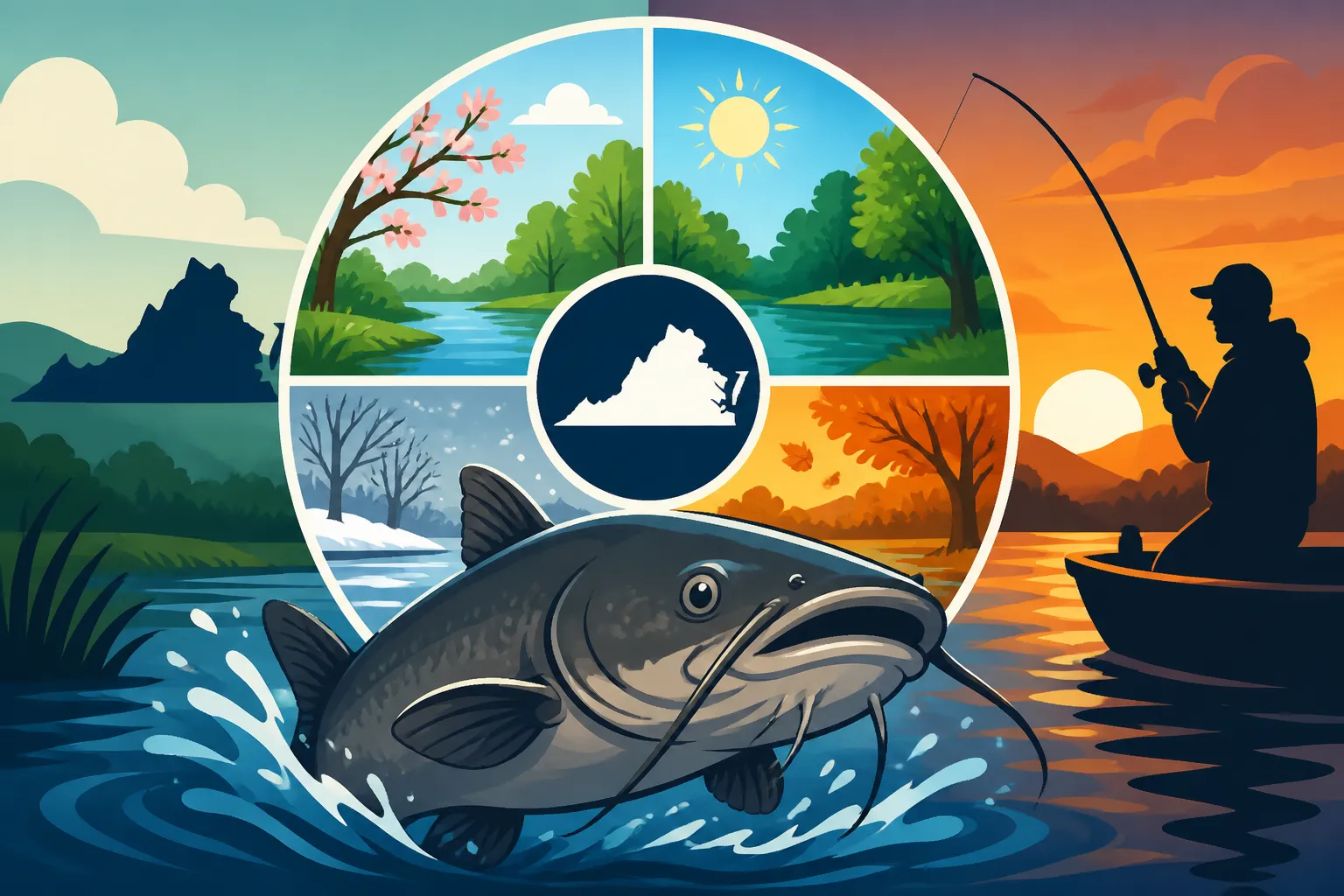
Understanding Catfish Behavior Through the Seasons
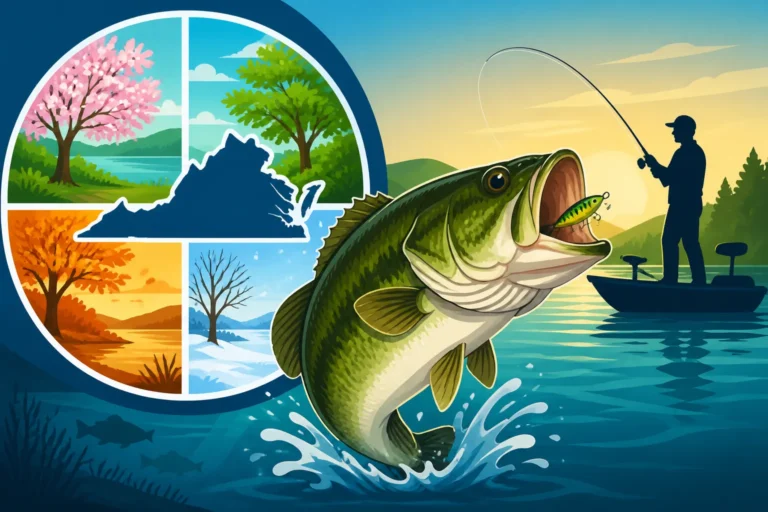
Catfish aren't just lazy bottom-dwellers waiting for a morsel to float by; their activity levels and preferred hangouts shift dramatically with the changing seasons, primarily driven by water temperature and their biological needs like spawning and feeding. By understanding these patterns, you can drastically improve your chances of reeling in a good one.
Spring: The Pre-Spawn Feast
As Virginia’s waters begin to shake off the winter chill and warm up, typically from late March through May, catfish start to become incredibly active. This is the pre-spawn period, and it's one of the absolute best times to target them. They've been relatively lethargic during the cold months, and now their metabolism is kicking into high gear, driving them to gorge themselves in preparation for the upcoming spawn.
You'll find them moving out of their deeper wintering holes and migrating towards shallower flats, creek channels, and the backs of coves where the water warms up fastest. Look for water temperatures climbing into the upper 50s and low 60s Fahrenheit. A good spring rain can often be a blessing, as the runoff washes new food sources into the water, triggering an even more aggressive bite. Think about fishing areas with newly submerged vegetation or structure, as these spots not only hold warmth but also attract baitfish and other small critters that catfish love to eat.
Summer: The Deep Water Hunt and Nighttime Action
When the heat of summer truly sets in, usually from June through August, catfish behavior shifts once again. The shallower waters they loved in spring become too warm and often have lower oxygen levels during the day. This drives them to seek refuge in deeper, cooler parts of the lake or river. Think about main river channels, deep holes, the thermocline (if present in lakes), and areas around bridges or major submerged structures.
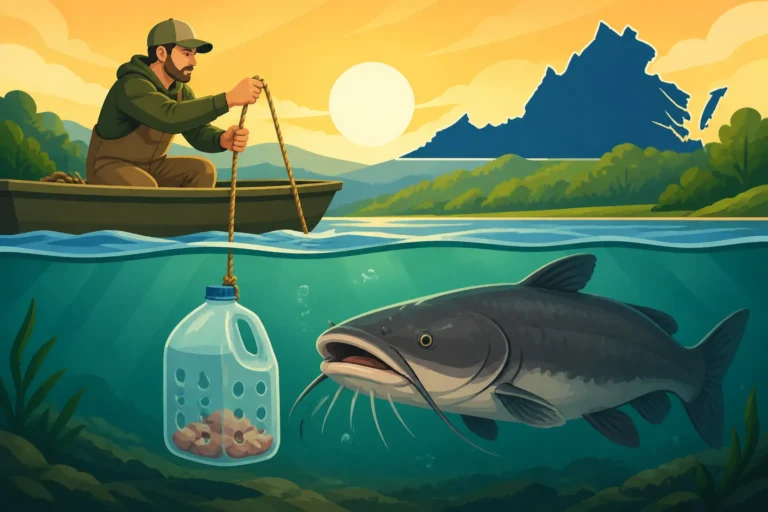
While daytime fishing can still be productive if you find these deeper sanctuaries, summer really shines for night fishing. As the sun sets and the water temperature equalizes a bit, catfish often move into shallower areas to feed under the cover of darkness. This is when you can have some truly epic nights, especially for species like Channel Catfish. Techniques like Jug Fishing for Catfish or setting out trotlines can be incredibly effective during these warmer months, allowing you to cover more water or present multiple baits. Remember to check local regulations for these methods! Amazon has a great selection of durable trotlines and jug fishing gear, including lights and high-visibility floats, if you're looking to gear up.
Fall: Another Feeding Frenzy
Just like in spring, fall offers another fantastic window for catfish action. As the air and water temperatures begin to cool from September through November, catfish sense the approaching winter. This triggers another intense feeding period, as they try to pack on as much weight as possible to survive the leaner, colder months ahead.
You'll often find them transitioning from their summer deep-water haunts back towards shallower flats and channel bends, similar to their spring patterns, but often in slightly deeper water than the spring pre-spawn. They are actively hunting, making them receptive to a wide variety of baits. Fall fishing can be particularly good for larger Flathead and Blue Catfish, as they aggressively chase down live bait. Pay attention to structure and transition zones where different depths meet, as these can be excellent ambush points for hungry catfish.
Winter: The Slow & Steady Bite
While many anglers pack away their catfish gear during the coldest months (December through February), don't write off winter catfishing entirely! It can be challenging, yes, but also incredibly rewarding if you know what to look for. Catfish become much less active, their metabolism slows way down, and they tend to congregate in deep holes, slack water, or areas with current breaks in rivers. They're trying to conserve energy and find stable, slightly warmer water.
The key to winter success is patience and slow, subtle presentations. Don't expect aggressive bites; often, it'll feel like a gentle tug or simply added weight to your line. Use fresh, natural baits presented right on the bottom. Finding those specific deep pockets where they're wintering is crucial. While not a numbers game, winter can sometimes surprise you with some of the biggest fish of the year, as larger catfish often tolerate colder temperatures better and don't expend as much energy.
Prime Catfish Species Seasons in Virginia Waters
Virginia is blessed with several species of catfish, and while their general seasonal patterns align, each has its own subtle preferences and peak times. Knowing your target can really help focus your efforts.
Channel Catfish: Spring and Early Fall Powerhouses
The Channel Catfish is arguably Virginia's most widespread and popular catfish species, found in almost every major lake and river across the state. They are truly the "anywhere" catfish. Their peak activity absolutely shines during the spring pre-spawn period when water temperatures are rising, and again in early fall as waters begin to cool.
In spring, target them in shallower bays, creek mouths, and flats, often in 5-15 feet of water. As summer progresses, they'll retreat to deeper channels and holes during the day, becoming more active in the shallows at night. Come fall, they’ll again spread out to feed on flats and ledges before grouping up for winter. These guys are opportunistic feeders, so prepared stink baits, cut bait, worms, and even hot dogs can be incredibly effective. Rivers like the James and the Rappahannock, and lakes such as Lake Anna and Kerr Lake, offer fantastic Channel Catfishing. When you're trying to tell them apart from other species, remember that Channel Catfish vs Flathead Catfish: Which Fights Harder? is a common question, but Channel Cats have a distinct forked tail.
Flathead Catfish: Summer and Fall Titans
Flathead Catfish are the brawlers of the Virginia catfish world, known for their massive size and a preference for live bait. They are solitary and often associated with heavy structure like log jams, rock piles, and submerged timber in major rivers and large lakes. Their peak activity really kicks off as water temperatures climb in late spring and through the summer, continuing strongly into the fall.
These powerful fish are ambush predators, so presentation is key. Use fresh, live baitfish like sunfish, shad, or carp, presented right in their strike zone. While they can be caught during the day, prime Flathead action often occurs from dusk through the night, especially in summer. Look for them in the deeper sections of rivers like the James and the Roanoke, or in lakes renowned for their big cats, such as Claytor Lake's Big Flathead Catfish or the deeper stretches of Smith Mountain Lake. Catching one of these monsters is a true battle, so gear up appropriately!
Blue Catfish: Year-Round Opportunity, Peak in Cooler Months
Blue Catfish are the true giants of Virginia's waters, holding the state record for size and offering incredible angling opportunities. While you can catch Blue Cats year-round, many experienced anglers agree that the cooler water periods of late fall, winter, and early spring can be absolutely exceptional for targeting trophy-sized fish. During these times, they tend to congregate in deeper main river channels and large holes, often in strong currents.
Blue Cats are primarily piscivorous (fish-eaters) and scavengers, so fresh cut bait is king. Shad, herring, and even smaller catfish make excellent bait. You'll find the most famous Blue Catfish fisheries in Virginia's tidal rivers, especially the James River, the Rappahannock River, and the Potomac River. These rivers are legendary for their abundant and enormous Blue Catfish. Don't underestimate these fish; they can strip line off your reel with incredible power. Many serious Blue Cat anglers swear by heavy-duty gear you can find from robust brands on Amazon, ensuring their rods, reels, and line can handle the fight of a lifetime. If you're wondering, Is Channel Catfish Good to Eat?, the same can be said for Blue Catfish, especially the smaller ones, offering delicious fillets.
Factors Influencing Catfish Success Beyond Season
While knowing the general seasonal patterns is a huge step, successful catfishing involves more than just glancing at a calendar. Several other critical factors can dictate whether your trip is a memorable one or a bust.
Water Temperature and Depth
Water temperature is the single most influential factor in catfish behavior. Like all cold-blooded creatures, their metabolism is directly tied to the water's warmth.
- Warm Water (65-85°F): This is prime feeding territory for most catfish species. They're active, their digestion is fast, and they'll move more to find food. During summer, they'll seek cooler, deeper water during the day, moving shallower at night.
- Moderate Water (55-65°F): Excellent for spring and fall fishing. Catfish are actively feeding and moving, especially in the pre-spawn and pre-winter fattening phases. They're often found in a wider range of depths, from shallow flats to channel edges.
- Cold Water (Below 55°F): Catfish become sluggish. They group up in deep holes, slow current areas, or thermoclines (if present) where the water temperature is most stable. Bites will be subtle, and they'll be less willing to chase.
Understanding these temperature zones helps you determine the appropriate depth to target. If the shallows are boiling hot, go deep. If the deep water is icy, look for the slightly warmer pockets.
Weather Patterns and Barometric Pressure
Catfish, like many fish, are sensitive to changes in weather.
- Stable Weather: Generally, consistent weather patterns with steady temperatures and barometric pressure lead to more predictable and often more active feeding.
- Cold Fronts: A sharp drop in temperature and rising barometric pressure (often associated with cold fronts) can really shut down the bite. Fish become lethargic and cling to the bottom. It usually takes a day or two for them to adjust and start feeding again.
- Rain and Runoff: Light rain can sometimes improve fishing, especially for Channel Catfish, as it washes food into the water and can stir up bait. However, heavy, muddy runoff can temporarily scatter fish and make finding them difficult until the water clears somewhat.
- Barometric Pressure: A falling barometer (indicating an approaching storm) often signifies increased fish activity, as fish sense the change and may feed more aggressively before the weather hits. A rising or steady barometer tends to mean stable, but not necessarily aggressive, feeding.
Bait and Presentation
Having the right bait and presenting it effectively is paramount, regardless of the season. Catfish are primarily scent-oriented, so fresh, strong-smelling baits are often best.
- Live Bait: Essential for Flatheads, and effective for larger Blue Cats and Channel Cats. Minnows, shad, sunfish, and even small panfish work well.
- Cut Bait: A go-to for Blue Cats and Channel Cats. Fresh chunks of shad, herring, carp, or even chicken liver. The oils and scent trail it leaves are irresistible. Learning How to Rig Cut Bait for Catfish properly ensures your bait stays on the hook and presents naturally.
- Prepared Baits: Stink baits, punch baits, and dip baits are very popular for Channel Catfish, especially in warmer water. These are designed to maximize scent.
- Worms: Nightcrawlers or red worms can catch smaller Channel Catfish and panfish, and sometimes a bigger cat will take them too.
Your presentation should match the conditions. In colder water, a static bait presented right on the bottom with minimal movement is best. In warmer, more active periods, you might try a slow retrieve or drift fishing. For deep channels, using a heavy sinker to get your bait to the bottom is crucial; a selection of different weight sinkers is always handy.
Practical Tips for Maximizing Your Catfish Haul
Beyond the theoretical understanding of catfish behavior, a few practical tips can really make a difference on your next trip to the waters of Virginia.
Gear Up for Success
You don't need a fortune to get into catfishing, but having the right tools for the job certainly helps. Catfish are strong, especially the larger Flatheads and Blue Cats, so your gear needs to be robust.
- Rods: Medium-heavy to heavy action rods are ideal. They need enough backbone to handle a powerful fish and enough sensitivity to detect subtle bites. For trophy hunting, dedicated catfish rods are a great investment.
- Reels: Durable baitcasting or spinning reels with a smooth, strong drag system are essential. Ensure they can hold plenty of heavy mono or braided line.
- Line: Opt for heavier line than you might use for bass or crappie. 15-30 lb monofilament is common for Channel Cats, while 40-80 lb braided line is preferred for big Flatheads and Blue Cats, especially around heavy cover.
- Terminal Tackle: You'll need sturdy hooks (circle hooks are excellent for preventing gut-hooking and are often required), heavy sinkers to hold bait on the bottom (pyramid, no-roll, or flat weights), and strong swivels to prevent line twist. Checking online retailers like Amazon can be a great way to find reliable gear and bulk tackle at competitive prices, ensuring you're stocked up for various conditions. For solid advice on setting up your rig, look into How to Bottom Fish for Catfish.
Location, Location, Location
Just like in real estate, finding the right fishing spot is paramount. Catfish are creatures of habit and will gravitate towards certain types of structure and depth depending on the season and water conditions.
- Rivers: In rivers, focus on deeper holes, outside bends where currents create scour lines, confluence points where two rivers meet, and areas with submerged timber or rock piles. Dams and spillways can also be hotspots, as they concentrate baitfish.
- Lakes: Look for channel drop-offs, humps, ledges, submerged islands, standing timber, and creek mouths. During the day in summer, they'll be deep. At night, they’ll cruise shallower flats and points. Best Catfish Fishing Spots in Virginia will give you some excellent starting points, whether you're targeting Smith Mountain Lake's Channel and Flathead Catfish Fishery or elsewhere.
- Current: Catfish often prefer areas with some current, as it brings food to them and helps with oxygenation, but they'll also utilize current breaks to rest and ambush prey.
Don't be afraid to move if a spot isn't producing. Sometimes, a slight change in depth or a move to another bank can make all the difference.
Patience and Persistence
Catfishing isn't always about fast-paced action, especially when targeting larger, more elusive specimens or fishing in tougher conditions like winter.
- Be Patient: Catfish sometimes take their time to find and commit to a bait. Give your spots time to produce before moving on. For methods like How to Set Up a Catfish Trotline, you often set it and check it later, embodying the ultimate patience.
- Observe: Pay attention to any signs of fish activity – ripples, jumping baitfish, or even subtle changes in your line. Look at the water conditions; is the current strong or slack? Is the water muddy or clear?
- Experiment: If one bait isn't working, try another. If you're not getting bites at one depth, try deeper or shallower. Sometimes, a slight adjustment can be the key. For example, if you're trying to figure out Best Bait for Catfish in Summer, you might have to test a few options.
Ultimately, the "best time of year to catch catfish" is often when you're out there fishing, but armed with this knowledge, you can make those trips far more productive and enjoyable.
| Season | Catfish Activity | Species Focus | Best Strategy | Key Locations |
|---|---|---|---|---|
| Spring | High activity, pre-spawn feeding. Metabolism increasing. | Channel, Blue, Flathead (beginning) | Target shallow flats, creek mouths, warmed areas. Fresh bait on bottom. | Shallow flats, channel edges, coves, tributary mouths. |
| Summer | Active, but seek deeper, cooler water during the day. | Channel, Flathead, Blue | Night fishing in shallows; deep holes/channels during day. Live/cut bait. | Deep main channels, submerged structure, river bends, night-time shallows. |
| Fall | High activity, post-summer feeding frenzy for winter. | Blue, Flathead, Channel | Target structure, channel edges. Active hunting. Live/cut bait. | Transition zones, ledges, structure, main river channels, deeper flats. |
| Winter | Low activity, concentrated in deep, stable water. | Blue, Channel, Flathead (less common but large) | Slow, subtle presentations. Target deep holes, current breaks. | Deep holes, slow current areas, power plant discharges, stable deep water. |
Disclaimer
This article is for general informational purposes only and does not constitute professional advice. Laws, prices and regulations vary by location and change over time. Consult a qualified professional for guidance on your specific situation.