How to Jug Fish for Catfish
There's a special kind of peace that comes with being out on Virginia's waters, whether it's a quiet lake or a slow-moving river, with the anticipation of a good catch. But sometimes, especially when you're targeting those big, bottom-dwelling catfish, traditional rod-and-reel methods can feel like a waiting game that never ends. If you've been yearning for a more hands-off, yet incredibly effective, way to fill your cooler with whiskered giants, then jug fishing for catfish is an approach you absolutely need to master. This comprehensive guide will walk you through everything you need to know about setting up, deploying, and successfully retrieving jugs to catch catfish in Virginia, ensuring you understand both the technique and the crucial regulations that keep it a legal and enjoyable pursuit.
Understanding Jug Fishing for Catfish in Virginia
Jug fishing isn't just a quirky method; it's a time-honored tradition for many anglers, especially when it comes to pursuing catfish. There's a certain genius in its simplicity, allowing you to cover more water and let the fish come to you, rather than constantly casting and retrieving.
What Exactly is Jug Fishing?
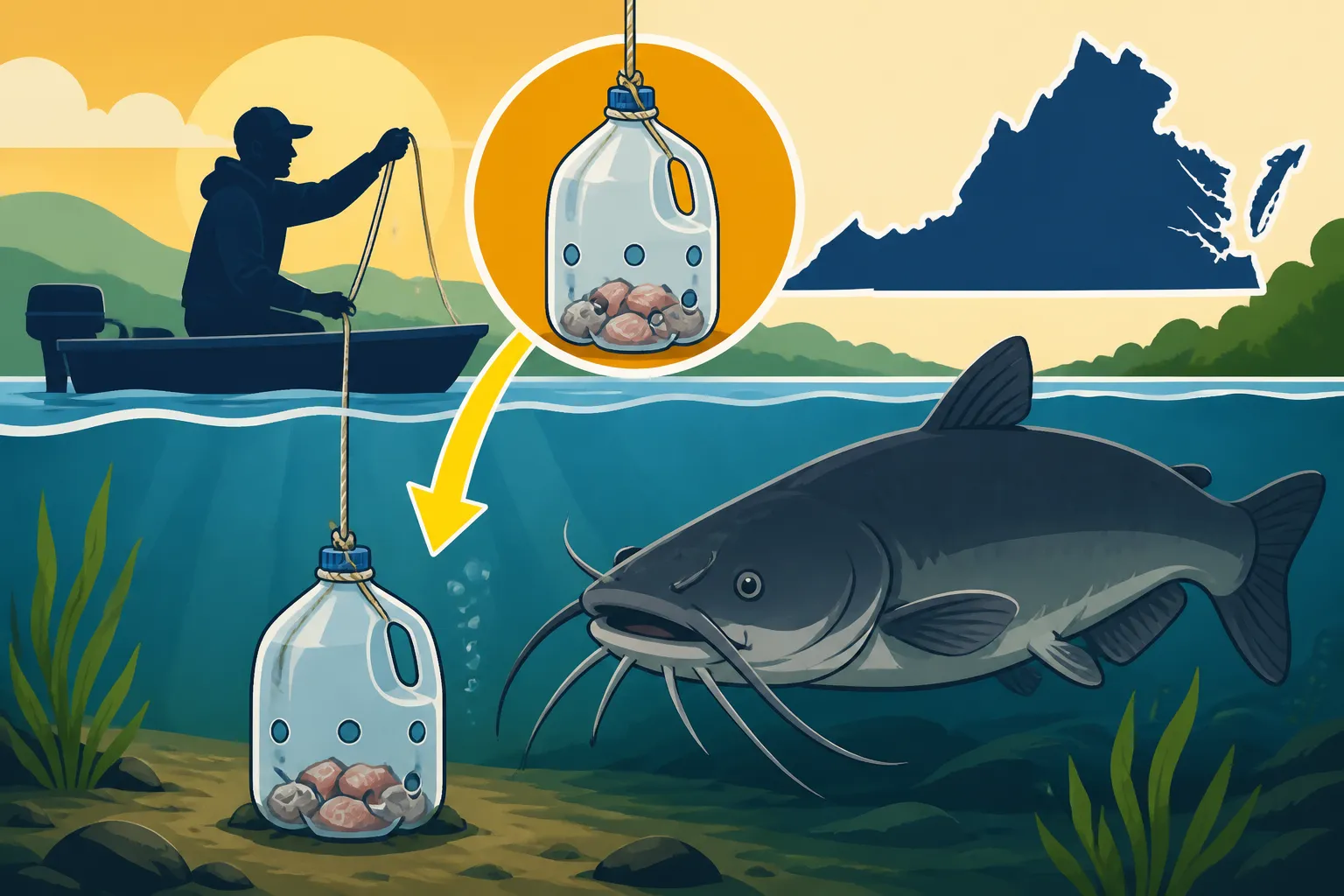
At its core, jug fishing involves attaching baited lines to floating devices – often literal plastic jugs, but increasingly purpose-built floats – and setting them adrift. These "jugs" act as individual, unattended fishing lines. When a catfish takes the bait, the jug starts to move, dip, or even go completely under, signaling a strike. It’s a fantastic method for covering vast areas, particularly in larger lakes or slow-moving rivers where catfish are known to roam the bottom in search of food.
The real beauty of jug fishing for catfish lies in its passive nature. Instead of standing there holding a rod for hours, you can deploy multiple jugs and then monitor them, allowing you to engage in other activities, or simply enjoy the scenery. Many anglers find it incredibly effective for species like channel catfish and flathead catfish, which are often found in deeper waters or along current breaks. It allows you to effectively present bait at various depths simultaneously, increasing your chances of finding where the fish are holding on a given day. Plus, there's a unique thrill in spotting a bobbing jug suddenly take off across the water!
Virginia's Regulations on Jug Fishing
Before you even think about rigging your first jug, it is absolutely paramount to understand and adhere to Virginia's fishing regulations. Jug fishing, like trotlining, is considered an "unattended fishing device" by the Virginia Department of Wildlife Resources (DWR), and as such, it comes with specific rules. Ignoring these can lead to hefty fines and the loss of your gear, making a fun day quickly turn sour.
First and foremost, you'll need a valid Virginia fishing license. If you're a resident, you'll want to check the requirements for a Virginia Fishing License Guide, and for non-residents, there are specific licenses too. You can't just throw out jugs willy-nilly; Virginia has a strict limit on the number of jugs an individual can deploy. Always check the current Virginia Fishing Regulations Explained on the DWR website or in their annual regulations digest, but typically, there are limitations on the number of hooks per line and the total number of jugs per person. For example, some regulations might state a limit of 50 hooks total on all unattended devices combined, with jugs counting towards this total.
Secondly, every single jug you use must be clearly marked with your name and address or your DWR customer ID number. This is crucial for identification purposes and helps game wardens enforce the rules and return lost gear if possible. Imagine the frustration of having your carefully prepared jugs confiscated because they weren't marked! Thirdly, there are often specific time frames during which jugs must be attended. While "unattended" is part of the charm, it doesn't mean you can leave them out for days. You're usually required to check your jugs at least once every 24 hours. Certain waters might also have specific restrictions or prohibitions on jug fishing, so always double-check the local rules for your chosen fishing spot. Don't be that angler caught with Penalties for Fishing Without a License in Virginia or for using illegal gear.
Essential Gear for Successful Catfish Jug Fishing
Having the right equipment is key to not only catching catfish but doing so efficiently and safely. Jug fishing, while simple in concept, benefits greatly from thoughtful gear selection.
Choosing the Right Jugs and Lines
The "jugs" themselves are where the creativity often comes in. While the classic plastic milk jug certainly works, many anglers opt for more durable and purpose-built alternatives.
- PVC Pipe Floats: These are fantastic because they're extremely durable, can be cut to various lengths to suit different needs, and are easy to paint for visibility. A 2-foot section of 2-inch diameter PVC, capped on both ends, makes for an excellent float.
- Pool Noodles: Simple, cheap, and effective. You can cut sections of pool noodle and thread your line through the center, or attach it with heavy-duty zip ties. They offer good buoyancy and are easy to spot.
- Commercially Made Jugs: Many fishing tackle manufacturers now offer purpose-designed jug fishing floats. These are often weighted at one end to stand upright and can be highly visible, sometimes even featuring reflective tape for night fishing. You can find a good variety of these on Amazon if you prefer a ready-made solution.
When it comes to the line, strength is paramount. Catfish, especially flatheads, can be incredibly powerful fighters. You'll want a heavy-duty monofilament or braided line that can withstand significant abuse.
- Line Strength: Aim for at least 50-80 lb test line, especially if you're targeting larger catfish. This prevents break-offs and gives you the confidence to wrestle a big fish.
- Line Length: The length of your line depends on the water depth you'll be fishing. A good rule of thumb is to have enough line to reach the bottom plus a few feet of slack, ensuring your bait is where the catfish are. If you're fishing in 15 feet of water, a 20-foot line might be a good starting point.
- Hooks: Circle hooks are highly recommended for jug fishing. They are designed to hook fish in the corner of the mouth, reducing gut-hooking and making for easier, safer release of unwanted fish. Sizes 5/0 to 9/0 are common, depending on the size of catfish you're after.
Selecting the Best Baits for Virginia Catfish
The right bait can make or break a jug fishing trip. Catfish are generally not picky eaters, but certain baits consistently outperform others, especially for specific species and in different water conditions.
- Cut Bait: This is a classic for a reason. Freshly cut pieces of oily fish like shad, herring, or even bluegill work wonders. The scent trail they leave in the water is irresistible to catfish. For larger flatheads, a big chunk of fresh cut bait is often the ticket.
- Chicken Livers: Another time-tested favorite. They're incredibly smelly and have a texture that catfish seem to love. The downside is they can be quite soft and prone to coming off the hook, but their effectiveness is undeniable. You might want to consider tying them onto the hook with a bit of thread to keep them secure.
- Live Bait: For trophy flatheads, live bluegill, sunfish, or even small carp are often the preferred bait. Flatheads are predatory and prefer live prey. Ensure you check regulations regarding the use of live bait, as some areas may have restrictions.
- Worms: While perhaps more commonly associated with panfish, a large wad of nightcrawlers can attract channel catfish, especially in smaller lakes and ponds.
- Prepared "Stink" Baits: There's a huge market for commercially prepared catfish baits, often designed to be highly odorous. While some anglers swear by them, many prefer natural options. These often work well for smaller channel catfish.
Your bait choice can also depend on the specific catfish species you're targeting. For instance, Channel Catfish vs Flathead Catfish: How Virginia Anglers Tell Them Apart means understanding their feeding preferences. Channel catfish are more omnivorous scavengers, while flatheads are true predators. Always consider the local forage base as well; using bait that mimics what the local catfish are already eating can be a game-changer. For advice on specific conditions, check out our guide on the Best Bait for Catfish in Summer.
Ancillary Equipment You'll Need
Beyond the jugs and bait, a few other items are non-negotiable for a safe and successful jug fishing expedition.
- A Boat: Unless you're fishing a very small pond or a narrow, slow-moving creek, a boat is essential for deploying and retrieving jugs. This can be anything from a jon boat to a kayak, as long as it's stable and allows you to move freely.
- Lights (for night fishing): Catfish are often most active at night. If you plan to jug fish after dark, you absolutely need navigation lights for your boat, and a good headlamp or spotlight to help you spot your jugs and handle fish. Safety first, always.
- Landing Net or Gaff: Once you've got a big catfish on the line, you'll need a way to safely bring it into the boat. A large, sturdy landing net is ideal, especially for channel catfish. For really big flatheads, a gaff might be necessary, but use it with caution and only if you intend to keep the fish.
- Measuring Tape and Scale: To comply with any size limits and to brag about your catch, a measuring tape and a portable scale are invaluable.
- Cooler and Ice: Catfish taste best when properly handled. Get them on ice quickly to preserve their flavor.
- Pliers and Dehooking Tool: Circle hooks often mean fish are hooked well, but you'll still need tools to safely remove hooks, especially from toothy flatheads.
- Gloves: Catfish spines are no joke. A good pair of heavy-duty gloves can prevent painful pokes.
- Tackle Box: A small box with extra hooks, swivels, weights, and maybe some reflective tape for your jugs is always a good idea. Many useful tackle accessories can be found on Amazon.
Step-by-Step Guide to Jug Fishing for Catfish
Now that you have your gear ready, let's walk through the process of setting up and deploying your jug lines.
Preparing Your Jug Lines
The rigging of your jug line is crucial for effective bait presentation and ensuring you can land a strong fish.
- Attach the Line to the Jug: Securely fasten your heavy-duty fishing line to your chosen jug. This usually involves drilling a hole and tying a robust knot, or using heavy-duty zip ties for pool noodles. Ensure the knot is strong and won't slip under pressure.
- Add Your Weight: About 1 to 2 feet above your hook, you'll need to attach a weight. The size of the weight depends on the current and depth you're fishing. You want enough weight to keep your bait near the bottom without anchoring the jug entirely. A 1-3 oz egg sinker or pyramid sinker often works well. Use a swivel above the weight to prevent line twist.
- Tie on Your Hook: At the very end of your line, tie on your circle hook. A Palomar knot or improved clinch knot are good, strong choices. Ensure your hook is sharp! Some anglers use a short, stout leader (12-18 inches) of slightly lighter line between the weight and the hook, which can be easily replaced if frayed.
- Set Your Depth: Determine the depth you want to fish at. Catfish typically feed near the bottom. Coil your line and secure it to the jug with a simple loop or a small clip, allowing you to easily adjust the length when you deploy. If you're fishing in 20 feet of water, for instance, you'd uncoil about 20-22 feet of line before baiting.
Deployment Strategies and Location Tips
Where you drop your jugs is just as important as how you rig them. Think like a catfish!
Catfish love structure, current breaks, and deep holes. In lakes, look for:
- Channel Edges: The drop-offs along old creek or river channels are prime catfish highways.
- Humps and Bumps: Underwater high spots near deeper water often hold fish.
- Submerged Timber and Brush Piles: These provide cover and ambush points. Many of the Best Catfish Holes on Lake Anna, Virginia are associated with such structure.
- Dam Areas: Below dams or near spillways, the turbulent water and increased oxygen can attract catfish.
In rivers, focus on:
- Current Seams: Where fast water meets slower water, catfish will often sit in the calmer water, waiting for food to drift by.
- Deep Holes: Pockets of deeper water in bends or scour holes are classic catfish haunts.
- Log Jams and Fallen Trees: These offer excellent cover. Our guide to Best Catfish Fishing Spots in Virginia provides a great overview of various locations.
When deploying, motor upwind or upcurrent from your target area and gently drop your baited jugs one by one, spacing them out to cover a wider area. Pay attention to how the current or wind affects their drift. Don't crowd them too much, as you want to avoid tangles. You can spread them out in a fan pattern or in a straight line, depending on the area.
Monitoring, Retrieval, and Safety
Once your jugs are deployed, the waiting game begins. But it's not a "set it and forget it" operation.
- Monitoring: Keep a constant eye on your jugs. A slight wobble might just be the current, but a steady pull or a jug disappearing below the surface signals a fish. At night, this becomes more challenging, which is why reflective tape and powerful spotlights are essential.
- Retrieval: When a jug goes down, motor over to it cautiously. Approach slowly to avoid spooking the fish or getting lines tangled in your propeller. Once you reach the jug, carefully pull in the line. This is where those heavy gloves come in handy! When you bring the catfish to the boat, use your landing net or gaff to secure it. Handle catfish carefully to avoid their sharp spines.
- Safety First: Always wear a life jacket, especially if you're alone or fishing at night. Let someone know your plans and expected return time. Be mindful of other boaters and anglers. Ensure your boat's navigation lights are functioning if fishing after dark. Never operate your boat under the influence of alcohol. It’s important to understand how to handle both the fish and your equipment safely.
Remember to retrieve all your jugs at the end of your fishing trip. Leaving unattended fishing gear can be considered littering or a violation of DWR regulations.
Maximizing Your Catfish Jug Fishing Success
Jug fishing is a skill, and like any skill, it improves with practice and understanding. A few extra tips can really boost your success rate.
Understanding Catfish Behavior
Catfish aren't random; they follow patterns. Learning these patterns will put more fish on your line.
- Time of Day: Catfish are often most active during low-light conditions – dawn, dusk, and especially at night. Their keen sense of smell and barbels (whiskers) help them navigate and find food in the dark. If you're serious about targeting larger catfish, consider exploring How to Catch Catfish at Night.
- Water Temperature: Catfish are warm-water species. They become more active as water temperatures rise, typically from late spring through early fall. During colder months, they tend to move into deeper, more stable water and become less active.
- Structure and Cover: As mentioned, catfish are drawn to structure: submerged trees, rock piles, channel edges, and drop-offs. These areas offer both food and protection. Don't be afraid to experiment with different depths around these structures.
- Current: In rivers, current is key. Catfish will often position themselves just out of the main flow, in current seams or eddies, allowing food to be brought to them with minimal effort.
Tips for Different Virginia Waters
Virginia offers a diverse range of waterways, and adapting your jug fishing strategy to the specific environment is crucial.
- Lakes (e.g., Lake Anna, Claytor Lake, Kerr Lake): In large reservoirs like Lake Anna or Kerr Lake Fishing Guide for Beginners, you'll often find catfish in deeper main lake channels, especially along old river beds or near submerged timber. Use your boat's fish finder to locate schools of baitfish or deep structure. Consider using longer lines to reach the bottom in deep areas. Spreading your jugs wider can help cover more ground.
- Rivers (e.g., James River, Rappahannock River, Potomac River): Rivers present unique challenges due to current. You'll need heavier weights to keep your bait down, and you'll want to deploy your jugs in areas where the current will carry them into productive zones without them drifting too quickly out of reach. Focus on inside bends, scour holes, and slack water areas behind obstacles. Be very mindful of marking your jugs clearly and retrieving them promptly to prevent them from drifting downstream and becoming lost. Our guide on How to Bottom Fish for Catfish also provides great insights applicable to river fishing.
- Tidal Waters: In the tidal sections of rivers like the James or Rappahannock, the tide will significantly impact current. Plan your deployment around slack tide or the beginning of a slow moving tide, letting the current spread your jugs naturally.
Common Mistakes to Avoid
Even experienced anglers can make mistakes. Here are some common jug fishing pitfalls to steer clear of:
- Ignoring Regulations: This is the biggest one. Not marking your jugs, using too many, or leaving them unattended for too long can get you in serious trouble. Always review the DWR regulations before each trip.
- Using Too Light Line: A big flathead can snap a light line like thread. Don't skimp on line strength. It’s better to be over-gunned than under-gunned.
- Incorrect Bait Presentation: Make sure your bait is properly secured and at the right depth. If your bait is floating too high, or constantly washing off, you won't catch fish.
- Not Covering Enough Water (or Too Much): Jug fishing is about covering water, but don't spread your jugs so far apart that you can't effectively monitor them. Conversely, don't clump them all together in one spot.
- Leaving Jugs Unattended Too Long: Besides being illegal, it's also irresponsible. You risk fish swallowing hooks too deeply, or your jugs drifting into navigation channels. Regularly check your jugs, especially during peak feeding times.
- Forgetting Safety Gear: Night fishing on the water, especially in unfamiliar territory, carries inherent risks. Always have working lights, a first-aid kit, and life jackets.
- Not Considering the Species: If you're using stink bait and hoping for a trophy flathead, you might be disappointed. Tailor your bait and hook size to the catfish species you're targeting.
Jug fishing for catfish in Virginia offers a unique and often highly productive way to enjoy the state's fantastic fisheries. By understanding the regulations, equipping yourself with the right gear, and applying smart strategies, you can enjoy the thrill of watching those jugs dance across the water, leading you to your next great catch. And trust me, there's nothing quite like pulling in a big, fat catfish on a jug line you rigged yourself. Enjoy the process, respect the fish, and happy fishing! Don't forget, if you're wondering Is Channel Catfish Good to Eat?, the answer is a resounding YES, especially when handled well.
Disclaimer
This article is for general informational purposes only and does not constitute professional advice. Laws, prices and regulations vary by location and change over time. Consult a qualified professional for guidance on your specific situation.