Virginia Fishing Seasons Explained
Navigating the ever-changing waters of Virginia's fishing scene can feel like a riddle, especially when you're trying to figure out the absolute best time to catch your target species. Many anglers get frustrated wondering if they've missed the boat, or if a particular season is truly "over" for their favorite fish. This comprehensive guide is here to untangle that confusion, breaking down the rhythms of Virginia's diverse fishing seasons so you can plan your next outing with confidence and maximize your chances of a great catch.
Understanding Virginia's Diverse Fishing Landscape
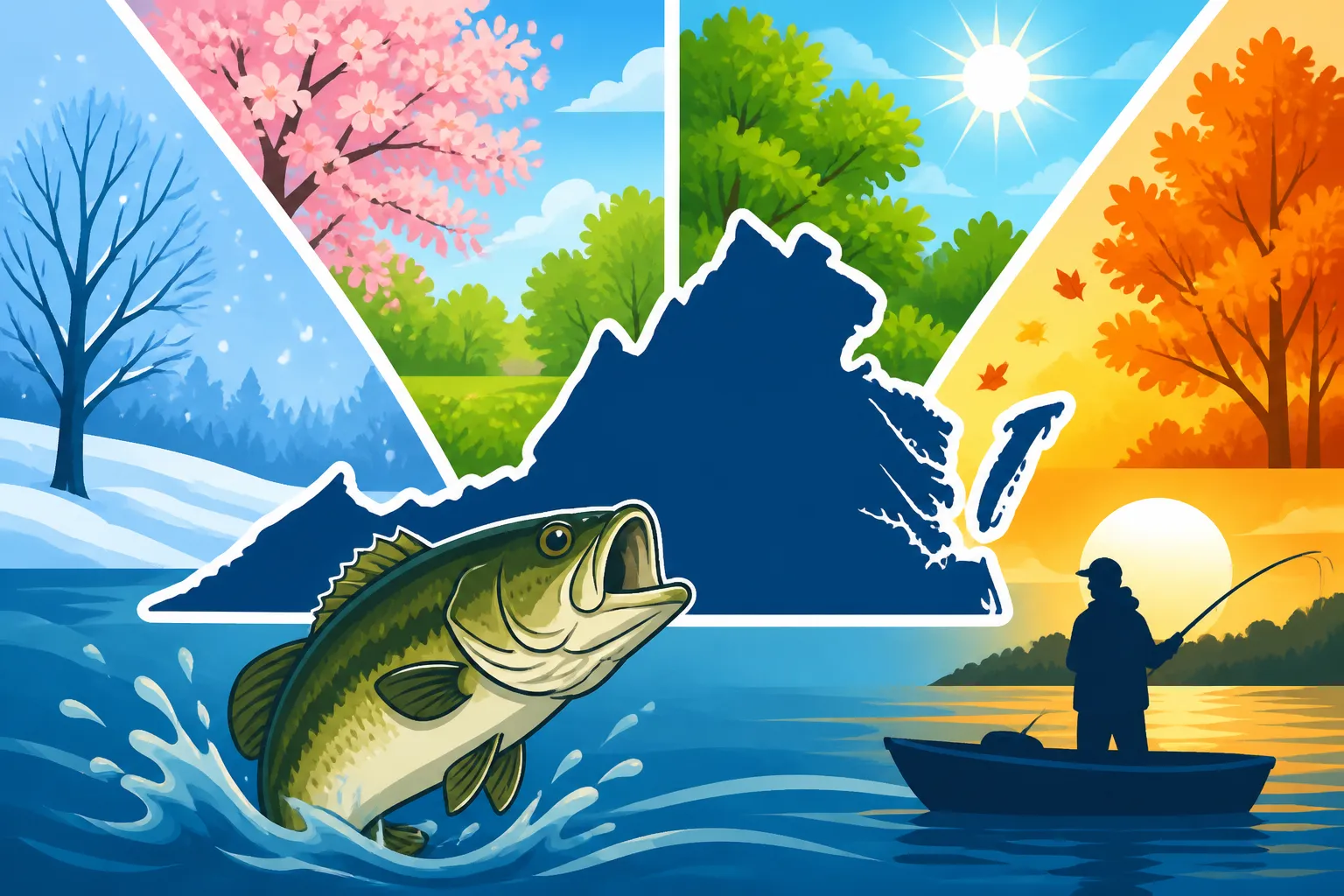
Virginia is an angler's dream, but it's also a wonderfully complex place when it comes to fishing seasons. You see, we're not just a single body of water; we've got everything from the rugged Appalachian mountains with their cold, clear trout streams to the vast tidal rivers that feed into the immense Chesapeake Bay, and, of course, the Atlantic Ocean itself. This incredible geographical diversity means that "Virginia fishing season" isn't a single concept – it's a tapestry woven with countless threads, each representing a different species, habitat, and time of year. Trying to keep it all straight can feel like a full-time job, but understanding these fundamental differences is your first step to unlocking year-round success.
Freshwater Versus Saltwater Nuances
The most significant distinction in Virginia's fishing seasons truly boils down to whether you're chasing freshwater or saltwater species. These two worlds operate on completely different biological clocks and are governed by distinct environmental factors. Freshwater fish, like bass, crappie, and many trout species, are highly influenced by inland air temperatures, rainfall, and the specific cycles of lakes and rivers. Their spawning patterns, feeding habits, and migratory movements are often tied to the warming and cooling of these contained bodies of water. For example, the spring bass spawn on a large reservoir like Smith Mountain Lake will dictate fishing patterns for weeks.
On the other hand, saltwater species, affectionately known as "rockfish" (striped bass) in our neck of the woods, along with flounder, drum, and tautog, are largely driven by oceanic currents, larger migratory patterns, and the broader temperature swings of the Atlantic and the Chesapeake Bay. Many of these fish undertake extensive migrations up and down the coast, only passing through or residing in Virginia waters for specific periods. This means that even if the weather feels perfect inland, the ocean's patterns might be telling a completely different story for your favorite saltwater quarry. It's a delicate balance, and often, what's hot in freshwater might be cooling off in the salt, and vice-versa.
Regional Climate Impacts
Beyond the freshwater and saltwater divide, Virginia's sheer size and varied topography also play a huge role in how fishing seasons unfold regionally. Think about it: the climate in the mountainous southwest, where you'll find pristine wild trout streams, is vastly different from the coastal plain and tidewater region, which experiences milder winters and hotter, more humid summers. These regional climate variations directly influence water temperatures, which in turn dictate when fish become active, when they spawn, and when they're most likely to bite.
For instance, trout streams in the higher elevations might remain cold enough for active trout fishing well into what feels like early summer in other parts of the state, while bass in the southern lakes are already deep and lethargic from the heat. Conversely, coastal areas might see early spring runs of striped bass or red drum as oceanic waters warm just enough, while inland rivers are still thawing out. Understanding these localized climate impacts is crucial. It’s why checking local fishing reports for specific regions – whether it's the Shenandoah Valley or the Eastern Shore – is always a good idea. What works in one part of the state at a given time might be completely ineffective just a few hours' drive away. It's a testament to the richness of Virginia's fisheries, but it certainly keeps us anglers on our toes!
Spring Fishing: A Burst of Activity
Ah, spring! There's something truly magical about the air getting crisp again, the trees budding, and the promise of new life, both on land and under the water. For anglers, spring isn't just a season; it's a renaissance. After the slower pace of winter, the warming waters across Virginia signal an explosion of feeding activity as fish shake off their cold-weather lethargy and prepare for their annual spawn. This is a prime time to be on the water, but knowing when and where to focus your efforts can make all the difference between a memorable day and a frustrating one. The beauty of spring fishing in Virginia is its sheer variety, offering opportunities for almost every type of angler.
Largemouth and Smallmouth Bass Pre-Spawn and Spawn
Spring is, without a doubt, bass anglers' favorite time of year. As water temperatures begin to climb from the low 50s into the 60s Fahrenheit, both largemouth and smallmouth bass move from their deeper winter haunts to shallower waters, seeking out suitable spawning grounds. This period is often split into two distinct phases: pre-spawn and the spawn itself.
During pre-spawn, typically from late March through April, bass are incredibly active, feeding aggressively to build up energy reserves for the upcoming spawn. They're often found staging near primary and secondary points, creek channel swings, and other transition areas that offer quick access to both deep water and shallow spawning flats. This is when power fishing techniques like lipless crankbaits, spinnerbaits, and jerkbaits can be incredibly effective as bass gorge themselves. Once water temperatures consistently hit the mid-60s, usually from late April into May, the actual spawn kicks off. Largemouth will move into protected coves, over submerged vegetation, and around docks, while smallmouth prefer rocky banks, points, and gravel beds in rivers and larger lakes. During the spawn, sight fishing for bass on beds can be thrilling, often requiring slower presentations with soft plastics like Texas-rigged worms or jigs. Remember, catch and release is highly encouraged during this sensitive time to protect future generations of these prized game fish. For tips on how to catch them all year, check out our guide on How to Catch Largemouth Bass Year-Round.
Crappie and Panfish Awakening
It's not just bass that get the spring fever; crappie and other panfish like bluegill and shellcrackers also become incredibly active. These species are often among the first to move shallow as water temperatures rise, making them fantastic targets for anglers looking for steady action and delicious table fare.
Crappie, both black and white, will start their pre-spawn movements in March and April when water temperatures are in the upper 50s. They'll congregate around brush piles, submerged timber, bridge pilings, and dock structures in depths of 5-15 feet before moving shallower to spawn in late April and May when water hits the low 60s. During this time, they'll be found in just a few feet of water, making them accessible to bank anglers and boaters alike. Small jigs, minnows under a bobber, or even tiny crankbaits are deadly. Similarly, bluegill, redear sunfish (shellcrackers), and other panfish species begin to spawn a little later, typically from May into June, once water temperatures are firmly in the upper 60s. They create "beds" – circular depressions – in shallow, sandy, or gravely areas. A simple worm under a bobber, or small cricket, is often all it takes to fill a cooler with these feisty fighters. Virginia's larger lakes like Lake Anna and Smith Mountain Lake are prime spots for crappie, while almost any pond or slow-moving creek will hold a healthy population of panfish. For more ideas, take a look at our Crappie Fishing Techniques for Beginners article.
Trout Season Opening and Stocking
For trout enthusiasts, spring in Virginia means one thing: stocked trout season is in full swing! While our wild trout streams have their own rhythms, the Virginia Department of Wildlife Resources (DWR) actively stocks many rivers, streams, and even some small lakes from October through mid-June, ensuring ample opportunities for anglers. The spring stocking schedule, usually from March through May, is particularly prolific, making this an ideal time for families and beginners to experience the thrill of trout fishing.
Anglers targeting stocked trout will find rainbow, brown, and brook trout readily available in designated stocked trout waters. The key is to keep an eye on the DWR's stocking schedule, often available online, to hit a stream shortly after a fresh batch of fish has been released. PowerBait, corn, worms, and small spinners (like Rooster Tails or Mepps) are incredibly effective baits and lures for these eager eaters. Fly anglers will also find success matching the hatch, especially as aquatic insects become more active. If you're heading to the mountains, be sure to understand the specific rules for Wild Trout Stream Rules in Virginia as they often differ from stocked waters. Remember, a valid Virginia fishing license with a trout stamp is typically required for fishing in stocked trout waters. You can learn more in our Virginia Stocked Trout Season Guide.
Early Saltwater Opportunities
While many think of summer for saltwater, Virginia's coastal waters and the Chesapeake Bay offer some exciting early spring opportunities that dedicated anglers eagerly anticipate. As the ocean and bay temperatures slowly creep up, certain migratory species make their first appearances.
The spring striped bass (rockfish) run in the Chesapeake Bay and its tributaries is a major highlight, typically kicking off in April and May. These are often larger, migrating fish moving into the Bay to spawn. Regulations during this period can be very specific, often with specific seasons and slot limits designed to protect the spawning fish. It's crucial to consult the Virginia Striped Bass Season and Slot Limit Guide before heading out, as rules can change annually. Light tackle jigging, live bait, or trolling are popular methods. Beyond stripers, early spring can also see the arrival of schooling red drum on the Eastern Shore flats, particularly around the inlets, offering a fantastic sight-fishing challenge. Additionally, as nearshore waters warm, anglers might start to pick up early flounder in the bay and coastal inlets, though the bite usually isn't in full swing until later in the spring. Early season can also offer a chance at black drum in the lower Bay and ocean surf, often caught on bottom rigs with clam or crab bait. For those keen to try, ensure you have your Virginia Fishing License Guide in order, as regulations vary between freshwater and saltwater.
| Species | Peak Spring Months | Typical Location | Common Baits/Lures | Notes |
|---|---|---|---|---|
| Largemouth Bass | April – May | Shallow coves, docks, weedlines | Jigs, plastic worms, crankbaits | Pre-spawn feeding frenzy, then spawning in shallows |
| Smallmouth Bass | April – May | Rocky rivers, lake points | Crankbaits, tubes, swimbaits | Similar to largemouth, favoring rocky areas |
| Crappie | March – May | Brush piles, docks, submerged timber | Minnows, small jigs, tiny spinners | Move shallow for spawn, very active |
| Panfish (Bluegill, Sunfish) | May – June | Shallow beds, vegetation, docks | Worms, crickets, small poppers | Very accessible, great for kids |
| Stocked Trout | March – Mid-June | Stocked streams, rivers, lakes | PowerBait, worms, spinners, flies | Heavy stocking schedule, requires trout license |
| Striped Bass (Rockfish) | April – May (Bay/Rivers) | Chesapeake Bay tributaries, tidal rivers | Jigs, live bait, trolling lures | Specific seasons and slot limits, consult DWR |
| Red Drum | May | Eastern Shore flats, inlets | Soft plastic jigs, cut bait | Excellent sight fishing, strong fighters |
Summer Fishing: Warm Waters and Action
When summer arrives in Virginia, the fishing scene truly heats up, sometimes literally! While the scorching sun and warmer water temperatures can change fish behavior, don't let anyone tell you that summer fishing is slow. It simply means adapting your tactics and understanding where fish seek refuge from the heat. From thrilling topwater action at dawn to deep-water battles under the midday sun and exciting night fishing adventures, summer offers a unique set of opportunities for anglers willing to adjust. The key to success often lies in finding cooler water, whether that's in the depths, in the shade, or after dark.
Deep Water Bass Tactics and Topwater Action
As summer progresses and water temperatures rise into the 80s, largemouth and smallmouth bass tend to move away from the shallow spawning grounds they occupied in spring. During the hottest parts of the day, they'll seek out deeper, cooler water. This means focusing on structures like ledges, humps, deep points, creek channels, and the thermocline (if present) in larger lakes. Carolina rigs, deep-diving crankbaits, football jigs, and drop shots are incredibly effective for targeting these deeper fish. Electronics, particularly a good fish finder, become invaluable for locating these suspended or bottom-hugging bass.
However, don't write off the shallows entirely! Early mornings and late evenings, particularly at dawn and dusk, can offer some of the most exhilarating fishing of the year. During these low-light periods, bass often move shallow to feed, and topwater lures like poppers, walking baits, and buzzbaits can provoke explosive strikes. The sound of a bass blowing up on a topwater lure as the sun rises over a glassy lake is a summer fishing memory that can't be beaten. Night fishing for bass can also be phenomenal, especially on full moon nights, as bass become more active in the cooler, darker conditions.
Catfish and Bream Peak Season
If you're looking for consistent action and don't mind the heat, summer is absolutely prime time for catfish and bream (bluegill, sunfish). These species thrive in warmer water and are often abundant throughout Virginia's lakes, rivers, and even larger ponds.
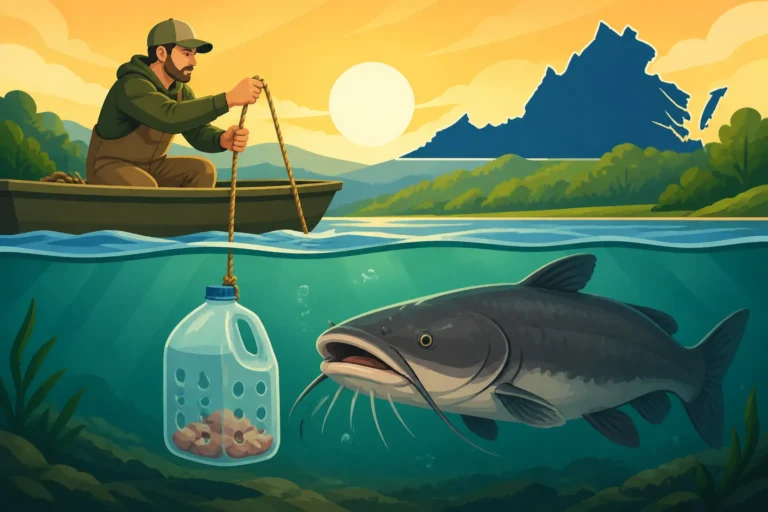
Channel catfish, flathead catfish, and blue catfish are all incredibly active during the summer months. They'll readily take a variety of baits, from cut bait (like shad or herring) to chicken livers, nightcrawlers, and stink baits. For channel cats, target river bends, deep holes, and feeder creek mouths. Flatheads, the ambush predators, prefer fallen trees and heavy cover in deeper river sections, often taking live bait like sunfish or suckers. Blue catfish, which can grow to immense sizes, can be found in the lower sections of Virginia's tidal rivers, like the James and Rappahannock, and in some larger reservoirs. Bottom fishing is the most common technique, but jug fishing and trotlines are also popular in appropriate waters. For more detailed strategies, consult our Catfish Fishing Techniques and Bait Guide. Similarly, bream fishing is fantastic all summer long. While they might not be on beds as much as in late spring, they'll still be found around docks, lily pads, submerged cover, and brush. A simple cane pole, a bobber, and a handful of red worms or crickets can provide hours of entertainment, especially for kids.
Chesapeake Bay Summer Species
The Chesapeake Bay truly comes alive in the summer, offering a smorgasbord of saltwater species for anglers. While the striped bass season might be more restrictive or even closed in summer to protect the population (always check the latest Virginia Fishing Regulations Explained), there are plenty of other exciting targets.
Flounder fishing is excellent in the summer. These delicious flatfish prefer sandy or muddy bottoms, often found near structure, channel edges, and bridge pilings in the lower Bay and coastal inlets. Drifting with minnows, squid, or Gulp! artificial baits is a tried-and-true method. Cobia, known for their strong fights, migrate into the Bay during summer, providing thrilling sight-casting opportunities around buoys, channel markers, and over structure. Live eels or large bucktail jigs are top choices. Red drum (often called "puppy drum" when smaller) are also active, especially in the shallows of the Eastern Shore, and the larger "bull reds" can be found in the lower Bay and near the ocean inlets. Spotted seatrout, croaker, and spot also become plentiful, offering fantastic light tackle action and delicious eating. Pier fishing and surf fishing along the coast also thrive, with croaker, spot, bluefish, and even some smaller drum providing steady catches. If you're planning a trip to the Bay, consider checking out Best Fishing Spots in Virginia for popular summer destinations.
Offshore Adventures
For the adventurous angler, summer is when Virginia's offshore fishing truly shines. Heading out into the Atlantic Ocean from ports like Virginia Beach opens up a world of big game opportunities.
The warm waters of the Gulf Stream push closer to shore, bringing with them a host of pelagic species. Offshore charters often target tuna (yellowfin, bluefin, bigeye), dolphin (mahi-mahi), wahoo, and marlin (white and blue). Trolling with ballyhoo, artificial lures, or a combination of both is the primary method for these powerful, fast-swimming fish. Deep dropping for species like tilefish and sea bass is another popular option, requiring specialized electric reels and heavy weights to reach depths of hundreds of feet. For those preferring closer to shore, bottom fishing for sea bass, tautog (in certain areas), and triggerfish around wrecks and reefs can be incredibly productive. Remember that offshore fishing requires specialized boats, equipment, and often a significant investment in time and money, making a reputable Virginia fishing charter an excellent option for experiencing this thrilling fishery.
Fall Fishing: The Feeding Frenzy
If spring is about new beginnings, then fall in Virginia is about a grand finale. As the days shorten and the water temperatures begin to drop from their summer highs, a profound change sweeps across the fishing landscape. This is arguably one of the best times of the year to be on the water, as many fish species enter an intense "feeding frenzy" to bulk up for the lean winter months ahead. The air is crisp, the foliage is vibrant, and the fishing action can be absolutely phenomenal, often providing opportunities for both freshwater and saltwater anglers.
Striped Bass Fall Run
The fall striped bass run in Virginia is legendary, a true highlight for many anglers. As the Bay and coastal waters begin to cool, huge schools of striped bass (rockfish) migrate south along the coast and move into the Chesapeake Bay and its tributaries. These fish are actively feeding, chasing baitfish like menhaden and mullet, making them aggressive and often willing to strike.
The fall run typically kicks off in October and November and can last well into December, depending on water temperatures. Anglers will find stripers in the main stem of the Chesapeake Bay, around its numerous islands and reefs, and pushing up into the tidal rivers such as the James, York, and Rappahannock. Trolling with large plugs, spoons, and umbrella rigs is a popular and effective method, especially for locating schools of fish. Light tackle jigging with soft plastics (like those you might find on Amazon) or bucktails can also be incredibly productive when fish are breaking the surface or concentrated around structure. Live lining eels or spot is another deadly tactic. Just like in spring, it's absolutely vital to stay informed on the latest Striped Bass Season and Slot Limit in Virginia as regulations can be dynamic and vary between areas and specific timeframes to ensure the sustainability of this cherished fishery. This is the time when booking a Chesapeake Bay Fishing Charters in Virginia can lead to some truly epic days on the water.
Aggressive Bass Feeding Patterns
Much like their saltwater cousins, largemouth and smallmouth bass in Virginia's freshwater lakes and rivers also undergo a significant shift in behavior during the fall. As water temperatures drop from the summer highs, but before they get truly cold, bass become incredibly active and aggressive, feeding heavily to store fat for the winter. This is often referred to as the "fall turnover" period when cooler surface water sinks, bringing nutrients and baitfish up from the depths.
Bass will follow schools of baitfish, often shad or bluegill, into shallower coves and onto points, making them easier to target. Power fishing techniques such as crankbaits, spinnerbaits, and topwater lures (especially on warmer fall days) can be highly effective. Later in the fall, as water temperatures continue to drop, bass might move to deeper, more predictable structures, but they're still feeding. Jigging spoons, deep-diving crankbaits, and slow-rolling spinnerbaits can entice bites. This is a fantastic time for both quantity and quality bass fishing, often without the summer crowds. The crisp air and beautiful scenery only add to the enjoyment of a successful fall bass trip.
Trout Fishing Revival
Fall signals a glorious revival for trout fishing in Virginia, particularly for those who appreciate the beauty of native brook trout in wild mountain streams and for fly anglers in general. As stream temperatures cool down, trout become more active and less stressed, making for excellent fishing conditions.
While stocked trout continue to be released in designated waters throughout the fall, wild trout streams truly shine during this season. Native brook trout, in particular, will often display vibrant spawning colors, adding to the beauty of the experience. Fly anglers will find success with terrestrial patterns (grasshoppers, beetles, ants) early in the fall, transitioning to smaller nymph and streamer patterns as the weather cools. The cooling water also means that brown trout in larger freestone rivers become more active and aggressive, often feeding on larger baitfish. This is a prime time for throwing streamers or larger spin lures for those elusive trophy browns. Many anglers consider fall to be the most comfortable and visually stunning time to be on a trout stream in Virginia.
Crappie and Perch Schooling
As temperatures cool, crappie and perch (both white and yellow) also undergo a major change: they begin to school up in preparation for winter. This schooling behavior can make them incredibly fun and productive targets for anglers, as finding one often means finding many.
Crappie will typically move to deeper brush piles, submerged timber, and channel edges in lakes and reservoirs. They often suspend in schools, and once located with electronics, they can be caught using small jigs or minnows. Vertical jigging or tightlining becomes very effective. White and yellow perch will also form large schools in tidal rivers and the Chesapeake Bay. They often congregate around bridge pilings, oyster reefs, and channel drops, providing consistent action for anglers using small jigs, sabiki rigs, or bottom rigs baited with pieces of shrimp or bloodworms. These species are excellent for a fish fry and provide great entertainment for the whole family during the beautiful fall weather.
Winter Fishing: The Slow Down, But Not Stop
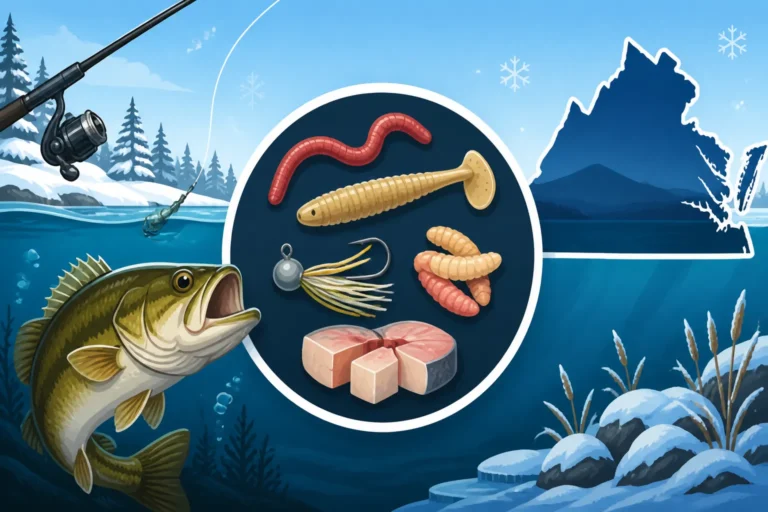
Winter in Virginia might mean colder temperatures and shorter days, but for the dedicated angler, it certainly doesn't mean hanging up your rods! While the pace slows down, and fish become less active, winter offers some unique and often very rewarding fishing opportunities. The key to success during these colder months is patience, persistence, and a willingness to embrace slow, deliberate tactics. Plus, the advantage of fewer crowds on the water can make for a peaceful and incredibly productive day for those who know where to look.
Deep Water Stripers and Subtle Bass Bites
When the mercury drops, striped bass (rockfish) in Virginia's freshwater reservoirs like Smith Mountain Lake often move to deep water, suspending in large schools, particularly around main lake channels, humps, and points. While they may not be as aggressive as during the fall run, they still feed. The bite can be subtle, requiring sensitive gear and careful presentation. Trolling deep-diving crankbaits or umbrella rigs is a popular method, often targeting specific depths where fish are holding. Vertical jigging with heavy spoons or large soft plastics (even those found on Amazon) can also be effective once a school is located with electronics.
Similarly, freshwater bass (largemouth and smallmouth) also retreat to deeper, more stable water in winter. They'll often be found tightly associated with structure such as deep rock piles, standing timber, ledges, and creek channels. Their metabolism slows down, so presentations need to be much slower and more precise. Jigs, jigging spoons, and finesse techniques like a shaky head or drop shot can elicit strikes. The bites can be extremely light, feeling more like added weight than a distinct tap, so pay close attention to your line. Early winter can still offer decent activity, especially on warmer, sunny days, but by deep winter, finding the fish and presenting painstakingly slowly is paramount.
Winter Trout Opportunities
Winter is a fantastic time for trout fishing in Virginia, especially for those who enjoy the solitude and quiet beauty of a snow-dusted stream. The Virginia Department of Wildlife Resources (DWR) continues its popular stocked trout program well into the winter months, often stocking through December and resuming in January. This ensures that plenty of catchable trout are available even when other fisheries are slow.
For stocked trout, popular baits like PowerBait, salmon eggs, or small worms fished on the bottom or under a light float remain effective. Small inline spinners can also tempt a bite on warmer winter days. Fly anglers will find success with nymphing techniques, especially using small, heavily weighted patterns that imitate aquatic insects dwelling near the streambed. Small midges and tiny stoneflies are often active even in cold water. While wild trout streams are open year-round, winter fishing for wild brook trout can be more challenging due to their reduced activity. However, on milder days, and with careful approach and presentation, these native gems can still be caught, offering a truly rewarding experience for the dedicated fly fisher. Just remember to bundle up!
Perch and Catfish in Deeper Holes
Many of Virginia's panfish, particularly white perch and yellow perch, and various catfish species remain viable targets throughout the winter. They tend to school up tightly in deeper, warmer pockets of water, making them predictable once located.
White and yellow perch can be found in large schools in the deeper sections of tidal rivers and the lower Chesapeake Bay. They often hold in channel bends, around bridge pilings, and over oyster beds in depths ranging from 20 to 50 feet. Bottom rigs baited with small pieces of shrimp, bloodworms, or fishbites are very effective, as are small jigs or sabiki rigs. Once you find a school, the action can be fast and furious. Catfish, especially channel cats and blue cats, also remain active in winter, though their feeding slows. They will typically retreat to the deepest holes and slowest moving sections of rivers and larger lakes. Heavy cut bait, chicken livers, or nightcrawlers fished on the bottom in these deep pools can still produce bites, sometimes even for truly monster blue catfish. Patience is key, as bites can be few and far between, but the reward of a big winter cat is well worth the wait.
Key Species and Their Annual Cycles
Understanding the general seasonal patterns is one thing, but truly mastering Virginia fishing means getting to know the specific annual cycles of our most prized species. Each fish has its own unique calendar, driven by instinct, water temperature, and food availability. By delving into the habits of striped bass, largemouth and smallmouth bass, trout, crappie, and catfish, you can fine-tune your approach and increase your chances of success no matter the time of year.
The Elusive Striped Bass (Rockfish)
The striped bass, affectionately known as "rockfish" in Virginia, is a migratory marvel and one of the most sought-after game fish in the state. Their annual cycle is heavily tied to water temperature and spawning migrations.
- Spring (April – May): This is when large, ocean-migrating striped bass enter the Chesapeake Bay and its tributaries to spawn. Regulations are typically very strict during this period, often with specific seasons and slot limits (e.g., Virginia's 28 to 31 Inch Striped Bass Slot Limit for Charter Anglers) to protect these crucial spawning fish. Anglers often target them by trolling or live-lining in the main stem of the Bay or jigging in tidal rivers.
- Summer (June – August): Striped bass fishing can be challenging in the heat of summer. Many large fish move out of the Bay and into cooler ocean waters. Inside the Bay, smaller resident populations may be found, often in deeper, cooler water or active during low-light hours. Specific recreational seasons may be closed or highly restricted during this time.
- Fall (September – December): This is the legendary fall migration, where massive schools of striped bass move south along the coast and into the Chesapeake Bay, feeding aggressively. This is considered prime time for both trophy fish and numbers, with trolling, jigging, and live-lining being popular methods. This is when the Virginia Striped Bass Split Season Dates Explained really comes into play, offering multiple opportunities.
- Winter (January – March): While offshore and deep-water Bay fishing can produce some large fish early in the winter, the season typically closes for a period to protect the overwintering population. Freshwater striped bass in landlocked reservoirs like Smith Mountain Lake offer a different, year-round fishery, often requiring deep-water tactics in winter.
Largemouth and Smallmouth Bass
These two species are the kings of Virginia's freshwater, each with distinct preferences but similar seasonal patterns driven by spawning cycles.
- Spring (March – May): Both species move shallow for the pre-spawn and spawn. Largemouth gravitate towards protected coves and vegetation in lakes, while smallmouth prefer rocky areas in rivers and larger reservoirs. This is a period of aggressive feeding, followed by the actual spawn where they guard their beds.
- Summer (June – August): As water warms, bass move deeper during the day, seeking cooler temperatures and stable cover. Early mornings and late evenings offer topwater action in the shallows. Night fishing can also be productive.
- Fall (September – November): A secondary feeding frenzy occurs as water temperatures drop. Bass gorge on baitfish, making them aggressive and responsive to various lures, including crankbaits and spinnerbaits. They move between shallow and deeper water, following bait.
- Winter (December – February): Bass become lethargic and retreat to deep, stable water. They hold tight to structure, and require slow, finesse presentations. Bites are subtle, demanding patience and sensitive gear. You can find bass even then, but it’s a different game.
Virginia's Diverse Trout Fisheries
Virginia offers a rich and varied trout experience, encompassing wild, native brook trout, and stocked rainbow and brown trout.
- Spring (March – Mid-June): Heavily stocked trout waters see intense activity, offering excellent opportunities for all anglers. Wild trout streams also become very active as insect hatches begin. A valid trout license or stamp is typically required for stocked waters. The Virginia Stocked Trout Season Guide has all the details.
- Summer (Mid-June – August): Stocked trout waters often slow down as water temperatures rise. Wild trout in higher elevation streams may still be active if water remains cool enough. Focus on early mornings, late evenings, or shaded stretches of water.
- Fall (September – November): Trout fishing experiences a revival. Cooling water invigorates trout, leading to aggressive feeding. Wild brook trout display stunning spawning colors, and brown trout become more active in larger rivers. Great time for both fly and spin fishing.
- Winter (December – February): Stocked trout continue to be released in designated waters, providing cold-weather action. Wild trout become less active but can still be caught with slow, precise presentations on milder days.
Crappie and Panfish
These highly accessible and delicious fish are favorites for anglers of all ages.
- Spring (March – May): Crappie move shallow to spawn, congregating around brush piles, docks, and submerged timber, making them easy to target with jigs and minnows. Panfish like bluegill and sunfish follow shortly after, making beds in shallow, protected areas.
- Summer (June – August): Crappie move deeper, suspending over structure or in creek channels. Panfish remain active around docks, lily pads, and shaded areas. Night fishing for crappie can be very effective.
- Fall (September – November): Both crappie and panfish begin to school up and move towards deeper water, feeding heavily. Locating schools with electronics can lead to fast action.
- Winter (December – February): Crappie and panfish hold in tight, deep schools, often near brush piles or channel drops. They can be caught by vertical jigging or slow-trolling with minnows, offering consistent action if you find them.
The Mighty Catfish
Virginia boasts an impressive population of catfish, including channel, flathead, and the monstrous blue catfish, offering year-round opportunities.
- Spring (March – May): Catfish become very active as waters warm, feeding heavily after winter. They can be found in a variety of depths, from shallow flats to river channels.
- Summer (June – August): This is prime time for catfish! They thrive in warm water and feed aggressively, especially during low-light hours or at night. They can be found in deep holes, river bends, and around cover. Cut bait, chicken livers, and various prepared baits are effective.
- Fall (September – November): Catfish continue to feed actively, bulking up for winter. They might follow baitfish migrations in rivers and lakes.
- Winter (December – February): While their metabolism slows, catfish remain catchable. They retreat to the deepest, slowest-moving sections of rivers and lakes, often congregating in large numbers in these "wintering holes." A slow, bottom-fished presentation with fresh cut bait can still entice big bites.
Essential Tools and Seasonal Preparations
Successful fishing in Virginia isn't just about knowing when the fish bite; it's also about being properly equipped and legally prepared. The changing seasons dictate not only where fish will be but also what gear will be most effective. A little foresight and preparation can dramatically improve your comfort on the water and your chances of success. Plus, staying on top of regulations is non-negotiable for responsible and legal angling.
Adapting Your Tackle Box for the Season
Just like you wouldn't wear a heavy winter coat in July, you shouldn't rely on the same tackle year-round. Each season brings different fish behaviors and environmental conditions, demanding an adaptation of your tackle box.
- Spring: Focus on pre-spawn and spawning patterns. This means a good selection of crankbaits, spinnerbaits, jerkbaits for aggressive bass, along with soft plastics and jigs for slower presentations. For crappie and panfish, small jigs, minnows, and bobbers are essential. Don't forget trout-specific baits like PowerBait, worms, and small spinners. A well-stocked tackle bag purchased from a retailer like Amazon can hold all your seasonal essentials.
- Summer: Shift towards deeper presentations for bass (deep-diving crankbaits, jigs, Carolina rigs, drop shots) for midday, but keep topwater lures handy for dawn and dusk. For catfish, heavy-duty hooks, sinkers, and plenty of fresh bait are critical. Saltwater anglers will need flounder rigs, bucktails for stripers, and perhaps heavier gear for cobia or offshore species.
- Fall: This is the time for aggressive feeding, so stock up on reaction baits like crankbaits, spinnerbaits, and big swimbaits for bass and stripers. For the fall striped bass run, heavier jigging spoons, large soft plastics, and trolling lures are a must. Trout anglers will want nymphs, streamers, and some terrestrial patterns.
- Winter: Finesse is the name of the game for freshwater. Stock small jigs, shaky heads, drop shot weights, and jigging spoons. For deep-water stripers, heavy spoons and trolling gear are key. Catfish and perch anglers will need bottom rigs and scent-heavy baits. Ensure your line is fresh and your reels are in good working order for detecting those subtle winter bites.
Understanding Virginia's Fishing License and Catch Limits
This is perhaps the most crucial "tool" in your tackle box: a valid fishing license and a thorough understanding of current regulations. Fishing without a license in Virginia can lead to penalties for fishing without a license in Virginia, which nobody wants!
- Licensing: Almost everyone over the age of 16 needs a Virginia fishing license. The type of license depends on whether you're fishing freshwater, saltwater, or both. You might need additional stamps for specific species like trout or for certain designated waters. Non-residents also have options, including annual or short-term licenses. You can easily obtain a Virginia Fishing License Guide online through the Virginia DWR website or from authorized vendors. Remember that a license is generally valid for one year from the date of purchase.
- Regulations and Limits: This is where it gets really specific and can change. Each species, and often individual water bodies, will have specific size (slot) limits, creel (bag) limits, and open seasons. For example, Virginia's Fishing License and Catch Limit Basics will outline the daily limits for bass or crappie, while Striped Bass Season and Slot Limit in Virginia details the specific windows and sizes allowed for rockfish. These regulations are designed to conserve fish populations and ensure sustainable fishing for everyone. Always check the current Virginia DWR regulations before each trip, as they can be updated due to conservation efforts or biological changes. Ignorance of the law is not an excuse, so stay informed!
Weather and Water Temperature Monitoring
Fish are cold-blooded creatures, meaning their metabolism and activity levels are directly tied to water temperature. Understanding and monitoring both air and water temperatures, along with general weather patterns, is paramount to seasonal success.
- Water Temperature: This is your most valuable piece of information. A few degrees change can shift fish from spawning to post-spawn, or from shallow to deep. Many modern fish finders provide accurate water temperature readings, but you can also purchase simple water thermometers (available on Amazon or at local tackle shops). Look for optimal temperature ranges for your target species; for example, bass often start spawning when water hits the mid-60s.
- Weather Patterns: Cold fronts, warm fronts, sudden storms, and prolonged periods of sun or clouds all impact fish behavior. Fish often become more active before a storm and less active immediately after a cold front passes. Cloud cover can extend topwater bites, while bright sun might push fish deeper. Pay attention to barometric pressure changes, as these can also influence feeding patterns.
- Resources: Utilize weather apps, marine forecasts for saltwater, and specialized fishing apps that track water temperatures for specific lakes and rivers. Local bait shops and fishing forums are also invaluable resources for real-time conditions and advice. Adapting your fishing schedule and tactics based on these environmental cues is a hallmark of a truly successful angler.
Virginia's Free Fishing Days and Special Regulations
Virginia's diverse fisheries come with a set of rules and opportunities that every angler should be aware of. Beyond the standard licenses and daily limits, there are special events like Free Fishing Days and unique regulations for specific areas or species that can significantly impact your fishing plans. Understanding these nuances not only keeps you compliant with the law but also allows you to take advantage of unique angling experiences throughout the year.
Leveraging Free Fishing Days
One of the most popular and community-focused initiatives for anglers in Virginia is the annual Free Fishing Days. This is a fantastic opportunity for new anglers to try out the sport, for families to enjoy a day on the water without the added expense of licenses, or for seasoned veterans to simply enjoy the freedom.
Each year, the Virginia Department of Wildlife Resources (DWR) designates specific days, typically a weekend in early June, where all anglers can fish in Virginia's public freshwater and saltwater bodies without needing a fishing license. For example, Virginia's 2026 Free Fishing Days are June 5-7. This means you don't need a state freshwater or saltwater fishing license, nor do you need specific stamps like a trout license or the Bay & Coastal Recreational Fishing License (CRFL). However, it's crucial to remember that all other fishing regulations, such as size limits, creel limits, and season dates for specific species, remain in effect. Special permits for certain restricted areas (like some agency-managed lands) may also still apply. Virginia Free Fishing Days Guide provides all the details you need to plan your outing. It's an excellent chance to introduce a friend or family member to the joys of fishing without the initial commitment of purchasing a license, and it's a great time to explore new fishing spots across the Commonwealth.
Seasonal Slot Limits and Bag Limits
Virginia's fisheries management relies heavily on precise regulations designed to maintain healthy fish populations and promote sustainable angling. These often include seasonal slot limits and bag limits, which can be species-specific, waterbody-specific, or change throughout the year.
- Slot Limits: A slot limit means that only fish within a specific size range can be kept. For instance, Virginia often implements a slot limit for striped bass (rockfish) in the Chesapeake Bay and its tributaries (e.g., 28 to 31 inches) during certain seasons. This means fish smaller than the minimum size or larger than the maximum size must be immediately released. The purpose of a slot limit is often to protect spawning-sized fish (the larger ones) and juvenile fish, allowing them to grow and reproduce, while still providing harvest opportunities for a healthy portion of the population. Always check the Virginia Fishing Regulations Explained before you go, especially for popular game fish.
- Bag Limits (Creel Limits): A bag limit, or creel limit, dictates the maximum number of fish of a particular species an angler can keep per day. For example, the daily bass limit in Virginia is 5 fish combined, whether largemouth or smallmouth. These limits are in place to prevent overfishing and ensure that there are enough fish left in the system for future generations and for a balanced ecosystem. These limits can vary widely by species and location. For example, trout in stocked waters will have different bag limits than wild trout in native streams. It's not uncommon for limits to be reduced or increased based on population assessments, so staying informed with the latest DWR publications is essential.
Specific Regional and Waterbody Rules
Beyond statewide regulations, Virginia also implements specific rules for particular regions, rivers, lakes, or even small streams. These localized rules are often put in place to address unique ecological conditions, protect sensitive species, or manage specific fisheries more effectively.
For example, certain wild trout streams in the mountains might have "catch and release only" regulations, or require only artificial lures with single barbless hooks, as outlined in Wild Trout Stream Rules in Virginia. Large reservoirs like Claytor Lake or Smith Mountain Lake might have special slot limits or different bag limits for certain bass species (e.g., Alabama bass or spotted bass) compared to the statewide standard. Tidal rivers that flow into the Chesapeake Bay often have different regulations for saltwater species than the main stem of the Bay or the ocean. Even some small, agency-managed ponds or urban fisheries might have their own set of rules regarding tackle, bait, or hours of operation. If you're planning to fish a new spot, especially a less common one, it's always wise to look up specific regulations for that particular body of water on the Virginia DWR website. This due diligence ensures you're fishing legally and contributing to the conservation efforts that make Virginia such a fantastic fishing destination.
Disclaimer
Please remember that fishing regulations in Virginia are subject to change. Always consult the most current Virginia Department of Wildlife Resources (DWR) regulations before heading out on your fishing trip. This guide is for informational purposes only and should not be considered a substitute for official DWR publications.