Fishing license rules for fishing at night
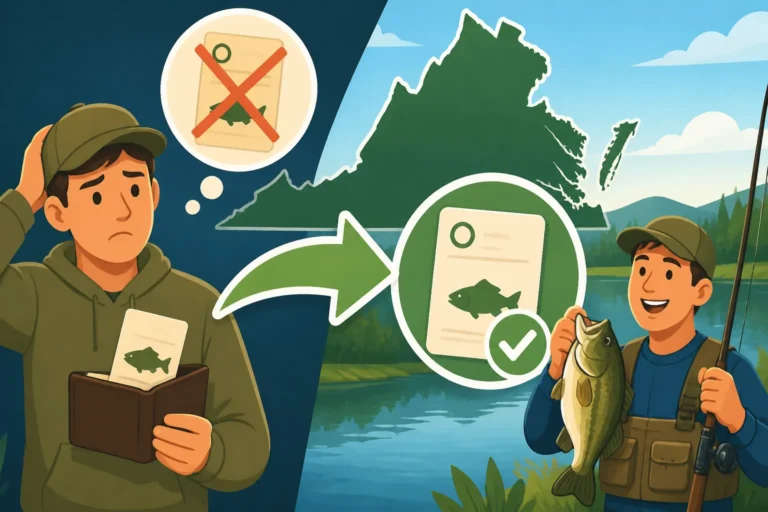
It can be incredibly frustrating to feel like you need a law degree just to enjoy a peaceful evening fishing trip in Virginia. Many anglers wonder if the rules magically change when the sun goes down, often assuming night fishing might have different, perhaps even relaxed, licensing requirements. This comprehensive guide is here to clear up all that confusion, helping you understand exactly what fishing license you need to enjoy Virginia's waters after dark, keeping you legal and stress-free.
Unpacking Virginia's Fishing License Basics for All Hours
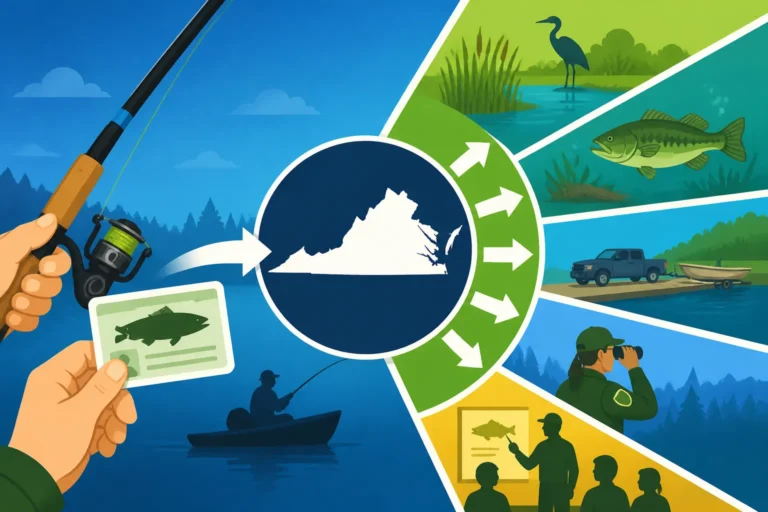
Let's get straight to the heart of the matter: Virginia's fishing license requirements don't change based on the time of day. Whether you're casting your line at high noon or under the gentle glow of the moon, the same fundamental rules apply. The Department of Wildlife Resources (DWR) and the Virginia Marine Resources Commission (VMRC) are primarily concerned with where you're fishing and what type of water it is, not the clock.
Daytime vs. Nighttime: The Same License Applies
Imagine you've spent a glorious day on Smith Mountain Lake, reeling in some impressive largemouth bass. As dusk settles and the air cools, you decide to extend your trip, maybe hoping to catch some catfish that become more active at night. Do you need a separate "night fishing permit"? Absolutely not! Your valid Virginia freshwater fishing license, which you used during the day, is perfectly sufficient for your nocturnal angling adventure. The state's regulations are designed for clarity and consistency. The main reason for needing a license in the first place is to contribute to conservation efforts, fish stocking programs, and habitat restoration, which benefits fishing round the clock. These funds help ensure that Virginia's waters remain vibrant fisheries for everyone, whether they prefer the morning bite or the late-night thrill.
Understanding Different License Types
The real distinction in Virginia's fishing licenses comes down to the type of water you plan to fish. You'll primarily encounter two categories: freshwater and saltwater, with combination options available for those who enjoy both.
Freshwater Fishing Licenses
If you're targeting bass, crappie, trout, or catfish in Virginia's inland lakes, rivers, and streams like the James River or Lake Anna, you'll need a freshwater fishing license. This license covers all public freshwater bodies, day or night. This includes popular spots where night fishing for species like catfish and some bass is incredibly popular. For instance, if you're out on Kerr Lake trying your hand at How to Catch Catfish at Night after sunset, your standard freshwater license is all you need.
Saltwater Fishing Licenses
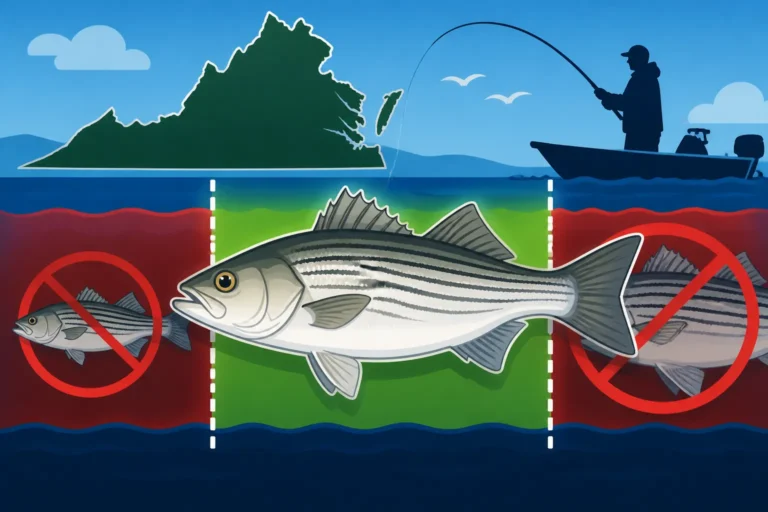
For those drawn to the coastal waters, the Chesapeake Bay, its tidal tributaries, or the Atlantic Ocean, a saltwater fishing license is essential. This license allows you to fish from piers, shorelines, or boats in marine environments. Many anglers find the cooler temperatures and quieter conditions of night fishing ideal for targeting species like striped bass (rockfish), flounder, or drum in these areas. The thought of a big striper hitting your line under the stars can be quite exhilarating! Just like with freshwater, the time of day doesn't change the requirement. Your annual or short-term saltwater license remains valid. Remember that even if you're just dipping a line from a public pier in Virginia Beach after dark, you'll need this license. Our Freshwater and Saltwater Fishing Licenses in Virginia guide offers more details on these distinctions.
Combination Licenses
If you're an avid angler who loves to explore both types of waters, Virginia offers a convenient combination freshwater and saltwater fishing license. This single license covers you for almost all recreational fishing activities across the entire state, making it a fantastic value and simplifying your legal obligations. It's often the best choice for resident anglers who don't want to worry about which license they need on any given day or night. You can learn more about all the options in our Virginia Fishing License Costs and Types Explained article.
Specific Night Fishing Scenarios and Their Licensing Requirements
While the core rule remains that your license applies 24/7, there are nuances for where you're fishing and under what conditions. Let's explore some common night fishing situations and clarify what you need.
Pier Fishing After Dark
Many public piers along Virginia's coast, like those in Virginia Beach or on the Chesapeake Bay, are fantastic spots for night fishing. They often stay open late, providing lighted areas that attract baitfish and, consequently, game fish. You might be wondering, "Does a commercial pier license cover me?" This is a common point of confusion. In Virginia, if you're fishing from a public pier that charges a fee, like a municipal pier, your saltwater fishing license is still required. The pier fee is usually for access and maintenance, not a substitute for your personal fishing license.
However, there's a neat exception: some privately owned commercial fishing piers purchase a "blanket" fishing license that covers all their patrons. In these specific instances, you might not need your own individual saltwater fishing license. It's crucial to always check with the specific pier before you cast your line. A quick phone call or a look at their website can save you a potential headache. But generally, when fishing from any pier, assume your individual license is necessary unless explicitly stated otherwise by the pier operator. For a deeper dive into this, check out our piece on Fishing license required for pier fishing?.
Fishing from a Boat at Night
Taking a boat out for some night fishing can be an incredibly peaceful and productive experience, especially when targeting actively feeding species like striped bass in the Bay or catfish in inland reservoirs. The same rules for daytime boating apply here: if you're fishing from a boat in freshwater, you need a freshwater license. If you're in saltwater, you need a saltwater license. There are no additional "night boating" or "night fishing from a boat" license requirements beyond the standard fishing license for the water body.
However, boaters have additional responsibilities at night, such as proper navigation lights and safety equipment, but these are Coast Guard or Virginia boating safety regulations, not fishing license requirements. Make sure your boat is properly equipped and you're familiar with safe navigation practices in the dark. For details on general boat fishing licenses, you might find our guide on Do you need a license to fish from a boat? helpful.
Private Ponds and Stocked Waters
This is another area where many anglers get confused, regardless of the time of day.
Private Ponds
If you're fishing on a completely private pond that is wholly contained within private property and has no connection to public waterways (meaning no fish can swim in or out), you typically do not need a Virginia fishing license, even at night. This is because the DWR generally considers these waters "private," and the fish within them are essentially the property of the landowner. However, if that private pond is connected to a stream, river, or other public water body, then a license is required, as migratory fish could be present, and it's considered part of the public fishery resource. Always err on the side of caution and double-check if there's any public access or connection.
Stocked Trout Waters
Virginia has specific regulations for its stocked trout waters, which are heavily managed by the DWR. While your regular freshwater license is the foundation, if you plan to fish in designated stocked trout waters during the trout season (usually October through mid-June), you'll also need a Virginia trout license in addition to your basic freshwater license. This rule holds true whether you're fly fishing at dawn or trying to entice a bite from a big rainbow trout under the stars. The revenue from these special trout licenses directly supports the DWR's extensive trout stocking program, ensuring these fisheries remain vibrant. Our article on Do you need a license to fish in a stocked pond? provides more specific information.
Common Misconceptions and Penalties to Avoid
It’s easy to misunderstand regulations, especially when you're just looking forward to a relaxing evening. Let's bust some myths and make sure you know the potential consequences of not having the right paperwork.
The Myth of "Free" Night Fishing
There's a persistent rumor among some folks that if you're fishing "casually" at night, or if it's super late, the rules are more relaxed, and you might not need a license. This is simply not true in Virginia. The DWR and VMRC enforce regulations around the clock. Wildlife wardens and marine patrol officers work day and night, and they absolutely can and will check for licenses and adherence to regulations, even in the darkest hours. They're often most active during prime fishing times, and for some species, that's definitely at night. Assuming you can slip by unnoticed is a gamble that's simply not worth it.
Virginia does offer specific "Free Fishing Days" each year, typically in June, where residents and non-residents can fish without a license. These days are a fantastic opportunity for new anglers or those who just want to try it out. However, these are clearly advertised dates, and they apply to both day and night fishing within that specific window. Beyond those designated free days, a license is always required. Mark your calendar for Virginia Free Fishing Days in June 2026 if you want to experience fishing license-free!
Consequences of Fishing Without a Valid License
Getting caught fishing without a valid license in Virginia is no small matter, whether it's day or night. It's treated as a Class 4 misdemeanor. The fines can be substantial, often ranging from around $100 to over $250, depending on the specific circumstances and the discretion of the court. Beyond the financial penalty, you could also have your fishing equipment confiscated, and repeat offenses can lead to much heavier fines or even the loss of your fishing privileges for a period of time.
Consider the frustration: you’re out there, enjoying the peace and quiet, maybe you've even landed a nice fish, and then a game warden approaches. The brief pleasure quickly turns into a costly, embarrassing, and legally troubling situation. It's just not worth the risk. A few dollars for a license ensures your peace of mind and allows you to contribute to the conservation of the very resources you're enjoying. Our detailed guide on Penalties for Fishing Without a License in Virginia outlines this more thoroughly.
Beyond the License: Essential Night Fishing Safety and Gear
While your fishing license is critical for legality, being prepared for night fishing goes far beyond that. The darkness brings unique challenges and safety considerations that every angler should be aware of.
Essential Gear for Night Anglers
Fishing at night requires more than just your usual rod and reel. Having the right equipment can make all the difference for safety, comfort, and success.
- Headlamps or Flashlights: This is non-negotiable. You'll need hands-free lighting for tying knots, baiting hooks, and moving around safely. Consider a headlamp with a red-light option; red light is less disruptive to your night vision and often less startling to fish. Many reliable brands are available on Amazon, offering various brightness settings and battery life.
- Extra Batteries: Nothing is worse than your light dying when you're fumbling in the dark. Always carry spares.
- Bug Spray: Mosquitoes and other biting insects can be particularly active at night, especially near water. A good insect repellent is a must-have for comfort.
- First-Aid Kit: Minor cuts, scrapes, or hook mishaps are more likely in the dark. A basic first-aid kit with bandages, antiseptic wipes, and pain relievers is essential.
- Warm Clothing: Even on warm days, nights can get surprisingly cool, especially by the water. Layers are your friend.
- Landing Net: Trying to land a fish by hand in the dark is a recipe for disaster. A reliable landing net, preferably with a long handle, makes it much safer and easier.
- Pliers or Hook Remover: To safely unhook fish, especially those with sharp teeth or deeply swallowed hooks.
- Floating Keychain: If you’re fishing near a dock or boat, attach your keys to a floating keychain. It’s a small investment that can save a huge headache if they accidentally go overboard.
- Reflective Tape: Adding reflective tape to your cooler, tackle box, or even your hat can help you and others see your gear in low light conditions.
This extra gear makes your trip not only safer but also more enjoyable, allowing you to focus on the fishing experience. You can find many of these items readily on platforms like Amazon, making it easy to prepare for your next nocturnal adventure.
Safety Considerations When Fishing in the Dark
Night fishing offers unparalleled tranquility, but it also comes with increased risks. Prioritizing safety is paramount.
- Tell Someone Your Plans: Always let a friend or family member know where you're going, when you expect to return, and who you're with. Share your location if possible. This is perhaps the most important safety rule for any remote or late-night activity.
- Know Your Location: Scout your fishing spot during the day if possible. Understand the terrain, potential hazards (like uneven ground, submerged obstacles, or steep banks), and access points. It’s far harder to navigate unknown territory in the dark.
- Wear a PFD (Personal Flotation Device): If you're fishing from a boat or even near deep, moving water, wear a life vest. Accidents happen quickly, and even strong swimmers can be overwhelmed if they fall into cold water or hit their head.
- Buddy System: If possible, fish with a partner. There's safety in numbers, and an extra pair of hands or eyes can be invaluable in an emergency.
- Stay Hydrated and Bring Snacks: It might be cool, but you can still get dehydrated. Bring plenty of water and some energy-boosting snacks to keep you going.
- Respect Wildlife: Nocturnal animals are out and about. Be aware of your surroundings and avoid disturbing wildlife. In some areas, this could include snakes or other creatures you'd rather not encounter in the dark.
- Weather Watch: Check the weather forecast before you go and be prepared for sudden changes. A clear night can quickly turn stormy, and navigating in rough weather at night is significantly more dangerous.
- Alcohol Consumption: While enjoying a quiet night, avoid excessive alcohol consumption. It impairs judgment and coordination, significantly increasing risks.
By taking these precautions, you can ensure that your night fishing trip is not only productive but also safe and memorable for all the right reasons. For more specific fishing strategies, explore resources like Night Fishing Techniques or even Is Night Fishing Better Than Day Fishing? to hone your skills for after-dark success.
Virginia Fishing License Summary
To make things easy, here’s a quick overview of Virginia’s fishing license requirements, specifically keeping night fishing in mind. Remember, the key takeaway is that the time of day does not change the type of license you need.
| Feature / Scenario | Freshwater License Required? | Saltwater License Required? | Additional Trout License? |
|---|---|---|---|
| Day Fishing (Any Public Water) | Yes | Yes | Yes (for stocked waters) |
| Night Fishing (Any Public Water) | Yes | Yes | Yes (for stocked waters) |
| Fishing from a Pier (Public) | N/A | Yes | N/A |
| Fishing from a Pier (Private, w/ Blanket License) | N/A | No (usually) | N/A |
| Fishing from a Boat | Yes | Yes | Yes (for stocked waters) |
| Private Pond (No Public Connection) | No | No | No |
| Designated Stocked Trout Waters | Yes | N/A | Yes |
This table clearly illustrates that the license requirements are consistent, regardless of whether you're chasing the sunrise or the moonrise. For a complete understanding, I highly recommend reviewing the official Virginia Fishing License Guide, which provides all the specifics on obtaining and using your license correctly. It's a small investment for a whole lot of peace of mind on the water.
Final Thoughts on Virginia Night Fishing
Hopefully, this guide has demystified the fishing license requirements for night fishing in Virginia. The main takeaway is simple: if you need a license during the day for a particular body of water, you need that same license at night. There are no special "night fishing" licenses, nor are the rules relaxed after dark. Investing in the correct license, whether it's a Virginia Resident Freshwater Fishing License Cost or a Nonresident Annual Saltwater Fishing License in Virginia, is a fundamental step for any responsible angler.
So, go ahead and plan that serene evening trip! The quiet waters, the cool air, and the anticipation of a bite under the stars offer a unique and rewarding fishing experience. Just make sure you're properly licensed and prioritize your safety. Tight lines and happy night fishing!
Disclaimer
The information provided in this guide is for general informational purposes only and does not constitute legal advice. Fishing regulations in Virginia can change, and it is the angler's responsibility to review the most current regulations issued by the Virginia Department of Wildlife Resources (DWR) and the Virginia Marine Resources Commission (VMRC) before engaging in any fishing activities. Always refer to official state resources for the most up-to-date and accurate information.