Where Virginia Stocks Rainbow Trout Each Year
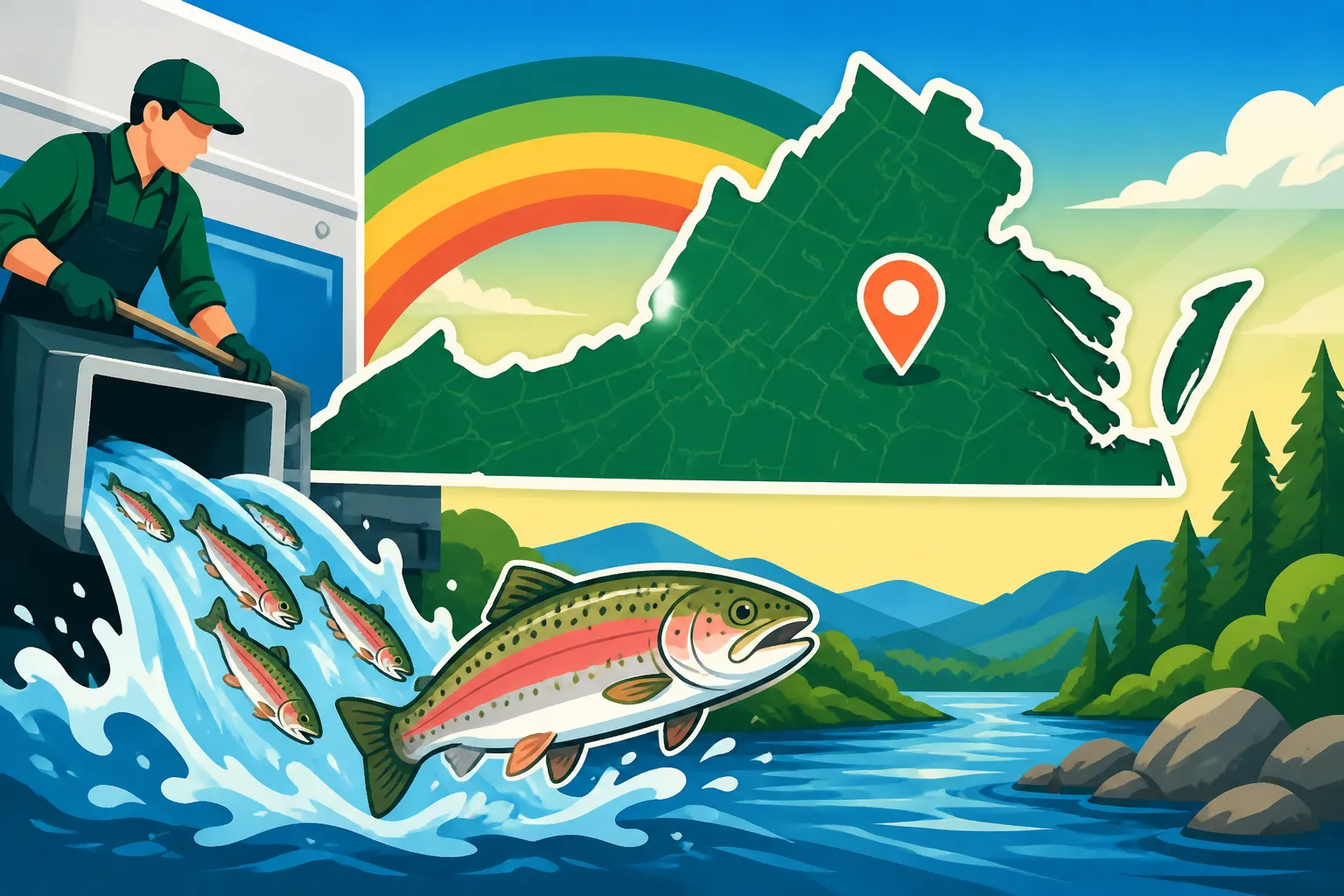
It can be incredibly frustrating to hear whispers of fantastic trout fishing, only to realize you have no idea where to even begin looking for those beautiful rainbow trout. For many of us, the dream of reeling in a shimmering rainbow isn't about trekking into the remote backcountry, but about finding accessible, well-managed waters that reliably offer a chance at a catch. This comprehensive guide is here to shed light on exactly where Virginia focuses its efforts on stocking rainbow trout each year, helping you pinpoint those prime locations and understand the rhythms of the stocking program.
Understanding Virginia's Trout Stocking Program
Virginia's Department of Wildlife Resources (DWR) puts a tremendous amount of effort into its trout stocking program, and for good reason! Many anglers, especially those new to the sport or fishing with kids, rely heavily on these stocked waters for a consistent and rewarding experience. It's a fantastic way to ensure that fishing opportunities are plentiful, even in areas where natural reproduction might not support a robust fishery. But let's be honest, figuring out the when and where can feel like deciphering an ancient scroll sometimes. The DWR aims to provide diverse angling experiences, and that means stocking different species in various types of water bodies across the state.
The "Why" Behind Stocking Rainbow Trout
Think about it: not every stream or lake in Virginia has the perfect conditions for trout to thrive year-round, especially in terms of water temperature and oxygen levels during the warmer months. Rainbow trout are often chosen for stocking because they're hardy, grow relatively quickly, and provide an exciting fight on the line. They're a crowd-pleaser! The DWR's goal isn't just to release fish; it's to create a sustainable recreational opportunity. This helps manage angler pressure, supports local economies around popular fishing spots, and introduces new generations to the joy of fishing. Without these carefully planned stocking efforts, many of our favorite fishing holes would simply not hold the numbers of trout we've come to expect. You might also be wondering about the broader picture; if so, our How Fishing License Fees Support Wildlife Conservation in Virginia article delves into where your license dollars go.
Virginia's Trout Stocking Philosophy
The DWR employs a strategic approach to stocking. They consider factors like water quality, public access, and expected angler use. Not all waters are stocked equally or at the same time. Some streams are designated "put-and-take" fisheries, meaning they are heavily stocked with the expectation that anglers will catch and keep their limit. These are often easier to access and are perfect for a family outing. Other areas might be managed as "catch-and-release" or have special regulations, focusing on the quality of the fishing experience rather than just the quantity of fish harvested. This nuanced approach helps distribute fishing pressure and caters to different angler preferences. Knowing this philosophy can help you decide what kind of fishing experience you're after.
Key Regions and Major Stocking Locations for Rainbow Trout
Virginia is a diverse state, from its coastal plains to its majestic mountains, and the trout stocking program reflects that geographic variety. While the majority of the stocking efforts for rainbow trout are concentrated in the cooler, clearer waters of the western and central parts of the state, there are opportunities scattered elsewhere too. The DWR typically updates its stocking schedules regularly, so always check their official resources before heading out.
Southwest Virginia: Mountain Stream Paradise
Southwest Virginia is a mecca for trout anglers, and many of its pristine mountain streams and smaller lakes receive regular rainbow trout stockings. The topography here lends itself to cold, oxygenated waters, which are ideal for trout. Areas around the George Washington and Jefferson National Forests are prime examples.
Some perennial favorites include:
- Jackson River: Both the tailwater section below Gathright Dam and the lower sections receive significant attention. The Jackson is known for producing quality trout, and it's a true gem for many anglers.
- Roanoke River: Specific sections, particularly around the city of Roanoke, are stocked, providing urban anglers with surprising access to trout fishing. It's a fantastic local resource.
- Smith River: Famous for its trophy trout program, the Smith River is consistently stocked with rainbows, often alongside brown trout, making it a challenging but highly rewarding destination.
- Whitetop Laurel Creek: A picturesque stream that flows through rugged terrain, offering a more secluded experience for those willing to hike a bit.
- Big Stony Creek (Giles County): A popular put-and-take stream that sees heavy stocking, especially in the early season.
These streams are often accessible via public lands, but it’s always wise to confirm access points. For those looking for more specific information on licenses for different regions, you'll find our Virginia Fishing License Requirements for Residents and Nonresidents article incredibly helpful.
Central Virginia and Shenandoah Valley: Accessible Angling
Moving into Central Virginia and the beautiful Shenandoah Valley, you'll find a mix of larger rivers, smaller streams, and even some municipal lakes that are stocked with rainbow trout. This region offers some of the most accessible trout fishing in the state, often just a short drive from major population centers.
Notable spots include:
- Goose Creek (Bedford County): A popular stream that gets regular stockings, offering good bank access in many areas.
- North River: Sections of the North River, particularly those near Bridgewater and Dayton, are stocked and provide excellent fishing opportunities amidst scenic surroundings.
- Back Creek (Bath County): Another beautiful mountain stream that benefits from DWR stocking efforts, making it a favorite for many.
- Lake Shenandoah: This lake, near Harrisonburg, is a great example of a lake stocking, providing opportunities for anglers who prefer still water or are fishing from a small boat or kayak. It's especially popular for family outings.
- The Moormans River (Sugar Hollow): While parts of the Moormans are managed for wild trout, certain sections are stocked to augment the fishery, especially near accessible points.
For more details on when you can expect to find these fish, you might want to look at our guide on Virginia Stocked Trout Season Guide. And if you're venturing out to some of these areas, remember to pack accordingly. I've often found great deals on waterproof backpacks and tackle boxes on Amazon, which can be invaluable for keeping your gear dry and organized on the trail or by the river.
Other Notable Stocking Locations and Seasonal Waters
While the bulk of rainbow trout stocking happens in the west, the DWR also stocks various other locations throughout the state, often on a more seasonal basis or in specific community ponds and lakes. These smaller, often urban or suburban, bodies of water provide fantastic, easy-access fishing for local communities and beginners.
Many county and city park lakes, like those in Fairfax County or near Richmond, will receive rainbow trout stockings during the cooler months, typically from fall through spring, when the water temperatures are favorable. These spots are usually well-publicized by local parks and recreation departments.
Here's a quick look at the types of waters generally stocked with rainbow trout:
| Water Type | Description | Typical Stocking Season | Angler Experience |
|---|---|---|---|
| Designated Trout Streams | Cold, clear mountain streams with good access. | Fall through Spring | All levels, often "put-and-take" |
| Tailwaters | Sections below dams, benefiting from cold water releases. | Year-round (some), seasonal (most) | Experienced to intermediate |
| Community Ponds/Lakes | Accessible ponds in urban/suburban parks. | Fall, Winter, Spring | Beginner, family-friendly |
| Small Impoundments | Smaller lakes in rural areas, often with good bank access. | Fall through Spring | All levels |
It's important to keep an eye on the DWR's official stocking reports for the most up-to-date information on these locations. Stocking schedules can shift based on weather, water conditions, and fish availability.
Navigating Stocked Waters: Tips for Success
Finding where Virginia stocks rainbow trout is only half the battle; actually catching them is the other! Stocked trout, while often eager to bite, can sometimes be pressured by heavy angler activity. Understanding their behavior and employing effective techniques can significantly improve your success rate.
Gear Up for Stocked Trout
You don't need a high-end setup to catch stocked rainbow trout, which is great news for beginners or those on a budget. A light-action spinning rod (5-6 feet) with a matching reel spooled with 4-6 pound test line is usually perfect. For bait, you can't go wrong with classic options like PowerBait, corn, or small worms. Lures like inline spinners (Mepps, Panther Martin) and small spoons are also very effective. For fly anglers, simple patterns like Woolly Buggers, Pheasant Tails, or any small attractor patterns often do the trick. If you're looking to upgrade your tackle box or snag some new waders, Amazon has a huge selection, often with helpful reviews from fellow anglers. Don't forget a small pair of pliers for hook removal!
Best Techniques for Catching Stocked Rainbows
- Bait Fishing: This is often the easiest and most effective method. Use a small hook (size 8-12), a tiny split shot a foot or so above the hook, and a bobber if you're fishing in still water or slower currents. Let your bait drift naturally. In faster currents, you might opt for a bottom-bouncing rig without a bobber, letting the weight keep your bait near the bottom where trout often hold.
- Spinning Lures: Cast upstream or across the current and retrieve, allowing the current to impart action on your lure. Experiment with different retrieve speeds until you find what triggers a bite. Pay attention to structure like submerged logs, rocks, or undercut banks – these are prime holding spots.
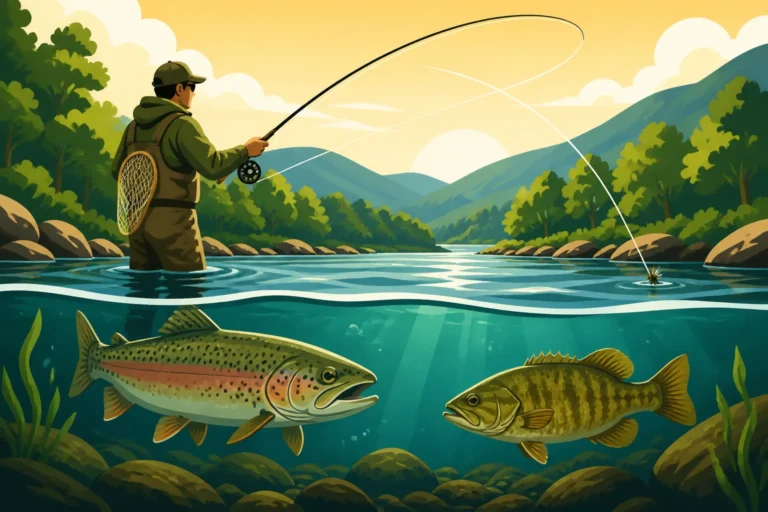
- Fly Fishing: For fly anglers, matching the hatch isn't always critical on stocked waters, especially right after a fresh stocking. Attractor patterns or nymphs drifted under an indicator can be deadly. Later, as the fish become more acclimated, they might start keying in on natural insects, so having a few dry flies can be beneficial.
Understanding Virginia's Fishing License and Catch Limit Basics is crucial, as regulations on stocked waters often specify daily limits and sometimes even tackle restrictions. Always check the signage at the access points or the DWR's regulations for the specific body of water you're fishing.
Timing Your Trip
Stocked trout can be most active shortly after they're released. While the DWR doesn't always announce exact stocking times, they do provide schedules. Often, the first few days after a stocking are excellent. Early mornings and late evenings are generally productive times, as trout are often more active during cooler periods and lower light. Overcast days can also be fantastic, as the reduced light penetration encourages trout to move out from cover. If you plan to specifically fish for trout, our article Virginia Stocked Trout Season October Through Mid-June gives an overview of when you can expect those stockings to happen.
Beyond Stocked Waters: Exploring Wild Trout Opportunities
While this guide focuses on where Virginia stocks rainbow trout, it's worth mentioning that Virginia also boasts some incredible wild trout fisheries, though these require a different approach and often more effort. Wild trout streams are typically found in the higher elevations and more remote areas of the Appalachian and Blue Ridge Mountains. These fish, primarily brook trout (Virginia's state fish) and some wild brown and rainbow trout, are much more challenging to catch but offer a deeply rewarding experience for dedicated anglers.
The Allure of Wild Trout Streams
Fishing for wild trout is an entirely different ballgame. These fish are native or naturally reproducing, meaning they haven't been raised in a hatchery. They are often smaller, but their vibrant colors and cunning nature make them highly prized. The streams they inhabit are usually pristine, surrounded by untouched wilderness, offering an escape from the crowds often found on heavily stocked waters. The emphasis here is often on delicate presentations, stealth, and a keen understanding of trout habitat.
Key Differences in Approach
- Regulations: Wild trout streams often have stricter regulations, including catch-and-release only, single-hook artificial lures/flies only, and sometimes extended closed seasons to protect spawning fish. Our Wild Trout Stream Rules in Virginia article details these specific regulations.
- Gear: Ultralight gear for spinning anglers or lighter fly rods (2-4 weight) are typically preferred for wild trout, allowing for more delicate presentations and protecting the smaller fish.
- Location: Access can be more challenging, often requiring hiking several miles into the backcountry. A good topographical map (or a mapping app that works offline) is essential. You might even find some excellent hiking guides or stream atlases on Amazon that cover these more remote areas.
- Techniques: Stealth is paramount. Approach streams carefully, stay low, and make accurate casts. Dry flies, nymphs, and small streamers are often the most effective.
While catching a limit of stocked rainbow trout can be immensely satisfying, the pursuit of a wild brook trout in a remote mountain stream offers a unique connection to nature that many anglers cherish. It's a journey from Virginia's 5-Day Freshwater Fishing Pass to potentially needing a full annual license, depending on your passion.
Maximizing Your Virginia Trout Fishing Experience
Regardless of whether you're targeting recently stocked rainbows or the elusive wild variety, a successful and enjoyable fishing trip in Virginia hinges on preparation and respect for the resource.
Always Check Regulations and Licenses
This cannot be stressed enough. Regulations, especially for trout, can vary significantly from one body of water to another. Some streams have general statewide regulations, while others have special limits, seasons, or gear restrictions. The DWR website is your best friend here. Also, ensure your fishing license is current. Our Virginia Fishing License Guide is an excellent resource for understanding the different types and costs involved. Getting caught without one, or violating regulations, can lead to stiff penalties.
Practice Catch and Release When Appropriate
Even on "put-and-take" stocked waters, consider practicing catch and release, especially for some of the larger, healthier fish. This helps sustain the fishery and provides a better experience for other anglers. If you do keep fish, handle them respectfully, dispatch them quickly, and keep them cool on ice.
Leave No Trace
Virginia's natural beauty is part of what makes fishing here so special. Pack out everything you pack in, and perhaps even pick up any litter you find. Protecting these environments ensures that future generations can enjoy the same incredible fishing opportunities we do. This includes being mindful of your impact on stream banks and sensitive vegetation.
Connect with Local Knowledge
Local tackle shops, guide services, or even online fishing forums can be invaluable sources of up-to-date information. Anglers love to share their passion (sometimes with a little friendly embellishment!), and you can often pick up tips on current conditions, hot baits, or newly stocked locations. Just remember to be respectful and offer something in return, whether it's buying some tackle or sharing your own experiences.
By understanding the DWR's stocking program, knowing where to look, and employing sound fishing practices, you'll be well on your way to enjoying some fantastic rainbow trout fishing across the Old Dominion.
Disclaimer
This article is for general informational purposes only and does not constitute professional advice. Laws, prices and regulations vary by location and change over time. Consult a qualified professional for guidance on your specific situation.