Rainbow Trout vs Brown Trout in Virginia: How to Tell Them Apart
It’s a common scenario out on Virginia’s beautiful waterways: you hook into a gorgeous trout, and for a moment, you’re not entirely sure if it’s a shimmering rainbow or a stealthy brown. This little bit of confusion can be a real head-scratcher, especially for new anglers, and even seasoned veterans sometimes pause to confirm their catch. This guide is here to untangle that mystery, giving you all the details you need to confidently tell the difference between rainbow trout and brown trout, helping you understand their unique traits and where you’re likely to find them across our Old Dominion.
The Allure of Trout Fishing in Virginia
Virginia offers some truly stunning opportunities for trout fishing, drawing anglers from all walks of life to its cool, clear mountain streams and serene rivers. There's something inherently peaceful, yet incredibly exciting, about pursuing these beautiful fish. Whether you're wading through a pristine wild trout stream or casting into a stocked section of river, the experience is a cornerstone of freshwater angling in our state. But with several trout species calling Virginia home, knowing who’s who is more than just academic curiosity; it's a vital part of respecting the resource and fishing responsibly.
Why Trout Identification Matters
Beyond the simple satisfaction of knowing what you’ve caught, correctly identifying trout species is crucial for a few practical reasons. For starters, Virginia has specific regulations for different trout species and different types of waters. For example, Wild Trout Stream Rules in Virginia can be quite distinct from those in stocked waters. The size limits, creel limits, and even the gear restrictions can vary significantly depending on whether you're targeting a brook trout, a rainbow, or a brown. Mistaking one for another could lead to unintentionally breaking a regulation, which is something no angler wants to do.
Furthermore, understanding the species you're catching helps you become a better angler. Each trout species has its preferred diet, habitat, and behaviors. If you know you're in water that predominantly holds brown trout, you can tailor your approach – from lure selection to casting technique – to increase your success. Conversely, if you realize you're consistently hooking rainbows, you can lean into those strategies. It’s all about building that connection with the environment and its inhabitants, making your time on the water more rewarding.
Virginia's Trout Landscape
Virginia is blessed with a diverse range of trout waters, from the high-gradient, oxygen-rich mountain streams where native brook trout thrive, to larger rivers and impoundments that support robust populations of rainbow and brown trout. Many of these waters are actively managed by the Virginia Department of Wildlife Resources (DWR), including an extensive stocking program that introduces millions of rainbow and brown trout into designated waters each year. This means anglers have a fantastic chance to encounter both species, sometimes even in the same stretch of water, which only adds to the need for solid identification skills. Virginia Stocked Trout Season Guide provides more details on when and where these fish are released.
Key Physical Differences Between Rainbow and Brown Trout
When you've got a fish in hand, or even just spotted one darting through a clear pool, there are several telltale physical characteristics that can help you distinguish between a rainbow trout and a brown trout. It's often a combination of these features that provides the definitive answer, as coloration can sometimes vary depending on the specific water body, diet, and even the fish's mood.
Spotting Patterns and Coloration
This is often the first thing anglers notice, and it's a generally reliable indicator, though it requires a keen eye.
Rainbow Trout: The Spotted Beauty
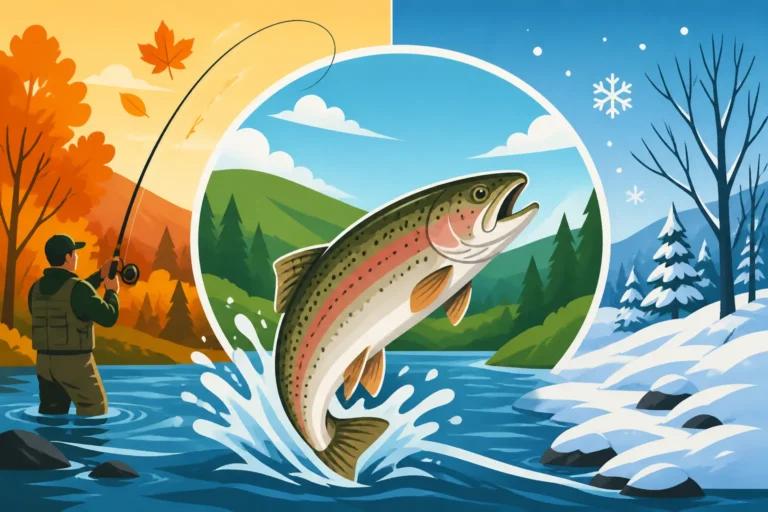
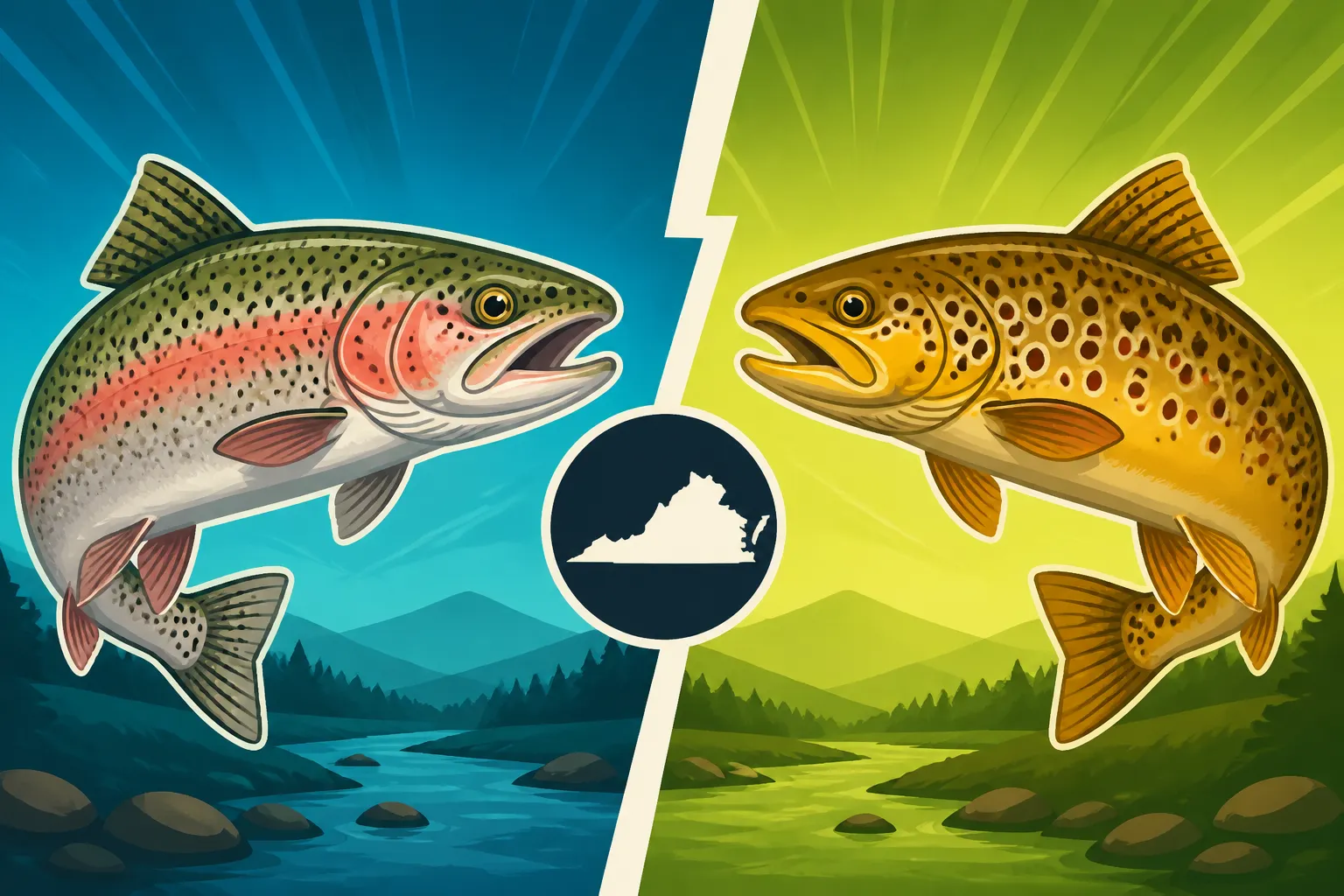
Rainbow trout are renowned for their vibrant, iridescent hues, which can shift depending on the light. Their most distinctive feature is usually a broad, pink or reddish stripe running horizontally along their lateral line, often fading as it reaches the tail. This stripe is what gives them their "rainbow" moniker. Beyond that, their bodies are covered in numerous small, dark spots. These spots extend onto their dorsal fin, adipose fin, and critically, their tail fin. The background color of a rainbow can range from olive green to bluish-green on the back, fading to silvery sides and a white belly. In very clear, cold water, they can appear quite bright and silvery, while those in stained water might have a darker, richer tone. The presence of those spots all over the tail is a major giveaway.
Think of it like this: a rainbow trout looks like it was splashed with a painter's brush, leaving fine, pepper-like spots everywhere, even on its delicate tail. The pink stripe is like a signature mark, bold and unmistakable in many individuals, especially during spawning season or in highly oxygenated waters. A great resource for visual identification is a reliable field guide, which you can often find on Amazon with detailed illustrations.
Brown Trout: The Subtly Marked Predator
Brown trout, on the other hand, tend to have a more subdued, earthy palette. Their base color can range from golden brown or olive to a coppery bronze on their backs, lightening to yellowish-brown or cream on their sides and a creamy white or pale yellow belly. What truly sets them apart is their unique spotting pattern. Brown trout typically have larger, more scattered dark spots on their upper body, flanks, and dorsal fin. Crucially, these dark spots often have a pale halo around them, giving them a distinct "target" appearance. Interspersed among these dark spots, particularly on their sides, you'll often see reddish-orange or sometimes yellowish spots, also usually with pale halos. Unlike the rainbow, the tail fin of a brown trout will have few to no spots, appearing relatively clear or uniformly colored.
Imagine a brown trout as having more artistic, circular blotches rather than fine sprinkles. The mixture of dark and often reddish spots, particularly with those light halos, is a strong clue. And always, always check that tail! A relatively spot-free tail is a classic brown trout characteristic. They tend to blend into their surroundings more effectively than the flamboyant rainbow.
Fin Characteristics
While less obvious than overall coloration, the fins offer some reliable clues for identification.
Dorsal and Adipose Fins
Both species have a dorsal fin on their back and a small, fleshy adipose fin between the dorsal and tail fin, which is a characteristic of trout and salmon species. For rainbow trout, both their dorsal fin and adipose fin will typically be spotted, mirroring the spots on their body. For brown trout, the dorsal fin will be spotted, but their adipose fin often lacks distinct spots or has very few, and it might have a reddish or orange tint to it.
Tail Fin (Caudal Fin)
This is perhaps the most definitive fin-based differentiator. As mentioned, rainbow trout have numerous small, dark spots evenly distributed across their tail fin. These spots often form noticeable rows. Brown trout, in stark contrast, will have a tail fin that is either entirely unspotted or has only a very sparse scattering of spots near the base, appearing much clearer than a rainbow's tail. This is a reliable feature to check if you're ever in doubt.
Mouth and Jaw Structure
The shape and size of the mouth can also offer some hints, especially for larger specimens.
Rainbow Trout Mouth
Rainbow trout generally have a mouth that extends to roughly the middle of their eye. Their jaw structure is typically more symmetrical and less pronounced than a brown trout's. This might seem like a subtle difference, but it can contribute to the overall impression of the fish's head shape.
Brown Trout Mouth
Brown trout, especially the larger ones, tend to have a more pronounced, often hook-shaped jaw (a "kype") in mature males. Their mouth extends noticeably past the back of their eye, giving them a more predatory appearance. This larger mouth is well-suited for their often more aggressive diet, which can include smaller fish. When you see a large, older brown trout, that powerful jaw often stands out.
Here’s a quick reference table to help visualize these differences:
| Feature | Rainbow Trout (Oncorhynchus mykiss) | Brown Trout (Salmo trutta) |
|---|---|---|
| Lateral Stripe | Prominent pink/reddish stripe often present | Absent |
| Body Spots | Numerous small, dark spots | Larger, scattered dark spots (often with light halos) AND reddish/orange spots (often with light halos) |
| Tail Fin Spots | Many small spots, often in rows | Few to no spots, appears relatively clear |
| Dorsal Fin Spots | Spotted | Spotted |
| Adipose Fin Spots | Spotted | Few to no spots, sometimes reddish tint |
| Base Color | Silvery, olive-green to blue-green back | Golden brown, coppery, or olive-brown back |
| Mouth Extent | Typically to middle of eye | Extends past the eye, pronounced in larger males (kype) |
Habitat and Behavior Distinctions
It's not just their looks that set these two species apart; where they live and how they act can also provide clues to their identity, especially if you're observant on the water. Understanding these behavioral and habitat preferences can even help you predict which species you're more likely to encounter in certain Virginia waters.
Preferred Water Conditions
Both rainbow and brown trout thrive in cold, clean, well-oxygenated water, but their tolerance levels and ideal conditions can vary.
Rainbow Trout's Preference for Oxygen-Rich Waters
Rainbow trout generally prefer colder, highly oxygenated water, often found in fast-flowing streams and rivers. They are less tolerant of warmer water temperatures and lower dissolved oxygen levels compared to brown trout. This is why you'll often find them congregating in riffles, runs, and the deeper pools of mountain streams. They are also a favorite for stocking programs because of their hardiness in hatchery environments and their willingness to bite after release. In Virginia, many of the designated Stocked Trout License Requirements in Virginia waters are ideal rainbow trout habitat. When water temperatures begin to rise in late spring or summer, rainbows will seek out cold springs or deeper, cooler pockets.
Their preference for lively, well-aerated water means they are often found in the prime feeding lanes where insects and other food items are delivered by the current. If you're fishing a cascading mountain stream with plenty of whitewater and clean gravel bottoms, there's a good chance you'll encounter a rainbow. Fly Fishing for Trout on Rivers is a popular technique in these areas.
Brown Trout's Resilience and Adaptability
Brown trout are generally more tolerant of slightly warmer water temperatures and lower oxygen levels than rainbows, making them more adaptable to a wider range of habitats, including slower-moving rivers and even some pond and lake environments. They are also known for being more reclusive and wary than rainbows, often preferring to hold in areas with plenty of cover, such as undercut banks, submerged logs, rock gardens, and overhanging vegetation. They are masters of camouflage, and their coloration helps them blend seamlessly into these darker, more sheltered lies.
This adaptability means you might find brown trout in a greater variety of waters in Virginia, from the same cold mountain streams as rainbows to larger, more meandering rivers. Their ability to survive in slightly warmer conditions means they can persist and even thrive in stretches of water that might become marginal for rainbows during the hotter months.
Feeding Habits and Diet
The old adage "you are what you eat" holds some truth for trout, and their diets can reflect their habitat and influence their growth.
Rainbow Trout's Varied Diet
Rainbow trout are opportunistic feeders with a fairly broad diet, readily consuming aquatic insects (like mayflies, caddisflies, stoneflies), terrestrial insects (grasshoppers, ants), small crustaceans, and even small baitfish when available. They are often more aggressive feeders, especially when freshly stocked, making them a popular target for anglers using a wide array of lures and baits. Their willingness to strike at various offerings contributes to their reputation as a "fun" fish to catch for many anglers.
In stocked waters, it's not uncommon for rainbows to quickly adapt to consuming the pellets they were raised on, making certain types of dough baits highly effective. However, wilder populations or those that have been in a stream for a while will revert to a more natural insect-based diet. A good pair of polarized sunglasses, available on Amazon, can often help you spot surface activity when rainbows are feeding on bugs.
Brown Trout's Predatory Nature
Brown trout, particularly larger individuals, tend to be more piscivorous, meaning they feed heavily on other fish. They are known to be aggressive predators, often targeting minnows, sculpins, and even smaller trout. This predatory nature is one reason they can grow to impressive sizes, especially in waters with abundant baitfish. Beyond fish, they will also consume large aquatic insects, crayfish, and anything else that presents an easy meal. This means they are often found near structure where they can ambush prey.
Their nocturnal feeding habits are also more pronounced than rainbows; many large brown trout are caught after dark, venturing out from their daytime cover to hunt under the cloak of night. This makes Night Fishing Techniques a successful strategy for trophy brown trout. If you're targeting big browns, consider larger, baitfish-imitating lures or flies.
Fighting Style
Once hooked, both trout species put up a valiant fight, but they often do so with distinct characteristics.
Rainbow Trout's Aerial Acrobatics
Rainbow trout are famous for their energetic, acrobatic fights. When hooked, they often make spectacular leaps out of the water, shaking their heads vigorously in an attempt to dislodge the hook. They are also prone to fast, powerful runs, especially in strong currents. This makes for an exhilarating experience on light tackle and is a big part of their appeal. Their fight is often characterized by sudden bursts of speed and those iconic aerial displays.
Brown Trout's Deep-Water Power
Brown trout, especially the larger ones, are known for a more powerful, dogged fight. Instead of leaping, they often use their strength to stay deep, making powerful runs and trying to rub the line on submerged structure to break free. They are clever fighters, often heading straight for snags or undercut banks. While they might not offer the same aerial show as a rainbow, their brute strength and cunning can be incredibly challenging and rewarding. Landing a big brown trout often feels like a wrestling match in the water, a true test of an angler's skill and patience.
Where to Find Each Species in Virginia
Knowing the general habitat preferences of rainbow and brown trout is one thing, but pinpointing specific locations in Virginia where you're likely to encounter them can really boost your success. Virginia boasts a wealth of trout waters, managed and unmanaged, offering diverse experiences for anglers.
Prime Rainbow Trout Waters
Many of Virginia's stocked trout waters are teeming with rainbow trout, thanks to the DWR's extensive stocking program. These are often easily accessible and provide excellent opportunities for anglers of all skill levels.
Stocked Trout Streams and Lakes
Virginia's DWR regularly stocks rainbow trout in numerous streams, rivers, and small lakes across the state, particularly in the western and central regions. These "put-and-take" fisheries are managed for high angler success rates and are a fantastic place for beginners or those looking for consistent action. Look for designated stocked trout waters in areas like the Shenandoah Valley, the Blue Ridge Highlands, and Southwest Virginia. Popular rivers like the Jackson River, the Maury River, and sections of the Tye River receive substantial stockings. Many state parks also have waters that are stocked with rainbows.
Lake Moomaw and Philpott Lake are examples of larger impoundments where rainbow trout thrive, particularly in their cooler, deeper sections. Virginia Stocked Trout Waters and License Requirements details specific locations and the timing of releases. If you’re looking for a family outing, these well-maintained areas are often ideal. Remember, a Virginia fishing license is required for most fishing activities, and if you plan to fish in designated stocked trout waters, a special trout license is usually necessary in addition to your general freshwater license.
Wild Trout Streams (Less Common, but Present)
While brook trout are Virginia's only native trout, some wild populations of rainbow trout can be found in a limited number of high-elevation, exceptionally cold, and pristine mountain streams. These wild rainbows are often smaller but incredibly vibrant and offer a challenging, rewarding experience for anglers willing to hike into more remote areas. They thrive in truly wild, unspoiled environments where water quality is paramount. Fishing for wild trout often requires a more stealthy approach and lighter tackle.
If you're interested in the thrill of catching wild trout, be sure to research specific streams and understand the Wild Trout Stream Rules in Virginia for those delicate ecosystems. These are not typically the same waters that are heavily stocked; they are managed to preserve natural reproduction.
Top Brown Trout Haunts
Brown trout, with their more elusive and predatory nature, can be found in a mix of stocked and wilder waters, often alongside rainbows but sometimes in their own preferred niches.
Rivers with Natural Reproduction and Stocking
Many of the same rivers that receive rainbow trout stockings also hold healthy populations of brown trout, sometimes from past stockings that have adapted to the environment, and in some cases, from natural reproduction. Rivers like the Jackson River, the Rapidan River, and various tributaries of the Shenandoah River are known for holding quality brown trout. The key difference is that brown trout often become more established and wilder, seeking out the deeper, more structured sections of these rivers where they can hide and ambush prey.
Anglers targeting brown trout often focus on sections of rivers with ample cover – undercut banks, large boulders, and fallen trees. These spots provide the perfect ambush points for a hungry brown. Best Trout Streams in Virginia will often highlight waters known for both brown and rainbow trout.
Larger, Slower-Moving Rivers and Reservoirs
Due to their greater tolerance for slightly warmer water and their predatory instincts, brown trout can also be found in larger, slower-moving river sections or in the deeper parts of larger reservoirs where baitfish are abundant. While not as common as in the cold mountain streams, some impoundments can produce surprisingly large brown trout, particularly those with a good forage base. They might be less active during the heat of the day, making early morning, late evening, or even night fishing more productive.
For those looking to target trophy-sized brown trout, focusing on these types of waters and employing techniques that mimic baitfish can be very effective. A good pair of waders, readily available on Amazon, will allow you to access some of the trickier spots where brown trout love to hide.
Fishing Techniques Tailored to Each Trout
While many general trout fishing techniques will catch both rainbows and browns, understanding their behavioral differences can help you refine your approach and increase your chances of success for a specific species.
Strategies for Catching Rainbow Trout
Rainbow trout, especially freshly stocked ones, are often less finicky and more aggressively pursue baits and lures.
Lure and Bait Selection
For stocked rainbows, a wide variety of offerings can be effective. Small inline spinners (like Mepps or Rooster Tail), spoons, and small crankbaits are often productive. Many anglers also find success with power baits, corn, or small worms, particularly in heavily stocked waters where the fish are accustomed to hatchery food. The key is often to present something that looks appealing and can be easily intercepted in the current.
Fly fishing for rainbows involves using a diverse range of patterns. Nymphs (like Prince Nymphs, Hare's Ears, Pheasant Tails) are excellent for subsurface feeding rainbows, while dry flies (elk hair caddis, parachute adams) can be deadly during insect hatches. Streamers can also entice a strike from more aggressive fish. Rainbows are often willing to chase, so a bit of action or movement can be beneficial. Many tackle shops, as well as online retailers like Amazon, offer curated selections of rainbow trout lures and flies.
Optimal Presentation
Rainbows often hold in runs, riffles, and the heads of pools where oxygen is plentiful and food is constantly drifting by. A natural, drag-free drift is paramount for fly fishing nymphs and dry flies. For spin fishing, casting slightly upstream and allowing your lure to drift naturally with the current, while maintaining tension, is often effective. Don't be afraid to experiment with retrieve speeds for spinners and crankbaits; sometimes a faster retrieve can trigger an aggressive strike. When How to Catch Trout in Spring after stocking, anglers often find success by fishing the edges of the current seams.
Techniques for Pursuing Brown Trout
Brown trout, particularly wild or well-established ones, often require a more subtle, patient, and strategic approach due to their wary and predatory nature.
Lure and Bait Selection
When targeting brown trout, especially larger specimens, baitfish imitations often shine. Larger inline spinners, spoons, jerkbaits, and swimbaits that mimic minnows, sculpins, or even small trout can be highly effective. For bait, live minnows, crayfish, or larger worms can be very enticing. Brown trout are less likely to strike out of curiosity and more out of hunger or territorial aggression.
Fly anglers often rely on streamers when targeting brown trout, imitating baitfish or crayfish. Patterns like woolly buggers, clouser minnows, and sculpin patterns fished near the bottom or swung through prime holding lies can be deadly. Nymphs and dry flies can also work, but often need to be presented with extreme stealth and accuracy to wary browns. If you're fishing a river known for big browns, ensure your leader is strong enough to handle their powerful runs.
Stealth and Presentation
Brown trout are incredibly wary. Any sudden movements, shadows, or excessive noise can put them down. Approach fishing spots cautiously, staying low and out of sight as much as possible. Cast accurately, minimizing splashes, and aim to present your offering in a way that appears natural and non-threatening. Often, brown trout will hold tight to cover, so precisely placing your lure or fly right against an undercut bank or submerged log is key.
Unlike rainbows that might chase, browns often prefer to ambush. Therefore, letting your offering sit in a prime lie for a few extra seconds, or imparting subtle twitches to a streamer, can often trigger a strike. Early morning, late evening, or even fishing into the night are often the most productive times for larger brown trout, when they are more willing to venture out from their cover. Best Time of Day to Catch Trout in Virginia? will provide more insights into prime fishing hours.
Why Proper Identification Matters Beyond the Catch
Beyond the immediate thrill of the catch and adherence to regulations, being able to correctly identify rainbow and brown trout holds deeper significance for responsible angling and conservation. It contributes to our understanding of these species and helps ensure their populations remain healthy for future generations of anglers.
Conservation and Management
Virginia's DWR relies on data from anglers, including catch reports and observations, to help manage trout populations. Accurate species identification helps fishery biologists understand the distribution, abundance, and health of both rainbow and brown trout populations in various watersheds. If anglers are consistently misidentifying fish, it can skew data and potentially lead to less effective management strategies. Your ability to correctly distinguish between a wild brown trout and a stocked rainbow, for example, helps DWR focus their conservation efforts where they are most needed.
Knowing the difference also helps you practice ethical catch-and-release. If you're targeting a specific species but accidentally catch another, understanding its vulnerability (e.g., a delicate wild trout versus a hardier stocked fish) allows you to handle it with the utmost care, increasing its chances of survival upon release.
Enhanced Angling Experience
Ultimately, knowing your trout enhances your entire fishing experience. It adds a layer of depth and understanding to your time on the water. When you can identify the fish you're seeing and catching, you begin to appreciate their subtle differences, their unique adaptations, and their place in the broader ecosystem. This knowledge builds a stronger connection to nature and makes you a more informed, effective, and ethical angler.
Imagine being able to confidently tell your fishing buddies, "That was a truly wild brown, look at those halos on its spots and that clean tail!" or "Another beautiful stocked rainbow, fighting like a champion with all those leaps!" It adds to the storytelling and shared experience. A reliable waterproof notebook and pen, easily packed in a fishing vest or bag bought from Amazon, can be a great way to record your catches and practice identification. The more you observe and identify, the easier it becomes, turning you into a true Virginia trout expert.
Disclaimer
This article is for general informational purposes only and does not constitute professional advice. Laws, prices and regulations vary by location and change over time. Consult a qualified professional for guidance on your specific situation.