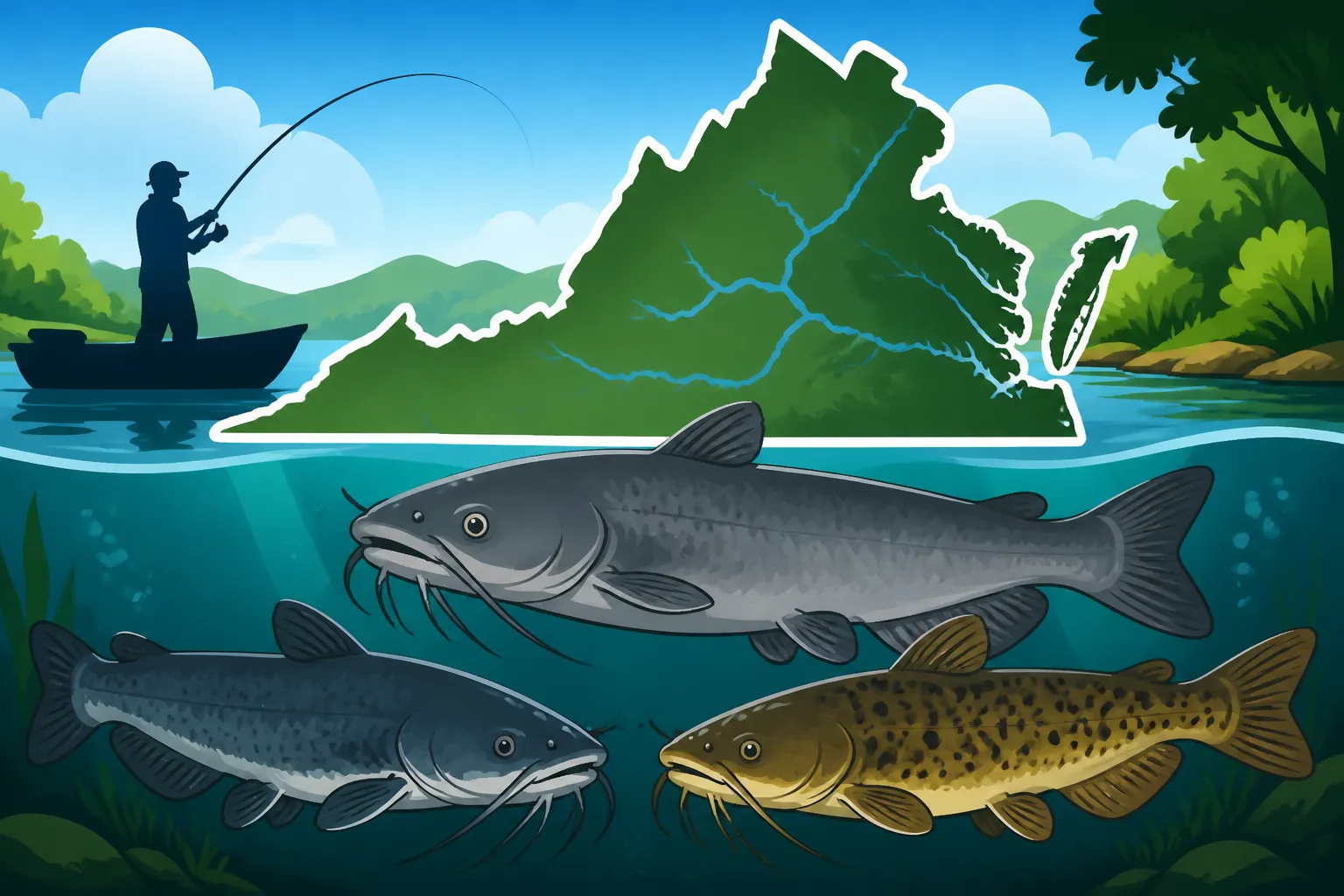
Catfish Species Found in Virginia Waters
There's nothing quite like the thrill of a catfish tugging on your line, fighting with all its might, or the satisfaction of reeling in a true heavyweight from the depths of a Virginia river or lake. But let's be real, navigating the different types of catfish we have here, understanding where they hide, and knowing the best way to entice them can feel a bit overwhelming, especially when you're just starting out or moving to a new part of the state. This comprehensive guide is here to untangle the mystery, giving you all the insider knowledge on the magnificent catfish species swimming in Virginia's abundant waters, from the feisty channel cats to the elusive flatheads, and everything in between.
The World of Catfish in Virginia: An Overview
Catfish hold a special place in the hearts of Virginia anglers, and it's easy to see why. These unique fish offer an exciting challenge, a delicious meal, and are generally accessible to most folks, whether you're fishing from a boat, off a pier, or simply from the bank of a quiet pond. They're a cornerstone of our state's freshwater fisheries, providing countless hours of enjoyment for families and serious trophy hunters alike.
Why Catfish are So Popular in Virginia
One of the biggest draws to catfish in Virginia is their sheer abundance and widespread distribution. You can find them in almost every major river system, countless lakes, and even many smaller farm ponds across the Old Dominion. This accessibility means you don't always need fancy equipment or a high-tech boat to get in on the action. A simple rod, reel, and some basic bait can often lead to a successful outing. Furthermore, catfish are known for their impressive fighting spirit. Hook into a decent-sized channel cat, and you'll quickly understand why they're so revered; they pull hard, make strong runs, and offer a truly engaging battle on the line.
Beyond the thrill of the catch, catfish are also highly regarded for their culinary value. A fresh fillet of Virginia catfish, properly cleaned and cooked, is a true Southern delicacy. This combination of availability, fighting prowess, and delicious table fare makes catfish an undeniable favorite for many anglers, from seasoned veterans teaching their grandkids to fish for the first time, to those seeking a new personal best. There's a certain magic to a warm evening spent by the water, waiting for that tell-tale tug that signals a catfish has taken the bait.
General Characteristics of Virginia Catfish
While different species of catfish have their own unique traits, they share several common characteristics that set them apart from other fish families. The most distinctive feature, of course, are their barbels, often referred to as "whiskers." These aren't just for show; they're highly sensitive chemoreceptors, essentially taste and smell organs that catfish use to locate food in murky waters or at night. They're like underwater radar, helping them navigate and forage in environments where sight might be limited.
Another defining trait is their scaleless body. Instead of scales, catfish have smooth, tough skin. This makes them a bit slimy to handle, but it's part of what makes them so resilient. Most Virginia catfish also possess sharp, bony spines on their dorsal and pectoral fins. While not venomous in the same way some exotic species are, these spines can deliver a painful poke if you're not careful, so handling them with respect and proper technique (or a good pair of gloves!) is always a good idea. Their varied diets, from scavenging to active predation, and their ability to thrive in diverse habitats, from clear rivers to muddy ponds, truly highlight their adaptability and make them a fascinating subject for any angler.
Channel Catfish: The Everyday Angler's Friend
Ah, the channel cat! This is probably the species most Virginians picture when they think of catfish. They are incredibly widespread, readily available, and offer a fantastic experience for anglers of all skill levels. If you're looking for consistent action and a good meal, the channel catfish is often your best bet.
Identifying Virginia's Channel Catfish
Learning to tell a channel cat apart from its cousins is fairly straightforward. Typically, channel catfish in Virginia exhibit an olive-green to blue-gray coloration on their backs, fading to a silvery-white belly. Younger channel cats are often adorned with distinct, dark spots along their sides, which tend to fade as the fish matures, sometimes disappearing entirely on very large adults. The most reliable identification feature, however, is their deeply forked tail, almost like that of a salmon or trout. This deeply indented tail is a key differentiator from the flatter, more squared tails of flathead and bullhead catfish.
Their head is moderately sized and somewhat pointed. While their size can vary wildly depending on the body of water and food availability, it's not uncommon to pull in channel cats in the 2-5 pound range from many Virginia lakes and rivers. Trophy-sized channel catfish, those reaching into the double digits, are certainly possible in well-managed fisheries, and catching one of these can feel like wrestling a small log! You'll often find that knowing how to properly identify your catch is half the fun, and it’s important for adhering to any specific regulations that might apply to different species.
Prime Habitats and Behavior of Channel Cats
Channel catfish are incredibly adaptable, making themselves at home in a wide variety of Virginia's aquatic environments. You'll find them thriving in large rivers like the James and Rappahannock, in vast reservoirs such as Lake Anna and Kerr Lake (Buggs Island Lake), and even in smaller community ponds. They prefer areas with some current in rivers, often congregating in deeper holes, channels, and around submerged structures like fallen trees, rock piles, or bridge pilings. In lakes, they'll seek out similar deep pockets, humps, and areas near creek channels or old riverbeds.
One of their most interesting behaviors is their nocturnal feeding habits. While you can certainly catch channel catfish during the day, especially on overcast days or in deeper water, they often become much more active as the sun sets and throughout the night. Their keen sense of smell, aided by those prominent barbels, allows them to efficiently locate food in low-light conditions. This means that packing your gear for an evening or night fishing trip can significantly increase your chances of success, and many anglers swear by the peaceful solitude of fishing under the stars for these whiskered beauties. Understanding these habits is key to consistently hooking into them.
Best Techniques and Baits for Channel Catfish
If there's one thing channel catfish aren't, it's picky eaters. This makes them an excellent target for beginners and seasoned anglers alike. The most common and effective technique is bottom fishing. This simply involves getting your bait down to where the catfish are rooting around on the bottom. A basic Carolina rig or a slip-sinker rig works wonders here, allowing the fish to pick up the bait without feeling the resistance of your weight.
When it comes to bait, the options are almost endless, but some stand out as consistent producers. Stink baits, which come in various forms like dip baits or punch baits, are incredibly effective due to their potent aroma that mimics decaying organic matter, something channel cats absolutely love. Cut bait, such as pieces of shad, herring, or even bluegill, is another top choice, especially if you're targeting larger fish. And let's not forget the old standbys: chicken livers, nightcrawlers, and even hot dogs can be deadly. Many anglers will even prepare their own homemade concoctions, proving that creativity pays off when chasing these adaptable fish. Don't be afraid to experiment! If you're looking for more specific guidance on what to put on your hook, check out Best Bait for Channel Catfish in Rivers and Lakes.
Flathead Catfish: The River Monster
For those who love a challenge and dream of catching truly enormous fish, the flathead catfish is Virginia's answer. These powerful predators are the heavyweights of our catfish world, capable of growing to impressive sizes and offering an absolutely brutal fight.
How to Spot a Flathead Catfish in Virginia
Identifying a flathead catfish is usually quite easy once you know what to look for. As their name suggests, they have a distinctly flat, broad head, giving them a somewhat snake-like appearance from above. Their eyes are relatively small, set high on their head. Unlike the deeply forked tail of a channel cat, the flathead's tail is typically square or only slightly notched. Their coloration is also different: usually mottled brown and yellow, offering excellent camouflage against the woody debris and rocky bottoms they prefer. This camouflage helps them ambush their prey.
Their sheer size is often the most striking feature. While you might catch smaller ones, flatheads are known for their potential to reach truly gargantuan proportions in Virginia. We're talking fish that can weigh dozens of pounds, sometimes even pushing the scales past the 50-pound mark. Pulling one of these monsters out of the current requires significant effort and the right gear. A good tip for telling them apart? Look at the lower jaw: the flathead's lower jaw protrudes beyond the upper jaw, a classic predator's grin. Channel Catfish vs Flathead Catfish: Which Fights Harder? will give you a good idea of the battle you're in for.
Flathead Catfish Habitats and Hunting Strategies
Flathead catfish are primarily residents of large, slow-moving rivers, though they can also be found in some of our larger reservoirs, like Claytor Lake. They are ambush predators through and through, preferring to set up shop in areas with abundant cover. Think deep pools, undercut banks, dense log jams, rock crevices, and any kind of woody debris that offers them a hiding spot from which to spring on unsuspecting prey. They are incredibly territorial and will often occupy the same snag year after year.
Unlike the opportunistic channel cat that readily scavenges, flatheads are primarily piscivorous, meaning they prefer to eat live fish. They are patient hunters, waiting for baitfish, bluegill, or other smaller fish to swim past their lair before exploding into action. This preference for live bait is a critical distinction when you're targeting them. You won't typically find them gorging on stink bait, though they might occasionally surprise you. Their hunting strategy dictates how and where you'll need to present your offerings. If you're specifically thinking about targeting them in some of Virginia's top spots, you might want to read How to Catch Flathead Catfish at Claytor Lake.
Tackle and Tactics for Trophy Flatheads
Given their size and power, you simply cannot skimp on tackle when chasing flathead catfish. You'll need heavy-duty gear that can withstand the incredible forces a big flathead can exert. This means a stout, powerful rod—often a medium-heavy or heavy action rod designed for catfishing—paired with a robust reel capable of holding a significant amount of strong line. Many anglers opt for braided line due to its incredible strength-to-diameter ratio and lack of stretch, which helps with feeling subtle bites in current and setting the hook on a hard-mouthed fish. However, a heavy monofilament can also be effective.
The primary tactic for flatheads involves using live bait. Healthy, active baitfish like bluegill, sunfish, or shad are irresistible to them. Presenting these baits near known flathead cover, usually on a sturdy Carolina rig or a three-way swivel rig, is the ticket. Patience is absolutely crucial. You might have to sit on a spot for hours, or even through the entire night, before a trophy flathead decides to strike. When that rod doubles over, be ready for a fight of a lifetime! It's a test of strength, endurance, and strategy, making the reward of landing a big flathead all the more satisfying.
White Catfish: The Smaller, Often Overlooked Cousin
While not as large or as abundant as channel cats or flatheads in all waters, the white catfish is a delightful species that offers excellent fishing, particularly in certain regions of Virginia. They are often overlooked but provide consistent action and are fantastic table fare.
Distinguishing White Catfish from Other Species
The white catfish can sometimes be confused with juvenile channel catfish, but there are clear differences to help you tell them apart. White catfish generally have a shorter, stockier body shape compared to the more streamlined channel cat. Their head is typically broader and more blunt, lacking the pointed snout of a channel cat. The most distinguishing feature, however, is their tail. While a channel cat has a deeply forked tail, and a flathead has a square tail, the white catfish has a moderately forked tail, less pronounced than a channel cat but still showing some indentation.
Their coloration is also a good clue; they are often a pale gray or yellowish-white, sometimes with an olive tint on their backs, and lack the distinctive spots found on young channel cats. They don't typically grow to the same massive sizes as channel or flathead catfish, usually topping out in the 1-3 pound range, though larger specimens are certainly caught. A 5-pound white catfish is considered a real trophy! Knowing these subtle differences ensures you're correctly identifying your catch and appreciating the unique characteristics of each species.
Where to Find White Catfish in Virginia
White catfish have a particular affinity for certain types of waters in Virginia. They are predominantly found in the tidal rivers and estuaries, meaning waters that are influenced by the tides. The brackish (slightly salty) water environments of the Chesapeake Bay tributaries, such as the lower James, York, and Rappahannock Rivers, are prime white catfish territory. Here, they thrive in the mixing zone where freshwater meets saltwater. They are also found in some purely freshwater lakes and ponds, often preferring slower-moving or still waters with muddy or sandy bottoms.
Unlike flatheads that love current and woody cover, white catfish are often found in areas with less current, sometimes even preferring open water over heavy structure, though they will relate to channels and subtle bottom contours. They can be particularly abundant in these tidal river systems, often schooled up, which means if you find one, you're likely to find more. This makes them a great target for anglers who enjoy consistent bites and filling a cooler. If you're curious about specific locations, you'll find great insights in Where to Catch White Catfish in Virginia.
Fishing for White Catfish: Easy and Rewarding
Fishing for white catfish is generally quite straightforward and incredibly rewarding, especially for those looking for steady action. Because they don't typically reach the extreme sizes of flatheads, lighter tackle can be used, which makes the fight even more exciting on a balanced setup. A medium-light to medium action spinning rod and reel, spooled with 8-12 pound test monofilament, is often perfect.
Their diet is varied, making them eager biters on a wide range of baits. Standard offerings like nightcrawlers, shrimp, clam snouts, and small pieces of cut bait (such as bits of herring or shad) are highly effective. Some anglers even use small artificial lures, though bait is usually more productive. They're not as finicky as other species and tend to be quite aggressive feeders. A simple bottom rig, like a basic fish-finder rig or a two-hook bottom rig, is all you need. Due to their schooling nature, once you locate a pocket of white catfish, you can often catch several in short order, making them an excellent choice for a family fishing outing or a productive afternoon on the water.
Bullhead Catfish: The Pond Dweller
Bullhead catfish might not get the same press as their larger cousins, but they are incredibly common and provide a fantastic entry point into catfishing, especially for young anglers or those looking for relaxed fishing in smaller waters. They're tough, resilient, and always willing to bite.
Identifying Virginia's Bullhead Catfish (Black, Brown, Yellow)
Virginia is home to several species of bullheads, primarily the black, brown, and yellow bullheads. While they share common characteristics, there are subtle ways to tell them apart. All bullheads are characterized by their relatively small size, robust bodies, and, crucially, their rounded (not forked) tail fin. This is the easiest way to distinguish them from channel and white catfish.
- Black Bullhead: Typically dark brown to black on the back, fading to yellowish-white on the belly. The barbels on their chin are usually dark, and the base of their pectoral spines (the sharp points near their gills) has serrations (teeth-like edges).
- Brown Bullhead: Often mottled brown or greenish-brown, with a paler underside. Their chin barbels are usually a mix of dark and pale or entirely pale. The pectoral spines also have serrations.
- Yellow Bullhead: Generally yellow to greenish-brown, with a distinctly pale or white chin barbels. They tend to have fewer serrations on their pectoral spines, and their anal fin has fewer rays than the other two species.
Regardless of the specific bullhead, they all share that characteristic blunt head and a stout body. They rarely grow beyond a couple of pounds, making anything over three pounds a true giant in the bullhead world. These distinctions, while subtle, can add to the fun of identifying your catch.
Typical Bullhead Habitats in Virginia
Bullhead catfish are the ultimate survivors, capable of thriving in conditions that might stress other fish species. Their preferred habitats in Virginia are generally smaller, warmer, and often muddier waters. You'll find them in abundance in farm ponds, sluggish creeks, slow sections of rivers, and shallow, weedy areas of larger lakes. They have a remarkable tolerance for low oxygen levels and high turbidity (murkiness), which is why they do so well in stagnant or slow-moving environments.
They love soft, muddy bottoms where they can root around for food. Areas with plenty of aquatic vegetation, submerged logs, or overhanging cover are also prime spots. If you have a local pond that seems too small or too murky for "real" fishing, chances are it's teeming with bullheads! Their adaptability makes them widely available and a reliable target when other species might be harder to find. They are truly the everyman's catfish, offering action in waters that might otherwise be overlooked by more specialized anglers.
Simple Techniques for Catching Bullheads
Fishing for bullheads is perhaps the simplest form of catfishing, making it an ideal activity for introducing children to the joys of angling or for a relaxing afternoon without the need for complicated setups. They are notorious for being aggressive and undiscriminating eaters, which means they'll readily bite on almost any natural bait.
A basic rod and reel setup, even a simple cane pole, is often all you need. A small hook (size 4 to 1/0 is usually sufficient), a split shot weight, and a bobber will get you into the action. Baits that work wonderfully include classic garden worms or nightcrawlers, small pieces of hot dog, corn, or even dough balls. Just cast your bait out, let it sink to the bottom (or suspend it under a bobber a few inches off the bottom), and wait for that tell-tale bobber dip or line twitch. Bullheads often take the bait with gusto, so be ready for a solid tug. They may not be the biggest fight, but their willingness to bite and their sheer numbers make for an incredibly fun and productive fishing experience. It's truly a great way to guarantee some catches, especially if you're fishing with impatient youngsters.
Understanding Virginia's Catfish Regulations and Conservation
Fishing ethically and legally is paramount, not just for the health of our fisheries but for the enjoyment of future generations. Virginia has specific regulations in place to ensure our catfish populations remain robust and healthy. Understanding these rules is a vital part of being a responsible angler.
General Regulations for Catfish Species
While catfish species are generally managed quite liberally in Virginia due to their robust populations, it's always crucial to be aware of any specific regulations that might apply. For most common catfish species like channel and white catfish, statewide possession limits are often generous, allowing anglers to keep a good number for the table. However, it’s not uncommon for certain specific bodies of water or specific species to have different rules. For instance, some trophy flathead fisheries might have length restrictions to protect larger, breeding fish, or certain impoundments might have creel limits to manage population density.
The Virginia Department of Wildlife Resources (DWR) is your ultimate resource for current regulations. They publish an annual fishing regulations guide, which can be found online or at most places where you purchase your fishing license. Before heading out, especially to a new spot, always double-check these regulations. Penalties for fishing without a license or violating catch limits can be substantial, so it's always better to be informed. You might also want to consult resources like Virginia Fishing License Guide or Virginia Fishing Regulations Explained for broader regulatory information.
Importance of Sustainable Catfish Fishing
Sustainable fishing isn't just a buzzword; it's a practice that ensures we can continue to enjoy the incredible fishing opportunities Virginia offers for years to come. For catfish, this means understanding the impact of our angling practices. While they are prolific, overharvesting, especially of larger breeding fish, can eventually impact populations. That's why catch limits are in place—they're designed to allow enough fish to reproduce and maintain a healthy balance.
Practicing responsible catch and release, especially for trophy-sized fish or those you don't intend to eat, is a key component of sustainability. Learning how to properly unhook and release a fish with minimal stress gives it the best chance of survival. Additionally, avoiding littering and being mindful of fish habitat helps keep our waters pristine and productive. Every angler plays a role in being a steward of our natural resources, ensuring that the thrill of a bending rod and a strong fish continues.
Protecting Virginia's Catfish Fisheries
Protecting Virginia's catfish fisheries extends beyond just adhering to catch limits. It involves a broader commitment to conservation. The funds generated from fishing license sales, for example, directly contribute to wildlife conservation efforts in Virginia, funding habitat restoration, fish stocking programs, and enforcement of regulations. Learning more about this can be quite eye-opening; consider reading How Fishing License Fees Support Wildlife Conservation in Virginia.
Anglers can also play a vital role by reporting any suspicious activity, such as poaching or pollution, to the DWR. Being aware of and preventing the spread of invasive species, which can outcompete native fish or alter habitats, is another critical aspect. For instance, always cleaning your boat and gear thoroughly when moving between different bodies of water can prevent the transfer of unwanted aquatic hitchhikers. Ultimately, a healthy fishery benefits everyone, providing better fishing, healthier ecosystems, and a more enjoyable outdoor experience for the entire community.
Essential Gear for Virginia Catfish Anglers
Having the right tools for the job can make all the difference, whether you're chasing monster flatheads or just enjoying some casual bullhead fishing. While you don't need to break the bank, investing in some essential gear will enhance your comfort, safety, and ultimately, your success on the water.
Rods, Reels, and Lines for Different Catfish
The beauty of catfishing in Virginia is that the gear requirements can vary widely depending on your target. For the smaller bullheads and white catfish, a medium-light to medium action spinning rod, around 6 to 7 feet long, paired with a reliable 2000-3000 series spinning reel, spooled with 8-12 lb monofilament line, will provide plenty of backbone and sensitivity. This setup offers a sporting fight and is easy for beginners to handle.
When stepping up to the popular channel catfish, you'll want to beef things up slightly. A medium to medium-heavy action rod, 7 to 8 feet in length, perhaps with a baitcasting reel for greater casting power and torque, is ideal. Spool this with 15-25 lb monofilament or 30-50 lb braided line. This setup allows you to handle the strong runs of a decent channel cat without feeling under-gunned. For the true heavyweights, the flathead catfish, you're looking at heavy to extra-heavy action rods, often 7.5 to 10 feet long, paired with large, robust baitcasting reels. These reels should be spooled with 50-80 lb braided line or heavy monofilament. This heavy gear is essential for muscling big fish out of thick cover and resisting powerful currents. Choosing the right line is often a personal preference, but many prefer braid for its strength and sensitivity, while others stick to mono for its stretch and abrasion resistance.
Must-Have Baits and Rigs for Success
We've already touched on specific baits for each species, but having a versatile selection in your tackle box is key. For channel cats and bullheads, make sure you have a good supply of nightcrawlers, chicken livers (easily found at most grocery stores), and at least one type of prepared stink bait. Many anglers also swear by hot dogs cut into chunks. For flatheads, live baitfish (like bluegill or sunfish) are almost always necessary, so consider how you'll obtain and keep them lively.
As for rigs, the Carolina rig (also known as a slip-sinker rig) is a universal catfish slayer. It consists of a sliding egg sinker above a swivel, followed by a leader (12-24 inches) and a hook. This allows the fish to pick up the bait without immediately feeling the weight, which can result in more solid hooksets. A three-way swivel rig is excellent for fishing in current, allowing your weight to rest on the bottom while your bait drifts naturally a set distance from it. Don't forget sharp, strong hooks appropriate for the size of catfish you're targeting; circle hooks are particularly popular for catfishing as they tend to hook fish in the corner of the mouth, making for easier release and less gut-hooking. To keep all this gear organized and easily accessible, a sturdy tackle box is a must-have, and you can find many great, durable options on Amazon.
Safety and Comfort on Your Catfish Expedition
Fishing should be enjoyable, and comfort and safety play a huge role in that. Always check the weather forecast before you go, and dress appropriately in layers. Sun protection is critical, even on cloudy days, so pack sunscreen, a wide-brimmed hat, and polarized sunglasses. Bug spray is practically a non-negotiable, especially during warmer months or when fishing at dawn, dusk, or night, when mosquitoes and other biting insects are most active.
A small first-aid kit with essentials like bandages, antiseptic wipes, and pain relievers is always a smart addition to your gear. Catfish spines can inflict painful pokes, so a pair of sturdy gloves for handling fish is highly recommended. Hydration is also important, so bring plenty of water, especially during Virginia's hot summers. A comfortable fishing chair, perhaps a lightweight, foldable one you can easily order from Amazon, can make a long wait for a bite much more pleasant. And remember, tell someone where you're going and when you expect to return, especially if you're fishing alone in a remote area.
Top Virginia Waters for Catfish Action
Virginia is blessed with an incredible diversity of waterways, many of which are absolutely teeming with catfish. Whether you prefer the mighty currents of a river or the placid expanse of a lake, there's a perfect catfish spot waiting for you.
River Systems Famous for Catfish
Virginia's major river systems are legendary for their catfish populations, offering opportunities for all species, especially the robust channel and flathead catfish.
- James River: Winding its way across the state, the James River is arguably one of Virginia's premier catfishing destinations. The tidal stretches, particularly below Richmond, are famous for their immense flathead catfish, with many anglers specifically targeting these giants in the deep holes and log jams. The channel catfish population here is also incredibly strong throughout its length. You can find excellent action for both species from the bank or by boat.
- Rappahannock River: Similar to the James, the Rappahannock offers fantastic catfishing opportunities, especially in its lower tidal sections. It's a prime spot for both channel and flathead catfish, and its brackish waters also hold good numbers of white catfish. The river's varied structure, from deep channels to submerged wood, provides ideal habitat. Anglers looking to explore this river specifically should check out Best Catfish Fishing on the Rappahannock River.
- Potomac River: Along Virginia's northern border, the Potomac River offers diverse catfishing, particularly for channel catfish and some impressive flatheads. Its tributaries also hold good populations. Fishing near bridge pilings, deep bends, and around feeder creeks can be very productive.
These rivers provide dynamic environments where current, structure, and depth combine to create ideal conditions for various catfish species. Exploring different sections of these rivers can yield vastly different experiences and different sizes of fish.
Lakes and Reservoirs with Abundant Catfish
Beyond the rivers, Virginia's lakes and reservoirs are equally productive for catfish, often offering easier access and calmer waters, making them ideal for family outings or those who prefer stillwater fishing.
- Lake Anna: This popular central Virginia lake is renowned for its excellent channel catfish fishery. While not typically known for flatheads, you'll find plenty of hard-fighting channel cats throughout the lake, especially in the main lake basin, creek arms, and around submerged brush piles. It's a fantastic spot for both daytime and nighttime fishing.
- Kerr Lake (Buggs Island Lake): Straddling the Virginia-North Carolina border, Buggs Island Lake is a massive reservoir famous for its incredible catfish populations. It holds enormous numbers of channel catfish, and also supports a healthy population of flatheads. The numerous creek arms, humps, and vast expanse of the lake mean there are endless spots to explore. It's a bucket-list destination for many serious catfish anglers. For more specific insights, you might enjoy reading Best Catfish Fishing Spots on Buggs Island Lake.
- Smith Mountain Lake: While often celebrated for its striped bass and largemouth bass, Smith Mountain Lake also boasts a very healthy population of channel catfish and some robust flatheads, particularly in the deeper, older river channels. Night fishing here can be incredibly productive for channel cats.
- Claytor Lake: In Southwest Virginia, Claytor Lake offers a mixed bag of catfish, including channel catfish and some truly massive flatheads. Its deep, clear waters and abundant structure provide ideal habitat for these larger predators.
Each of these lakes offers unique characteristics and angling experiences, but all consistently deliver excellent catfishing action.
Hidden Gems for Local Catfish Anglers
Sometimes, the best fishing isn't in the well-known hotspots, but in the quieter, less-pressured waters closer to home. Virginia has countless smaller ponds, community lakes, and even slow-moving creeks that are absolutely teeming with catfish, especially bullheads and smaller channel catfish. These spots are often perfect for introducing kids to fishing, or for simply enjoying a peaceful afternoon without the crowds.
To find these hidden gems, start by looking at local park and recreation websites; many public parks have stocked ponds or small lakes that are managed for fishing. Google Maps can also be your friend, allowing you to scout out smaller bodies of water that might have public access. Don't overlook slower sections of smaller streams or drainage ditches, especially after a good rain, as these can often hold surprising numbers of bullheads. Talking to local bait shops is another fantastic way to uncover these lesser-known spots; the folks behind the counter usually have their ear to the ground and know where the bites are happening. The beauty of these places is that they often require minimal gear and offer consistent action, making them perfect for building confidence and creating lasting fishing memories.
Catfish Species Comparison Table
To help you quickly differentiate between Virginia's common catfish species, here’s a handy comparison table. This should serve as a quick reference when you're out on the water or just planning your next trip!
| Feature | Channel Catfish | Flathead Catfish | White Catfish | Bullhead Catfish |
|---|---|---|---|---|
| Identification | Deeply forked tail; scattered spots (younger); olive-green to blue-gray | Square/slightly notched tail; flat, broad head; mottled brown/yellow; lower jaw protrudes | Moderately forked tail; blunt head; pale/yellowish; no spots | Rounded tail; stout body; dark (black/brown) or yellowish |
| Typical Size | 2-10 lbs; can reach 20+ lbs | 10-50+ lbs (Virginia trophies can exceed 50 lbs) | 1-3 lbs; can reach 5+ lbs | 0.5-2 lbs |
| Preferred Habitat | Rivers, lakes, ponds; deep holes, channels, submerged structure | Large, slow rivers; deep pools, log jams, woody debris; ambush predator | Tidal rivers, estuaries, brackish water; slower currents, muddy/sandy bottoms | Ponds, sluggish streams, muddy bottoms, high tolerance for poor water quality |
| Best Bait | Stink baits, cut bait, chicken livers, nightcrawlers, hot dogs | Live bait (bluegill, sunfish, shad) | Nightcrawlers, shrimp, clam snouts, small cut bait | Worms, hot dogs, corn, dough balls |
Disclaimer
This article is for general informational purposes only and does not constitute professional advice. Laws, prices and regulations vary by location and change over time. Consult a qualified professional for guidance on your specific situation.