Best Techniques for Spring Fishing
Spring fishing in Virginia can be an absolute dream, full of potential for big catches and beautiful days on the water. But let's be honest, it can also be incredibly frustrating when the weather shifts or the fish just aren't cooperating. This comprehensive guide will walk you through the very best techniques for spring fishing in Virginia, helping you understand the nuanced changes in fish behavior and how to adjust your approach to reel in those elusive spring trophies.
Understanding Spring Conditions in Virginia
One of the biggest mistakes anglers make in spring is treating every day the same. Virginia's spring weather is notoriously fickle, and fish are highly attuned to these changes. Truly understanding the environment is your first step to consistent success.
The Warming Waters and Fish Metabolism
As winter's chill finally recedes, Virginia's lakes and rivers begin their slow, steady warm-up. This isn't a flip of a switch; it's a gradual process, and different bodies of water, and even different parts of the same lake, will warm at varying rates. In early spring, the water might still be quite cold, making fish metabolism sluggish. They won't chase baits aggressively, and they'll likely be holding tight to structure, conserving energy. You might find them suspended in deeper water, or tucked into the sunny, shallower northern banks that absorb heat faster.
As spring progresses, the water temperature rises, and so does the fish's metabolism. They become more active, moving more freely and feeding more readily. This means they'll be more willing to chase a faster retrieve or venture out from heavy cover. Knowing these temperature zones is key. A few degrees can make all the difference between a dead bite and a hot one. Pay attention to those surface temperature gauges on your boat, or even a simple handheld thermometer, and look for those warmer pockets where fish are more likely to be active.
Pre-Spawn, Spawn, and Post-Spawn Cycles
For many popular species, especially bass and crappie, spring is all about reproduction. This annual ritual drives their movements and feeding patterns more than anything else. Understanding these distinct phases is crucial for pinpointing where the fish are and what they're willing to bite.
During the pre-spawn phase, fish are still congregating in deeper wintering areas but start moving towards shallower staging zones. They're feeding heavily, trying to pack on calories for the rigors of spawning. These staging areas are often points, humps, or channel swings adjacent to prime spawning flats. They'll move up, feed, and then drop back down if a cold front pushes through. This is a fantastic time for power fishing techniques, as fish are often aggressive.
Then comes the spawn itself, where fish move into very shallow water to lay and fertilize eggs. For bass, this means visible beds in protected coves or along shallow banks. Crappie will be in brush piles, under docks, or in submerged timber in just a few feet of water. While some anglers target spawning fish, many prefer to focus on pre-spawn or post-spawn action to avoid disrupting the reproduction cycle.
Finally, the post-spawn phase sees the fish move off their beds. They can be tired, hungry, and often a bit scattered. Some will retreat to slightly deeper cover to recover, while others will immediately begin feeding again, often schooling up. The key is to recognize these phases and adjust your location and presentation accordingly. You can dive deeper into specific tactics by reading our guide on How to Catch Bass in Spring Before the Spawn, How to Catch Bass During the Spawn, and How to Catch Bass After the Spawn.
Unpredictable Weather Patterns
If you've spent any time in Virginia during the spring, you know the weather can change on a dime. One day it's sunny and 70 degrees, the next it's rainy and 45. These fluctuations have a profound impact on fish behavior.
Warm fronts, with stable, rising temperatures and often cloud cover, can spark intense feeding activity. Fish feel comfortable moving shallow and becoming more aggressive. But a strong cold front rolling through, especially after a period of warm weather, can shut down the bite completely. The sudden drop in air and water temperature, often accompanied by clear skies and high pressure, makes fish sluggish and unwilling to move. They'll often drop to deeper water or bury themselves in heavy cover. Knowing how to adapt to these shifts is vital.
Rain can also be a game-changer. Light, steady rain can sometimes improve fishing by creating natural cover on the surface, washing terrestrial insects into the water, and increasing current. Heavy, prolonged rain, however, can muddy the water, drop water temperatures if it's cold rain, and scatter fish. Barometric pressure changes are also believed to influence fish activity, with falling pressure (before a storm) often being a good sign, and high, stable pressure often making for tougher fishing.
Top Spring Fishing Techniques for Popular Virginia Species
Now that we've covered the environmental factors, let's talk about getting those fish on the line! Different species respond best to different techniques and presentations in the spring.
Bass (Largemouth & Smallmouth)
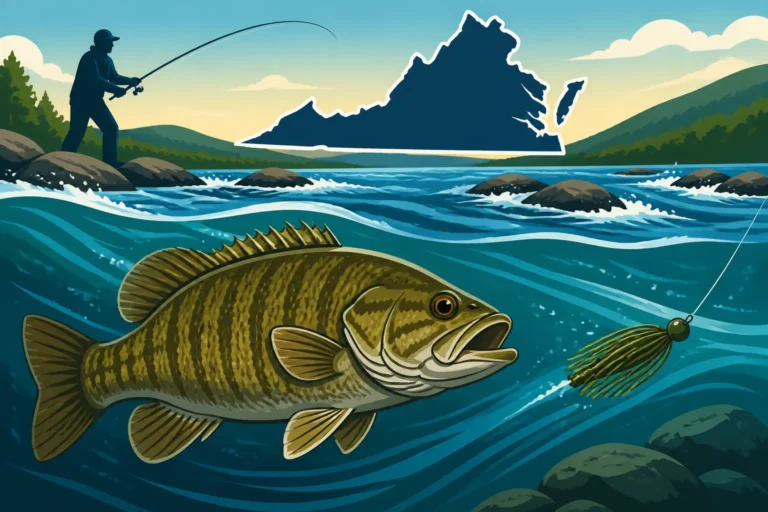
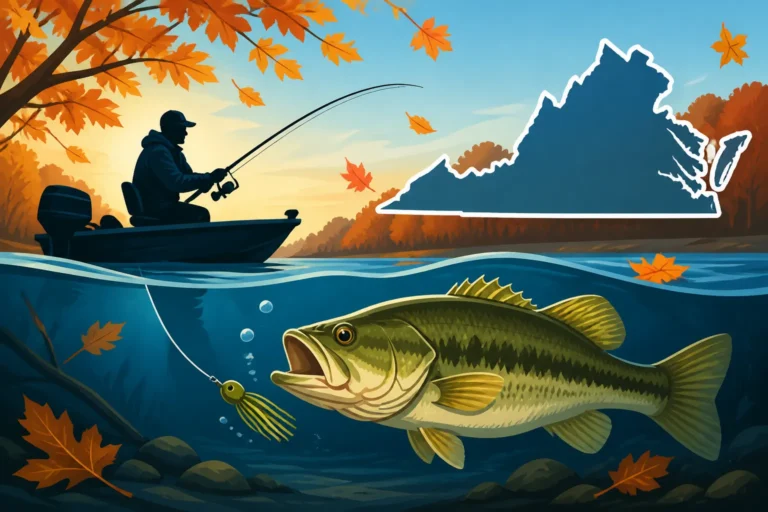
Spring is prime time for bass fishing in Virginia, as these aggressive fighters transition from deep winter haunts to shallow spawning grounds.
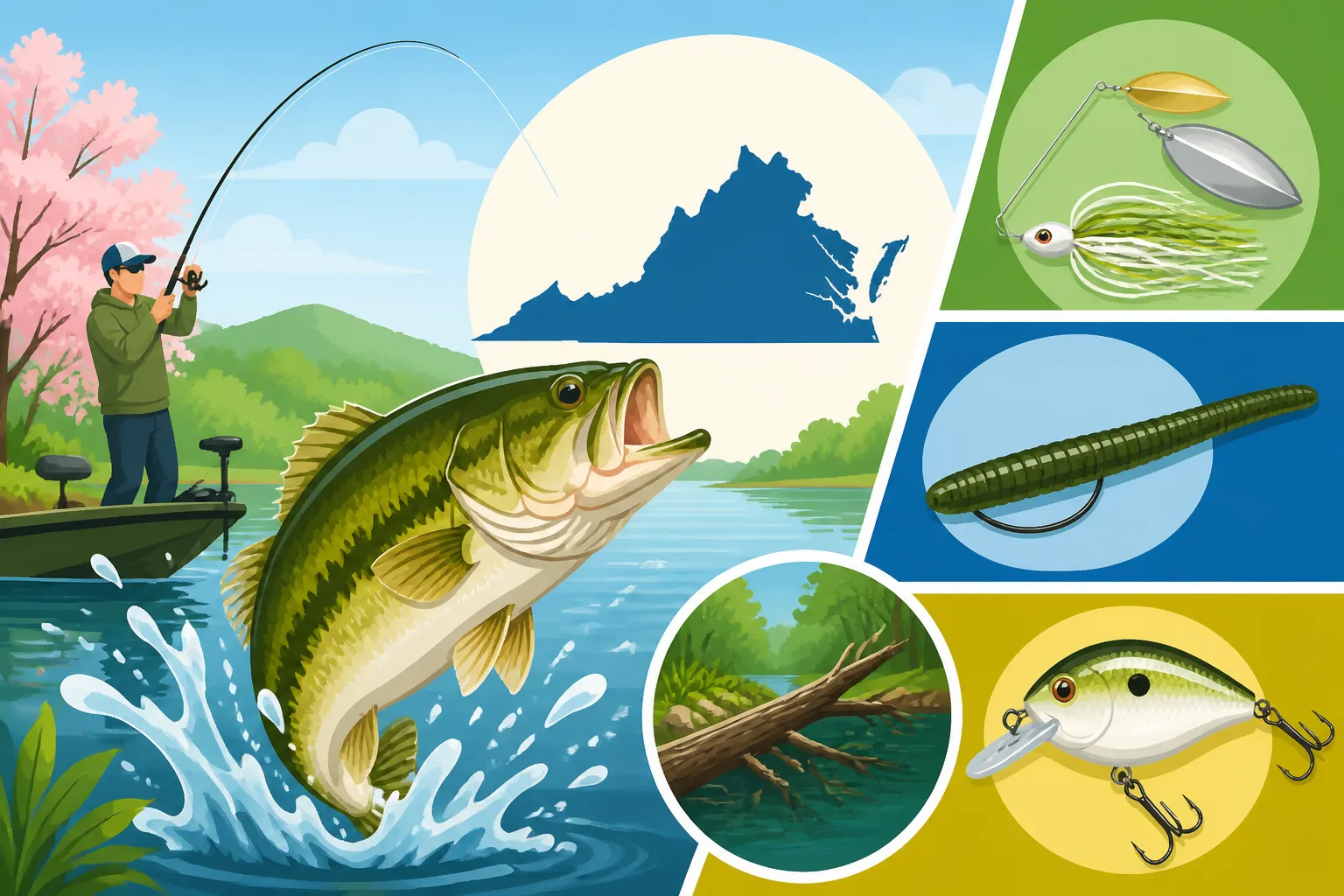
In the early pre-spawn, when water temperatures are still hovering in the upper 40s to low 50s, focus on slow presentations. Jigs, especially football jigs or skirted jigs with a creature bait trailer, worked slowly along deeper points, creek channel edges, and humps where bass stage are incredibly effective. Lipless crankbaits can also draw reaction strikes when retrieved slowly or "yo-yoed" near the bottom. Jerkbaits are fantastic in clear water, twitched and paused extensively to entice sluggish bass.
As water temperatures climb into the mid-50s and approach the spawn, bass become more active and start moving onto shallower flats and into protected coves. This is when spinnerbaits, chatterbaits, and medium-diving crankbaits shine. Fan-cast these baits to cover water, focusing on visible cover like fallen trees, docks, and rocky banks. They can trigger aggressive strikes from bass preparing to move onto beds.
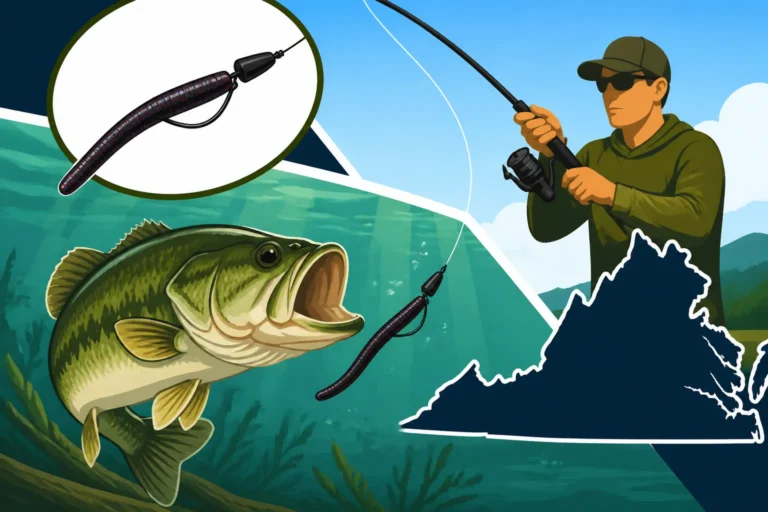
During the spawn, bass are guarding their nests. If you choose to target them on beds, soft plastics like tubes, Senkos, or creature baits are pitched directly onto the bed and left motionless, often triggering a "strike" as the bass tries to move the perceived intruder. Again, it's worth considering the ethical implications of this approach.
After the spawn, as bass recover, they can be found scattered. Some will stay shallow, guarding fry, while others will move to slightly deeper cover adjacent to their spawning grounds. Topwater lures like poppers, walking baits, or buzzing frogs can be excellent in low light or on warmer days, especially if you're targeting those post-spawn fish that are guarding fry. For schooling post-spawn bass, look for them chasing baitfish, and throw lipless crankbaits or swimbaits.
Crappie
Virginia is home to fantastic crappie fishing, and spring is arguably the best time to target these delicious panfish. Their spring movements are highly predictable, making them a great target for anglers of all skill levels.
In early spring, as water temperatures hit the mid-50s, crappie will begin to migrate from deeper winter holes to shallower spawning areas. Look for them congregating around submerged brush piles, standing timber, dock pilings, and bridge piers in 5-15 feet of water. As the water warms further, they will move even shallower, often just 2-5 feet deep, particularly in protected coves.
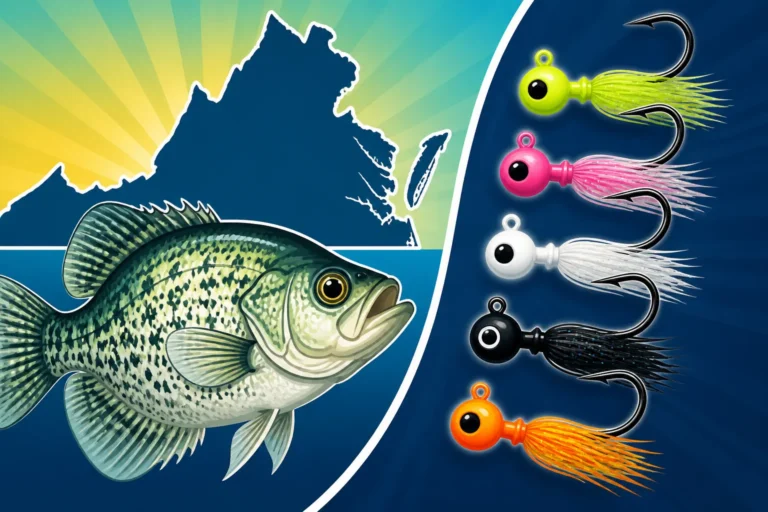
The most effective techniques include jigging and tightlining. For jigging, small soft plastic crappie jigs (1/32 to 1/16 oz) in chartreuse, white, or black-and-chartreuse are deadly. You can tip them with a small minnow for added attraction. Vertical jigging directly over brush piles or pitching jigs to visible cover are great strategies. Many anglers use a technique called "spider rigging," employing multiple long rods spread out from the boat, each with a jig or minnow-tipped jig, to cover a wide area. For more detailed tips, check out Crappie Jigging Techniques and Crappie Tightlining Basics.
When crappie are very shallow or under docks, tightlining with a small bobber and a minnow or tiny jig is perfect. Set your bobber so the bait is suspended just above the cover. They are often less aggressive than bass, so a subtle, slow presentation is key. Finding those warmer pockets in a coves where the water temperature is a degree or two higher can make a huge difference in finding active crappie. You can often find them stacked up in large schools, so once you find one, you're likely to find many. This is why spring is often touted as the Best Time to Catch Crappie in Virginia Lakes.
Trout (Stocked & Wild)
Virginia offers diverse trout fishing opportunities in the spring, from heavily stocked streams to pristine wild trout waters. The techniques you use will depend heavily on which type of fishery you're visiting.
For stocked trout streams, spring is prime time as the Virginia Department of Wildlife Resources (DWR) conducts regular stockings. These fish are often eager to bite. Your best bets are classic trout baits like PowerBait, corn, and live worms (red wigglers or nightcrawlers) fished on a small hook with a light sinker. Small inline spinners (Mepps, Panther Martin, Rooster Tail) in silver, gold, or black can also be incredibly effective, especially when cast upstream and retrieved through deeper pools. Fly anglers will find success with nymph patterns that mimic common aquatic insects, as well as streamers that imitate baitfish. Remember to check Stocked Trout License Requirements in Virginia as these waters often have special permits needed.
Wild trout streams in Virginia, typically found in the mountainous western parts of the state, require a more subtle approach. These fish are warier and often smaller but offer a truly rewarding experience. Fly fishing is the dominant technique here. Early spring might call for nymphing techniques, especially if hatches haven't fully begun. As insect activity picks up, matching the hatch with dry flies becomes key. Small streamers can also entice aggressive wild trout. Stealth is paramount on these clear, often shallow streams. Wading carefully, casting accurately, and using light leaders are essential. If you're planning a trip to these pristine waters, be sure to understand the unique Wild Trout Stream Rules in Virginia. For those looking to master the art, there's a wealth of knowledge in Fly Fishing for Trout on Rivers.
Striped Bass (Rockfish)
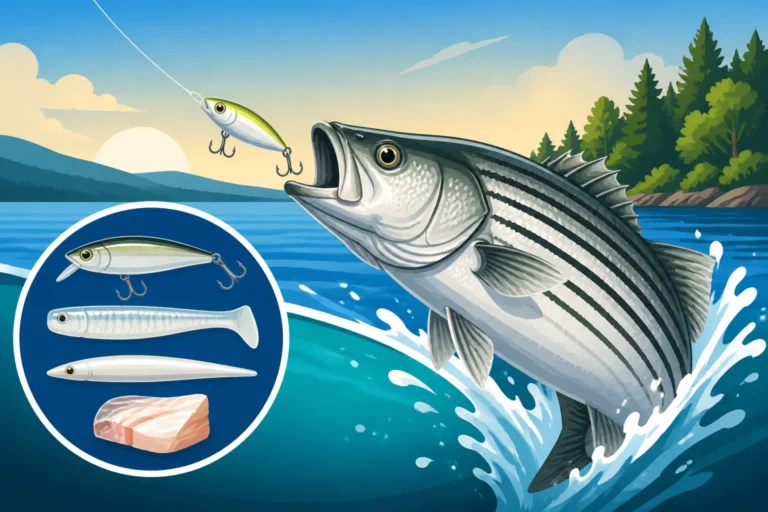
For saltwater and tidal freshwater anglers, spring brings the excitement of the striped bass (often called rockfish in Virginia) run. These powerful fish migrate into the Chesapeake Bay and its tributaries to spawn.
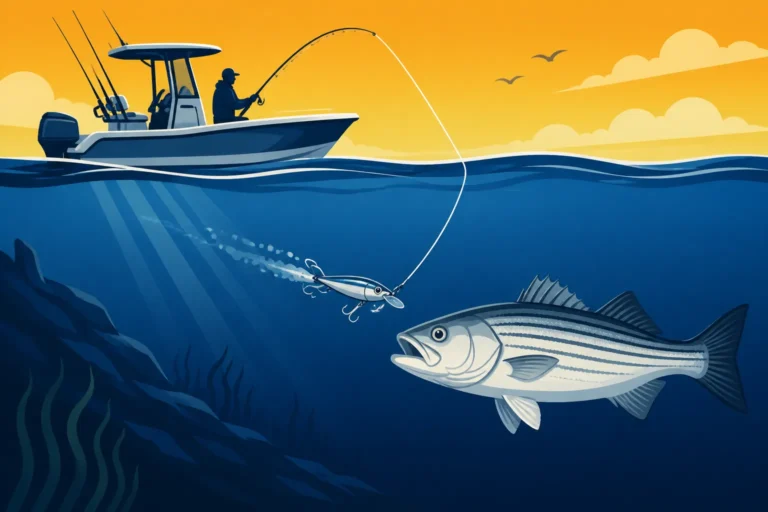
Early spring, particularly from January through March, can see a strong migratory run in the lower Chesapeake Bay and ocean waters. Anglers often target these fish by trolling with large plugs or umbrella rigs. As the spring progresses and water temperatures warm, stripers move further up the tidal rivers like the James, York, Rappahannock, and Potomac to spawn. This period is also covered by Virginia's specific regulations, so understanding Virginia Striped Bass Season Dates January Through March is critical.
Once in the rivers, they can be targeted with a variety of methods. Live bait, particularly menhaden or herring where legal, can be incredibly effective when fished on a strong circle hook with sufficient weight to hold bottom in the current. Jigging with large soft plastic swimbaits (like Z-Man or similar brands) or metal jigs around channel ledges, deep holes, and bridge pilings can also produce strikes. As the water warms further and the fish complete their spawn, they begin to move back out towards the bay and ocean. This second season, which typically opens in mid-May, offers another excellent opportunity for anglers, as outlined in Virginia Striped Bass Season Reopens May 16. Always double-check the current Virginia's Fishing License and Catch Limit Basics as striped bass regulations, especially slot limits and possession limits, can change.
Essential Gear and Lures for Spring Success
Having the right tools for the job can make a huge difference, especially when fish behavior is fluctuating with the weather. Don't skimp on the basics, and be prepared to adapt.
Rods, Reels, and Line Choices
A versatile setup is your best friend in spring. For most freshwater applications, especially bass and crappie, a medium-action spinning rod (6'6" to 7'0" length) paired with a 2500-3000 series spinning reel is a great all-around choice. This setup allows for casting lighter lures and baits while still having enough backbone to handle a good-sized fish. Spool it with 8-12 lb monofilament or fluorocarbon, or consider 20 lb braid with a fluorocarbon leader for sensitivity and strength.
For heavier applications like targeting larger striped bass or power fishing for aggressive pre-spawn bass, a medium-heavy baitcasting rod (6'6" to 7'6" length) with a matching reel spooled with 15-20 lb fluorocarbon or 30-50 lb braid is ideal. The increased power and torque of a baitcaster makes it easier to cast heavier lures and battle larger fish.
When fishing for trout, especially in smaller streams, a lighter setup is preferred. A light or ultralight spinning rod (5'0" to 6'6" length) with a small 1000-2000 series reel and 4-6 lb monofilament or fluorocarbon line will give you the sensitivity and finesse needed for these often wary fish.
Must-Have Spring Lures and Baits
Your tackle box in spring should be a diverse collection, ready for whatever the fish throw at you. Here are some essentials:
- Jigs: From finesse jigs for sluggish bass to tiny crappie jigs, these are indispensable. For bass, consider rubber-skirted jigs (1/4 to 1/2 oz) in black/blue, green pumpkin, or brown. For crappie, a variety of small soft plastic jigs in chartreuse, white, and black are crucial.
- Spinnerbaits: Great for covering water and triggering reaction strikes, especially in stained water or around moderate cover. White, chartreuse, and white/chartreuse combinations with tandem willow or Colorado blades are excellent.
- Crankbaits: Lipless crankbaits are phenomenal in pre-spawn for covering vast flats and triggering bites. Diving crankbaits (medium and deep runners) in shad, crawfish, or perch patterns are also excellent for probing different depths.
- Jerkbaits: Ideal for cold water and clear conditions, especially for bass. Suspending jerkbaits allow you to twitch and pause them in the strike zone for extended periods, enticing finicky fish.
- Soft Plastics: The versatility is endless. Stick worms (Senkos), creature baits, swimbaits, and finesse worms can be rigged in countless ways to appeal to bass. Grubs and small tubes are great for crappie and even trout. Many anglers find great deals on variety packs on Amazon.
- Live Bait: Don't underestimate the power of live bait. Minnows for crappie and sometimes bass, nightcrawlers and red wigglers for trout and panfish, and cut bait for catfish are all highly effective in spring. You can often find pre-packaged worms on Amazon if you don't have a local bait shop handy.
Remember, lure color can be important. In clear water, natural colors (green pumpkin, watermelon, shad patterns) often work best. In stained or muddy water, brighter colors (chartreuse, white, hot pink) provide better visibility.
Tackle Box Essentials Beyond Lures
Beyond your rods and lures, a well-stocked tackle box should include:
- Pliers and Line Clippers: Essential for removing hooks and cutting line safely.
- Measuring Tape and Scale: To accurately record your catches (and ensure they meet regulations!).
- Landing Net: Especially for larger fish, a net minimizes stress on the fish and prevents lost trophies at the boat.
- First-Aid Kit: Small cuts and scrapes happen.
- Sun Protection: Sunscreen, a wide-brimmed hat, and polarized sunglasses are a must for long days on the water. You can find excellent fishing-specific sunglasses on Amazon.
- Rain Gear: As we discussed, spring weather in Virginia is unpredictable. A good waterproof jacket and pants can save your day.
- Camera: To capture those memorable spring catches!
Having these items readily accessible will make your spring fishing trips more comfortable and productive.
Adapting to Challenging Spring Days
Even with the best preparation, spring in Virginia can throw curveballs. The truly successful angler isn't just someone who knows techniques, but someone who can adapt when conditions get tough.
Fishing After a Cold Front or Rain
A sudden cold front after a warm spell can be one of the most frustrating experiences in spring fishing. Fish, especially bass, often get "lockjaw" and become incredibly sluggish. When this happens, your best bet is to slow everything down. Instead of power fishing, switch to finesse techniques. Think small worms on a shaky head, a Carolina rig, or a drop shot rig fished painstakingly slowly on deeper structure. Fish will often bury themselves in the thickest cover or drop to the deepest adjacent structure they can find, so targeting those areas is key. You can find more detailed strategies in our article How to Catch Bass After a Cold Front.
Heavy, prolonged rain can also present challenges, primarily by muddying the water and potentially dropping water temperatures. In muddy water, visibility is poor, so fish rely more on vibration and scent. Use louder lures like spinnerbaits with large Colorado blades, bladed jigs (ChatterBaits), or crankbaits with rattles. Choose darker or brighter colors like black/blue or chartreuse that offer better contrast. If the water temperature drops significantly, again, slow your presentation and target structure that might break the current or offer warmer pockets. Our guide How to Fish After Heavy Rain offers specific tactics for these conditions.
High Wind and Bright Sun
Windy days in spring can be a blessing or a curse. A moderate breeze can create a "chop" on the water's surface, breaking up light penetration and making fish feel more comfortable moving and feeding shallow. This is great for reaction baits like spinnerbaits and crankbaits. The wind also concentrates baitfish, which in turn concentrates predators. However, strong winds can make boat control difficult, casting a nightmare, and finding fish nearly impossible.
When facing high winds, look for sheltered coves, pockets, or the leeward side of islands where the water is calmer. Fish will often gravitate to these areas to escape the turbulent conditions. Using heavier baits can help with casting accuracy and maintaining bottom contact. Consider vertical presentations like jigs or drop shots right under the boat in deeper, calmer water.
Bright, sunny days, especially after a cold front, can also make fishing tough. The harsh light penetrates deeply, making fish seek shade or deeper water. Focus on areas with overhead cover like docks, fallen trees, or thick vegetation. Also, consider fishing deeper structure during the brightest parts of the day, as fish will move there for comfort. Low light periods, like dawn and dusk, become even more critical on bright, sunny days, as fish will venture out to feed.
Water Temperature Extremes
While spring generally means warming water, you can encounter surprising extremes. Early spring might see water still clinging to winter lows, while a sudden heatwave could push it much warmer than anticipated.
If the water is still very cold (below 50 degrees F), fish will be lethargic. Focus on slow, deep presentations. Jigs, jigging spoons, or suspending jerkbaits with very long pauses are your best bet. Don't expect aggressive strikes; often, it'll just be a subtle "thump" or added weight on your line.
Conversely, if an unseasonable warm spell heats the water too quickly, especially in smaller lakes, fish might become uncomfortable and seek deeper, cooler water. They might also become less active if they move straight into spawning mode and then get "shocked" by the sudden warmth. In these cases, again, deeper presentations might be needed, or targeting areas where springs or feeder creeks bring in cooler, oxygenated water. A thermometer is your best friend here, helping you pinpoint those comfortable zones.
| Species | Typical Spring Location | Key Techniques | Essential Lures/Baits |
|---|---|---|---|
| Largemouth Bass | Pre-spawn: Deep points, creek channels, humps near flats. Spawn: Shallow coves, protected banks. Post-spawn: Adjacent cover, schooling in open water. | Jigs (slow), Crankbaits (power), Spinnerbaits (cover), Soft plastics (finesse, bed fishing), Topwater (post-spawn) | Jigs, Lipless & Diving Crankbaits, Spinnerbaits, Senkos, Creature Baits, Jerkbaits, Poppers |
| Smallmouth Bass | Pre-spawn: Rocky points, current breaks in rivers. Spawn: Gravel/rocky areas. Post-spawn: Rocky ledges, current seams. | Jerkbaits (cold water), Tubes & Grubs (finesse), Crankbaits (river current), Spinnerbaits (cover) | Jerkbaits, Tubes, Grub Jigs, Small Crankbaits, Inline Spinners |
| Crappie | Submerged brush piles, standing timber, docks, bridge pilings in protected coves (shallow). | Jigging (vertical or pitching), Tightlining (with bobber) | Small soft plastic jigs (1/32-1/16 oz), Live minnows, Marabou jigs |
| Trout (Stocked) | Recently stocked areas, deeper pools, slower runs. | Bait fishing (bottom or float), Inline spinners, Nymphs (fly) | PowerBait, Corn, Worms, Mepps/Panther Martin Spinners, Pheasant Tail Nymphs |
| Trout (Wild) | Clear mountain streams, pockets behind rocks, riffles, deep pools. | Fly fishing (nymphs, dry flies, streamers) | Caddis Nymphs, Stonefly Nymphs, Parachute Adams, Elk Hair Caddis, Woolly Buggers |
| Striped Bass | Chesapeake Bay tributaries (James, York, Rappahannock, Potomac Rivers), Lower Bay. | Trolling (early spring), Live bait (menhaden, herring), Jigging with heavy swimbaits/metals. | Large Plugs, Umbrella Rigs, Live Menhaden/Herring, Heavy Swimbaits (e.g., Z-Man), Metal Jigs |
Spring in Virginia is a season of change and opportunity for anglers. By understanding the environment, mastering diverse techniques, and adapting to whatever Mother Nature throws your way, you're well on your path to a memorable and successful fishing season. So, pack your gear, check the forecast (but be ready for it to change!), and get out there to enjoy the beauty and bounty of Virginia's waters!
Disclaimer
This article is for general informational purposes only and does not constitute professional advice. Laws, prices and regulations vary by location and change over time. Consult a qualified professional for guidance on your specific situation.