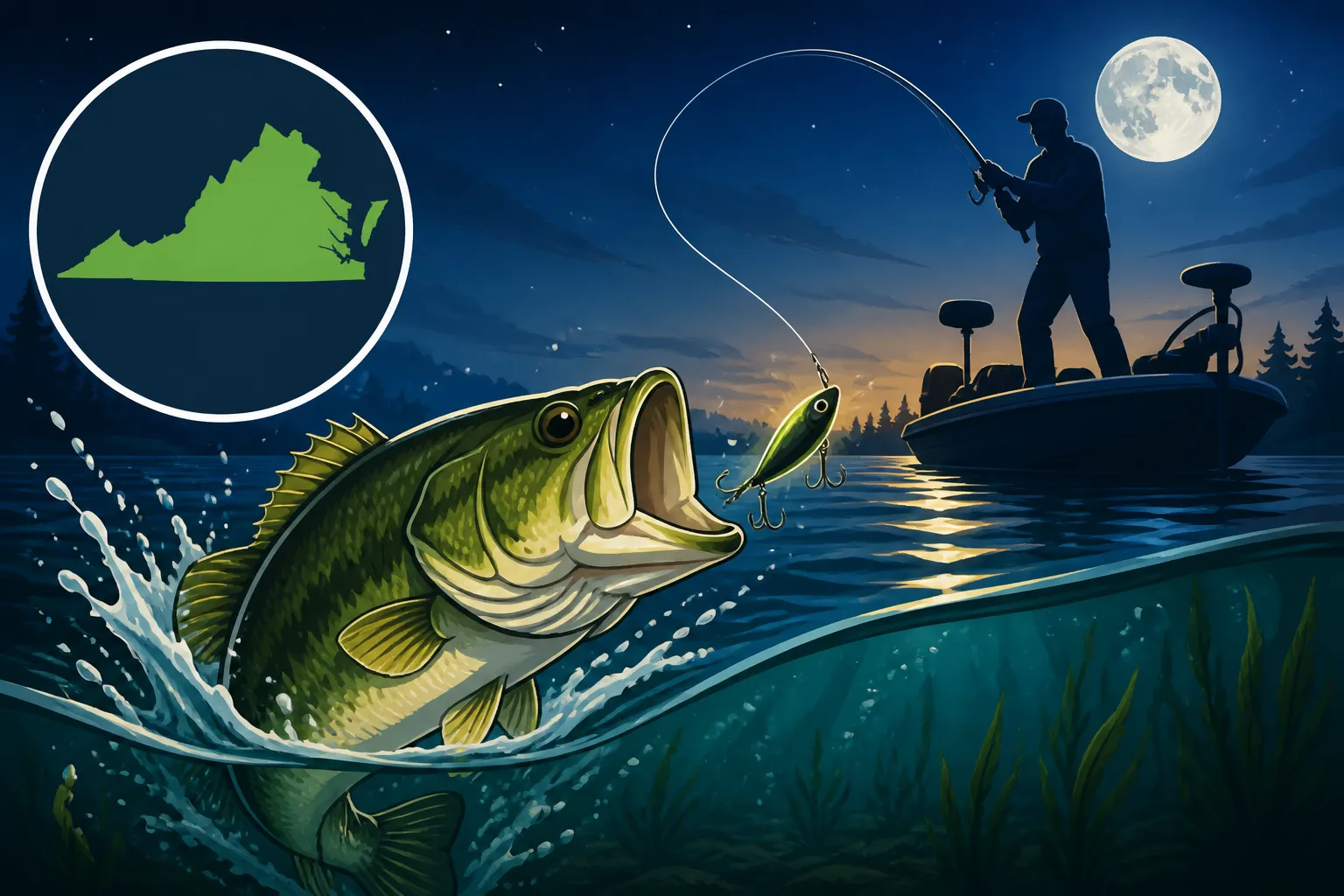
How to Catch Bass at Night in Summer
There's nothing quite like the burning sun of a Virginia summer day to make you question your life choices, especially when you're out on the water, sweating, and the bass seem to have completely vanished. Many anglers hang up their rods during the sweltering afternoons, frustrated by slow bites and uncomfortable conditions. But what if I told you that the best bass fishing of summer often begins just as the sun dips below the horizon? This comprehensive guide is all about equipping you with the knowledge and confidence to tackle Virginia's lakes and rivers after dark, turning those frustrating daytime struggles into memorable nighttime triumphs.
Why Summer Night Fishing for Bass is a Game Changer in Virginia
Daytime fishing during the height of a Virginia summer can be a real grind. The heat, the glare, the boat traffic – it all adds up to a less-than-ideal experience for both angler and fish. But when the stars come out, a whole new world of opportunity opens up, especially for targeting those elusive largemouth and smallmouth bass.
Beating the Heat and the Crowds
Let's be honest, those triple-digit heat index days we often get in Virginia are brutal. Sitting in a boat under the intense sun, constantly wiping sweat from your brow, is not most people's idea of a relaxing day. More importantly, that heat also warms the surface water, sending bass deep into cooler, more oxygenated areas where they become lethargic and much harder to coax into biting. You're fighting the elements, and often, you're losing.
Beyond the sweltering temperatures, popular Virginia waterways like Lake Anna or Smith Mountain Lake can become absolute playgrounds for recreational boaters during the day. Jet skis zip by, wakeboard boats churn up the water, and fishing spots can feel crowded and disturbed. This constant activity can spook bass and make them wary, further reducing your chances of a successful catch. When night falls, however, the temperature drops, offering a much more comfortable experience. The air cools, the surface water cools, and suddenly, those bass that were hunkered down in the depths begin to stir. Plus, the vast majority of recreational traffic clears out, leaving you with peaceful, wide-open waters to explore. It’s like having your own private lake, with cooler breezes and the quiet hum of nature as your soundtrack.
Understanding Nocturnal Bass Behavior
Bass are ambush predators, and they use changes in light and temperature to their advantage. During the day, especially in clear water, they're often wary of bright light and seek refuge in deep cover or shade. But as twilight deepens into full night, several key factors kick in that completely change their behavior, often making them more aggressive and accessible. The most significant trigger is the drop in light levels. Bass eyes are well-adapted for low light conditions, giving them a distinct advantage over many of their prey species, particularly baitfish that might be less agile in the dark.
This shift in light often prompts bass to move from their deep, daytime haunts into shallower water, closer to shorelines, docks, and weed beds. They're looking for an easy meal, taking advantage of the reduced visibility to ambush unsuspecting baitfish, frogs, or crawfish that also become more active in the cooler night air. Instead of expending energy chasing fast-moving prey in bright light, they can patrol key ambush points with greater confidence. Their lateral line, which detects vibrations in the water, becomes their primary hunting tool, allowing them to home in on struggling bait or the subtle movements of your lure. Understanding this nocturnal migration and feeding frenzy is the first step to truly mastering night bass fishing.
Essential Gear for Night Bass Fishing Adventures
Venturing out onto the water after dark requires more than just your usual daytime setup. Safety becomes paramount, and certain pieces of equipment can drastically improve your chances of success and ensure a comfortable experience. Don't skimp on these essentials – they make all the difference.
Lighting and Safety First
When the sun goes down, your ability to see and be seen becomes critical. A reliable headlamp is absolutely non-negotiable. Look for models with adjustable brightness settings and, ideally, a red light option. The red light helps preserve your natural night vision, making it easier for your eyes to adjust to the darkness when you do need to turn off your light. Trust me, fumbling with knots or trying to re-rig in pitch black without a good headlamp is a recipe for frustration and lost fishing time. Always carry spare batteries, or better yet, a fully charged portable power bank for rechargeable models. You can find some excellent, robust headlamps on Amazon that are specifically designed for outdoor activities, offering waterproof features and long battery life.
Beyond personal lighting, if you're fishing from a boat, proper navigation lights are not just a recommendation, they're a legal requirement in Virginia. Ensure your boat's red and green bow lights and white stern light are all in perfect working order before you leave the ramp. Other crucial safety items include a fully charged cell phone, a whistle or air horn, and a well-stocked first aid kit for those inevitable hook mishaps or bug bites. Speaking of bugs, a strong insect repellent is absolutely essential in Virginia's summer nights. The mosquitoes and gnats can be relentless, and a good bug spray will make your experience infinitely more enjoyable. Remember, the goal is to enjoy the peace of the night, not to battle the elements or struggle in the dark. For a deeper dive into fishing safety, check out our guide on Night Fishing Techniques.
Rods, Reels, and Lines for Low Light
Your choice of rods, reels, and lines plays a significant role in your night fishing success, as you'll be relying more on feel than sight. For rods, a medium-heavy to heavy action rod, typically 6'6" to 7'6" in length, is a great all-around choice. The heavier action provides the backbone needed to drive hooks home, especially with larger, single-hooked night lures, and to pull fish out of thick cover. Longer rods can also aid in making longer, more accurate casts in the dark, giving you more reach without sacrificing control.
When it comes to reels, baitcasting reels are often preferred for their casting accuracy and power, allowing you to pitch heavy lures precisely to dark targets like dock pilings or submerged trees. However, if you're more comfortable with spinning gear or prefer lighter presentations, a sturdy spinning reel paired with a medium-heavy rod will also work perfectly. The key is comfort and familiarity, as you'll be operating primarily by feel. For line, many night anglers opt for heavier fluorocarbon or monofilament. Fluorocarbon offers excellent sensitivity and low visibility, which can be crucial for detecting subtle bites in the dark. Monofilament provides good knot strength and a bit more stretch, which can be forgiving. Avoid braided line unless you're very confident in tying knots in the dark, as its limpness can sometimes make it harder to handle without visual cues. A good starting point for main line might be 15-20lb test, paired with a shorter, heavier fluorocarbon leader if needed. Many reliable brands of fishing lines and reels, suitable for night fishing, are readily available on Amazon.
Lures That Shine (or Don't) in the Dark
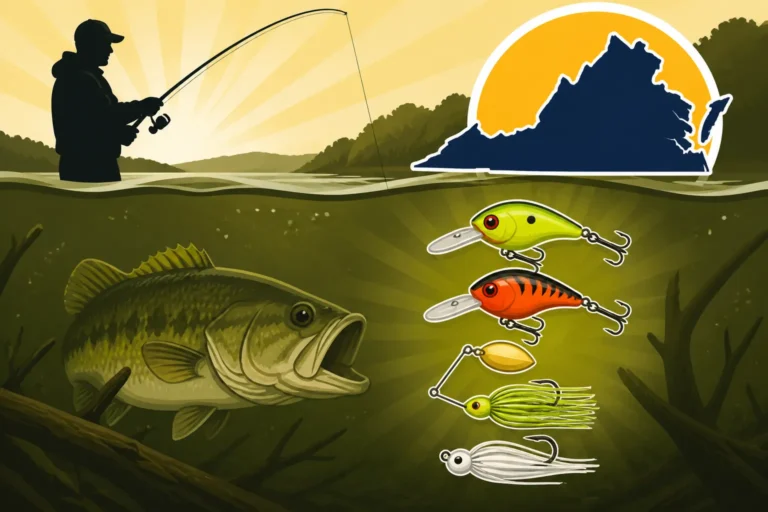
The right lure choice for night fishing is less about flash and more about profile, sound, and vibration. Bass primarily rely on their lateral line and sense of smell after dark, so you want lures that effectively exploit these senses. Topwater lures are often the rockstars of night fishing, creating irresistible commotion on the surface. Think about Jitterbugs, Zara Spooks, and Whopper Ploppers. Their gurgling, walking, or plopping actions create a distinct disturbance that bass can easily locate. Opt for dark colors like black, blue, or purple, as these create the strongest silhouette against the night sky, making them more visible to bass looking up from below.
Spinnerbaits and chatterbaits are also incredibly effective. The thumping vibration of a chatterbait or the flash and thump of a spinnerbait blade send strong signals through the water, mimicking fleeing baitfish or crawfish. Again, dark skirts with oversized blades can be particularly deadly. For sub-surface presentations, large, bulky plastic worms, especially Texas-rigged for weedless fishing around cover, are excellent. Jigs with large living rubber or silicone skirts, paired with a bulky trailer, also offer a strong profile and slow fall. Scent-infused soft plastics can be a real game-changer at night, providing an added attractant when visibility is minimal. Don't be afraid to experiment with large, slow-moving swimbaits, too, as they present a substantial meal that a nocturnal bass is less likely to pass up. For more ideas, check out Best Lures for Summer Bass Fishing. You might also find our guides on How to Fish a Plastic Worm for Bass and How to Fish a Jig for Largemouth Bass helpful for your night endeavors.
Here's a quick reference table for some effective night bass lures:
| Lure Type | Key Characteristics | Ideal Application | Best Colors |
|---|---|---|---|
| Topwater Poppers | Gurgling, spitting action | Open water, shallow docks, shorelines | Black, Blue |
| Walking Baits | Side-to-side "walk-the-dog" action | Open water, points, shallow flats | Black, Blue |
| Whopper Ploppers | Plopping tail, strong vibration | Shallow cover, lily pads, grass lines | Black, Blue |
| Spinnerbaits | Blade flash, skirt vibration | Weed edges, submerged cover, open water | Black/Blue, Dark Purple |
| Chatterbaits | Unique blade vibration, skirt action | Grass, scattered cover, open water | Black/Blue, Green Pumpkin |
| Large Plastic Worms | Subtle action, bulky profile | Texas-rigged around heavy cover, brush piles, docks | Black, Junebug, Blue |
| Jigs | Large profile, slow fall | Flipping/pitching docks, brush, rock piles | Black/Blue, Green Pumpkin |
| Swimbaits | Realistic baitfish profile | Slow roll near structure, open water | Dark Shad, Black |
Strategies and Techniques for Virginia's Nighttime Bass
Knowing what gear to use is only half the battle; understanding where and how to present your lures after dark is where the magic truly happens. Night fishing isn't just daytime fishing in the dark; it requires a different approach.
Locating Nighttime Bass Hangouts
As mentioned earlier, the key difference at night is that bass will often move shallower. Their deep, daytime hideouts are usually abandoned for more active hunting grounds. Docks are prime real estate at night, especially those with lights that attract baitfish and provide ambush points for bass. Cast beyond the dock and work your lure back towards the pilings and underneath any overhanging structures. Lily pads, thick grass beds, and expansive weed lines that seemed impenetrable during the day become perfect hunting grounds. Bass will patrol the edges and even move into sparse patches to feed on frogs and other creatures.
Submerged structure like rock piles, brush piles, and fallen trees that you might have identified during the day with your fish finder (more on that in a moment) are excellent targets. Remember, bass will be relying on vibrations and scent, so hitting these structures directly or casting very close is crucial. Some of the best fishing spots in Virginia, like those on Lake Anna, feature plenty of docks and riprap that can hold bass after dark. If you're lucky enough to find bridge pilings with ambient light from the shore or passing boats, these can be bass magnets, drawing in schools of baitfish. A little reconnaissance during the day to mark these structures on your GPS or mentally note their locations can greatly improve your nighttime efficiency. Our guide on Summer Bass Fishing Patterns can give you more insights into how bass behave as the seasons change, and How to Find Fish From a Boat With a Fish Finder will help you mark those key spots before the sun goes down.
Presentation is Everything in the Dark
Since bass are relying on their lateral line and sense of smell, your presentation needs to be slow and deliberate. Forget those fast, erratic retrieves you might use during the day. A slow, steady retrieve with occasional pauses gives the bass ample time to detect your lure and commit to a strike. The slower movement also allows your lure's vibration or scent trail to disseminate more effectively through the water. For topwater lures, a slow, methodical walk-the-dog or a deliberate gurgle-and-pause with a Jitterbug is often more effective than a frantic retrieve.
Casting accuracy becomes a skill you'll hone in the dark. Without visual cues, you'll be relying on muscle memory and the sound of your lure hitting the water. Practice casting to specific targets in daylight so you can replicate those casts after dark. When you retrieve, really focus on the feel of the lure. Every tick, every bump, every change in vibration can indicate a bite. Sometimes, a bite at night feels less like a sudden strike and more like a spongy weight on the end of your line. It takes focus and practice to differentiate between your lure hitting a piece of grass and a bass inhaling it. Stealth is also crucial; approach your fishing spots quietly, minimize unnecessary noise, and avoid shining your bright lights directly onto the water unless absolutely necessary. For more general advice on fishing in low light, refer to Is Night Fishing Better Than Day Fishing?.
Color Choices and Scent Advantage
When fishing at night, the conventional wisdom about lure colors often flips on its head. During the day, natural colors or those mimicking local baitfish are often preferred. At night, however, bass rely less on visual color and more on silhouette and vibration. This is why dark colors like black, blue, and purple are so effective. These colors create the strongest, most distinct silhouette against the lighter night sky or against the moon's glow, making them easier for bass to track. Imagine a bass looking up at your lure; a dark shape is much more noticeable than a transparent or light-colored one.
Sometimes, a lure with a strong contrast, like a black and blue jig, can be particularly effective. The contrast helps define the lure's shape even further. But perhaps even more important than color at night is scent. With limited visibility, bass lean heavily on their sense of smell to locate prey. Adding a scent attractant to your soft plastics or even your hard baits can significantly increase your strike ratio. Products like PowerBait MaxScent or various other liquid and gel scents available on Amazon can be applied directly to your lures. This added sensory input can entice a hesitant bass to hold onto your lure longer, giving you more time to feel the bite and set the hook. Don't underestimate the power of a strong scent trail in the darkness.
Safety, Regulations, and Local Insights
Night fishing in Virginia can be an incredibly rewarding experience, but it also comes with unique challenges and responsibilities. Being prepared and informed about safety and local regulations is key to a successful and incident-free outing.
Navigating Virginia Waters Safely After Dark
Safety must always be your top priority when fishing after dark. The familiar daytime landscape of your favorite lake can transform into a maze of unseen hazards under the cloak of night. Before you even launch, always inform someone of your float plan – where you're going, when you expect to return, and who is with you. Carry a fully charged marine radio or cell phone in a waterproof bag, and know how to use it in an emergency. On the water, proceed with extreme caution and at a reduced speed. Submerged stumps, rocks, and unlit docks that are easily visible by day can become dangerous obstacles. Familiarize yourself with our Virginia Fishing Regulations Explained to ensure all your navigation lights are operational and compliant.
Keep a vigilant watch for other vessels, especially smaller boats or kayaks that might not have adequate lighting. Fog can roll in quickly on Virginia waters, further reducing visibility, so always monitor weather forecasts closely. A sudden summer thunderstorm can turn a peaceful night into a perilous situation in minutes. Lastly, wear your life vest. It's not just a suggestion; it's a critical piece of safety equipment that can save your life if an unforeseen accident occurs. Even seasoned anglers can encounter unexpected situations in the dark, so always be prepared. Our guide on Virginia's Rules for Fishing on Public and Private Waters also offers important information about access and restrictions, which can be even more crucial to understand at night.
Virginia-Specific Night Fishing Tips
Virginia boasts numerous fantastic waters for bass fishing, and many of them offer excellent night fishing opportunities during the summer. Lakes like Smith Mountain Lake and Lake Anna are renowned for their abundant bass populations and plentiful docks that become prime feeding grounds at night. Buggs Island Lake (also known as Kerr Lake) on the Virginia-North Carolina border is another excellent choice, particularly for targeting large bass around its vast amounts of standing timber and riprap. Knowing the specific characteristics of your chosen waterway, such as common depths, types of cover, and areas with current, will significantly enhance your chances of success. Our Best Fishing Spots in Virginia guide can help you pinpoint some excellent locations, and specific guides like Smith Mountain Lake Fishing Guide and Lake Anna Fishing Guide offer more detailed insights.
While most general fishing regulations apply 24/7, it's always a good idea to double-check with the Virginia Department of Wildlife Resources (DWR) for any specific local ordinances or seasonal restrictions that might affect night fishing on your chosen body of water. Some smaller, local lakes or private reservoirs may have unique rules regarding nighttime access or boat operation. Generally, if the water is open for daytime fishing, it's open for night fishing, but staying informed is always best. Finally, try to scout your fishing spots during the day before you venture out at night. Knowing where submerged hazards are, where the docks end, or where the weed lines thin out will give you a tremendous advantage and make for a much safer, more enjoyable night of chasing Virginia bass.
Disclaimer
The information provided in this guide is for general informational purposes only. Fishing regulations, conditions, and safety recommendations can change. Always consult the official Virginia Department of Wildlife Resources (DWR) website and local authorities for the most current and accurate information before planning any fishing trip. Fishing involves inherent risks; always prioritize safety and adhere to all applicable laws and regulations.