Bass Spawn Timing on Virginia Lakes
If you've ever found yourself on a Virginia lake in early spring, brimming with anticipation, only to cast your favorite lure into seemingly empty waters, chances are you've run headfirst into the mystery of bass spawn timing. It's a dance between the calendar, the weather, and those finicky water temperatures, and getting it right can mean the difference between a day of frustration and an unforgettable fishing experience. This guide will help you decode the nuances of the bass spawn on Virginia's beautiful lakes, giving you the insights to be in the right place at the right time.
Understanding the Bass Spawn Cycle
The bass spawn is much more than just a single event; it's a multi-stage process that typically spans several weeks, driven primarily by increasing water temperatures and lengthening daylight hours. For anglers, understanding each phase – pre-spawn, spawn, and post-spawn – is absolutely critical for success. Each stage demands a different approach, a different location, and often, different baits.
Pre-Spawn Preparations
Before the actual spawning begins, bass enter a crucial "pre-spawn" phase. This is arguably one of the most exciting times to be on the water, as bass are ravenously feeding to build up energy reserves for the strenuous spawning process ahead. You'll typically find them migrating from their deeper winter haunts into shallower staging areas. Think creek channels, points, and secondary submerged humps leading into bays and coves. They're often grouped up, making it possible to have incredible catch rates once you locate a school.
During this period, male and female bass are both actively feeding. Females are gorging themselves to develop their eggs, making them particularly heavy and sluggish. Males, while also feeding, start to show a little more aggression as they prepare to defend future nests. They're looking for protein-rich meals, so baits that mimic larger baitfish or crawfish often work wonders. Think crankbaits, spinnerbaits, and jerkbaits worked along these transition zones. This frantic feeding period is what makes Pre-Spawn Bass Fishing Tips such a valuable resource for many anglers hoping to land a lunker before the main event.
The Act of Spawning
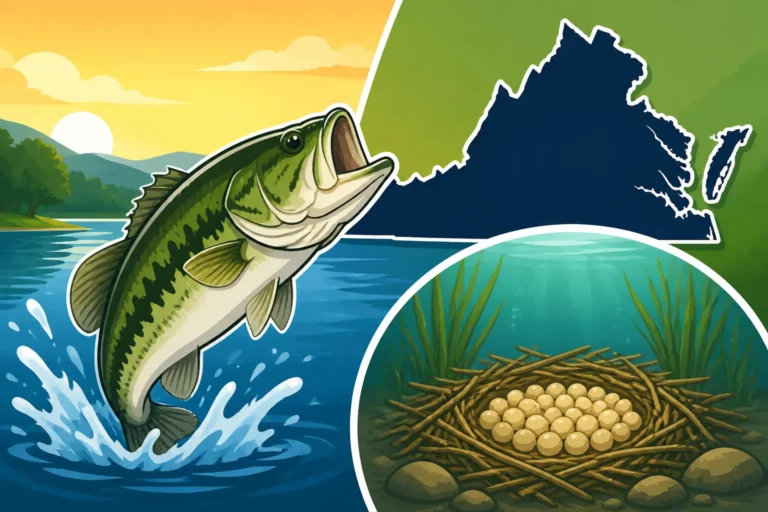
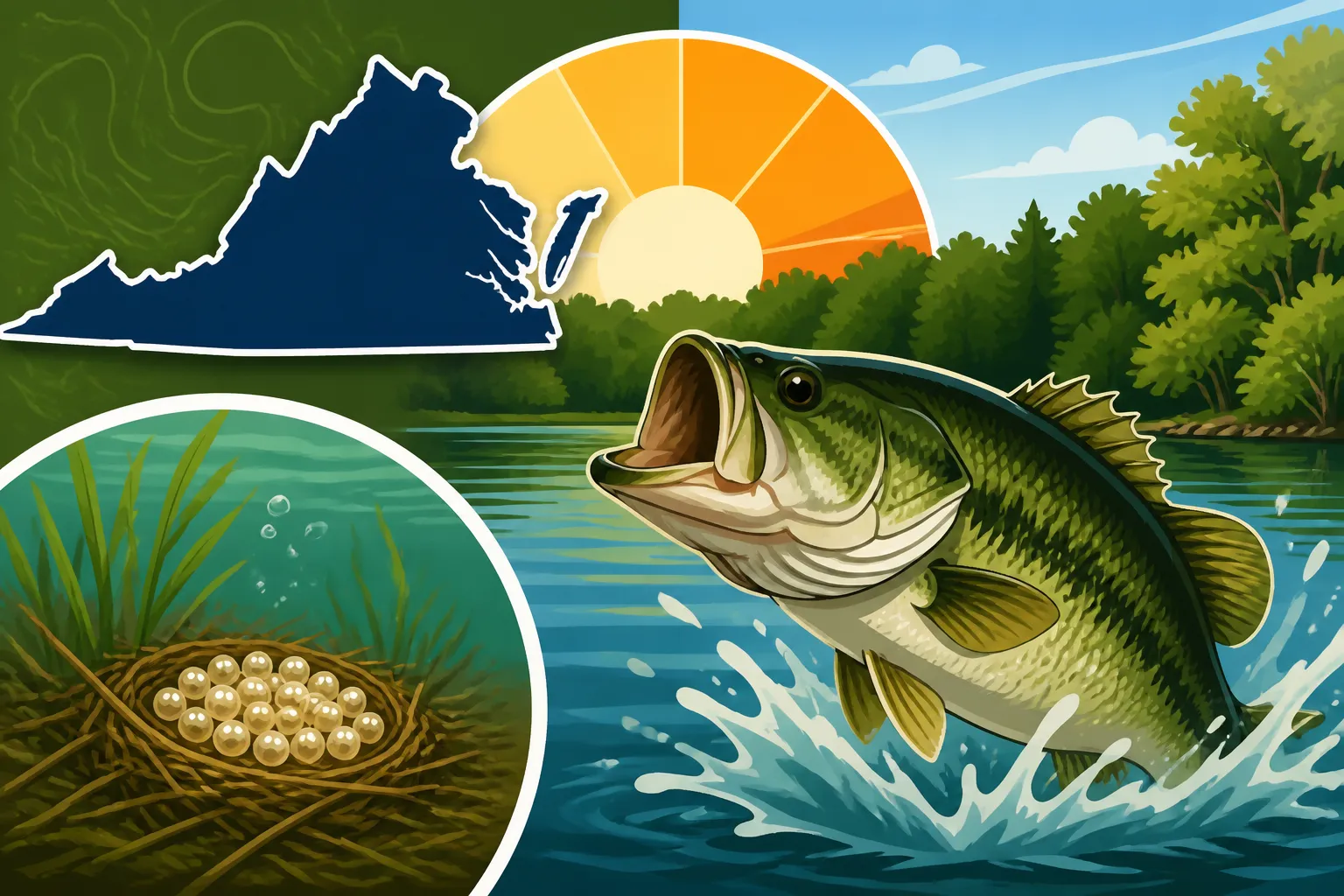
The actual spawning event, often called the "bedding" phase, occurs when water temperatures stabilize within a specific range, usually between 58 and 68 degrees Fahrenheit for largemouth bass, and slightly cooler for smallmouth bass. This is when male bass move into very shallow, protected areas – often less than 10 feet deep, sometimes even just a few inches – to fan out circular depressions on the bottom, known as beds. These beds are usually situated near some form of cover like docks, submerged timber, or rocks, which offers protection from predators and strong currents.
Once a bed is prepared, the male entices a female to deposit her eggs. She'll lay anywhere from a few thousand to tens of thousands of eggs, which the male then fertilizes. After egg deposition, the female typically leaves the bed, returning to deeper water to recover from the ordeal. The male, however, becomes the sole guardian, protecting the eggs and newly hatched fry from any perceived threat. This protective instinct is what makes bass so susceptible to sight fishing during the spawn, as they will aggressively strike anything that invades their space. Understanding How to Catch Bass During the Spawn ethically and effectively is key here.
Post-Spawn Guarding and Recovery
Once the eggs hatch into fry, the male bass continues his vigilant guard duty, herding the tiny, black cloud of young bass for a period of several days to a couple of weeks. This is a fascinating sight if you're lucky enough to witness it. During this time, the male's primary focus is still protection, but as the fry disperse, he, too, will begin to move off the beds and start feeding more actively again, albeit often in a somewhat weakened state after weeks of defending the nest.
Meanwhile, the female bass, having expended immense energy during egg production and deposition, enters a recovery period. She's often lethargic, returning to nearby deeper water to rest and recuperate. She might suspend over cover or deeper structure, showing little interest in feeding for a while. However, as her strength returns, she'll resume feeding, often voraciously, to regain lost weight and condition. This phase, often called the "post-spawn funk," can be challenging for anglers, as bass aren't concentrated on beds or actively chasing baits as they were in the pre-spawn. Adaptability is crucial, as explored in articles like Post-Spawn Bass Fishing Patterns.
Factors Influencing Spawn Timing
While the general sequence of the bass spawn is predictable, the exact timing can fluctuate significantly year to year, and even from one lake to another within Virginia. Several environmental factors act as cues, telling the bass when it's time to begin their ancient ritual.
Water Temperature is King
Without a doubt, water temperature is the most critical factor influencing when bass decide to spawn. For largemouth bass, the sweet spot generally falls between 58 and 68 degrees Fahrenheit. Smallmouth bass prefer slightly cooler waters, often spawning when temperatures reach the mid-50s to low-60s. This isn't just about a single warm day; it's about sustained warm temperatures that indicate stable conditions for their offspring. A sudden cold front can put the brakes on a spawn that's just getting started, pushing fish back into deeper water until conditions stabilize again. This fluctuation is why anglers closely monitor Water Temperature for Bass Fishing in Virginia.
Anglers often look for specific signs: when the water temperature in the shallower coves and flats consistently stays in the high 50s, you know the pre-spawn bite is on and the main spawn is imminent. If those temperatures dip due to a late spring cold snap, fish may pull back to deeper staging areas. This stop-and-go behavior can be incredibly frustrating, but it's Mother Nature's way of ensuring the best chance of survival for the young. Having a reliable thermometer on your boat or even a cheap handheld one you can pick up on Amazon can make a huge difference in tracking these crucial temperature shifts.
Photoperiod and Lake Depth
While temperature is paramount, the increasing length of daylight hours, known as photoperiod, also plays a significant role. As the days grow longer in spring, it signals to the bass that the seasons are changing and it's time to prepare for reproduction. This is a more consistent cue than temperature, which can fluctuate wildly. Together, photoperiod and temperature work in tandem to trigger the spawn.
Lake depth and clarity also influence spawn timing. Shallower lakes or shallower areas of large lakes tend to warm up faster, leading to an earlier spawn. Clearer lakes might also see an earlier spawn in deeper water, as sunlight penetrates further and warms the bottom. Conversely, deep, stained, or highly turbid lakes will take longer to warm, often delaying the spawn by a week or two compared to a clear, shallow impoundment. For example, a shallow, muddy backwater pocket on Lake Anna will warm much faster than a deep, clear main lake point on Smith Mountain Lake. The deeper the water, the longer it takes for that critical temperature range to be reached and maintained.
Weather Patterns and Lake Characteristics
Beyond temperature and photoperiod, broader weather patterns profoundly impact the spawn. A prolonged period of stable, sunny weather in early spring will accelerate the warming process and condense the spawn into a tighter window. Conversely, a spring filled with frequent cold fronts, heavy rains, and cloudy skies will delay the spawn and often prolong it, as bass move in and out of spawning areas in response to fluctuating conditions. High winds can also stir up shallow water, causing temperatures to drop and pushing fish deeper.
Each lake has its own unique characteristics that can affect spawn timing. Tributaries feeding into a lake can bring in cooler or warmer water, creating localized temperature differences. The presence of significant current, even in seemingly still lakes, can also influence where and when bass choose to spawn. Understanding the specific topography and hydrography of your chosen Virginia lake is just as important as knowing the general temperature range. Factors like these are why a dedicated resource like Virginia Fishing Seasons Explained is so useful for anticipating fish behavior throughout the year.
Virginia's Major Lakes: Spawn Hotspots
Virginia is blessed with a diverse array of lakes, each offering fantastic bass fishing opportunities. While the general spawn patterns hold true, the specific timing and prime locations will vary from lake to lake. Knowing these nuances can give you a significant edge.
Smith Mountain Lake and Lake Anna
Smith Mountain Lake, often referred to as SML, is a massive impoundment covering over 20,000 acres, straddling Bedford, Franklin, and Pittsylvania counties. It's famous for its crystal-clear water and diverse fishery, boasting impressive populations of largemouth and smallmouth bass, as well as its renowned striped bass. Due to its size and depth, the bass spawn on SML often begins later than in shallower lakes and can be quite staggered, with fish spawning in various coves and arms at different times.
Anglers targeting the spawn on Smith Mountain Lake will want to focus on the myriad of shallow coves, secondary points, and protected pockets, particularly in the mid to upper sections of the lake where water temperatures tend to climb faster. The largemouth typically bed first, followed by the smallmouth, which prefer slightly rockier bottoms and deeper spawning areas. Specific areas like Blackwater, Gills Creek, and Craddock Creek arms are perennial hotspots. For more in-depth knowledge, checking out a Smith Mountain Lake Fishing Guide can be incredibly helpful. You might even find specialized maps or lures on Amazon that are particularly effective for SML's unique conditions.
Lake Anna, located in Spotsylvania, Louisa, and Orange counties, is another popular and productive bass fishery in Virginia. It's known for its warmer water temperatures, especially in the private "hot side" generated by the North Anna Nuclear Power Station, which can create a unique microclimate affecting fish behavior. The main lake's public side, however, follows more typical seasonal patterns. Lake Anna is a fantastic largemouth bass lake, with healthy populations of quality fish.
The bass spawn on Lake Anna generally occurs a bit earlier than on deeper, colder lakes. Anglers should concentrate their efforts in the numerous shallow coves, protected pockets, and around docks and brush piles in the lower main lake and tributary arms like Sturgeon Creek and Pamunkey Creek. The warmer water from the power plant discharge can create areas where bass spawn much earlier or even later than the main lake, so paying close attention to localized temperatures is key. The excellent information in a Lake Anna Fishing Guide can help you pinpoint these prime locations for the spring bite.
Kerr Lake and Claytor Lake
Kerr Lake, also known as Buggs Island Lake, is a sprawling 50,000-acre reservoir on the Virginia-North Carolina border. It's a vast, somewhat stained lake known for its incredible largemouth bass fishery, but it also holds a good number of smallmouth and striped bass. Given its immense size and numerous tributary arms (like the Staunton and Dan Rivers), the bass spawn here can be quite spread out, both geographically and chronologically.
On Kerr Lake, look for bass to move into the shallower, protected coves and backwaters, particularly those with woody cover like stumps and standing timber. The main lake points and humps leading into these coves are prime staging areas for pre-spawn fish. The upper reaches of the lake and its tributary arms often warm first, making them early spawn locations. Given the lake's darker, more fertile water, bass may spawn in slightly shallower water and be less reliant on visual cues compared to clearer lakes. If you're planning a trip, a Kerr Lake Fishing Guide for Beginners can offer valuable initial guidance.
Claytor Lake, nestled in the mountains of Southwest Virginia, is a deep, clear, and cooler water lake, creating a different type of bass spawn dynamic. It's unique for its "mixed bass fishery," boasting largemouth, smallmouth, spotted, and even Alabama bass. This means understanding each species' preference is crucial. The spotted and Alabama bass, in particular, prefer deeper, rockier structures for spawning compared to largemouth.
The spawn on Claytor Lake typically happens later than on more eastern Virginia lakes due to its higher elevation and cooler waters. Smallmouth and spotted/Alabama bass will often spawn deeper, around rocky points, ledges, and submerged humps, while largemouth will gravitate towards the shallower, warmer coves with woody debris or docks. Focus on the coves in the mid to lower sections of the lake once temperatures stabilize. A detailed Claytor Lake Fishing Spots and Tips resource will provide invaluable information for tackling this fascinating fishery during the spring.
Other Notable Virginia Bass Lakes
While Smith Mountain, Anna, Kerr, and Claytor are marquee destinations, Virginia boasts many other excellent bass lakes where understanding the spawn is paramount. Lakes like the James River tributaries (which offer more riverine bass fishing but still have spawn patterns), Lake Gaston (another border lake known for its giant largemouth), and numerous smaller impoundments and state park lakes all experience the annual bass spawn.
For example, on the James River, bass will move into calmer backwater eddies and creek mouths to spawn, seeking protection from the current. On Lake Gaston, a lake very similar in characteristics to Lake Anna, the spawn will also tend to be earlier and can be incredibly productive around its abundant docks and shallow cover. Even small farm ponds will have their unique spawn timing, usually earlier than larger lakes due to rapid warming. Regardless of the water body, the principles of water temperature, photoperiod, and cover selection remain the guiding factors for pinpointing When Do Bass Spawn in Virginia Lakes. Anglers looking to explore the diversity should check out Best Bass Fishing Lakes in Virginia.
Fishing Strategies During the Spawn
Approaching bass during the spawn requires a thoughtful strategy, one that balances effective angling with ethical considerations for the future of the fishery. Depending on whether fish are pre-spawn, actively spawning, or post-spawn, your techniques and lure choices will need to adapt.
Targeting Pre-Spawn Bass
The pre-spawn period is often regarded as the best time to catch large, heavy bass. These fish are actively feeding and can be quite aggressive. Your strategy should focus on covering water and targeting transition areas where bass are staging before moving onto their beds.
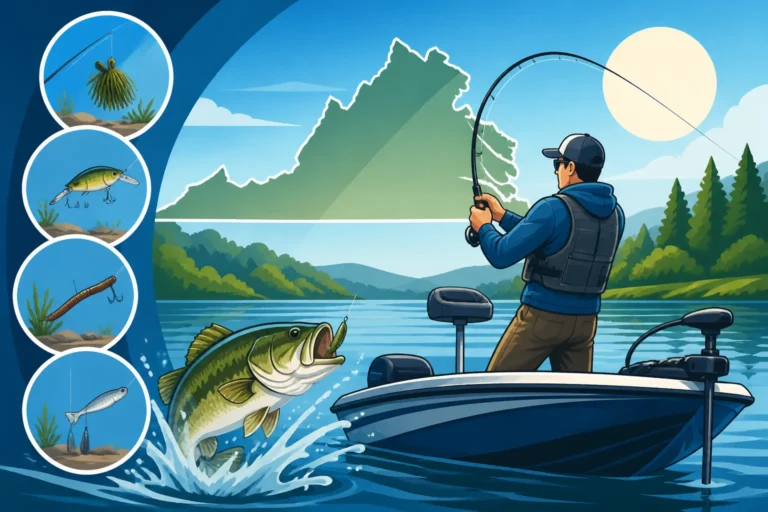
Think about areas like secondary points, creek channel swings, and large flats adjacent to deeper water. Baits that cover water quickly and draw attention are excellent choices. Large crankbaits, lipless crankbaits, spinnerbaits, and jerkbaits are all strong contenders. For instance, throwing a bright chartreuse and white spinnerbait along a rocky point where the water temperature is 55 degrees can often elicit a violent strike from a hungry pre-spawn largemouth. You can find a huge variety of these lures on Amazon, often at competitive prices. Vary your retrieve speed and depth until you dial in what the fish prefer on that particular day. Don't be afraid to experiment; sometimes a slow, deliberate presentation is required, while other days, a fast, erratic retrieve is the ticket. This is the period when many anglers are practicing How to Catch Bass in Spring Before the Spawn techniques.
Approaching Spawning Bass Ethically
Fishing for bass on beds can be controversial, and it's essential to approach it with a strong ethical mindset. While it can be exciting to sight fish for a large bass guarding its bed, remember that these fish are highly vulnerable. Catching a spawning bass removes it from its bed, even temporarily, leaving the eggs or fry exposed to predators like bluegill, crappie, or even other bass. Repeatedly catching the same fish can lead to nest abandonment.
If you choose to fish beds, consider these guidelines:
- Target quickly: Try to catch the fish on the first or second cast. If it's not biting, move on.
- Handle with care: Minimize handling time and release the fish as quickly as possible, ideally right back onto its bed or nearby.
- Limit your catch: Consider it a "catch one, move on" scenario rather than targeting multiple fish from the same bed.
- Practice restraint: Sometimes, the most ethical choice is to simply observe the spawning bass and focus on pre- or post-spawn fish instead.
For anglers determined to target bedding bass, typically slower, more subtle presentations are best. Soft plastics like lizards, creature baits, or even simple Texas-rigged worms worked directly into the bed are common choices. The idea is to irritate the bass into striking rather than enticing it to feed. Often, a bass will pick up the bait and move it off the bed rather than truly eating it; this is your cue to set the hook. This delicate balance is often discussed in resources about Bass Fishing Techniques for Spring.
Post-Spawn Techniques
After the grueling spawn, both male and female bass enter a recovery phase. This "post-spawn funk" can be challenging as bass disperse from their beds and aren't as aggressive. They're often lethargic, resting in slightly deeper water near cover to recuperate.
Your strategy here shifts from targeting concentrated fish to finding scattered, recovering individuals. Look for bass suspending over brush piles, submerged timber, or deep grass beds, particularly near spawning flats. They might also move to main lake points or humps, following baitfish that are moving out to deeper summer haunts.
Lure choices should focus on presentations that are easy for a lethargic bass to grab or that elicit a reaction strike. Topwater lures can be effective during low-light conditions, as they represent an easy meal. Soft plastics like shaky heads, drop shots, or Carolina rigs worked slowly along the bottom can entice a bite. Small crankbaits or spinnerbaits retrieved slowly through suspended cover can also be productive. As the post-spawn progresses, and bass regain their energy, they'll become more aggressive, transitioning into classic summer patterns where How to Catch Bass After the Spawn strategies become increasingly relevant. Having a good variety of these types of lures on hand, perhaps a multi-species tackle box you assembled from Amazon, will set you up for success.
Post-Spawn Patterns and Recovery
Just as crucial as understanding the pre-spawn and spawn is knowing what happens after the bass have completed their reproductive duties. This post-spawn period can be frustrating for anglers if they don't adjust their tactics, but it also marks a transition into excellent summer fishing.
The Post-Spawn Funk
Immediately following the spawn, many bass, especially the larger females, enter a period known as the "post-spawn funk." They are exhausted from the intense energy expenditure of egg production, deposition, and, for the males, nest guarding. During this time, bass are often lethargic, less aggressive, and more difficult to catch. They will typically move off the shallow beds to slightly deeper, cooler water with good cover, such as brush piles, submerged timber, or deep docks.
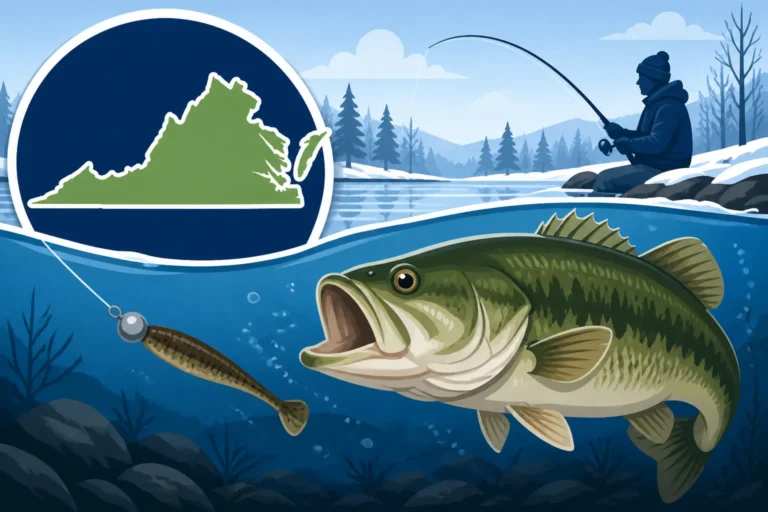
Finding these recovering bass often requires patience and different tactics than the pre-spawn or spawn. Instead of fast-moving reaction baits, slower, more subtle presentations become key. Think about finesse techniques like a weightless Senko, a shaky head worm, or a drop shot rig fished painstakingly slowly around cover. These baits mimic an easy meal and don't require the bass to expend much energy. Fish might be suspended, so a keen eye on your electronics or simply fan-casting to cover all depths is important. This is a time when many anglers struggle to locate fish, often leading to a slowdown in catch rates until bass fully recover.
Transition to Summer Patterns
As bass recover from the spawn, they gradually transition from their shallower post-spawn haunts to their deeper, more consistent summer patterns. This transition is often driven by rising water temperatures as spring gives way to summer, pushing baitfish into deeper, cooler waters, and the bass follow suit. This period sees bass moving out of the shallow spawning areas and into main lake points, deeper humps, ledges, and offshore brush piles.
During this transition, bass start to feed more actively again, making them more susceptible to a wider range of lures. Crankbaits, jigs, and even larger worms can become effective as bass regain their strength and aggression. They'll often school up in these offshore areas, and once you find them, you can have a banner day. The key is understanding that they are no longer tied to the shallows. They are now actively seeking out schools of baitfish in deeper, oxygen-rich environments. This is when understanding Summer Bass Fishing Patterns becomes invaluable, preparing you for the peak fishing opportunities of the warmer months.
Conservation During Vulnerable Periods
Beyond the techniques, the post-spawn period also highlights the importance of conservation. While not as directly vulnerable as during the active spawning, bass are still recovering. Practicing catch-and-release, especially for larger breeding-size fish, helps ensure a healthy population for future generations. Minimizing stress on the fish, using proper handling techniques, and quickly releasing them are paramount.
Remember, fishing licenses and regulations are designed with these life cycles in mind to protect fish populations. Familiarize yourself with Virginia's specific catch limits and seasons, especially for certain species or on particular bodies of water, which you can easily find in the Virginia Fishing Regulations Explained guide. Each bass successfully released means more fish for everyone to enjoy down the road, ensuring the vibrant bass fisheries in Virginia continue to thrive.
Typical Bass Spawn Windows for Key Virginia Lakes
Here's a generalized look at typical bass spawn timings for some prominent Virginia lakes. Remember, these are averages, and actual timing varies yearly based on weather and water temperatures.
| Lake Name | Primary Bass Species | Optimal Water Temp (F) | Typical Peak Spawn Window | Key Characteristics Affecting Timing |
|---|---|---|---|---|
| Smith Mountain Lake | Largemouth, Smallmouth | 58-68 (LM), 55-65 (SM) | Late April – Mid May | Deep, clear, slower to warm |
| Lake Anna | Largemouth | 58-68 | Mid April – Early May | Warmer water, earlier spawn |
| Kerr Lake | Largemouth | 58-68 | Mid April – Mid May | Large, stained, varied arms |
| Claytor Lake | LM, SM, Spotted | 58-68 (LM), 55-65 (SM/SP) | Early May – Late May | Cooler mountain lake, later spawn |
| James River | Largemouth, Smallmouth | 58-68 (LM), 55-65 (SM) | Late April – Mid May | Riverine, current dependent |
| Lake Gaston | Largemouth | 58-68 | Mid April – Early May | Similar to Lake Anna, productive |
Please note that these are approximate timings. Always check local fishing reports and current water temperatures before heading out.
Disclaimer
The information provided in this guide is for general informational purposes only and is not intended as legal advice or a substitute for official regulations. Fishing rules and regulations can change frequently. Always consult the most current Virginia Department of Wildlife Resources (DWR) guidelines before fishing to ensure compliance. Safe boating and fishing practices should always be followed.