Smith Mountain Lake Striped Bass Fishing in Virginia
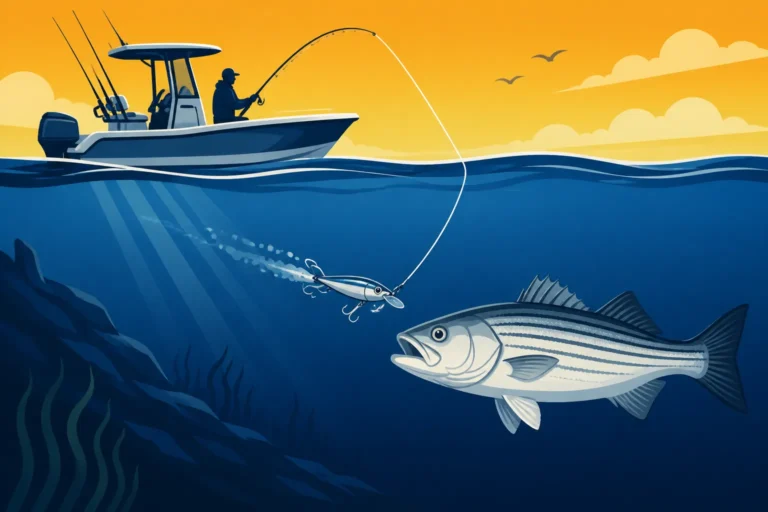
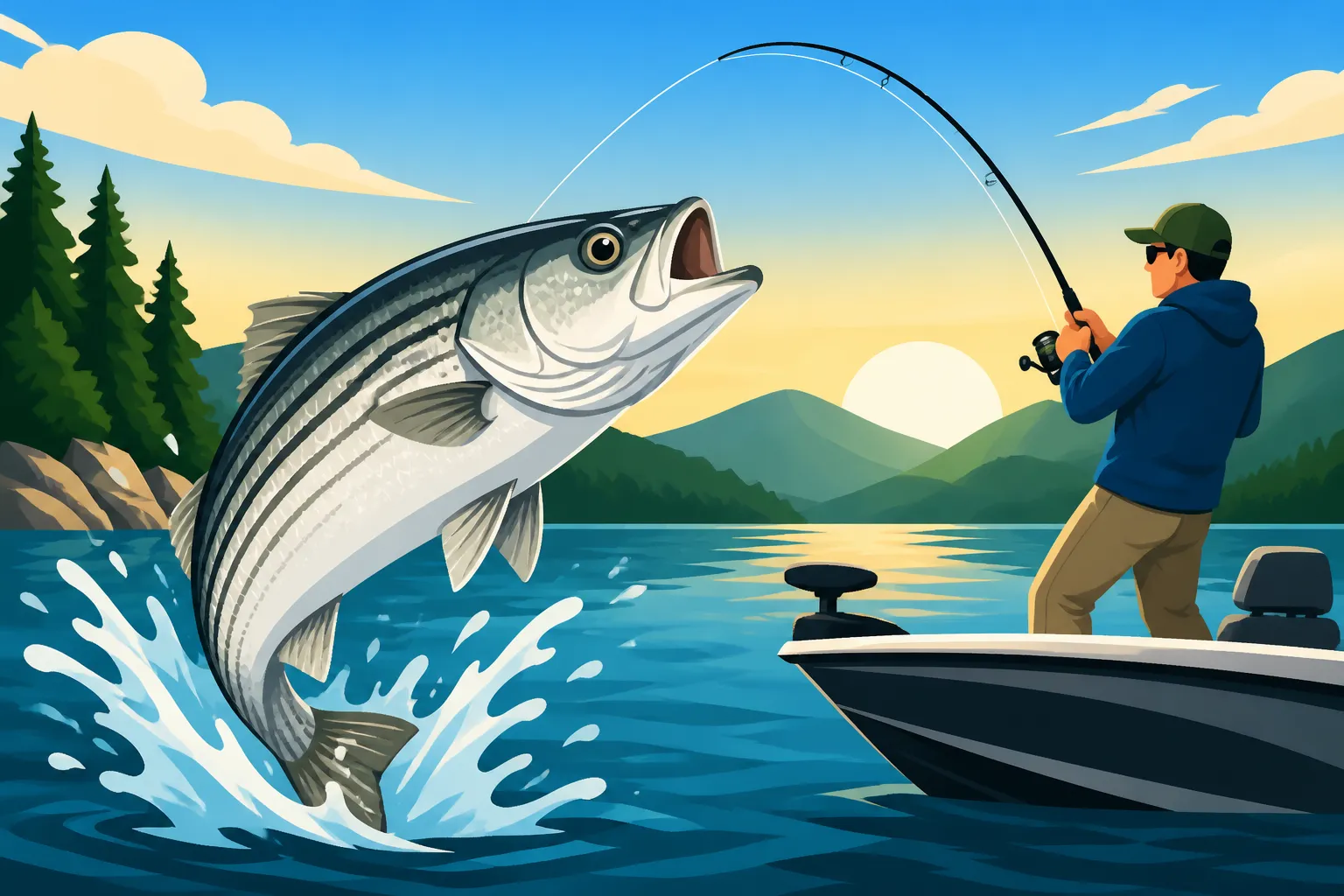
Many anglers dream of the thrill of a big game fish, and for those in Virginia, few experiences rival the sheer power and excitement of battling a striped bass on Smith Mountain Lake. But chasing these magnificent "rockfish" isn't just about luck; it's a strategic dance with a powerful adversary that requires understanding their habits, the lake's unique environment, and the right techniques. This comprehensive guide is here to unravel the mysteries of Smith Mountain Lake striper fishing, offering you the deep insights and practical tips you need to confidently pursue these hard-fighting fish and make your next outing a memorable success.
Understanding Smith Mountain Lake's Striper Fishery
Smith Mountain Lake, often affectionately called SML by locals, isn't just a pretty face in the Blue Ridge Mountains. It's a truly remarkable fishery, meticulously managed to provide an exceptional experience for striped bass enthusiasts. But what makes it so special, and how do stripers thrive in this particular environment?
The Unique Environment of SML for Stripers
Unlike their saltwater cousins, Smith Mountain Lake's striped bass are entirely landlocked, and they've adapted beautifully to this freshwater giant. The lake itself is a deep, sprawling reservoir, covering over 20,000 acres with more than 500 miles of shoreline. This immense size and depth create diverse habitats, from shallow coves to steep, rocky bluffs and vast open water.
One of the most critical factors for stripers in SML is the thermocline. During the warmer months, the lake stratifies into layers: a warm, oxygen-rich upper layer and a colder, oxygen-depleted lower layer. The thermocline is the narrow band in between, where oxygen levels are suitable, and cooler water provides comfort for stripers. Understanding this thermal break is absolutely essential, especially from late spring through early fall. Striped bass will congregate around or just above this zone, seeking the perfect balance of temperature and oxygen, often following baitfish that do the same.
And speaking of baitfish, they are the lifeblood of the SML striper fishery. The primary forage for these apex predators consists of threadfin shad and gizzard shad. These small, schooling fish provide an abundant food source, and where the shad go, the stripers will follow. Anglers who learn to locate the baitfish are well on their way to locating the stripers. The deep, clear water of SML also means that stripers are highly visual predators, influencing lure choices and fishing techniques.
Why SML is a Premier Striped Bass Destination
Smith Mountain Lake holds a well-deserved reputation as one of the East Coast's premier freshwater striped bass destinations, and it's not hard to see why. The lake boasts a robust, self-sustaining population of stripers, thanks to careful management by the Virginia Department of Wildlife Resources (DWR) and successful stocking programs. This means consistent opportunities to catch fish, from respectable keepers to true trophy-class specimens that can exceed 30 pounds. Many anglers come here specifically hoping to catch a trophy largemouth bass at Smith Mountain Lake or a massive striper.
The potential for trophy fish is a huge draw. SML has produced state records and consistently yields large stripers, providing that incredible adrenaline rush when a big one hits your line. Beyond just size, the sheer accessibility of the lake, with numerous public boat ramps and marinas, makes it easy for anglers to get out on the water. Plus, with a healthy population, there's the chance for year-round fishing, adapting techniques to the changing seasons, which we'll dive into shortly. It’s a place where dedicated anglers can truly hone their skills and chase that personal best, often putting it right up there with the Smith Mountain Lake's Elite Virginia Striped Bass Fishery you might read about.
Essential Gear and Tackle for Smith Mountain Lake Stripers
When you're targeting a fish as powerful and determined as a Smith Mountain Lake striped bass, you simply cannot skimp on your gear. The right tackle isn't just about catching fish; it's about handling them efficiently and ethically, ensuring both your success and the fish's well-being.
Rods, Reels, and Line Choices
Striped bass are brawlers, and your rods and reels need to be up to the task. For most SML striper fishing, you'll want to lean towards medium-heavy to heavy power rods, typically in the 7 to 8-foot range. This length provides the leverage needed for long casts and the backbone to control a large fish, while also being manageable in a boat. Whether you prefer baitcasting or spinning gear, ensure your reels have a smooth, powerful drag system. A reel with a high line capacity is also crucial, as a big striper can make long, blistering runs. Brands like Penn, Shimano, and Daiwa are popular choices for their reliability and robust construction, often available on platforms like Amazon for convenience.
When it comes to line, braided line has become the standard for main lines due to its incredible strength-to-diameter ratio and zero stretch. This sensitivity allows you to feel even the slightest tap, and its strength is invaluable when fighting a strong fish or getting hung up. Typically, 30-50 lb test braid is a good starting point. However, because braid is highly visible, you'll want to tie on a fluorocarbon leader, usually 15-25 lb test. Fluorocarbon is nearly invisible underwater, providing a stealthy presentation, and its abrasion resistance protects against sharp rocks or the rough mouths of stripers. A good swivel between your braid and leader can help prevent line twist.
Must-Have Lures and Baits
Let's be clear: live bait is king for Smith Mountain Lake stripers, especially during the warmer months. Your absolute best bet will be local shad – threadfin and gizzard shad. These are what the stripers naturally feed on, making them incredibly effective. Catching your own shad with a cast net can be a rewarding part of the experience, but many local bait shops also carry them. Shiners can also work as a secondary option if shad are unavailable. Presenting live bait properly is a key skill to develop for consistent success.
Beyond live bait, a diverse selection of artificials can be incredibly effective, especially when stripers are actively chasing bait on the surface or congregating in deeper schools.
- Swim Baits: Soft plastic swimbaits, often with a paddle tail, rigged on a weighted swimbait hook, mimic shad perfectly. Sizes from 4 to 7 inches are common. Brands like VMC, Berkley, and Keitech offer excellent options that you can easily find.
- Bucktail Jigs: These classic lures are incredibly versatile. Tipped with a soft plastic trailer (like a grub or a strip of pork rind), they can be jigged vertically, cast and retrieved, or trolled. They come in various weights (from 1/2 oz to 2 oz or more) to reach different depths.
- Spoons: Casting spoons (e.g., Kastmaster, Little Cleo) and vertical jigging spoons (like a Hopkins or a Crippled Herring) are deadly when stripers are schooled up deep. These mimic wounded baitfish and can provoke aggressive reaction strikes.
- Topwater Lures: When stripers are chasing shad on the surface – a truly exhilarating experience – nothing beats a topwater lure. Poppers, walk-the-dog baits (like a Zara Spook), or prop baits create a commotion that drives stripers wild. These are particularly effective during low light conditions in spring and fall.
Having a good selection of these, and the willingness to experiment, will dramatically increase your chances. Make sure to stock up on a variety of colors, especially natural shad patterns, as well as some brighter colors for stained water or low light.
Mastering Striped Bass Techniques on SML
Catching Smith Mountain Lake stripers isn't a one-size-fits-all endeavor. These fish are masters of adaptation, and the successful angler is one who can switch tactics as conditions change.
Live Bait Tactics: Downlining and Freelinning
Live bait is often the most consistent way to catch stripers on SML, and two primary methods dominate:
- Downlining: This is a precision technique, critical when stripers are holding deep, often suspended around the thermocline or over submerged structure. The goal is to present a lively shad directly in front of their faces. You'll typically use a heavy sinker (1 to 3 ounces, or more depending on depth and current) attached above a swivel, then a 3-4 foot fluorocarbon leader with a circle hook. Using your fish finder, locate schools of stripers and baitfish, noting their depth. Drop your live shad down to that exact depth. The circle hook is important because it usually hooks the fish in the corner of the mouth, reducing gut-hooking and making for easier release. This method requires a good understanding of your electronics to pinpoint fish and keep your bait in the strike zone.
- Freelinning: This method is employed when stripers are actively feeding higher in the water column, often near the surface, especially during early mornings, late evenings, or when they're pushing bait into a "boil." Here, you cast a live shad with little to no weight (or just a small split shot) and let it swim freely. The idea is for the natural movement of the bait to entice a strike. This is particularly exciting as you often see the striper smash the bait right on the surface. Keep your rod tip pointed at the bait, watching for any sudden surge or splash, and be ready to set the hook. This method is often employed around schooling fish or when targeting actively feeding groups that are herding bait.
Trolling for Deep-Water Stripers
Trolling is a highly effective way to cover a lot of water and locate scattered schools of stripers, especially when they are holding deep or suspended over open water. It allows you to present multiple baits or lures at precise depths and speeds.
- Planer Boards and Umbrella Rigs: For spreading out your presentation and covering a wider path, planer boards are invaluable. These devices pull your lines away from the boat, preventing tangles and allowing you to target fish in shallower water while keeping the boat in deeper areas. Umbrella rigs are another powerful trolling setup, consisting of multiple wires or leaders with small lures (like shad imitations) that create the illusion of a school of baitfish, with a larger "chase bait" behind it. These can be trolled directly behind the boat or off planer boards.
- Deep-Diving Crankbaits and Spoons: When stripers are consistently holding at a specific depth, deep-diving crankbaits from brands like Rapala or Rebel, or large trolling spoons, can be incredibly effective. Pay close attention to the dive curve of your chosen lure to ensure it's reaching the fish. Trolling speed is critical – usually between 2-4 mph, but experiment to see what the fish prefer on any given day. Varying your speed and making subtle turns can trigger strikes. If you're serious about this, you'll want to explore Smith Mountain Lake Striper Trolling Techniques in Virginia in more detail.
Artificial Lure Presentation: Casting and Jigging
While live bait is often the go-to, artificial lures can be incredibly exciting and productive, particularly when stripers are in an aggressive mood.
- Topwater Action: There's nothing quite like a striper exploding on a topwater lure. This usually happens during low-light conditions (dawn and dusk) or when schools of stripers are actively pushing shad to the surface, creating a feeding frenzy or "boil." Cast poppers, walk-the-dog baits, or prop baits into the commotion and work them aggressively. The visual strike is unforgettable.
- Swim Baits and Bucktails: When stripers are cruising just below the surface or holding on points and ledges, casting and retrieving swimbaits or bucktail jigs can be deadly. Vary your retrieve speed and add pauses to mimic a wounded baitfish. These are also excellent for throwing into the edges of surface boils once the initial frenzy subsides.
- Vertical Jigging: This technique shines when stripers are suspended in deeper water and are visible on your electronics. Drop heavy spoons (like a Hopkins, Kastmaster, or a bucktail jig with a grub trailer) directly down to the depth of the fish. Use a sharp, upward jerk followed by a controlled fall. Many strikes occur on the fall, so pay close attention to your line. This is a very active fishing style that can produce consistent hookups once you've located the schools.
Seasonal Strategies for Smith Mountain Lake Stripers
Smith Mountain Lake stripers are creatures of habit, but their habits change dramatically with the seasons. Understanding these seasonal patterns is the key to consistent success.
Spring: Pre-Spawn and Early Aggression
As the water temperatures begin to rise in early spring (typically March and April), the lake's striped bass become highly active. This is a period of intense feeding as they prepare for their spawning migration up the lake's tributaries (like the Roanoke and Blackwater rivers).
During this pre-spawn phase, stripers will move shallower, often congregating in larger coves, on main lake points, and around submerged humps. Look for them feeding aggressively on shad that are also moving into warmer, shallower waters. Early mornings and late evenings can see incredible surface activity, making it a prime time for topwater lures. Trolling umbrella rigs or large crankbaits can also be very productive for locating schools, and live bait presented on downlines or free lines in these transition areas will often yield excellent results. Pay attention to water temperature, as the magical range for increased activity is usually between 50 and 60 degrees Fahrenheit. This is when the fish really turn on.
Summer: Deep Water and Thermocline Tactics
Summer on Smith Mountain Lake brings its own set of challenges and opportunities. As the lake warms, stripers seek refuge in cooler, oxygenated water. This means they'll often be found in deeper areas, congregating around the thermocline. Locating this critical depth becomes paramount.
Your fish finder is your best friend during the summer months. Scan deep channels, humps, and points for schools of baitfish and stripers suspended at specific depths, usually just above or within the thermocline. Downlining live shad at these precise depths is hands down the most effective technique. Trolling deep-diving crankbaits or umbrella rigs can also pick up scattered fish.
Another fantastic summer tactic is night fishing. Stripers, sensitive to bright sunlight and warm surface temperatures, often become much more active after dark. Anglers will often use submersible lights to attract baitfish, which in turn attracts stripers, creating an exciting fishing experience under the stars. For more on this, check out Night Fishing Techniques. While it's generally best to fish during low light, some anglers still find success with specific techniques, especially if they understand Best Time of Day to Catch Bass in Summer.
Fall: Feeding Frenzies and Migration
Fall is arguably the most exciting time for Smith Mountain Lake striper fishing. As water temperatures cool and the thermocline begins to break down, baitfish become more scattered and vulnerable. Stripers respond with massive feeding frenzies, often chasing shad into the backs of major creeks and up the main lake.
This is the time when you'll witness those incredible surface boils, sometimes stretching for hundreds of yards, where stripers are literally smashing bait on the surface. Topwater lures, swimbaits, and bucktails cast into these frenzies can lead to explosive strikes. Trolling is also highly effective as stripers actively hunt. Keep an eye on the gulls and other birds – they're often reliable indicators of feeding activity. As the fall progresses and water temperatures drop further, stripers will move to deeper, more predictable locations, but the aggressive feeding continues. For bass in general, Fall Bass Fishing Patterns apply well here.
Winter: Slow and Deep
Winter fishing on SML for stripers requires patience and a slower approach. With cold water temperatures, the stripers become less active, but they are still catchable. They tend to congregate in large schools in deep channels, often relating to significant bottom structure like submerged creek beds or main river channels.
Your electronics are crucial for locating these tight schools. Once found, vertical jigging spoons or heavy bucktails directly over the fish can be very effective. Slower retrieves and subtle jigging actions are key. Live bait, presented on a downline and held very still, can also entice lethargic stripers. Sometimes, very slow trolling with large live bait or deep-diving plugs is also productive. This is not the time for fast-paced action, but for methodical and precise presentations. To learn more about fishing in cold conditions, consider reading How to Catch Bass in Cold Water, as the principles often translate to stripers. If you're planning a trip during this season, keep in mind Smith Mountain Lake Striped Bass Fishing Season in Virginia will still offer opportunities.
Essential Electronics and Navigation for SML
Modern electronics have revolutionized freshwater fishing, and for Smith Mountain Lake striped bass, they are absolutely indispensable. Think of your fish finder and GPS as your eyes and roadmap on the water.
Interpreting Sonar and Lake Maps
A high-quality fish finder is paramount. Brands like Garmin, Humminbird, and Lowrance offer excellent units that combine sonar, Down Imaging, and Side Imaging (or similar technologies). Learning to interpret what your screen is telling you will drastically improve your success.
- Fish Arches: Classic 2D sonar displays fish as arches. Larger, thicker arches often indicate bigger fish. Look for these arches concentrated in schools, often near baitfish or structure.
- Bait Balls: Shad will show up as dense clouds on your sonar screen. Where you find bait, you'll often find stripers. Pay attention to how the stripers are relating to the bait – are they below, above, or busting through the school?
- Structure: Your sonar will also reveal bottom contours, submerged humps, points, creek channels, and standing timber. Stripers frequently relate to these features, using them as ambush points or resting areas. Understanding the topography of SML is key, and detailed lake maps (often built into your fish finder or available on mapping apps) will help you identify promising areas before you even get there. Learn to differentiate between a solid bottom return and a suspended school of fish.
GPS and Spot-Lock Technology
Having a reliable GPS unit, whether standalone or integrated into your fish finder, is non-negotiable on a lake as large and complex as SML.
- Marking Productive Spots: As soon as you find a school of fish, a productive point, or a consistent depth where you're getting bites, mark it as a waypoint on your GPS. This allows you to return to that exact spot later in the day or on future trips. Over time, you'll build a personal library of honey holes.
- Staying on Schools: For chasing those active schools of stripers, especially when live bait fishing or jigging, a trolling motor with "spot-lock" or anchor mode is a game-changer. Technologies from brands like Minn Kota's Ulterra or Rhodan Marine allow you to press a button, and the motor will use GPS to hold your boat in a precise location, even against wind or current. This frees you up to focus on fishing, keeping your baits in the strike zone without constantly having to maneuver the boat. This technology can make a huge difference in your ability to effectively fish a single school of fish.
- For those just starting out or looking for general guidance, knowing the Best Fishing Spots in Virginia can be a great starting point for familiarizing yourself with potential striper haunts.
Regulations and Conservation for SML Stripers
Part of being a responsible and successful angler on Smith Mountain Lake means understanding and respecting the rules and contributing to the health of this incredible fishery. The Virginia Department of Wildlife Resources (DWR) works hard to manage the striper population, and anglers play a vital role in that effort.
Virginia's Striped Bass Regulations for Inland Waters
It's absolutely critical to understand that the regulations for striped bass in inland waters like Smith Mountain Lake are different from those for saltwater "rockfish" in the Chesapeake Bay or coastal areas. You simply cannot assume the rules are the same.
For Smith Mountain Lake, the DWR typically sets specific creel limits (the number of fish you can keep) and size limits (the minimum or sometimes maximum length a fish must be to be kept). These regulations can and do change, so always consult the most current Virginia DWR fishing regulations manual before you head out. You can usually find this online or pick up a physical copy wherever you purchase your fishing license. For specific information, you might look into Virginia Fishing Regulations Explained or Virginia's Fishing License and Catch Limit Basics.
As of my last check, a general regulation for SML stripers is a limit of four fish per person per day, with specific size restrictions (e.g., only one fish over a certain length, or a slot limit where fish between two sizes must be released). Make sure you have a reliable measuring device on board, as game wardens regularly patrol the lake and will check for compliance. Violations can result in hefty fines and even loss of fishing privileges, so it's just not worth the risk. Always verify the current rules.
Practicing Responsible Catch and Release
Even if you plan to keep your limit, many anglers on Smith Mountain Lake practice catch and release, especially for larger breeding-size fish. Responsible handling ensures the survival of released fish, contributing to a sustainable fishery for everyone.
Here are some best practices for catch and release:
- Minimize Fight Time: Use appropriate tackle that can bring the fish in relatively quickly. A prolonged fight can exhaust a striper, making it less likely to survive release.
- Use Circle Hooks: When fishing with live bait, circle hooks are highly recommended. They are designed to hook fish in the corner of the mouth, reducing the chance of gut-hooking, which is often fatal.
- Handle with Care: Avoid touching the fish's gills or eyes. If possible, keep the fish in the water while you remove the hook. If you must bring it aboard, use a wet glove or a towel to support its belly and hold it horizontally. Never hold a large striper vertically by the jaw, as this can damage its internal organs.
- De-Hooking Tools: Have pliers, a hook remover, or a de-hooker readily available. These tools allow for quick and easy hook removal, minimizing stress on the fish. Many great options are available on Amazon.
- Revive the Fish: If a fish seems sluggish before release, hold it gently in the water, facing into the current (or move the boat slowly forward to create water flow), until it regains its strength and swims away on its own.
- Be Mindful of Water Temperature: During summer, when surface water temperatures are very high, the survival rate of released stripers can decrease. Consider targeting other species or adjusting your fishing times to early morning or night when temperatures are cooler.
By following these guidelines, you're not just being a good angler; you're actively helping to preserve the incredible Smith Mountain Lake striper fishery for future generations. Don't forget, to legally fish these waters, you'll need a proper Virginia Fishing License Guide.
Smith Mountain Lake Striped Bass Seasonal Overview
To summarize the seasonal movements and recommended tactics for Smith Mountain Lake stripers, here's a helpful overview:
| Season | Water Temperature (Approx.) | Striper Location & Behavior | Primary Tactics | Key Lures/Baits |
|---|---|---|---|---|
| Spring | 50-60°F | Moving shallower, aggressive feeding, pre-spawn migration | Live bait (free lines, downlines) in coves/points, trolling crankbaits/umbrella rigs, topwater at dawn/dusk, casting swimbaits | Live Shad, Shiners, Topwater Lures, Swimbaits, Deep-Diving Crankbaits, Umbrella Rigs |
| Summer | 70-85°F (surface) | Deep, concentrated near thermocline, less active during day | Downlining live bait at thermocline depth, night fishing with lights, slow trolling deep-diving lures | Live Shad, Deep-Diving Crankbaits, Vertical Jigging Spoons |
| Fall | 60-70°F (cooling) | Highly active, chasing bait into creeks, surface boils | Casting topwater, swimbaits, bucktails into boils; trolling, downlining live bait in major creeks and main lake; searching for bird activity | Topwater Lures, Swimbaits, Bucktail Jigs, Live Shad, Spoons |
| Winter | 40-50°F | Deep channels, large schools, lethargic | Vertical jigging spoons/bucktails over suspended schools, very slow trolling live bait/deep-diving lures, downlining live bait held still | Vertical Jigging Spoons, Heavy Bucktail Jigs, Live Shad, Deep-Diving Crankbaits |
Disclaimer
The information provided in this guide is for general informational purposes only and is subject to change. Fishing regulations, seasons, and limits are determined by the Virginia Department of Wildlife Resources (DWR) and can be updated at any time. Always consult the official Virginia DWR website or obtain a current fishing regulations guide before engaging in any fishing activities to ensure compliance with the latest rules and to verify all license requirements. Fishing involves inherent risks; please exercise caution and practice safe boating and fishing techniques.